
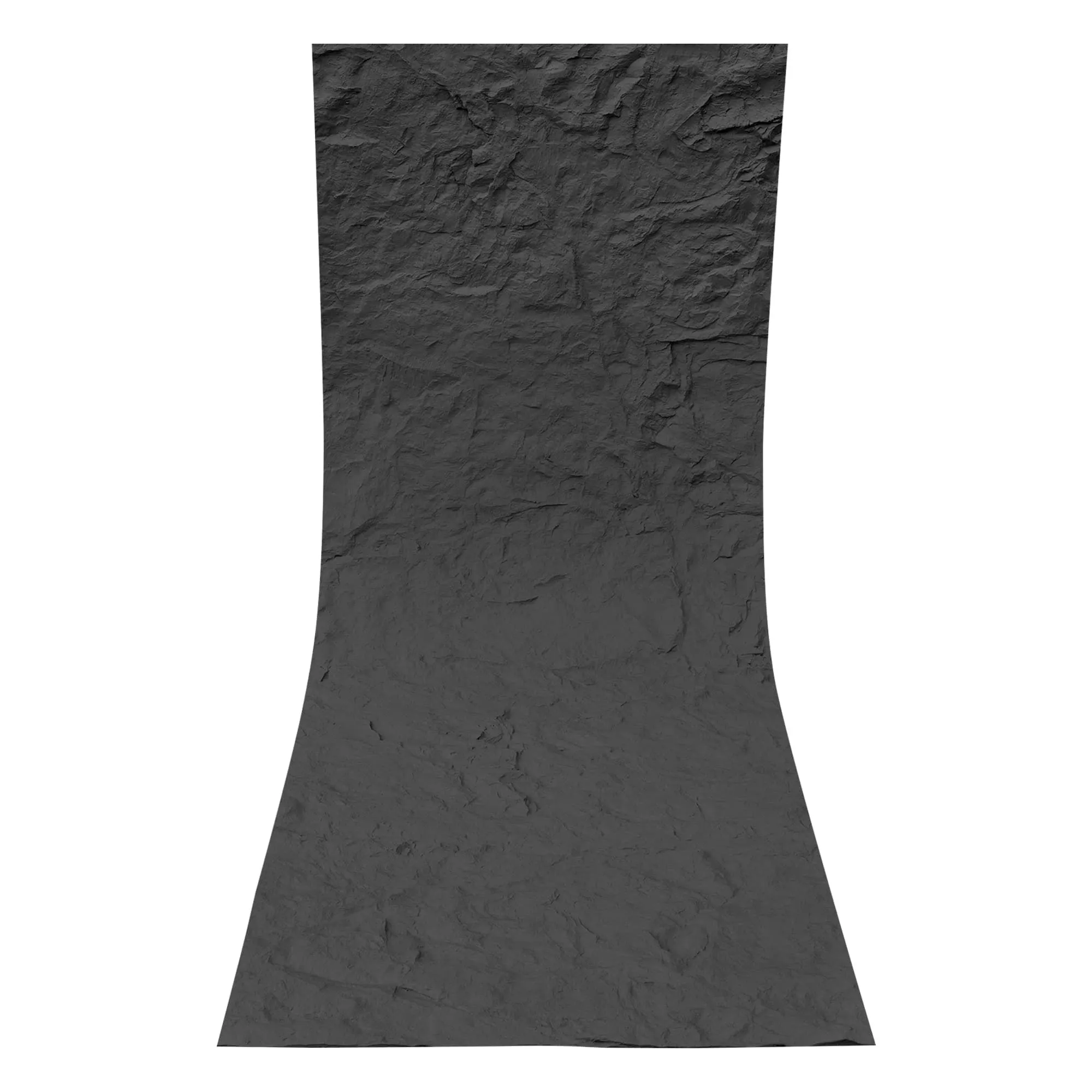
There's something about the Vintage Black Boulder Slab that stops you in your tracks. Maybe it's the way its deep, inky surface catches the light, revealing subtle flecks of silver and charcoal like a starry night sky. Or perhaps it's the quiet confidence it brings to a space—industrial yet warm, rugged yet refined. As part of the broader boulder slab family, which includes vintage silver and gold iterations, this particular variant has become a darling of designers and homeowners alike, gracing everything from kitchen countertops to living room feature walls. But here's the thing: that "lived-in luxury" look? It doesn't happen by accident. To keep your Vintage Black Boulder Slab looking as striking as the day it was installed, a little care goes a long way. Let's dive into how to make that happen.
Before we talk about cleaning or stains, it helps to understand what you're working with. Vintage Black Boulder Slab isn't your average stone. Crafted from a blend of natural minerals and engineered compounds, it's designed to mimic the raw, weathered beauty of ancient boulders—minus the heft and porosity of fully natural stone. Its surface is typically honed to a soft matte finish, with intentional "imperfections" like tiny pits, subtle veining, and a slightly textured feel that adds character. Think of it as a material with personality: it shows off its age gracefully, but only if you treat it right.
One key trait to note: while more durable than, say, marble, it's not entirely impervious. Its porous nature means it can absorb liquids if left unattended, and its matte finish is prone to showing scratches if you're not careful. But don't let that scare you—with the right routine, these quirks become part of its charm, not a headache.
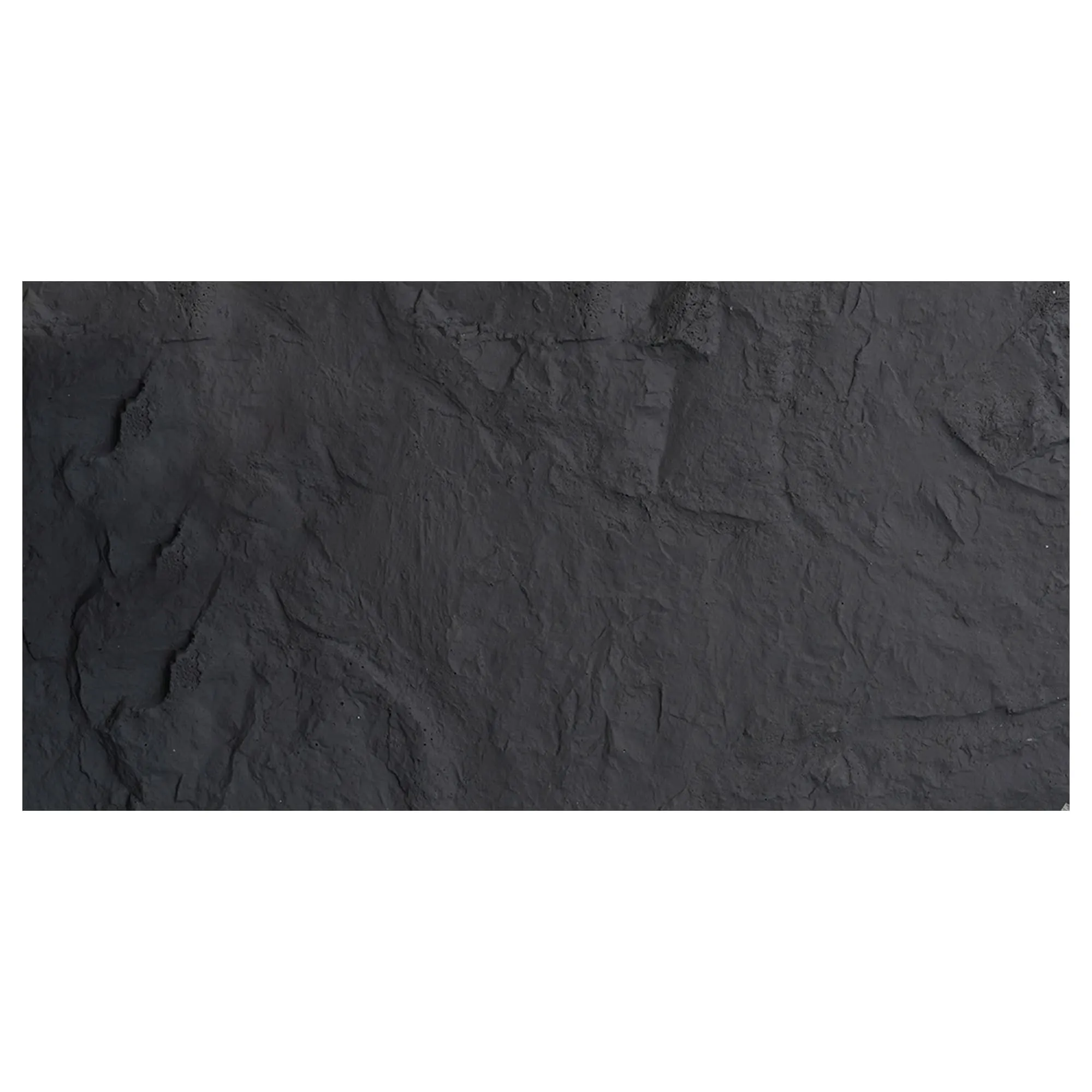
You know that saying, "An ounce of prevention is worth a pound of cure"? Nowhere is that truer than with your Vintage Black Boulder Slab. Daily care is less about deep cleaning and more about stopping problems before they start. Here's what works:
Even if your slab looks clean, tiny particles of dirt, sand, or debris can act like sandpaper over time. A quick once-over with a microfiber cloth (for countertops) or a soft-bristled broom (for floors) removes these abrasives. Avoid using dry paper towels—they can leave lint or scratch the surface if they catch on a rough spot.
Remember that porosity we mentioned? It means liquids like coffee, wine, or even water (if left for days) can seep in and leave stains. Keep a stack of absorbent, lint-free cloths nearby—think old cotton t-shirts cut into squares—and blot spills gently (don't rub!) as soon as they happen. For oily spills (like olive oil or lotion), a dry cloth works better than a wet one to soak up the grease first.
You might think a cold glass of water is harmless, but condensation can pool and seep into those tiny pores. Hot pans? Definitely a no-go. The extreme heat can cause thermal shock, leading to cracks or discoloration. Invest in stylish coasters (wood or cork work well—they won't scratch) and trivets for pots and pans. Your slab will thank you.
Daily habits keep the surface looking fresh, but every 1–2 weeks (or more often if you have a busy household), it's time for a deeper clean. This isn't about scrubbing until your arms ache—it's about using the right products to lift grime without stripping the slab's finish.
Pro tip: If you're unsure about a cleaner, test it on a hidden spot first—like the back of a countertop or under a furniture leg. Let it sit for 10 minutes, then wipe and check for discoloration. Better safe than sorry!
Let's be real: no matter how careful you are, spills happen. A rogue glass of red wine at a dinner party, a leaky ink pen, or even a forgotten avocado pit that leaves a greenish tinge. The key is to act fast and use the right treatment for the stain type. Here's how to tackle the most common culprits:
These are the most common, and luckily, the easiest to fix if caught early. Mix a paste of baking soda and water (about 2:1 ratio) and spread it over the stain, making sure to cover it completely. Let it sit for 15–20 minutes—the baking soda will draw out the moisture and lift the color. Gently wipe away the paste with a damp cloth, then dry. For older stains, you can add a drop of hydrogen peroxide to the paste (test first!) to boost its power.
Oil loves to seep into porous surfaces, so speed is critical here. First, blot up as much oil as possible with a dry cloth (don't rub—you'll spread it!). Then, sprinkle cornstarch or talcum powder over the area and let it sit for 30 minutes to absorb the remaining oil. Vacuum up the powder, then clean with a pH-neutral stone cleaner. If the stain lingers, repeat the process—sometimes it takes a few tries.
These are trickier, but not impossible. For water-based inks, a damp cloth with a little dish soap (mild, like Dawn) can work. For permanent ink or dye, try rubbing alcohol on a cotton ball—dab gently, moving from the edge of the stain toward the center to avoid spreading. Rinse with water and dry immediately. Note: Alcohol can dull some finishes, so test in a hidden spot first!
That metal plant pot that sat on your slab for weeks? Yep, it might leave a rust ring. Avoid using acidic cleaners (like vinegar or lemon juice) here—they'll only make it worse. Instead, pick up a rust remover specifically designed for stone (look for "oxalic acid" as an active ingredient). Follow the instructions carefully, rinse thoroughly, and dry.
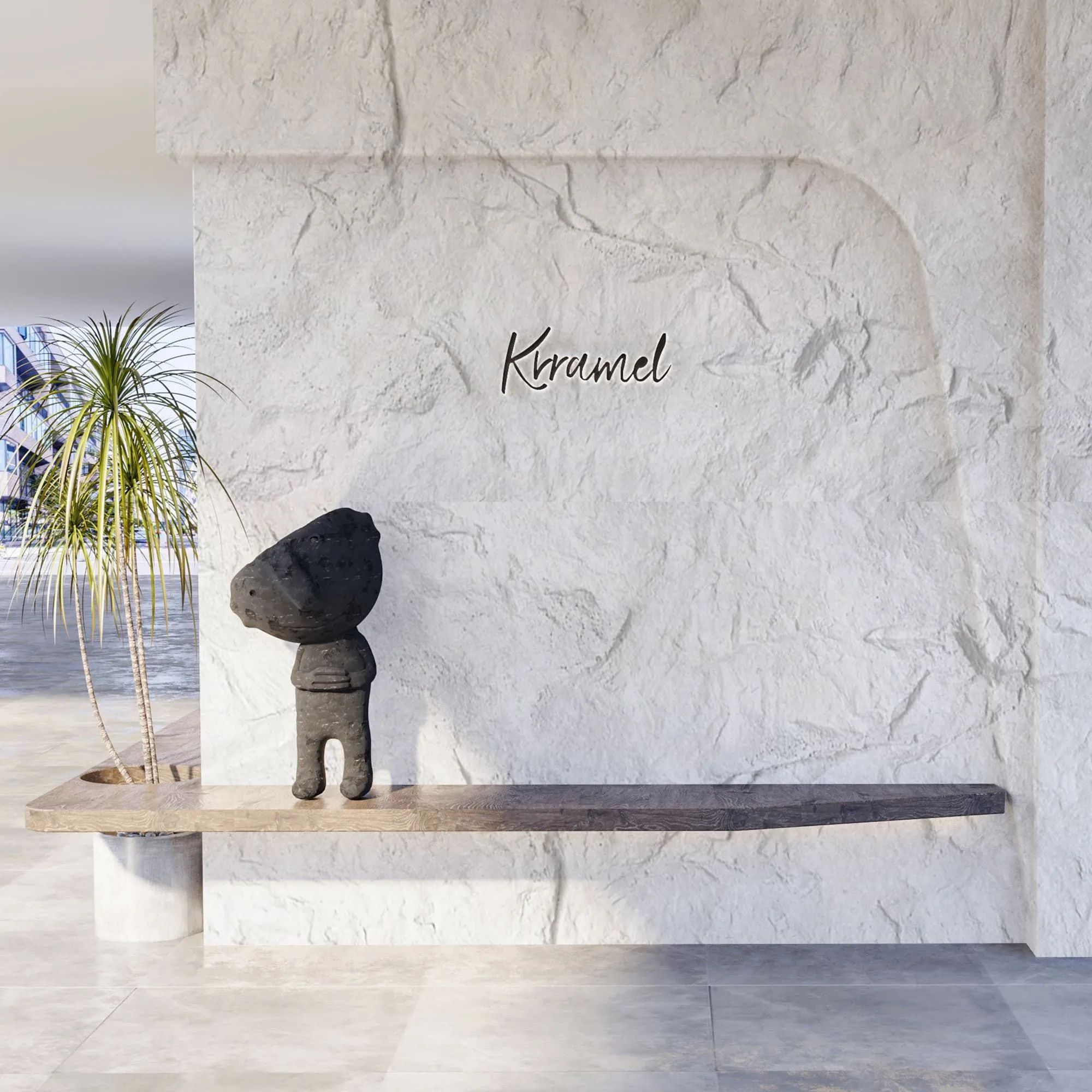
Scratches and etching (dull, white marks from acidic substances) are the biggest enemies of your slab's finish. Here's how to keep them at bay:
Steel wool, scouring pads (even the "soft" ones), and abrasive cleaners (like Comet) are a no-no. They'll scratch the matte surface, leaving visible marks. Stick to soft sponges or microfiber cloths for cleaning.
Sealing is like a protective force field for your slab. It fills in the pores, making it harder for liquids to seep in and stains to set. How often? For high-traffic areas (kitchen countertops), seal every 6–12 months. For lower-traffic areas (bathroom walls), every 1–2 years. Use a penetrating sealer (not a topical one, which can leave a glossy film) designed for matte stone. Apply it with a lint-free cloth, let it sit for 5–10 minutes, then wipe off the excess. Easy as that!
Dragging chairs, tables, or appliances across your slab is a surefire way to scratch it. Use felt pads under furniture legs, and always lift (don't slide!) heavy objects. For appliances like blenders or toasters, place a rubber mat underneath to prevent scratches from vibrations.
Your slab's needs change with the seasons—here's how to adjust your routine:
Warm, humid air can lead to mold or mildew, especially in bathrooms or basements. Wipe down surfaces more frequently with a dry cloth to reduce moisture, and use a dehumidifier if needed. Avoid leaving wet towels or bath mats on the slab for extended periods.
Salt from boots, ice melt, and even snow can leave white, chalky residue (efflorescence) on your slab. Place a plastic or rubber mat near entryways to catch debris, and wipe up salt spills immediately with a damp cloth. Avoid using ice melt products directly on the slab—opt for sand instead to add traction without the chemicals.
Curious how your slab stacks up to other trendy materials like fair-faced concrete or polish concrete ? We've broken down the key differences in maintenance to help you decide (or just appreciate your slab even more):
| Material | Daily Care | Stain Resistance | Sealing Frequency | Best For |
|---|---|---|---|---|
| Vintage Black Boulder Slab | Dust, wipe spills, use coasters | Moderate (needs sealing) | 6–12 months (high traffic) | Countertops, accent walls, floors |
| Fair-faced Concrete | Sweep, damp mop, avoid acidic cleaners | Low (very porous) | 3–6 months | Industrial-style floors, outdoor patios |
| Polish Concrete | Dust, dry mop, occasional pH-neutral clean | High (dense, less porous) | 1–2 years | Modern kitchens, commercial spaces |
| Wood Grain Board | Dust, avoid water, use wood conditioner | Low (prone to water damage) | 3–6 months (conditioning) | Accent walls, furniture tops |
As you can see, Vintage Black Boulder Slab hits a sweet spot: more durable than wood grain board, less high-maintenance than fair-faced concrete, and with more character than polish concrete. It's a material that rewards a little care with long-lasting beauty.
Your Vintage Black Boulder Slab isn't just a surface—it's an investment. With the right care, it can last 50 years or more, aging into a piece that tells the story of your home. Here are a few pro tips for long-term preservation:
Jot down when you sealed it, when you had a big spill, or when you noticed a scratch. This helps you spot patterns (e.g., "I always spill coffee here—maybe I need a bigger coaster!") and stay on top of sealing schedules.
Over time, your slab might develop a slight sheen or deeper color in high-traffic areas. This is called "patina," and it's a good thing! It means the slab is integrating into your daily life, becoming more unique with each passing year. Think of it like a favorite leather jacket—those scuffs and fade marks are what make it yours.
Some issues—like deep etching from acid, large cracks, or extensive staining—are best left to professionals. Stone restoration experts have tools (like diamond pads for polishing) and products that can revive even badly damaged slabs. It's worth the cost to save a material you love.
Maintaining your Vintage Black Boulder Slab isn't just about cleaning—it's about nurturing a relationship with your home. Every time you wipe a spill, seal its surface, or admire its texture, you're investing in the spaces where life happens: morning coffee chats, family dinners, lazy Sunday afternoons. With a little patience and these simple tips, your slab will keep turning heads and warming hearts for years to come. After all, the best materials aren't just beautiful—they're resilient, adaptable, and full of stories. And isn't that what a home is, too?
Recommend Products












