
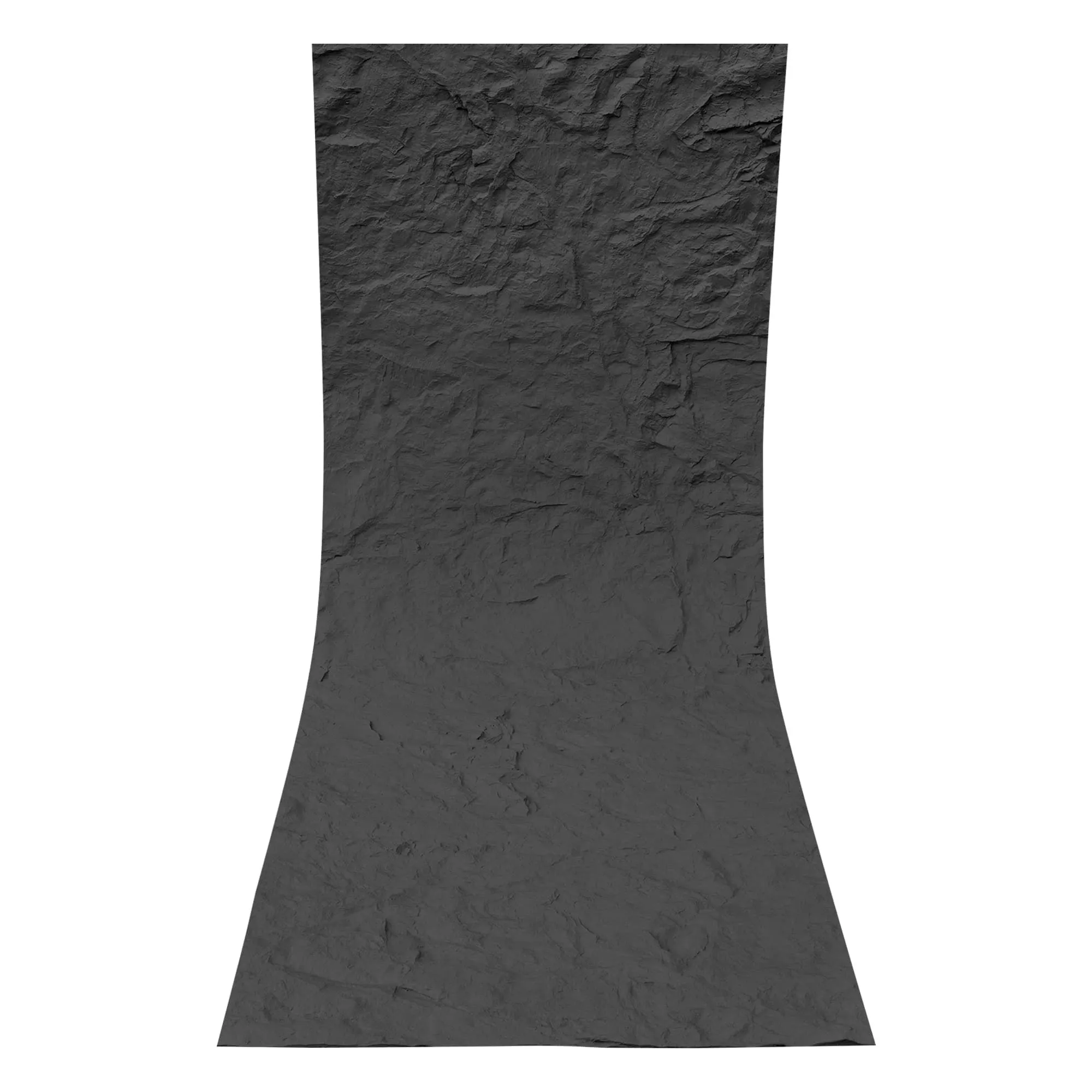
In the world of retail, first impressions aren't just important—they're everything. A store's facade is its silent salesperson, working 24/7 to draw customers in, tell a brand's story, and stand out in a sea of competitors. Today's shoppers don't just buy products; they buy experiences, and that experience starts the moment they lay eyes on your building. Whether it's a sleek boutique on a city street or a cozy café in a suburban mall, the right facade material can turn passersby into patrons, and casual visitors into loyal customers.
But with so many materials vying for attention—from glossy glass to industrial metal—how do you choose one that balances aesthetics, durability, and personality? Enter vintage black boulder slab : a material that's quickly becoming the gold standard for modern retail design. It's not just a surface; it's a statement. Let's dive into why this striking material is redefining what a retail facade can be.
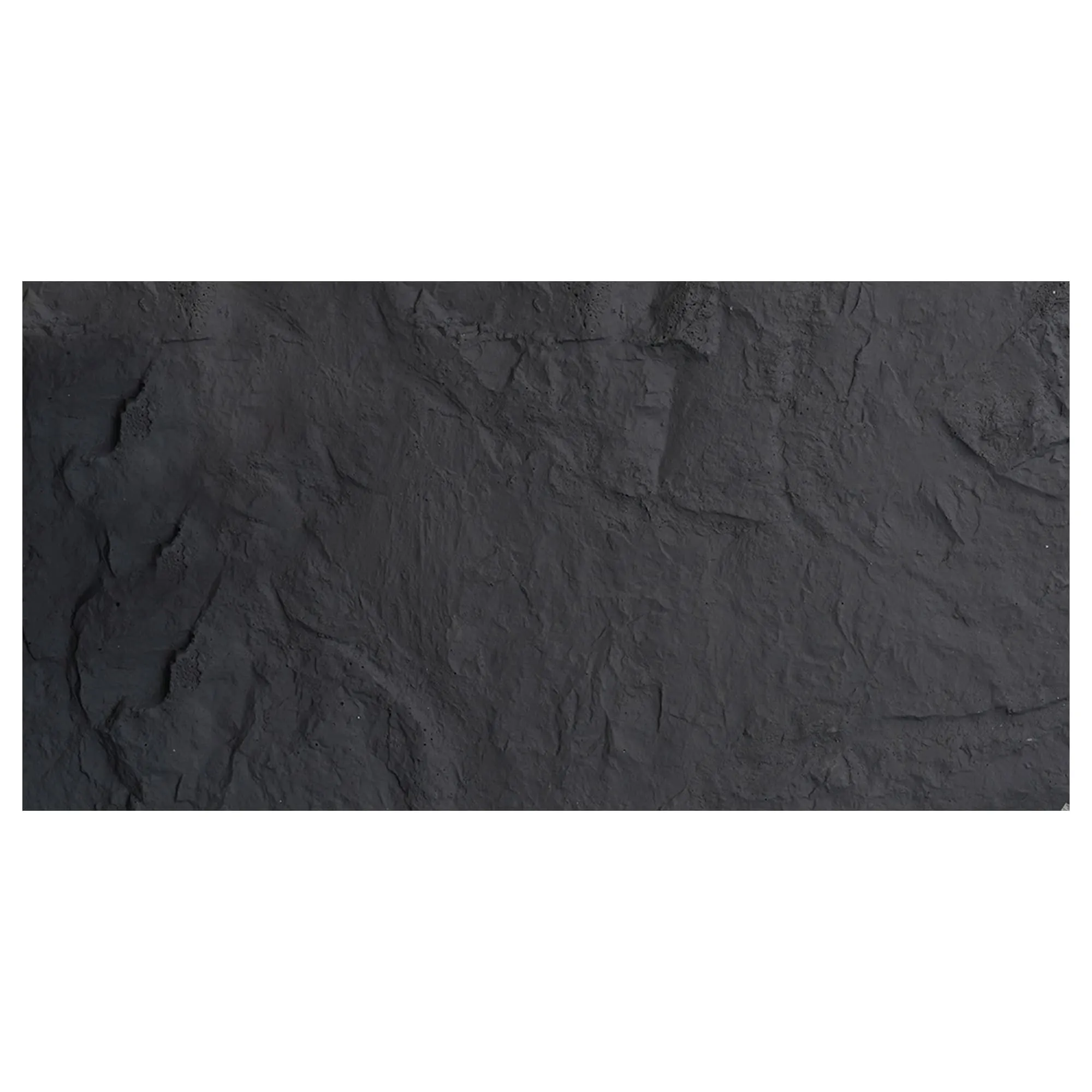
At first glance, vintage black boulder slab might sound like something pulled from a mountain quarry—and in a way, it is. But this isn't your average stone. Crafted from high-density natural stone composites, it's engineered to mimic the raw, earthy texture of ancient boulders, with the modern durability to withstand the hustle and bustle of retail life. The "vintage" in its name comes from its intentionally weathered finish: subtle nicks, soft edges, and a depth of color that looks like it's been shaped by decades of wind and rain, even when it's brand new.
Unlike uniform, machine-cut stones, each slab has its own unique character. Some have faint gray veining that creeps across the surface like storm clouds; others feature tiny pits and craters that catch the light, adding dimension. And that deep, inky black? It's not flat or sterile. It's rich, almost velvety, with undertones that shift depending on the light—warm charcoal at sunrise, jet-black at dusk. It's a color that commands attention without screaming for it, making it perfect for brands that want to feel sophisticated yet approachable.
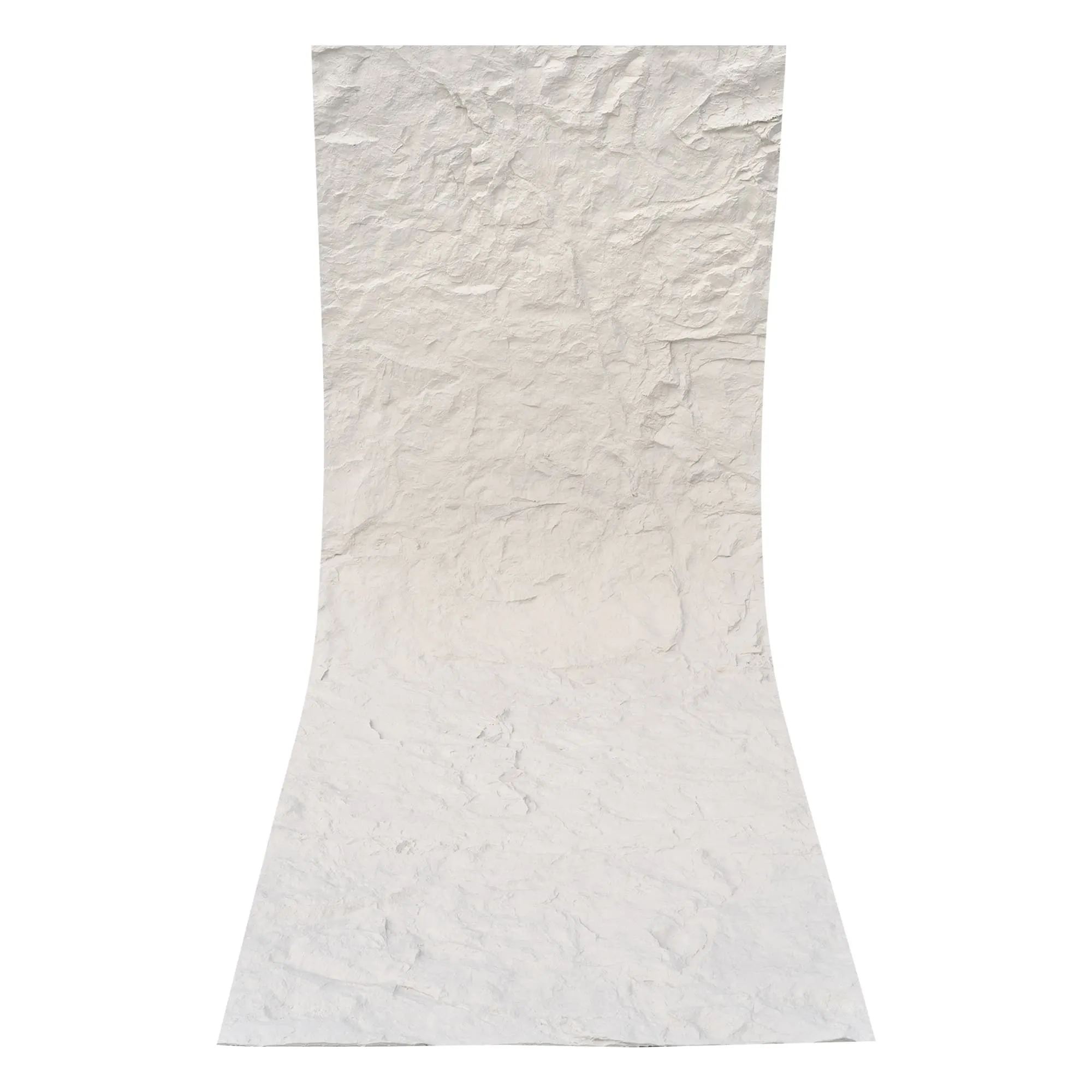
Modern retail design is all about balance: blending classic elements with contemporary flair to create spaces that feel both familiar and fresh. Vintage black boulder slab nails this balance. Its rugged texture harkens back to a time when buildings were built to last, evoking a sense of authenticity that today's consumers crave. In a world of fast fashion and disposable trends, there's something reassuring about a material that feels "real."
But don't mistake "timeless" for "old-fashioned." When paired with modern accents—think sleek metal fixtures, large format glass windows, or bold neon signage—vintage black boulder slab becomes surprisingly versatile. Imagine a high-end sneaker store: the facade is clad in vintage black boulder slab, with foamed aluminium alloy board (vintage silver) trim around the entrance. The contrast is striking: the stone's organic texture softens the metal's industrial edge, creating a look that's both edgy and inviting. It's the kind of facade that makes you stop, take a photo, and tag the store on Instagram—free marketing, thanks to good design.
And let's talk about color psychology. Black is a power color, associated with luxury, elegance, and authority. For brands that want to position themselves as premium or cutting-edge, vintage black boulder slab sends that message loud and clear. But it's not intimidating. The stone's natural texture adds warmth, preventing the facade from feeling cold or unwelcoming. It's the difference between a black leather couch that feels like a throne and one that feels like a cozy armchair—same color, totally different vibe.
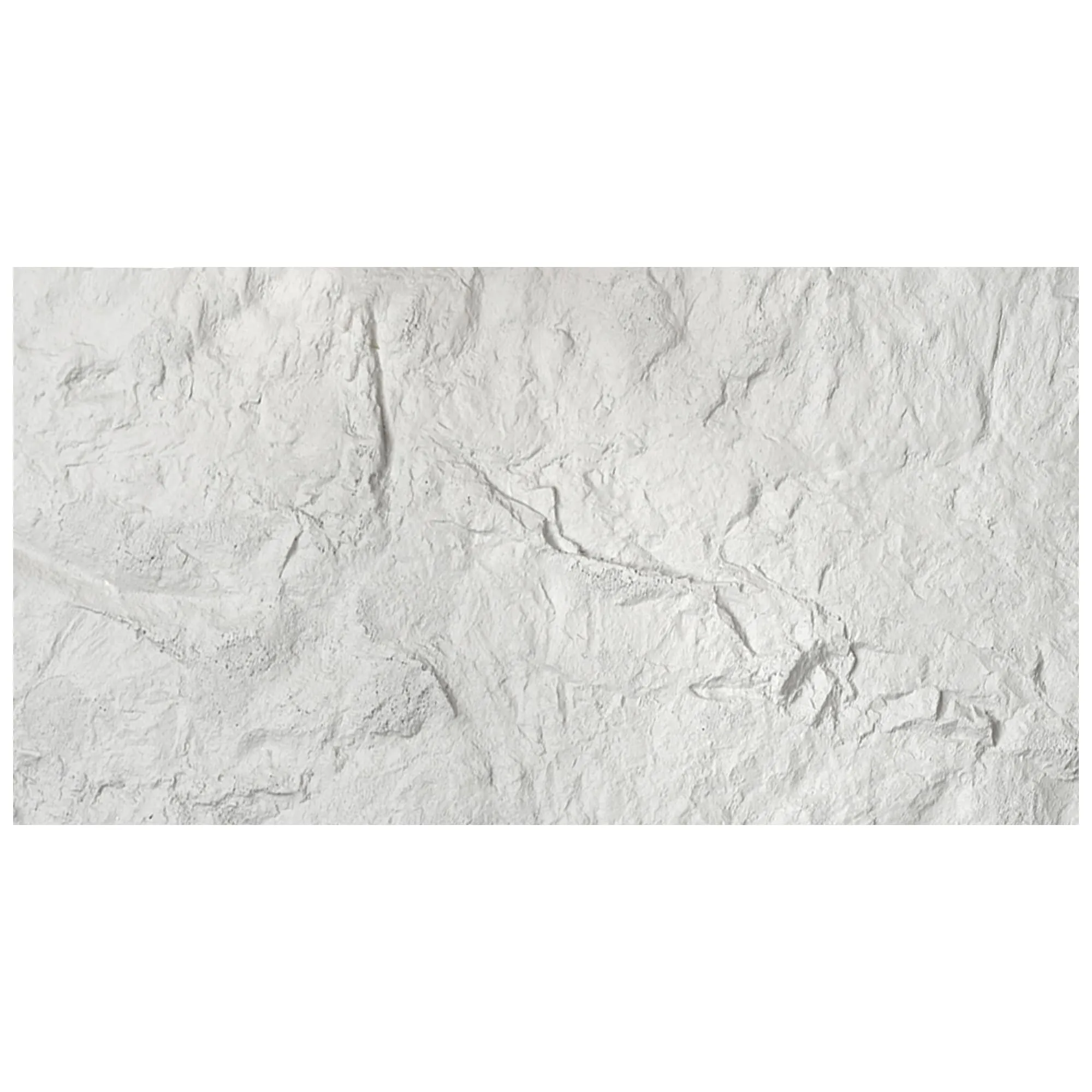
A pretty facade is great, but in retail, practicality reigns supreme. Your storefront has to stand up to rain, snow, UV rays, and the occasional stray shopping cart. It needs to look good year after year, without constant maintenance. Vintage black boulder slab checks all these boxes—and then some.
Thanks to its high-density composition, it's resistant to cracks, chips, and stains. Unlike wood, it won't rot or warp; unlike painted surfaces, it won't fade or peel. Even in harsh climates—think humid summers in Miami or freezing winters in Chicago—it holds up. And when it does get dirty? A quick hose-down is usually all it takes. No expensive cleaning products, no professional services, just low-maintenance beauty.
Compare that to something like fair-faced concrete —another popular material for modern facades. While concrete is durable, it's prone to staining and can look dull over time without regular sealing. Vintage black boulder slab, on the other hand, actually improves with age. The natural weathering process enhances its character, making the facade look even more charming and lived-in as the years go by. It's a material that grows with your brand, not against it.
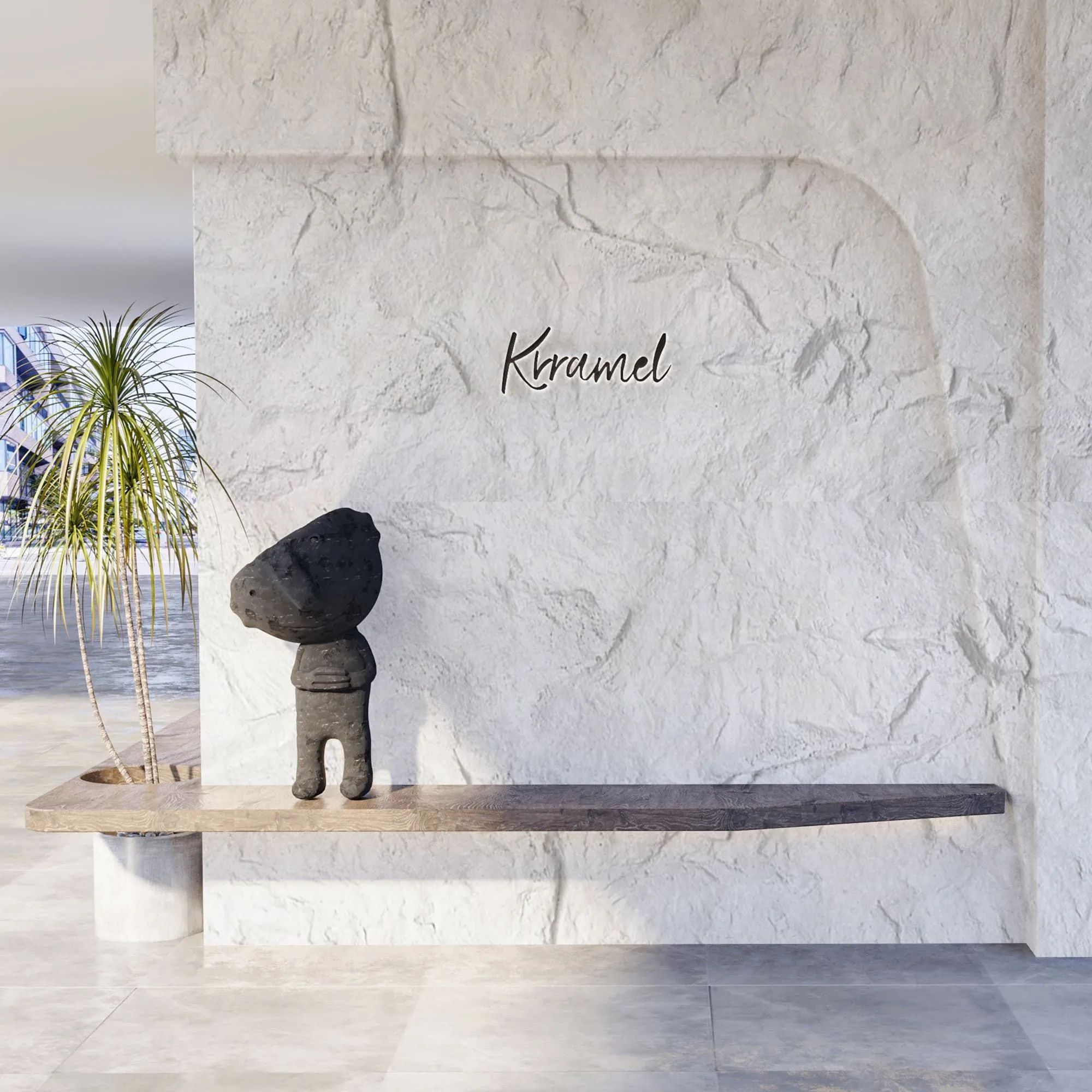
One of the best things about vintage black boulder slab is how well it plays with others. It's not a one-trick pony; it can adapt to almost any design style, from minimalist to maximalist, industrial to bohemian. Let's break down a few pairings that work particularly well:
| Material Pairing | Key Features | Best For | Aesthetic Vibe |
|---|---|---|---|
| Vintage Black Boulder Slab + Foamed Aluminium Alloy Board (Vintage Silver) | Stone's texture + metal's sheen; lightweight yet durable | Tech stores, modern boutiques | Industrial-chic with a luxe twist |
| Vintage Black Boulder Slab + travertine (starry blue) | Deep black + iridescent blue veins; natural materials with bold color | Cafés, wellness studios | Earthy yet whimsical; perfect for creative brands |
| Vintage Black Boulder Slab + Fair-Faced Concrete | Organic stone + smooth concrete; monochromatic palette | Art galleries, high-end furniture stores | Minimalist with depth; understated luxury |
| Vintage Black Boulder Slab + MCM flexible stone | Rugged slab + lightweight, flexible panels; endless design possibilities | Pop-up shops, restaurants with outdoor patios | Playful and dynamic; great for brands that love to experiment |
The possibilities are endless. Want to create a focal point? Use vintage black boulder slab for the entire facade, then add a travertine (starry blue) accent wall above the entrance. Going for a more understated look? Use the stone for just the base of the facade, with fair-faced concrete above. And because MCM flexible stone is lightweight and easy to install, you can even use it to create 3D patterns or geometric shapes that pop against the black backdrop. It's design freedom, without the hassle.
Today's consumers don't just care about how a product looks—they care about how it's made. Sustainability is no longer a "nice-to-have"; it's a must. Vintage black boulder slab delivers here, too. Many manufacturers source the stone from local quarries, reducing transportation emissions, and use eco-friendly processing methods that minimize waste. Some even incorporate recycled materials into the composite, making it a guilt-free choice for brands that want to align with green values.
And let's not forget longevity. A facade that needs to be replaced every 5-10 years is bad for the environment (all that waste!) and bad for your bottom line. Vintage black boulder slab, on the other hand, can last decades with minimal upkeep. It's a one-time investment that pays off in both sustainability and savings. Plus, its natural look fits perfectly with the "biophilic design" trend—incorporating nature into built spaces—which studies show improves customer mood and even increases shopping time. It's a win-win-win: good for the planet, good for your customers, and good for your business.
Let's take a hypothetical example to bring this to life. Meet "Lumina," a small but trendy clothing boutique in downtown Portland. Before their renovation, Lumina's facade was forgettable: plain white stucco with a generic wooden sign. Foot traffic was steady, but sales were stagnant—customers would walk by without a second glance. The owner, Maya, knew she needed a change. She wanted something that would reflect Lumina's brand: modern, sustainable, and unapologetically unique.
After consulting with a designer, Maya decided to go all-in on vintage black boulder slab. The entire facade was clad in the stone, with foamed aluminium alloy board (vintage silver) used for the window frames and a small accent panel above the door. To add a pop of color, the designer incorporated travertine (starry blue) into the planter boxes flanking the entrance—its iridescent blue veins catching the light and drawing the eye.
The result? Within a month of the renovation, foot traffic increased by 40%. Customers started stopping to take photos of the facade, sharing them on social media with captions like "Obsessed with this new boutique's vibe!" Sales spiked, and Maya noticed a shift in the type of customer walking through the door: more fashion bloggers, more repeat shoppers, more people who seemed genuinely excited to be there. "It's like the stone tells our story for us," Maya said. "It says, 'We're bold, we're different, and we care about quality.'"
So, what makes vintage black boulder slab the top choice for modern retail facades? Let's recap:
At the end of the day, your retail facade is more than just a wall—it's an investment in your brand's future. It's the first step in creating an experience that turns customers into fans. Vintage black boulder slab isn't just a material; it's a tool to help you stand out, connect with your audience, and build a space that feels like an extension of your brand.
So, if you're ready to transform your storefront from "meh" to "must-see," consider vintage black boulder slab. Pair it with foamed aluminium alloy board for edge, travertine (starry blue) for whimsy, or MCM flexible stone for flexibility. Whatever you choose, you'll be investing in a facade that doesn't just look good—it works hard for your business, day in and day out.
After all, in retail, the best first impression is one that lasts. And with vintage black boulder slab, yours will.
Recommend Products












