
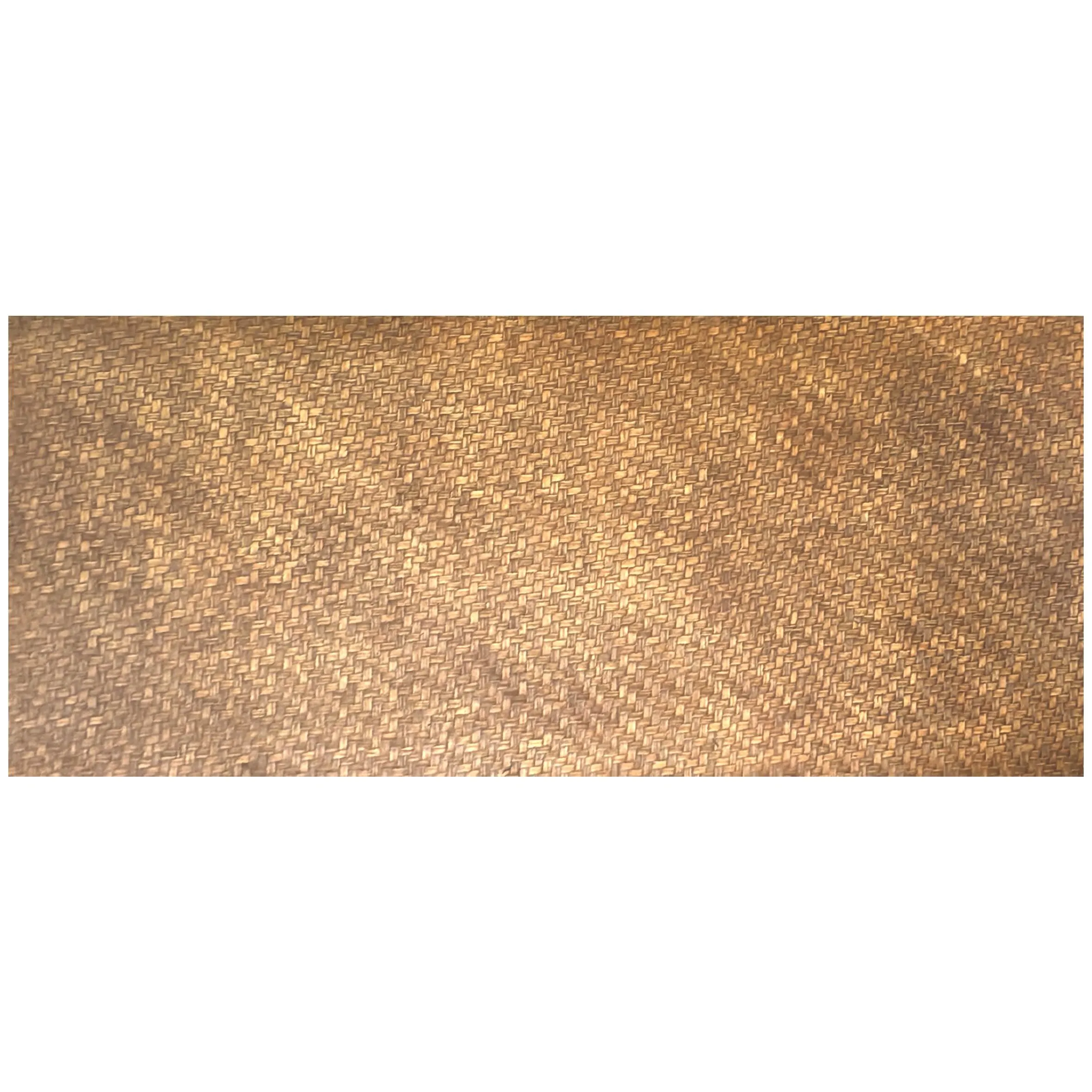
Let's start with a scenario we've all heard (or lived) before: You walk into your bathroom after a long day, ready to unwind, and your eyes land on that familiar, unwelcome sight—tiny black spots creeping up the grout lines of your shower wall. Or maybe it's your kitchen, where a spilled glass of water has left a permanent dark stain on the backsplash, no matter how hard you scrub. For years, homeowners and designers alike have wrestled with this dilemma: how to make bathroom and kitchen walls both beautiful and bulletproof against water, humidity, and the chaos of daily life. Enter waterproof bamboo mat board—a material that's quietly revolutionizing how we think about wall surfaces in these high-moisture spaces. It's not just a "product"; it's a solution that marries the warmth of natural materials with the resilience modern living demands. Let's dive in.
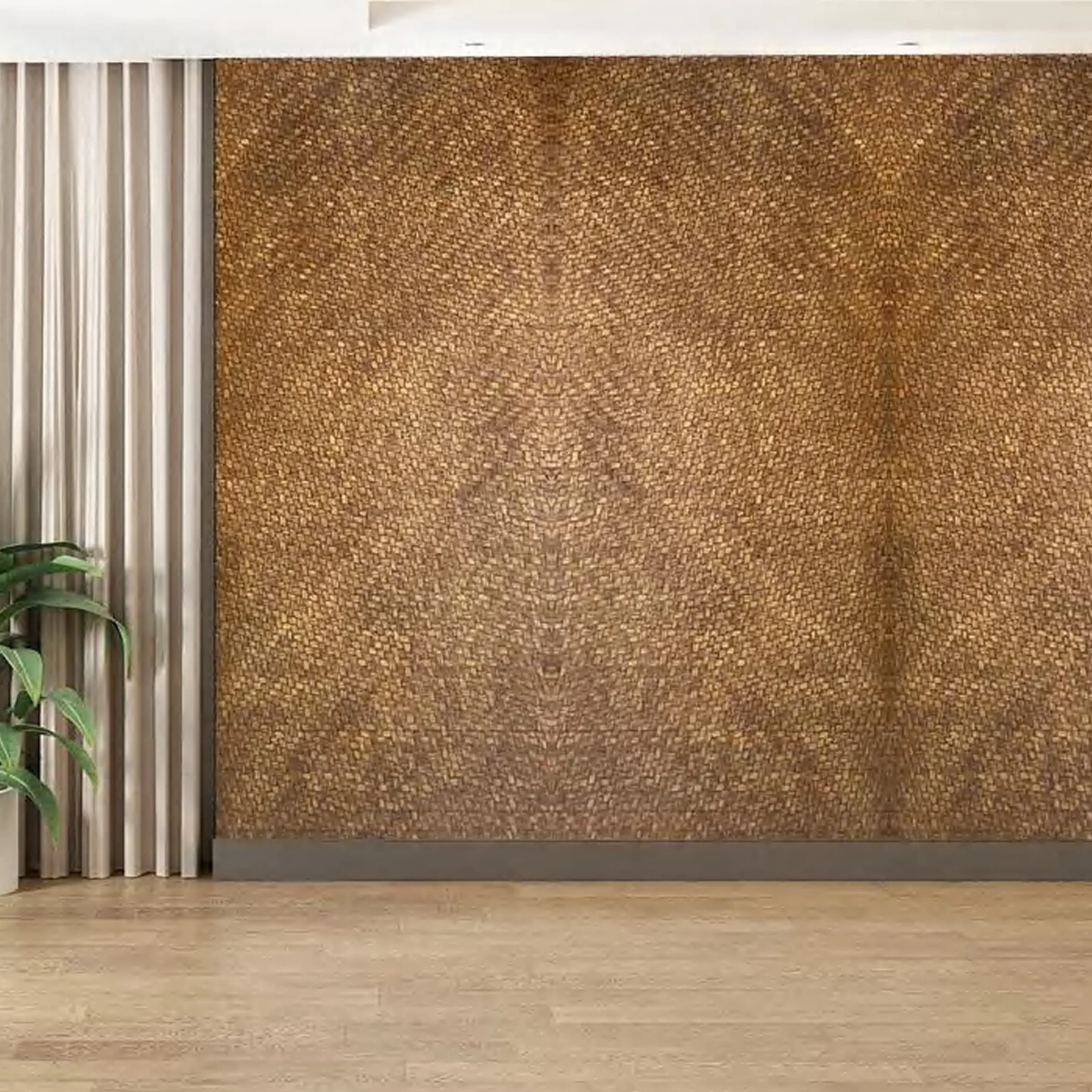
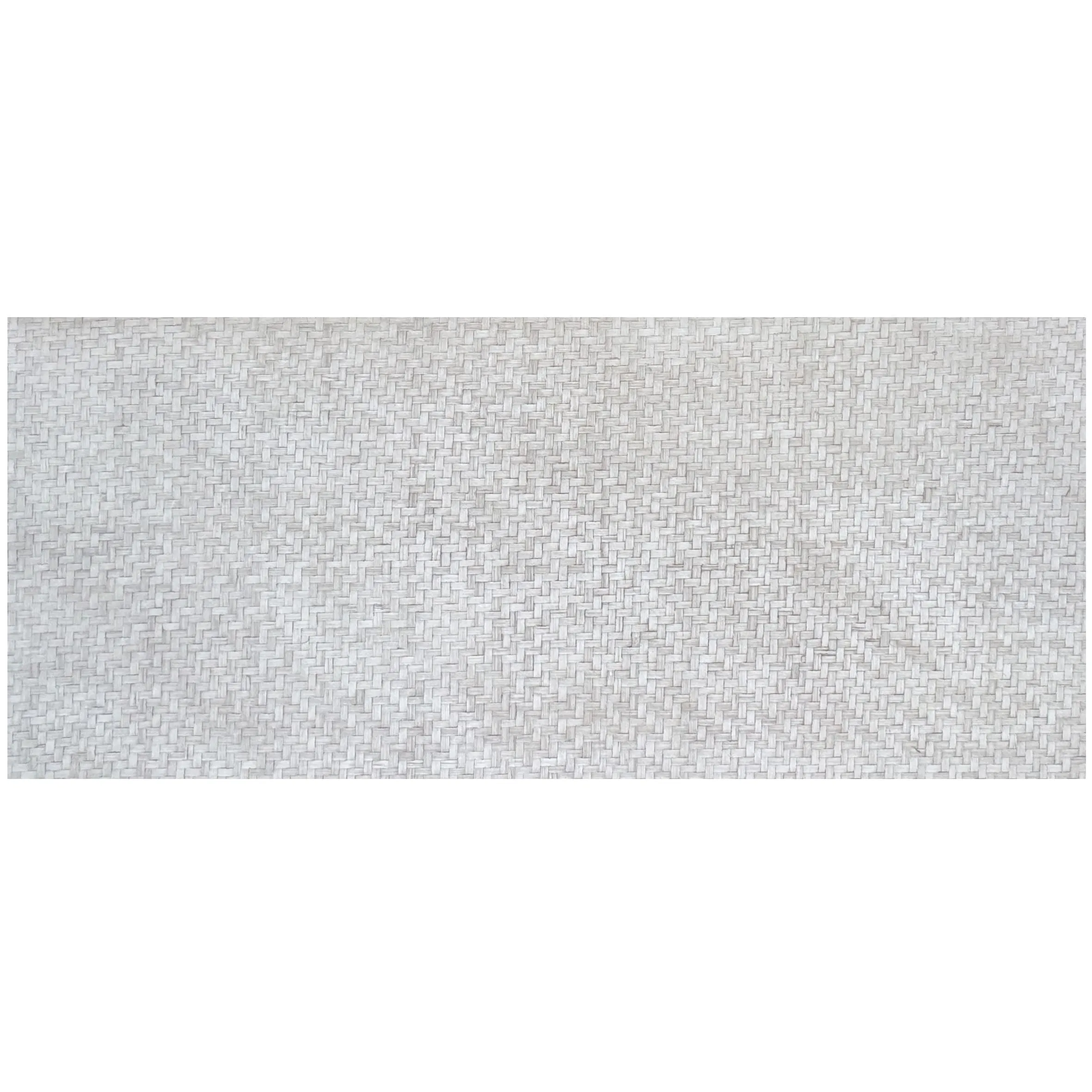
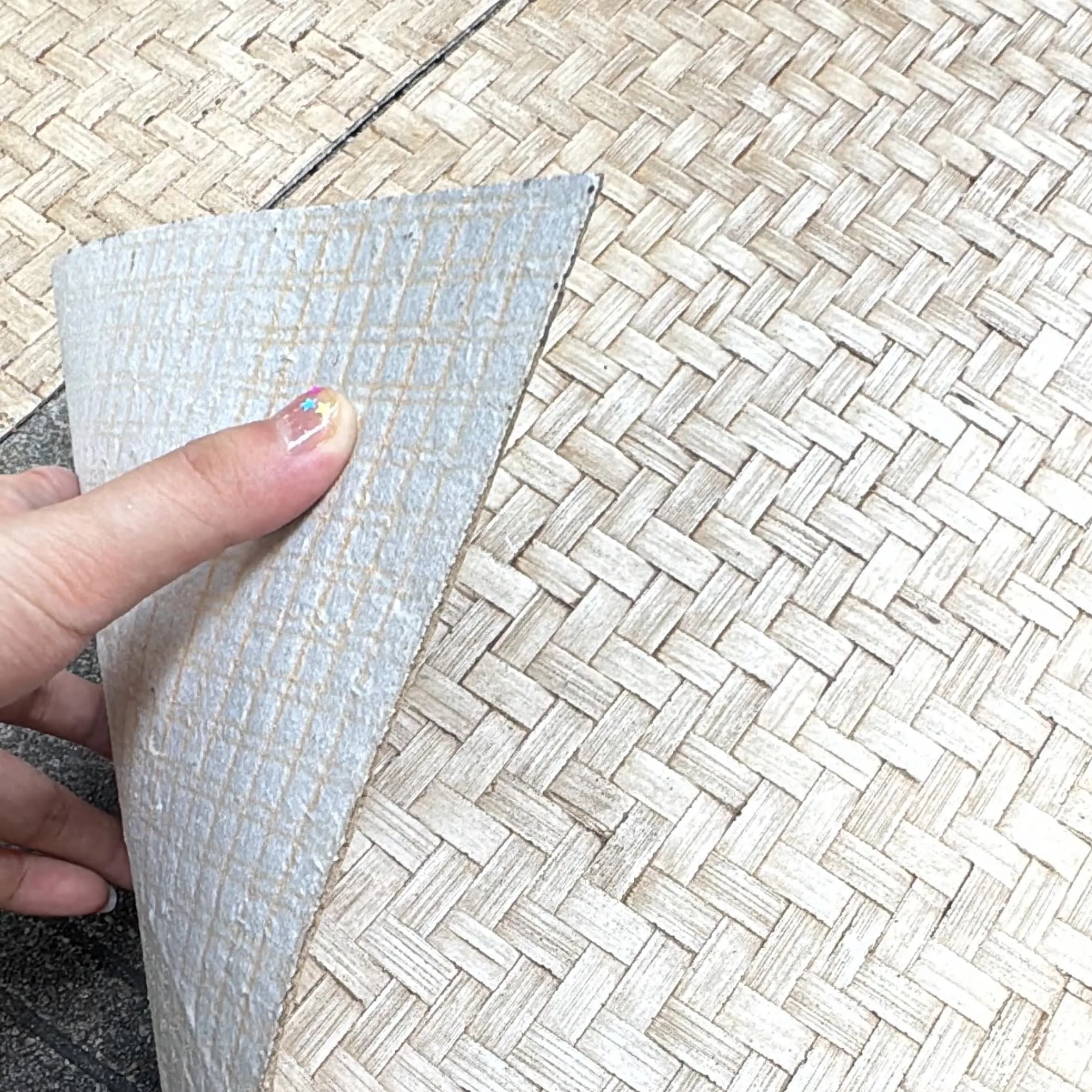
At first glance, you might mistake it for a high-end wood panel—its surface carries the soft, organic grain of bamboo, with warm, golden undertones that feel instantly inviting. But looks can be deceiving. This isn't your grandmother's bamboo wall art. Waterproof bamboo mat board is a engineered composite material, crafted by compressing bamboo fibers (sustainably harvested, of course) with a proprietary blend of waterproof resins and a protective top layer. The result? A material that feels like natural bamboo but acts like a superhero against moisture.
Think of it as bamboo that's been given a raincoat and a suit of armor. The bamboo fibers provide strength and that coveted natural texture, while the resin infusion creates a barrier so impenetrable, even a steady stream of water (we're talking shower spray, sink splashes, or the occasional kitchen flood) won't seep through. And unlike solid wood or even some laminates, it won't warp, crack, or peel when exposed to humidity day in and day out. It's the kind of material that makes you wonder, "Why didn't someone think of this sooner?"
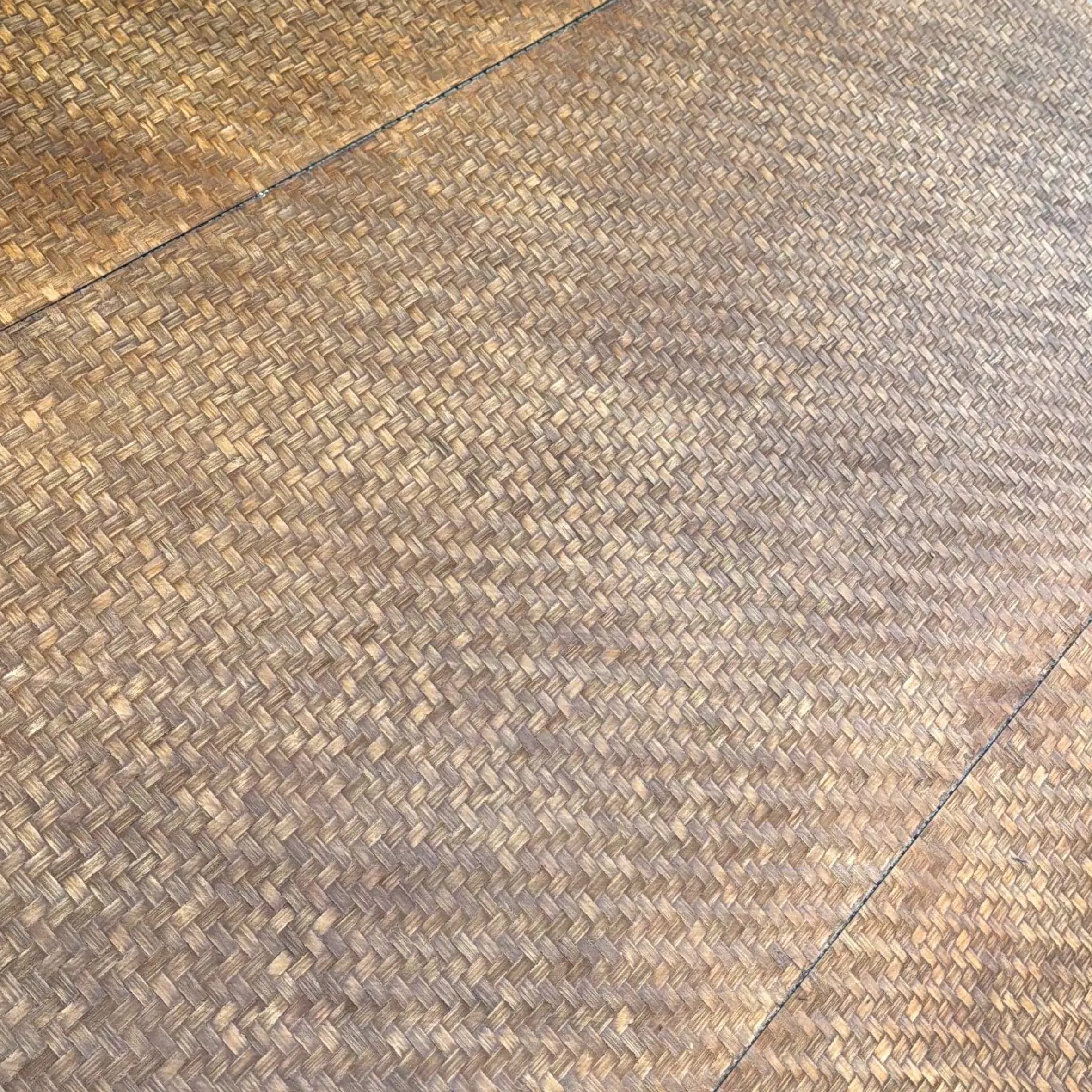
Let's break down why waterproof bamboo mat board is quickly becoming the go-to choice for designers and homeowners who refuse to choose between beauty and practicality:
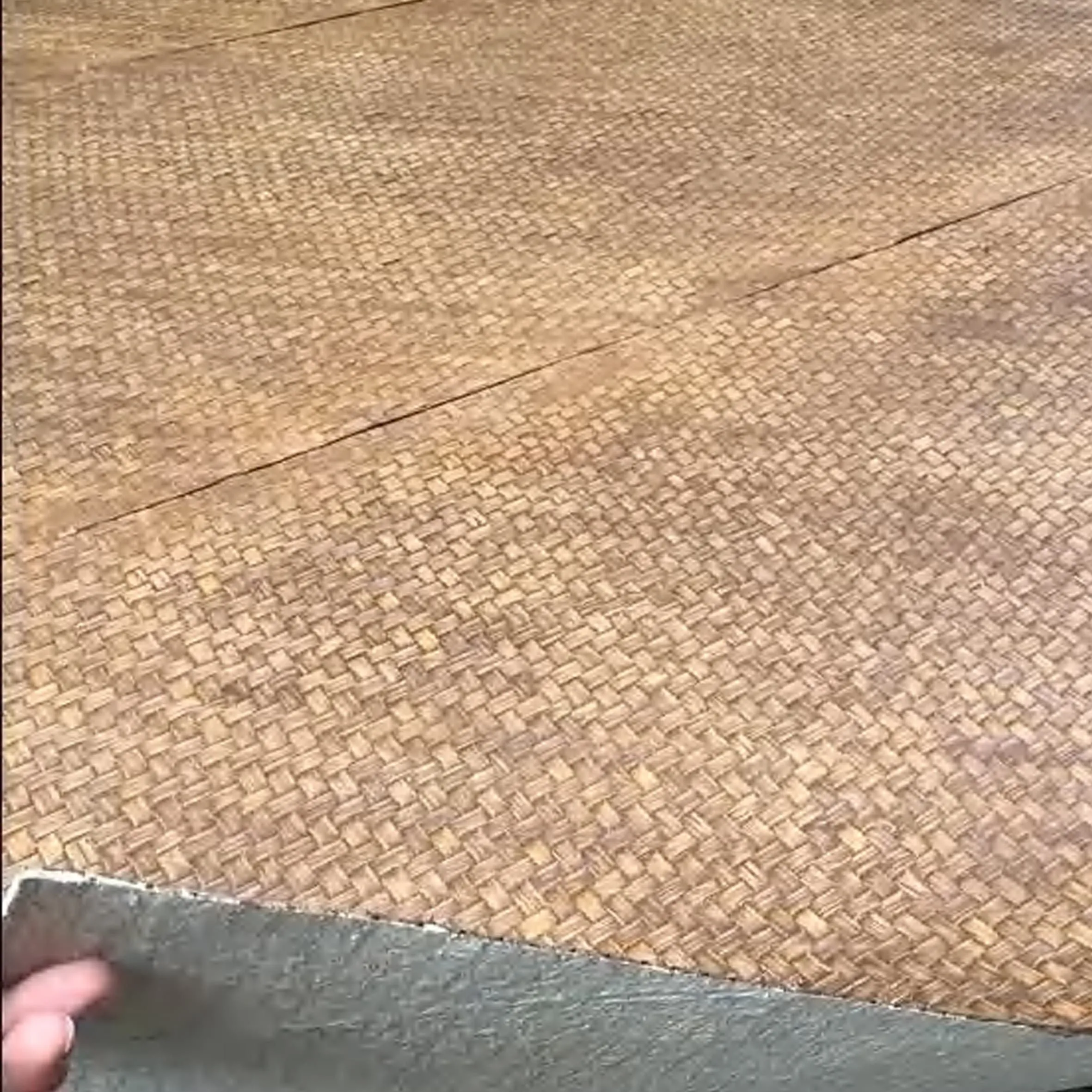
Still on the fence? Let's put it head-to-head with some common alternatives. We've all used (or at least considered) materials like fair-faced concrete, travertine (beige), or even wood grain board for high-moisture areas. Here's how they stack up:
| Material | Waterproof Rating | Durability | Aesthetic Appeal | Installation Ease | Long-Term Maintenance |
|---|---|---|---|---|---|
| Waterproof Bamboo Mat Board | Excellent (resistant to standing water) | High (scratch/impact/fade-resistant) | Warm, natural, versatile finishes | Easy (lightweight, cuts with standard tools) | Low (wipe clean; reseal every 3-5 years) |
| Fair-Faced Concrete | Good (needs sealing every 1-2 years) | High (but prone to staining) | Industrial, minimalist (cold to the touch) | Difficult (heavy, requires professional mixing) | High (seal regularly; stains hard to remove) |
| Travertine (Beige) | Poor (porous; absorbs water quickly) | Medium (etches easily with acidic substances) | Elegant, classic (but shows water spots) | Medium (needs grout; precise cutting) | Very High (seal monthly; grout cleaning) |
| Wood Grain Board | Poor (even treated wood warps over time) | Low (swells with moisture; prone to mold) | Warm, inviting (but limited to dry areas) | Easy (but requires waterproof backing) | Extremely High (sand, refinish, replace often) |
The verdict? Bamboo mat board isn't just better—it's in a league of its own. It takes the best of natural materials (warmth, texture) and the best of engineered ones (durability, waterproofing) and blends them into something that works for your lifestyle, not against it.
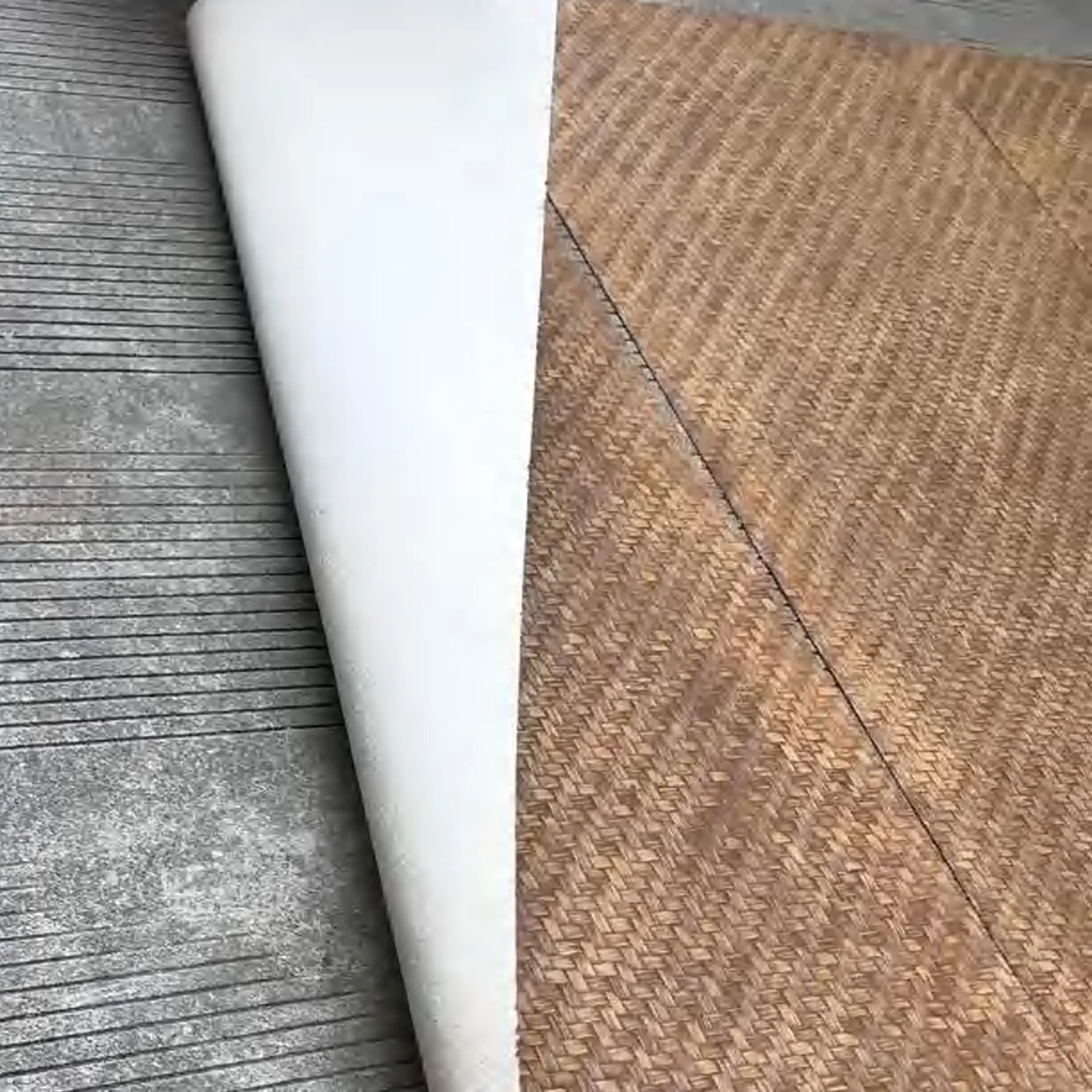
Waterproof bamboo mat board isn't just practical—it's a designer's dream. Here are a few ways to use it in your bathroom or kitchen:
Imagine stepping into a bathroom that feels like a retreat. Line the walls with light-toned bamboo mat board (think natural or honeyed hues) and pair it with marble veil white fixtures and matte black hardware. Add a rainfall showerhead and a wooden bench, and suddenly, your morning routine becomes a mini-vacation. The bamboo's warmth softens the coolness of the marble, creating a space that's both luxurious and calming.
For a kitchen that feels cozy and lived-in, use bamboo mat board as a backsplash. Stain it a rich espresso to complement wood grain board cabinets, then add brass pendant lights and open shelving filled with terracotta pots. It's durable enough to handle splatters from tomato sauce or olive oil, and a quick wipe with a damp cloth keeps it looking fresh. Bonus: It adds texture without overwhelming the space.
Want to make a statement? Paint a single wall in your bathroom or kitchen with dark-stained bamboo mat board (charcoal or ebony) and leave the others white. Mount floating shelves with potted plants or minimalist decor, and let the bamboo's grain be the focal point. It's bold, modern, and surprisingly versatile—works with everything from sleek, contemporary appliances to vintage-inspired fixtures.
You might assume a material this durable would be a nightmare to install, but nope—waterproof bamboo mat board is surprisingly DIY-friendly (though we always recommend hiring a pro for large projects or tricky layouts). Here's the quick version:
Installation Tips: Start with a clean, dry, smooth wall surface (patch any holes or cracks first). The boards are lightweight, so you can cut them with a standard circular saw or jigsaw. Use a waterproof adhesive (we recommend a construction-grade polyurethane glue) to secure them to the wall, and leave a tiny gap between panels for expansion (the manufacturer will specify the exact spacing). Finish with a matching trim to cover the edges, and you're done! No grout, no mortar, no mess.
Caring for bamboo mat board is refreshingly simple. Wipe it down weekly with a soft cloth and mild soap (avoid harsh chemicals like bleach or ammonia—they can dull the finish). For tougher stains (we're looking at you, kitchen grease), use a non-abrasive sponge and a bit of baking soda mixed with water. Every 3-5 years, apply a coat of bamboo-specific sealant to keep the waterproof barrier strong (though many modern versions come pre-sealed for 10+ years). That's it—no scrubbing grout, no resealing tiles every month, no replacing warped wood. Just enjoy your beautiful, durable walls.
Don't just take our word for it. Meet Maria, a homeowner in Portland who renovated her bathroom three years ago. "Before bamboo mat board, I had travertine (beige) walls," she says. "It looked beautiful at first, but within six months, the grout was moldy, and the stone itself had water spots I couldn't get out. I tried regrouting, resealing—nothing worked. Now, with bamboo, I don't even think about it. My shower walls still look brand new, and I can actually relax in there without staring at stains."
Then there's Raj, who owns a small café in Seattle. "Our kitchen backsplash used to be fair-faced concrete, which we loved for the industrial look—but it stained so easily. Coffee spills, tomato sauce, even water left rings. We switched to bamboo mat board last year, and it's been a game-changer. It wipes clean in seconds, and the warm tone makes the whole kitchen feel friendlier. Customers even comment on how nice it looks!"
Your bathroom and kitchen are more than just functional spaces—they're where you start and end your day, where you cook meals for loved ones, where you unwind. Why settle for walls that fight against you? Waterproof bamboo mat board isn't just a material; it's an investment in peace of mind. It's the kind of choice you'll look back on and think, "Why didn't I do this sooner?"
So, if you're tired of mold, stains, and walls that can't keep up with your life, consider this: bamboo mat board brings together the best of nature and technology, proving that you don't have to sacrifice beauty for durability. It's warm, it's tough, and it's ready to transform your space—one waterproof, worry-free wall at a time.
Recommend Products












