
Every building owner, whether they manage a towering commercial skyscraper or cherish a family home, shares a common, often silent, adversary: moisture. It's an enemy that doesn't announce its arrival with a bang but creeps in through the tiniest of cracks, seeps through porous materials, and works tirelessly to undermine the very integrity of a structure. Water damage isn't just about a discolored spot on the ceiling or a patch of peeling paint. It's a progressive disease for a building, leading to rot, rust, mold, and ultimately, catastrophic structural failure and financial loss. For decades, the construction industry has fought this battle with a series of temporary fixes—membranes that tear, sealants that degrade, and coatings that trap moisture, sometimes causing more harm than good. But what if we could change the paradigm? What if, instead of constantly reacting to water intrusion, we could build structures that are inherently, fundamentally, and permanently resistant to it? This is the promise of a new era in building materials, spearheaded by COLORIA GROUP's innovative "Century Stone." This isn't just another layer of defense; it's a reimagining of the building envelope itself, a material designed from the ground up to offer unparalleled protection without compromising on beauty or design freedom.
To truly appreciate the solution, we must first gain a deep respect for the problem. Moisture is a relentless force of nature. It exists in multiple forms—liquid, solid, and vapor—and it will exploit any weakness in a building's exterior. Understanding its pathways is the first step in designing an effective defense.
The most obvious threat is bulk water from rain, snowmelt, or groundwater. In a heavy downpour, wind can drive rain against a building's facade with significant force, pushing it into cracks in mortar joints, gaps around windows and doors, and through inherently porous materials like brick and certain types of concrete block. Traditional cladding systems rely heavily on a perfect installation to be watertight. A single failed sealant joint or a small crack in stucco can become a primary entry point for gallons of water over time. Once inside the wall cavity, this water can saturate insulation, rendering it useless, and begin the slow process of rotting wooden structural members or corroding steel fasteners and reinforcements.
Then there is the less obvious but equally damaging force of capillary action . Many conventional building materials, such as concrete, brick, and natural stone, are like sponges on a microscopic level. They are filled with a network of tiny, interconnected pores or capillaries. When these materials come into contact with water, they literally suck it up, drawing moisture deep into their core, often against the force of gravity. This is why you might see a persistent damp line at the base of a brick wall long after a storm has passed. This trapped moisture is a ticking time bomb. In colder climates, it can lead to devastating freeze-thaw cycles. As the water freezes, it expands, exerting immense pressure that breaks down the material from the inside out, causing spalling, cracking, and eventual disintegration.
Finally, we have the most subtle threat: water vapor . Air contains moisture, and the amount varies with temperature and humidity. When warm, moist air from inside a building comes into contact with a cold surface within the wall cavity (a phenomenon known as the "dew point"), the vapor condenses into liquid water. This is a common problem in both hot, humid climates and cold climates. Improperly designed wall assemblies can trap this condensation, leading to hidden mold growth and rot that goes undetected for years until the damage is severe. Many so-called "waterproof" barriers are actually vapor barriers, meaning they don't allow water vapor to pass through. While this sounds good, it can be a critical flaw. They prevent the wall from "breathing," trapping internally generated moisture and creating a perfect environment for decay. A truly effective building skin must be waterproof, but also vapor-permeable. It needs to stop liquid water from getting in, but allow water vapor to get out.
The consequences of failing to manage these threats are severe and multifaceted. Structurally, moisture leads to the corrosion of rebar in concrete, reducing its tensile strength. It causes wood to rot and lose its load-bearing capacity. Aesthetically, it manifests as ugly efflorescence (those white, powdery salt deposits on masonry), peeling paint, and dark stains from mold and mildew. From a health perspective, the presence of mold spores in the indoor environment is a known trigger for allergies, asthma, and other serious respiratory conditions. And financially, the cost of remediating widespread water damage can be astronomical, often involving extensive demolition and reconstruction, not to mention the loss of property value.
Faced with such a persistent and multifaceted threat, a revolutionary solution is required. This is where COLORIA GROUP's Century Stone enters the picture. Century Stone is the culmination of decades of material science research, a product based on MCM (Modified Cementitious Material) technology. It's not simply stone, and it's not simply cement. It is an advanced composite material engineered at the molecular level to provide a definitive answer to the problem of moisture.
The creation of Century Stone begins with natural ingredients: a base of inorganic materials like clay and mineral powder. However, this is where the similarity to traditional materials ends. Through a proprietary process, these inorganic materials are modified with a small amount of water-based polymers and subjected to a low-temperature curing process. This is fundamentally different from the high-temperature firing required for ceramics or the simple hydration of cement. The result is a material with a unique, densely packed, non-porous microstructure. The capillaries and voids that plague traditional masonry are virtually eliminated. This physical structure forms the first and most powerful line of defense: it creates a barrier that is physically impermeable to liquid water molecules. Water simply cannot "soak in." It beads up on the surface and runs off, much like on a freshly waxed car.
But the innovation doesn't stop there. As mentioned earlier, a critical feature of a high-performance building envelope is breathability. This is perhaps the most brilliant aspect of Century Stone's design. While its dense structure blocks liquid water, it is engineered to allow smaller water vapor molecules to pass through. This means the building can breathe. Any moisture vapor that finds its way into the wall assembly—whether from internal humidity or minor construction imperfections—is not trapped. It is allowed to dry to the exterior, preventing the buildup of condensation and the associated risks of mold and rot. Century Stone acts like a high-performance technical fabric, like GORE-TEX®, for your building: it's completely waterproof from the outside, yet fully breathable from the inside. This dual-action performance is what sets it apart from simple sealants or impermeable membranes that can suffocate a building.
This inherent waterproofing is further enhanced by the unique product formats offered. Take, for example, the MCM Flexible Stone . Traditional building materials are rigid. They crack under stress from building settlement, thermal expansion, or seismic activity. These cracks become immediate pathways for water. The MCM Flexible Stone, as its name suggests, has a remarkable degree of elasticity. It can be bent and curved to wrap seamlessly around corners, columns, and arches. This eliminates the need for numerous rigid joints, which are historically the weakest points in any cladding system. By creating a more monolithic and continuous skin, the number of potential failure points is drastically reduced, ensuring a more robust and reliable waterproof envelope for the entire life of the building. This flexibility isn't just a novelty; it's a fundamental improvement in how we protect our structures from the elements.
While its waterproofing capabilities are revolutionary, Century Stone's value proposition extends far beyond moisture protection. It represents a holistic upgrade for any building project, combining elite performance with unprecedented aesthetic freedom. For too long, architects and designers have had to choose between beauty and durability, between their creative vision and the practical demands of weatherproofing. Century Stone eliminates that compromise.
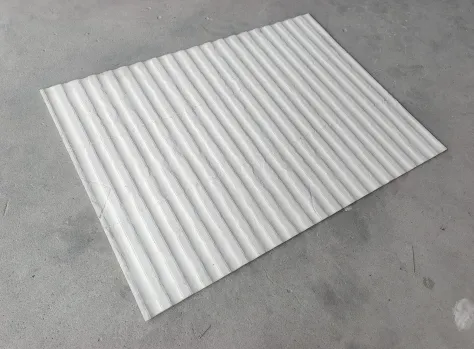
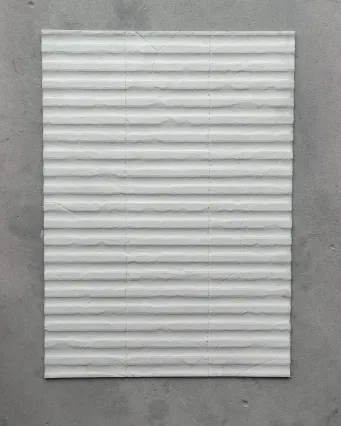
The aesthetic potential is perhaps most vividly demonstrated by the MCM 3D Printing Series . This technology shatters the limitations of traditional molds and forms. It allows for the creation of surfaces with intricate textures, bespoke patterns, and stunning visual depth. Imagine a feature wall that perfectly replicates the complex grain of petrified wood, a facade with the precise geometry of a honeycomb, or a lobby that features a custom-designed, bas-relief mural—all rendered in a material that is completely waterproof, fire-resistant, and incredibly durable. This technology empowers designers to treat the building's skin as a canvas, creating unique and iconic structures that stand out for their beauty as much as their resilience.
For those who favor a more classic or minimalist aesthetic, the MCM Big Slab Board Series offers a powerful alternative. These large-format panels create expansive, virtually seamless surfaces that exude modern elegance. The drastic reduction in grout lines not only enhances the clean, monolithic look but also serves a critical functional purpose. Grout lines are a notorious weak point in any tiled surface; they are porous, prone to cracking, and a breeding ground for mold and mildew. By using large slabs, these weak points are minimized, resulting in a surface that is not only more visually appealing but also easier to clean and inherently more watertight. This makes it an ideal choice for grand exterior facades, luxurious bathroom walls, and sleek commercial interiors where both performance and a high-end finish are paramount.
Beyond aesthetics, Century Stone is built to last. It is exceptionally durable, boasting a Class A fire rating, which is the highest classification for fire resistance in building materials. It is also highly resistant to UV radiation, meaning its colors will not fade or yellow over time, even in the harshest sun. Its inherent flexibility allows it to absorb impacts and withstand the stresses of thermal expansion and contraction without cracking or delaminating. This resilience translates into a building that looks better for longer, with significantly reduced maintenance and repair costs over its lifespan.
Furthermore, in an age of increasing environmental awareness, Century Stone stands out as a genuinely sustainable choice. Its low-temperature production process consumes a fraction of the energy required to fire traditional bricks or ceramic tiles. It is composed primarily of natural and often recycled mineral materials, reducing the strain on virgin resources. Its lightweight nature—often five to six times lighter than traditional stone—means lower transportation costs and carbon emissions. It also reduces the structural load on the building, potentially allowing for lighter, more efficient framing systems. A building clad in Century Stone is not only protected from the elements but also contributes to a healthier planet.
| Feature | Century Stone (MCM) | Natural Stone | Ceramic / Porcelain Tile | Stucco / EIFS |
|---|---|---|---|---|
| Waterproofing | Inherently impermeable to liquid water due to non-porous molecular structure. | Varies by type; many are porous and require sealing. Vulnerable at joints. | Tile itself is waterproof, but system relies entirely on grout and membrane integrity. Grout is a major failure point. | Porous. Relies on a multi-layer system with a water-resistive barrier that can be easily compromised. |
| Breathability (Vapor Permeability) | High. Allows water vapor to escape, preventing condensation and trapped moisture within walls. | Low to moderate. Sealers often trap vapor. | Very low. Creates a vapor barrier that can trap moisture if the wall system is not properly designed. | Good, but can trap water if the outer layer is breached, leading to rapid deterioration. |
| Flexibility & Crack Resistance | Excellent. Can bend and conform to curves, withstands building movement and thermal stress without cracking. | None. Brittle and heavy, prone to cracking under stress or from building settlement. | None. Rigid and brittle. Cracks easily from substrate movement, requiring decoupling membranes. | Poor. Prone to cracking from impact and thermal stress, creating water entry points. |
| Design Customization | Virtually unlimited. Can replicate any texture, color, or pattern, including 3D designs and large slab formats. | Limited to what nature provides. Custom carving is extremely expensive. | Limited to available prints and sizes. Grout lines disrupt patterns. | Limited to color and basic textures (smooth, coarse). |
| Weight & Installation | Very lightweight and thin. Easy to transport and install, often over existing surfaces. Reduces structural load. | Extremely heavy. Requires significant structural support, specialized lifting equipment, and complex anchoring systems. | Moderately heavy. Requires careful surface preparation and skilled labor for setting and grouting. | Multi-step, labor-intensive application that is highly dependent on weather conditions. |
| Maintenance | Minimal. Easy to clean, no grout to scrub or reseal. Colorfast and stain-resistant. | Requires periodic cleaning and resealing to prevent staining and water absorption. | Grout requires constant cleaning and is prone to staining, molding, and cracking. Must be periodically resealed or replaced. | Requires frequent inspection for cracks, which must be sealed immediately to prevent water intrusion. Prone to staining. |
The theoretical advantages of Century Stone translate into tangible benefits across a vast range of real-world applications. Its versatility makes it the ideal choice for new construction and renovation projects alike, from massive commercial developments to intimate residential spaces.
For exterior facades , Century Stone is an absolute game-changer. In coastal regions, its impermeability and resistance to salt spray prevent the corrosion and degradation that plague other materials. In areas with heavy rainfall and high humidity, its combination of waterproofing and breathability ensures a dry and healthy wall assembly. For large-scale developments, the MCM Project Board Series provides unmatched consistency, quality control, and ease of installation, allowing for rapid and reliable cladding of extensive surface areas. Because it is so lightweight, it can be used on high-rise buildings without requiring the costly and complex structural reinforcements needed for natural stone or precast concrete.
Inside the building, Century Stone shines in the most challenging environments. In bathrooms, kitchens, and pool enclosures , its ability to create large, seamless, grout-free surfaces is a revolution in hygiene and maintenance. The endless battle against moldy, discolored grout is over. A shower walled with a single, continuous slab of Century Stone is not only stunningly beautiful but also incredibly easy to clean and completely impervious to water. It eliminates the primary failure point of traditional tiled wet areas, guaranteeing a waterproof space for life.
Perhaps one of its most compelling uses is in renovation and retrofitting . Thousands of existing buildings suffer from failing facades and chronic water intrusion issues. A traditional recladding project is a massive undertaking, involving costly and disruptive demolition. Because Century Stone is so thin and light, it can often be applied directly over the top of existing brick, stucco, or tile. This "over-cladding" process transforms the building's appearance and performance with minimal disruption, saving enormous amounts of time, labor, and material waste. An old, leaking, and dated building can be given a new, modern, and completely waterproof skin in a fraction of the time and at a fraction of the cost of a traditional renovation.
The battle against moisture is as old as construction itself. But with modern material science, we no longer need to fight a defensive war of attrition. We can be proactive. We can build with materials that are fundamentally designed to win.
COLORIA GROUP's Century Stone is more than just a building material; it's a comprehensive protective system. It addresses the core weaknesses of traditional materials by providing an impermeable yet breathable barrier, enhanced by flexibility, durability, and unparalleled design freedom. It is a solution that protects a building owner's investment, safeguards the health of its occupants, and respects the environment. As a one-stop solution provider with decades of global experience, COLORIA GROUP has engineered not just a product, but a new standard for what a building's skin can and should be. Choosing Century Stone is an investment in peace of mind, a commitment to quality, and a confident step into the future of smarter, safer, and more beautiful construction.
Recommend Products












