
Living in a humid climate comes with a unique set of challenges—sticky air, perpetual condensation, and the constant battle against mold and mildew. For homeowners, architects, and designers, these conditions turn material selection into a high-stakes decision. Walls, floors, and outdoor surfaces aren't just decorative; they're frontline defenders against moisture, which can warp wood, rot bamboo, and turn even the sturdiest wood grain board into a breeding ground for fungi. In this fight, one material has emerged as a quiet hero: poly wood board. More than just a pretty alternative to traditional lumber, it's a waterproof workhorse built to thrive where humidity reigns. Let's dive into why poly wood board is becoming the go-to choice for anyone tired of replacing water-damaged surfaces.
Humidity doesn't just make the air feel heavy—it attacks materials at their core. Take natural wood, for example. Even a well-sealed sawing wood board will absorb moisture over time, causing it to swell, crack, or warp. Bamboo mat board, a popular eco-friendly option, fares little better; its natural fibers act like tiny sponges, soaking up humidity until it becomes soft and prone to mold. Then there's wood grain board, often marketed as a "stable" engineered alternative. While it resists warping better than solid wood, its layered structure can still delaminate if exposed to prolonged moisture, especially in high-humidity areas like bathrooms or basements.
Consider a coastal home in Florida, where summer rains and salt air create a perfect storm for material degradation. A deck made from traditional pine or cedar might look stunning at first, but within a year, you'll notice cupping boards and black mold spots. A bathroom vanity crafted from bamboo mat board could start peeling at the edges, while a kitchen backsplash of wood grain board might bow under the steam of daily cooking. These aren't just cosmetic issues—they're safety hazards and financial drains, forcing homeowners to replace entire surfaces every 3–5 years.
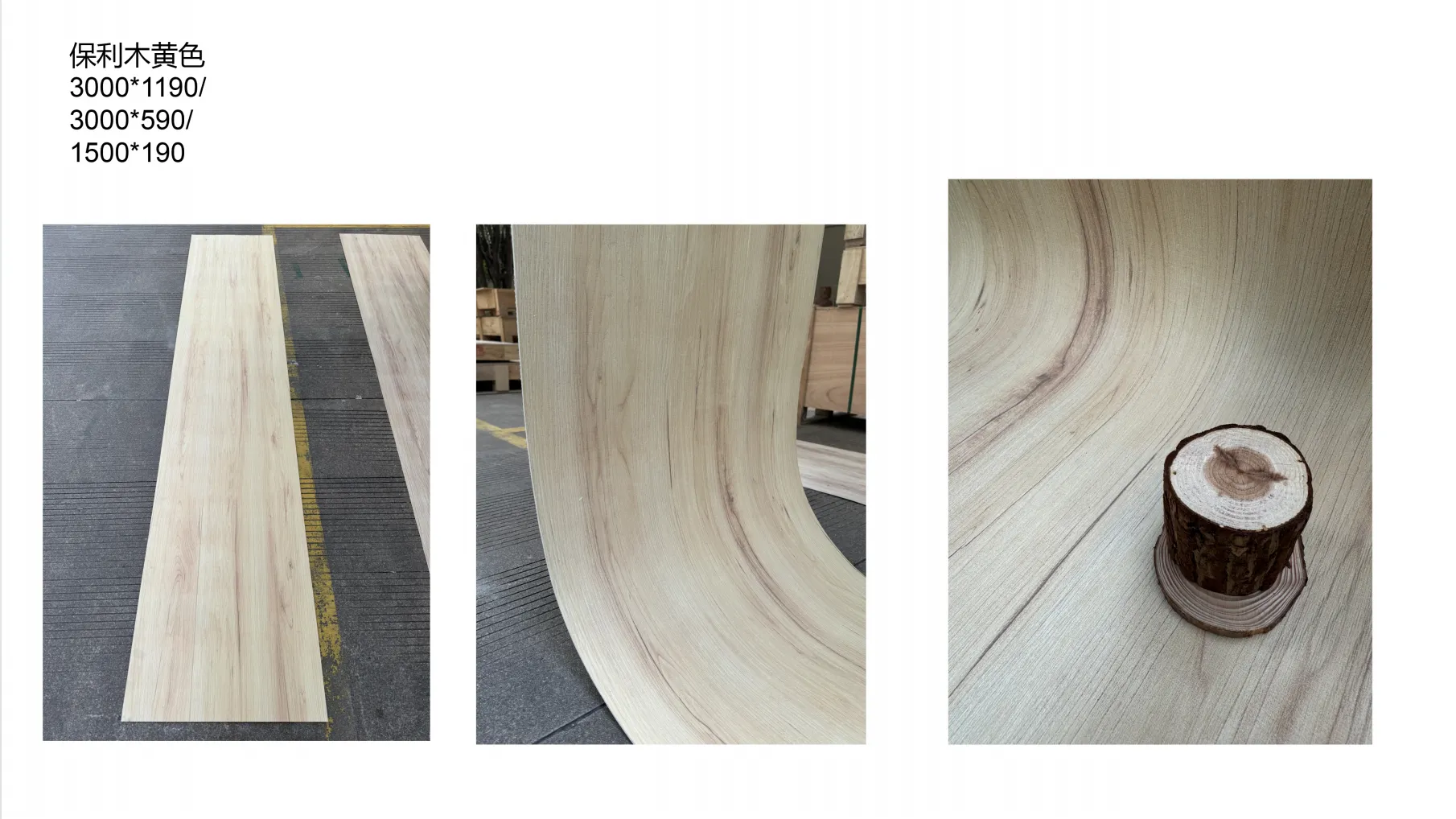
Poly wood board, sometimes called "composite wood," is a modern marvel of material science. Unlike sawing wood board, which comes straight from a tree, poly wood board is a blend of recycled wood fibers and high-density polymers (think: plastic resins). This hybrid composition gives it the best of both worlds: the warm, organic look of wood and the waterproof resilience of plastic. The manufacturing process is key here—wood fibers are ground into a fine powder, mixed with polymers, and then heated and pressed into boards. The result? A material that's dense, non-porous, and virtually impervious to the moisture that destroys traditional options like bamboo mat board or solid wood.
What sets poly wood board apart from wood grain board (another engineered product) is its lack of adhesives. Wood grain board relies on glue to hold its layers together, and that glue is vulnerable to water. Poly wood board, by contrast, fuses its components at the molecular level during manufacturing, creating a single, solid surface that won't separate or bubble when wet. It's like comparing a layered cake (prone to falling apart when soggy) to a dense, fudge-like brownie (uniform and moisture-resistant).
The waterproof magic of poly wood board lies in its structure. Traditional materials like bamboo mat board or sawing wood board have tiny pores and gaps that let water seep in. Poly wood board, however, is engineered to be non-porous. The polymer component acts as a sealant, wrapping around each wood fiber and filling in any potential gaps. This means when rain hits a poly wood deck or a spill occurs on a poly wood countertop, the water beads up and rolls off instead of soaking in.
To put this in perspective, let's look at the numbers. A typical solid wood board can absorb up to 20% of its weight in water within 24 hours, while wood grain board might absorb 10–15%. Bamboo mat board, with its natural porosity, can soak up 15–25%. Poly wood board? Most varieties absorb less than 1%—so little that it's considered "waterproof" by industry standards. This low absorption rate isn't just about avoiding warping; it also prevents mold and mildew from taking root. Without moisture, fungi can't grow, making poly wood board a hygienic choice for humid homes, restaurants, and even healthcare facilities.
| Material | Water Absorption (24hr) | Warping Resistance | Mold Growth Risk |
|---|---|---|---|
| Poly Wood Board | <1% | Excellent | Very Low |
| Wood Grain Board (Engineered) | 10–15% | Moderate | Moderate |
| Bamboo Mat Board | 15–25% | Poor | High |
| Sawing Wood Board (Solid) | 15–20% | Poor | High |
Poly wood board isn't just waterproof—it's versatile. Its ability to withstand moisture makes it ideal for spaces where other materials fear to tread. Let's start outdoors. Decks, patios, and pool surrounds in humid climates are notoriously hard to maintain. A poly wood deck, though, can handle rain, morning dew, and even splashes from the pool without a single sign of rot. Unlike wood grain board or sawing wood board, it won't require annual sealing or staining—just an occasional hose-down to keep it looking fresh.
Indoors, poly wood board transforms high-moisture rooms. Bathrooms, for instance, benefit from poly wood vanities and shower benches that resist water spots and mold. Kitchens love it for backsplashes and flooring, where spills and steam are constant. Basements, often damp and musty, become usable spaces with poly wood paneling, as it won't absorb groundwater or foster mildew. Even commercial spaces like saunas, tropical-themed restaurants, or coastal hotels are adopting poly wood board for its durability and low upkeep.
Take the example of a bed and breakfast in Costa Rica, where humidity hovers around 85% year-round. The owners previously used bamboo mat board for their outdoor dining tables, replacing them every two years due to warping and mold. After switching to poly wood board, they've had the same tables for five years—still looking new, no mold, no splinters. "It's like having a wooden table that's forgotten how to absorb water," one guest joked. That's the beauty of poly wood: it looks and feels like wood, but behaves like a waterproof superhero.
Waterproofing is just the start. Poly wood board brings a host of other benefits that make it a standout choice for humid climates. For one, it's incredibly durable. Unlike sawing wood board, which can scratch or dent easily, poly wood resists impacts, making it perfect for high-traffic areas like kids' playrooms or busy restaurant floors. It's also pest-resistant—termites and carpenter ants turn up their noses at its polymer-rich composition, a relief for homeowners who've watched wood grain board get devoured by insects.
Maintenance? Minimal. Traditional wood requires sanding, staining, and sealing every year or two. Poly wood board? Wipe it with a damp cloth, hose it off, or sweep it—done. No more weekends spent refinishing decks or scrubbing mold off bamboo mat board. And let's talk aesthetics: poly wood board comes in a range of colors and textures, from rich mahogany to light oak, mimicking the look of real wood grain without the drawbacks. Whether you prefer a modern, sleek finish or a rustic, weathered vibe, there's a poly wood style to match.
Eco-conscious homeowners will also appreciate that many poly wood boards are made from recycled materials—think plastic bottles and sawdust that would otherwise end up in landfills. It's a sustainable choice that doesn't sacrifice performance, proving you can be kind to the planet and still have a waterproof home.
If you've ever stared at a warped bookshelf, scrubbed mold off a bamboo mat board, or cried over a water-damaged wood grain board, poly wood board might be the solution you've been waiting for. It's not just a material—it's peace of mind. In humid climates, where every raindrop feels like a threat, poly wood board stands tall, keeping your surfaces dry, beautiful, and intact for years. It's the kind of material that lets you focus on enjoying your space, not maintaining it.
So, whether you're building a coastal home, renovating a bathroom, or just tired of replacing water-damaged surfaces, consider poly wood board. It's waterproof, durable, low-maintenance, and surprisingly charming. In the battle against humidity, why fight with materials that surrender? Choose one that fights back.
Recommend Products












