

Let's be real—there's nothing more frustrating than stepping into your bathroom after a long day, only to be greeted by peeling paint, moldy grout lines, or tiles that feel loose underfoot. Humid spaces like bathrooms, kitchens, or basements have always been the Achilles' heel of home design. Traditional materials either lack durability, trap moisture, or just plain look boring. But what if there was a wall panel that could handle the damp, look stunning, and actually make you excited to show off your bathroom? Enter waterproof wave panels—a game-changer in the world of humid environment wall solutions.
Let's start by talking about the usual suspects. Ceramic tiles? Sure, they're water-resistant, but those tiny grout lines? They're basically mold magnets. After a few years, you'll be scrubbing away black spots or regrouting entirely. Paint? Even "bathroom-grade" options peel and bubble when moisture seeps in, leaving walls looking patchy and unprofessional. Natural stone? Beautiful, but heavy, expensive, and surprisingly porous—sealers wear off, and then you're dealing with stains and water damage. And don't get me started on PVC panels—cheap-looking, prone to warping, and definitely not something you'd want in a space where you unwind.
I remember helping a friend renovate her beach house bathroom. She went with marble tiles, thinking they'd last forever. Two years later, the salt air and constant steam had turned the grout green, and a corner tile even cracked from the weight. "Why is this so hard?" she sighed. That's when I realized—we've been approaching humid wall design all wrong. We need something that's not just "water-resistant" but truly waterproof, lightweight, flexible, and—let's not forget—visually striking.
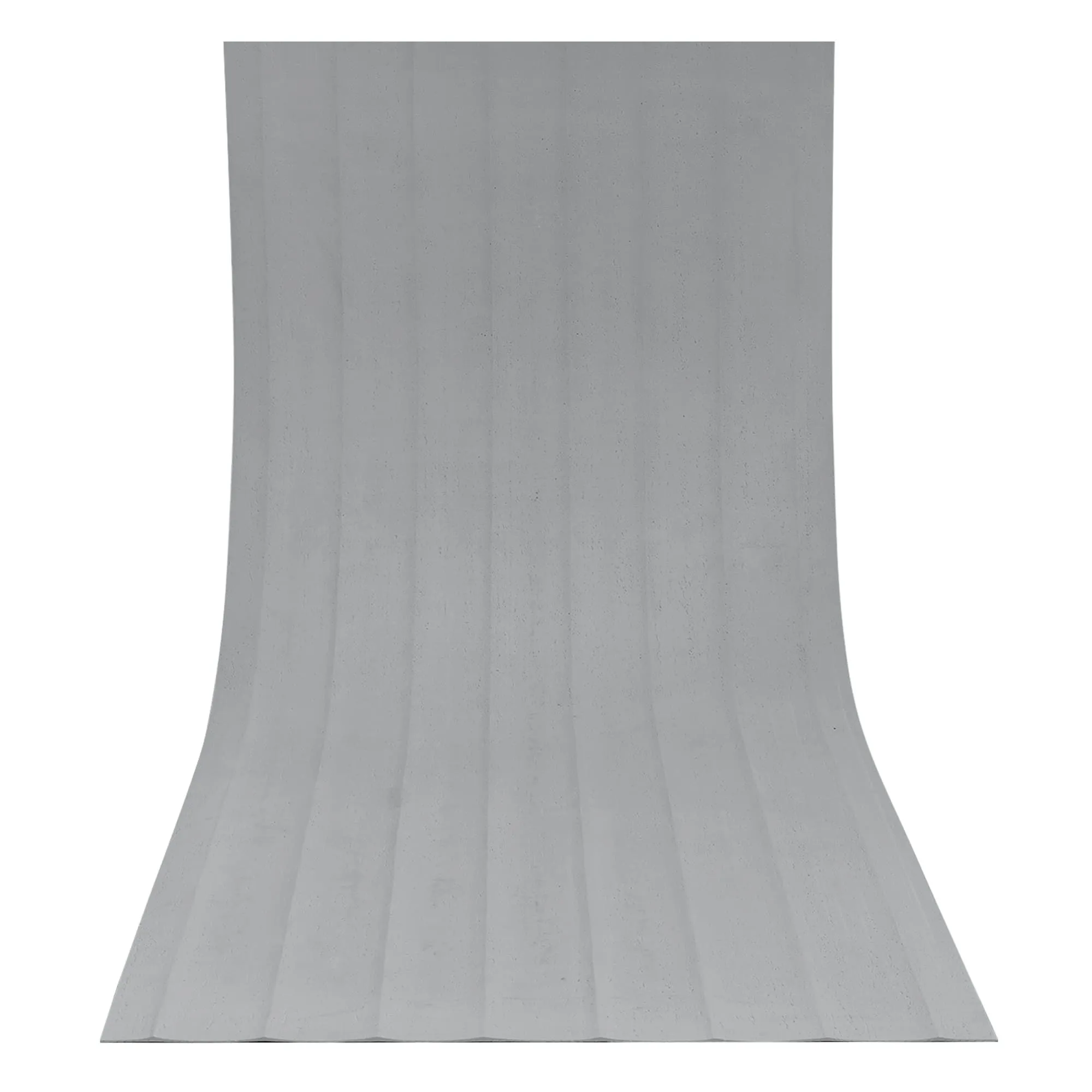
Waterproof wave panels aren't just another "meh" building material—they're a thoughtfully engineered solution built for the unique challenges of humid spaces. Let's break down why they stand out:
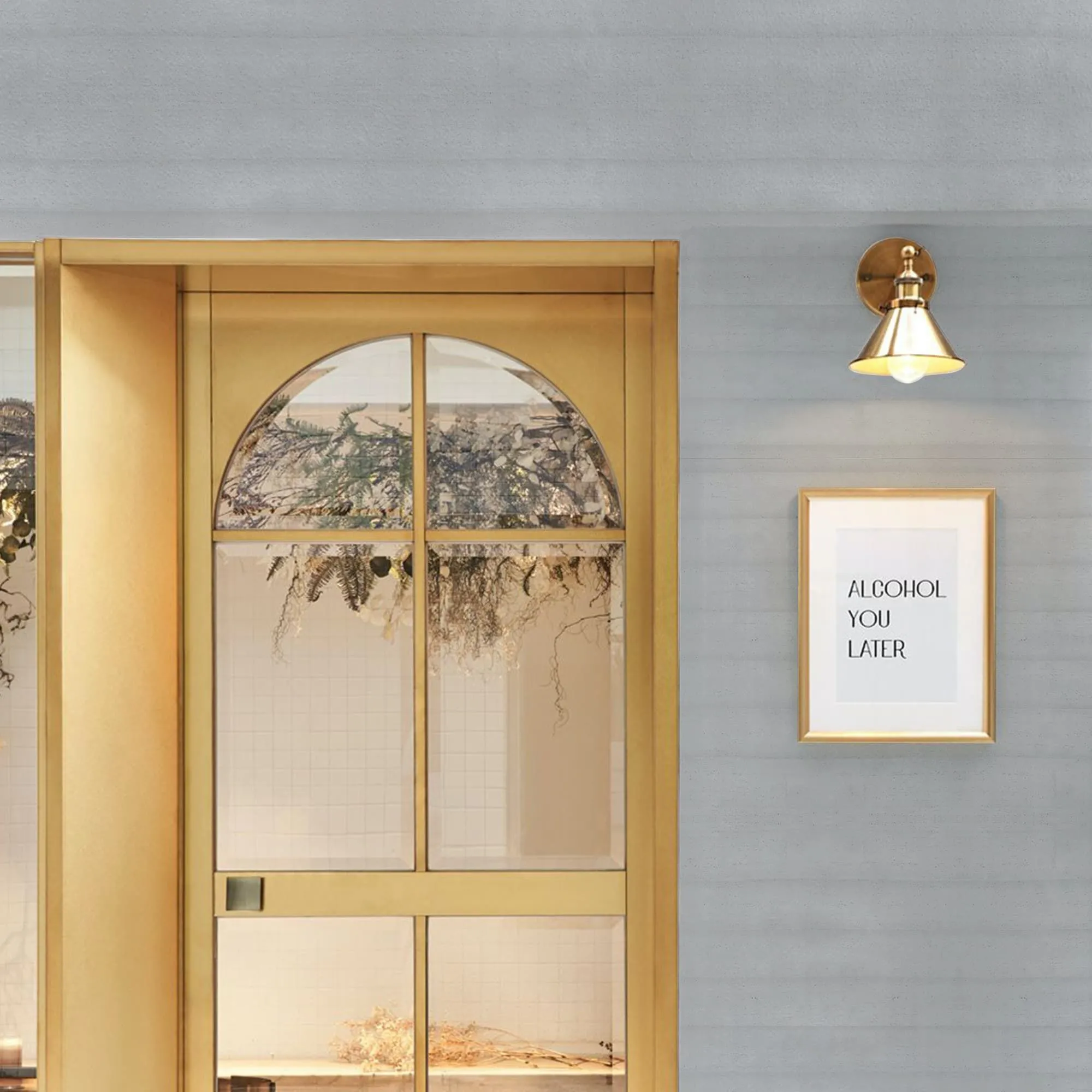
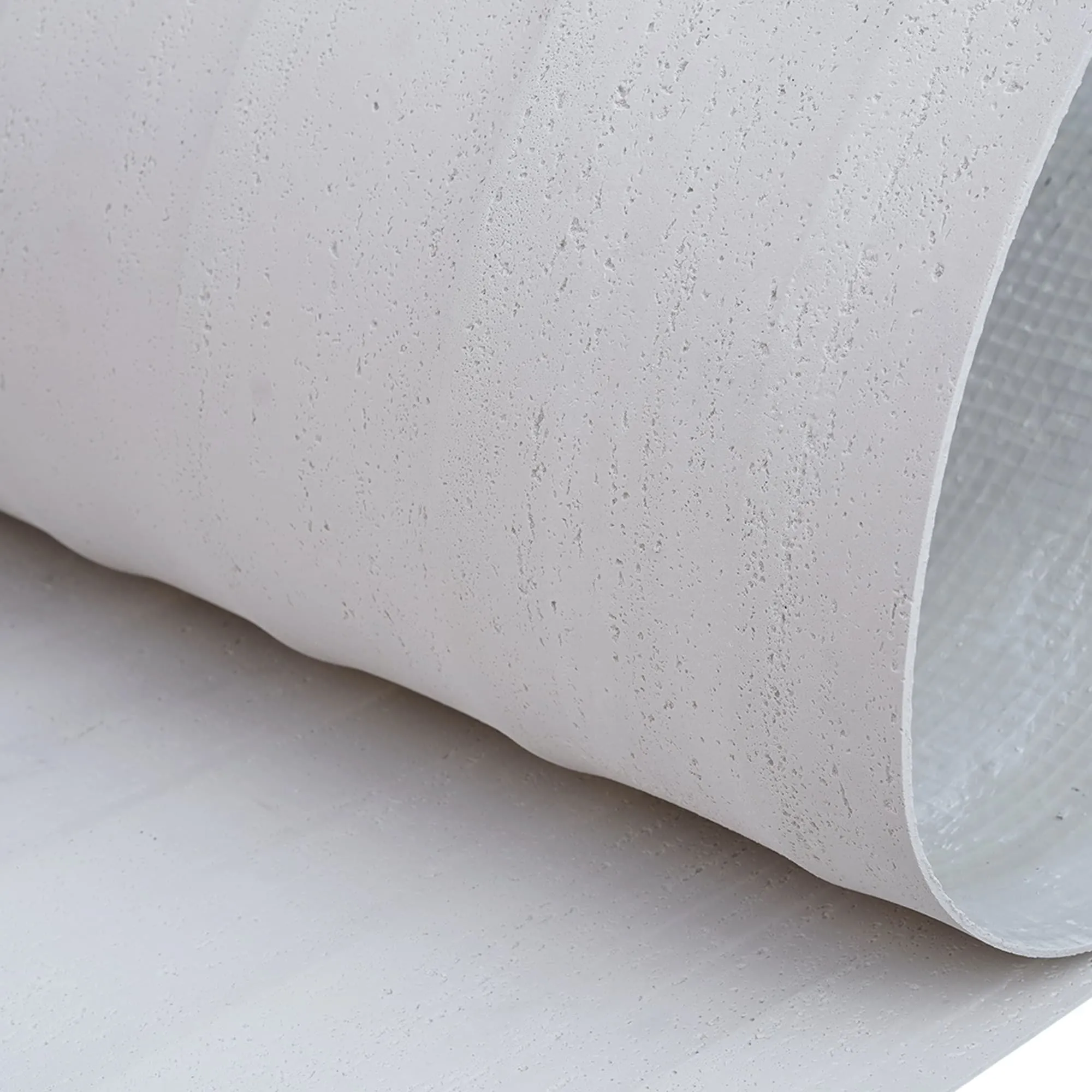
At the heart of these waterproof wave panels is MCM—Modified Cementitious Material. Think of it as cement's cooler, more advanced cousin. This isn't your granddad's concrete; it's a blend of natural minerals, polymers, and fibers that's been engineered to be strong, flexible, and eco-friendly. And because it's a composite, it can be molded into all sorts of shapes—like the beautiful wave pattern we're focusing on here.
One of the things I love most about MCM is its commitment to sustainability. Unlike some synthetic materials that off-gas or rely on harsh chemicals, these panels are low-VOC, recyclable, and made with minimal environmental impact. So you're not just upgrading your bathroom—you're making a choice that's better for the planet, too.
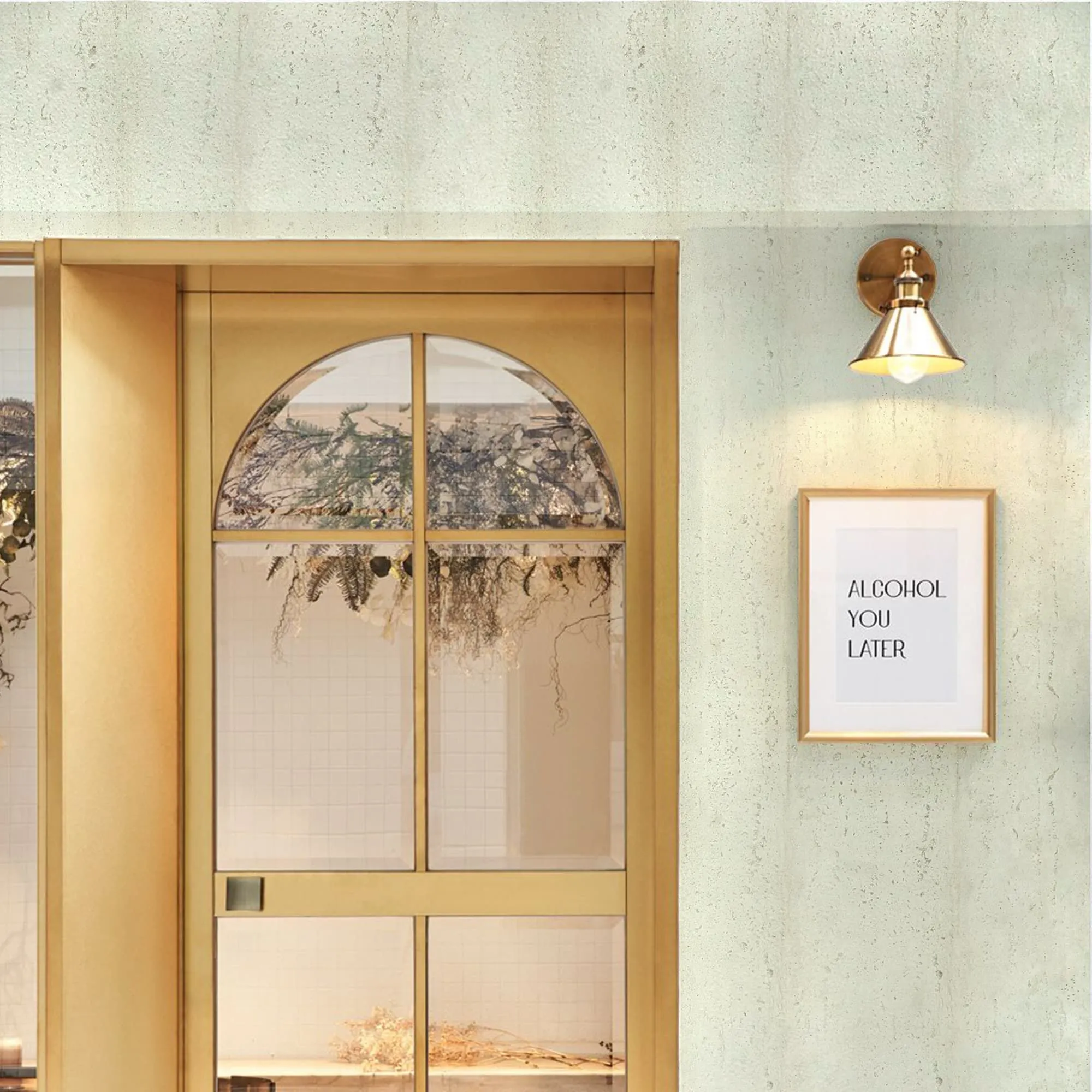
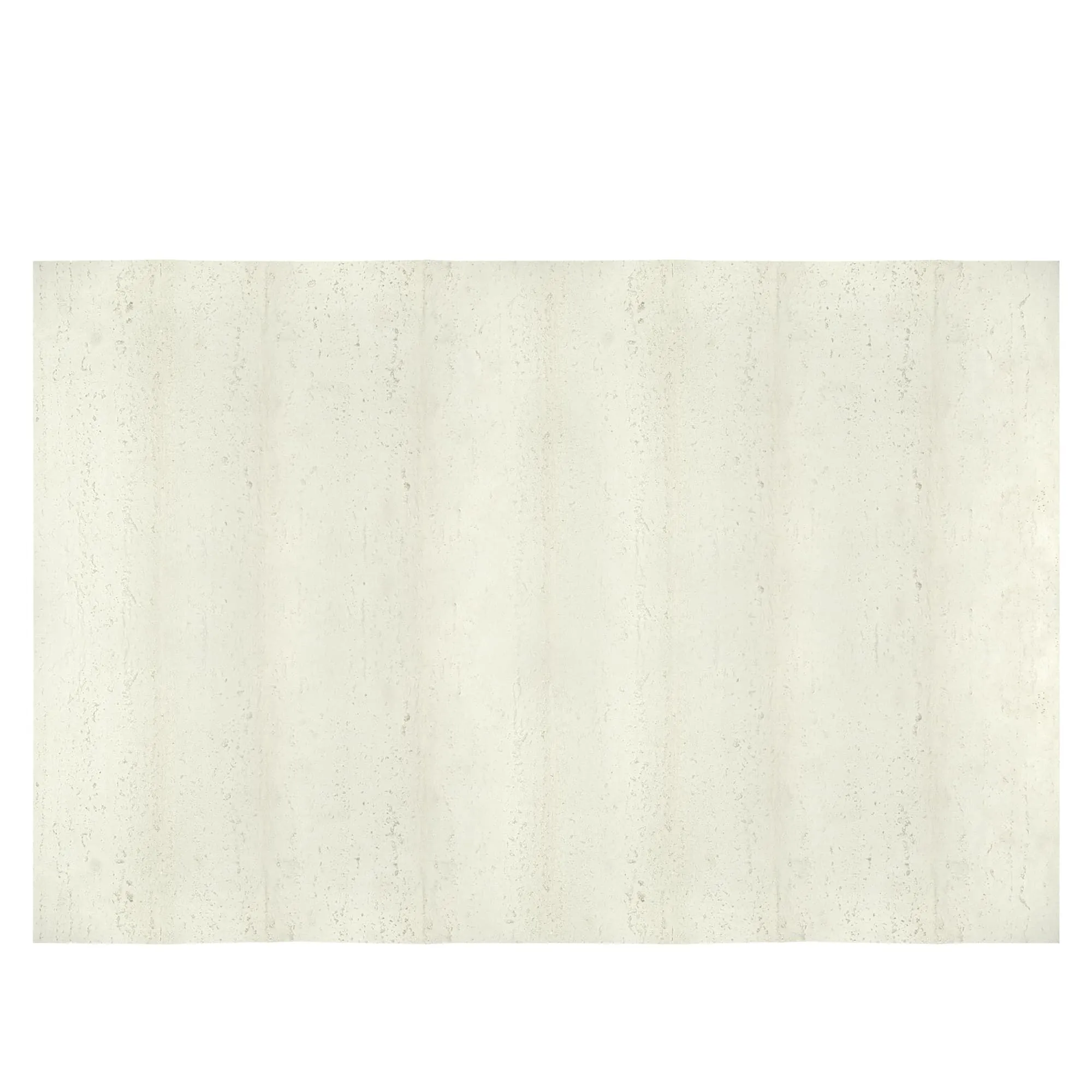
And let's not overlook customization. Whether you want a soft beige that mimics travertine (starry green for a pop of color, maybe?), a sleek gray that pairs with modern fixtures, or even a rustic wood-grain finish, MCM panels can be tailored to match your style. No more settling for whatever's in stock at the hardware store—your humid space can finally reflect your taste.
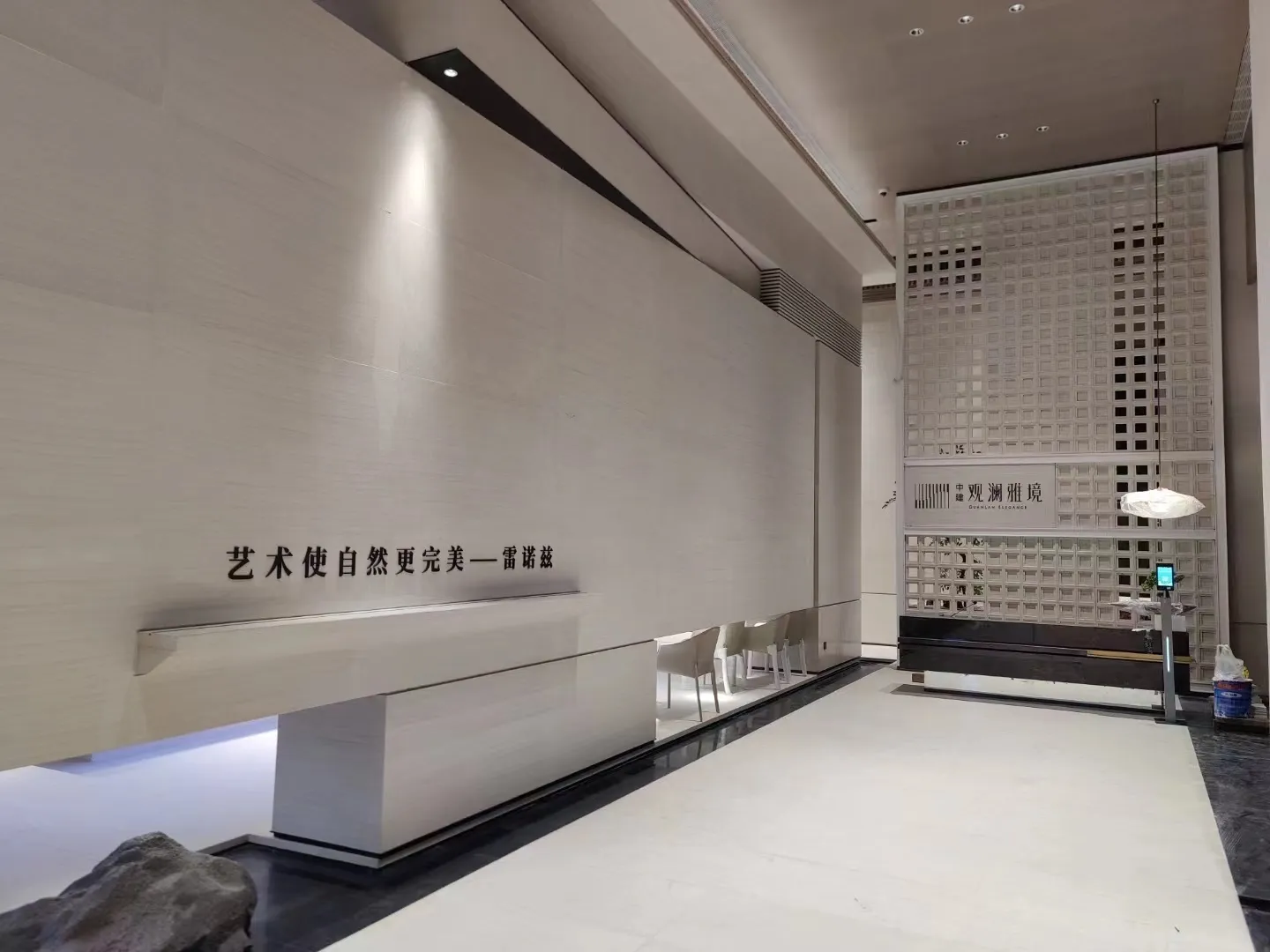
Sure, bathrooms are the obvious star here, but waterproof wave panels are versatile enough to tackle any humid or moisture-prone area. Let's brainstorm:
I recently worked with a boutique hotel that used wave panels in their spa bathrooms. The feedback? Guests couldn't stop taking photos. One reviewer wrote, "The walls felt like they were flowing with the water—so calming, and the bathroom looked brand-new even after months of use." That's the kind of impact good design can have.
| Feature | Traditional Tiles | Natural Stone | Waterproof Wave Panels |
|---|---|---|---|
| Water Resistance | Good, but grout fails | Poor without frequent sealing | Excellent—fully waterproof |
| Installation | Time-consuming (grouting, curing) | Requires professionals (heavy) | Quick, lightweight, DIY-friendly |
| Maintenance | Constant grout cleaning/regrouting | Regular sealing, stain-prone | Wipe with a damp cloth—no special care |
| Aesthetics | Limited by tile size/shape | Beautiful but expensive | Customizable, textured, modern designs |
| Durability in Humidity | Peels, cracks over time | Stains, chips, or warps | Resists mold, mildew, and moisture damage |
Don't just take my word for it. Let's hear from Sarah, a homeowner in Florida who renovated her master bathroom with waterproof wave panels last year. "We'd tried everything—tile, beadboard, even PVC panels—and nothing lasted more than a few years. The humidity here is brutal! After installing the wave panels, I was skeptical at first. But a year later? No mold, no peeling, no weird smells. And my friends can't stop talking about how cool the walls look. It's like having a spa in my own home now."
Then there's Mike, a restaurant owner who revamped his kitchen's back area. "Our old tile backsplash was a nightmare—grease and moisture trapped in the grout, and it looked dirty no matter how much we cleaned. The wave panels? They're smooth, easy to wipe down, and the wave pattern hides any minor splatters. Plus, the staff loves how bright and modern the kitchen feels now. Worth every penny."
Humid environments don't have to be a design compromise. With waterproof wave panels, you get the best of both worlds: durability that stands up to moisture and style that makes you proud to show off your space. Whether you're renovating a bathroom, sprucing up a kitchen, or transforming a basement, these panels check all the boxes—waterproof, lightweight, flexible, and stunningly designed.
So say goodbye to moldy grout, peeling paint, and boring walls. Say hello to a space that's as resilient as it is beautiful. After all, your home should be a place of comfort—not a constant battle against moisture. Waterproof wave panels? They're not just a wall solution—they're a humidity hack that lets you enjoy your space, worry-free.
Recommend Products











