

In an era where sustainable development and operational cost-effectiveness are paramount, the construction industry is undergoing a profound transformation. Architects, developers, and homeowners alike are increasingly focused on a critical aspect of building design: building energy efficiency . The way a structure interacts with its environment, particularly how it manages heat, has a direct impact on everything from utility bills and occupant comfort to the planet's overall health. As we search for smarter, more effective ways to construct our living and working spaces, innovative materials that offer superior performance are leading the charge. This is where the concept of advanced thermal insulation, specifically through systems like wave panels, becomes not just a feature, but a fundamental necessity for modern architecture.
At its core, thermal insulation is the barrier that slows the transfer of heat between the inside of a building and the outside world. In winter, it keeps precious warmth in; in summer, it keeps oppressive heat out. A poorly insulated building is like a sieve, constantly leaking energy and forcing HVAC systems to work overtime, resulting in astronomical costs and a significant carbon footprint. Traditional insulation methods have served us well, but as we push the boundaries of design and performance, we require solutions that are not only effective but also aesthetically versatile, durable, and environmentally responsible. This has paved the way for next-generation materials and systems that redefine what's possible in building envelope design.
Today's architectural demands are complex. We want buildings that are visually stunning, with dynamic facades and unique textures. We need them to be resilient, capable of withstanding harsh weather conditions for decades with minimal maintenance. And, most importantly, we need them to be high-performing machines for living and working, optimized for comfort and low energy consumption. This multifaceted challenge has shifted the focus to the building's outermost layer: the exterior wall cladding .
Cladding is no longer just a decorative skin; it's an integral part of a high-performance wall assembly. An advanced cladding system must contribute to moisture management, structural integrity, and, crucially, thermal insulation. This is where materials from innovative providers like COLORIA GROUP are making a significant difference. With a foundation built on decades of expertise in architectural materials, COLORIA GROUP has pioneered the use of Modified Cementitious Material (MCM) to create solutions that address these modern challenges head-on. By integrating insulation capabilities directly into the cladding system, we can achieve a seamless, highly effective thermal barrier.
The future of architecture lies in a synthesis of form and function. A building's facade must be more than beautiful—it must be a high-performance engine driving energy efficiency and occupant well-being.
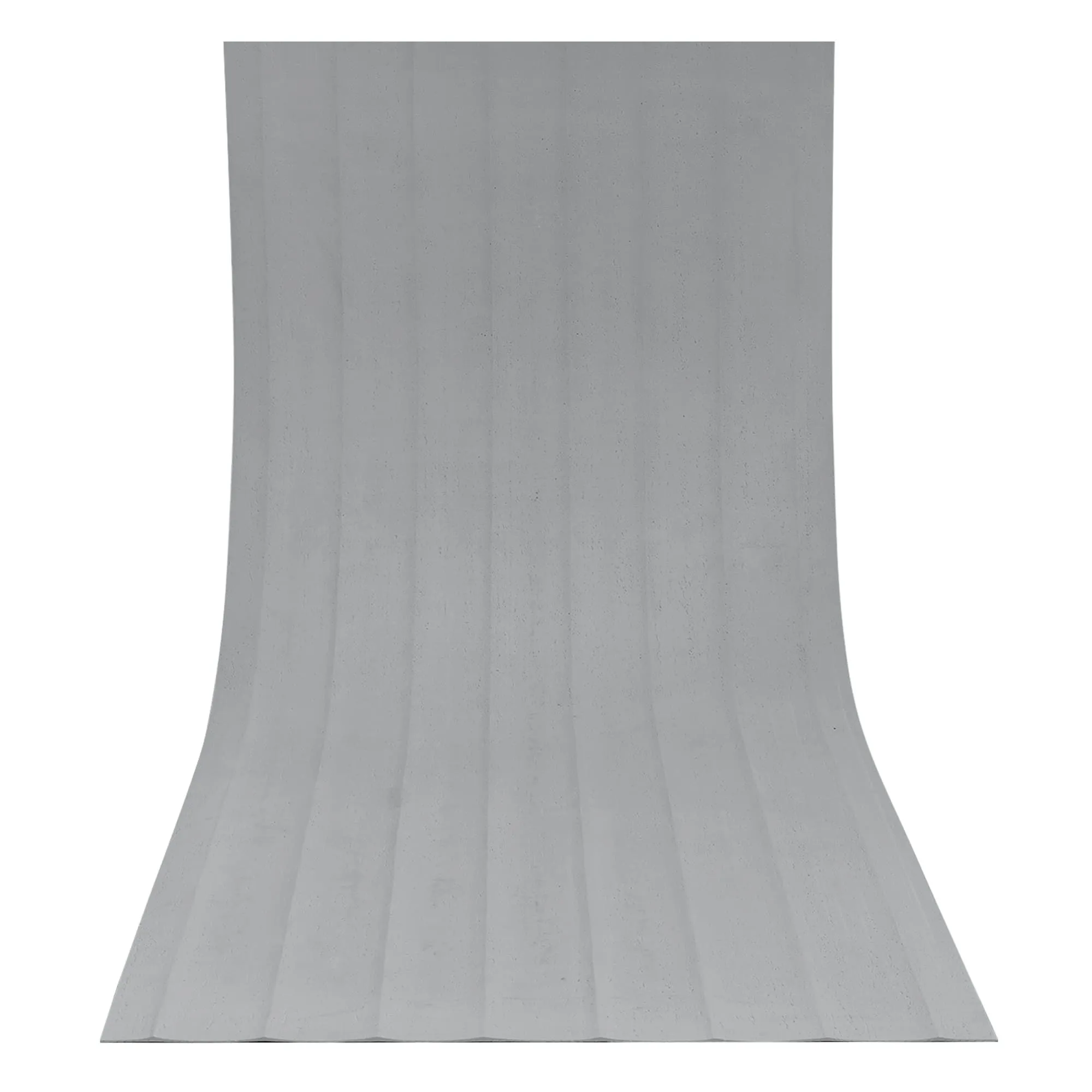
What exactly are "wave panels," and how do they contribute to this new paradigm of energy-efficient design? The term refers to a category of facade panels characterized by their three-dimensional, undulating, or corrugated surfaces. Unlike flat panels, wave panels introduce texture, shadow, and a sense of movement to a building's exterior, creating a visually dynamic and engaging aesthetic. However, their benefits extend far beyond pure decoration. When engineered as part of a comprehensive thermal insulation system, they become a powerhouse of performance.
The wave-like profile is not just for looks. It can be engineered to enhance the structural rigidity of the panel, allowing for larger, lighter-weight sections to be used. Furthermore, the air channels created by the corrugated shape can, in some systems, contribute to ventilation and moisture dissipation within the wall cavity. When these panels are manufactured from a state-of-the-art thermal insulation material , their inherent properties are amplified.
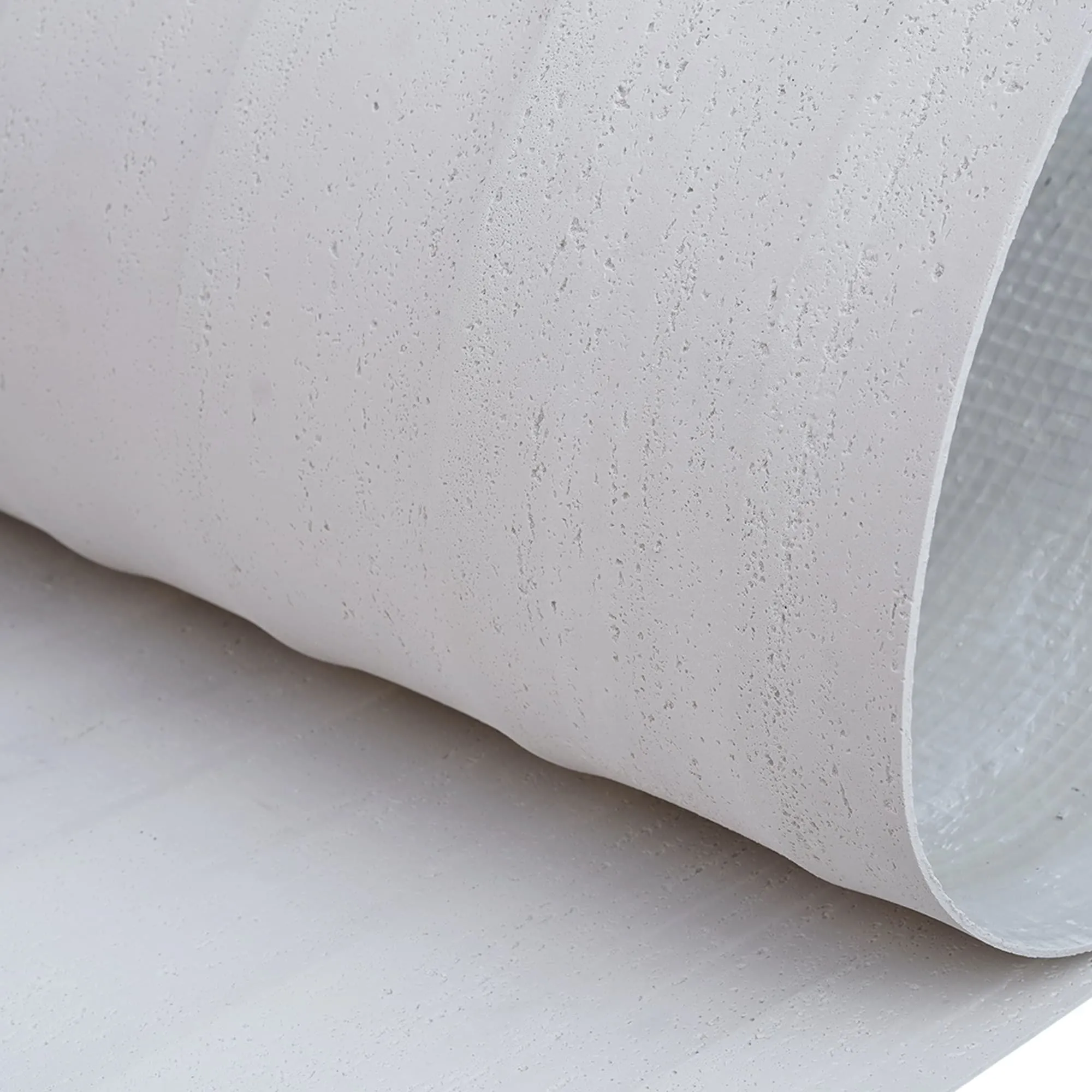
The COLORIA GROUP approach leverages its expertise in MCM technology, which includes its versatile MCM flexible stone product line, to create these advanced panels. MCM is a remarkable material composed of natural minerals and modified binders, formed under low-carbon conditions. It can be molded into virtually any shape and texture—including intricate wave patterns—while offering exceptional durability, light weight, and Class A fire resistance. By combining a decorative MCM wave panel with a dedicated insulation layer, we create a unified system that delivers on all fronts: aesthetics, safety, and unparalleled thermal performance.
To truly appreciate the impact of these systems on building energy efficiency , it's important to understand the science behind them. Heat transfer occurs in three ways: conduction (through solid materials), convection (through the movement of air or liquid), and radiation (through electromagnetic waves). An effective insulation system must combat all three.
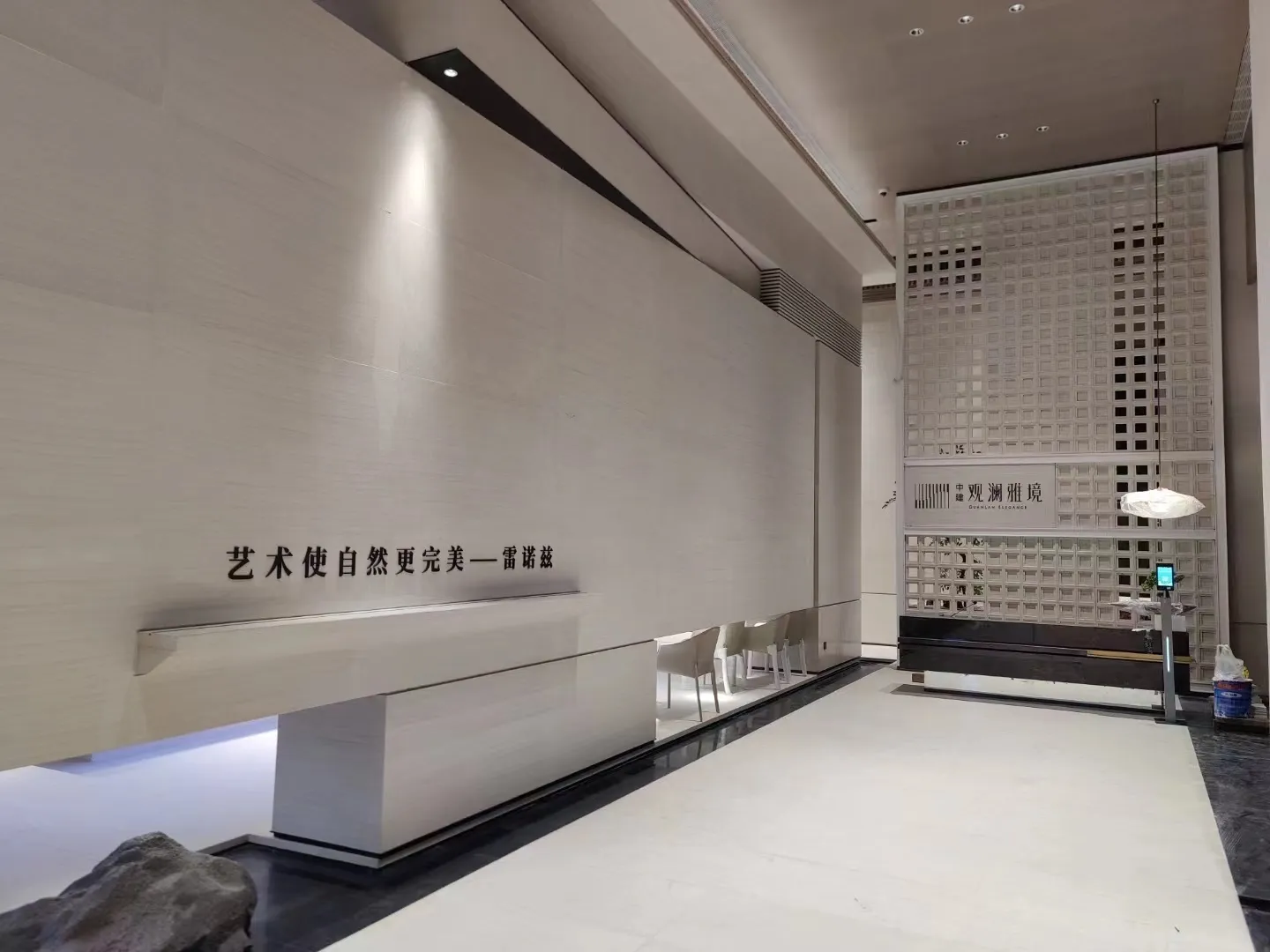
Adopting an integrated wave panel thermal insulation system, particularly one utilizing advanced materials like MCM, offers a cascade of benefits that extend from the construction phase to the building's long-term operation.
| Benefit Category | Detailed Advantages of Wave Panel Systems |
|---|---|
| Energy & Cost Savings | Drastically reduces heating and cooling costs by creating a highly effective thermal envelope. This leads to a rapid return on investment and lower lifetime operational costs for the building owner. The smaller required HVAC system size can also reduce initial capital expenditure. |
| Enhanced Occupant Comfort | Maintains stable and comfortable indoor temperatures year-round. Eliminates cold spots and drafts near exterior walls, creating a more pleasant and productive environment for occupants in both residential and commercial settings. |
| Design Freedom & Aesthetics | Wave panels offer unparalleled design flexibility. The 3D nature of the panels creates dynamic, modern facades. Materials like COLORIA GROUP's MCM can be customized in shape, size, color, and texture, allowing architects to realize their unique vision without compromising performance. |
| Durability & Low Maintenance | Advanced materials like MCM are inherently durable, resistant to UV degradation, water, impact, and freeze-thaw cycles. This longevity translates into a building that looks great for decades with minimal maintenance, reducing long-term upkeep costs. |
| Moisture Management | When installed as part of a rainscreen system, the cladding protects the building's primary structure from bulk water intrusion. The ventilated air cavity promotes drying, significantly reducing the risk of mold, mildew, and rot within the wall assembly. |
| Environmental Sustainability | The primary benefit is reduced energy consumption, which lowers a building's carbon footprint. Furthermore, materials like MCM from COLORIA GROUP are manufactured using a low-carbon, low-energy process from natural components, making them an eco-friendly choice from production to application. |
As a one-stop solution provider for the architectural materials industry, COLORIA GROUP is uniquely positioned to deliver these integrated systems. Our entire business model is built on providing comprehensive, high-quality solutions for both interior and exterior applications. Our deep focus on Modified Cementitious Material (MCM) is the cornerstone of our innovation.
Why is MCM so well-suited for high-performance wave panels?
Our commitment goes beyond simply supplying a product. COLORIA GROUP acts as a partner, providing a holistic solution. We work with architects and builders to understand the specific performance and aesthetic goals of a project. We then leverage our extensive MCM Project Board Series and custom capabilities to engineer a complete system—the panels, the mounting hardware, and the integration with the chosen thermal insulation material —that works in perfect harmony.
The push for greater building energy efficiency is not a fleeting trend; it is the new standard for responsible and intelligent construction. As we move forward, the building envelope will play an increasingly critical role in achieving our energy performance goals. Insulated wave panel systems represent a perfect convergence of advanced material science, functional engineering, and creative architectural expression.
They offer a path to creating buildings that are not only less expensive to operate and more comfortable to inhabit but also more beautiful and resilient. By choosing an integrated system from a specialized provider like COLORIA GROUP, designers and builders can harness the full potential of materials like MCM to construct facades that are as high-performing as they are visually striking. In the quest to build a more sustainable future, solutions like these are not just an option; they are the essential building blocks of the next generation of architecture.
Recommend Products











