

Choosing the right building materials for our homes and commercial spaces has become more complex than ever. Beyond aesthetics and durability, a crucial factor has emerged as a top priority for many: eco-friendliness. As environmental concerns escalate, from climate change to resource depletion, the impact of our choices on the planet is under intense scrutiny. When it comes to exterior cladding, two popular options often come up in discussion: Vinyl Siding and an innovative alternative, Wave Panel. But which one truly holds the upper hand in terms of environmental sustainability?
This comprehensive guide dives deep into the environmental profiles of both Wave Panel and Vinyl Siding, examining every stage of their lifecycle – from raw material extraction and manufacturing to installation, maintenance, and eventual disposal or recycling. Our goal is to provide a clear, unbiased comparison, helping you make an informed decision for your next project, whether it's a residential renovation or a large-scale commercial development. We'll explore various facets of sustainability, including resource depletion, energy consumption, emissions, health impacts, and the potential for a truly circular economy.
Before we pit Wave Panel against Vinyl Siding, it's essential to define what "eco-friendly" truly means in the context of building materials. It's not just about what something is made of, but its entire journey. A robust assessment requires a Lifecycle Assessment (LCA), which considers:
By evaluating both materials through this holistic lens, we can gain a much clearer picture of their true environmental footprint. It's about more than just looking “green”; it's about being genuinely green and eco-friendly .
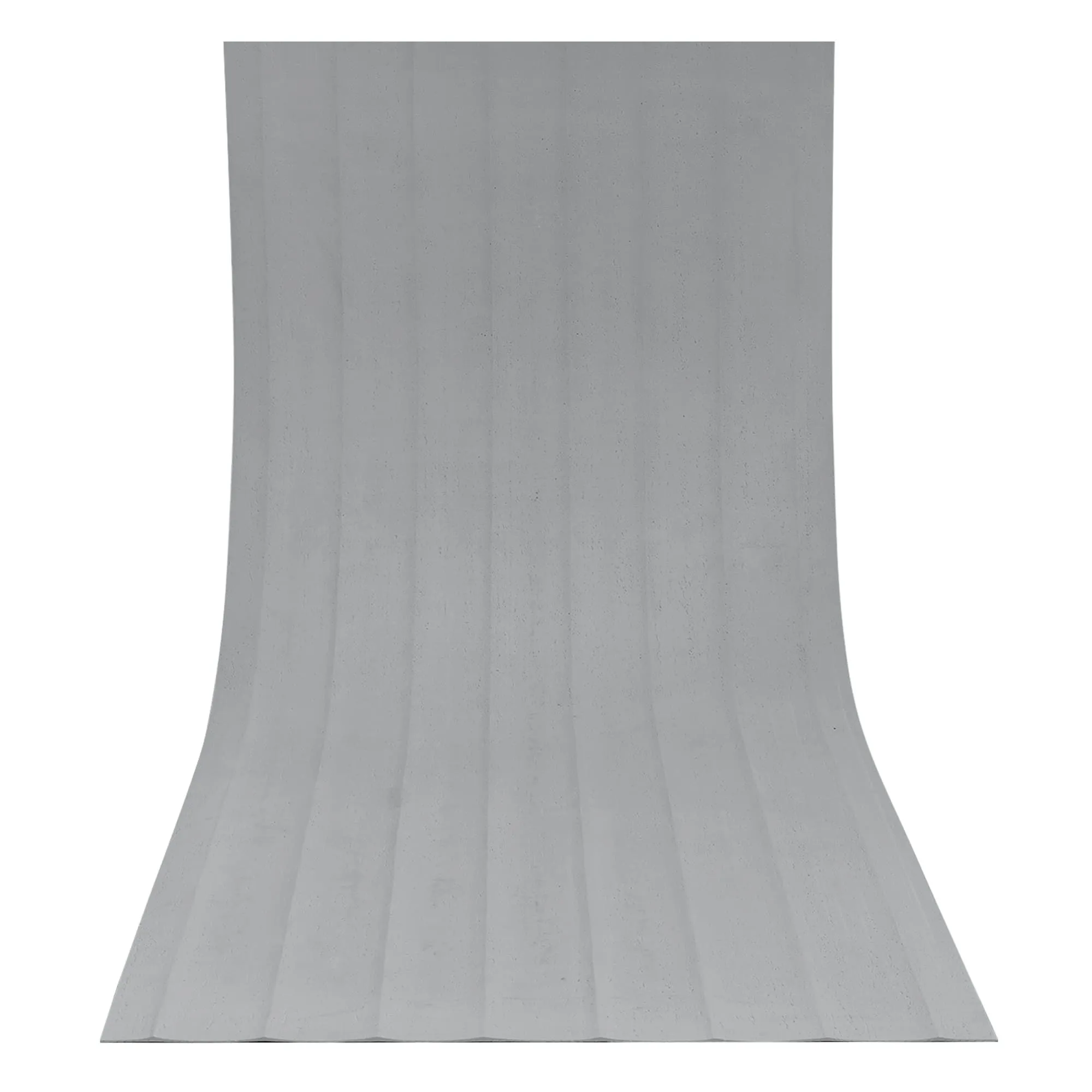
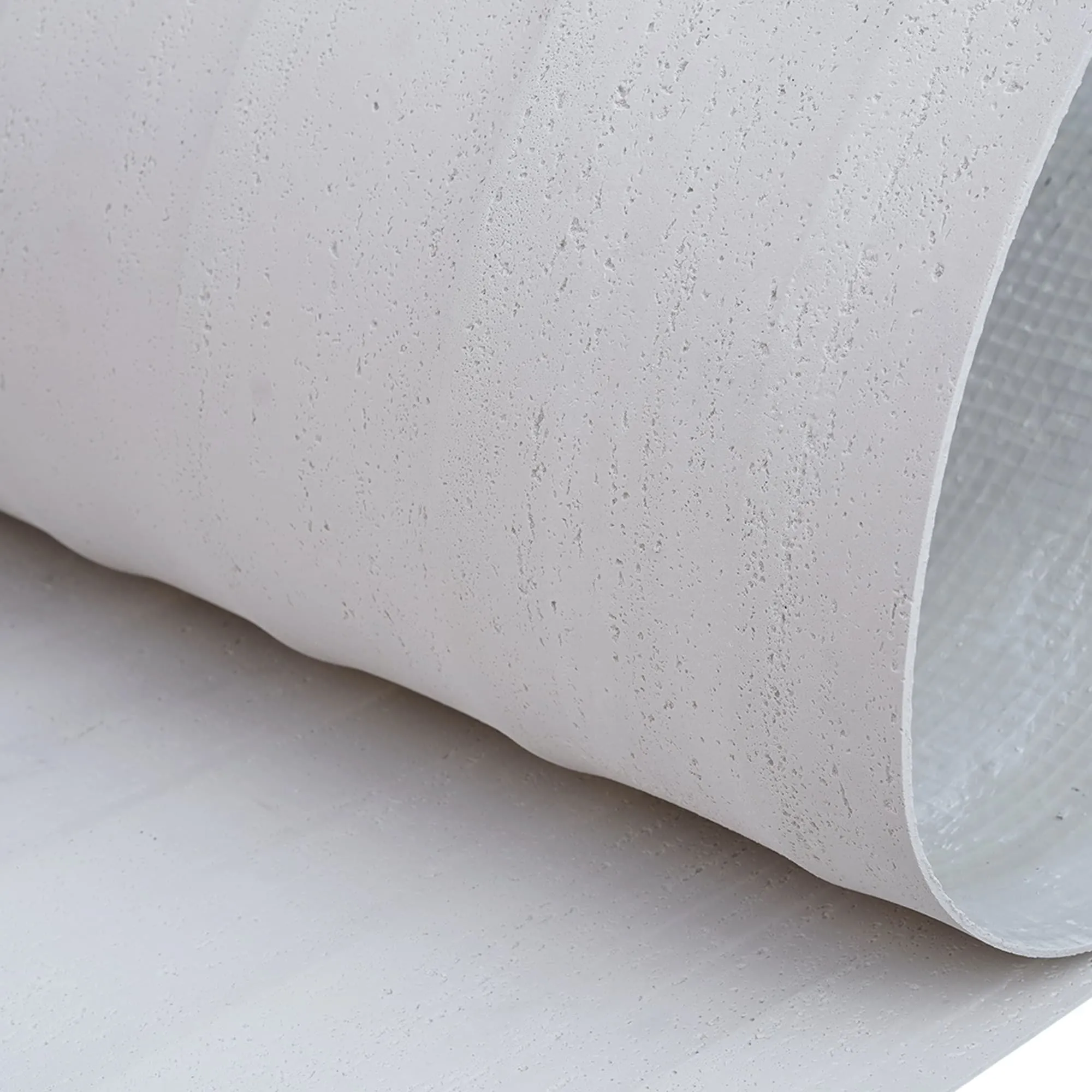
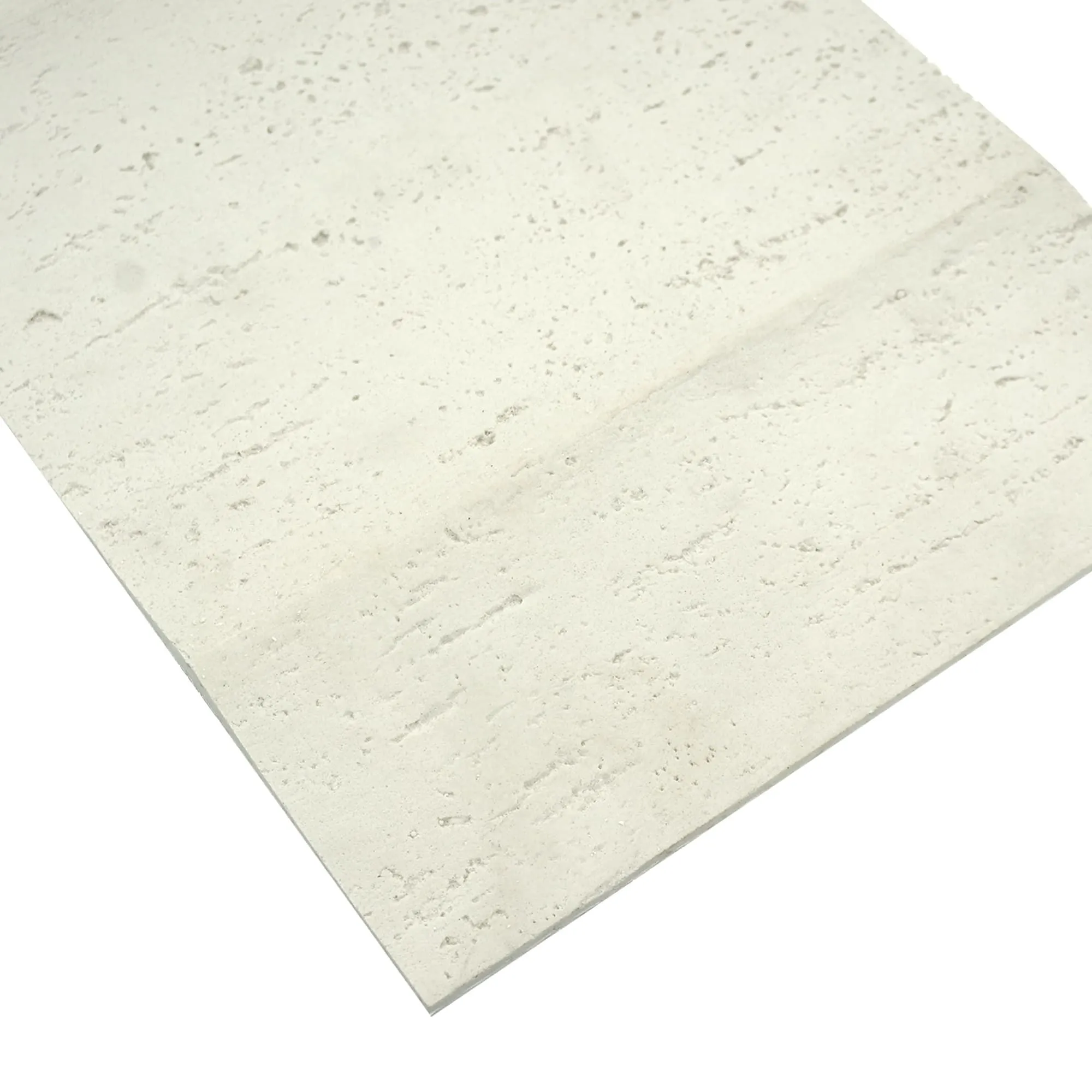
Wave Panel represents a significant leap forward in sustainable cladding technology. As part of COLORIA GROUP's broader portfolio, Wave Panel is crafted from MCM (Modified Cementitious Material) , a cutting-edge composite material that is redefining architectural finishes. Unlike traditional materials that rely heavily on finite resources or energy-intensive processes, MCM is predominantly composed of inorganic minerals like clay, sand, and cement, combined with polymers and other additives to create a material that is not only strong and flexible but also incredibly versatile.
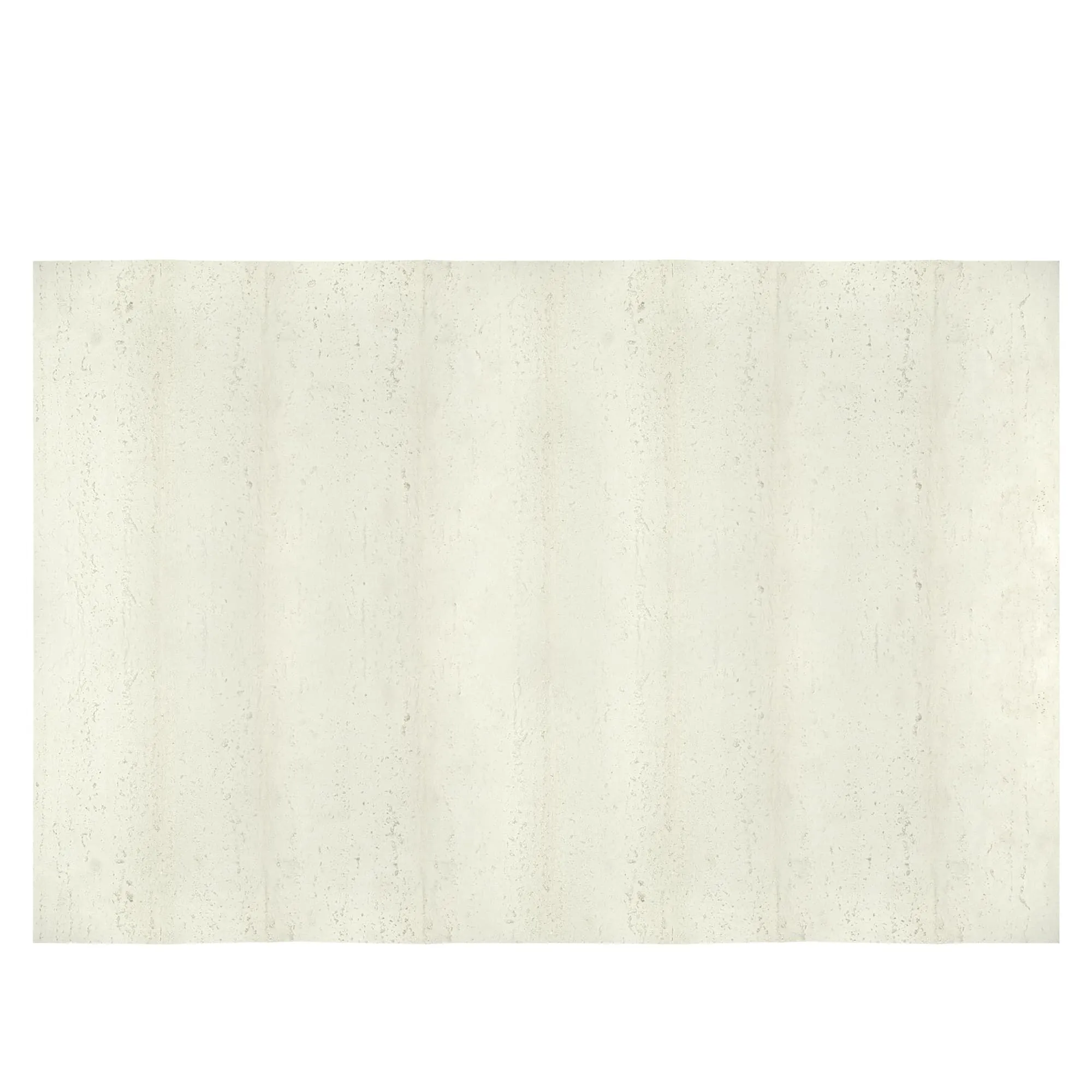
The magic of Wave Panel lies in its MCM composition. This material is designed to mimic the appearance and texture of natural materials like stone, brick, and wood, without the environmental drawbacks associated with quarrying or deforestation. The manufacturing process for MCM is remarkably low-impact compared to many conventional building materials. It involves minimal energy consumption, typically requiring lower temperatures and less water. This efficiency translates directly into a reduced carbon footprint, making it a compelling choice for environmentally conscious builders and designers.
COLORIA GROUP prides itself on offering a comprehensive one-stop solution provider approach, ensuring that from concept to completion, projects benefit from high-quality, sustainable materials and expert support. Wave Panel is a testament to this commitment, fitting seamlessly into various architectural styles and project requirements.
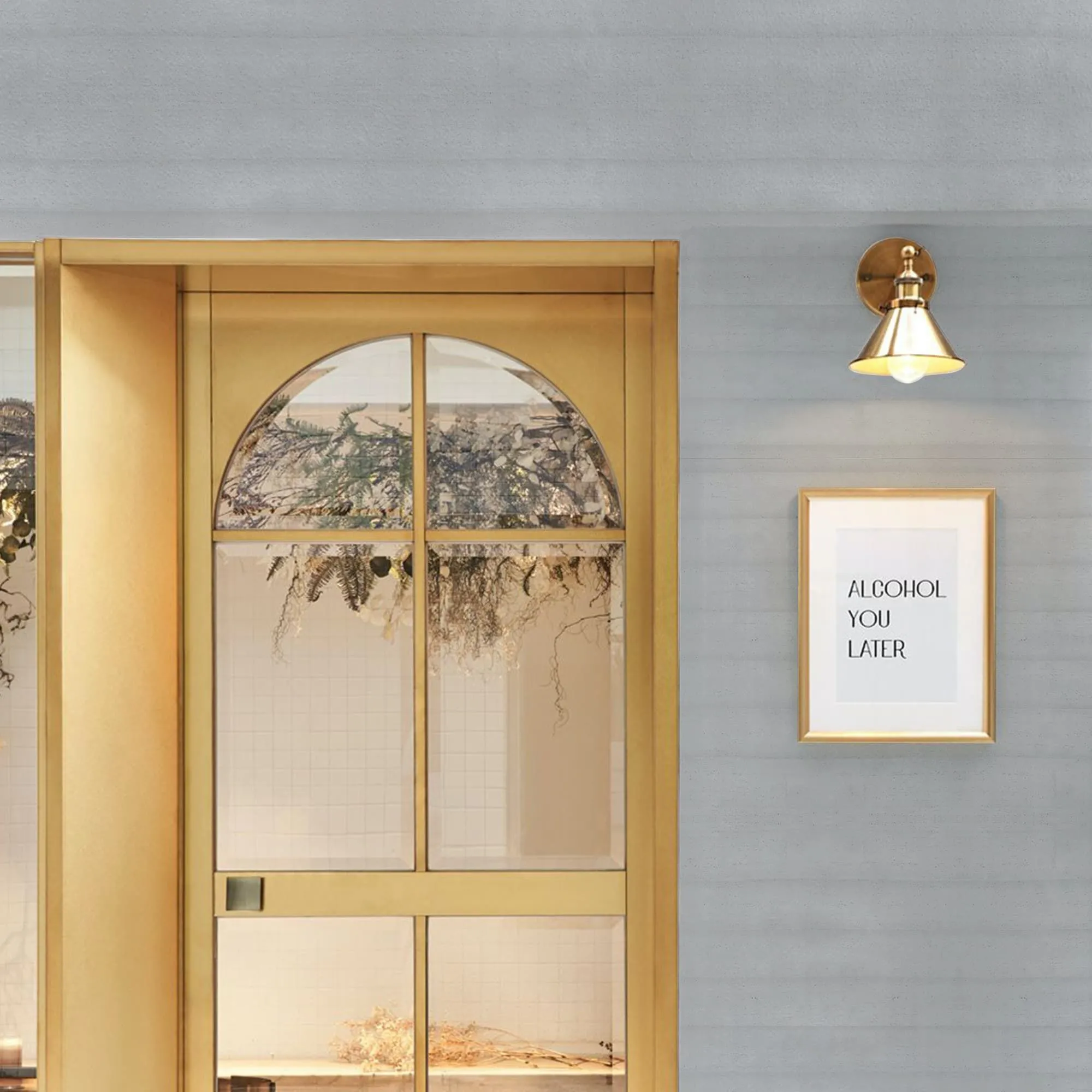
Vinyl Siding, primarily made from Polyvinyl Chloride (PVC) resin, has been a popular choice for decades due to its affordability, low maintenance, and ease of installation. However, its environmental profile is a subject of ongoing debate and concern.
The primary ingredient for PVC is petroleum or natural gas. The extraction of these fossil fuels is inherently environmentally destructive, involving drilling, fracking, and potential spills that can devastate ecosystems. Furthermore, the manufacturing of PVC is an energy-intensive process that releases several harmful chemicals, including:
These emissions contribute to air and water pollution, posing risks to both factory workers and surrounding communities. The process also generates hazardous waste that requires careful management.
To make PVC flexible enough for siding, plasticizers (often phthalates) are added. Phthalates are endocrine disruptors, meaning they can interfere with the body's hormonal system. While some phthalates have been restricted in certain products, their presence in long-lasting building materials is a concern, especially as they can leach out over time. Stabilizers, often containing heavy metals like lead or cadmium (though lead has largely been phased out in North America, it persists in other regions and older products), are also used to prevent UV degradation, adding another layer of toxic potential.
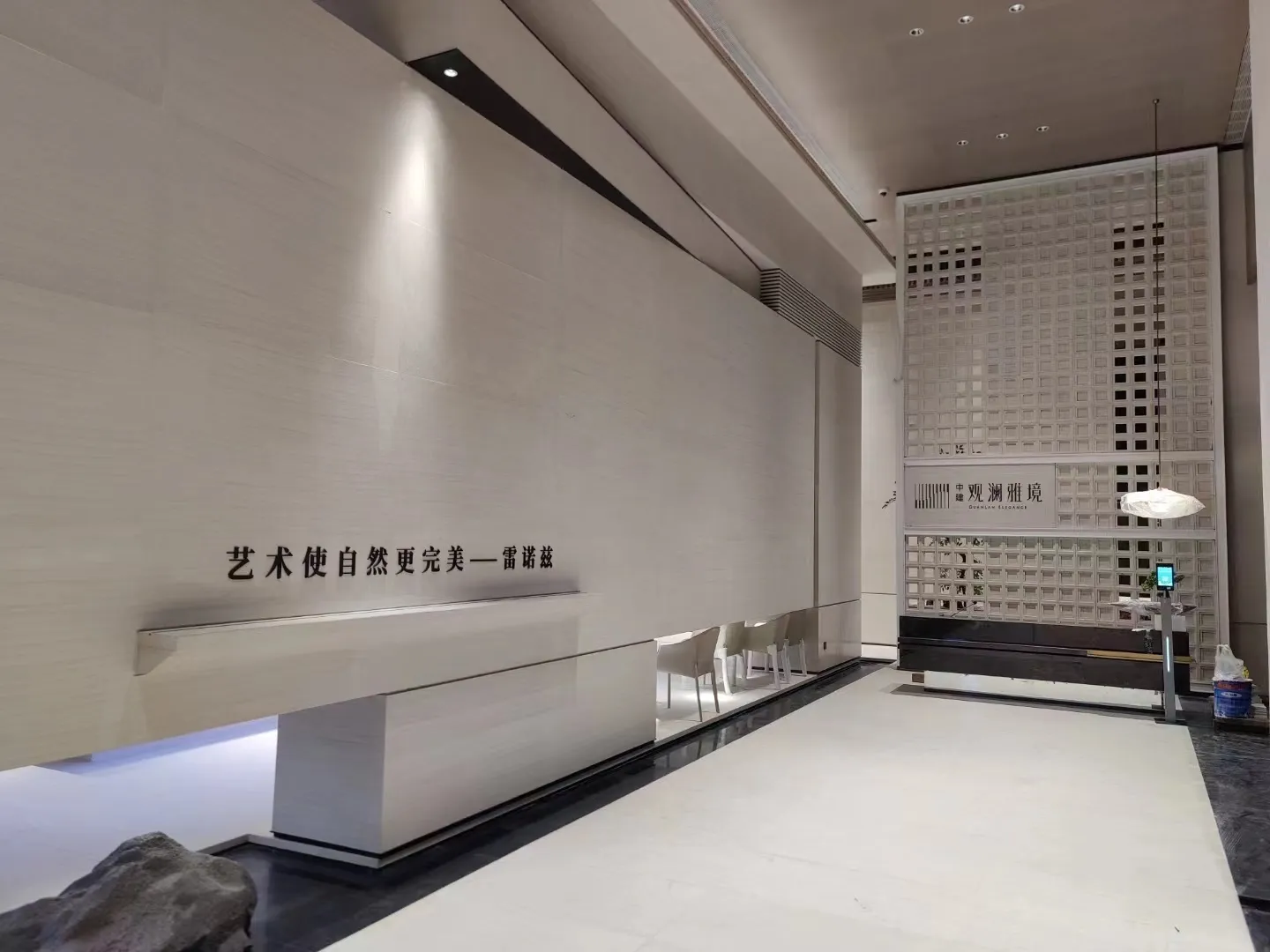
Now, let's dive into a direct comparison, evaluating both materials across key environmental indicators.
Wave Panel (MCM): The primary raw materials are inorganic minerals – clay, sand, cement. These are abundant, readily available, and their extraction typically has a much lower environmental footprint compared to fossil fuel drilling. The process avoids the destructive impacts of quarrying large blocks of natural stone or the ecological damage associated with extensive logging for wood siding. Since it's a composite, it also optimizes resource usage.
Vinyl Siding: As discussed, it's derived from non-renewable fossil fuels (petroleum/natural gas). This reliance on finite resources contributes to resource depletion and the geopolitical complexities associated with fossil fuel extraction. The environmental degradation caused by drilling and refining is substantial.
Wave Panel (MCM): The manufacturing process for MCM products, including Wave Panel, is notably energy-efficient. It typically involves lower temperatures and less water compared to traditional ceramic firing or concrete production. This translates to significantly reduced energy consumption and lower greenhouse gas emissions. The process also generates minimal industrial waste, and waste materials can often be recycled back into the production stream. COLORIA GROUP emphasizes these sustainable manufacturing practices as part of its commitment to being a leading one-stop solution provider in the building materials sector, ensuring that product development aligns with ecological responsibility.
Vinyl Siding: PVC production is energy-intensive, requiring high temperatures and substantial electricity. It's also associated with significant releases of toxic chemicals and hazardous waste, as mentioned earlier. The environmental burden from manufacturing is one of vinyl siding's most critical weaknesses from an eco-friendly perspective.
Wave Panel (MCM): During manufacturing, MCM produces minimal harmful emissions. The process does not involve the use or creation of volatile organic compounds (VOCs), heavy metals, or persistent organic pollutants. This makes the production environment safer and reduces air and water pollution.
Vinyl Siding: This is where vinyl siding faces significant challenges. The production process releases highly toxic chemicals like EDC, VCM, and dioxins into the environment. These substances are harmful to human health and persist in the environment, contributing to long-term pollution and ecosystem damage. Dioxins, in particular, are potent carcinogens and endocrine disruptors, raising serious public health concerns.
Wave Panel (MCM): Being composed primarily of natural minerals, Wave Panel is inert and non-toxic. It emits no VOCs, formaldehyde, or other harmful substances, ensuring excellent indoor (or outdoor, for that matter) air quality. This makes it an ideal choice for sensitive environments like schools, hospitals, and residential buildings, contributing to healthier living and working spaces. The material's inherent stability means no leaching of harmful chemicals over its lifespan.
Vinyl Siding: While generally considered safe once installed, concerns remain about off-gassing, especially in hotter climates where plasticizers can leach out. The presence of phthalates and potential for heavy metal contamination (in older products or specific regions) raises long-term health concerns. The production process also poses significant health risks to workers and surrounding communities.
Wave Panel (MCM): Wave Panel offers exceptional durability. It is resistant to fading, cracking, moisture, and extreme temperatures. Its inherent properties make it highly resistant to UV degradation, ensuring a long lifespan of 30 years or more without significant deterioration. This longevity reduces the frequency of replacement, conserving resources and minimizing waste over time. COLORIA GROUP designs its MCM products, including specialized offerings like the MCM Big Slab Board Series and MCM Project Board Series, for extreme resilience, ensuring a lasting, high-quality finish.
Vinyl Siding: Modern vinyl siding is durable and can last 20-40 years. However, it can become brittle with age, especially in extreme cold, and can be susceptible to cracking or denting from impacts. While it resists insects and rot, it can warp or melt in intense heat (e.g., from reflected sunlight). Over time, it can also fade unevenly, requiring replacement for aesthetic reasons before its structural integrity completely fails.
Wave Panel (MCM): Maintenance for Wave Panel is minimal. It generally requires only occasional cleaning with water to remove dirt or grime, much like natural stone. It doesn't need painting, sealing, or frequent repairs, further reducing its environmental footprint by avoiding chemical cleaners, paints, and energy for specialized maintenance.
Vinyl Siding: Also known for low maintenance, vinyl siding primarily requires cleaning with soap and water to prevent mildew and dirt buildup. It doesn't require painting. However, if sections are damaged, they often need to be replaced rather than repaired, which can lead to waste. The chemicals in some cleaning solutions can also have environmental impacts if not properly managed.
Wave Panel (MCM): While not primarily an insulator, MCM Wave Panel contributes to a building's thermal performance. Its mass and density can provide some thermal buffering, slowing heat transfer and complementing insulation systems. When used with appropriate insulation, it helps maintain stable indoor temperatures, reducing the load on heating and cooling systems and thereby lowering energy consumption and greenhouse gas emissions over the building's operational life. The natural mineral composition allows for better breathability compared to synthetic materials, contributing to a more balanced indoor climate.
Vinyl Siding: Standard vinyl siding offers minimal insulating value on its own. While insulated vinyl siding options are available, the material itself is a thin layer of plastic. Its contribution to energy efficiency primarily comes from preventing air infiltration rather than providing significant thermal resistance. Any energy savings are largely dependent on the underlying insulation and airtightness of the wall system.
Wave Panel (MCM): This is a critical area where MCM shines. Wave Panel is inherently recyclable. At the end of its very long lifespan, it can be crushed and reused as aggregate in new construction materials, reducing landfill waste and closing the loop on resource consumption. Its inert nature means it won't leach harmful chemicals if landfilled, though recycling is the preferred and widely encouraged option. This circular potential truly embodies the spirit of being green and eco-friendly .
Vinyl Siding: While theoretically recyclable, vinyl siding recycling programs are not widely available or economically viable in many regions. The presence of various additives (plasticizers, stabilizers, pigments) makes the recycling process complex and costly, often leading to downcycling into lower-value products or, more commonly, disposal in landfills. When incinerated, vinyl siding releases highly toxic dioxins and hydrochloric acid, making proper disposal a significant environmental challenge. Its non-biodegradable nature means it persists in landfills for centuries.
While not strictly an "eco-friendly" point in the traditional sense, versatility and customization play a subtle but important role in sustainability. Materials that can achieve a wider range of designs can reduce the need for multiple different materials, simplifying supply chains and potentially reducing overall environmental impact. This is particularly relevant for COLORIA GROUP, which offers specialized series like the MCM 3D Printing Series for unique architectural expressions, and the MCM Flexible Stone series for achieving natural stone looks with less material burden.
Wave Panel (MCM): Offers unparalleled design flexibility. It can mimic natural stone, brick, wood, and even abstract textures with incredible realism. Its flexibility allows for application on curved surfaces, and the extensive color palette combined with capabilities like the MCM 3D Printing Series for intricate patterns or the MCM Flexible Stone for authentic stone aesthetics means architects and designers have immense creative freedom. This versatility means one material can fulfill diverse aesthetic needs, potentially reducing the overall material consumption of a project. The focus on customization ensures that the product meets exact project specifications, reducing waste from off-cuts or mismatched materials.
Vinyl Siding: Comes in a wide array of colors and profiles (horizontal, vertical, shake, etc.). However, its aesthetic range is limited by its plastic nature. It struggles to replicate the deep textures and natural variations of stone or wood authentically. While it offers choice, the aesthetic isn't always perceived as high-end, which can impact a building's perceived value and long-term appeal, potentially leading to earlier replacement if design trends shift dramatically.
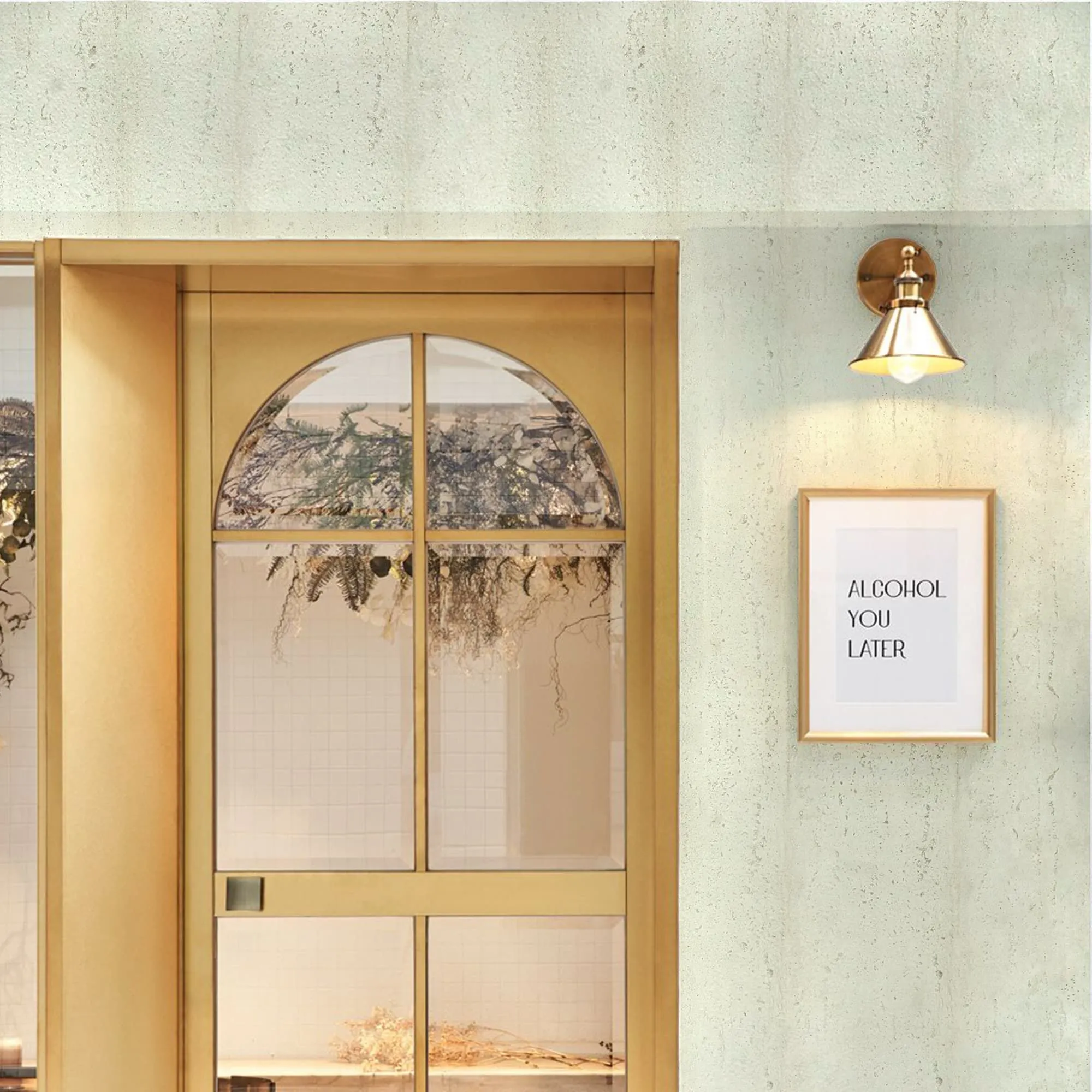
To summarize the key environmental differences, here's a comparative table:
| Environmental Aspect | Wave Panel (MCM) | Vinyl Siding (PVC) |
|---|---|---|
| Raw Materials | Abundant inorganic minerals (clay, sand, cement). | Non-renewable fossil fuels (petroleum/natural gas). |
| Resource Depletion | Low impact, utilizes readily available resources. | High impact, relies on finite fossil fuel reserves. |
| Manufacturing Energy | Low energy consumption, low temperature process. | High energy consumption, energy-intensive chemical process. |
| Emissions & Pollution | Minimal harmful emissions, no VOCs, heavy metals, or POPs. | Releases toxic chemicals (EDC, VCM, dioxins) and hazardous waste. |
| Health Impact (Production) | Low risk to workers and communities. | Significant health risks due to toxic chemical exposure. |
| Health Impact (In-Use) | Inert, non-toxic, no off-gassing, excellent IAQ. | Potential for off-gassing of plasticizers (phthalates), though generally considered low once installed. |
| Durability & Lifespan | Excellent (30+ years), resistant to fading, cracking, moisture, UV. | Good (20-40 years), can become brittle, warp, or fade unevenly. |
| Maintenance Needs | Very low; occasional cleaning, no painting or sealing. | Low; occasional cleaning, no painting. |
| Energy Efficiency Contribution | Provides some thermal buffering; complements insulation to reduce HVAC load. | Minimal direct insulation; primarily reduces air infiltration. Insulated versions available. |
| End-of-Life Options | Highly recyclable into new construction materials; inert if landfilled. | Theoretically recyclable, but limited programs; often landfilled; incinerated waste is highly toxic. |
| Carbon Footprint (Overall LCA) | Significantly lower due to sustainable sourcing, efficient manufacturing, and recyclability. | Higher due to fossil fuel reliance, energy-intensive production, and end-of-life challenges. |
| Aesthetic Versatility | High; mimics natural materials, extensive customization (e.g., 3D printing, flexible stone). | Moderate; variety of colors/profiles but limited in replicating authentic natural textures. |
Embodied energy refers to the sum of all energy required to produce any goods or services, considered as if that energy were incorporated or "embodied" in the product itself. This includes energy for raw material extraction, manufacturing, transportation, and construction. In this regard, Wave Panel, with its lower temperature processing and efficient resource utilization, generally has a lower embodied energy footprint compared to vinyl siding, which relies on petrochemical refining and energy-intensive polymerization processes. The cumulative effect of lower embodied energy over many projects translates to significant global environmental savings.
A truly green and eco-friendly material should ideally fit into a circular economy model, where waste is minimized, and resources are kept in use for as long as possible. Wave Panel's excellent recyclability at its end-of-life positions it firmly within this paradigm. The ability to reclaim and reuse the material as aggregate helps to divert waste from landfills and reduces the demand for virgin raw materials. Vinyl siding, in contrast, struggles to close this loop. Its complex chemical composition and the lack of widespread, economically viable recycling infrastructure mean it primarily contributes to a linear "take-make-dispose" economy, which is inherently unsustainable.
The future of construction is undoubtedly moving towards more sustainable and innovative materials. Wave Panel, leveraging advanced MCM technology, represents this forward-thinking approach. Companies like COLORIA GROUP, as a dedicated one-stop solution provider , are continually investing in research and development to enhance material performance, reduce environmental impact, and expand design possibilities. This commitment to innovation means that products like Wave Panel are not just a better choice today, but are designed to evolve with future sustainability requirements.
The market is increasingly demanding building materials that not only perform well but also contribute positively to environmental goals. Architects, developers, and homeowners are looking for products that are transparent about their environmental footprint, durable, healthy, and contribute to energy efficiency. Wave Panel aligns perfectly with these evolving expectations, offering a solution that is both high-performance and profoundly ecological.
While upfront cost is always a factor in construction, a truly sustainable decision requires a long-term perspective. Cheaper materials might seem attractive initially, but if they lead to higher maintenance costs, earlier replacement, negative health impacts, or significant environmental remediation costs down the line, their perceived savings quickly diminish.
Wave Panel: While the initial investment might be slightly higher than basic vinyl siding, its longevity, minimal maintenance, and superior environmental profile translate into significant long-term savings and value. The durability means fewer replacements, and its contribution to a healthier indoor environment has intangible, yet real, benefits. Furthermore, its aesthetic versatility and customization capabilities can contribute to a higher property value and appeal, making it a sound investment.
Vinyl Siding: Its primary advantage is its low initial cost. However, the environmental burden (from production to disposal), potential health concerns, and somewhat limited aesthetic longevity can represent hidden costs. While maintenance is low, replacement due to damage or fading can offset initial savings. The long-term societal cost of pollution from PVC production and disposal is also a factor that often goes uncounted in direct project budgets but affects us all.
Key Takeaway: When evaluating materials, always look beyond the initial purchase price. Factor in durability, maintenance, energy performance, end-of-life options, and the broader environmental and health impacts. A higher quality, eco-friendly material often offers a superior return on investment over the lifecycle of the building.
In the showdown between Wave Panel and Vinyl Siding for the title of "more eco-friendly," Wave Panel emerges as the clear victor across nearly every environmental metric. Its origins in abundant natural minerals, coupled with an energy-efficient and low-emission manufacturing process, set it apart. The material's inert nature ensures no harmful off-gassing, promoting a healthier environment, and its exceptional durability means a longer lifespan, reducing waste. Crucially, Wave Panel's excellent recyclability aligns perfectly with the principles of a circular economy, offering a genuine path towards sustainability at its end-of-life.
Vinyl Siding, despite its popularity and affordability, carries a heavy environmental burden, from its reliance on fossil fuels and toxic chemical emissions during production to significant challenges in end-of-life disposal. While efforts are being made to improve its sustainability, the fundamental chemistry of PVC presents inherent difficulties that are hard to overcome.
For anyone prioritizing a truly green and eco-friendly approach to building or renovation, Wave Panel, with its innovative MCM technology and backed by COLORIA GROUP's commitment as a one-stop solution provider , offers a superior, responsible choice. It's a material that not only looks great and performs robustly but also contributes positively to the health of our planet and its inhabitants. By choosing Wave Panel, you're not just cladding a building; you're making a statement about your commitment to a sustainable future, leveraging the power of customization and advanced material science for truly high-quality and responsible construction.
Recommend Products











