

In the world of hospitality design, every detail matters. A hotel isn't just a place to sleep—it's an experience, a story told through architecture, lighting, and texture. Among these elements, wall decor stands as a silent narrator, shaping first impressions and lingering memories. Imagine walking into a lobby where the walls don't just exist, but breathe: soft curves catching the light, creating rhythm, and guiding your gaze like a gentle current. This is the magic of wave panels—a design choice that transforms static spaces into dynamic, sensory journeys. Today, we're diving into how wave panels, especially when crafted with advanced materials like those from COLORIA GROUP's MCM series, are redefining luxury in hotel interiors.
Wave panels are more than just decorative elements—they're sculptural storytelling tools. Their undulating forms mimic natural movements: the roll of ocean waves, the sweep of desert dunes, or the rustle of wind through leaves. In hotels, this organic geometry serves a dual purpose: aesthetic allure and psychological comfort. Humans are naturally drawn to curves; they feel welcoming, less harsh than sharp angles, making guests feel at ease in unfamiliar spaces.
Take, for example, a boutique hotel in Bali. By cladding the reception area with wave panels that echo the nearby shoreline, designers instantly connect guests to the destination's essence without relying on clichéd beach motifs. Or consider a urban luxury hotel in Dubai, where metallic wave panels in the elevator lobby reflect city lights, creating a sense of motion that mirrors the energy outside. In both cases, wave panels don't just decorate—they transport .
But the true beauty of wave panels lies in their versatility. They can be bold or subtle, dramatic or understated. A grand ballroom might feature floor-to-ceiling wave panels in a rich, veined texture to add opulence, while a spa retreat could use softer, matte-finish waves to evoke calm. The key is choosing the right material to bring these designs to life—a material that balances beauty with practicality, because in hotels, durability and maintenance matter as much as looks.
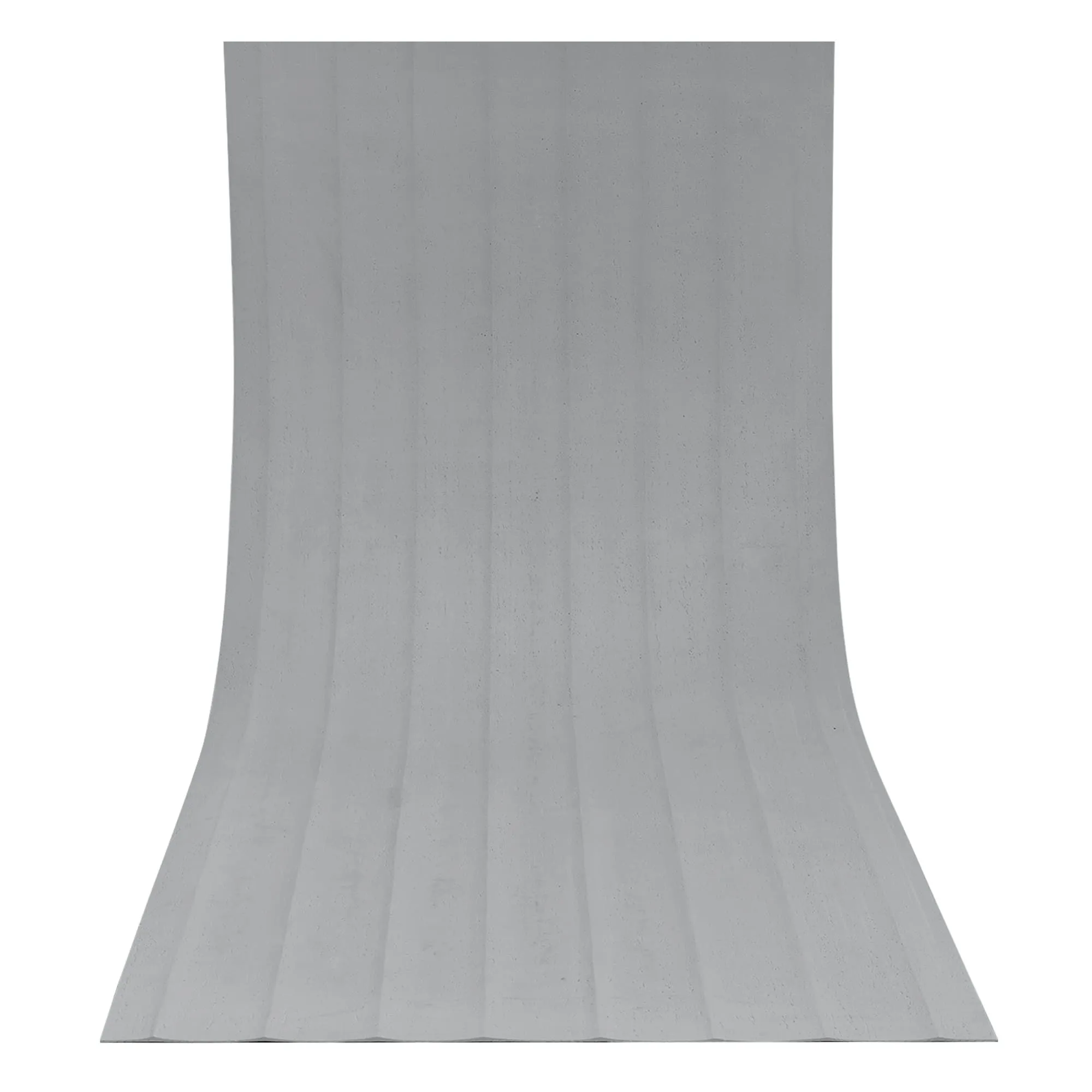
Historically, creating wave panels meant compromising. Traditional stone was heavy and brittle, limiting curve possibilities. Wood, while warm, struggled with humidity and wear. Synthetic materials often felt cheap, lacking the depth of natural textures. Enter MCM (Modified Cementitious Material)—a game-changer in the world of architectural cladding. Developed by COLORIA GROUP, MCM blends the best of nature and technology: the look and feel of natural stone, with the flexibility and durability modern construction demands.
| Material | Design Flexibility | Durability | Installation Ease | Sustainability |
|---|---|---|---|---|
| Traditional Stone | Limited (brittle, hard to curve) | High, but prone to cracking | Challenging (heavy, requires structural support) | Resource-intensive mining |
| Wood | Moderate (can be bent, but limited radius) | Low (susceptible to moisture, pests) | Moderate | Depends on sourcing; often not eco-friendly |
| COLORIA MCM Flexible Stone | Exceptional (thin, bendable, complex curves) | High (waterproof, fire-resistant, anti-aging) | Easy (lightweight, no heavy machinery needed) | Excellent (recycled materials, low carbon footprint) |
MCM's secret lies in its composition: a modified cementitious base reinforced with fibers, making it both lightweight (up to 80% lighter than natural stone) and flexible. This means wave panels can be crafted with tighter radii, more intricate patterns, and larger spans—all without sacrificing structural integrity. For hotel designers, this opens a world of possibilities: imagine a ceiling-to-floor wave panel in a hotel restaurant, or a curved feature wall in a guest suite, both made possible by MCM's unique properties.
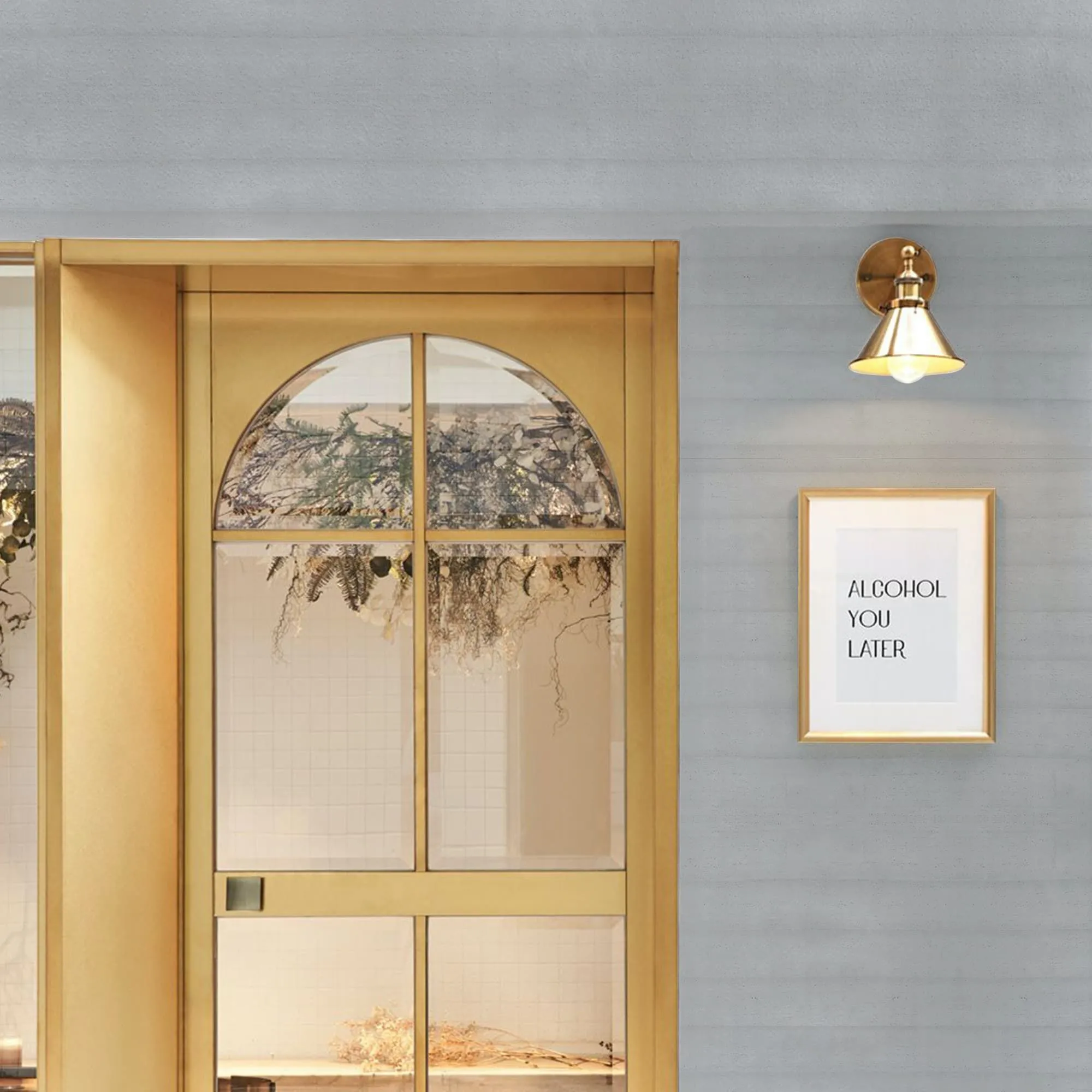
COLORIA GROUP, a leader in modified cementitious materials, has tailored its MCM series to meet the specific demands of hospitality design. Let's explore how their key products elevate wave panel installations in hotels:
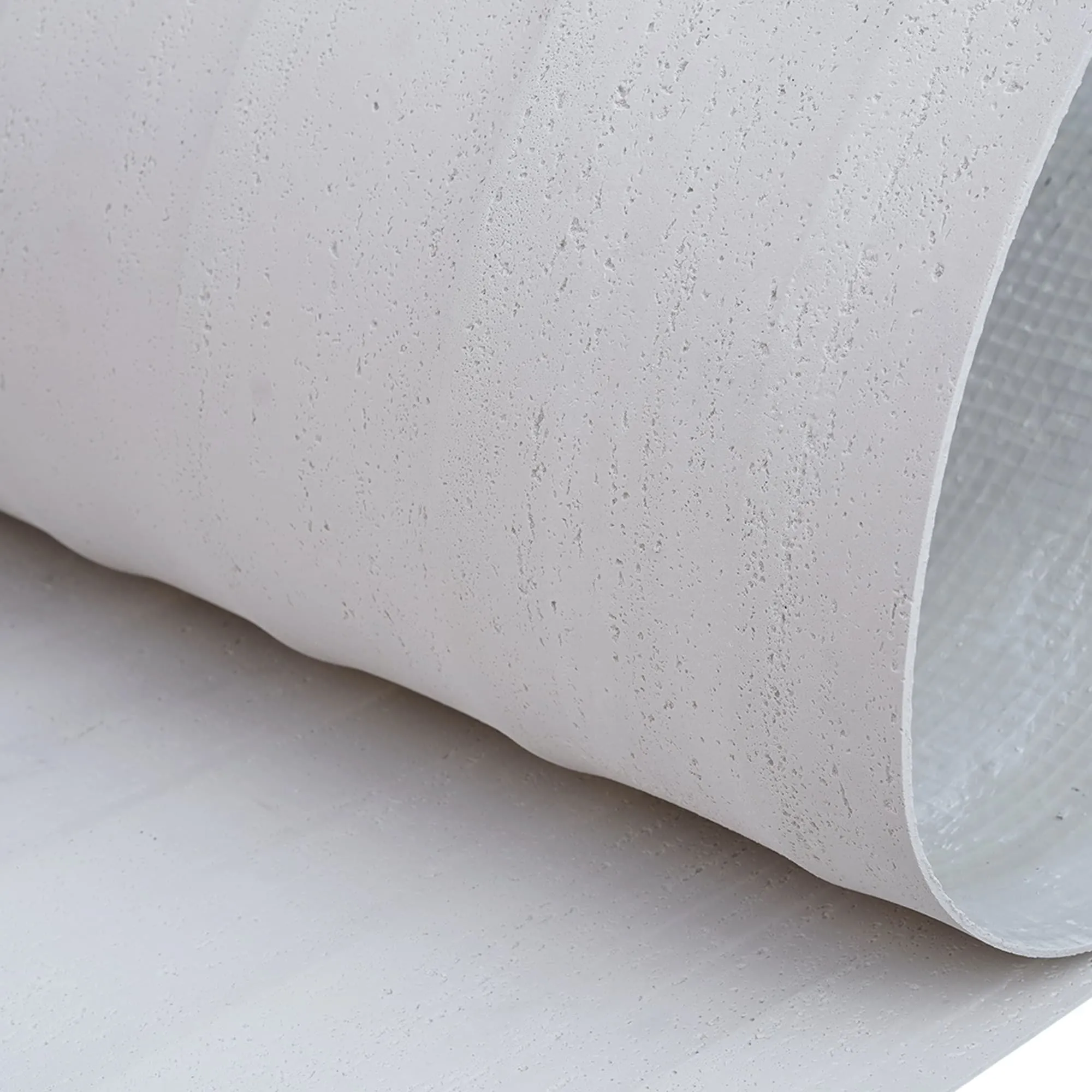
At the heart of stunning wave panels is MCM Flexible Stone—a material that lives up to its name. Thin (as little as 3mm) and pliable, it can be shaped into gentle waves or bold, sculptural forms without cracking. For a beachfront hotel in the Maldives, COLORIA supplied MCM Flexible Stone wave panels in travertine (starry blue) , a texture that mimics sunlit ocean depths. The panels were installed in the poolside bar, where their flexibility allowed them to follow the bar's curved counter, creating a seamless flow from wall to surface.
What guests notice? The realism of the stone texture—cool to the touch, with natural veining that looks quarried, not manufactured. What hoteliers appreciate? Its resistance to saltwater and humidity, ensuring the panels stay pristine even in harsh coastal conditions.
For hotels aiming for grand, uninterrupted waves, COLORIA's MCM Big Slab Board Series is a game-changer. These large-format panels (up to 3m x 1.2m) minimize joints, creating a smooth, continuous surface that enhances the wave's fluidity. Imagine a hotel lobby with a 10-meter-long wave feature wall—with traditional small tiles, the grout lines would break the illusion; with MCM Big Slabs, the wave feels endless, like a single stone carving.
A recent project in Riyadh exemplifies this: a luxury hotel's ballroom features wave panels in lunar peak golden , a warm, metallic-hued MCM finish. The big slabs not only created a striking visual impact but also simplified installation, reducing labor time by 40% compared to smaller tiles—a crucial factor for hotel projects with tight deadlines.
For hotels that want truly one-of-a-kind wave panels, COLORIA's 3D Printing Series pushes boundaries. 3D printing allows for hyper-specific wave patterns—think waves with varying amplitudes, integrated lighting channels, or even relief textures that tell a brand story. A boutique hotel chain in Europe, for instance, used 3D-printed MCM wave panels in their signature "Timeless" suites, embedding subtle brand motifs into the curves. The result? Walls that are not just decorative, but brand ambassadors.
3D printing also enables rapid prototyping, so designers can test different wave profiles before finalizing—saving time and ensuring the end result matches the vision perfectly.
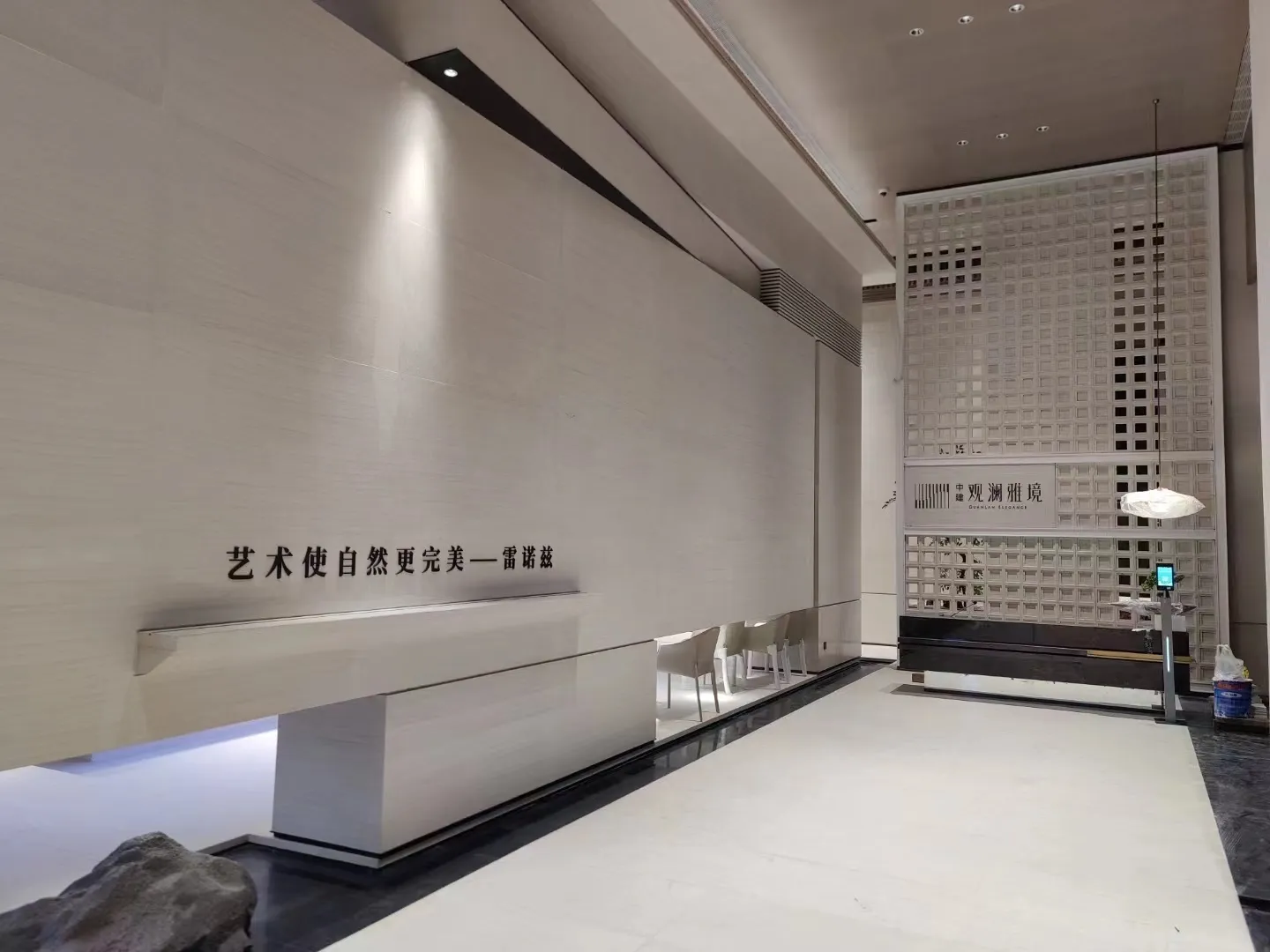
Wave panels aren't limited to lobbies—they shine in every corner of a hotel, adapting to different moods and functions. Let's walk through some key areas:
In guest rooms, wave panels can transform a standard wall into a focal point. A hotel in Kyoto used MCM Flexible Stone wave panels in rammed earth board (matcha green) behind the bed, creating a serene, nature-inspired backdrop that guests describe as "like sleeping in a forest glade." The panels' sound-dampening properties also improved room acoustics—a small detail thats comfort significantly.
Restaurants thrive on atmosphere, and wave panels excel here. A rooftop bar in Singapore features wave panels in foamed aluminium alloy board (vintage silver) , which reflect the city skyline at night, turning the space into a dynamic light show. During the day, the panels' metallic sheen softens harsh sunlight, creating a cozy, intimate vibe despite the open-air setting.
Wellness spaces demand tranquility, and wave panels deliver. A luxury spa in Switzerland used MCM wave panels in slate veil white in their relaxation lounge. The panels' matte finish and gentle curves, paired with soft lighting, create a cave-like ambiance—private, protective, and deeply calming. Guests report feeling "wrapped in peace" the moment they enter.
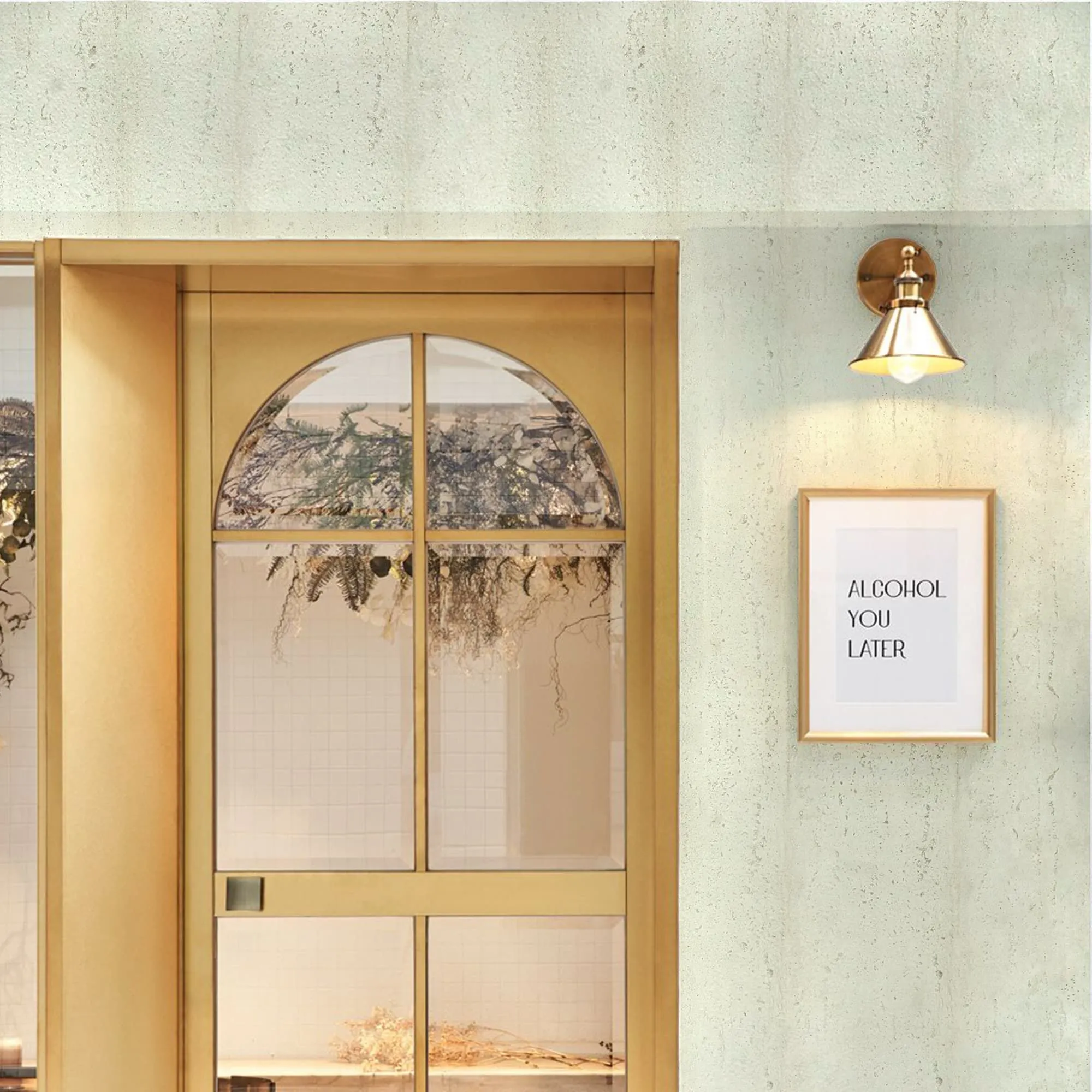
Designers love wave panels for their aesthetics, but hoteliers need more: durability, sustainability, and cost-effectiveness. COLORIA's MCM series checks all these boxes:
As technology advances, the possibilities for wave panels are only expanding. COLORIA's MCM 3D Printing Series is at the forefront of this innovation, allowing for even more intricate designs. Imagine wave panels with embedded sensors that adjust lighting based on occupancy, or panels that change color subtly throughout the day to match the time of check-in. These aren't just ideas—they're prototypes already in development.
Another trend? Biophilic design, which seeks to connect guests more deeply with nature. COLORIA's gobi panel and historical pathfinders stone textures, when shaped into wave forms, bring the raw beauty of landscapes indoors, reducing stress and enhancing well-being. In a post-pandemic world, where travelers crave authenticity and calm, this connection to nature is more valuable than ever.
Wave panels are more than a trend—they're a design philosophy. They remind us that spaces should feel alive, that walls can tell stories, and that luxury lies in the details. When paired with COLORIA GROUP's MCM materials—flexible, durable, and infinitely customizable—they become solutions that elevate hotels from "nice" to "unforgettable."
Whether you're designing a beachfront resort, an urban skyscraper hotel, or a boutique wellness retreat, wave panels crafted with MCM technology offer the perfect blend of art and engineering. They're not just walls—they're experiences. And in hospitality, experiences are what turn first-time guests into lifelong patrons.
So the next time you step into a hotel and feel that sense of awe, take a closer look at the walls. Chances are, there's a wave panel at work—quietly, beautifully, making magic.
Recommend Products











