
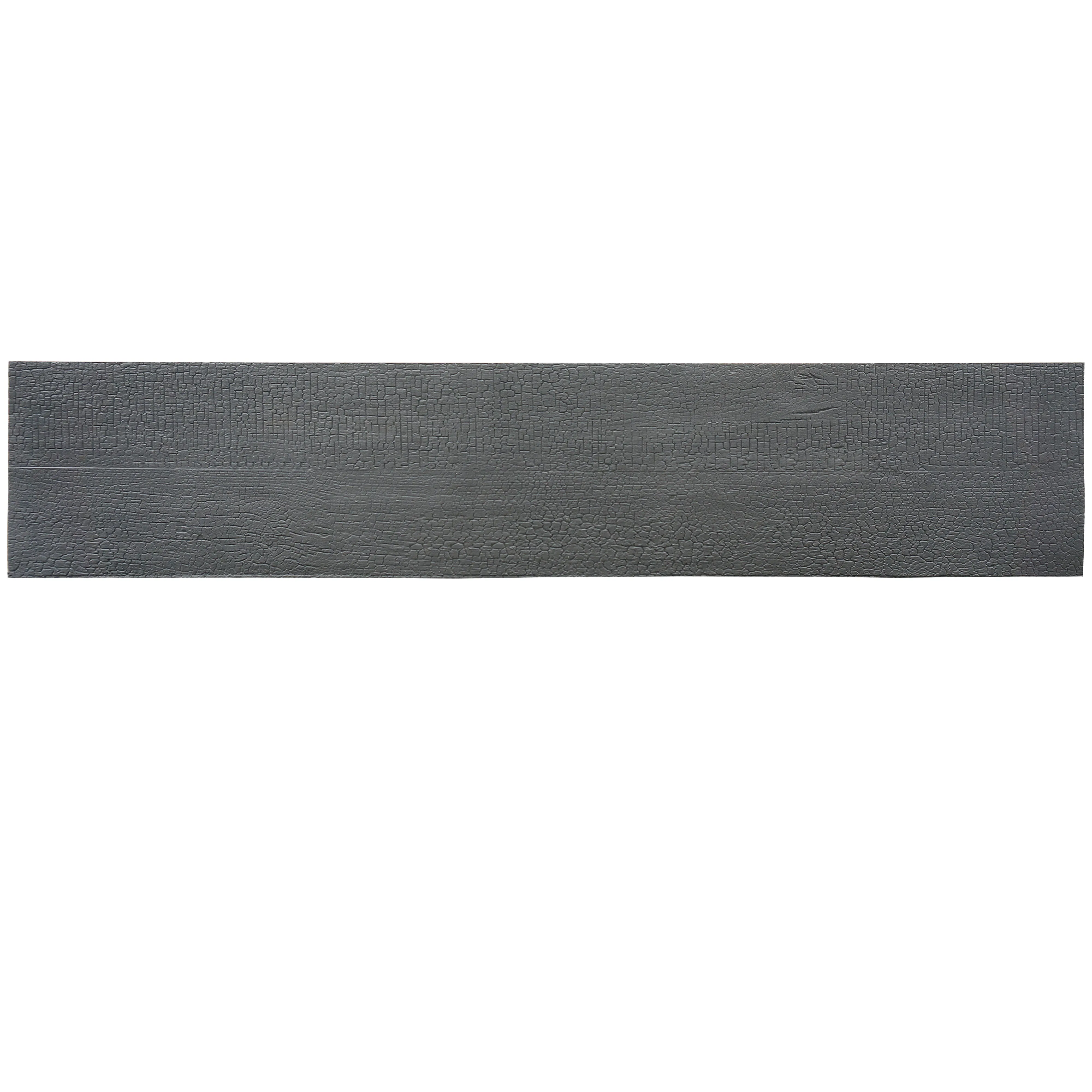
Walk into any modern home or boutique hotel these days, and you're likely to spot it: that rich, smoky-hued wood paneling on the accent wall, the rugged yet refined decking in the backyard, or the sleek facade of a coffee shop that somehow feels both industrial and cozy. Chances are, you're looking at charcoal burnt wood board. This material has taken the design world by storm, and it's not hard to see why. The deep, charred tones—ranging from ebony blacks to warm chestnuts—add instant character, while the texture tells a story of fire and craftsmanship. But here's the thing: while we're drawn to its looks, what really makes charcoal burnt wood board a standout isn't just aesthetics. It's how it stands up to the elements, year after year. And today, we're diving into a topic that's rarely talked about but absolutely critical to its longevity: pH.
You might be thinking, "pH? Like the stuff in swimming pools or soil?" Exactly. That simple scale measuring acidity and alkalinity isn't just for chemists or gardeners—it's a silent player in whether your beautiful charcoal burnt wood deck lasts 5 years or 50. Let's unpack why, and how understanding pH can help you make smarter choices for your next project.
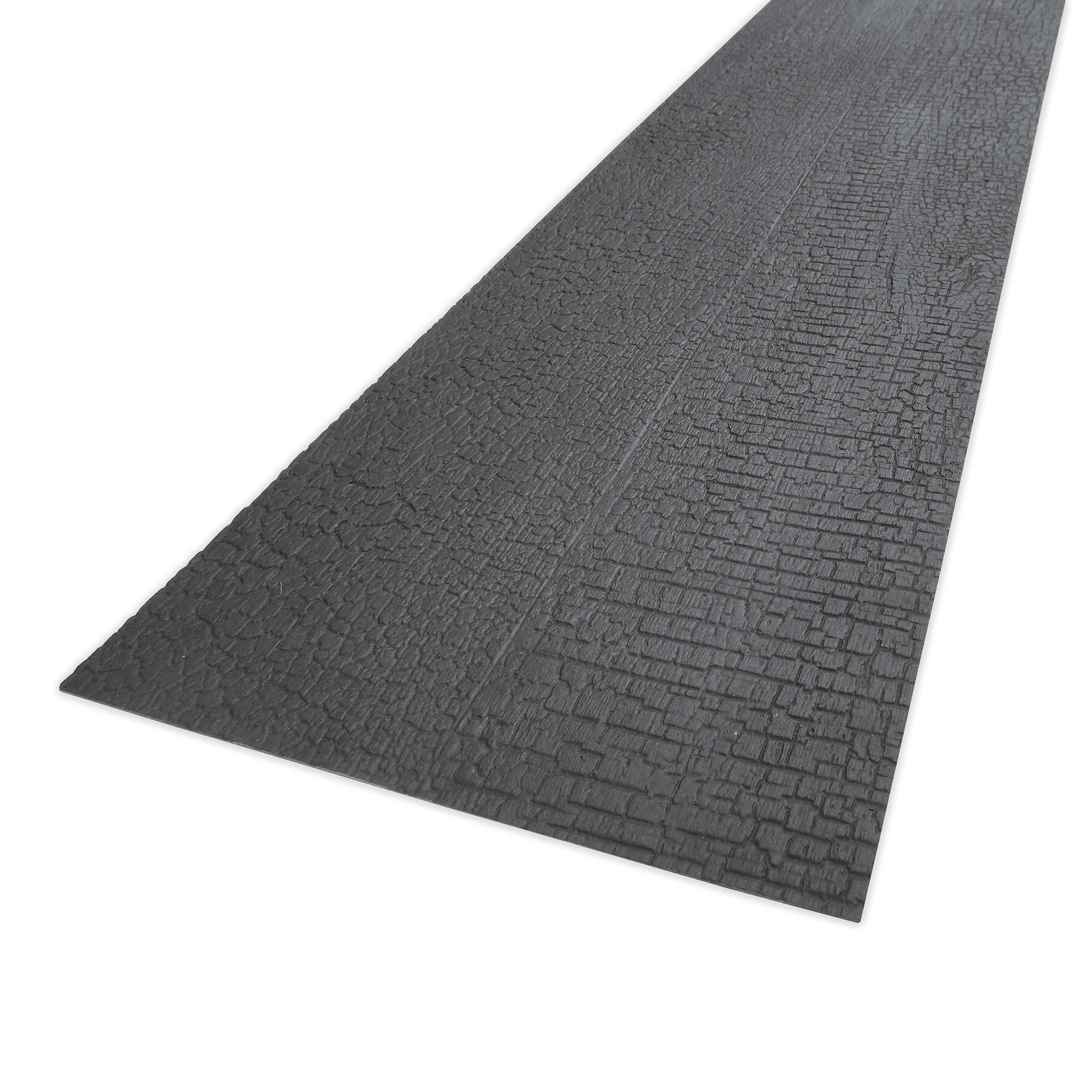
Before we get into the science, let's make sure we're all on the same page. Charcoal burnt wood board—sometimes called "shou sugi ban" after the traditional Japanese technique—is wood that's been treated by controlled burning. Craftsmen use torches to char the surface, then brush off the loose soot, leaving a thin, carbonized layer. The result? A material that's not just visually striking but also, as we'll explore, surprisingly tough.
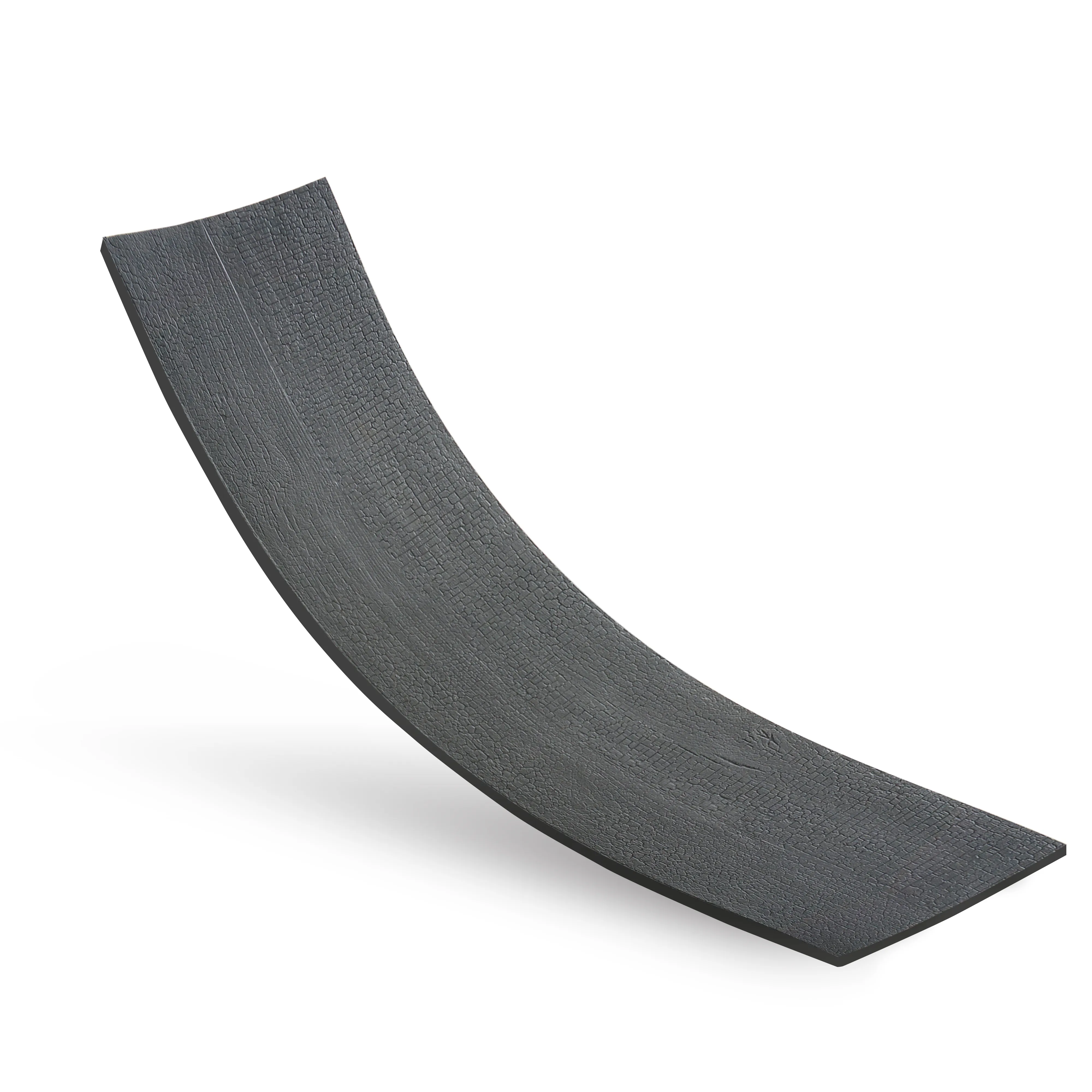
Unlike regular wood, which needs constant sealing and staining to survive outdoors, charcoal burnt wood has a built-in defense system. The burning process changes the wood's chemical structure, making it denser, less porous, and more resistant to moisture. But here's where pH enters the chat: that burning doesn't just alter texture—it dramatically shifts the wood's pH balance, and that shift is a game-changer for weather resistance.
Let's say you're planning an outdoor kitchen with a charcoal burnt wood backsplash. Or maybe you're building a deck that wraps around your lake house. Either way, that wood is going to face a daily onslaught: rain that soaks into pores, UV rays that fade color, snow that freezes and expands in cracks, and humidity that invites mold and mildew. Over time, even the sturdiest materials can break down. Peeling paint, warped boards, discoloration—these aren't just cosmetic issues. They're signs that the material is losing its structural integrity. And replacing rotted wood or degraded panels? That's expensive, time-consuming, and frustrating.
Weather resistance isn't a "nice-to-have"—it's a "must-have" for any outdoor (or even high-moisture indoor) application. And when it comes to charcoal burnt wood, its ability to stand up to the elements is directly tied to one key factor: its pH level.
pH is a measure of how acidic or alkaline a substance is, ranging from 0 (super acidic, like battery acid) to 14 (super alkaline, like drain cleaner). Pure water is neutral at 7. Now, untreated wood is naturally slightly acidic, usually hovering between 4.5 and 6.0. That's because wood contains organic compounds like tannins and resins, which lean acidic. But when you burn wood to create charcoal burnt wood board, something fascinating happens: the pH shoots up. Suddenly, that once-acidic material becomes alkaline, often landing between 7.2 and 8.5. Why? The burning process breaks down those acidic compounds, leaving behind carbon-rich, alkaline ash and a charred layer that's chemically stable.
So, why does this matter? Alkaline environments are hostile to many of the things that degrade wood. Mold, mildew, and wood-boring insects? They thrive in acidic conditions. By shifting the pH to the alkaline side, charcoal burnt wood essentially creates a "no-go zone" for these pests. Additionally, alkaline surfaces are less likely to react with water (which is slightly acidic) in a way that causes rotting. Think of it like adding a protective shield—one that's baked right into the wood's chemistry.
To really understand how special charcoal burnt wood's pH is, let's compare it to other common building materials. Below is a breakdown of pH levels and their typical weather resistance ratings (1 being lowest, 5 being highest):
| Material | Typical pH Range | Weather Resistance Rating | Key Notes |
|---|---|---|---|
| Charcoal Burnt Wood Board | 7.2 – 8.5 (Alkaline) | 4/5 | High resistance to mold and rot; reduced moisture absorption due to char layer. |
| Untreated Pine (Regular Wood) | 4.5 – 5.5 (Acidic) | 2/5 | Prone to fungal growth and warping; requires frequent sealing. |
| Wood Grain Board | 5.0 – 6.0 (Slightly Acidic) | 3/5 | Moderate resistance, but relies on synthetic coatings that can peel over time. |
| Travertine (Beige) (Natural Stone) | 8.0 – 9.5 (Alkaline) | 4/5 | Naturally alkaline and durable, but porous—can stain if not sealed. |
Notice the pattern? Alkaline materials (charcoal burnt wood and travertine) tend to have higher weather resistance ratings. Wood grain board, which is slightly acidic, falls in the middle, while untreated pine lags behind. This isn't a coincidence—pH directly impacts how a material interacts with its environment.
Let's break down exactly how pH affects charcoal burnt wood's ability to stand up to the elements:
Acidic wood is like a sponge for water. Its porous structure and chemical makeup make it easy for moisture to seep in, leading to swelling, warping, and eventually rot. Alkaline wood, on the other hand, has a more stable molecular structure. The charred layer acts as a barrier, and the alkaline pH reduces the wood's ability to absorb water. Less moisture means less chance of damage from freezing, thawing, or mold growth.
Mold spores are everywhere, but they only grow if the conditions are right—namely, warmth, moisture, and an acidic environment. Charcoal burnt wood's alkaline pH throws a wrench in their plans. Most mold species can't survive in environments above pH 7.5, so that 7.2–8.5 range? It's like a force field. This is why you'll rarely see mold on a well-maintained charcoal burnt wood deck, even in humid climates.
UV rays from the sun break down organic pigments in wood, causing fading. But the charred layer on charcoal burnt wood is rich in carbon, which is naturally UV-resistant. What's more, the alkaline pH stabilizes the remaining pigments in the wood, slowing down the fading process. Compare that to untreated wood, which can lose its color in as little as a year of direct sunlight.
Acidic conditions the breakdown of lignin—the substance that holds wood cells together. Over time, this leads to brittleness and weakening. Alkaline conditions, however, preserve lignin. The charring process also compresses the wood, making it denser. Combine that with the pH boost, and you get a material that retains its strength for decades.
Numbers and charts are great, but let's talk about real life. Here are a few examples of how pH-driven weather resistance plays out in the field:
Mark, a homeowner in Seattle (where it rains 150 days a year), installed a charcoal burnt wood deck in 2018. He was skeptical at first—"I thought it would warp or rot within two years," he admits. But five years later, the deck looks almost new. "No mold, no splinters, and the color has only faded slightly," he says. "I attribute it to that charred layer and the fact that it doesn't soak up water like my old pine deck did." Seattle's constant moisture is a tough test, but the alkaline pH of Mark's charcoal burnt wood kept rot at bay.
A small cafe in Phoenix, Arizona, used charcoal burnt wood panels for its outdoor patio walls. Phoenix sees over 300 days of sunshine a year, with temperatures regularly topping 100°F. After three years of blistering heat and UV exposure, the panels show minimal fading. "We were worried the wood would turn gray and chalky, like the untreated picnic tables at the park," says the cafe owner. "But it still has that rich, dark color. We seal it once a year, but honestly, it barely needs it." The alkaline pH and carbon layer worked together to reflect UV rays and stabilize pigments.
Charcoal burnt wood is durable, but it's not indestructible. To keep its pH balanced and weather resistance high, a little maintenance goes a long way:
Charcoal burnt wood board is more than a trend. It's a material that blends beauty, sustainability, and durability—thanks in large part to its unique pH profile. By shifting from acidic to alkaline during the charring process, it gains a secret weapon against the elements: a chemical environment that repels moisture, mold, and decay.
So, the next time you're choosing materials for your home or project, don't just look at the color swatches or price tags. Ask about pH. It might not be the most glamorous topic, but it's the difference between a material that lasts a season and one that lasts a lifetime. And when it comes to charcoal burnt wood? Its alkaline pH is just one more reason to love it.
Whether you're building a deck, a facade, or a simple bookshelf, remember: the best materials aren't just pretty—they're smart. And in the case of charcoal burnt wood, smart starts with pH.
Recommend Products












