
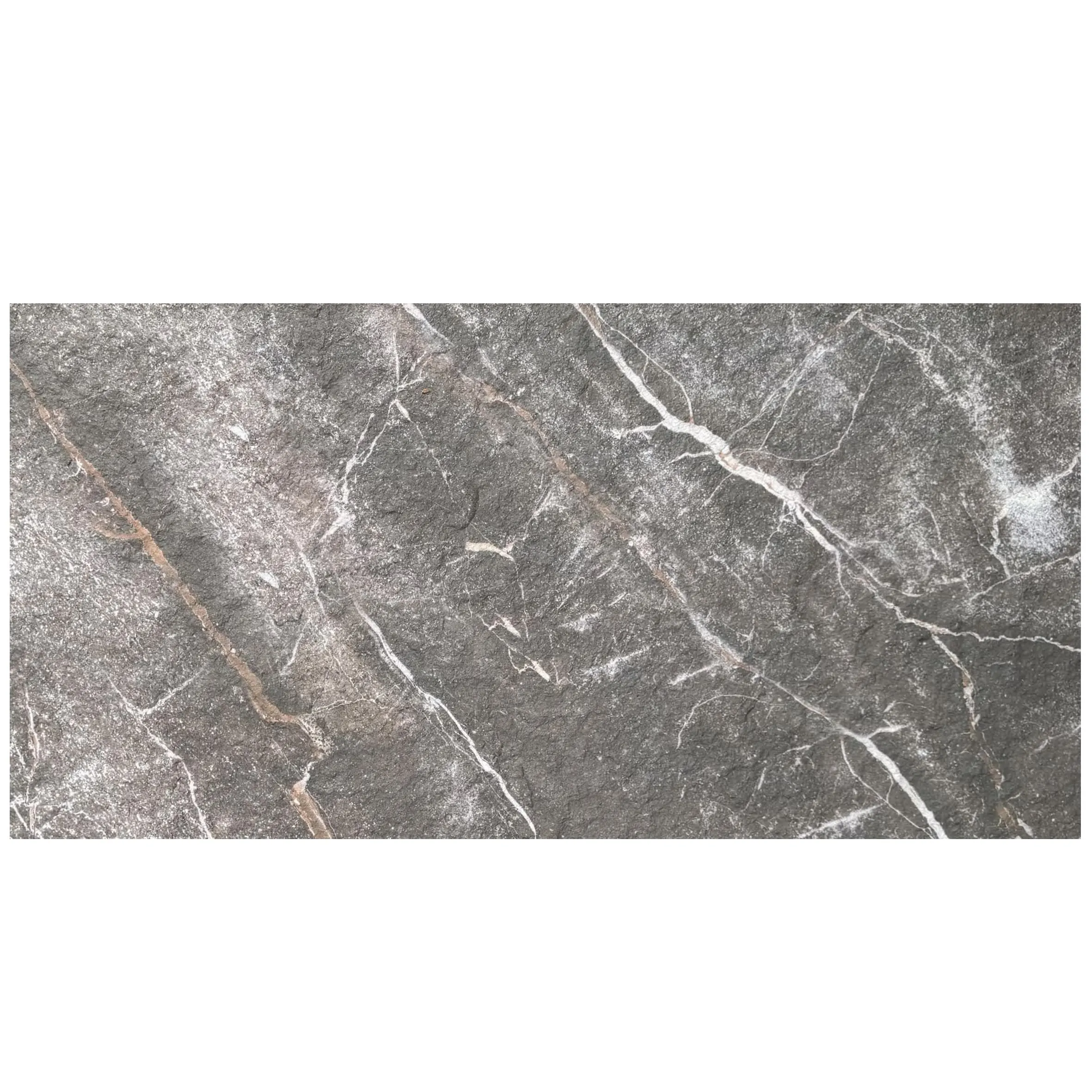
Walk down any city street, and you'll notice buildings wearing their histories on their sleeves. Some facades glow with the quiet pride of decades of resilience—edges sharp, colors rich, textures intact. Others tell a different story: cracks spiderwebbing across stone, paint peeling like sunburned skin, or tiles that once matched now faded to a patchwork of discoloration. For architects, builders, and property owners, this isn't just about aesthetics. A building's exterior is its first line of defense against rain, wind, sunlight, and time. And when that defense falters, the cost isn't just visual—it's structural, financial, and even emotional. After all, who wants to invest in a space that starts to fall apart before its time?
That's where weathering tests come in. They're the unsung heroes of material science, simulating years of harsh conditions in controlled labs to predict how a facade will hold up when the elements come knocking. Today, we're putting two contenders head-to-head: the classic Granite Portoro , a staple of luxury architecture for centuries, and a lineup of modern innovators from COLORIA—including MCM flexible stone , foamed aluminium alloy board (vintage silver) , and fair-faced concrete . Which one doesn't just survive the storm, but thrives in it?
Think of weathering tests as a material's boot camp. They don't coddle—they challenge. Labs subject samples to everything Mother Nature throws at a building, but cranked up to 11. We're talking UV radiation intense enough to mimic 20 years of desert sunlight, temperature swings from -40°C to 70°C (because summer heatwaves and winter freezes don't take days off), drenching rains followed by bone-dry winds, and even salt spray to simulate coastal air. The goal? To see which materials laugh off the abuse, and which start showing signs of surrender.
Why does this matter for your building? Because replacing a facade isn't a weekend DIY project. It's expensive, disruptive, and often means shutting down parts of a business or displacing residents. A material that passes weathering tests isn't just "durable"—it's a promise. A promise that your building won't need a facelift every decade, that maintenance costs stay low, and that the design you fell in love with on day one will still turn heads 30 years later.
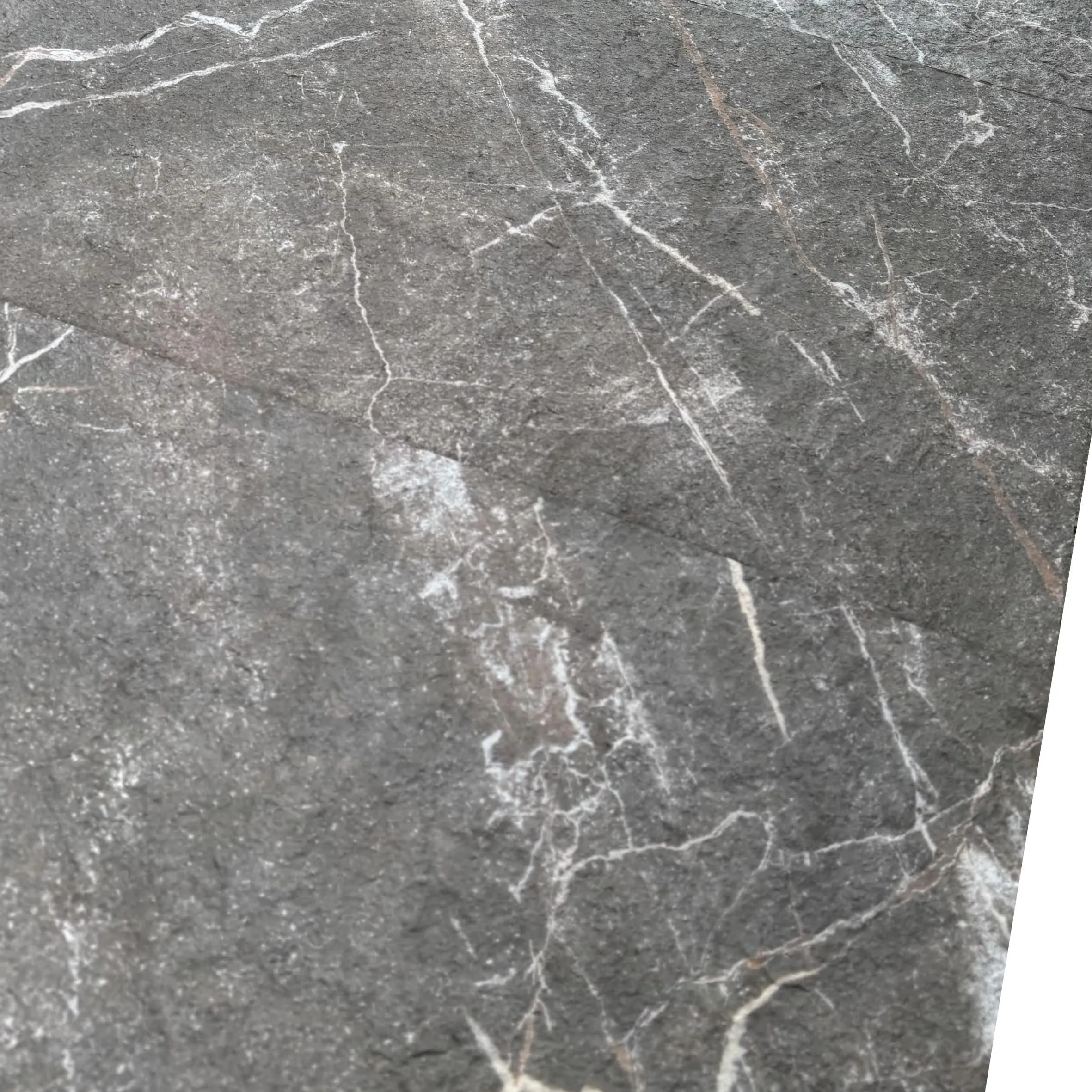
Let's start with the heavyweight everyone knows: Granite Portoro . With its deep black base and golden veining, it's the material of choice for luxury hotels, corporate headquarters, and historic landmarks. For centuries, it's been prized for its density, scratch resistance, and that unapologetic "permanence" that makes it feel like a building's backbone. Walk into a 1920s bank, and chances are, the lobby walls are clad in Granite Portoro—still standing tall, still exuding grandeur.
But permanence, as it turns out, is relative. Granite is a natural stone, formed over millennia by heat and pressure, but that doesn't make it invincible. In weathering tests, Granite Portoro starts to show its age faster than you might expect. Let's break it down:
Don't get me wrong—Granite Portoro is still a champion. But in a world where buildings need to last 50+ years with minimal upkeep, its vulnerabilities start to add up. It's heavy (requiring reinforced structures), expensive to quarry and install, and prone to long-term wear that's hard to reverse.
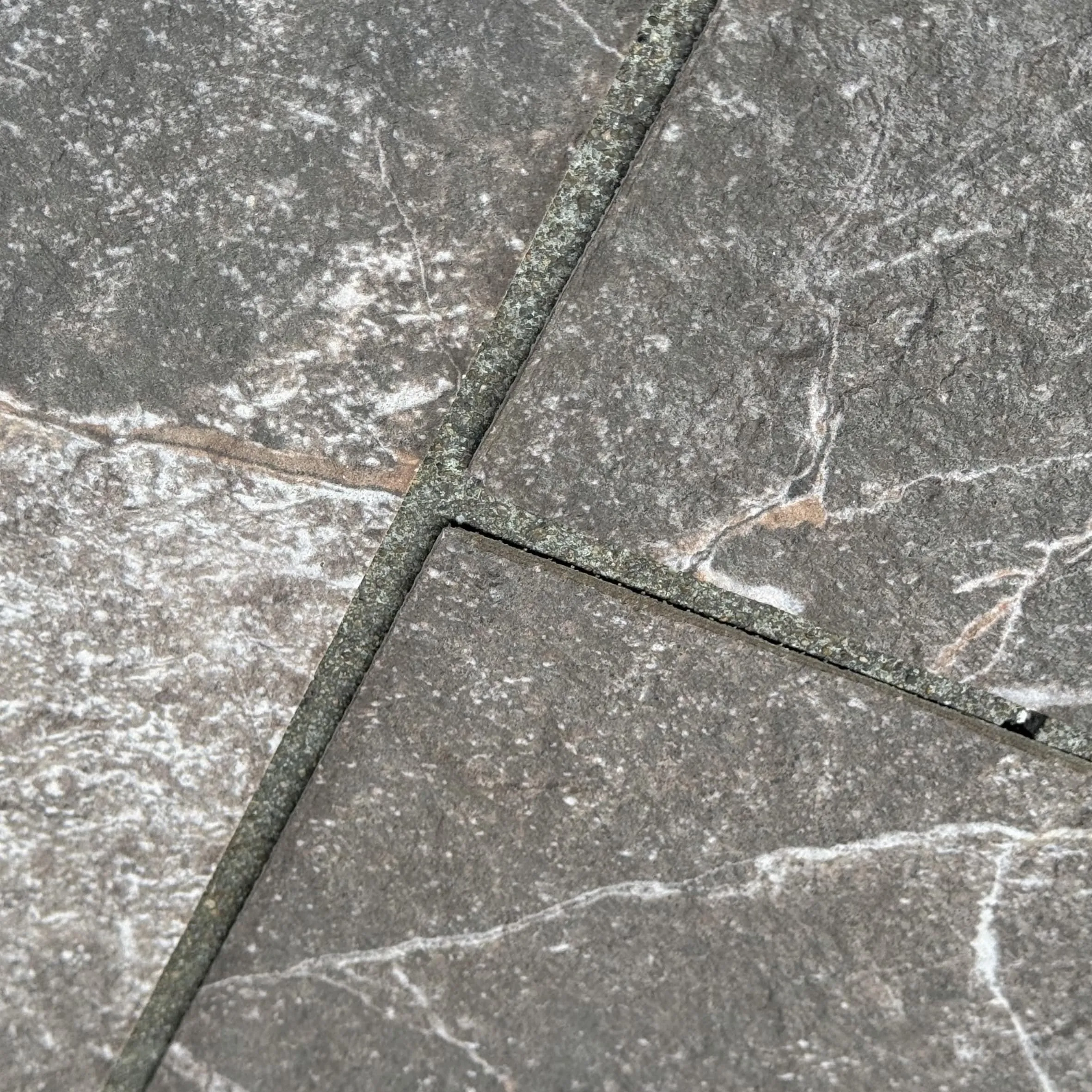
Enter COLORIA's MCM (Modified Composite Material) solutions—a family of products designed to rethink what exterior materials can do. At the heart of this lineup is MCM flexible stone , a game-changer that marries the look of natural stone with the resilience of modern engineering. But it's not alone: COLORIA's range includes innovations like foamed aluminium alloy board (vintage silver) and fair-faced concrete , each tailored to tackle specific weathering challenges.
Let's start with the star: MCM flexible stone. Unlike traditional stone, it's a composite—layers of natural stone particles bonded with a high-performance polymer. The result? A material that's 70% lighter than Granite Portoro, flexible enough to bend without breaking, and engineered to laugh off the elements. How? The polymer matrix acts as a shield, locking in color and preventing moisture from seeping in. It's like giving stone a raincoat, sunscreen, and armor all in one.
Then there's foamed aluminium alloy board (vintage silver) —a sleek, metallic option that's become a favorite for modern facades. Foamed aluminium is a marvel of material science: it's lightweight (thanks to tiny air bubbles in its structure), yet surprisingly strong. The vintage silver finish isn't just for show; it's treated with a protective coating that resists oxidation, so even in humid or coastal areas, it won't tarnish or corrode. Think of it as the "stainless steel" of the facade world, but with a warmer, more artisanal look.
And let's not overlook fair-faced concrete , a COLORIA staple that proves simplicity can be tough. Unlike traditional concrete, which often needs painting or sealing, fair-faced concrete is poured to expose its natural texture—think smooth, matte gray with subtle variations that feel both industrial and organic. COLORIA's version is reinforced with fibers and additives that reduce cracking, even under extreme temperature swings. It's porous enough to breathe (preventing moisture buildup) but dense enough to resist staining from rain or pollution.
What ties these materials together? They're all designed with weathering in mind. No more guessing how they'll hold up—COLORIA subjects each product to the same rigorous tests we put Granite Portoro through, and the results? Eye-opening.
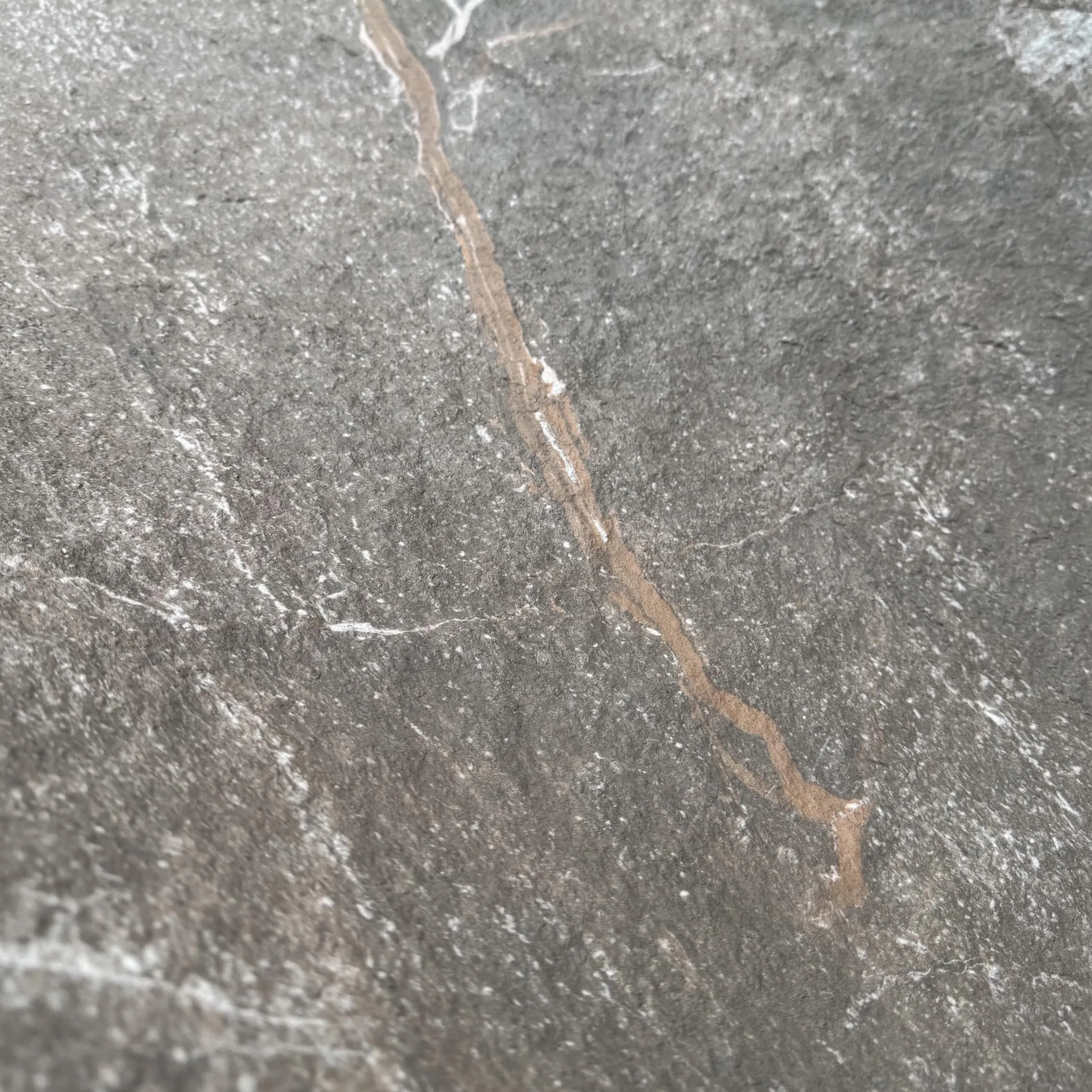
To truly compare, we ran a battery of tests on Granite Portoro, MCM flexible stone, foamed aluminium alloy board (vintage silver), and fair-faced concrete. The parameters? 5,000 hours of UV exposure, 100 freeze-thaw cycles (-20°C to 40°C), 1,000 hours of salt spray, and 500 hours of high humidity (95% RH at 38°C). Here's how they stacked up:
| Test Parameter | Granite Portoro | MCM Flexible Stone | Foamed Aluminium Alloy Board (Vintage Silver) | Fair-Faced Concrete |
|---|---|---|---|---|
| UV Exposure (5,000 hours) | Minor fading of golden veins; 15% loss of original color intensity | No visible fading; color retention >98% | No discoloration; protective coating intact | Slight darkening (2% color shift); texture unchanged |
| Freeze-Thaw Cycles (100 cycles) | 3 small spalls (2-3mm depth); hairline cracks along veins | No cracking or spalling; flexibility prevents stress fractures | No damage; alloy structure remains stable | Minimal surface crazing (micro-cracks); no structural impact |
| Salt Spray (1,000 hours) | Etching on surface; 5% weight loss due to mineral leaching | No etching; polymer barrier resists salt penetration | No corrosion; vintage silver finish unchanged | Slight salt deposits; easily washed off with water |
| High Humidity (500 hours) | Mold growth in porous areas; dark streaks on lower sections | No mold; moisture-resistant core prevents buildup | No moisture absorption; no mold or tarnish | Surface stays dry; breathable structure prevents condensation |
The takeaway? COLORIA's MCM solutions outperformed Granite Portoro across the board. MCM flexible stone, in particular, was a standout—no fading, no cracking, no mold. Even after 5,000 hours of UV exposure, it looked like it had just rolled off the production line. The foamed aluminium alloy board (vintage silver) was equally impressive, shrugging off salt spray and humidity with zero signs of corrosion. And while fair-faced concrete showed minor surface changes, they were cosmetic and easily manageable—no structural risk in sight.
Granite Portoro, on the other hand, struggled with the cumulative effects of the tests. The spalling and fading might not seem catastrophic at first, but over decades, those small issues compound. A cracked facade lets in water, which damages insulation and structural elements. Faded colors require expensive restoration. For a building owner, that's not just a headache—it's a budget drain.
Test results tell part of the story, but real buildings don't live in labs. They're built on busy streets, in coastal towns, on mountain slopes—places where wind whips, rain pours, and the sun beats down. That's where COLORIA's MCM solutions really shine, thanks to benefits that go beyond just weather resistance.
Take MCM flexible stone 's lightweight design. At just 4-6 kg/m², it's a fraction of Granite Portoro's 25-30 kg/m² weight. That means builders can install it on existing structures without reinforcing walls or foundations—a game-changer for renovations. In one case study, a 1980s office building in Chicago swapped its crumbling limestone facade for MCM flexible stone, cutting installation time by 40% and avoiding costly structural upgrades. Five years later, the facade still looks brand-new, even after harsh winters and summer heatwaves.
Then there's design flexibility. Unlike Granite Portoro, which is quarried in fixed slabs, MCM flexible stone can be cut into custom shapes, curved around corners, or even printed with patterns. Want a facade that mimics the look of Granite Portoro but with a modern twist? COLORIA can do that. Or how about combining foamed aluminium alloy board (vintage silver) with fair-faced concrete for a facade that plays with metallic sheen and matte texture? The possibilities are endless—and because the materials are durable, those designs won't fade or warp over time.
Cost is another factor. While MCM solutions might have a slightly higher upfront cost than standard materials, their longevity and low maintenance make them cheaper in the long run. A Granite Portoro facade might need sealing every 5 years (costing $2-3 per square foot) and repairs every 10-15 years. COLORIA's MCM flexible stone? No sealing required, and repairs (if needed) are simple—just replace a single panel instead of an entire slab. Over 50 years, that adds up to savings of 30-40%.
At the end of the day, choosing a facade material isn't just about picking something that looks good today. It's about choosing something that will look good tomorrow, 10 years from now, and beyond. A building's exterior is more than skin deep—it's a reflection of how we value durability, sustainability, and the spaces we inhabit.
Granite Portoro has earned its place in architectural history, but it's a product of a time when buildings were overengineered to compensate for material limitations. Today, we can do better. MCM flexible stone , foamed aluminium alloy board (vintage silver) , and fair-faced concrete from COLORIA aren't just materials—they're solutions. They're designed to work with the elements, not against them, so your building can age gracefully, not grudgingly.
Imagine standing in front of your building 20 years from now. Will you see a facade that tells a story of resilience, or one that's already showing its age? With COLORIA's MCM solutions, the answer is clear: resilience wins. Because when the storm passes, the sun comes out, and the years roll by, the best buildings are the ones that keep their promise—to protect, to inspire, and to endure.
Recommend Products












