
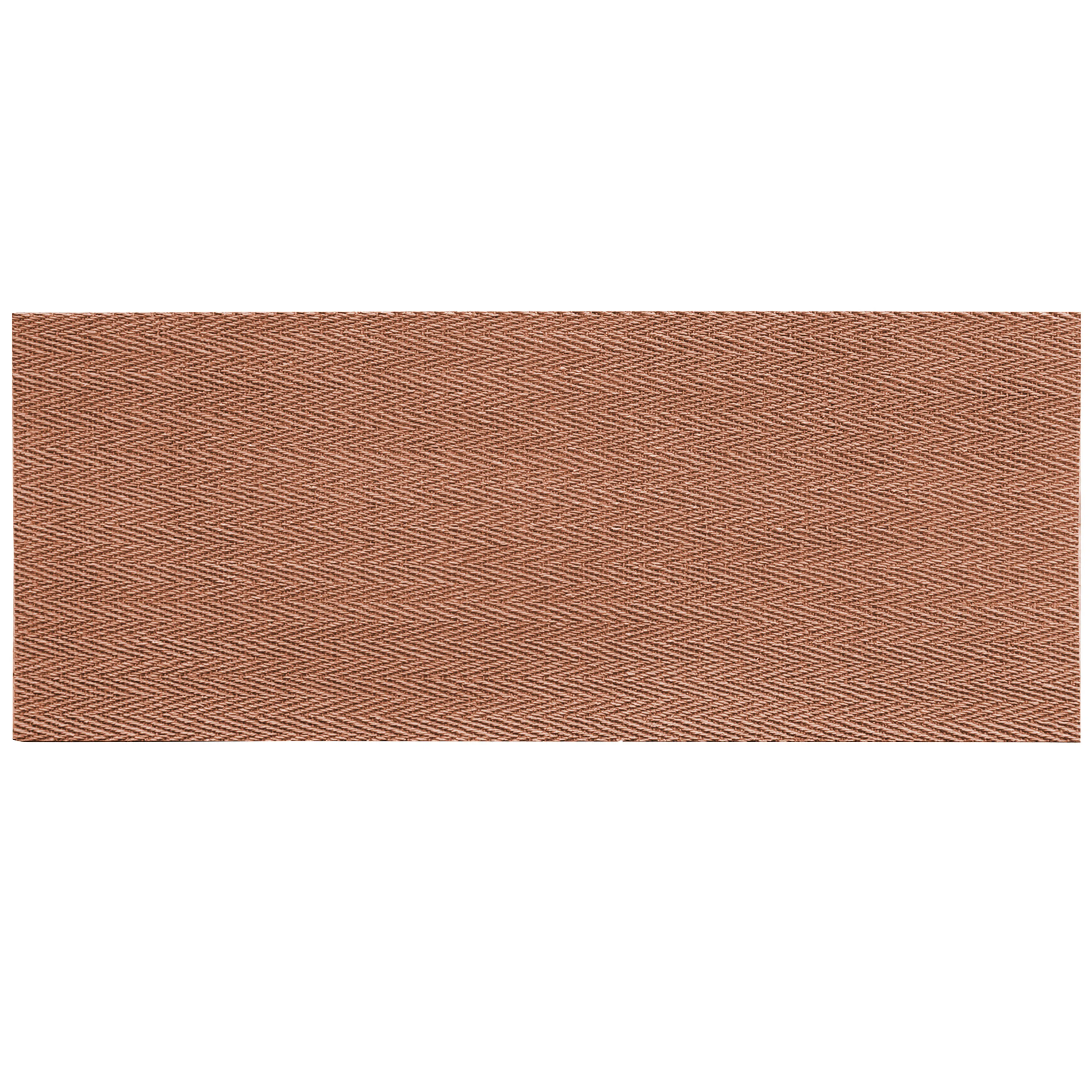
Architecture is more than steel and concrete—it's the art of shaping emotion. It's the way sunlight filters through a window to warm a kitchen counter, the texture of a wall that makes you want to reach out and touch it, the quiet hum of a space that feels like home the moment you step inside. Today, a new chapter is being written in this story, and its name is Weaving (Jacinth) MCM 3D Printing . This isn't just a material; it's a revolution in how we design, build, and experience the world around us. Let's dive into why it's not just the future of architectural decor—it's the future of feeling.
Close your eyes and picture a woven blanket—maybe the one your grandmother made, with threads crisscrossing in patterns that hold memories of late-night talks and lazy Sundays. Now, imagine that warmth, that intimacy, scaled up to wrap a building. That's Weaving (Jacinth) in a nutshell. It's not a flat, lifeless surface; it's a tactile narrative.
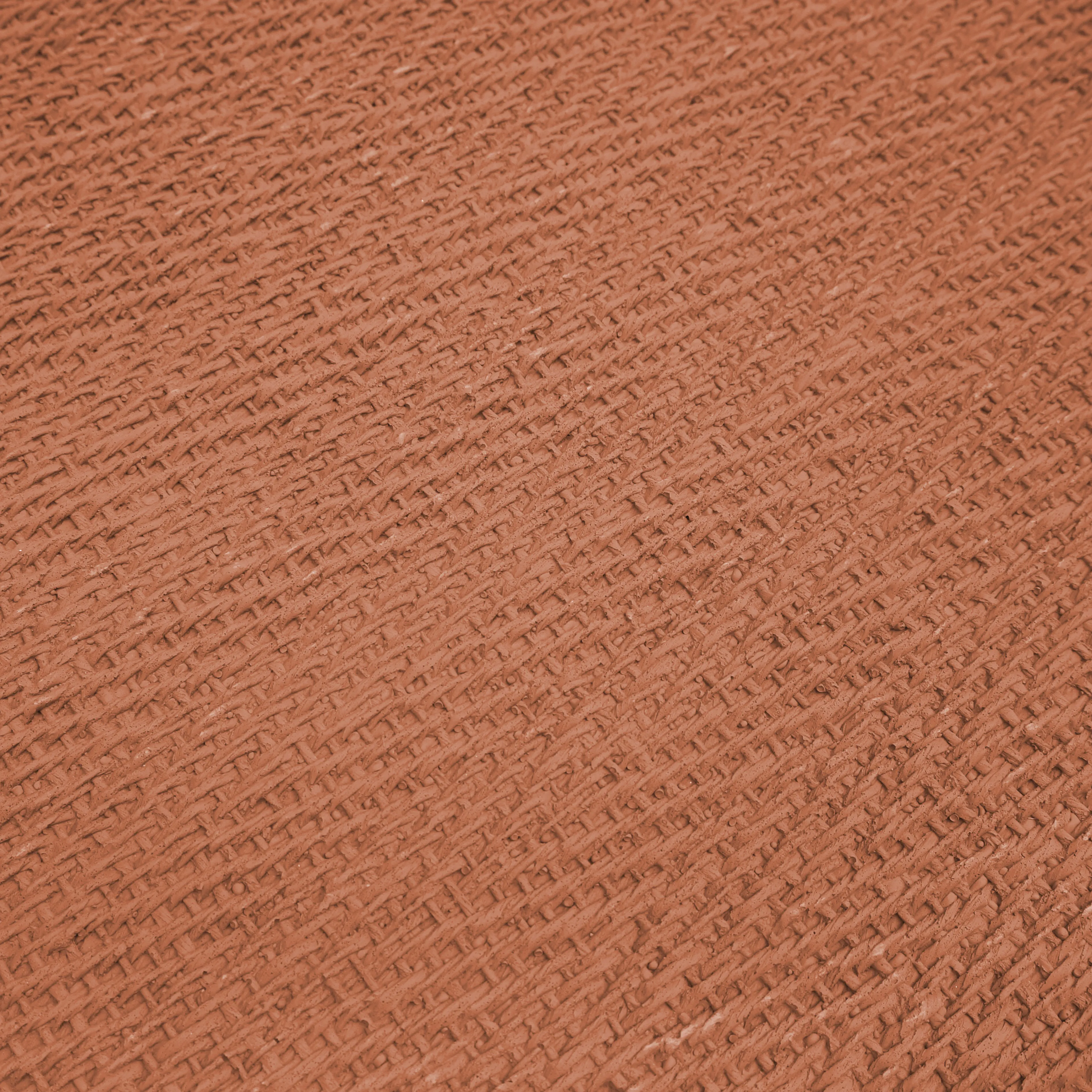
Unlike traditional stone or brick, which can feel cold and impersonal, Weaving (Jacinth) is crafted with intention. Its surface ripples like fabric caught mid-dance, with soft, undulating lines that play with light. Run your hand over it, and you'll feel the gentle rise and fall of its texture—not sharp or rough, but inviting, like the edge of a well-loved book. This is 3D printing at its most artistic: instead of molds or machines churning out identical tiles, MCM (Modified Composite Material) 3D printers layer ultra-thin sheets of eco-friendly polymers and mineral composites, building up the weave pattern with precision that would take a human artisan weeks to replicate.
What makes it "Jacinth"? The color, for starters—a rich, earthy red with golden undertones, like the first light of dawn hitting desert sands. But it's more than that. Jacinth has long been linked to warmth and connection in design, and this material leans into that legacy. Whether used as an accent wall in a cozy café or as cladding for a modern home exterior, it doesn't just decorate a space—it anchors it. It says, "This place was made for people, not just purposes."
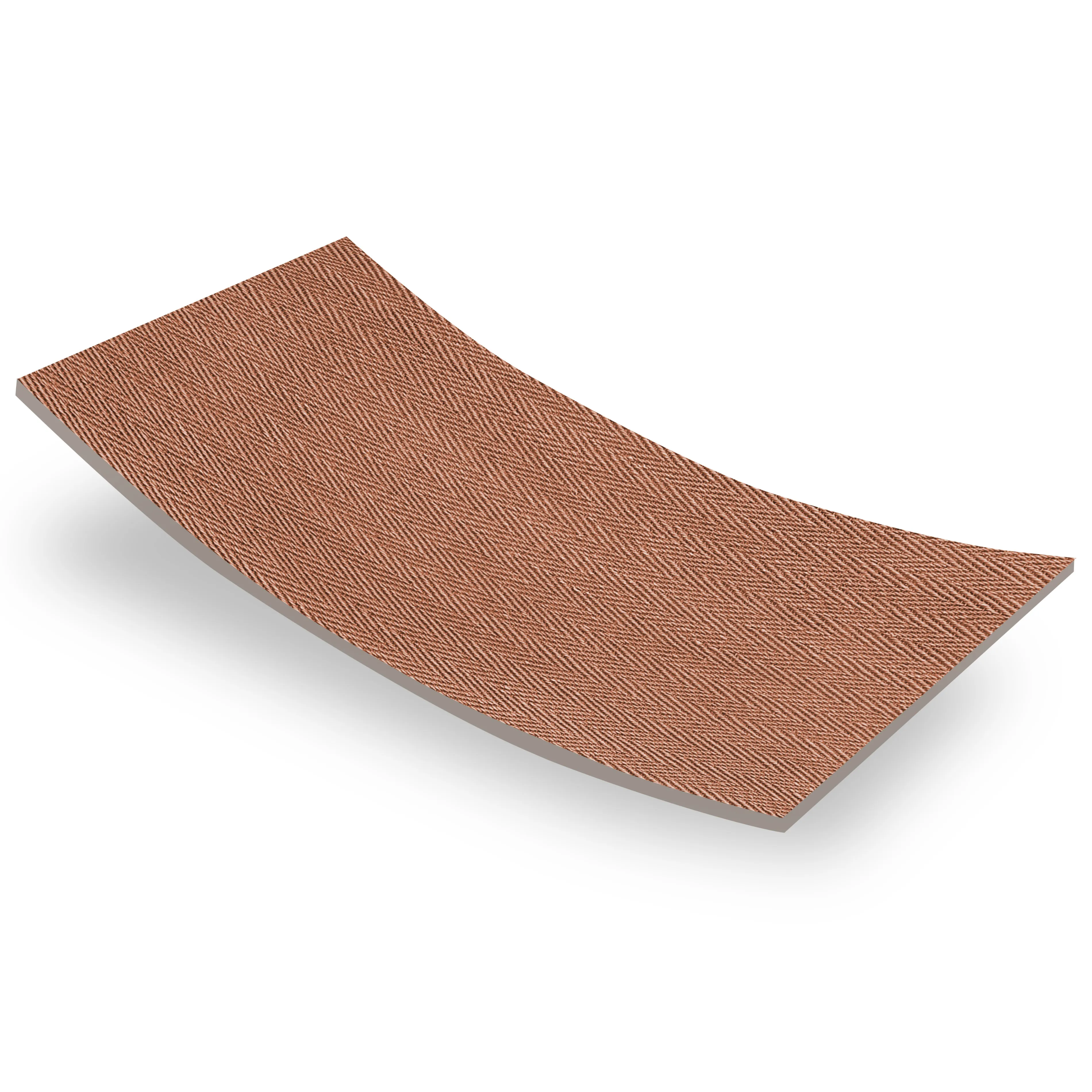
To understand why MCM 3D printing series is a game-changer, let's rewind to how architectural decor used to be made. Traditional weaving patterns in stone or concrete required laborious hand-carving or clunky molds, limiting complexity. Want a curve here, a twist there? Prepare for extra time, extra cost, and often, compromised precision. Enter 3D printing, and suddenly, the rules go out the window.
MCM 3D printers work like a sculptor with infinite patience. They extrude layers of modified composite material—think a blend of natural stone powders, recycled polymers, and binding agents—with microscopic accuracy. For Weaving (Jacinth), this means the weave pattern can be as intricate as a spider's web, with threads that narrow to a hair's breadth and widen to create shadowed valleys. It's why no two panels are exactly alike; each has subtle variations, like the way snowflakes differ, making every installation unique.
But it's not just about beauty. 3D printing makes Weaving (Jacinth) surprisingly practical. Traditional stone cladding can weigh hundreds of pounds per square foot, requiring reinforced structures and heavy machinery to install. MCM 3D printed materials? They're up to 70% lighter, thanks to their hollow, lattice-like internal structure (a trick borrowed from bird bones, which are strong but lightweight). This means easier installation, lower shipping costs, and the ability to use it in spaces where weight is a concern—like high-rise facades or historic buildings where structural integrity can't be compromised.
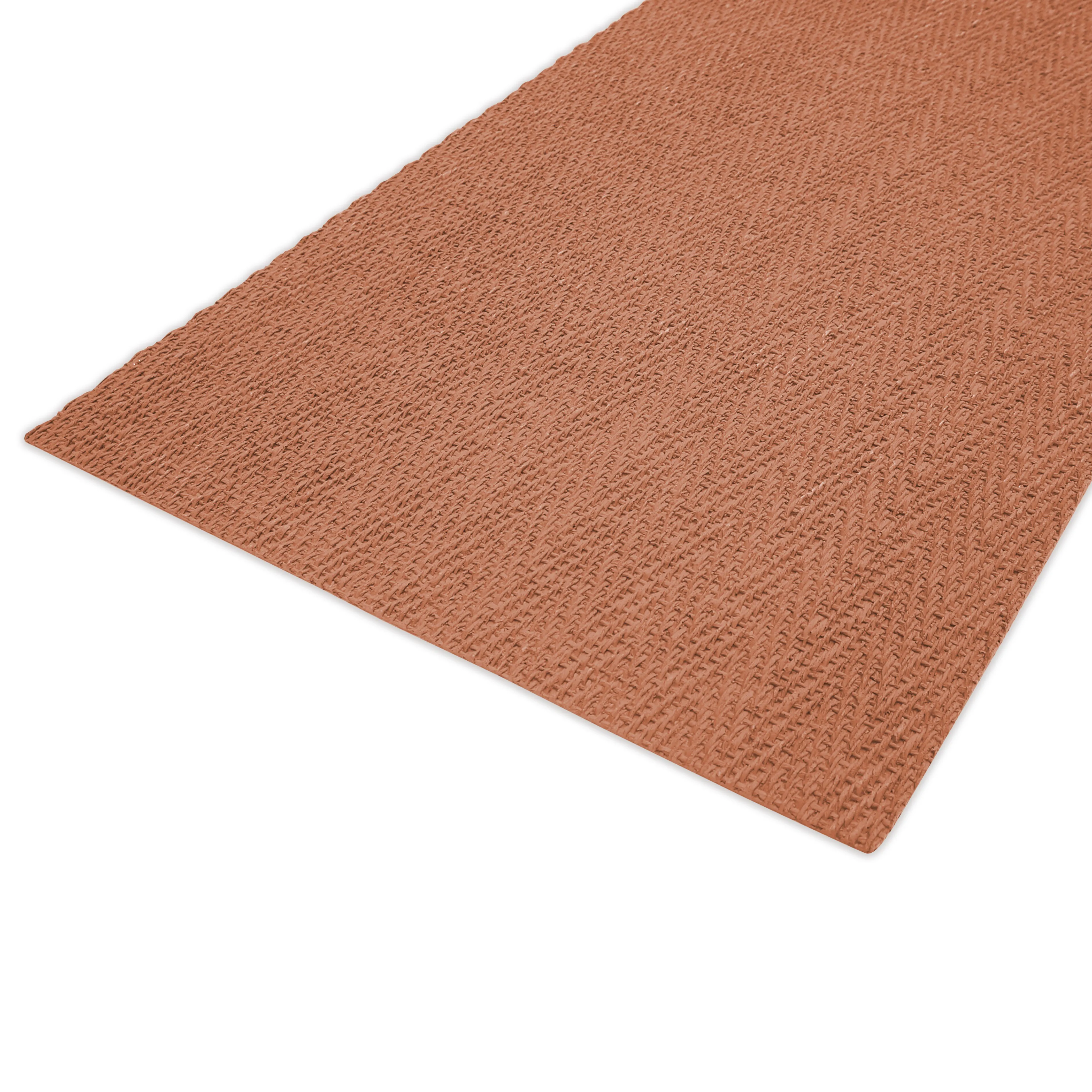
In a world where "green building" is no longer a trend but a necessity, Weaving (Jacinth) checks every box. MCM materials are inherently eco-friendly: they're made with recycled content (up to 40% in some cases), require minimal water to produce, and emit far fewer greenhouse gases than firing clay bricks or quarrying natural stone. And because they're 3D printed, there's almost no waste—printers only use the material needed for the design, unlike traditional cutting methods that leave piles of scraps.
But don't mistake "sustainable" for "fragile." Weaving (Jacinth) is tough. Its composite makeup resists cracks, fading, and water damage, even in harsh climates. Leave it out in the rain, snow, or scorching sun, and it won't warp or discolor. It's also fire-resistant and mold-proof, making it ideal for both indoor and outdoor use. This is the future of building materials: kind to the planet, and built to last.
Let's talk real life. Where does Weaving (Jacinth) belong? Everywhere. Here are just a few examples of how designers are already using it to transform spaces:
And Weaving (Jacinth) doesn't have to stand alone. Pair it with foamed aluminium alloy board (vintage gold) for a touch of luxury—imagine a restaurant bar where the warm red of the weave meets the soft glow of gold metal, creating a space that feels both elegant and approachable. Or mix in travertine (starry blue) for a celestial vibe: the deep blue stone, dotted with tiny mineral "stars," complements the earthy red of Weaving (Jacinth) like night and day, perfect for a hotel lobby that wants to feel like a journey through time and space.
Weaving (Jacinth) is just the beginning. The MCM 3D printing series is a treasure trove of materials that let designers paint with texture and color. Let's explore a few standouts that pair beautifully with our star material:
To truly see how these materials stack up against traditional options, take a look at this comparison:
| Feature | Weaving (Jacinth) MCM 3D | Foamed Aluminium Alloy (Vintage Gold) | Traditional Natural Stone | Travertine (Starry Blue) |
|---|---|---|---|---|
| Weight | Light (2-3 kg/sq.m) | Ultra-light (1-1.5 kg/sq.m) | Heavy (15-20 kg/sq.m) | Moderate (8-10 kg/sq.m) |
| Customization | Unlimited patterns/textures | Custom finishes & colors | Limited by natural formation | Starry pattern fixed; color variants available |
| Eco-Friendliness | High (recycled content, low emissions) | High (recyclable, energy-efficient production) | Low (quarrying damages ecosystems) | Moderate (natural but requires mining) |
| Durability | High (resists water, fire, fading) | Very High (corrosion-resistant, impact-proof) | High but prone to cracking | High (natural stone durability) |
| Installation Ease | Easy (lightweight, no heavy machinery) | Very Easy (can be cut on-site, adhesive-backed) | Hard (requires specialized labor, cranes) | Moderate (heavier than MCM, needs support) |
At the end of the day, architecture is about people. It's about the parent who feels calm walking into their child's bedroom, the student who finds focus in a well-designed library, the traveler who remembers a hotel not for its amenities, but for how it made them feel. Weaving (Jacinth) MCM 3D Printing isn't just a material—it's a tool to create those feelings.
It's the future because it's inclusive. It lets small businesses with tight budgets create spaces that feel luxurious, not just functional. It lets homeowners turn a plain wall into a family heirloom. It lets cities build public spaces that don't just serve the community, but celebrate it.
So the next time you walk into a building and think, "Wow, this feels different," take a closer look. Maybe it's the texture of the wall, the way the light plays on it, the warmth of its color. Maybe, just maybe, it's Weaving (Jacinth) saying hello—quietly, beautifully, like a story waiting to be lived in.
The future of architectural decor isn't about bigger, fancier, or more expensive. It's about more human. And with Weaving (Jacinth) MCM 3D Printing, that future is already here.
Recommend Products












