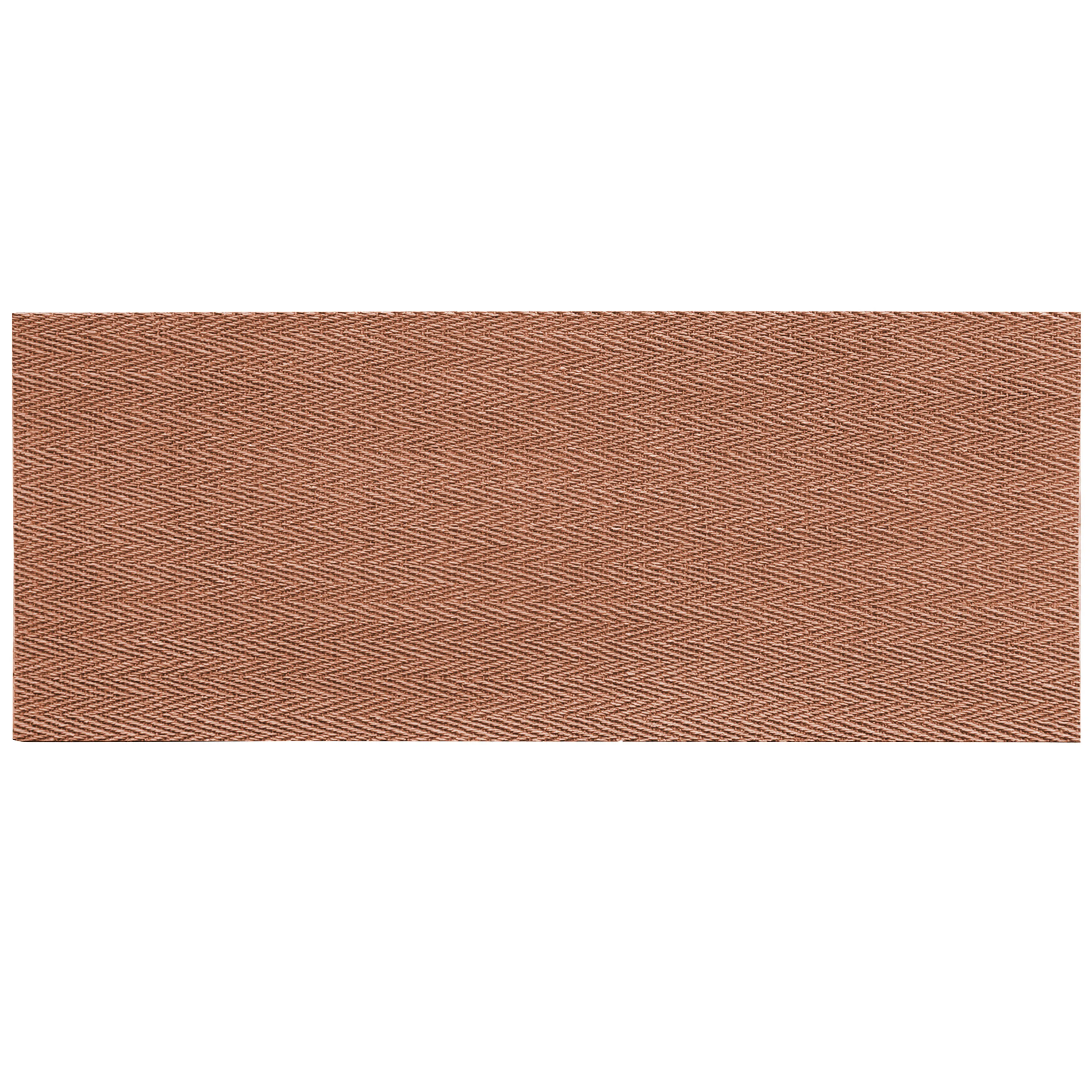
Let's start with a story. Last year, I met Elena, an interior designer who'd spent months curating materials for a high-end café in downtown Portland. Her star pick? Weaving (Jacinth) from the MCM Big Slab Series. She raved about its warm, terracotta-tinged threads woven into a textured pattern that felt both artisanal and modern—exactly the vibe her client wanted. But when the slabs arrived, half of them had frayed edges or smudged textures. "It looked like they'd been tossed into the truck like old plywood," she sighed. The project delayed, the client frustrated, Elena learned the hard way: even the most stunning MCM materials need tender loving care from warehouse to wall.
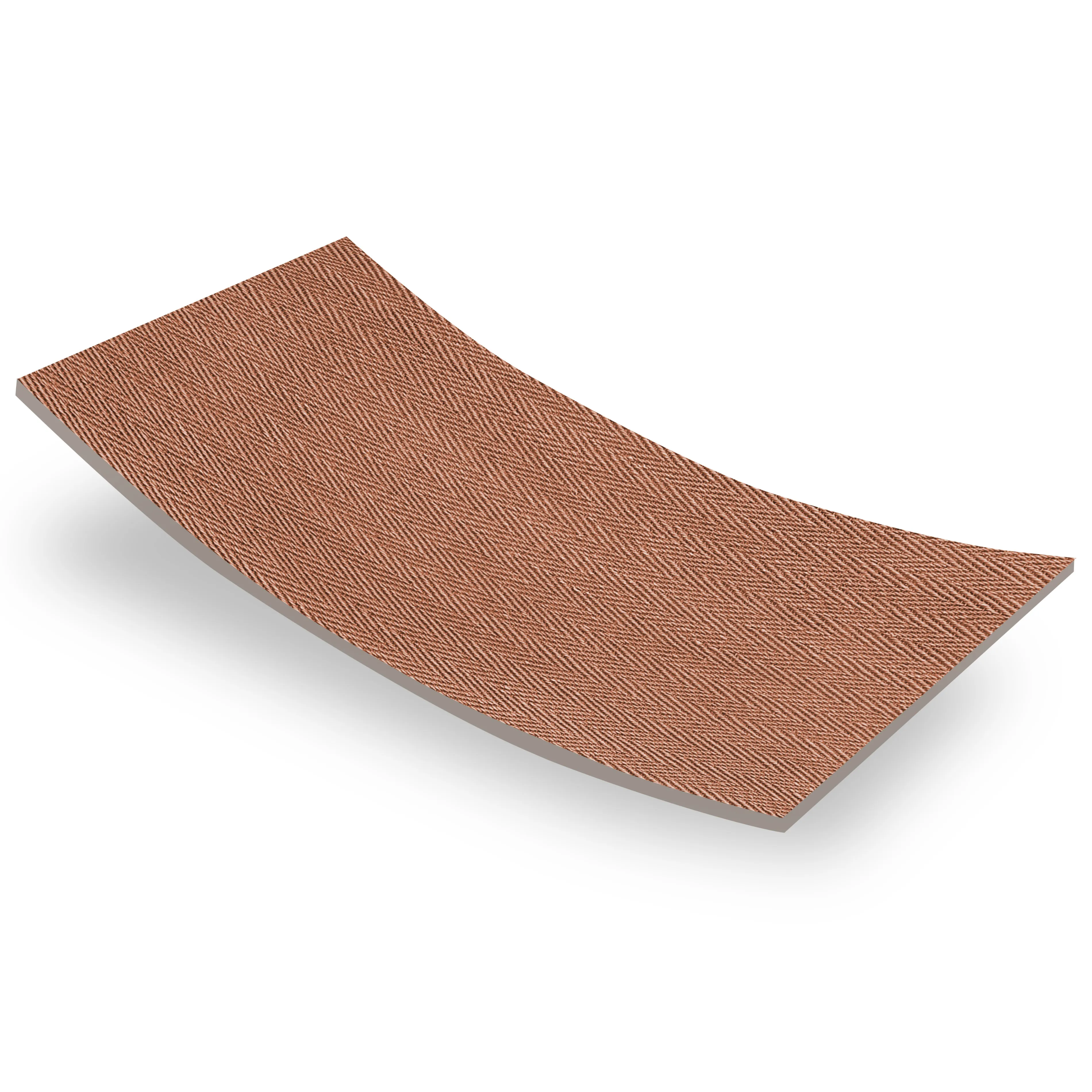
Weaving (Jacinth) isn't just another building material. As part of the MCM Big Slab Series, it's a blend of innovation and craftsmanship—flexible stone that mimics the look of handwoven textiles but with the durability to stand up to high-traffic spaces. That unique combo—delicate texture paired with strength—makes how you move and handle it absolutely critical. Whether you're a contractor, designer, or DIY enthusiast, nailing transport and handling isn't just about protecting your investment; it's about preserving the soul of the material. Let's dive into how to do it right.
Understanding Your Material: Why Weaving (Jacinth) Needs Extra Care
Before we talk logistics, let's get intimate with Weaving (Jacinth). Unlike rigid natural stone or even other MCM products like
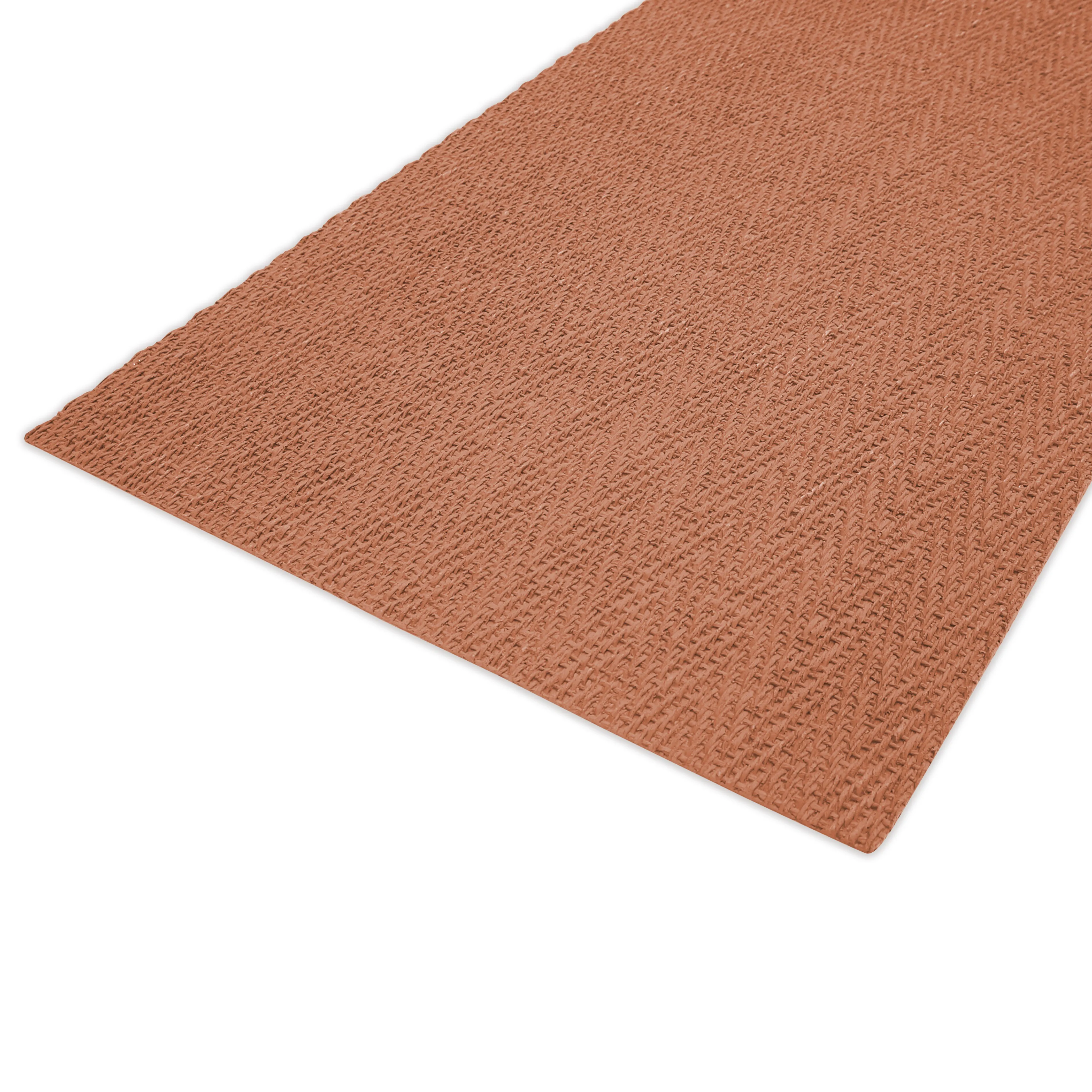
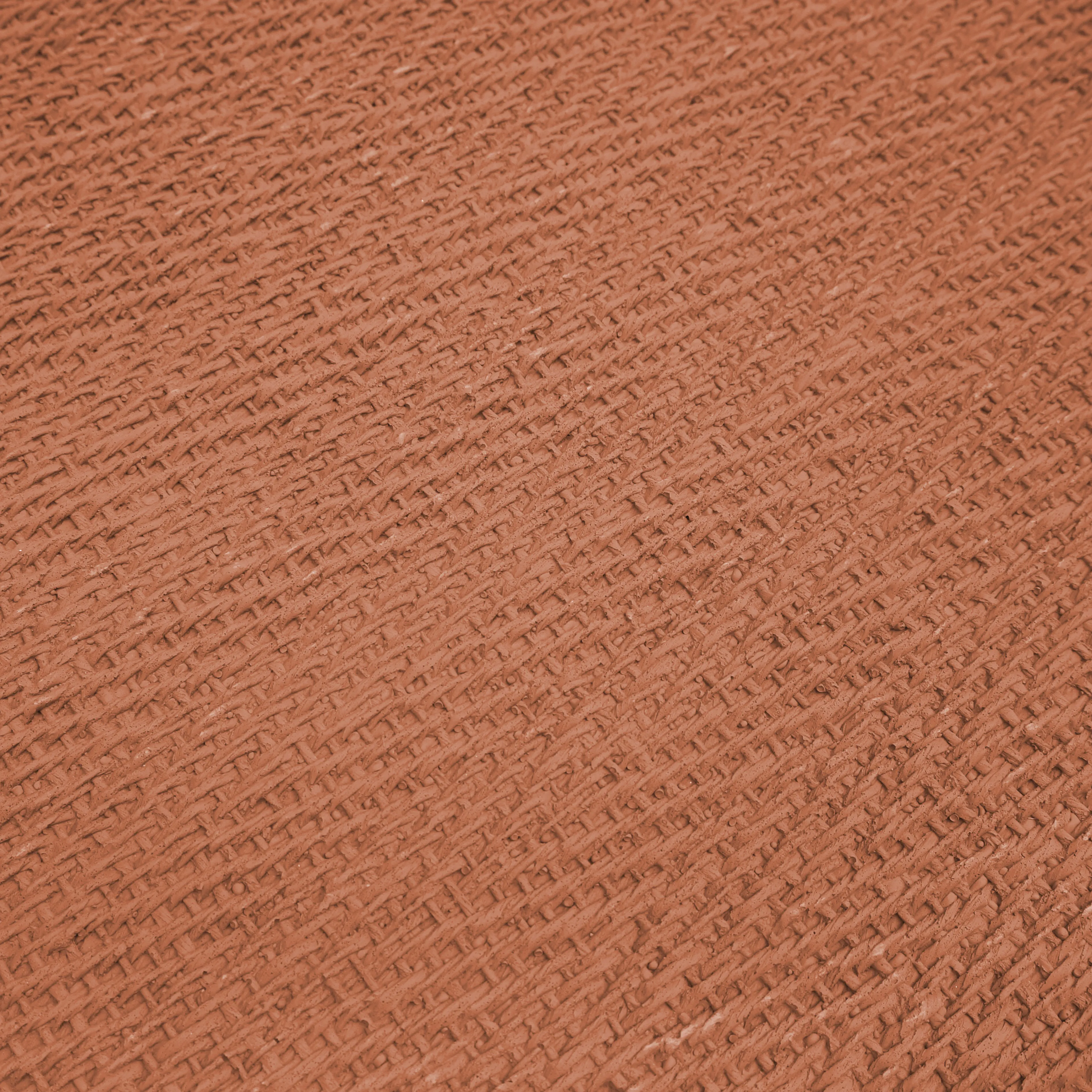
fair-faced concrete, its claim to fame is that woven texture. Those thin, interlacing threads aren't just for show—they're part of the material's structure. Bend it too sharply, and the threads can loosen. Drag it across a rough surface, and the edges fray. Even moisture during transit can seep into the weave, leaving water spots that dull the jacinth hue.
And let's not forget it's part of the MCM Big Slab Series—these aren't small tiles. We're talking large-format slabs, often 4x8 feet or bigger. That size means more surface area to protect and more weight to manage (though, thanks to MCM's lightweight design, they're easier to handle than traditional stone). But here's the kicker: their flexibility can trick people into thinking they're "unbreakable." They're not. Treat them like you would a vintage rug—with intention.
Pre-Transport Prep: Start With a Thorough Inspection
Think of this as a first date with your Weaving (Jacinth) slabs. You wouldn't show up late or unkempt, right?, your slabs deserve a careful once-over before they leave the warehouse. Grab a pair of white gloves (to avoid leaving fingerprints on the texture) and a soft brush, and let's get up close.
Pro Tip:
Do this in natural light if possible. Fluorescent bulbs can wash out colors, making smudges or frays harder to spot.
|
What to Check
|
What to Look For
|
What to Do If You Spot an Issue
|
|
Texture Integrity
|
Threads should lie flat, no snags or loose ends. The jacinth color should be consistent—no patchy lighter/darker spots.
|
Mark the slab with a sticky note (avoid tape, which can pull threads) and set it aside for re-inspection. If fraying is severe, contact the supplier immediately.
|
|
Edges
|
Crisp, clean edges with no chips or dents. Even a tiny nick can widen during transport.
|
For minor nicks, use a fine-grit sandpaper to smooth (gently!). Major damage? Don't risk it—reject the slab.
|
|
Backing Layer
|
The flexible stone backing should feel firm but pliable, with no bubbles or delamination (where the weave starts to peel from the base).
|
Bubbles mean poor adhesion—this slab won't install well. Flag it for return.
|
Once you're sure the slabs are in tip-top shape, it's time to package them. Skip the generic cardboard boxes—they're not designed for MCM's flexibility. Instead, opt for custom crates lined with foam board (1-inch thick minimum) or bubble wrap (the large, air-filled kind, not the pop-able tiny bubbles—those can leave indentations). Wrap each slab individually, then stack them vertically in the crate (like books on a shelf) with foam dividers between each one. Label the crate clearly: "FRAGILE: WEAVING (JACINTH) MCM SLABS—HANDLE VERTICALLY." A little redundancy here goes a long way—trust me, truck drivers see "fragile" all day, but specifics make them slow down.
Loading & Unloading: Slow and Steady Wins the Race
Picture this: You've inspected, packaged, and the truck arrives. The driver's in a hurry, the crew's eager to get lunch—temptations to rush are everywhere. Resist. Loading Weaving (Jacinth) isn't about speed; it's about precision.
First, check the truck bed. Is it clean? No loose gravel, nails, or water puddles? Good. Lay down a rubber mat or thick moving blanket to create a non-slip surface. Now, grab a partner (never load alone!) and a set of suction cup lifters—preferably the ones with padded cups to avoid marring the texture. Lift from the bottom edges, keeping the slab as vertical as possible (no tilting more than 15 degrees—remember, flexibility is a strength, but bending too far can warp the weave).
Common Mistake:
Using metal hooks or chains. They'll scratch the surface faster than a cat on a couch. Stick to suction cups or soft-grip lifting straps.
Unloading is when most accidents happen. I once watched a crew try to "slide" a Weaving (Jacinth) slab off the back of a truck onto a dolly. The edge caught, and the whole thing folded like a taco—ruined. Instead, lower the crate gently to the ground, then unload one slab at a time. Use a two-person dolly with rubber wheels (no plastic—they can skid) and secure the slab with bungee cords (wrapped in cloth to avoid friction). Move at walking pace—no jogging, no sudden stops.
In-Transit Care: Keeping Slabs Safe on the Road
So your crated slabs are on the truck—now what? Think of the journey as a road trip for your materials. You wouldn't let your grandma ride in the back of a pickup without a seatbelt, right? Same logic here.
Secure the crates with ratchet straps (again, padded!) to the truck's anchor points. The goal is to keep them from shifting—even an inch of movement can cause slabs to rub against each other, fraying threads. If you're transporting in extreme weather (summer heat, winter snow), climate control is a must. Weaving (Jacinth) can handle temperature swings once installed, but prolonged exposure to 90°F+ heat can make the backing soft, and freezing temps can make the threads brittle. If climate control isn't an option, cover the crate with a thermal blanket.
And check in mid-route! If it's a long haul, have the driver text a quick photo of the crates at the halfway point. It's not about micromanaging—it's about catching issues early. A strap that's come loose? A crate that's tilted? Better to fix it on the side of the road than arrive to a box of damaged slabs.
On-Site Handling: From Truck to Installation
You've made it to the job site—congrats! Now, the final stretch: getting the slabs from the truck to the wall (or floor, or ceiling—Weaving (Jacinth) is versatile like that). Start by choosing a staging area that's flat, clean, and sheltered. If it's raining, set up a temporary canopy—water and woven textures don't mix. Uncrate the slabs carefully, removing the foam dividers one by one. Resist the urge to stack them flat on the ground—remember, vertical storage is your friend here (lean them against a wall with foam padding behind to prevent slipping).
When it's time to install, carry slabs vertically, not horizontally. Hold them from the bottom and top edges, keeping your hands on the backing (not the woven surface) to avoid smudges. If the installation area is far from the staging spot, use a motorized pallet jack with a rubber mat on the platform—no dragging! And take a breath before placing them. Rushing here can lead to misalignment, and forcing a slab into place (even a flexible one) can stretch the weave pattern. Elena, the designer I mentioned earlier, now keeps a "slab transport checklist" on her phone—step-by-step, no shortcuts. "It feels silly at first," she says, "but seeing the client's face when they run their hand over that perfect weave? Totally worth it."
Common Mistakes to Avoid (Because We've All Been There)
Let's keep it real: even pros make mistakes. Here are the ones I've seen trip people up with Weaving (Jacinth):
-
Overstacking in the crate:
"They're flexible, so they'll squish, right?" Wrong. Stacking more than 5 slabs vertically in a crate creates pressure points that can warp the weave.
-
Using harsh cleaners during inspection:
Windex or bleach-based sprays will strip the texture's finish. Stick to a dry microfiber cloth.
-
Ignoring humidity:
If the job site is super humid (like a bathroom renovation), let the slabs acclimate for 24 hours before installing. Moisture in the air can make the backing expand slightly—better to let it adjust before gluing it down.
Wrapping Up: Protecting the Beauty of MCM
Weaving (Jacinth) isn't just a material—it's a statement. It's the difference between a space that feels "put together" and one that feels
alive
. And that statement deserves to be heard, not muted by careless handling. From inspection to installation, every step you take to protect those woven threads is a step toward creating something lasting.
So the next time you're gearing up to transport MCM Big Slab Series materials—whether it's Weaving (Jacinth), Flexible Stone, or another stunner like
Travertine (Starry Blue)—remember Elena's story. Slow down, pay attention, and treat the slabs like the works of art they are. Your clients (and your future self) will thank you.