
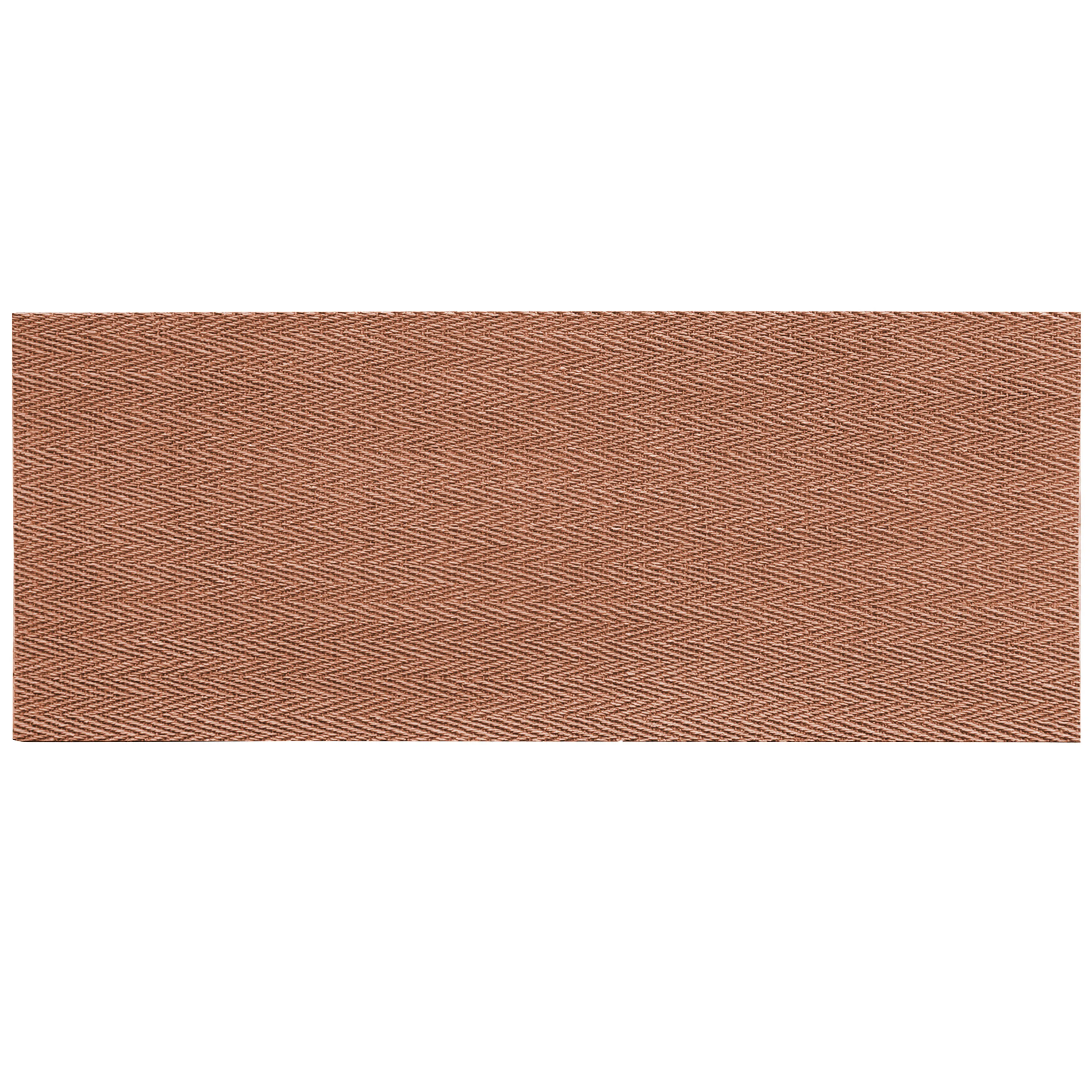
Blending artistry, durability, and affordability for modern architectural excellence
Anyone who's worked on a large-scale project—whether it's a sprawling commercial complex, a bustling transit hub, or a public cultural center—knows the balancing act all too well. You want materials that make a statement: textures that catch the light, colors that evoke emotion, surfaces that feel intentional. But you also need to stay within budget, meet strict durability standards, and ensure installation doesn't drag on for months. Traditional materials like natural stone or solid concrete often fall short here—they're heavy, expensive to transport, and tricky to install on a tight timeline.
Enter MCM (Modified Composite Material) products—a game-changer for architects, designers, and project managers who refuse to compromise. Among these, the Weaving (Jacinth) MCM stands out as a material that marries the warmth of artisanal craftsmanship with the practicality of modern engineering. Let's dive into why this line, alongside other MCM stars like foamed aluminium alloy board (vintage silver) and fair-faced concrete , is becoming the go-to for large-scale projects worldwide.
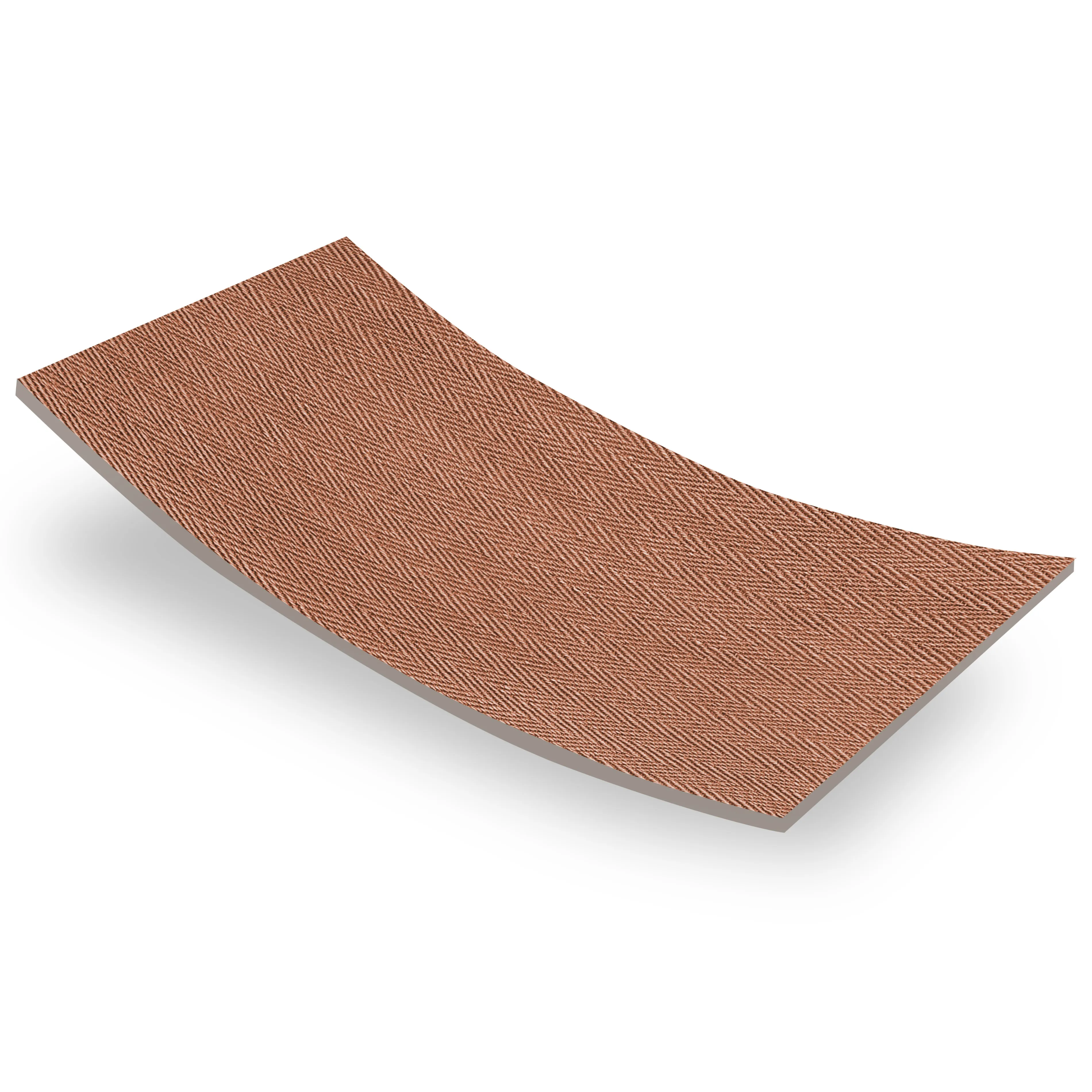
At first glance, Weaving (Jacinth) MCM feels familiar—like a textile woven with care, but rendered in a material built to withstand the elements. Its signature jacinth hue, a rich, earthy red-brown, brings warmth to even the largest spaces, while the woven pattern adds depth that flat surfaces can't match. Run your hand over it, and you'll notice the subtle ridges and valleys of the weave; step back, and the pattern creates a rhythmic visual flow that guides the eye across walls, facades, or ceilings.
But what truly sets Weaving (Jacinth) MCM apart is its adaptability. Unlike traditional woven materials (which are fragile and hard to scale), this MCM variant is engineered for large surfaces. It comes in lightweight panels (just 4-6mm thick) that can be cut, curved, or layered to fit any design vision—whether you're cladding a 10-story facade or adding accent walls to a hotel lobby. And because it's made from a blend of natural minerals and high-performance polymers, it resists fading, moisture, and impact—critical for high-traffic areas or outdoor use.
Imagine a airport terminal where Weaving (Jacinth) MCM wraps around check-in counters, softening the sterile space with its organic texture. Or a university campus where it lines walkway canopies, turning functional structures into art pieces. That's the magic of this material: it doesn't just cover surfaces—it transforms them into narratives.
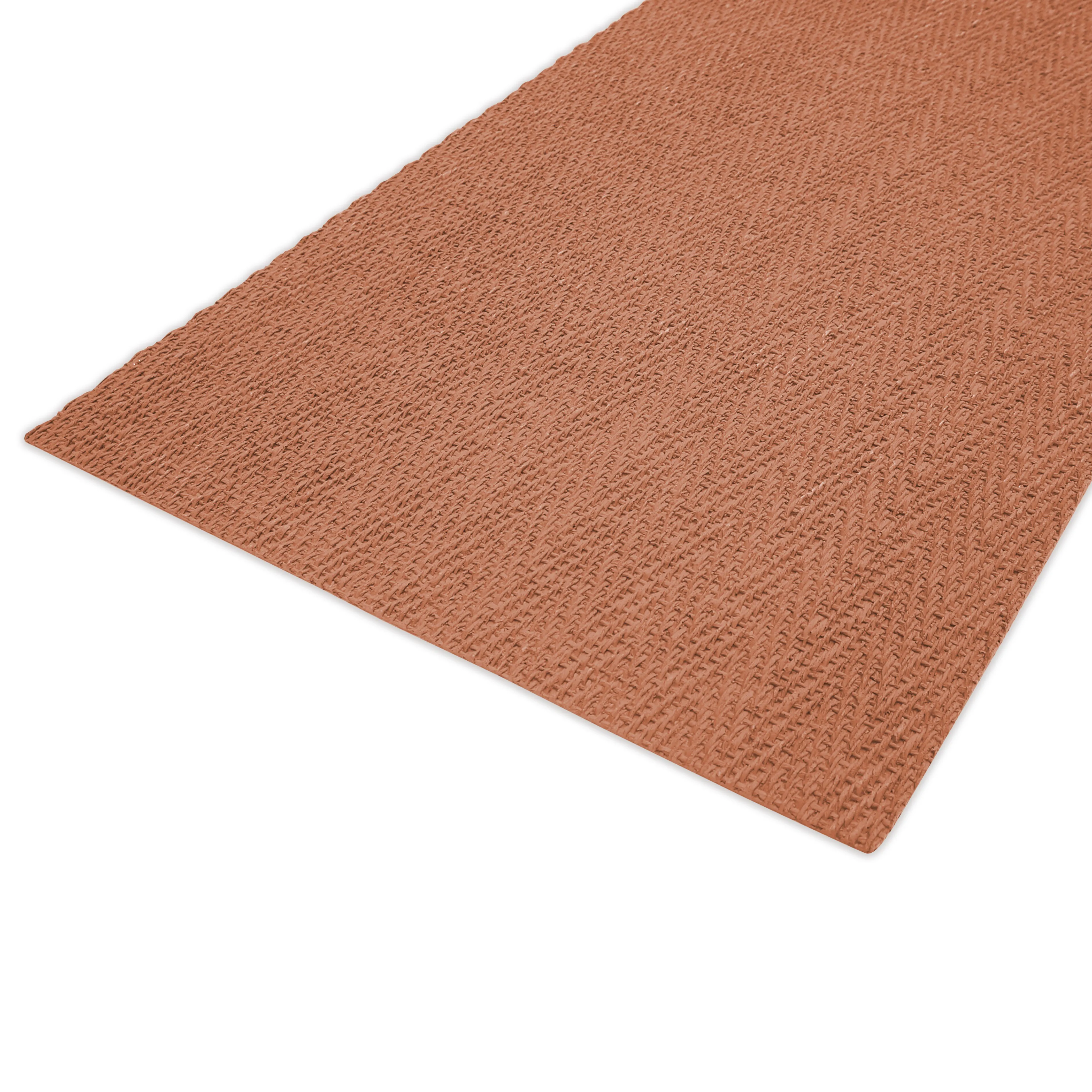
For large-scale projects, budget is always top of mind. Let's talk numbers: traditional natural stone (like marble or granite) can cost $50-$100 per square foot, plus hefty fees for transportation (thanks to its weight) and specialized installation. Weaving (Jacinth) MCM, by contrast, clocks in at a fraction of that—around $15-$30 per square foot—with installation costs cut by up to 40% because panels are lightweight and easy to handle (no cranes needed for small teams).
But cost savings don't stop at installation. MCM panels require minimal maintenance: a quick rinse with water is usually enough to keep them looking new, unlike natural stone, which needs regular sealing and polishing. Over a 20-year lifespan, that adds up to thousands in saved upkeep costs. And because MCM is made with recycled materials (up to 30% post-consumer content), it often qualifies for green building certifications (LEED, BREEAM), opening doors to tax incentives or grants for sustainable projects.
Still not convinced? Compare it to fair-faced concrete —another popular choice for modern projects. While fair-faced concrete has a sleek, industrial appeal, it's heavy (80-100mm thick), prone to cracking in extreme temperatures, and hard to repair if damaged. MCM, with its flexibility and thin profile, avoids these issues, making it a smarter long-term investment.
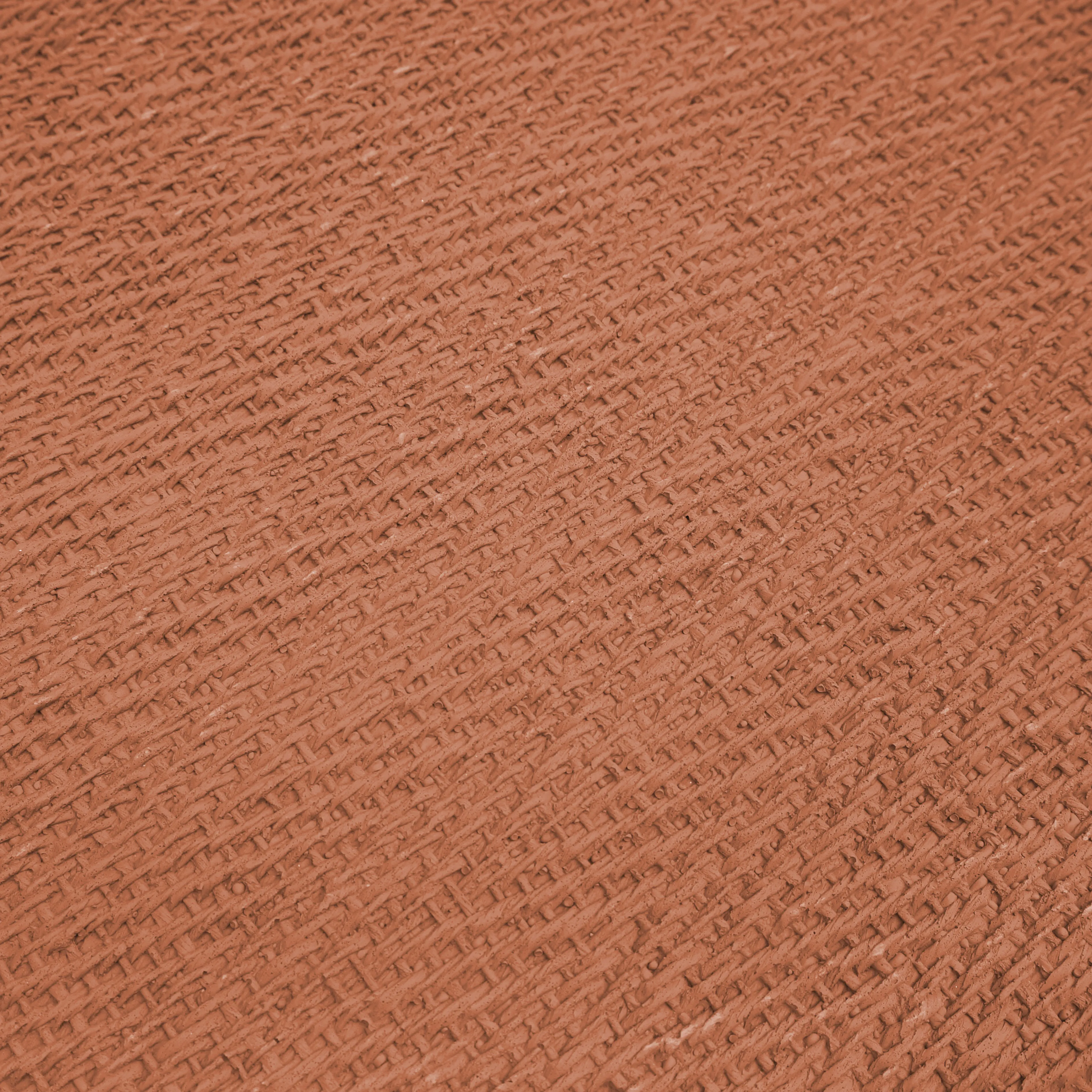
Weaving (Jacinth) MCM is just the start. The MCM lineup includes dozens of textures, colors, and finishes to suit every project's personality. Here's a closer look at some standout options, perfect for pairing with Weaving Jacinth or shining on their own:
| Product Name | Key Features | Best For | Cost (per sq. ft) |
|---|---|---|---|
| Weaving (Jacinth) MCM | Woven texture, jacinth hue, 4-6mm thick, weather-resistant | Facades, accent walls, interior lobbies | $15-$30 |
| MCM Flexible Stone | Mimics natural stone (e.g., travertine, slate), bendable for curved surfaces | Columns, rounded archways, fireplace surrounds | $20-$35 |
| Foamed Aluminium Alloy Board (Vintage Silver) | Metallic sheen, lightweight (2-3mm), rust-proof, recyclable | Modern facades, ceiling panels, signage | $25-$40 |
| Fair-Faced Concrete MCM | Raw, industrial look, smoother finish than traditional concrete, stain-resistant | Warehouse conversions, art galleries, outdoor benches | $18-$32 |
| Travertine (Starry Blue) MCM | Polished travertine look with "starry" crystal inclusions, UV-resistant | Hotel lobbies, restaurant walls, pool surrounds | $28-$45 |
For projects that crave a touch of luxury, travertine (starry blue) MCM is a showstopper. It mimics the look of high-end travertine, with the added twist of "starry" glass inclusions that catch light like distant galaxies. Imagine a hotel ballroom where walls clad in Starry Blue MCM glow softly under chandeliers, or a corporate headquarters where it lines elevator banks, making every ride feel like a journey through space. And because it's MCM, it avoids the pitfalls of natural travertine (porous, prone to staining) while keeping costs 50% lower than the real thing.
If you're after bold, monochromatic looks, the Lunar Peak series (silvery, golden, black) delivers. These MCM panels have a matte, crater-like texture that evokes the moon's surface, perfect for creating dramatic contrasts. Lunar Peak Black, for example, pairs stunningly with Weaving (Jacinth) MCM—imagine a facade where deep black panels form geometric shapes, accented by warm jacinth weaves. And with their resistance to extreme temperatures (from -40°C to 80°C), they're ideal for projects in harsh climates, from desert cities to snowy mountain towns.
Let's look at how these materials perform in the wild. Take the GreenWave Mall in Dubai—a sprawling 150,000 sq. ft. shopping center that opened in 2024. The design team wanted a facade that balanced modernity with warmth, so they chose Foamed Aluminium Alloy Board (Vintage Silver) for the main structure, accented with Weaving (Jacinth) MCM panels around entranceways. The result? A building that shimmers like a silver wave by day and glows softly at night, with the jacinth weaves adding a welcoming touch. Best of all, the project came in 15% under budget, thanks to MCM's low material and installation costs.
Closer to home, the Riverside Cultural Center in Portland, Oregon, used Travertine (Starry Blue) MCM for its indoor amphitheater walls. The starry glass inclusions catch the stage lights, creating a dynamic backdrop for performances, while the material's acoustic properties (it dampens echo) improve sound quality. And because it's moisture-resistant, it stands up to the Pacific Northwest's rainy climate—no warping or discoloration, even after two years.
These aren't just success stories—they're proof that MCM materials like Weaving (Jacinth) don't just meet project requirements; they elevate them.
In an era where "green building" is no longer a trend but a mandate, MCM shines. Most MCM panels are made with recycled content (up to 50% in some lines) and are 100% recyclable at the end of their lifespan. Unlike natural stone quarrying, which disrupts ecosystems, MCM production has a low carbon footprint—factories use energy-efficient processes and water recycling systems.
Take the foamed aluminium alloy board (vintage gold) : its aluminium core is 95% recycled, and the manufacturing process emits 60% less CO2 than traditional aluminium production. Similarly, Fair-Faced Concrete MCM uses fly ash (a byproduct of coal power) instead of Portland cement, reducing greenhouse gas emissions by 30%.
For developers chasing LEED Platinum or BREEAM Outstanding certifications, these details matter. They're not just good for the planet—they're good for business, too, as eco-conscious tenants and buyers increasingly prioritize sustainable buildings.
Large-scale projects don't have to choose between beauty and budget, durability and design. With MCM materials like Weaving (Jacinth), Foamed Aluminium Alloy, and Travertine (Starry Blue), you get it all: textures that tell stories, costs that make sense, and a product built to last. These aren't just building materials—they're tools for creating spaces that inspire, connect, and endure.
So the next time you walk into a building and find yourself pausing to touch a wall, or staring up at a facade that takes your breath away, chances are it's MCM at work. And behind that beauty? A smart, sustainable choice that proves great design and practicality can go hand in hand.
Recommend Products












