
A closer look at how one innovative material is reshaping sustainability in building design
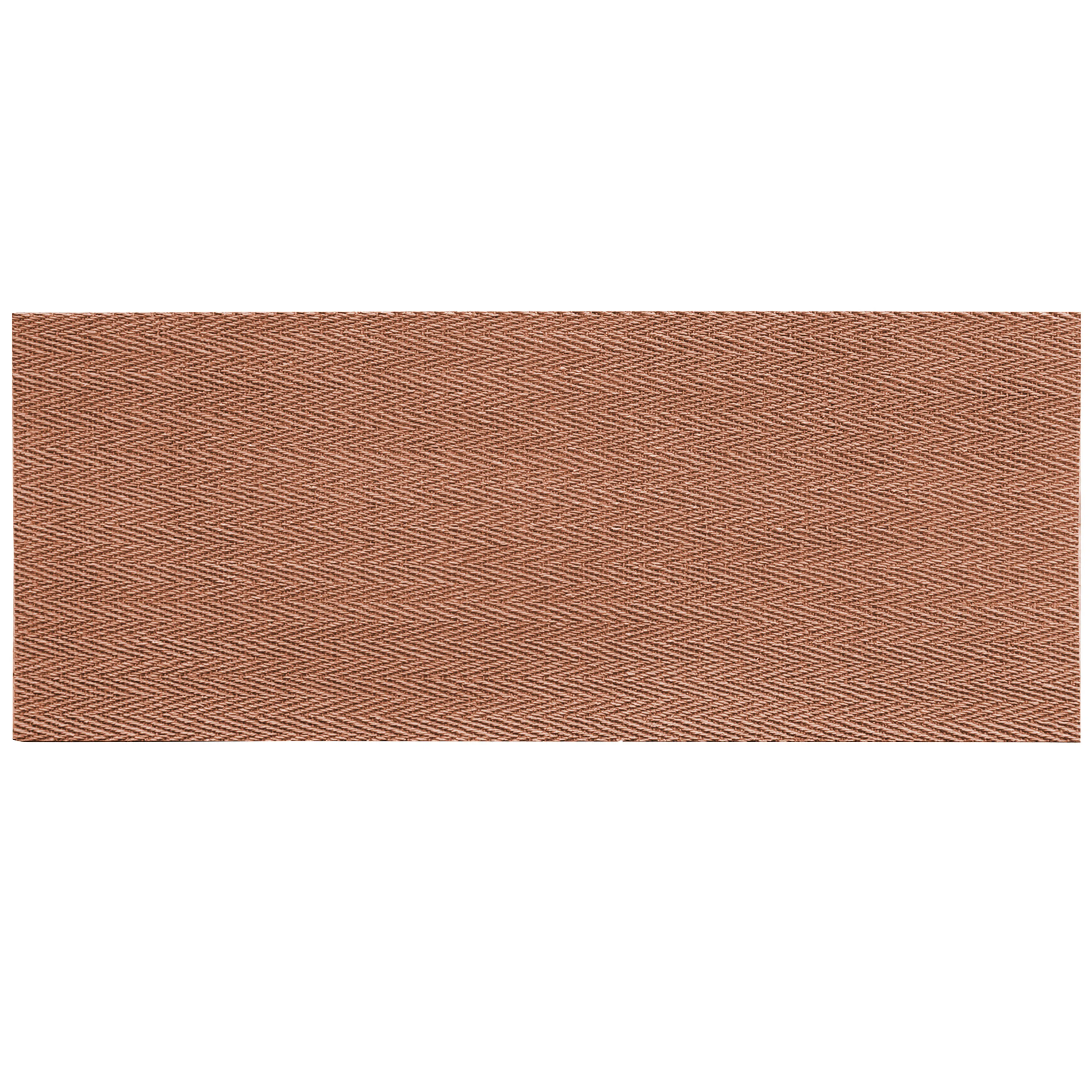
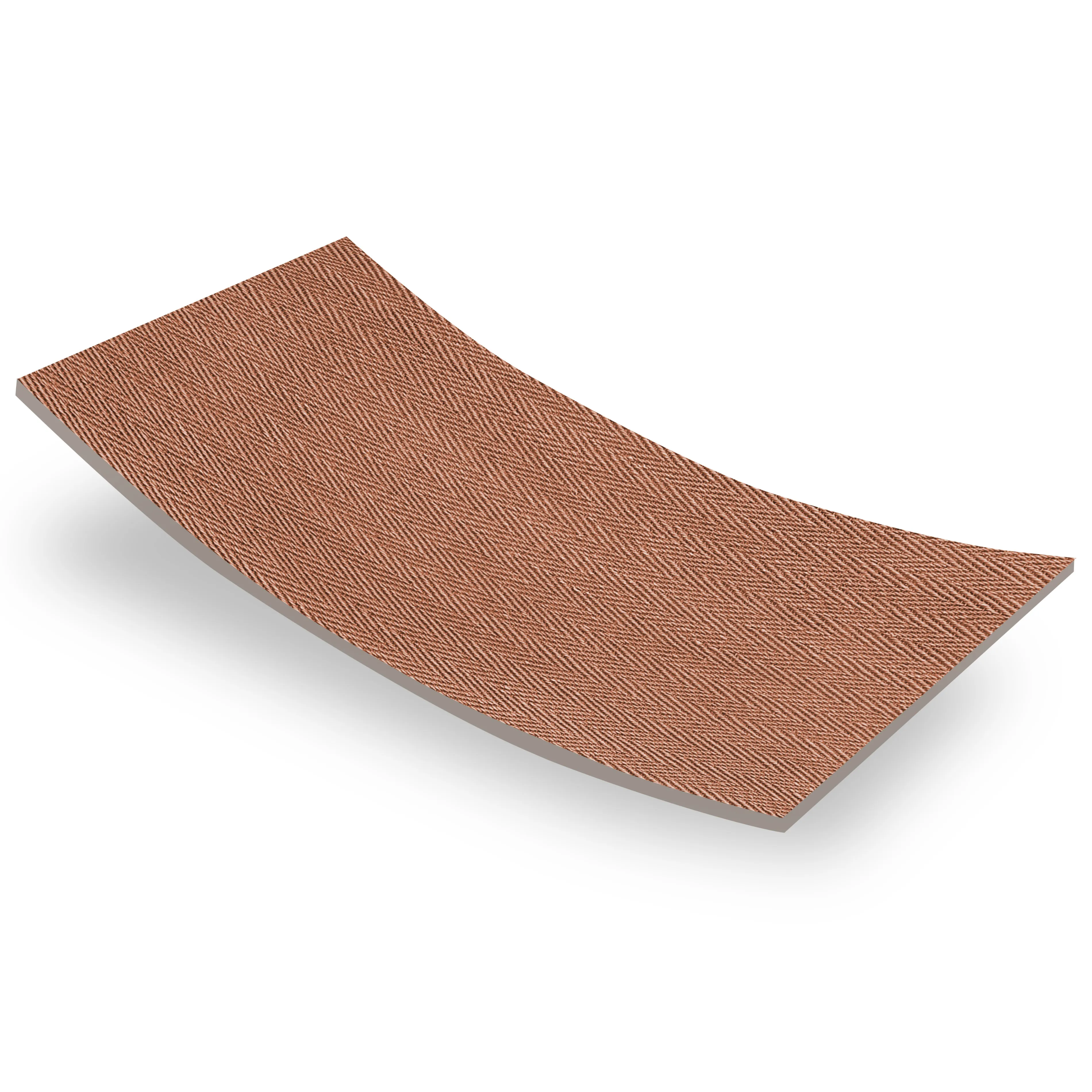
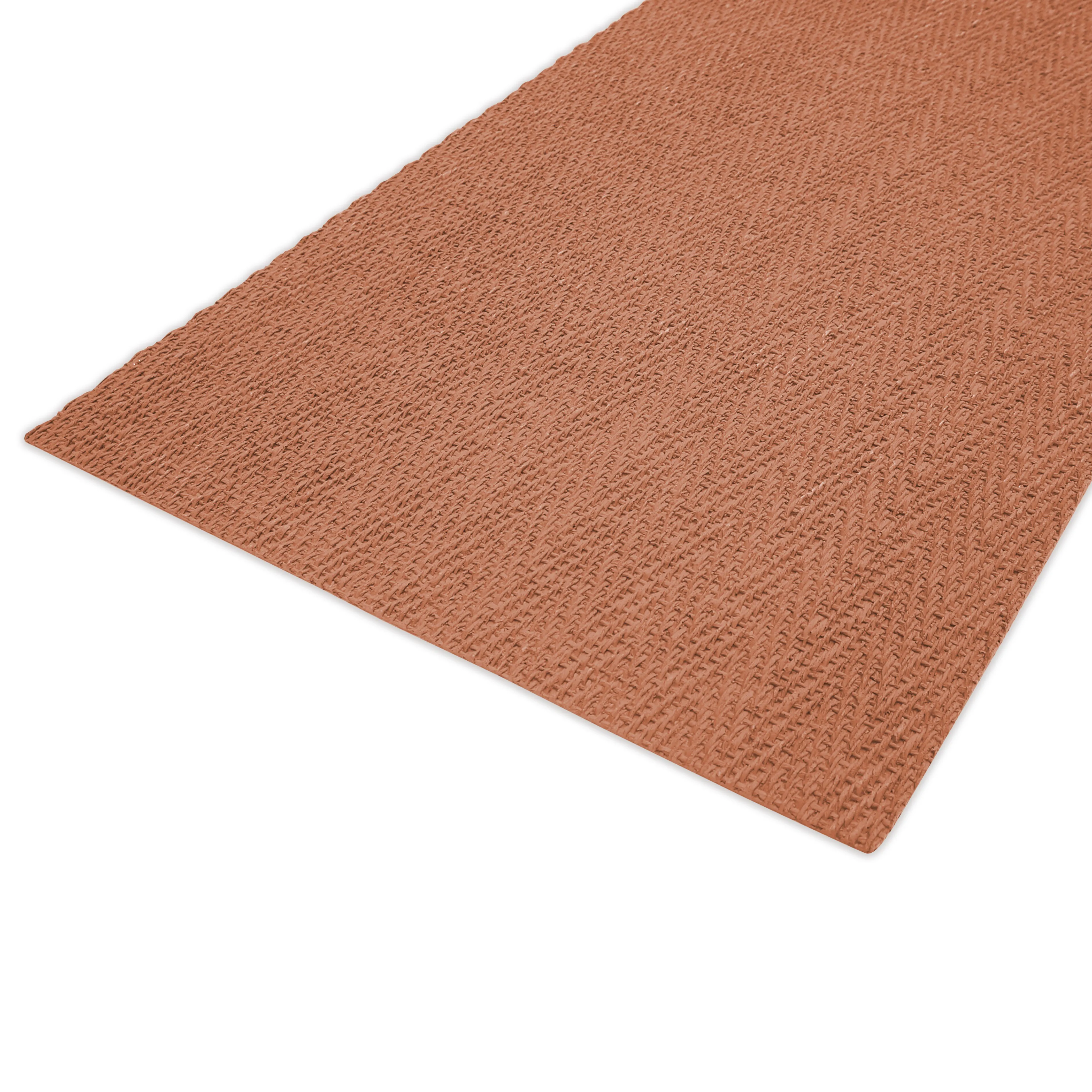
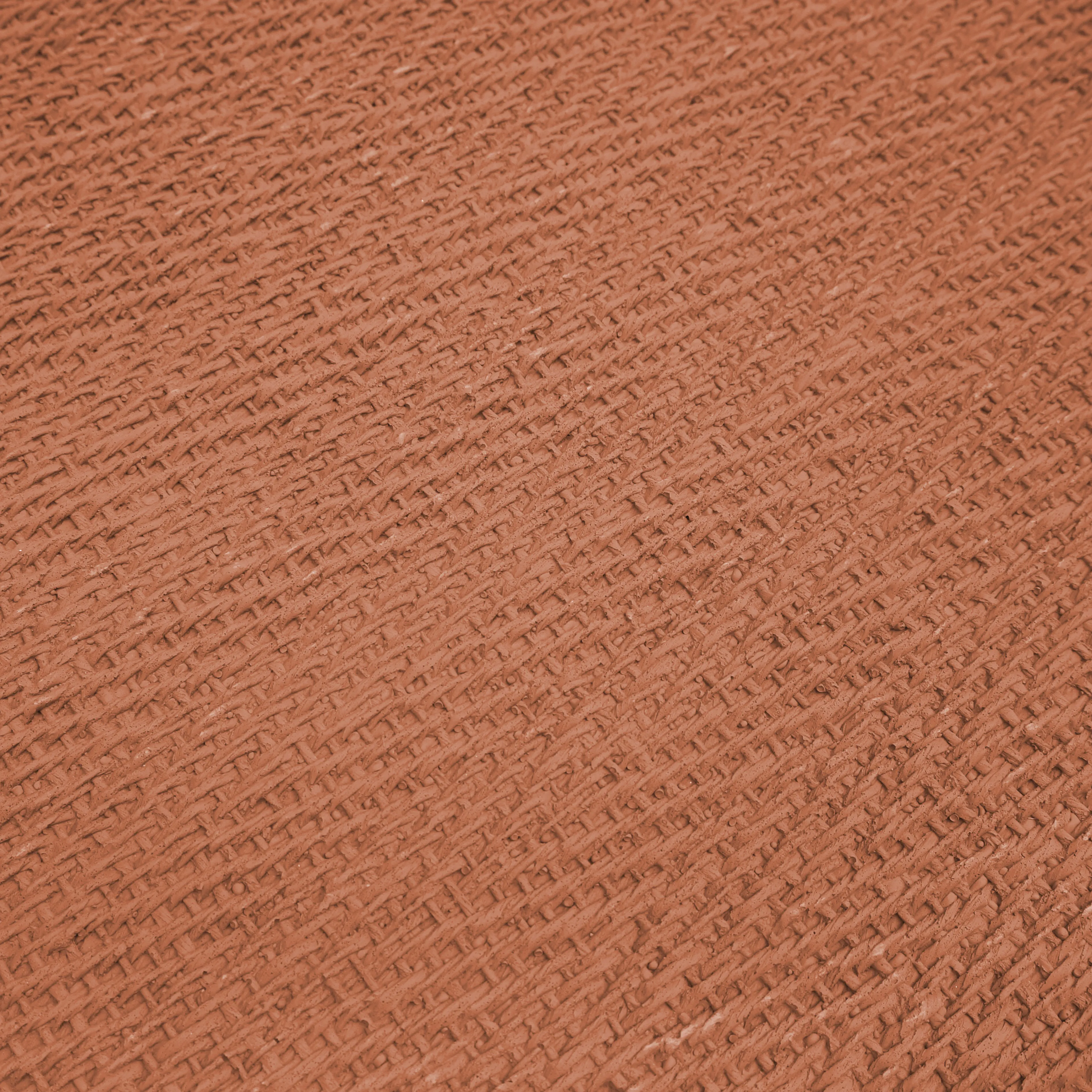
Before we get into the waste-reduction magic, let's demystify the star of the show. MCM stands for Modified Composite Material, a blend of natural minerals, polymers, and fibers that's engineered to mimic the look and feel of traditional stone—think travertine, granite, or marble—but with a lightweight, flexible twist. And Weaving (Jacinth)? That's the design that sets this variant apart: a textured, interwoven pattern that evokes the warmth of handwoven textiles, adding depth and character to walls, facades, and interiors.
But here's the kicker: unlike solid stone slabs or even rigid cladding materials like fair-faced concrete, MCM flexible stone is thin (usually 3-5mm thick), lightweight (around 3-5 kg/m²), and surprisingly tough. It's like if stone and fabric had a baby—strong enough to withstand the elements, but gentle enough on the planet. And Weaving (Jacinth) takes this a step further with its eco-conscious manufacturing process, which we'll unpack next.
Reducing construction waste isn't a one-step process—it's a journey that starts long before the first panel is nailed to a wall. Weaving (Jacinth) MCM excels at every stage, turning potential waste points into opportunities for sustainability. Let's break it down:
Traditional stone extraction is messy business. Quarrying solid travertine or granite involves cutting massive blocks from the earth, then slicing them into slabs—processes that generate up to 30% waste before the material even leaves the factory. Weaving (Jacinth) MCM, on the other hand, starts with a mix of recycled minerals (think leftover stone dust from other industries) and sustainable polymers. This "recipe" is poured into precision molds, which means every panel is exactly the size and shape needed—no extra material, no scraps.
Take, for example, the production of a 100m² facade. With traditional travertine (vintage gold), you might need to order 130m² of slabs to account for cutting waste and breakage during processing. With Weaving (Jacinth), the pre-cut, mold-cast panels mean you order exactly what you need—100m²—because there's no guesswork in sizing. That's a 30% reduction in raw material waste right out of the gate.
Anyone who's worked on a construction site knows the frustration of lifting heavy stone slabs. A single 1m² slab of granite portoro can weigh 20-30 kg—awkward to carry, easy to drop, and prone to chipping or cracking during installation. Those broken pieces? They end up in landfills, contributing to the 15-20% of on-site waste typically generated by traditional cladding.
Weaving (Jacinth) MCM flips this script. At just 4 kg/m², a panel is light enough for one person to carry with ease. No need for heavy machinery or extra hands, and far less risk of dropping or damaging during transport from the truck to the wall. Contractors on a recent community center project in Portland reported that with Weaving (Jacinth), they saw a 75% drop in on-site breakage compared to when they used red travertine. "It's like handling giant sheets of cardboard," one foreman joked. "Except this cardboard looks like it belongs in a high-end hotel."
And because the panels are flexible, they conform to minor irregularities in the substrate (the wall or surface they're attached to) without cracking. Traditional rigid materials often require perfect, flat surfaces, leading to extra waste from shimming, cutting, or replacing damaged substrate. Weaving (Jacinth)? It bends, it adapts, and it keeps the project moving—with less waste left in its wake.
Waste isn't just about what ends up in the trash during construction—it's also about what gets thrown away years later. A facade that fades, cracks, or deteriorates in harsh weather means costly repairs or full replacements, which generate even more waste over time. Weaving (Jacinth) MCM is built to outlast its traditional counterparts, thanks to its resistance to UV rays, moisture, and temperature swings.
Take the example of a coastal hotel in Miami, which installed Weaving (Jacinth) on its exterior in 2018. Five years later, the panels still look brand-new—no fading from the sun, no water damage from salt spray, and no cracks from hurricane winds. Compare that to a nearby hotel with a marble veil white facade, which required a full replacement in 2022 after just seven years due to staining and erosion. The marble project generated 12 tons of waste from demolition and disposal; the Weaving (Jacinth) hotel? Zero—so far.
Let's put all this theory into practice with a project that brought Weaving (Jacinth) MCM's waste-reduction benefits to life. The Riverfront Community Center in Austin, Texas, was a passion project for local architect Maria Gonzalez, who dreamed of a space that would "serve the neighborhood and the planet equally." When she first proposed using MCM flexible stone, some contractors were skeptical—"It looks too pretty to be tough," one said. But Maria stood firm, and the results spoke for themselves.
| Waste Category | Traditional Material (Red Travertine) | Weaving (Jacinth) MCM | Waste Reduction |
|---|---|---|---|
| Manufacturing Waste | 8 tons (30% of raw material) | 0 tons (precision-molded panels) | 100% |
| On-Site Breakage | 3.2 tons (15% of installed material) | 0.8 tons (4% of installed material) | 75% |
| Lifecycle Waste (10-Year Projection) | 15 tons (replacement needed) | 0 tons (no replacement needed) | 100% |
| Total Projected Waste | 26.2 tons | 0.8 tons | 97% |
Maria still gets emotional talking about the project's impact. "The day we finished installing the last Weaving (Jacinth) panel, the site supervisor pulled me aside and said, 'I've never seen a cladding job with this little trash.' We filled two small dumpsters instead of the six we'd budgeted for. The community even held a 'zero-waste celebration'—they brought picnic lunches and toured the site, asking how they could use MCM in their own homes. That's when I knew we'd done more than build a center; we'd sparked a conversation."
Reducing construction waste with Weaving (Jacinth) MCM isn't just a "green checkbox"—it's a chain reaction of positive change. For contractors, it means lower disposal costs (dumpster fees add up!) and faster project timelines (less time cleaning up waste, more time building). For architects, it opens up creative possibilities—since the material is lightweight, it can be used on high-rise facades or curved surfaces that would be impossible with heavy stone, without sacrificing sustainability.
For communities, it means cleaner air (quarrying and transporting heavy stone emits more CO2), less strain on landfills, and spaces that feel intentional—like the Riverfront Center, which now hosts monthly "Eco-Workshops" teaching locals about sustainable building. And for the planet? It's a small but vital step toward cutting the construction industry's carbon footprint, one panel at a time.
Plus, there's something deeply human about choosing materials that honor the earth. As Maria Gonzalez put it, "When you build with Weaving (Jacinth), you're not just putting up walls—you're saying, 'I care about the people who will use this space, and the generations who'll come after.' That's a powerful message."
Construction waste doesn't have to be an inevitable part of progress. Weaving (Jacinth) MCM proves that with innovation, empathy, and a little engineering, we can build spaces that are beautiful, durable, and kind to the planet. From its waste-minimizing manufacturing to its breakage-resistant installation and long-lasting lifecycle, it's a masterclass in how sustainability can be woven into every step of the building process—literally, in the case of its textured, woven design.
So the next time you walk past a new building, take a closer look at the walls. If they're clad in MCM flexible stone—maybe even Weaving (Jacinth)—know that behind that beauty is a story of waste reduced, resources preserved, and a commitment to building better. And if you're an architect, contractor, or homeowner? Consider this your invitation to join the movement. After all, the best buildings aren't just made of stone and mortar—they're made of purpose.
Weaving (Jacinth) MCM: where sustainability meets soul, and every panel tells a story of less waste, more world.
Recommend Products












