
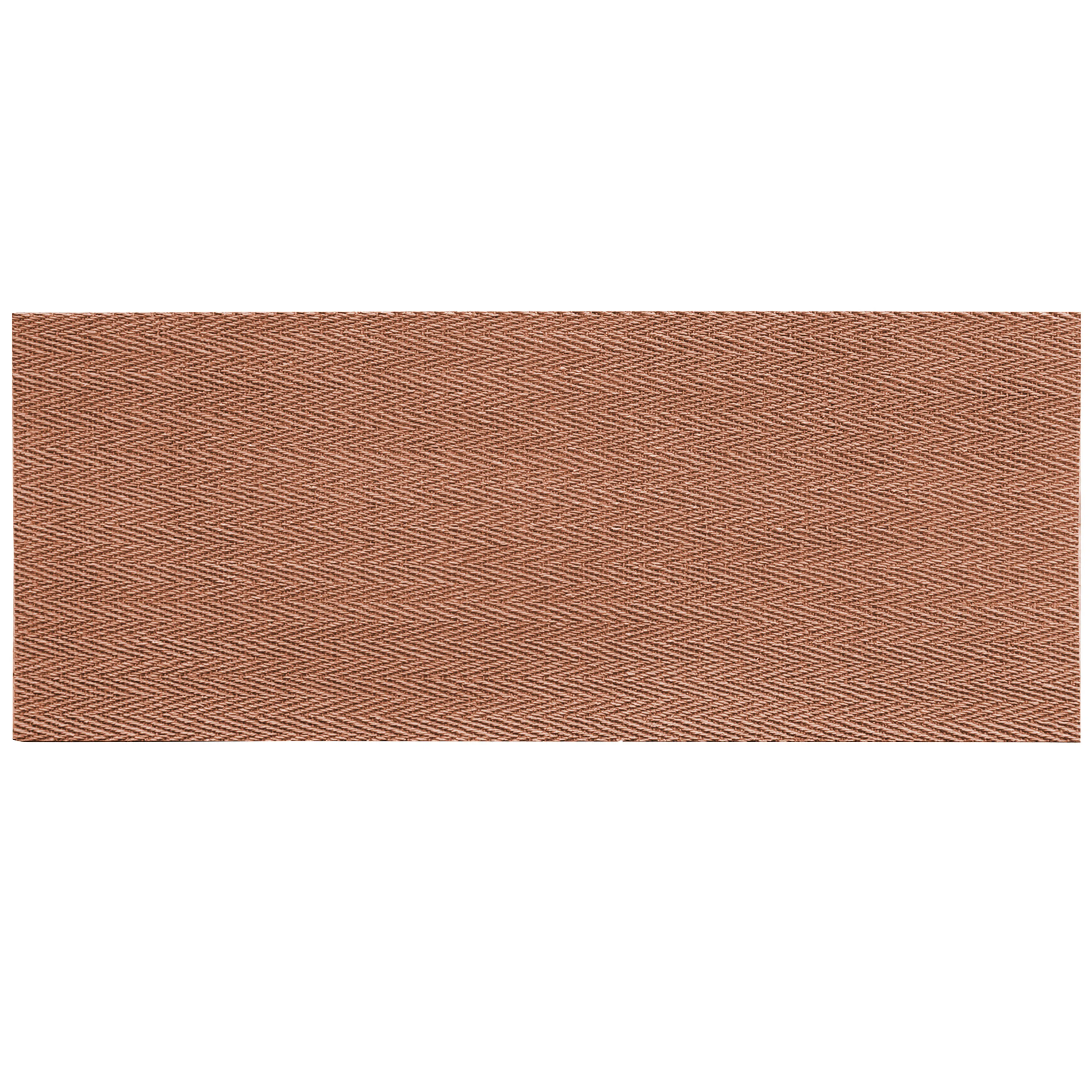
Picture this: You're standing in an empty commercial space, blueprint in hand, imagining the moment clients walk through the door. The walls, the finishes, the way light hits every surface—these details will shape first impressions, set the mood, and even influence how long people stay. For many project managers, this is where the stress creeps in: balancing aesthetics, durability, and budget. If you've landed here, chances are you're considering Weaving (Jacinth) MCM panels for your next build. Let's talk about what that really costs, beyond the sticker price, and how to plan for it without losing sleep.
Before we dive into numbers, let's get clear on why Weaving (Jacinth) might be on your radar. Unlike generic cladding options, this material marries texture and warmth in a way that feels intentional. The jacinth hue—think rich, earthy reds with subtle golden undertones—adds depth without overwhelming a space. And because it's part of the MCM (Modified Composite Material) family, it's built to last: lightweight, weather-resistant, and surprisingly flexible. That flexibility matters when you're working with uneven walls or custom designs, something anyone who's wrestled with rigid materials like foamed aluminium alloy board (vintage gold) can appreciate.
But here's the kicker: It's not just about looks. Weaving (Jacinth) plays well with other materials too. Pair it with lime stone(beige) for a soft, organic contrast, or layer it against fair-faced concrete for an industrial-chic vibe. Commercial projects—cafés, boutique hotels, office lobbies—thrive on these combinations, and Weaving (Jacinth) acts as the glue that ties diverse elements together.
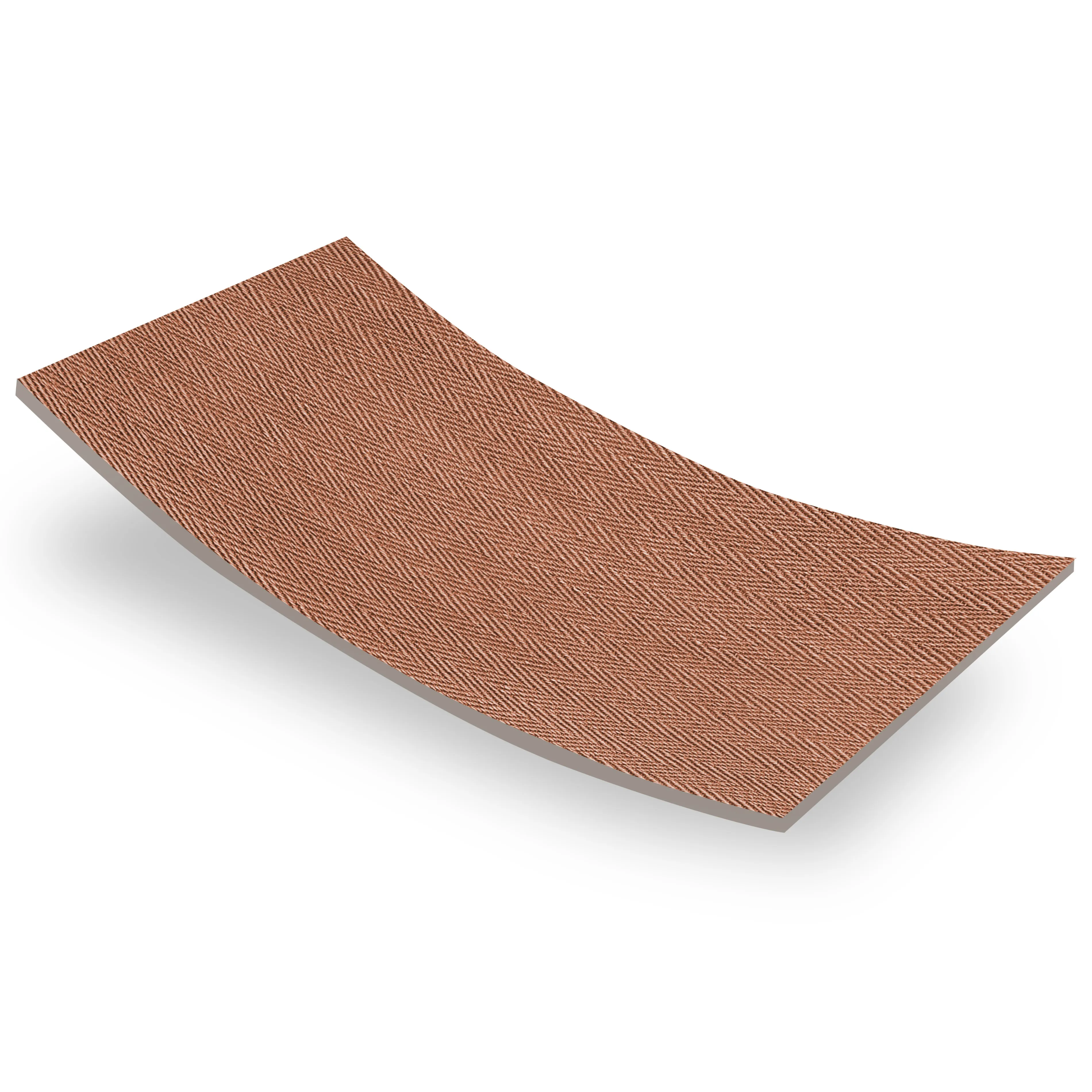
Let's cut to the chase: How much will Weaving (Jacinth) MCM installation actually set you back? The short answer: It depends. But breaking it down into clear components will help you estimate more accurately. Below is a breakdown of typical costs for a 500 sq. ft. commercial project (we'll adjust for larger or smaller spaces later).
| Cost Component | Estimated Range | Notes |
|---|---|---|
| Weaving (Jacinth) MCM Panels | $25–$45 per sq. ft. | Depends on panel thickness (3mm vs. 6mm) and finish quality. Bulk orders may qualify for 5–10% discounts. |
| Labor (Installation Team) | $15–$25 per sq. ft. | Varies by region (higher in urban areas) and complexity (e.g., curved walls add 20–30% to labor costs). |
| Surface Preparation | $8–$15 per sq. ft. | Includes wall cleaning, patching cracks, and applying moisture barriers (critical for longevity). |
| Adhesives & Fasteners | $3–$6 per sq. ft. | High-quality adhesives designed for MCM materials; avoid generic options to prevent panel detachment. |
| Tools & Equipment Rental | $200–$500 total | Includes cutting tools, levelers, and safety gear. Some contractors include tools in labor costs—ask upfront. |
| Waste & Overages | 10–15% of material cost | Always order extra (panels get damaged, cuts go wrong). Better to have leftovers than pause work mid-project. |
| Unexpected Expenses | 5–10% of total budget | Covers hidden issues like mold behind walls or structural repairs needed before installation. |
For a 500 sq. ft. project, that totals roughly $27,500–$52,500. Let's do the math: 500 sq. ft. x ($25 material + $15 labor + $8 prep + $3 adhesives) = $25,500 at the low end, plus waste ($2,550) and unexpected costs ($2,550) brings it to ~$30,600. At the high end, it could hit $52,500, but that's with premium panels, complex labor, and thorough prep.
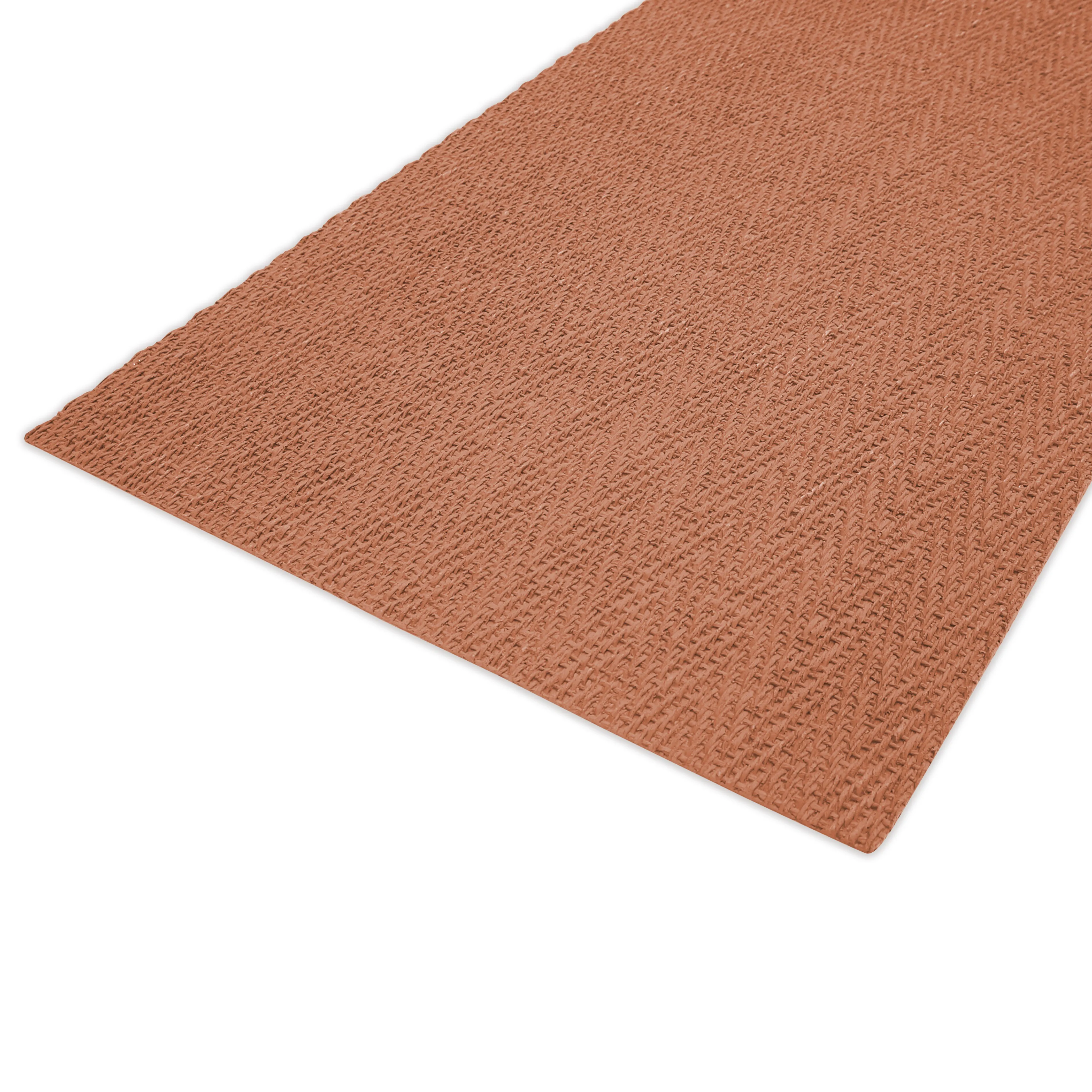
Labor is often the trickiest line item to pin down. A team with MCM experience will charge more, but it's worth it. I once worked with a client who hired a general contractor (cheaper upfront) to install Weaving (Jacinth) panels. Three months later, half the panels were peeling because the team didn't account for the material's flexibility—they used rigid fasteners meant for stone. The fix cost twice the original labor bill. Lesson: Ask for references. A reputable installer will share photos of past MCM projects, not just generic cladding jobs.
Regional differences matter too. In New York or Los Angeles, expect labor to hit $25–$30 per sq. ft. In smaller cities? More like $15–$20. If you're in a remote area, some contractors may charge travel fees, so factor that in. Pro tip: Reach out to suppliers—they often have lists of preferred installers who've been trained on MCM flexible stone specifically.
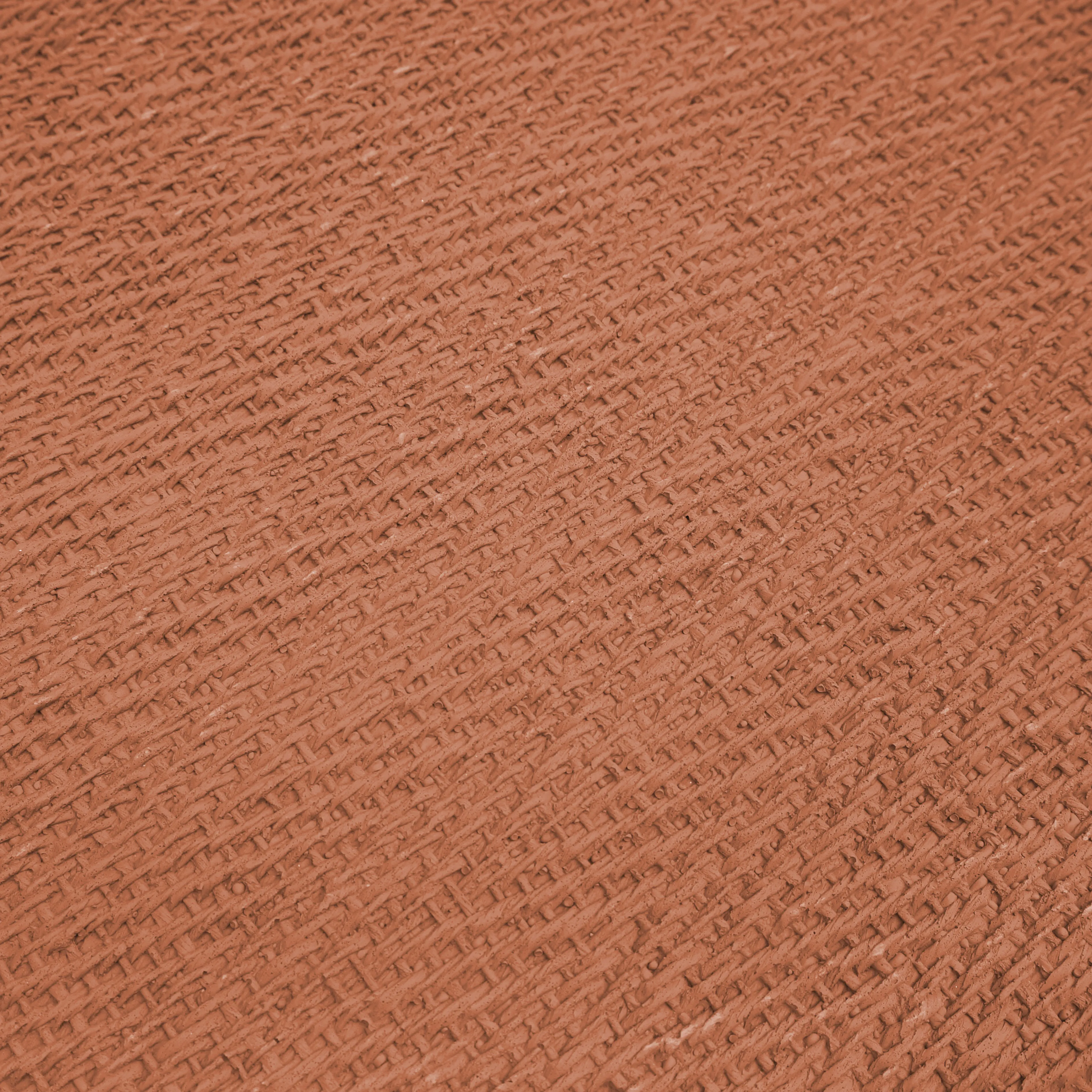
It's tempting to opt for the cheapest Weaving (Jacinth) panels, but here's what you're risking: Thinner panels (less than 3mm) are prone to denting, especially in high-traffic areas like restaurant corridors. Low-quality dyes fade under UV exposure, turning that rich jacinth red into a washed-out pink in 1–2 years. And subpar composite materials can absorb moisture, leading to mold or warping.
Compare this to investing in mid-range panels ($35–$40 per sq. ft.). They'll have a thicker core, fade-resistant pigments, and a protective top layer that stands up to scuffs. Over 10 years, the cost per year drops from $4.50 (cheap panels) to $3.50 (mid-range), and you avoid replacement costs. It's the classic "buy once, cry once" scenario.
How does Weaving (Jacinth) stack up against alternatives? Let's look at three popular options for commercial projects:
Weaving (Jacinth) hits the sweet spot: mid-range cost, low maintenance, and design versatility. It's why I've seen it pop up in everything from boutique gyms to hotel lobbies—spaces that need to look good and work hard.
No project goes perfectly. Maybe the wall is more uneven than the initial inspection showed, requiring extra patching ($500–$1,000). Or a shipment of panels is delayed, and you need to rush-order a small batch at a premium ($1,000–$2,000). That's why a 10% contingency fund is non-negotiable. For a $50,000 project, that's $5,000—enough to cover most curveballs without derailing the budget.
Another "what if": Waste. Even with careful planning, you'll lose 10–15% of panels to cuts, mistakes, or damage. Ordering exactly enough is a rookie mistake. For 500 sq. ft., order 550–575 sq. ft. of panels. Suppliers often let you return unopened boxes (check their return policy), so you won't be stuck with extra if you overestimate.
By now, you have a clearer picture of what Weaving (Jacinth) MCM installation costs. Here are a few final strategies to stay on track:
At the end of the day, Weaving (Jacinth) MCM installation isn't just a cost—it's an investment in your project's success. The right cladding doesn't just look good; it reduces maintenance headaches, lasts longer, and creates a space people remember. By breaking down the costs, prioritizing quality, and planning for the unexpected, you'll avoid budget shocks and end up with a finish that makes clients say, "Wow, this feels different."
So go ahead—draft that budget, reach out to suppliers, and don't forget to request those samples. Your future self (and your clients) will thank you.
Recommend Products












