
A practical guide to mastering material, climate, and craftsmanship in the Kingdom
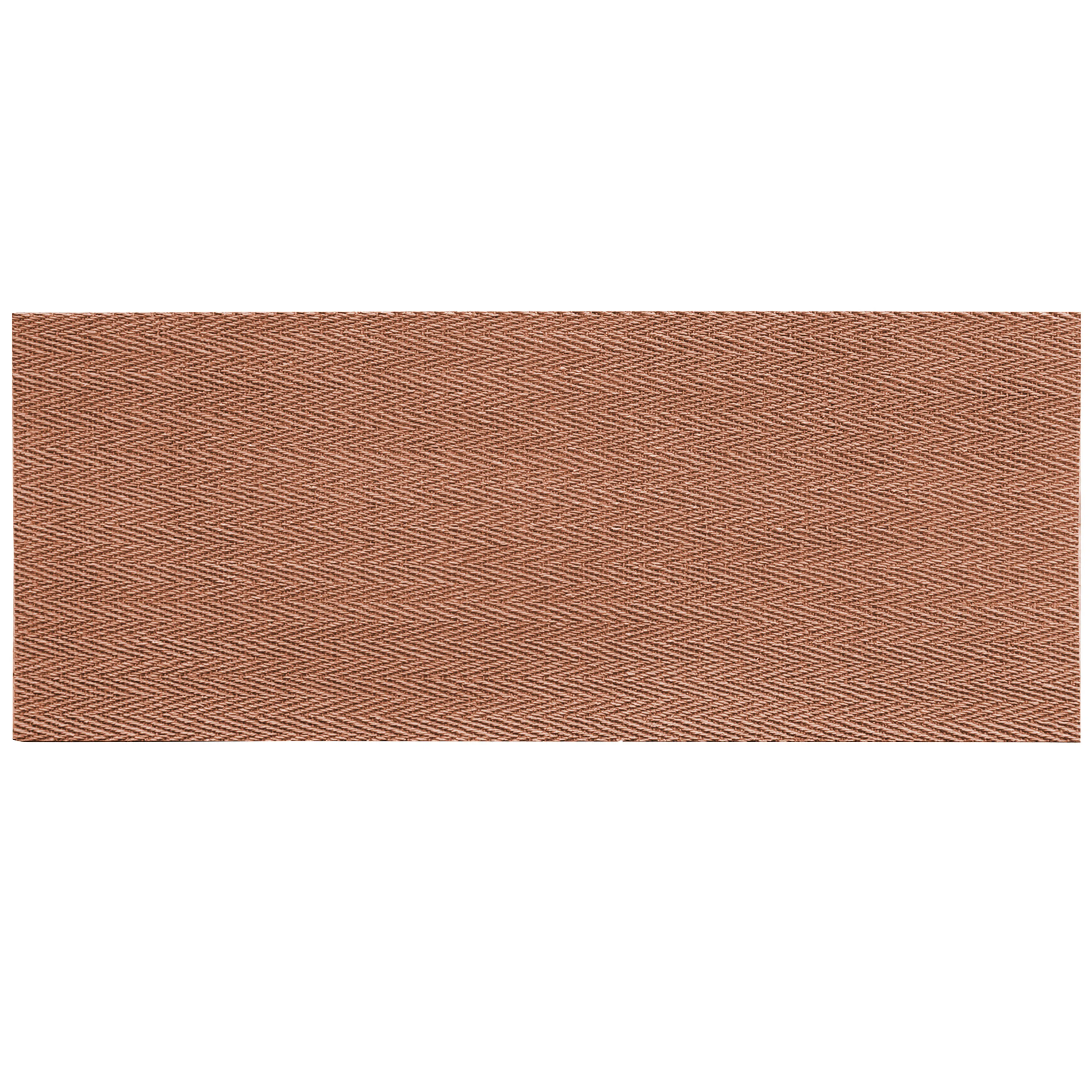
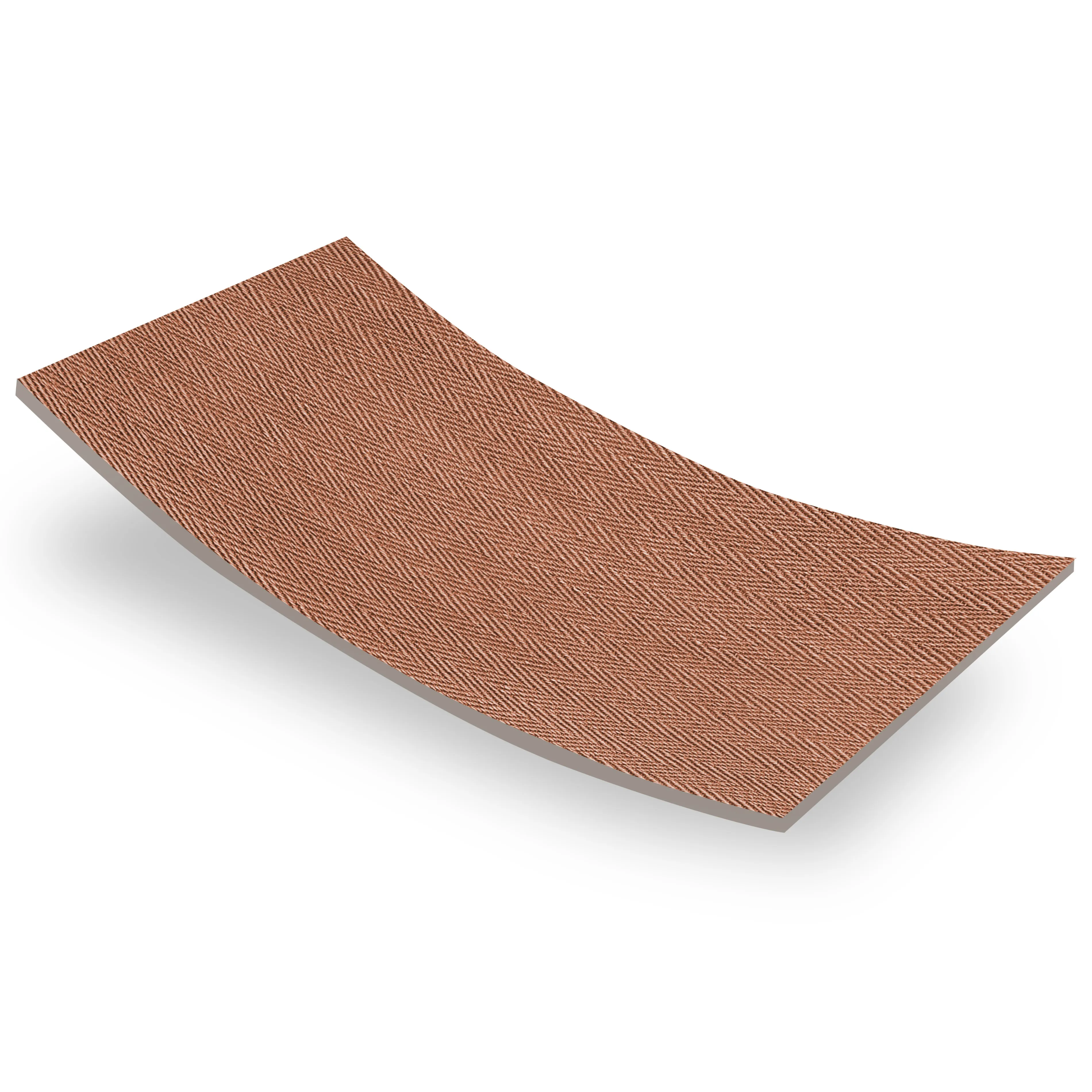
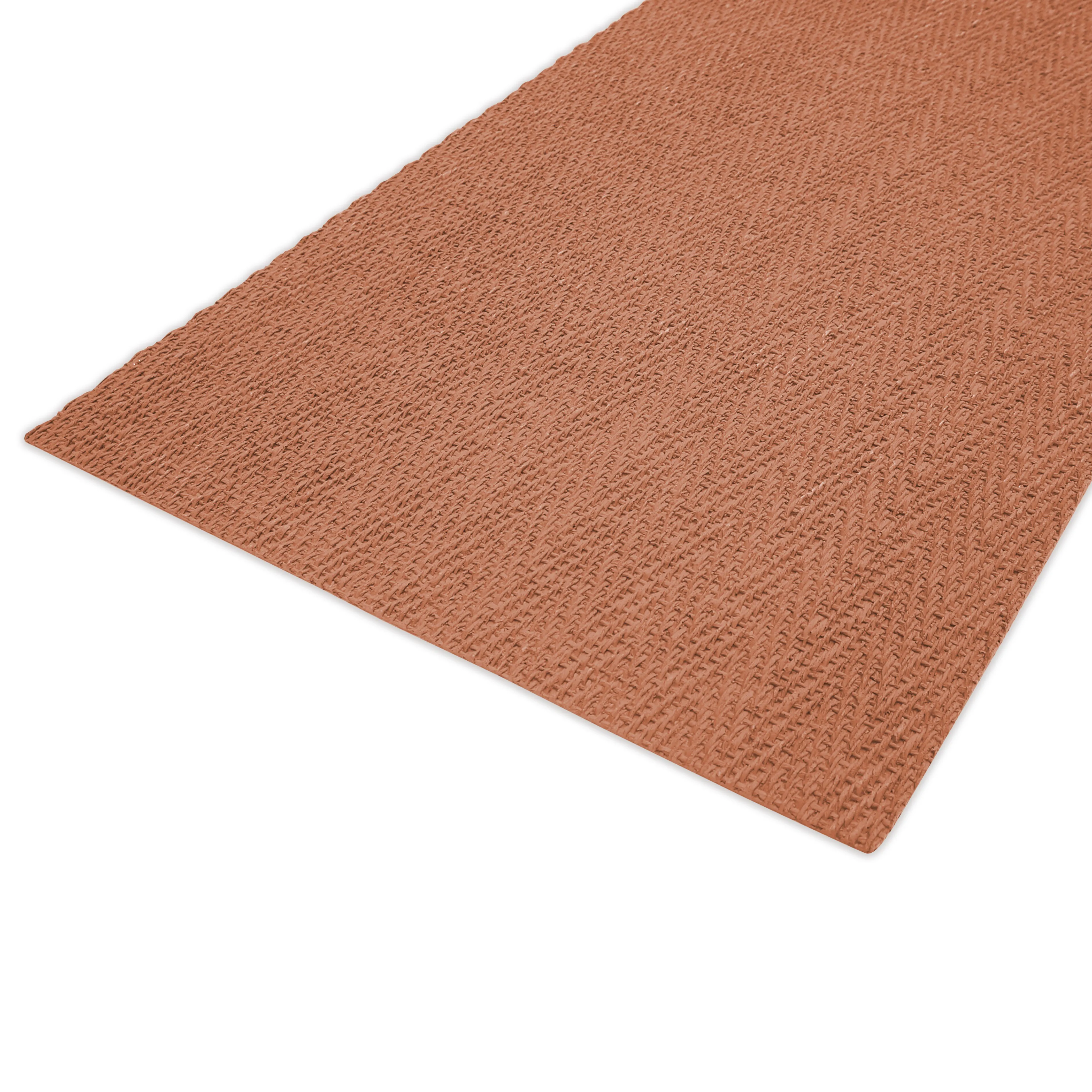
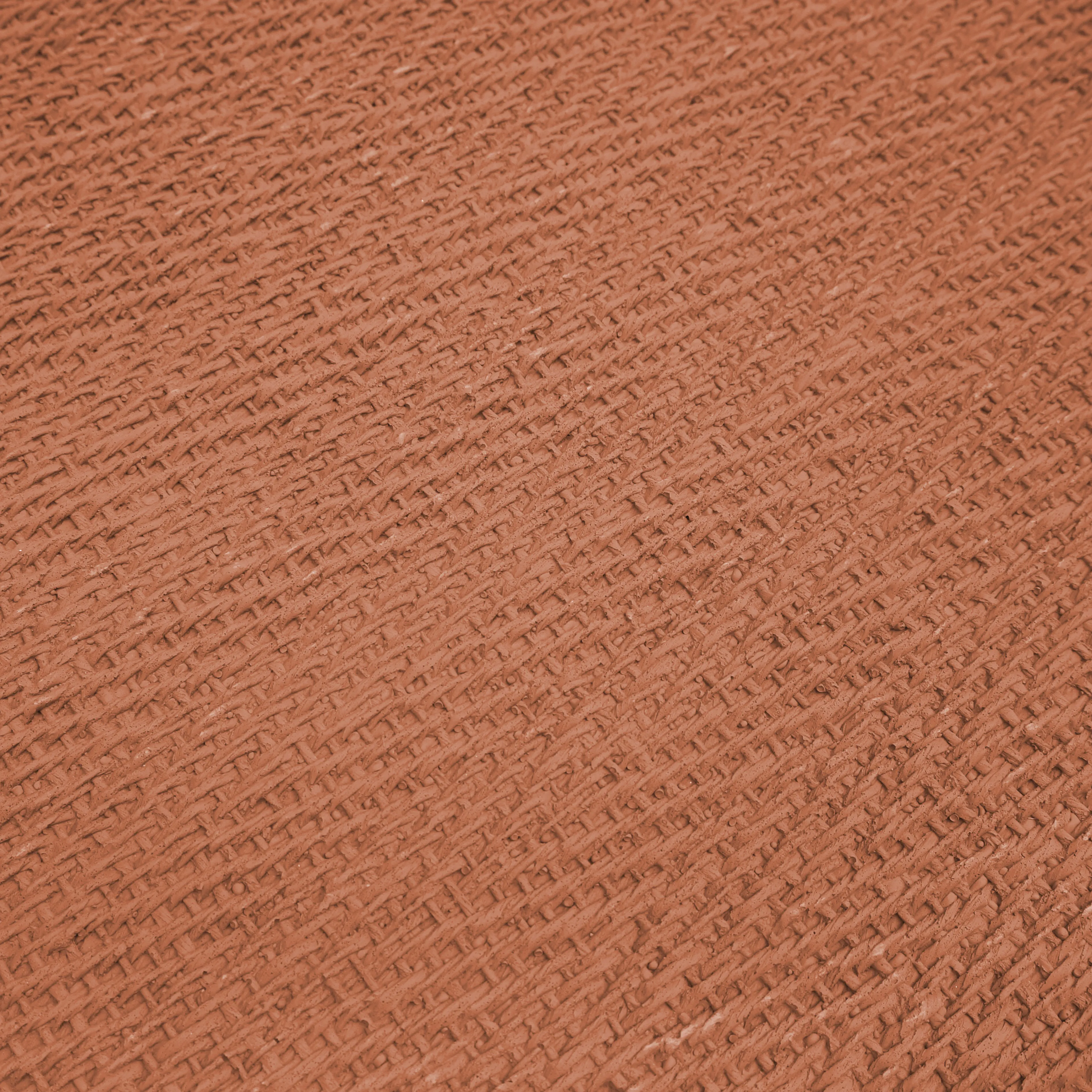
If you've walked through Riyadh's modern districts or Jeddah's coastal developments lately, you've likely noticed a shift in architectural texture. Buildings are no longer just about height—they're about feel . That's where Weaving (Jacinth) MCM comes in. Part of MCM's innovative flexible stone series, Weaving (Jacinth) isn't just a cladding material; it's a bridge between tradition and modernity, with a woven texture that echoes the intricate patterns of Saudi textiles, yet stands up to the Kingdom's unforgiving climate.
But installing it right? That's where the craft comes in. Saudi Arabia's extreme heat, sandstorms, and unique building codes demand more than just following a generic manual. This guide is for the architects, contractors, and installers who want to make Weaving (Jacinth) not just stick—but shine—for decades.
Let's start with the obvious: Saudi Arabia is hot. In summer, temperatures soar above 45°C (113°F), and sandstorms can blast grit into every crevice. Traditional materials like heavy granite or marble often crack under thermal expansion, or their finishes fade under UV radiation. Weaving (Jacinth) MCM, with its lightweight, flexible composite core, is designed to combat these issues—but only if installed with the climate in mind.
Consider this: On a typical July afternoon in Riyadh, the surface of a wall can reach 70°C (158°F). If your adhesive isn't heat-resistant, it will soften, and panels will shift. If you don't account for thermal expansion gaps, the woven texture you love will warp. And let's not forget coastal areas like Jeddah, where humidity and salt air add corrosion risks. This isn't just about "installing a panel"—it's about outsmarting the elements.
You might be thinking: "Why not stick with fair-faced concrete? It's tried and true." Fair-faced concrete has its merits—raw, industrial charm, and durability—but it lacks the warmth of Weaving (Jacinth). Let's break down the key differences for Saudi projects:
| Property | Weaving (Jacinth) MCM | Fair-Faced Concrete | Best For |
|---|---|---|---|
| Weight | ~8kg/m² (lightweight, reduces structural load) | ~240kg/m³ (heavy, requires robust framing) | High-rises, retrofits (Weaving) |
| Heat Resistance | UV-stable, low thermal expansion (ideal for 45°C+ days) | Prone to cracking in extreme temp swings | Desert and coastal regions (Weaving) |
| Installation Time | 30% faster (lightweight, easy to cut/shape on-site) | Slower (requires formwork, curing time) | Tight deadlines (Weaving) |
| Aesthetic Versatility | Woven texture + customizable colors (pairs beautifully with travertine (starry blue) accents) | Limited to raw, uniform finish | Cultural centers, luxury resorts (Weaving) |
The verdict? For projects that blend durability with design—think boutique hotels in Al Ula or residential complexes in Dammam—Weaving (Jacinth) is hard to beat. Its flexibility even makes it suitable for curved surfaces, a plus for modern architectural designs that reject sharp angles.
Weaving (Jacinth) MCM bonds best to clean, flat, and dry surfaces. In Saudi Arabia, sand and dust are constant foes—so start by pressure-washing the substrate (use low pressure to avoid damaging existing structures). Check for cracks, loose mortar, or efflorescence (the white, powdery residue from salt buildup, common in coastal areas). Repair any defects with a high-quality, heat-resistant filler before proceeding.
Pro tip: Test the substrate's moisture content with a meter. In humid regions like Jizan, aim for ≤6% moisture. If it's higher, let it dry for a few days or use a moisture barrier—otherwise, the adhesive will fail.
MCM panels are tough, but they're not indestructible—especially in Saudi heat. Store them in a shaded area, never directly on the ground (use pallets to prevent moisture absorption). If you're working in summer, avoid leaving panels in direct sunlight for hours; the heat can warp the composite core. When transporting, stack them flat (not on their edges) to prevent bending.
And don't forget the adhesive! Use a silicone-based, heat-resistant adhesive rated for temperatures up to 80°C (most standard adhesives fail above 60°C). We recommend brands like Sika or Mapei, which are widely available in Riyadh and Doha.
Installing MCM in the middle of a summer afternoon is a recipe for disaster—for both workers and materials. Schedule installation during cooler hours: early morning (6–10 AM) or late afternoon (4–7 PM). This keeps the adhesive from curing too quickly and reduces the risk of heat exhaustion. Trust us, rushing through installation at noon to beat the heat will only lead to rework later.
Weaving (Jacinth) MCM cuts cleanly with a circular saw fitted with a diamond-tipped blade (for straight cuts) or a jigsaw (for curves). Mark your cuts with a pencil and straightedge—precision here ensures panels align perfectly, hiding seams. For intricate patterns (like around windows or arches), create a paper template first to avoid mistakes.
Safety first: Wear goggles and a dust mask when cutting—MCM dust is fine, and inhaling it isn't pleasant. Also, keep a bucket of water nearby to cool the blade; overheating can melt the composite core.
Apply the adhesive in a "comb" pattern using a notched trowel (6mm notches work best for Weaving (Jacinth)). This ensures full contact between the panel and substrate. Cover 100% of the back of the panel—gaps mean weak spots, which will fail under thermal stress. Avoid "dotting" the adhesive; that's a rookie mistake that leads to panel detachment.
Work in small sections (1–2 panels at a time) so the adhesive doesn't dry out before you place the panel. In hot, dry weather, the open time (how long the adhesive stays sticky) can be as little as 5 minutes—so move quickly but carefully.
Once the adhesive is applied, position the panel carefully. Use spacers (3–5mm) between panels to allow for thermal expansion—critical in Saudi Arabia, where day-night temperature swings can be 20°C. Press the panel firmly, starting from the center and working outward to squeeze out air bubbles. Use a rubber mallet to tap gently (don't pound!) for full adhesion.
For high-rise installations or areas with strong winds (like coastal Jeddah), add mechanical fasteners (stainless steel screws) along the edges for extra security. Pre-drill holes in the panel to avoid cracking, and countersink the screws so they don't protrude.
If you're using grout between panels (common for a seamless look), choose a sanded, heat-resistant grout in a color that complements Weaving (Jacinth)'s earthy tones. Apply it with a rubber float, then wipe away excess with a damp sponge before it dries. For a more modern, gapless look, skip grout and use the spacers to create clean, uniform joints.
Finally, clean the panels with a soft cloth and mild soapy water to remove adhesive smudges or dust. Avoid harsh cleaners (like bleach) or abrasive pads—they'll scratch the woven texture.
The beauty of MCM is its low maintenance—but "low" doesn't mean "none." In Saudi Arabia, sand and dust will accumulate on the woven texture, dulling its appearance over time. Here's how to keep it looking fresh:
Weaving (Jacinth) isn't just functional—it's a design statement. Pair it with complementary materials to elevate your project:
Remember, in Saudi architecture, texture tells a story. Weaving (Jacinth)'s pattern isn't just decorative—it's a nod to the Kingdom's weaving heritage, making it more than a cladding material; it's a piece of cultural identity.
Installing Weaving (Jacinth) MCM in Saudi Arabia isn't just about following steps—it's about understanding the land, the climate, and the people who will interact with the space. By prioritizing preparation, using the right materials, and respecting the rhythm of the Saudi workday, you'll create installations that stand strong against heat, sand, and time.
So, the next time you're on-site, remember: every panel you place isn't just a piece of cladding. It's a promise of durability, a celebration of design, and a testament to the skill of Saudi construction professionals. Weaving (Jacinth) MCM doesn't just cover walls—it weaves stories into the very fabric of the Kingdom's built environment.
Recommend Products












