
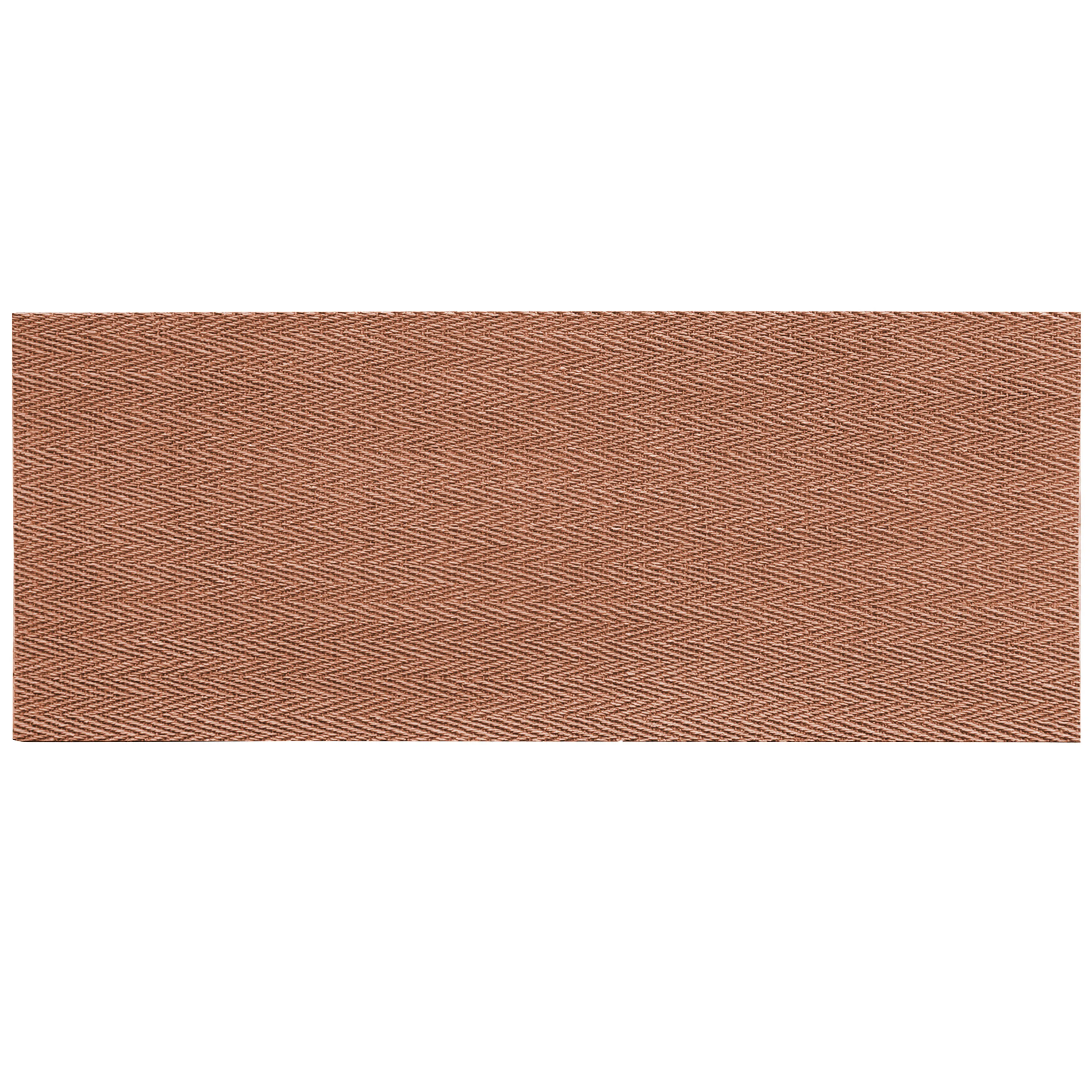
There's something uniquely inviting about the texture of Weaving (Jacinth) MCM panels. Whether they're cladding a modern home, a boutique café, or a commercial lobby, their warm, woven pattern adds depth and character that few materials can match. But like any exterior feature exposed to sun, rain, wind, and the occasional bird dropping, these panels need a little TLC to stay looking their best. As part of the broader MCM flexible stone family—a line known for blending durability with design versatility—Weaving (Jacinth) panels are built to last, but they're not invincible. Let's dive into how to keep them vibrant, clean, and protected for years to come.
First, it helps to know what you're working with. Weaving (Jacinth) is crafted from modified composite materials, a hallmark of MCM flexible stone technology. Unlike heavier natural stones like travertine or granite portoro, MCM panels are lightweight, flexible, and resistant to cracking—qualities that make them ideal for exterior use. But their surface, with its intricate woven texture, can trap dust, pollen, and grime in nooks and crannies if not cleaned regularly. Think of it like a favorite sweater: beautiful, but prone to collecting lint if you don't care for it.
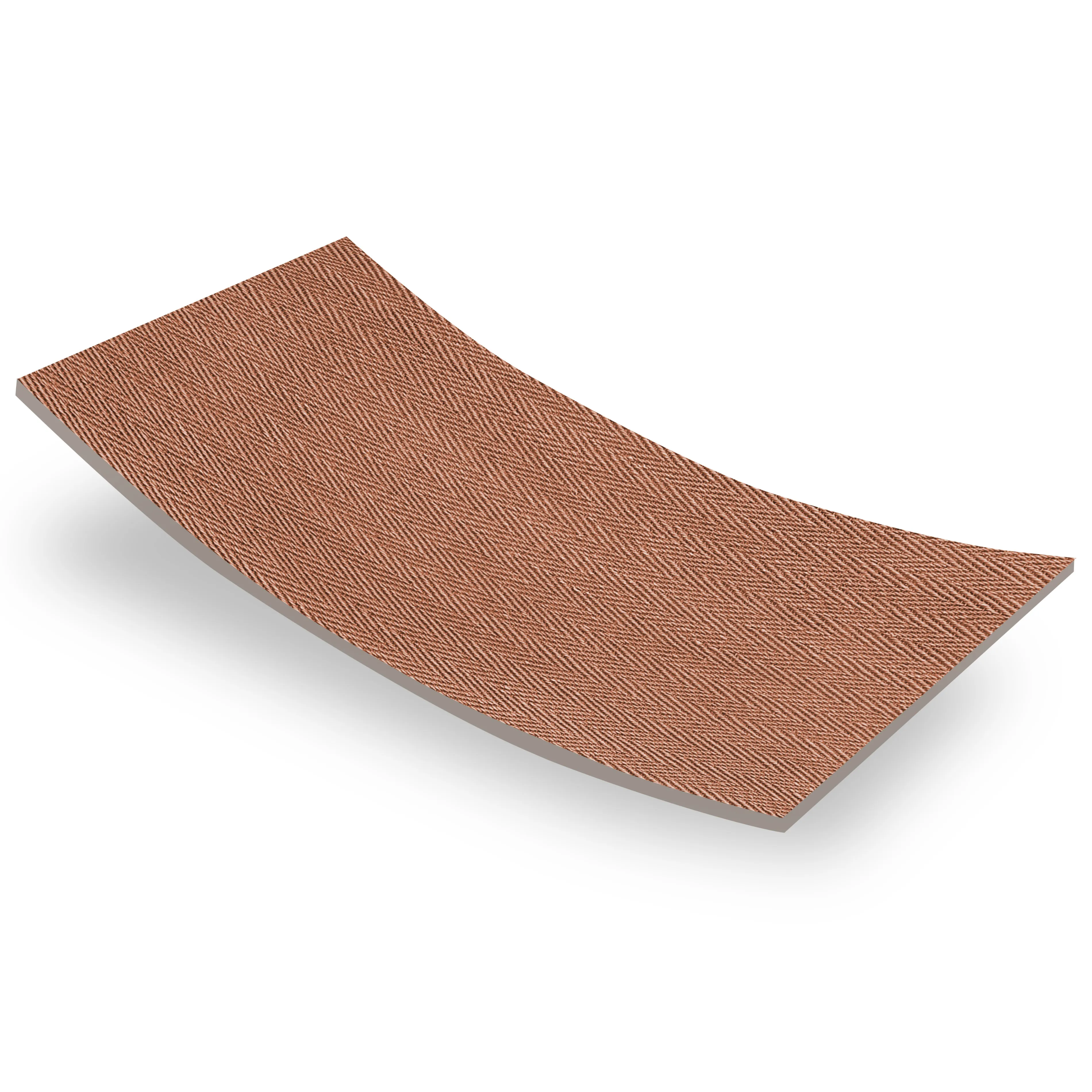
You wouldn't wait for your car to be caked in mud before washing it, right? The same logic applies here. Regular light cleaning prevents buildup that can become harder to remove later. Here's how to do it:
Weekly Dusting: Grab a soft-bristled brush or a microfiber cloth and gently sweep away loose dirt, cobwebs, and pollen. Pay extra attention to the "weaves"—those tiny crevices where dust loves to hide. A long-handled duster works great for hard-to-reach areas near the roof or high walls.
Monthly Rinse: Once a month, give the panels a quick rinse with a garden hose. Use a low-pressure setting—high pressure can force water into seams or damage the surface. Hold the hose at a 45-degree angle to the panels, moving in gentle, sweeping motions. This mimics a light rain shower and washes away surface grime without fuss.
Pro Tip: Avoid using a pressure washer unless the manufacturer specifically recommends it. Even then, keep the pressure below 1,500 PSI and hold the nozzle at least 12 inches away. For comparison, fair-faced concrete might tolerate higher pressure, but MCM's composite surface is more sensitive.
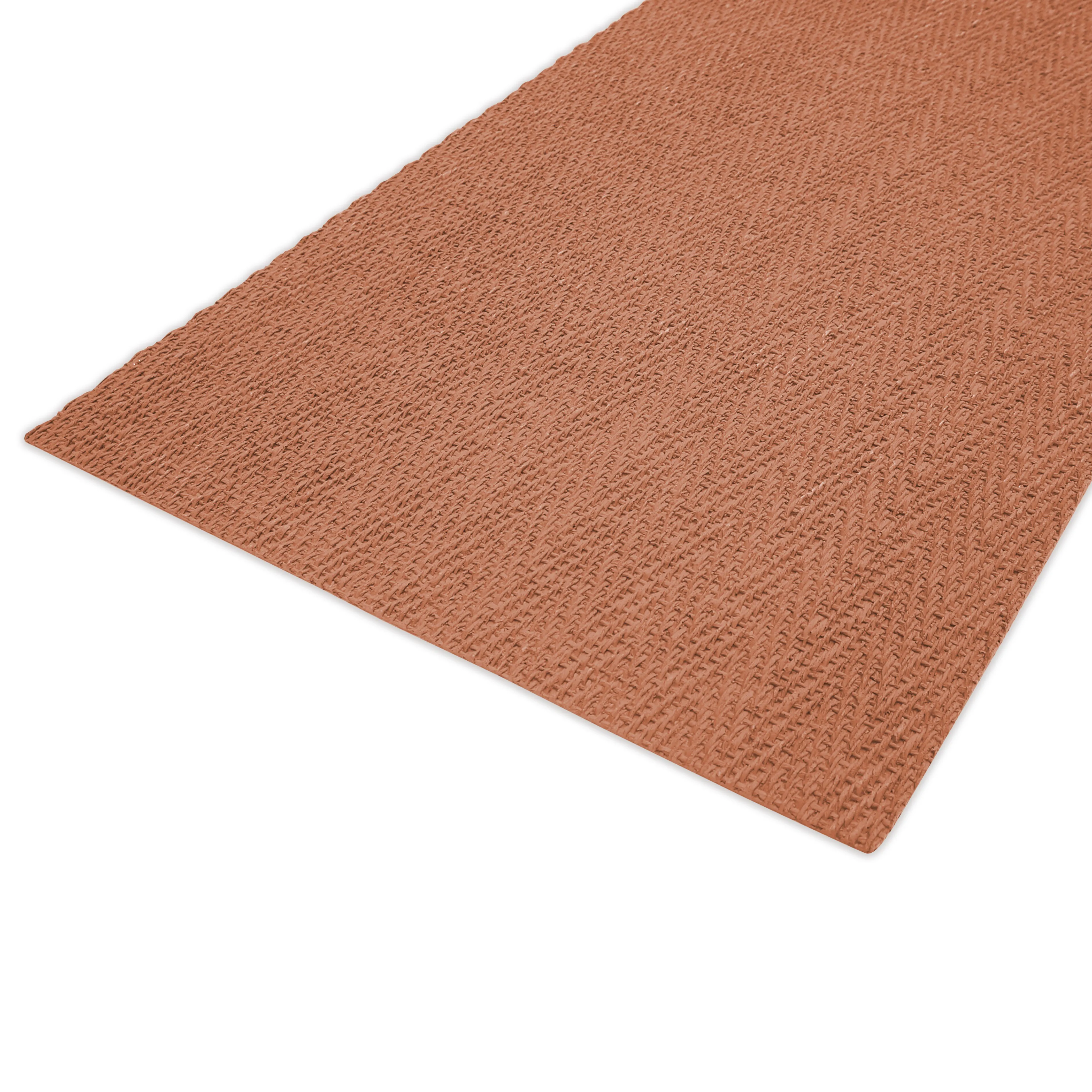
Every 6 months (or more often if you live in a dusty area or near a busy road), it's time for a deeper clean. This tackles stubborn dirt, mildew, or stains that regular rinsing misses. Here's your step-by-step guide:
1. Gather Your Supplies: You'll need a bucket of warm water, a mild, pH-neutral detergent (avoid bleach, ammonia, or acidic cleaners like vinegar—they can discolor or degrade the panel surface), a soft sponge or non-abrasive cloth, and a second bucket for rinsing.
2. Test First: Always test your cleaner on a small, inconspicuous area (like the bottom corner of a panel) to make sure it doesn't cause discoloration. Wait 10 minutes, rinse, and check before proceeding.
3. Scrub Gently: Dip the sponge in the soapy water and gently scrub the panels in circular motions. Focus on areas with visible grime, but don't press too hard—you don't want to scratch the surface. For the woven texture, a soft-bristled brush (like an old toothbrush) can help reach into tight spots without damaging the material.
4. Rinse Thoroughly: After scrubbing a section (about 3x3 feet at a time), rinse immediately with clean water from your hose or a bucket. Leaving soap residue can attract more dirt later, so don't skip this step.
5. Dry (Optional): For a streak-free finish, wipe the panels with a clean microfiber cloth. This is especially helpful if you're cleaning on a hot, sunny day, as water spots can form quickly.

Cleaning keeps your panels looking good, but sealing adds a protective barrier against UV rays, moisture, and stains. Think of it like applying sunscreen to your skin—it doesn't just make you look better; it prevents long-term damage. Here's what to know:
Choose the Right Sealer: Look for a water-based, breathable sealer specifically formulated for MCM products. Avoid solvent-based sealers, which can yellow over time or react with the composite material. Your supplier might recommend a brand, but options like "MCM Shield" or "FlexStone Sealer" are widely available.
When to Seal: New panels should be sealed 3–6 months after installation to allow any residual moisture to evaporate. After that, reseal every 1–2 years, depending on climate. If you live in a coastal area with salt spray or a region with heavy rainfall, aim for the 1-year mark. In drier, mild climates, 2 years might suffice.
Application Tips: Apply sealer on a dry, overcast day (avoid direct sun, which can cause the sealer to dry too quickly). Use a foam roller or a soft brush to apply an even coat, working in small sections. Let it dry completely (check the product label for dry time—usually 2–4 hours) before applying a second coat if needed. Unlike porous stones like travertine (starry blue) or dolomitic travertine (dark grey), MCM panels don't absorb sealer deeply, so a thin, even layer is enough.
Even with regular cleaning, stains happen. Here's how to handle the most common culprits:
Oil-Based Stains (Grease, Cooking Oil): Blot up excess oil with a paper towel, then mix a few drops of dish soap with warm water. Gently scrub the area with a sponge, rinse, and dry. For tough stains, a paste of baking soda and water can help lift the oil—let it sit for 10 minutes before rinsing.
Organic Stains (Bird Droppings, Leaves, Berries): These are acidic and can discolor panels if left too long. Mix equal parts water and hydrogen peroxide (3%) in a spray bottle, spritz the stain, and let it sit for 5 minutes. Blot with a clean cloth, then rinse thoroughly. Test peroxide on a hidden spot first to avoid bleaching.
Rust Stains: Rust from metal fixtures or hardware can leave orange streaks. Use a commercial rust remover designed for composite materials (avoid those with hydrofluoric acid, which is too harsh). Apply a small amount to a cloth, dab the stain, and rinse immediately—don't let it sit longer than the label recommends.
Mold or Mildew: In humid areas, mold can take hold in shaded spots. Mix 1 part white vinegar (yes, vinegar is safe here, but only for mold!) with 4 parts water, spray the area, and let it sit for 15 minutes. Scrub gently with a brush, then rinse. Vinegar's acidity kills mold spores without damaging the panel.
Your maintenance routine should shift with the seasons to address specific challenges:
Spring: Pollen and tree sap are everywhere. Increase dusting to 2–3 times a week, and do a deep clean by mid-spring to remove winter grime. Inspect for cracks or loose panels—winter freezes can sometimes loosen seams.
Summer: UV rays are intense, so make sure your sealer is fresh. Rinse panels more often if you're in a dry, dusty area, and avoid cleaning during the hottest part of the day to prevent water spots.
Fall: Leaves, acorns, and debris can clog the woven texture. Rake or sweep fallen leaves promptly, and do a deep clean before winter to remove mold-friendly organic matter.
Winter: If you live in a region with snow or ice, avoid using salt or de-icers near the panels—they can cause discoloration. Instead, shovel snow gently (use a plastic shovel to avoid scratches) and use sand for traction if needed.
| Task | Frequency | Tools/Supplies |
|---|---|---|
| Dust/Brush Surface | Weekly | Soft-bristled brush, microfiber cloth |
| Hose Rinse | Monthly | Garden hose (low pressure) |
| Deep Clean | Every 6 months | pH-neutral detergent, soft sponge, bucket |
| Seal Panels | Every 1–2 years | Water-based MCM sealer, foam roller |
| Inspect for Damage | Quarterly | Visual check (look for cracks, loose edges) |
Let's be honest—maintenance can feel like a chore. But think about it: You invested in Weaving (Jacinth) panels because they look amazing. Regular care ensures they keep contributing to your space's curb appeal (or interior vibe, if used indoors). Plus, by preventing grime buildup and protecting against UV damage, you're extending the life of the panels. Unlike, say, wood grain board or bamboo mat board, which might fade or warp over time, MCM flexible stone is designed to age gracefully—but only with a little help from you.
Caring for Weaving (Jacinth) MCM panels isn't about perfection—it's about consistency. A quick brush here, a rinse there, and an annual sealing session will go a long way. And when you step back and admire those rich, woven textures shining in the sunlight, you'll know it's worth it. After all, great design deserves great care.
So grab your brush, fill your bucket, and give your panels the attention they deserve. Your future self (and your home or business) will thank you.
Recommend Products












