
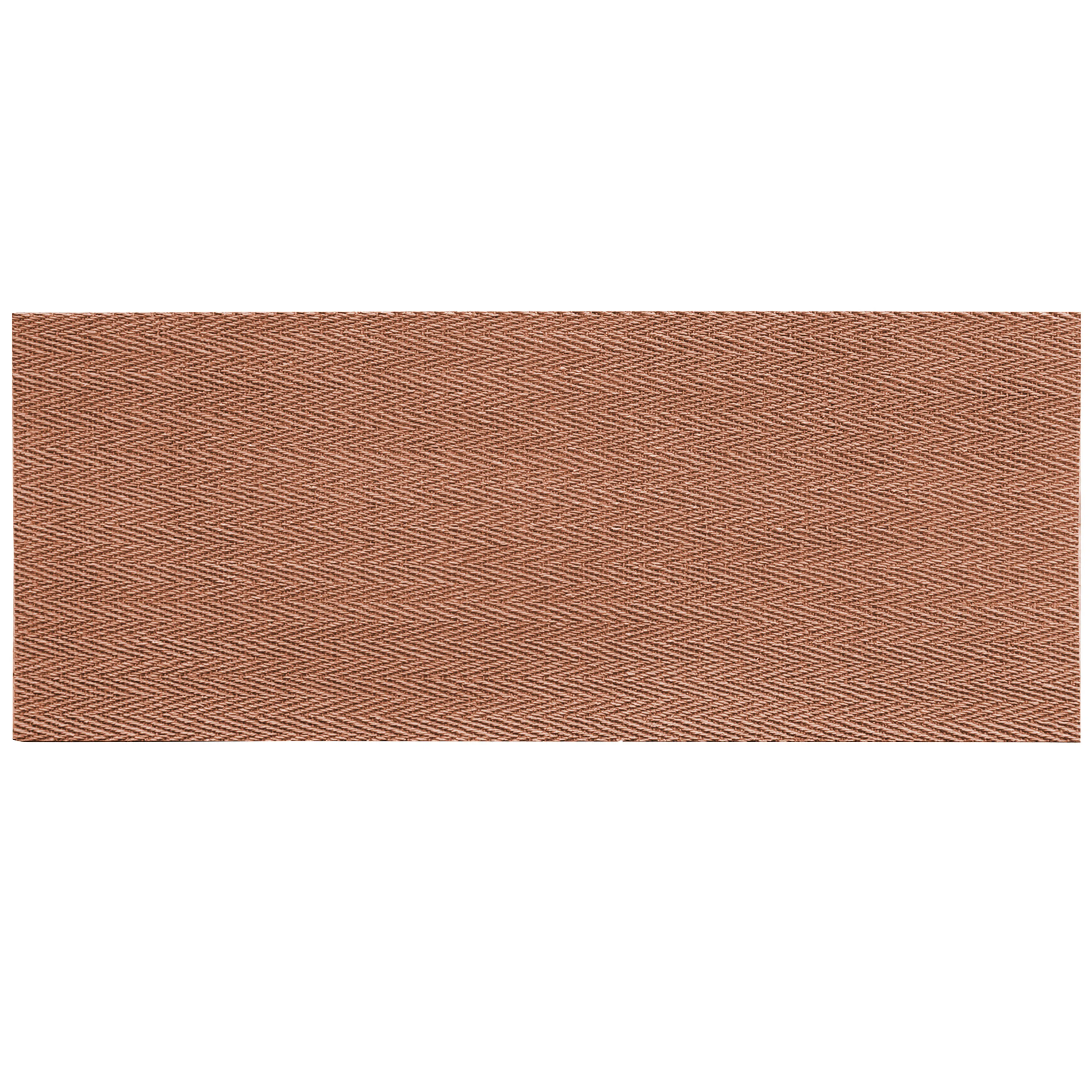
Where Artistry Meets Architectural Strength
Building materials are the silent storytellers of our built world. They don't just hold up walls or cover floors—they cradle our memories, shape our daily experiences, and whisper tales of craftsmanship. For architects and designers, the quest has always been the same: to find materials that don't just function , but breathe . Materials that balance the unyielding demands of structural integrity with the soft, human desire for beauty. In this dance between strength and aesthetics, the MCM Project Board Series has emerged as a game-changer, and at its heart lies a standout: Weaving (Jacinth).
Before diving into the specifics of Weaving (Jacinth), it's worth pausing to appreciate the innovation that is MCM—Modified Composite Material. Unlike traditional stone or concrete, MCM is a marvel of engineering: a blend of natural minerals, polymers, and fibers that results in a material that's lightweight, flexible, and remarkably durable. The MCM Project Board Series takes this a step further, offering a spectrum of textures and finishes that cater to the most ambitious design visions. From the geometric precision of the 3D Printing Series to the organic flow of Flexible Stone, and the grand scale of Big Slab Board, MCM has redefined what architects can dream up.
What makes MCM truly revolutionary is its ability to mimic the look and feel of natural materials—stone, wood, metal—without their inherent drawbacks. Heavy marble slabs that require cranes to install? Not with MCM. Brittle concrete that cracks under stress? MCM bends, not breaks. And in this diverse family, Weaving (Jacinth) stands out as a material that doesn't just look handcrafted; it feels like it was woven with intention, one thread at a time.
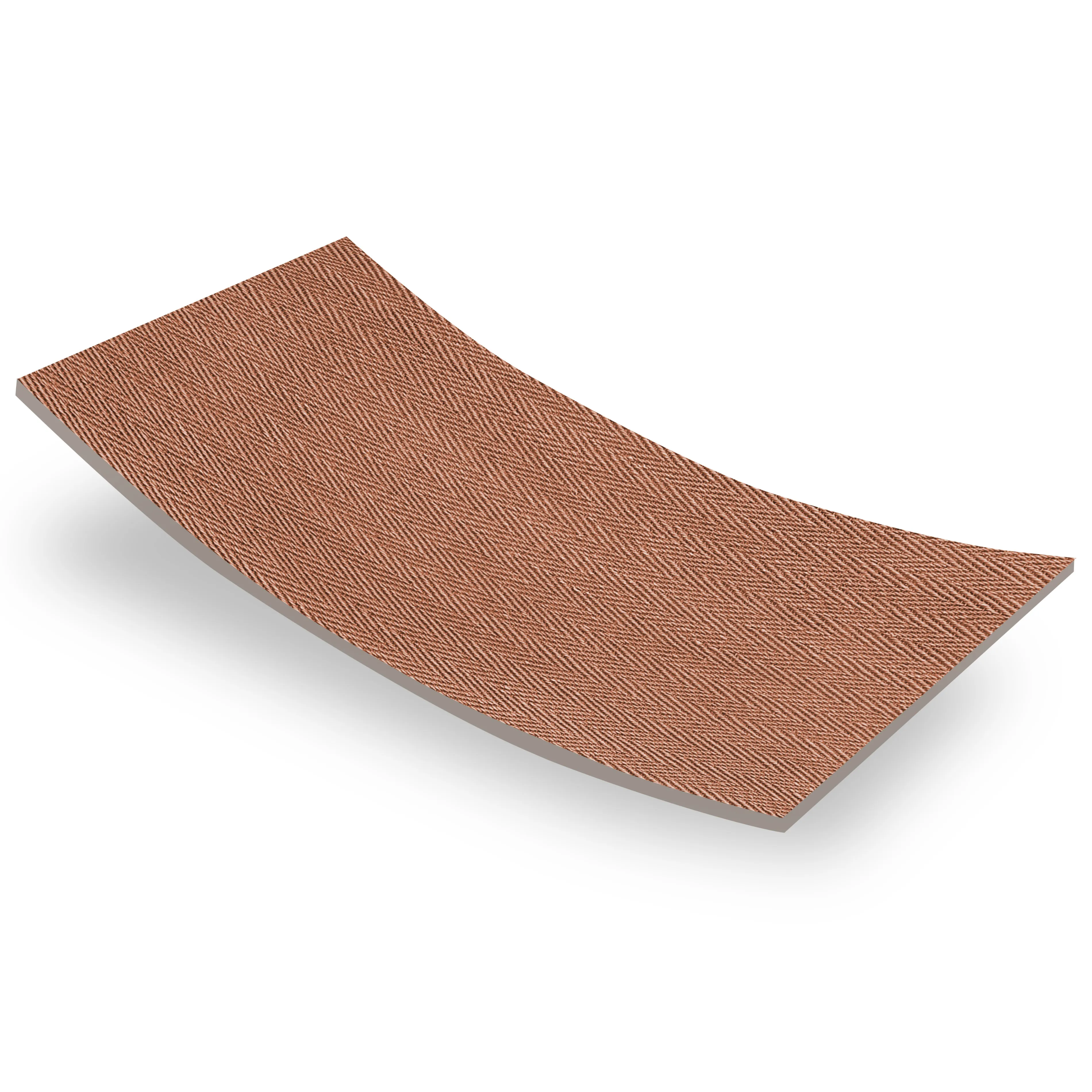
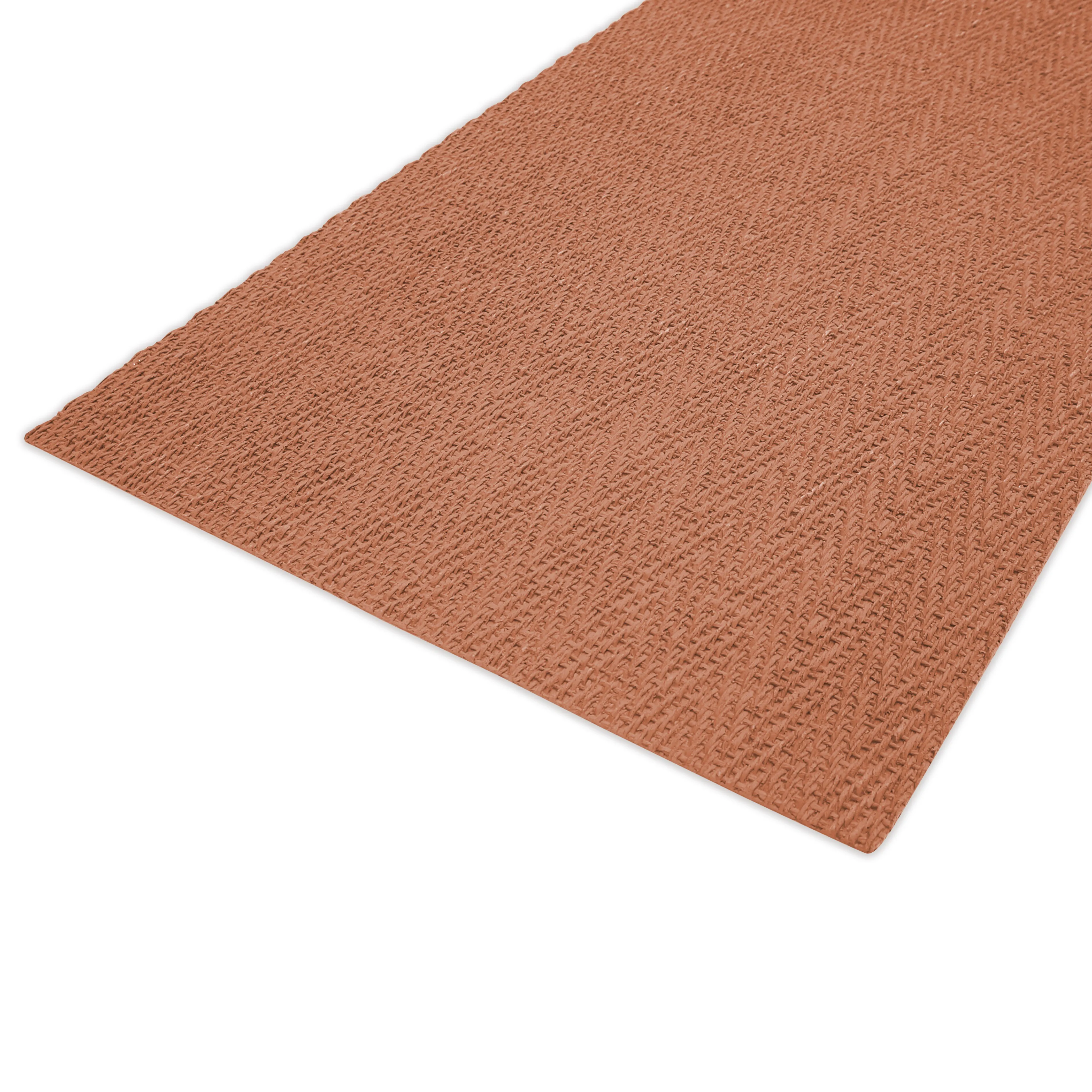
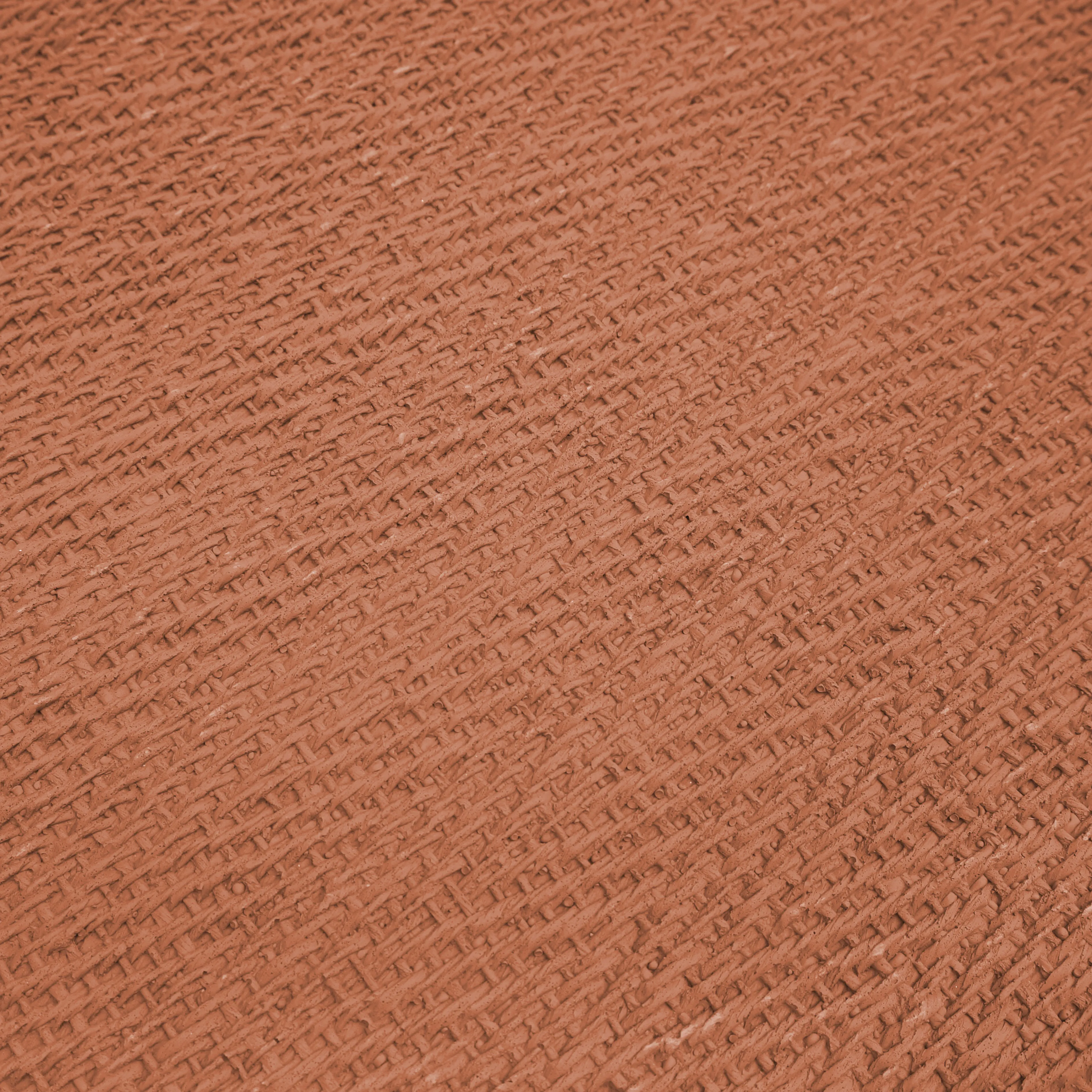
Close your eyes for a moment and picture a handwoven tapestry—intricate, warm, alive with the imperfections that make it human. Now, imagine that texture translated into stone. That's Weaving (Jacinth). Its surface is a dance of raised and recessed lines, mimicking the crisscross of threads in a well-loved textile, dyed in a rich jacinth hue that shifts from deep amber to soft terracotta in different lights. It's not just a surface ; it's a feeling —the comfort of a woven blanket, the craftsmanship of a artisanal rug, but rendered in a material built to withstand the elements.
Designers often talk about "tactile architecture"—spaces that invite touch, that engage more than just the eyes. Weaving (Jacinth) embodies that. Run a hand over its surface, and you'll feel the gentle peaks and valleys of the weaving pattern, a stark contrast to the cold smoothness of polished marble or the harsh grit of rough concrete. In a world of sterile minimalism, it adds warmth, depth, a sense of history. It's the kind of material that makes a lobby feel like a living room, a restaurant wall feel like a storybook, a home exterior feel like a hug.
But here's the twist: beneath that soft, woven aesthetic lies a core of surprising strength. Weaving (Jacinth) isn't just pretty—it's a workhorse. And that's where its load-bearing capacity comes into play, turning it from a decorative accent into a structural star.
When architects talk about load-bearing capacity, they're talking about a material's ability to support weight—its own, the weight of other structures, and the stresses of daily life (wind, rain, foot traffic). For too long, "decorative" materials have been sidelined here; they're stuck on non-structural walls or used as thin veneers, their beauty confined to surfaces that don't need to do much. Weaving (Jacinth) flips that script. Its load-bearing capacity isn't an afterthought—it's engineered into its DNA.
Let's get technical (but not too technical). Weaving (Jacinth) boasts a compressive strength of 35 MPa (megapascals)—that's the pressure it can handle before it starts to crack. For context, standard fair-faced concrete, a staple in structural work, typically ranges from 20–40 MPa. So Weaving (Jacinth) isn't just keeping up; it's competing. Its flexural strength—how well it bends without breaking—is equally impressive: 8 MPa, far higher than many traditional stone veneers, which often hover around 3–5 MPa. That means it can span longer distances, curve around corners, even be used in overhead applications like ceiling panels, without requiring bulky support structures.
But numbers only tell part of the story. What matters is what those numbers enable . Take, for example, a boutique hotel in Barcelona that wanted a feature wall spanning three floors. The design called for a material that was lightweight (to avoid overloading the building's frame), visually striking (to welcome guests), and strong enough to support its own weight over 20 feet. Traditional options? Heavy stone would have required steel brackets every few feet, cluttering the design. Thin porcelain veneer would have looked flat, lacking the texture the designer wanted. Weaving (Jacinth) solved both problems: at just 8mm thick and weighing 12 kg/m² (compared to natural stone's 25–30 kg/m²), it was light enough for the structure, and its 35 MPa compressive strength meant it could span the height without additional support. The result? A sweeping, woven-inspired wall that feels both grand and intimate, a testament to what happens when strength and beauty walk hand in hand.
| Material | Load-Bearing Capacity (Compressive Strength, MPa) | Weight (kg/m²) | Flexibility (Max Deflection, mm) | Fire Rating | Water Resistance |
|---|---|---|---|---|---|
| Weaving (Jacinth) MCM | 35 | 12 | 15 | A1 (Non-Combustible) | 98% (Water Absorption < 2%) |
| Fair-Faced Concrete | 20–40 | 240 | 3 | A1 | 95% (Absorption 4–8%) |
| Foamed Aluminium Alloy Board (Vintage Gold) | 28 | 8 | 20 | A1 | 99% |
| Wood Grain Board MCM | 25 | 10 | 12 | B1 (Flame-Retardant) | 96% |
The table tells a clear story: Weaving (Jacinth) holds its own against structural stalwarts like fair-faced concrete while being significantly lighter and more flexible. It matches the fire safety of foamed aluminium (both A1-rated, non-combustible) and outperforms wood grain MCM in compressive strength. For architects, this means freedom—freedom to design larger, bolder, more expressive spaces without compromising on safety or practicality.
So where does Weaving (Jacinth) actually get used? The answer is: just about anywhere. Its versatility makes it a favorite in commercial, residential, and hospitality projects alike. Here are a few standout examples:
In each case, the material's load-bearing capacity isn't just a technical spec—it's the reason the design was possible. Without it, that curved co-working wall would have needed internal steel framing, ruining the clean lines. That beach house exterior would have required thicker, heavier stone, driving up costs and installation time. Weaving (Jacinth) doesn't just fit into designs; it enables them.
Architects and designers don't just choose materials—they build relationships with them. And Weaving (Jacinth) fosters a unique connection because it speaks to both the technical and emotional sides of design. "It's rare to find a material that makes my engineering team happy and my clients cry," says Maria Gonzalez, a principal architect in Madrid. "With Weaving (Jacinth), the engineers love its load-bearing numbers, and the clients love how it feels—how it turns a space from 'nice' to 'meaningful.'"
Part of that connection is the material's versatility with other MCM series. Pair it with the sleek, metallic finish of Foamed Aluminium Alloy Board (Vintage Gold) for a modern, industrial look, or with the earthy tones of Gobi Panel for a desert-inspired aesthetic. Mix it with MCM 3D Printing Series pieces for a textured, layered effect—the possibilities are endless. And because all MCM materials are designed to work together, installation is seamless, saving time and reducing waste.
There's also the sustainability angle. MCM is eco-friendly by design: it uses recycled materials in its composition, requires less energy to produce than traditional stone, and its lightweight nature reduces transportation emissions. For designers prioritizing green building practices, Weaving (Jacinth) checks that box too, proving that beauty and responsibility can go hand in hand.
The MCM story is just getting started, and Weaving (Jacinth) is at the forefront of its evolution. The MCM 3D Printing Series, for example, is pushing the boundaries of what's possible with texture and form, allowing for custom, complex patterns that were once impossible to mass-produce. Imagine combining the weaving texture of Jacinth with 3D-printed geometric accents—suddenly, walls become canvases, and every surface tells a unique story.
As technology advances, we'll likely see even higher load-bearing capacities, even more sustainable production methods, and even more colorways (could we see Weaving in Rona Yellow or Starry Blue next?). But for now, Weaving (Jacinth) stands as a testament to what MCM does best: blend the best of nature and engineering, the tactile and the technical, the beautiful and the strong.
Building materials are more than just parts of a structure. They're collaborators. They listen to the architect's vision, adapt to the builder's needs, and ultimately, shape how we experience the world around us. Weaving (Jacinth) is that kind of collaborator. It's not just a board, not just a veneer—it's a material with a personality: warm, resilient, unapologetically human.
So the next time you walk into a space and feel that subtle pull—the urge to touch a wall, to linger in a room, to appreciate the thought that went into every detail—chances are, there's a material like Weaving (Jacinth) behind it. A material that doesn't just support the structure, but supports the feeling of the space. That's the magic of MCM. That's the magic of Weaving (Jacinth).
Recommend Products












