
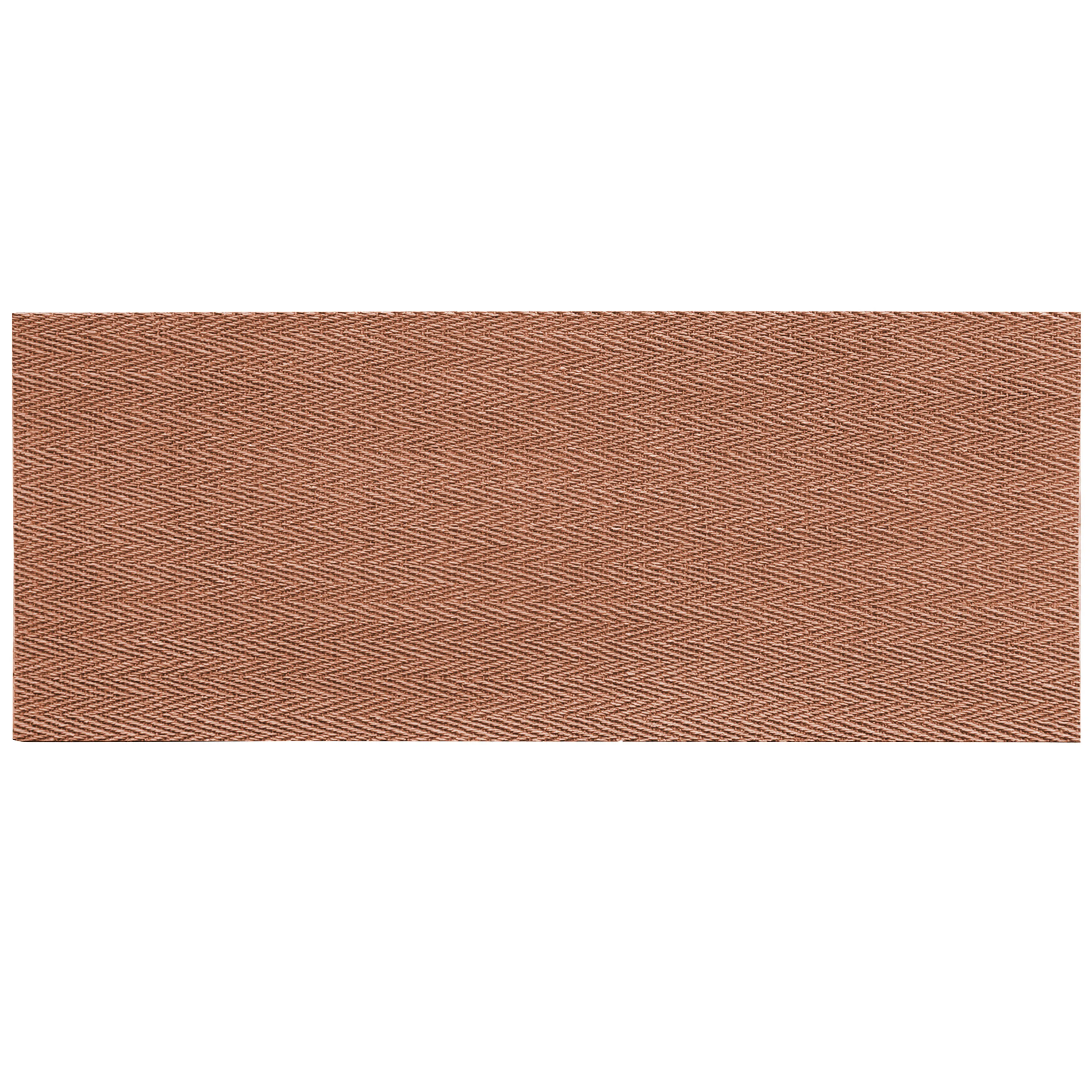
Walk into any architectural firm today, and you'll hear the same buzzword echoing through the halls: net-zero . It's not just a trend—it's a mandate. As cities grapple with climate change, builders and designers are racing to create structures that produce as much energy as they consume, slashing carbon footprints to near zero. But here's the catch: net-zero goals don't just demand energy-efficient systems; they require a rethink of the materials we build with. Heavy, carbon-intensive options like traditional stone or concrete are increasingly off the table. Enter Weaving (Jacinth) MCM—a material that's quietly rewriting the rules of sustainable construction.
Let's start with the basics: net-zero construction isn't just about solar panels or energy-efficient windows. A building's embodied carbon —the carbon emitted during the extraction, production, transport, and installation of its materials—can account for up to 30% of its total carbon footprint. For example, traditional concrete production alone is responsible for 8% of global CO₂ emissions. And that's before you factor in the fuel used to haul heavy stone slabs to job sites or the labor hours spent installing them.
Architects and contractors are stuck between a rock and a hard place: they need materials that are durable, aesthetically pleasing, and low-carbon. Traditional options often force tradeoffs—like choosing between the beauty of natural travertine and the sustainability of… well, not much. That's where Modified Composite Material (MCM) steps in, and Weaving (Jacinth) MCM is leading the charge.
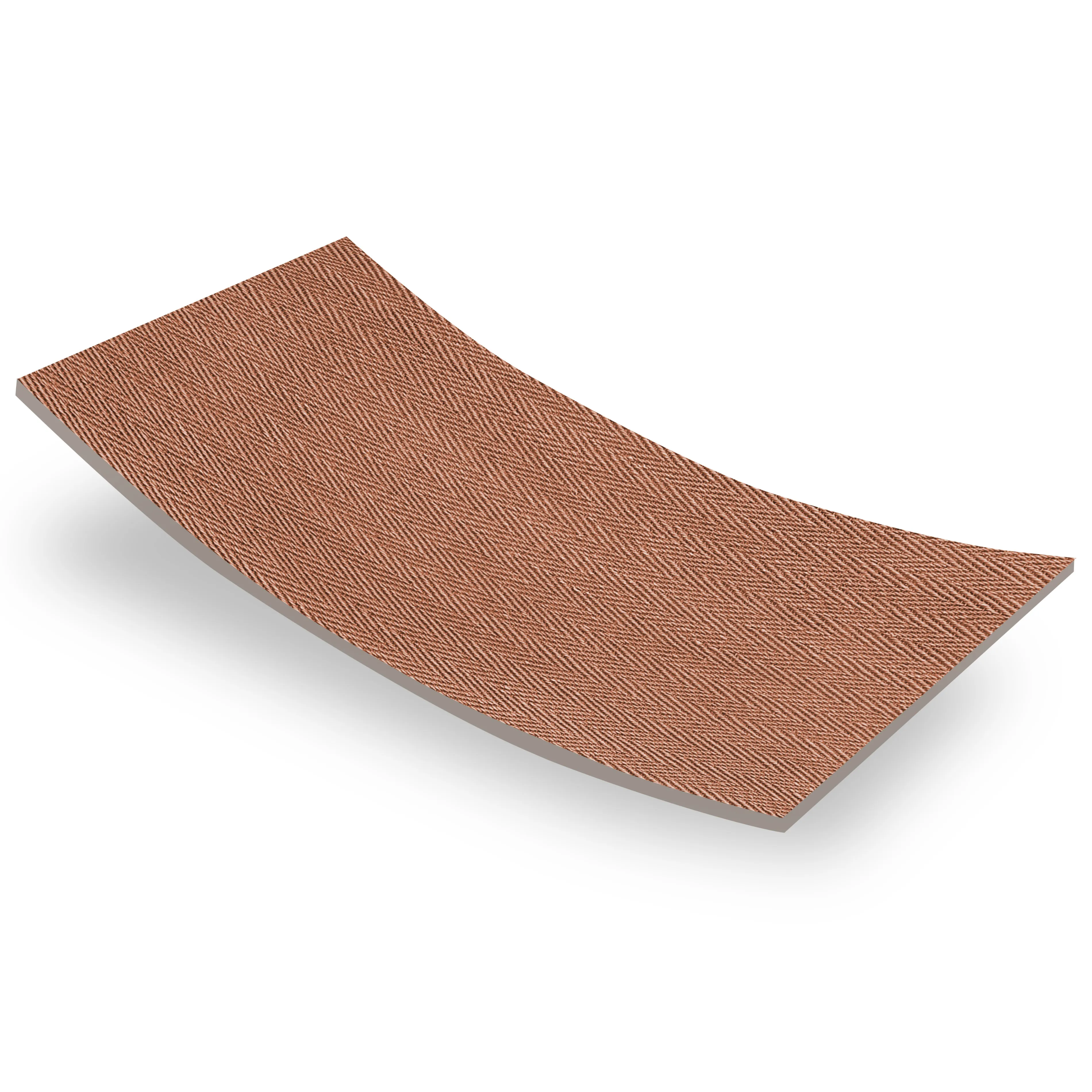
MCM, or Modified Composite Material, is a game-changer in the construction world. Think of it as nature and technology shaking hands: it's made by blending natural minerals (like limestone or marble dust) with recycled polymers and fibers, creating a material that's lightweight, flexible, and—most importantly—sustainable. Unlike traditional stone, which is mined and cut, MCM is engineered to mimic the look and feel of natural materials without the environmental cost.
Weaving (Jacinth) MCM is a standout variant in this family. Its name hints at its texture: a subtle, woven pattern that adds depth and warmth to surfaces, paired with a rich jacinth hue (think deep terracotta with golden undertones) that feels both timeless and modern. But its beauty is more than skin deep. Let's break down what makes it a star in net-zero projects.
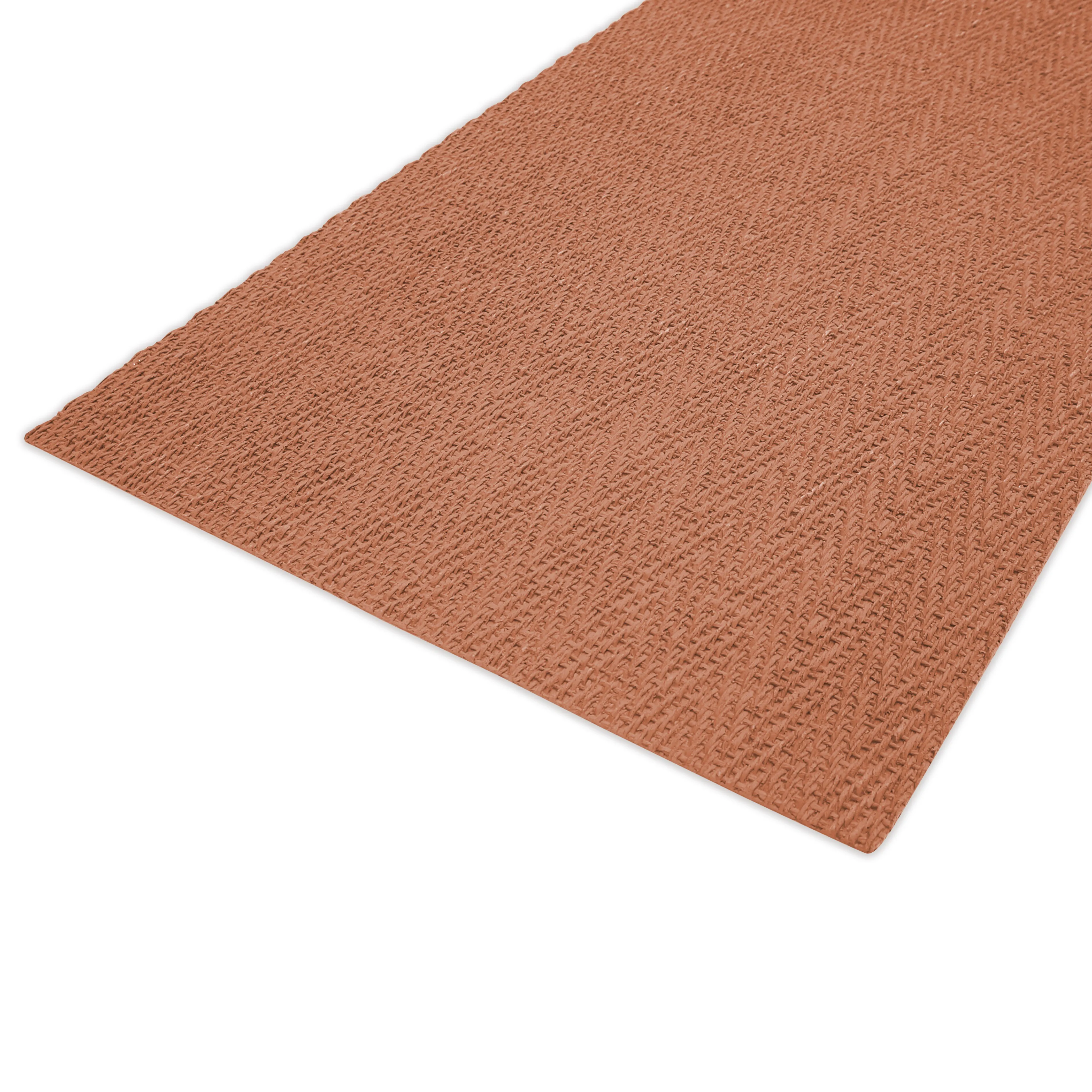
At first glance, you might mistake Weaving (Jacinth) MCM for high-end natural stone. Run your hand over it, though, and you'll notice the difference: it's lighter, more flexible, and surprisingly resilient. Here's why that matters:
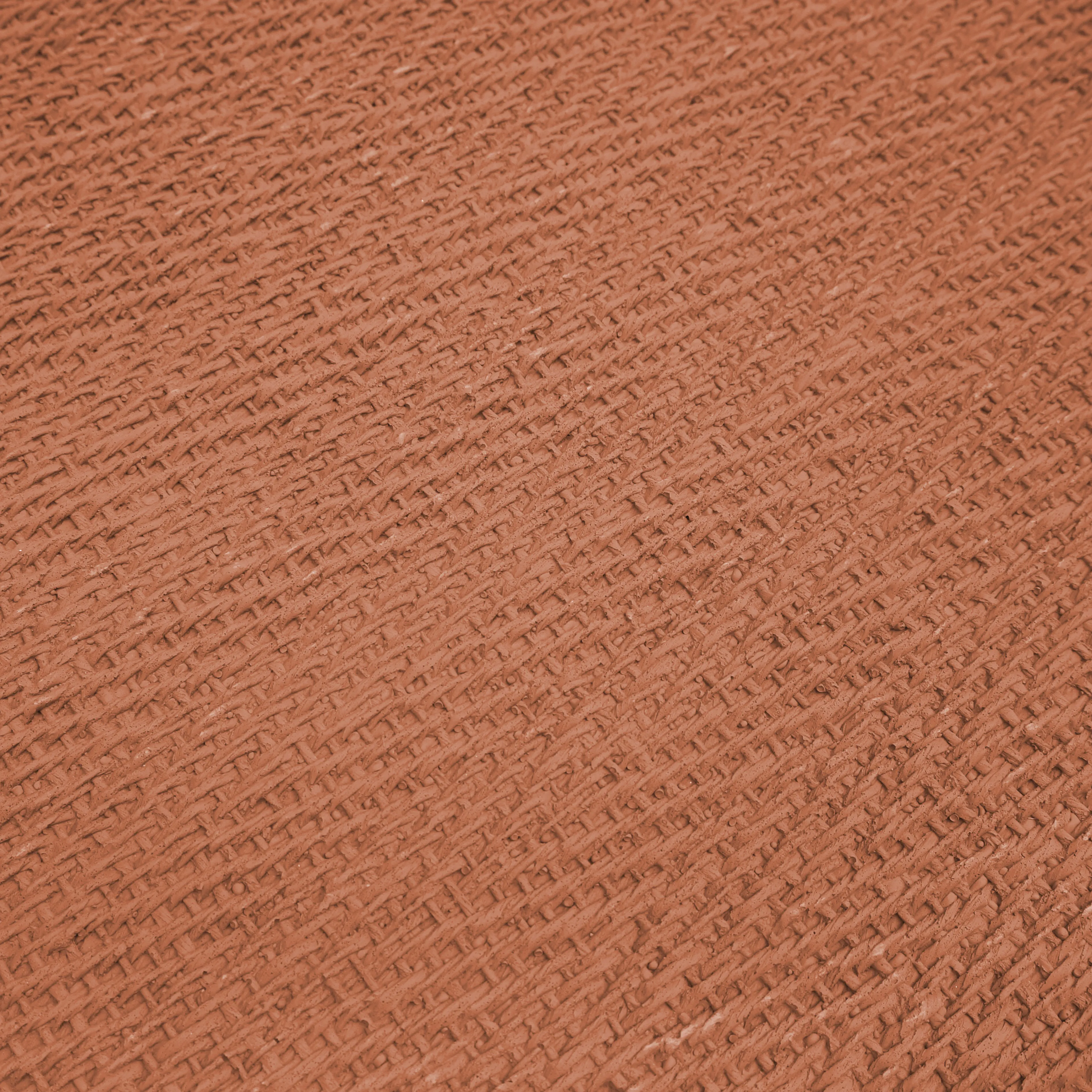
Still skeptical? Let's put Weaving (Jacinth) MCM head-to-head with two common alternatives: traditional natural stone and fair-faced concrete. The numbers tell a clear story:
| Feature | Weaving (Jacinth) MCM | Traditional Natural Stone | Fair-Faced Concrete |
|---|---|---|---|
| Weight (kg/m²) | 8-12 | 50-100 | 20-30 |
| Embodied Carbon (kg CO₂/m²) | 5-8 | 30-50 | 15-25 |
| Installation Time (per 100m²) | 1-2 days | 3-5 days | 2-3 days |
| Durability (Expected Lifespan) | 50+ years | 50+ years (but prone to cracking) | 30-40 years (may stain or spall) |
| Design Flexibility | High (curves, custom colors) | Low (rigid, limited shapes) | Medium (moldable but heavy) |
The table says it all: Weaving (Jacinth) MCM outperforms traditional options in sustainability, efficiency, and flexibility. But don't just take the numbers' word for it—let's talk real-world impact.
Take the recent renovation of the Riverfront Community Center in Portland, Oregon. The design called for a warm, inviting facade that reflected the building's role as a neighborhood hub—without blowing the net-zero budget. The architects initially considered fair-faced concrete for its industrial-chic look but worried about its carbon footprint and weight (the building's structure couldn't support heavy materials).
Enter Weaving (Jacinth) MCM. Its jacinth hue complemented the center's wooden accents, and its woven texture added visual interest without overwhelming the space. Because the panels were prefabricated, the installation crew of 4 finished the 500m² facade in just 5 days—half the time they'd estimated for concrete. The lightweight panels also meant no structural reinforcements were needed, saving the project $25,000 in steel supports.
But the real win? Carbon savings. By choosing Weaving (Jacinth) over fair-faced concrete, the project cut embodied carbon by 65%, putting them on track to meet their net-zero goals. "It felt like we were building smarter, not just greener," said lead architect Maria Gonzalez. "The material didn't limit our creativity—it expanded it."
Net-zero construction isn't just about reducing emissions during building—it's about creating materials that fit into a circular economy. Weaving (Jacinth) MCM shines here too. At the end of its lifespan (which, remember, is 50+ years), the panels can be recycled into new MCM products, closing the loop on waste. Traditional stone, by contrast, often ends up in landfills when buildings are demolished.
Even better, MCM manufacturers are increasingly sourcing their raw materials locally. For example, the limestone used in Weaving (Jacinth) is often sourced from reclaimed quarry waste, diverting tons of debris from landfills each year. It's a small detail, but it adds up—especially for projects aiming for LEED or BREEAM certifications, where local sourcing earns valuable points.
As net-zero targets become mandatory (the EU, for example, aims for all new buildings to be net-zero by 2030), materials like Weaving (Jacinth) MCM won't just be "nice to have"—they'll be essential. Architects are already pushing the boundaries, using MCM to create everything from zero-energy homes to carbon-negative office towers.
One exciting development? Pairing Weaving (Jacinth) with mcm flexible stone for interior surfaces. Imagine a net-zero home where the kitchen backsplash, bathroom walls, and exterior facade all use MCM—cohesive design, minimal carbon, maximum durability. It's not a pipe dream; it's happening now in projects across Europe and North America.
Weaving (Jacinth) MCM isn't just a material—it's a mindset shift. It proves that sustainability and beauty don't have to be opposites, that we can build structures that honor the planet without sacrificing design. For architects, contractors, and homeowners alike, it's a reminder that every choice—from the foundation to the facade—shapes the future we leave behind.
So the next time you walk past a building with a warm, textured facade that seems to glow in the sunlight, take a closer look. It might just be Weaving (Jacinth) MCM—quietly, steadily, helping us build a net-zero world, one panel at a time.
Recommend Products












