
In the bustling landscape of modern architecture, buildings are no longer just functional structures—they're storytellers. They shape how we experience cities, influence our moods, and even reflect the values of the communities they serve. Yet, two critical elements often pull architects in opposite directions: privacy and aesthetics. How do you design a facade that invites light and connection without sacrificing the need for seclusion? How do you balance sleek modernity with the warmth of organic texture? These questions lie at the heart of a growing debate in architectural circles: Weaving (Jacinth) MCM panels versus traditional glass facades. Let's dive into this conversation, exploring how each option addresses the delicate dance between privacy and beauty, and why the choice matters more than you might think.
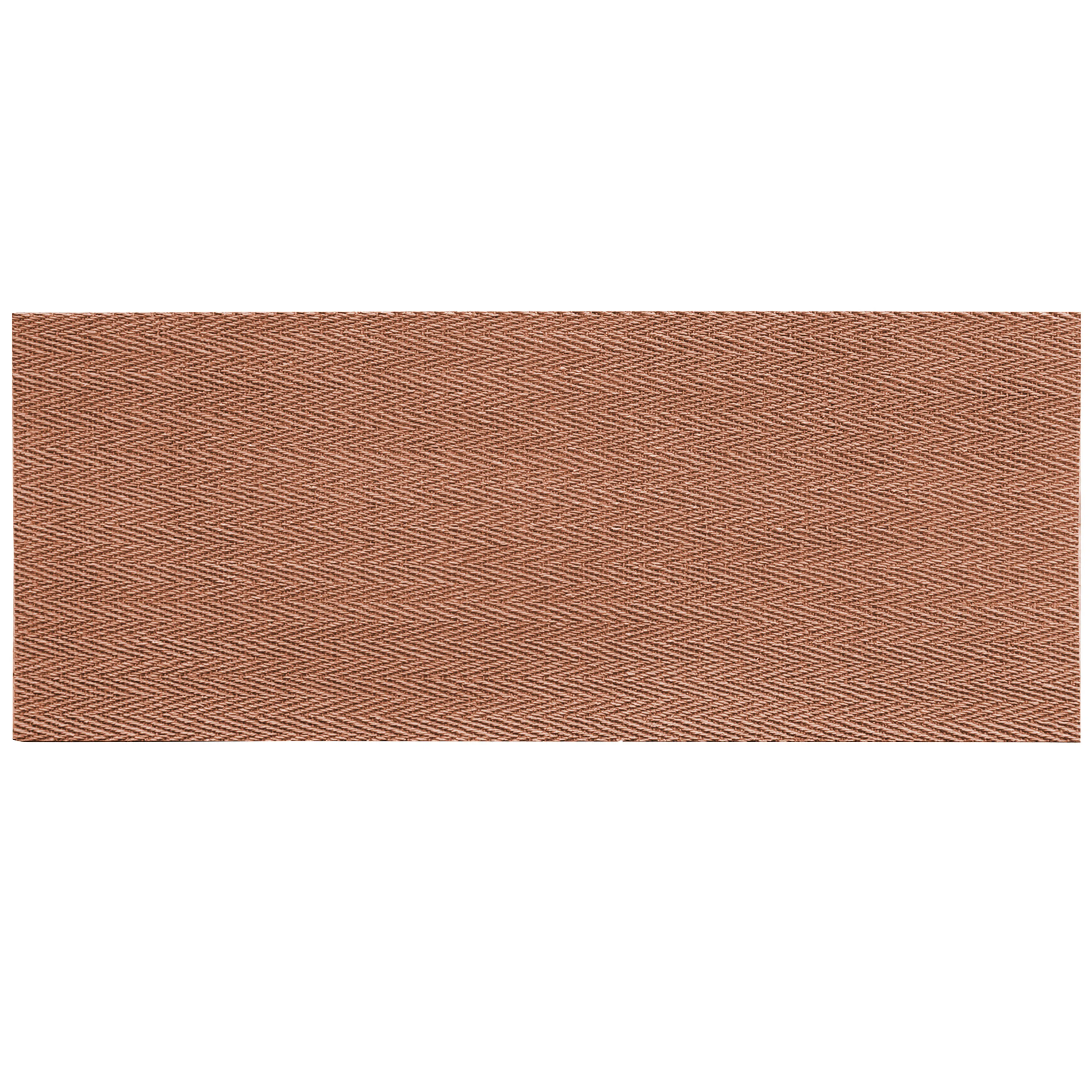
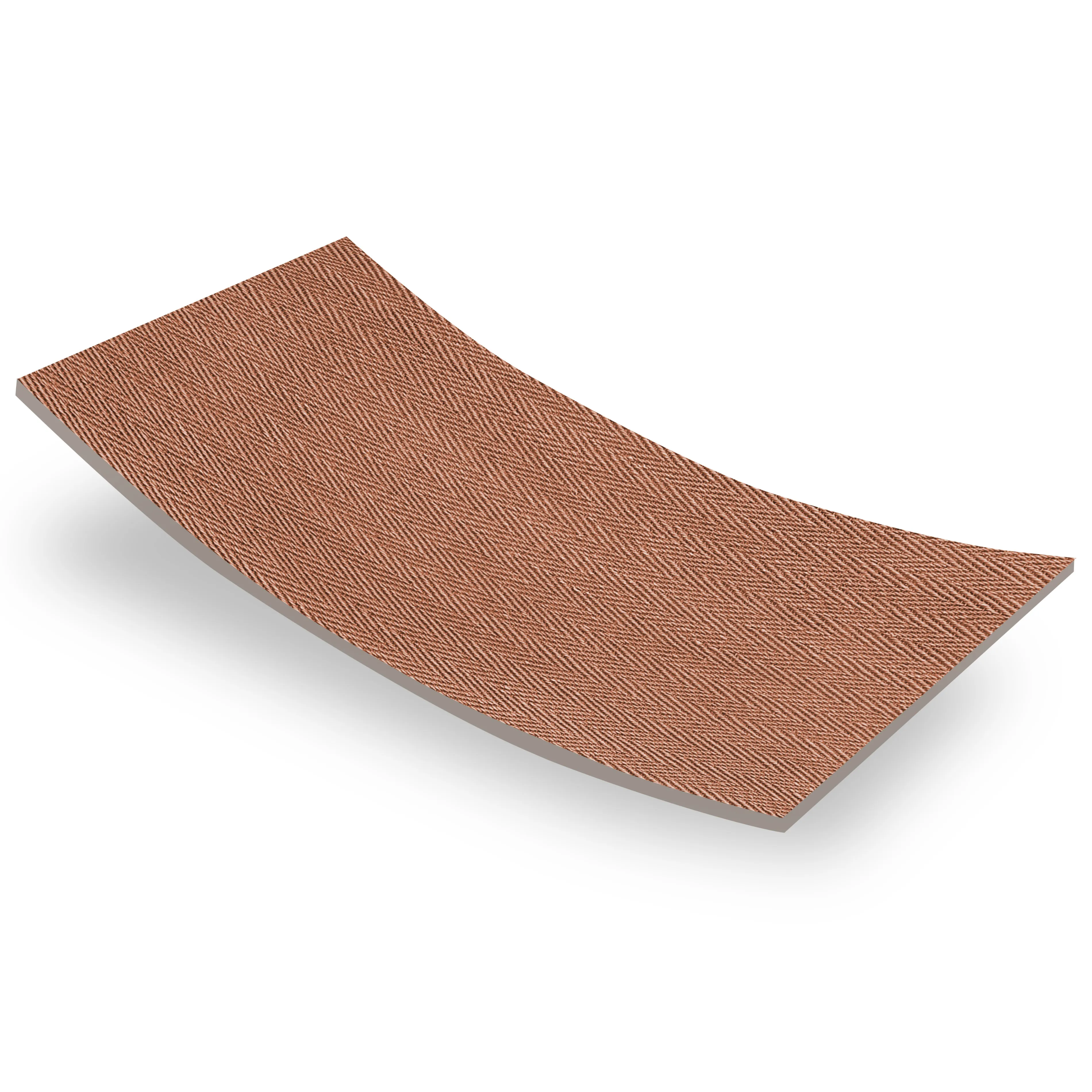
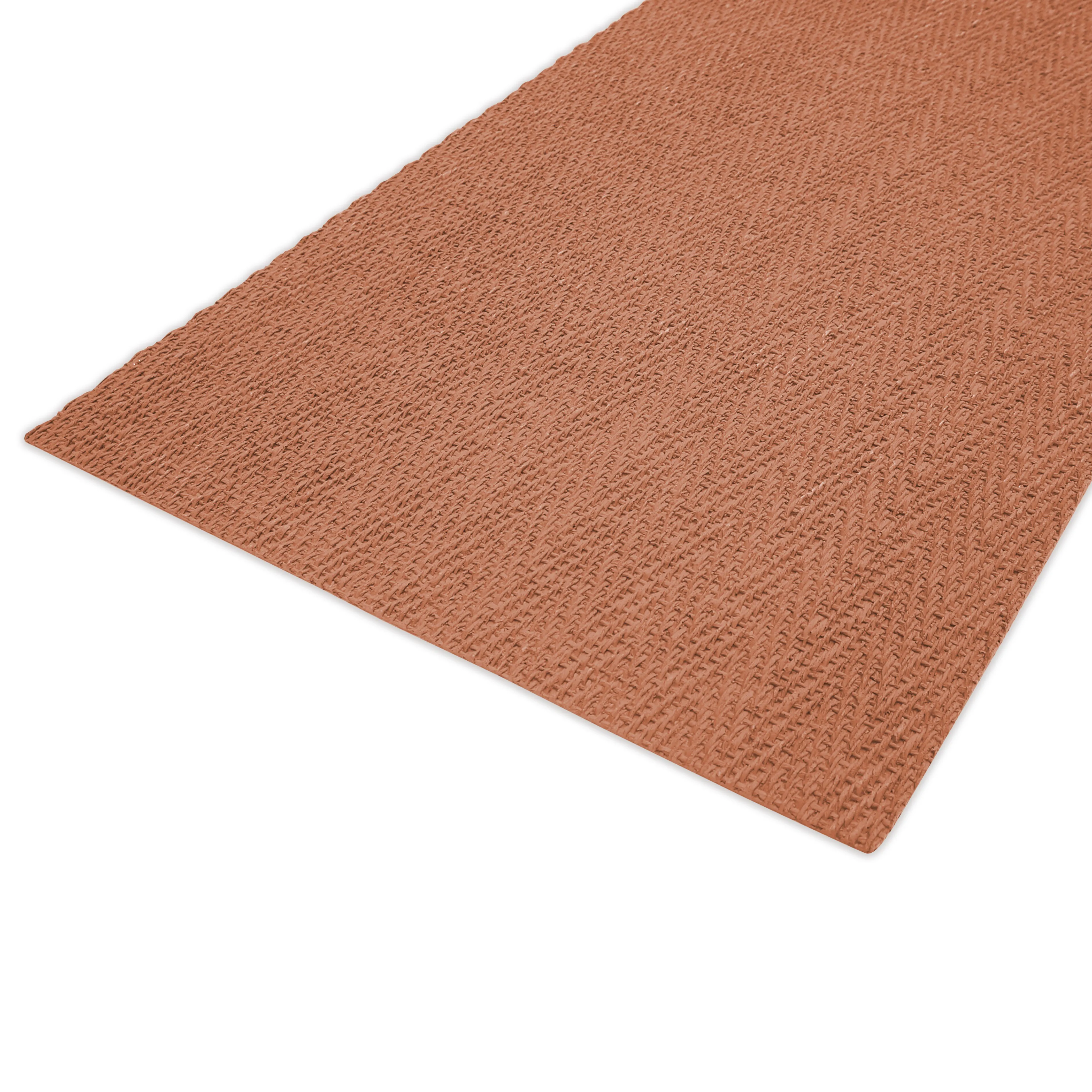
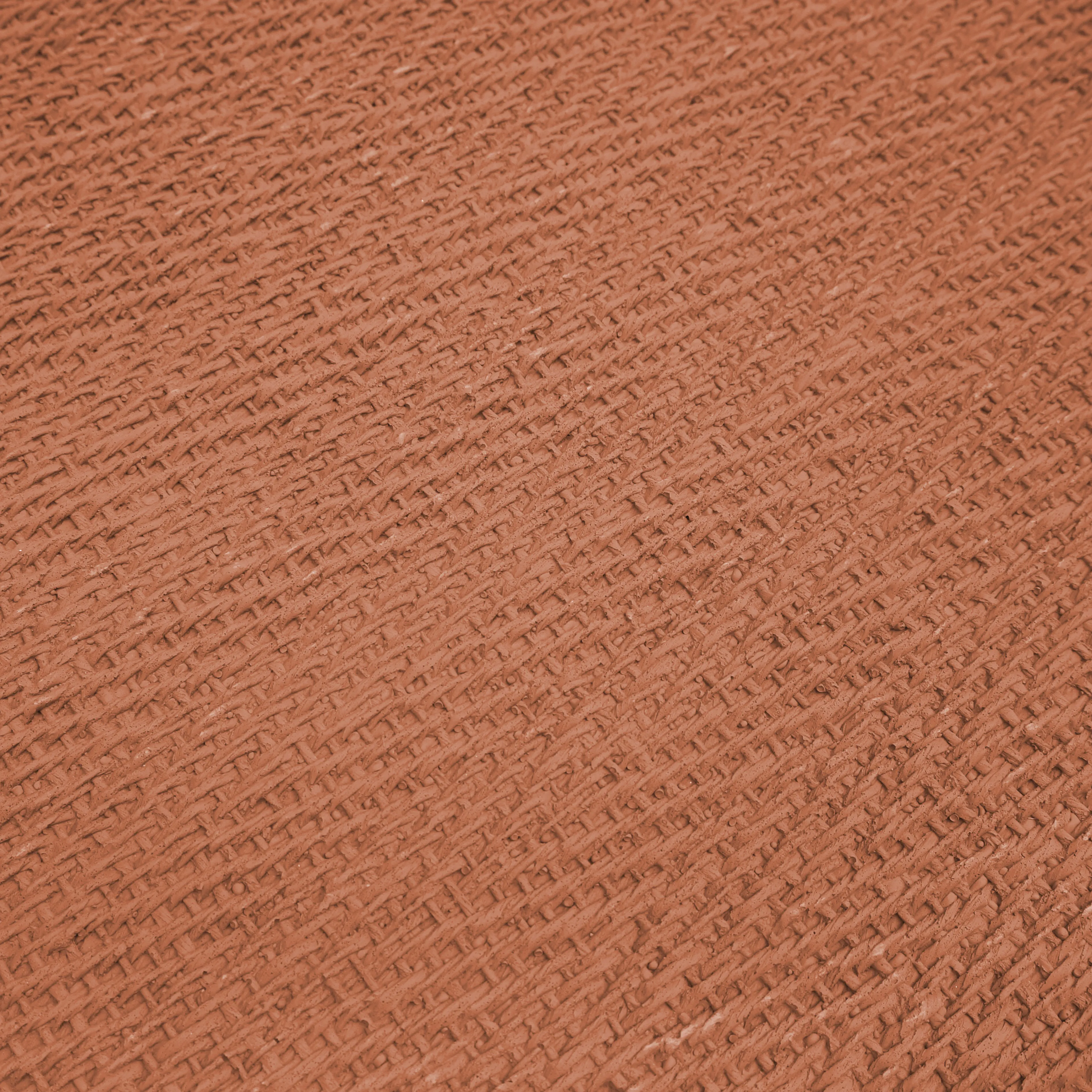
Walk down any contemporary street, and you'll notice a shift: buildings are softening. Gone are the days of cold, monolithic exteriors that feel more like barriers than invitations. Enter Weaving (Jacinth) MCM, a material that's redefining what facades can be. Short for Modified Composite Material, MCM is a lightweight, durable cladding solution that blends the best of natural aesthetics with modern engineering. Weaving (Jacinth) is one of its most striking iterations—a panel with a, interlaced texture in warm, earthy tones that evoke the richness of handwoven textiles. But what makes it stand out in the crowd of building materials?
At its core, Weaving (Jacinth) MCM owes its charm to mcm flexible stone , a key component that gives the panels their tactile quality. Unlike rigid stone slabs, this flexible material bends and molds to create intricate patterns—the weaving texture, in this case—without compromising strength. It's part of the broader mcm big slab board series , which means it can be produced in large, seamless sheets, reducing installation time and minimizing visible seams. Imagine a facade that flows like fabric across a building's surface, catching the light at different angles to reveal depth and movement. That's the magic of Weaving (Jacinth): it's not just a covering, but a dynamic design element.
Privacy, here, is built into the texture. The interlaced pattern acts as a natural screen, obscuring direct views from the outside while still allowing diffused light to filter through. Stand across the street from a building clad in Weaving (Jacinth) MCM, and you'll see a warm, inviting facade with depth; step closer, and the texture becomes more pronounced, creating a sense of intimacy. Inside, occupants enjoy soft, natural light without the feeling of being on display—a rare balance in a world where glass often leaves little to the imagination.
Durability is another feather in its cap. MCM panels are resistant to weathering, fading, and impact, making them ideal for both urban and coastal environments. Unlike some traditional materials that crack or erode over time, Weaving (Jacinth) holds its color and texture, even in harsh sun or heavy rain. And because it's lightweight, it puts less stress on a building's structure, opening up design possibilities for taller or more complex architectures. When paired with complementary materials like fair-faced concrete —a raw, unpolished concrete that celebrates natural imperfections—the result is a facade that feels both grounded and contemporary, blending industrial edge with organic warmth.
Glass facades have long been the darlings of modern architecture. Think of iconic skyscrapers like Chicago's John Hancock Center or London's Shard—their gleaming glass surfaces symbolize progress, openness, and connection to the world outside. There's no denying the appeal: glass maximizes natural light, creates the illusion of spaciousness, and reflects the sky and surrounding landscape, making buildings feel like part of their environment rather than separate from it. For commercial spaces, in particular, glass has been a go-to choice, as it projects a sense of transparency and accessibility, inviting customers and clients in.
But transparency comes with trade-offs, especially when it comes to privacy. A fully glass facade acts like a giant window, offering little in the way of seclusion. Office workers often find themselves reaching for blinds or tinted films to block prying eyes, which in turn reduces the very natural light that glass is meant to celebrate. In residential settings, the problem is even more pronounced: imagine trying to relax in your living room while pedestrians on the street can see straight in. To combat this, architects often turn to fritted glass (which has a pattern of dots or lines) or double-glazed units with internal blinds, but these solutions can feel like band-aids, compromising the clean, unbroken aesthetic that glass is prized for.
Maintenance is another consideration. Glass facades are notoriously high-maintenance, requiring regular cleaning to keep them free of fingerprints, smudges, and environmental grime. In urban areas, where pollution is a constant, this can mean frequent (and costly) window-washing sessions. Even then, scratches and cracks are common, especially in areas with high wind or debris. Over time, these issues can make a once-pristine glass facade look worn and tired, detracting from its initial appeal.
To truly understand how Weaving (Jacinth) MCM and glass facades stack up, let's break down their performance across key areas that matter most to architects, builders, and occupants. The table below offers a side-by-side comparison, highlighting where each material shines—and where it falls short.
| Feature | Weaving (Jacinth) MCM | Glass Facades |
|---|---|---|
| Privacy | High: Textured pattern obscures direct views while allowing diffused light. | Low: Transparent by nature; requires additional treatments (tinting, blinds) for privacy. |
| Aesthetic Character | Warm, organic, textured; adds depth and tactile interest. | Sleek, modern, reflective; creates a sense of openness and lightness. |
| Durability | Excellent: Resistant to weathering, fading, and impact; lightweight yet strong. | Moderate: Susceptible to scratches, cracks, and glare; requires careful handling. |
| Sustainability | High: Made with mcm flexible stone and recycled materials; energy-efficient due to natural light diffusion. | Mixed: Recyclable but energy-intensive to produce; may increase cooling costs due to heat gain. |
| Maintenance | Low: Resists dirt and grime; occasional washing with water is sufficient. | High: Requires regular cleaning; prone to smudges and scratches. |
| Cost (Long-Term) | Competitive: Higher initial cost offset by lower maintenance and longer lifespan. | Variable: Lower initial cost but higher long-term expenses for cleaning and repairs. |
Numbers and features tell part of the story, but real buildings bring these materials to life. Take the Riverbank Residences in Portland, Oregon—a mid-rise apartment complex that opted for Weaving (Jacinth) MCM for its south-facing facade. The design team wanted to create a space that felt private for residents while still engaging with the street. "Glass would have made the apartments feel like fish bowls," says lead architect Maria Gonzalez. "Weaving (Jacinth) solved that. The texture lets in this beautiful, soft light during the day, and at night, the building glows from within without exposing every corner of someone's home. It's like living in a lantern, not a display case."
Residents echo this sentiment. "I used to live in a glass-walled condo downtown, and I always had the blinds closed," says tenant James Lin. "Here, I rarely close them. The weaving pattern blurs the view from the street, so I can enjoy the light and the city skyline without feeling watched." The building's facade has also become a neighborhood landmark, with passersby stopping to touch the textured panels—a level of engagement glass rarely inspires.
On the flip side, consider the Horizon Office Tower in Dallas, Texas, which features a full glass curtain wall. The tower is stunning by day, reflecting the city's skyline and changing colors with the sun. But employees report mixed experiences. "The views are incredible—you can see for miles," says marketing executive Lisa Chen. "But in the afternoon, the glare is brutal. We have to keep the blinds down, which defeats the purpose of the glass. And in the summer, the AC runs nonstop because the sun heats up the office so much." The building's management has since invested in high-performance tinted glass, but the cost was significant, and the tint has dulled the facade's original brightness.
These examples highlight a key point: the "best" material depends on context. Glass works beautifully in buildings where transparency is a priority—museums, lobbies, or cultural centers where connection to the outdoors is part of the experience. But for spaces where privacy and comfort matter most—residences, hotels, or offices—Weaving (Jacinth) MCM offers a more balanced solution. It doesn't just cover a building; it shapes how people feel inside and interact with the structure from the outside.
In an era where sustainability is no longer optional, both materials face scrutiny. Weaving (Jacinth) MCM has a clear edge here, thanks to its composition. Made with mcm flexible stone —a composite that often includes recycled aggregates—and part of the mcm big slab board series , which minimizes waste during production, it has a lower carbon footprint than traditional cladding materials. The panels are also lightweight, reducing the need for heavy structural support and lowering transportation emissions during construction.
Additionally, Weaving (Jacinth)'s natural light diffusion can reduce reliance on artificial lighting, cutting energy costs. Unlike glass, which can trap heat and increase cooling needs, the textured surface reflects some solar radiation while still letting light in—a balance that aligns with green building standards like LEED and BREEAM.
Glass, while recyclable, has a more complicated sustainability profile. Producing glass requires high temperatures, consuming significant energy. And while double-glazed or low-emissivity (low-e) glass can improve insulation, these upgrades add cost and complexity. In warmer climates, glass facades often lead to higher air conditioning use, negating some of the benefits of natural light. That said, advances in glass technology—like self-cleaning coatings and solar-responsive tints—are helping bridge the gap, though they remain pricier than alternatives like MCM.
At the end of the day, choosing between Weaving (Jacinth) MCM and glass facades isn't about declaring one material "better" than the other—it's about aligning the material with the building's purpose and the people who use it. Glass will always have a place in architecture for its ability to create light-filled, open spaces that connect us to our surroundings. But for projects where privacy, warmth, and low maintenance are priorities, Weaving (Jacinth) MCM emerges as a compelling alternative.
Its textured surface tells a story of craftsmanship and attention to detail, something that's increasingly rare in a world of sleek, uniform designs. It's a material that works with light, not against it, creating spaces that feel both open and intimate. And when paired with complementary materials like fair-faced concrete —which adds an industrial, honest quality—it can create facades that are both modern and timeless.
As architecture continues to evolve, the best designs will likely blend materials, using glass for moments of transparency and Weaving (Jacinth) MCM for areas where privacy and texture matter most. But for now, one thing is clear: the era of one-size-fits-all facades is over. Today's buildings demand materials that do more than cover walls—they demand materials that connect, protect, and inspire. And in that regard, Weaving (Jacinth) MCM is weaving a new narrative for what facades can be.
In the end, architecture is about people. It's about how a building makes you feel when you walk through its doors, when you look out its windows, or when you pass it on the street. Weaving (Jacinth) MCM and glass facades each offer a different answer to that question—but only one leaves you feeling seen, not just observed.
Recommend Products












