
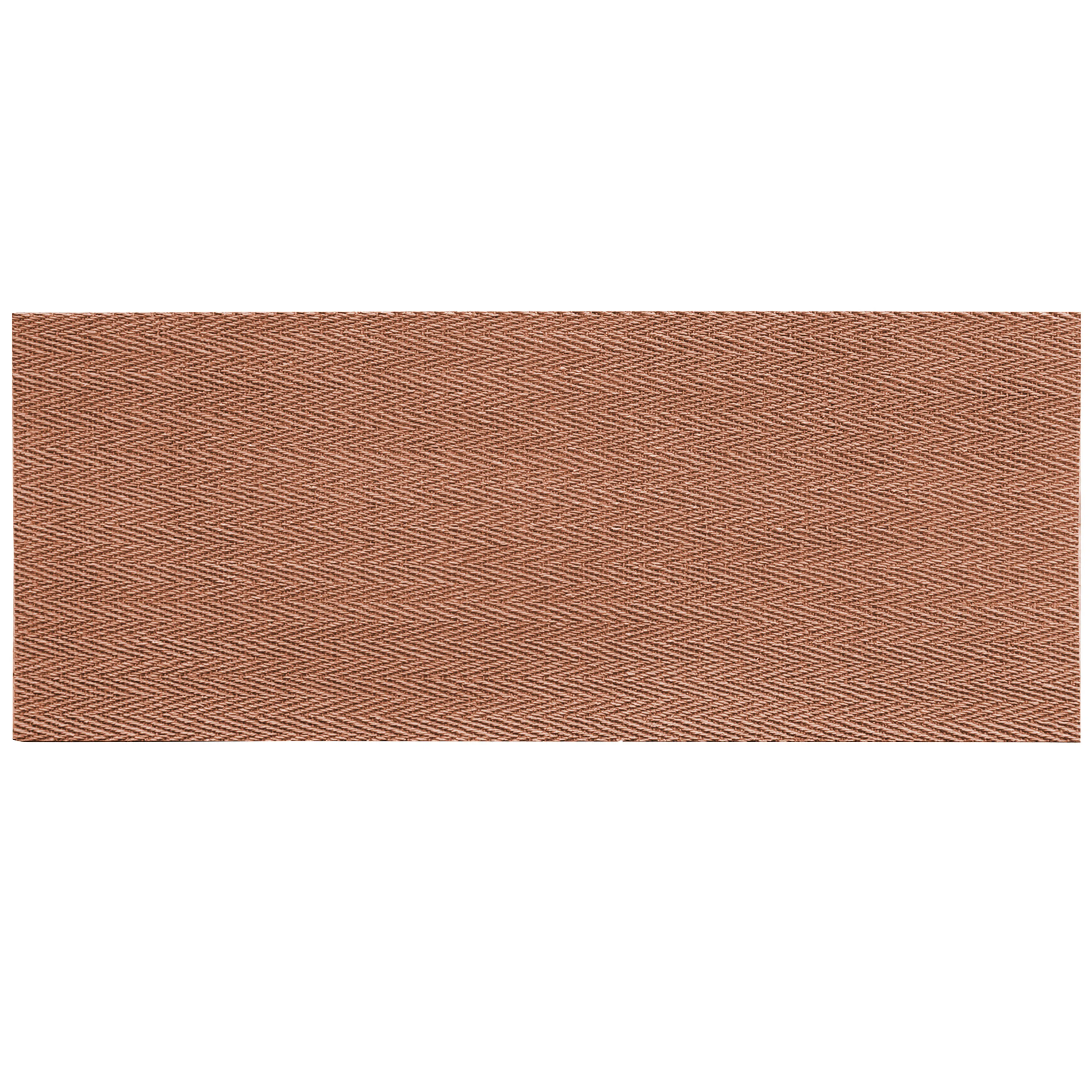
Picture this: An architect stands before a wall of material samples, fingers brushing over rough concrete, cool marble, and textured stone. Their client wants a building that feels both modern and rooted in warmth—a structure that doesn't just exist, but breathes . The problem? Too many cladding options feel either sterile or unsustainably heavy, too rigid or fleetingly trendy. Then, their hand pauses on a sample with a soft, woven texture, a rich jacinth hue that shifts like sunlight through autumn leaves. It's Weaving (Jacinth) MCM, and in that moment, the architect smiles. They've found the balance.
In the world of architecture, exterior cladding is more than just a "skin"—it's the building's first impression, its storyteller, and its shield against the elements. For today's architects, the search for the perfect cladding material is a dance between art and science, emotion and engineering. And in that dance, Weaving (Jacinth) MCM has emerged as a leading partner. But what makes it so special? Let's unravel the threads.
First, let's break down the acronym: MCM stands for Modified Composite Material , a category of cladding that's revolutionized the industry by blending natural minerals with advanced polymers. Think of it as traditional stone's smarter, more adaptable cousin—retaining the beauty of natural materials but shedding the weight, fragility, and environmental toll. And "Weaving (Jacinth)"? That's the soul of the material: a surface that mimics the intricate pattern of handwoven fabric, in a deep, warm jacinth tone that feels both earthy and elevated.
Unlike rigid materials like fair-faced concrete or heavy natural stones, MCM is inherently flexible—hence why "MCM flexible stone" is a buzzword in architectural circles. This flexibility isn't just physical; it's creative. Weaving (Jacinth) MCM bends to the architect's vision, conforming to curved facades, accent walls, or even 3D-printed structures without cracking or compromising integrity. It's a material that doesn't just fit the design—it enhances it.
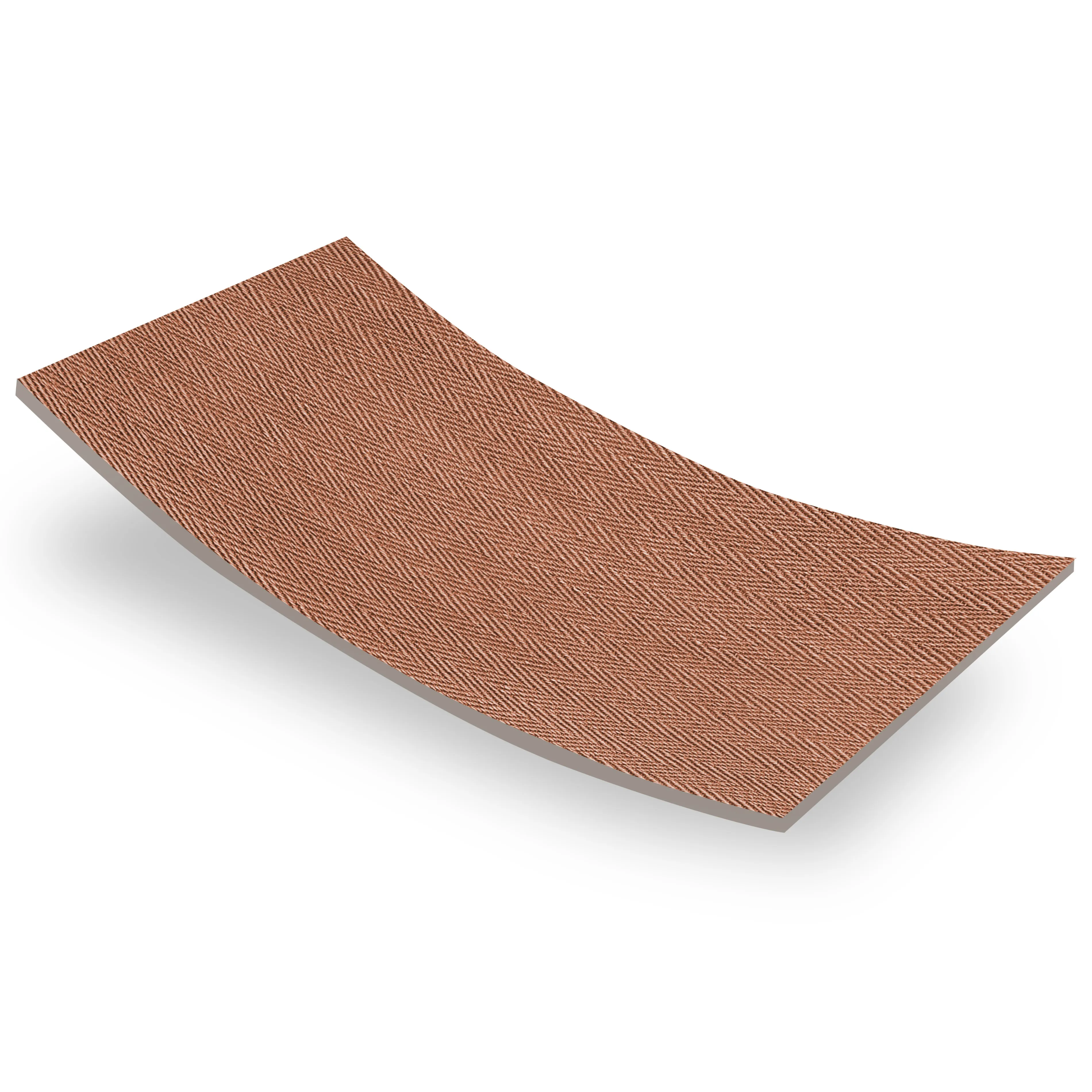
Walk up to a building clad in Weaving (Jacinth) MCM, and the first thing you'll notice is the texture. Run your palm over it, and you'll feel the gentle rise and fall of woven threads—subtle enough to catch the light, but tactile enough to invite touch. It's a texture that evokes memories: the warmth of a handwoven blanket, the craftsmanship of artisanal textiles, the organic chaos of nature's own weaves (think spiderwebs glistening with dew or reeds swaying in a marsh).
Color-wise, jacinth is a masterclass in versatility. Not too red, not too orange—just a deep, honeyed hue that shifts with the light. At dawn, it glows soft and golden; at noon, it deepens to a rich terracotta; at dusk, it warms into something almost amber. Compare that to the flat, uniform look of lunar peak golden (a stunning material in its own right, but one that leans more toward metallic sheen than organic warmth), and you start to see why Weaving (Jacinth) feels so alive.
Architects often talk about "materiality"—the way a material communicates its essence. Weaving (Jacinth) doesn't just look woven; it feels intentional, like the building itself took time to craft. In a world of mass-produced surfaces, that sense of handcrafted detail is priceless. It turns facades into narratives, making buildings feel less like structures and more like characters in a neighborhood's story.
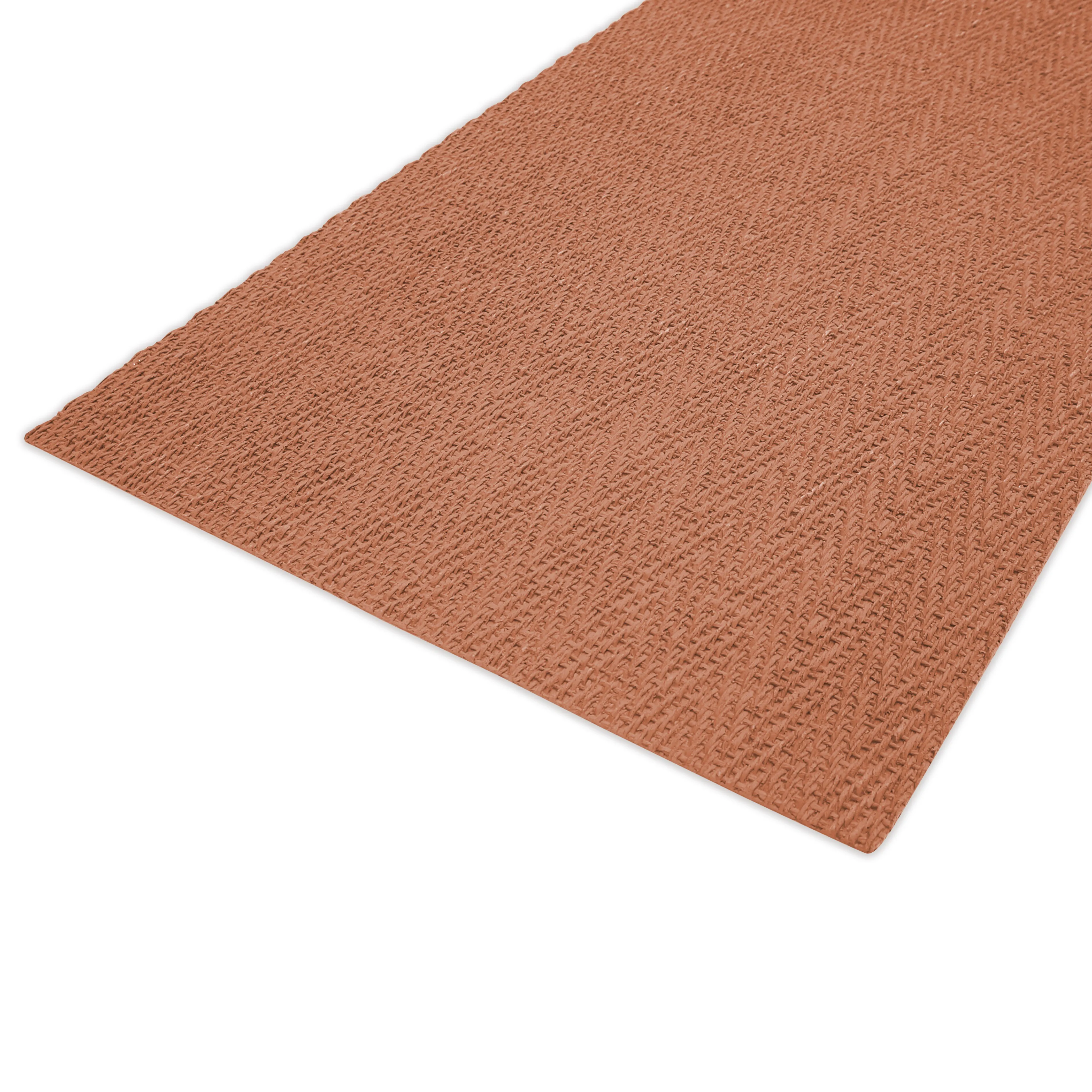
Beauty might draw the eye, but for architects, performance keeps the project on track. Weaving (Jacinth) MCM doesn't just charm—it delivers. Let's start with weight: traditional stone cladding can weigh 20–30 kg per square meter, requiring reinforced structures and driving up construction costs. Weaving (Jacinth)? A mere 4–6 kg per square meter. That's a game-changer for projects where every kilogram counts, from high-rises to retrofits of historic buildings that can't bear heavy loads.
Then there's durability. Exterior cladding faces a relentless onslaught: UV rays that fade color, rain that seeps into pores, freeze-thaw cycles that crack stone, and even salt spray in coastal areas. Weaving (Jacinth) MCM laughs in the face of these challenges. Its polymer matrix resists UV damage, so that jacinth hue stays vibrant for decades. It's waterproof, mold-resistant, and impervious to temperature swings—no more worrying about cracks or discoloration after a harsh winter.
Installation is another win. Unlike travertine (starry blue) or other natural stones, which require careful cutting, sealing, and handling (not to mention the risk of breakage), Weaving (Jacinth) MCM comes in large, lightweight panels that install quickly. This cuts down on labor time, reduces waste, and minimizes disruption to job sites—a boon for architects working on tight deadlines.
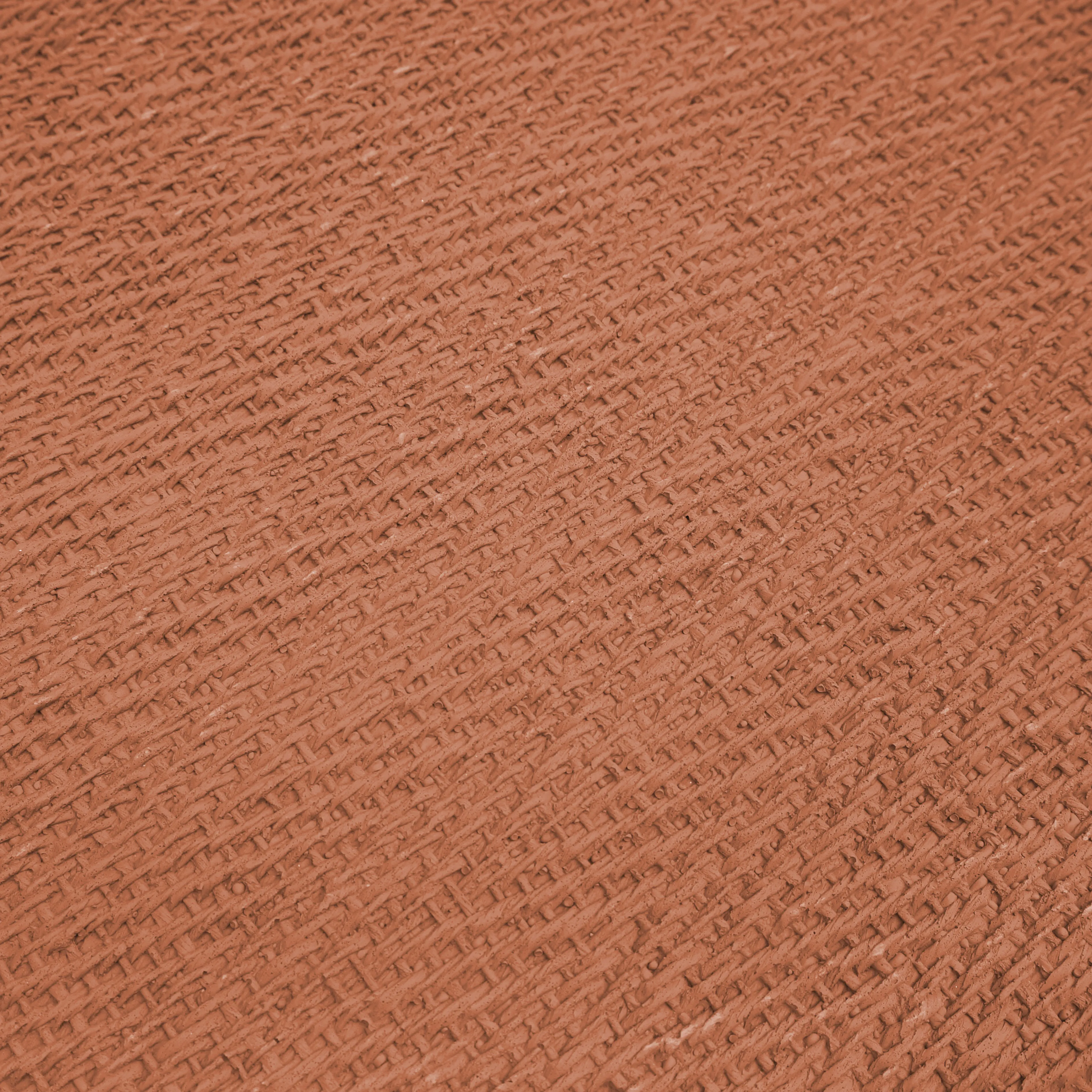
One of the biggest complaints architects have about "signature" materials is their lack of adaptability—they work for one style but feel out of place everywhere else. Not Weaving (Jacinth). Its woven texture and warm color play well with almost any architectural language, making it a chameleon of cladding.
Take modern minimalism: Pair Weaving (Jacinth) with sleek glass and foamed aluminium alloy board (vintage silver) , and suddenly the rigid lines of the building soften, adding depth without clutter. For a traditional project? Combine it with rammed earth board (gradient) —with its subtle color shifts from terracotta to sand—to evoke a sense of timeless craftsmanship, like a building that's grown from the earth itself.
Even in bold, experimental designs, Weaving (Jacinth) holds its own. Imagine a cultural center with a curved facade, where the woven texture undulates like a wave, complemented by travertine (starry red) accents for contrast. Or a boutique hotel where the material wraps around a rooftop bar, its jacinth hue echoing the sunset and creating an intimate, inviting atmosphere. The possibilities are as endless as an architect's imagination.
These days, no architectural choice is complete without a sustainability check—and Weaving (Jacinth) MCM passes with flying colors. As a green building material , it ticks all the boxes: low embodied carbon, recyclable components, and minimal waste during production. Unlike natural stone, which requires heavy quarrying and transportation (contributing to deforestation and carbon emissions), MCM uses recycled minerals and polymers, reducing its environmental footprint.
But sustainability isn't just about production—it's about longevity. A building clad in Weaving (Jacinth) MCM won't need repainting, sealing, or replacement for decades, reducing the lifecycle impact. And because it's lightweight, it reduces the need for energy-intensive structural supports, lowering the building's overall carbon footprint. For architects committed to net-zero goals, it's not just a cladding choice—it's a statement.
Still curious how Weaving (Jacinth) MCM compares to other popular cladding materials? Let's put it side by side with a few contenders:
| Material | Weight (kg/m²) | Durability (UV/Weather Resistance) | Design Flexibility | Eco-Friendliness |
|---|---|---|---|---|
| Weaving (Jacinth) MCM | 4–6 | Excellent (50+ years) | High (curves, 3D designs, custom colors) | High (recycled materials, low embodied carbon) |
| Fair-Faced Concrete | 20–25 | Good (30–40 years, prone to staining) | Low (rigid, limited texture/color) | Medium (high cement usage, heavy transport) |
| Lunar Peak Golden | 8–10 | Very Good (40–50 years) | Medium (metallic finish, limited texture) | Medium (some recycled content, but higher weight) |
| Travertine (Starry Blue) | 25–30 | Moderate (20–30 years, porous, needs sealing) | Medium (natural veining, but rigid) | Low (quarrying, high water usage) |
The table tells the story: Weaving (Jacinth) MCM outperforms traditional materials in weight, durability, and design flexibility, while matching or exceeding them in eco-friendliness. It's not just a better choice—it's a smarter one.
Don't just take our word for it—architects around the globe are already falling for Weaving (Jacinth) MCM. Take the "Verdant Haven" community center in Portland, Oregon, designed by award-winning firm GreenSpaces Architecture. Faced with the challenge of blending modern functionality with the neighborhood's rustic, nature-focused vibe, lead architect Maria Gonzalez turned to Weaving (Jacinth) MCM for the main facade. "We wanted something that felt organic but not kitschy, durable but not cold," she explains. "The woven texture and jacinth color ended up being the glue that held the design together. Kids run their hands over it; seniors stop to admire the light on it. It's not just a building anymore—it's a gathering place."
Then there's the "Silk Road Hotel" in Dubai, where architect Ahmed Hassan used Weaving (Jacinth) MCM to pay homage to the historic trade routes. The hotel's facade, clad in the material, undulates like a bolt of silk caught in the wind, complemented by gobi panel accents that evoke desert sands. "In a city known for flashy glass and steel, we wanted to create something with soul," Hassan says. "Weaving (Jacinth) gave us that soul. It's luxurious without being ostentatious, and it stands up to Dubai's harsh sun and sandstorms like a champion."
At the end of the day, architecture is about people. It's about creating spaces that make us feel something—safe, inspired, connected. Weaving (Jacinth) MCM doesn't just help architects build better buildings; it helps them build better experiences . Its texture invites touch; its color warms the heart; its performance gives peace of mind; its sustainability honors the planet.
So, to the architect standing in front of that wall of samples—hesitating between the cold concrete and the heavy stone—Weaving (Jacinth) MCM isn't just another option. It's the answer to the question they're really asking: How do I build something that matters?
In the end, that's why architects prefer it. Because Weaving (Jacinth) MCM isn't just cladding. It's a story—one that buildings, and the people who love them, will tell for years to come.
Recommend Products












