
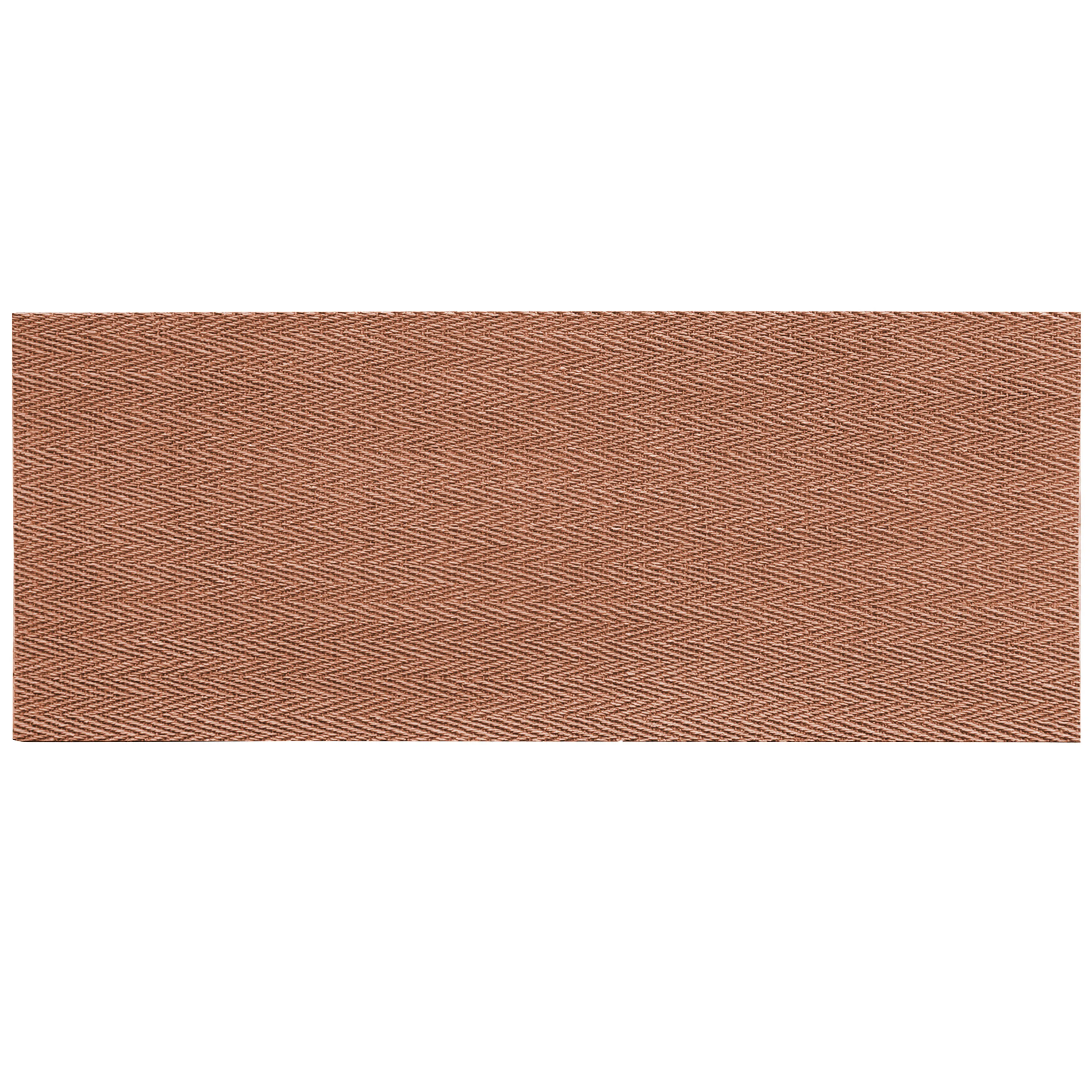
Walk into any thoughtfully designed space—a boutique hotel lobby, a cozy café, or a modern home office—and you'll notice something subtle yet powerful: the materials surrounding you aren't just there to fill space. They tell a story. They shape how you feel, how you move, and even how long you stay. For designers and architects, this storytelling power is everything. It's why the hunt for the perfect material—one that balances aesthetics, functionality, and that intangible "wow" factor—never truly ends. In the world of modern construction materials, few categories have revolutionized this hunt quite like MCM (Modified Composite Material). Lightweight, durable, and endlessly versatile, MCM has become a staple for creating surfaces that marry form and function. But within the MCM universe, there's a divide: standard designs that offer reliability, and custom textures that unlock creativity. Today, we're zooming in on one such custom standout—Weaving (Jacinth)—and exploring why choosing custom textures like it might just be the key to transforming good spaces into unforgettable ones.
Before we dive into the nuances of textures, let's ground ourselves in the basics. MCM, or Modified Composite Material, is a game-changer in the building materials industry. Born from the need to combine the best of natural stone, wood, and metal without their downsides—think heavy weight, high maintenance, or limited design flexibility—MCM is a hybrid material. It typically consists of a core (often mineral-filled polymer or fiberglass) sandwiched between decorative surface layers, which can mimic the look and feel of everything from travertine to aged wood to industrial concrete. The result? A material that's lightweight enough for easy installation, durable enough to withstand the elements, and customizable enough to fit almost any design vision.
Over the years, MCM has evolved from a niche option to a mainstream favorite, thanks to its adaptability. From exterior cladding that withstands harsh weather to interior accent walls that add warmth, MCM does it all. But as with any popular material, "standard" designs have emerged—tried-and-true patterns and textures that offer consistency and reliability. These are the workhorses of the MCM world: the smooth concretes, the classic marbles, the simple wood grains. They're great for projects where budget or timeline is tight, or where a timeless, understated look is the goal. But what happens when a project demands more? When "timeless" feels too safe, and "understated" risks fading into the background? That's where custom textures come in.
Let's be clear: standard MCM designs have their place. They're the backbone of many successful projects, and for good reason. They're cost-effective, readily available, and tested in countless real-world scenarios. Need a sleek, modern concrete finish for a commercial office? Standard fair-faced concrete MCM panels deliver that clean, industrial vibe without the weight of real concrete. Want the look of classic beige limestone for a residential exterior? Standard limestone (beige) MCM is durable, weather-resistant, and consistent—no worrying about natural stone's unpredictable variations.
But here's the catch: "consistent" can quickly become "cookie-cutter." Standard designs are, by nature, mass-produced to meet common needs. They prioritize uniformity over uniqueness, which means they often lack the depth, texture, and personality that make a space feel truly one-of-a-kind. Imagine a restaurant chain using the same standard wood-grain MCM panels in every location. Sure, it's efficient, but does it make you feel like you're in that specific restaurant in Paris, or just another branch of a global brand? Probably the latter. Standard textures can feel flat, both visually and emotionally. They don't invite touch, they don't spark curiosity, and they rarely become a talking point.
Designer Insight: "Standard MCM is like using a pre-set filter on a photo—it's quick and gets the job done, but it won't make your image stand out in a crowded feed. Custom textures are like shooting on film, experimenting with lighting, and developing it yourself. The result is something that feels intentional, personal, and full of character." — Maria Lopez, Interior Designer, Studio Lopez
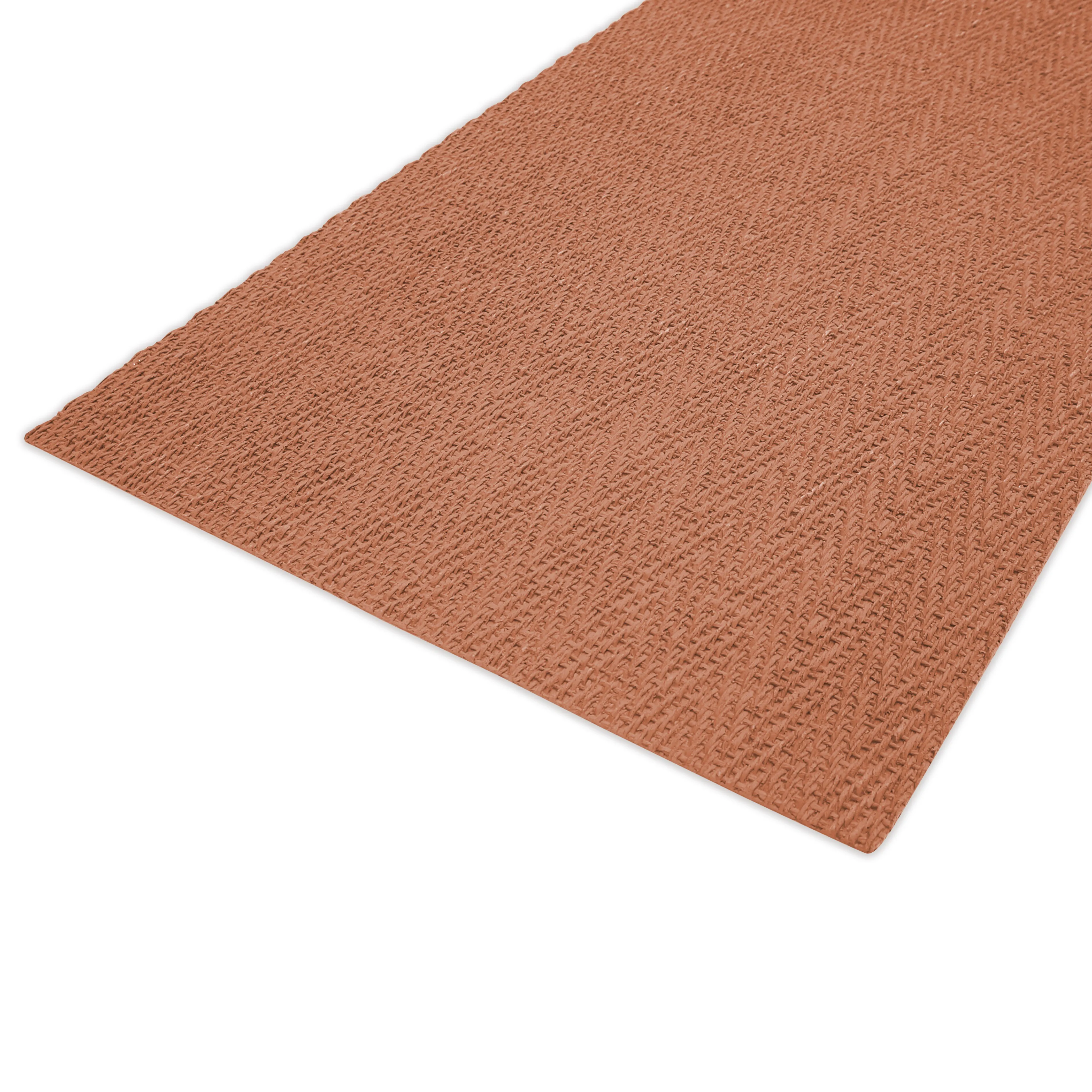
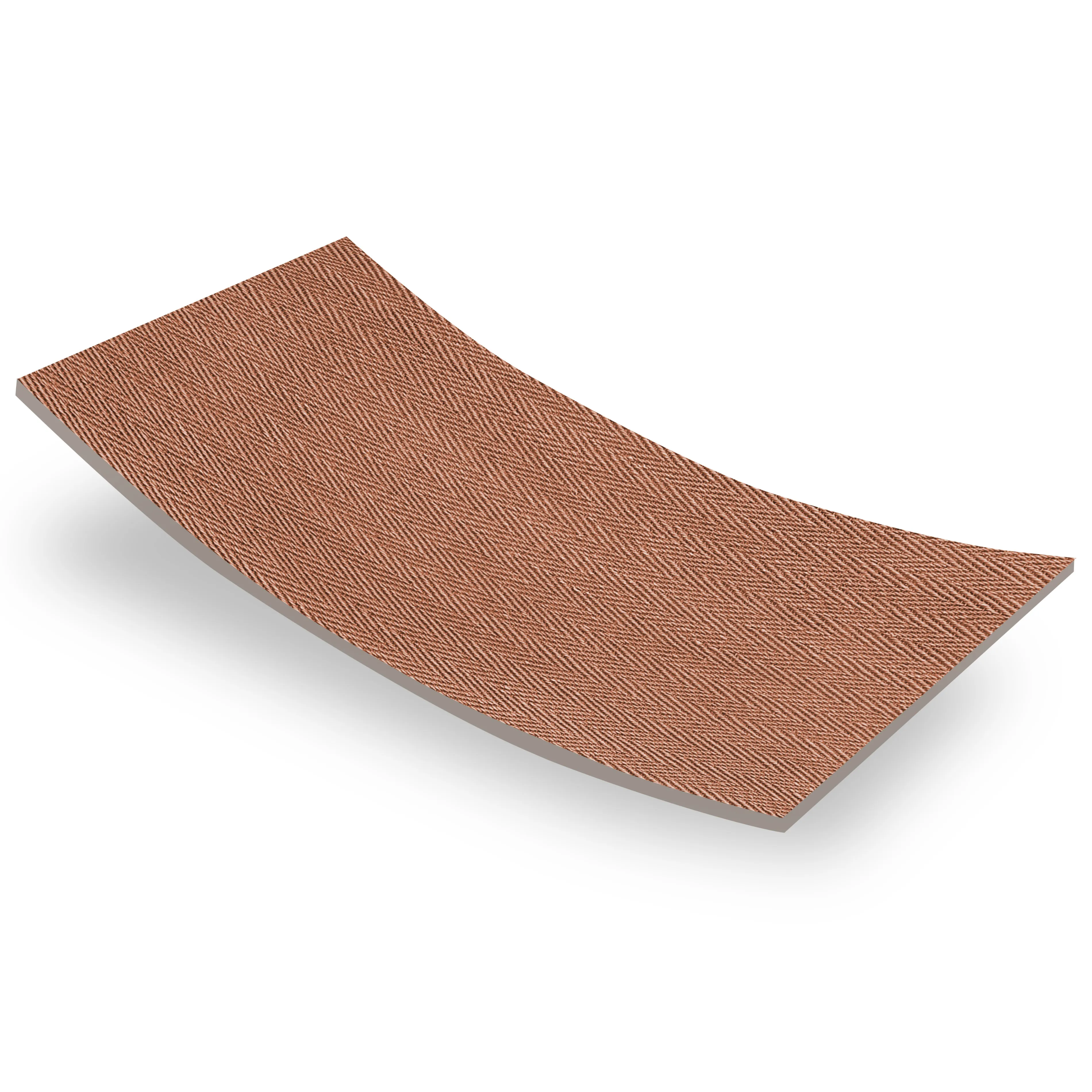
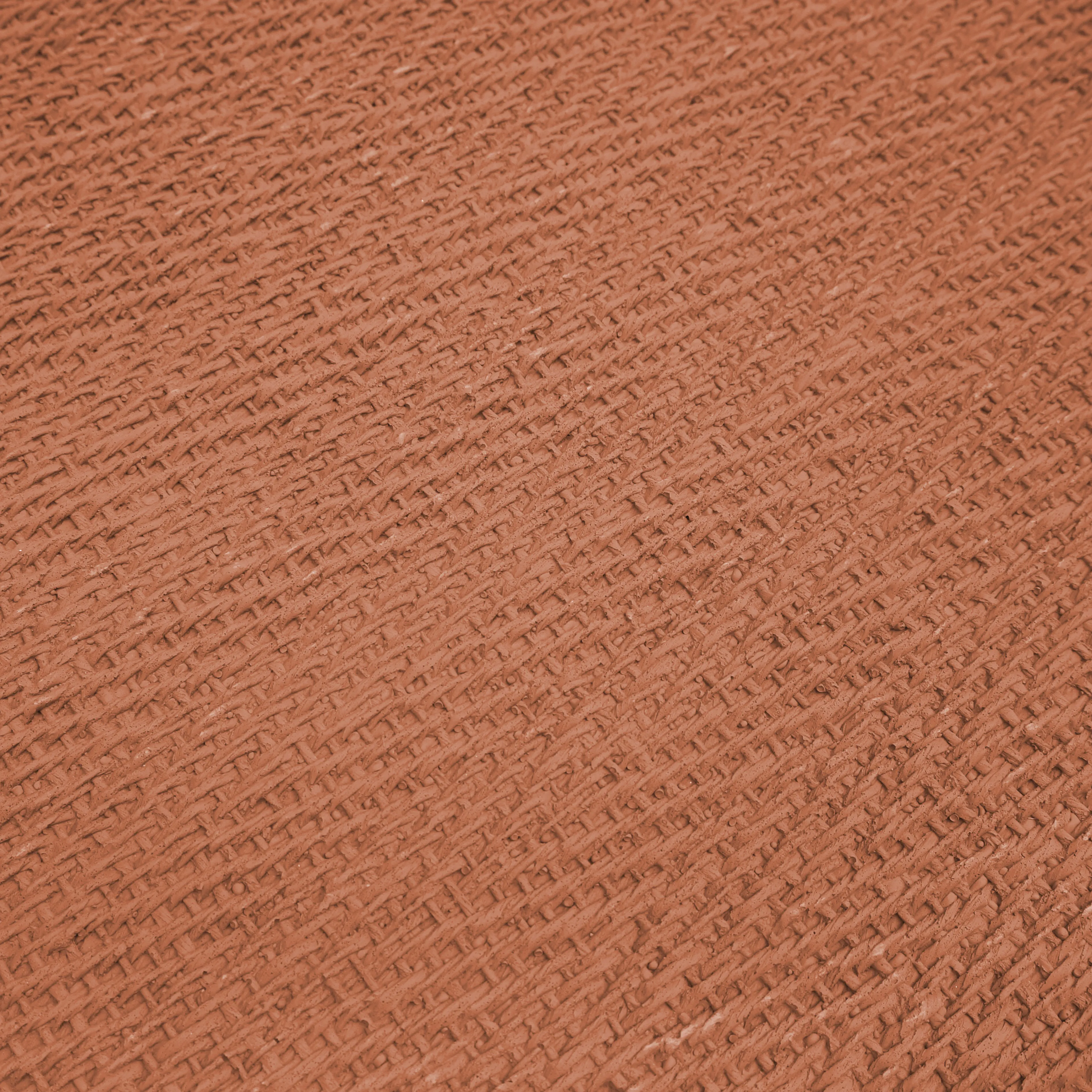
Enter Weaving (Jacinth)—a standout in MCM's custom texture lineup. Part of the broader weaving series (which includes options like Weaving (Khaki), Weaving (Grey), and Weaving (Beige)), Weaving (Jacinth) isn't just a material—it's a textile-inspired work of art translated into stone-like durability. At first glance, it's easy to mistake its surface for handwoven fabric: soft, undulating lines that mimic the interlacing of threads, creating a pattern that's both organic and structured. The color, a warm, earthy jacinth (think burnt sienna with hints of terracotta), adds depth, making the texture pop whether it's hit by natural light or artificial glow.
But what truly sets Weaving (Jacinth) apart is how it engages the senses. Run your hand over it, and you'll feel the subtle ridges and valleys of the woven pattern—not sharp or rough, but tactile enough to invite interaction. Stand back, and the interplay of light and shadow on those textures creates movement, as if the surface is gently breathing. It's a far cry from the flat, uniform finish of standard MCM designs. This isn't just a "look"—it's an experience. And that experience is intentional. Weaving (Jacinth) is part of a new wave of MCM textures that prioritize emotional resonance over mere functionality.
So, how is this level of detail possible? Much of it comes down to MCM's manufacturing flexibility, especially with innovations like the mcm 3d printing series . Traditional MCM production uses molds to create textures, which works well for standard designs but limits complexity. 3D printing, however, allows for intricate, layer-by-layer detailing—perfect for replicating the nuance of woven fabric. Combine that with the inherent benefits of MCM flexible stone (the base material for many custom textures), which bends without cracking and cuts easily to fit any space, and you have a material that's as practical as it is beautiful.
You might be thinking, "This all sounds lovely, but isn't custom texture just about looks?" Far from it. While the visual and emotional impact is undeniable, custom textures like Weaving (Jacinth) offer tangible functional benefits that standard MCM designs often lack. Let's break them down:
Standard MCM, with its smooth surface, reflects light uniformly—great for brightness, but not always ideal for creating cozy or intimate spaces. Weaving (Jacinth)'s textured surface, on the other hand, scatters light, softening harsh glares and creating warm, diffused illumination. In a restaurant dining room, this can turn a bright, sterile space into a romantic, candlelit nook. In a home bedroom, it can transform morning sunlight into a gentle glow that eases you out of sleep. It's a subtle tweak, but it has a huge impact on how a room "feels."
Hard, flat surfaces (like standard MCM) are notorious for bouncing sound around, leading to echoey, noisy spaces. The textured surface of Weaving (Jacinth) disrupts sound waves, absorbing and diffusing them instead of reflecting them. This makes it an excellent choice for high-traffic areas like hotel lobbies or open-concept offices, where reducing noise pollution.It's not a replacement for dedicated acoustic panels, but it's a smart, design-forward way to enhance sound quality without sacrificing style.
Let's face it: even the most durable materials show signs of life over time. Standard MCM's uniform finish makes scratches, scuffs, or water spots glaringly obvious. Weaving (Jacinth)'s busy, textured pattern? It hides minor imperfections far better. A small scratch or smudge gets lost in the woven lines, keeping the surface looking fresh longer. This is a huge win for commercial spaces or high-use residential areas where maintenance budgets are tight.
Standard MCM designs often come in fixed patterns and sizes, limiting how they can be arranged. Weaving (Jacinth), by contrast, plays well with other materials and layouts. Pair it with sleek foamed aluminium alloy board (vintage gold) for a modern-meets-organic contrast, or use it alongside rough-hewn lunar peak golden for a rustic-chic vibe. Its neutral-yet-warm color and versatile texture make it a chameleon, adapting to almost any design scheme without overpowering it. Standard designs, with their one-note finishes, rarely offer that kind of flexibility.
To better understand the gap between standard MCM designs and custom textures like Weaving (Jacinth), let's put them head-to-head. The table below compares key factors that matter most to designers, architects, and property owners:
| Factor | Standard MCM Designs (e.g., Fair-Faced Concrete, Limestone (Beige)) | Custom Textures (e.g., Weaving (Jacinth)) |
|---|---|---|
| Texture Depth | Flat or minimally textured; uniform pattern repetition. | Multi-layered, tactile textures with organic variation (e.g., woven lines, 3D patterns). |
| Emotional Impact | Neutral; functional but rarely evokes strong emotional response. | Evocative; invites touch, sparks curiosity, and creates memorable sensory experiences. |
| Design Uniqueness | Widely available; risks feeling generic in saturated markets. | Limited production runs; ensures project distinctiveness. |
| Acoustic Performance | Flat surface reflects sound, potentially increasing echo. | Textured surface scatters sound, reducing noise and improving acoustics. |
| Maintenance | Easy to clean (flat surface), but scratches/scuffs are highly visible. | Textured surface hides minor imperfections; may require gentle cleaning to avoid trapping dust. |
| Cost | Lower upfront cost; mass production reduces per-unit price. | Higher upfront cost; custom molds/3D printing and limited runs increase investment. |
| Lead Time | Quick; readily available in standard sizes/colors. | Longer; custom production requires design finalization and manufacturing setup. |
| Application Versatility | Best for large, uniform surfaces (e.g., office walls, basic exteriors). | Ideal for focal points (accent walls, feature facades) or spaces needing character (restaurants, boutique hotels). |
The takeaway? Standard designs excel at reliability and cost-efficiency, but they trade uniqueness and emotional impact for those benefits. Custom textures like Weaving (Jacinth), while requiring a higher initial investment, deliver intangible returns—memorable spaces, stronger brand identity, and happier occupants—that often justify the cost.
Numbers and tables tell part of the story, but real-world examples bring it to life. Let's look at two projects that chose Weaving (Jacinth) over standard MCM—and how that choice transformed their outcomes.
When the owners of Hearth & Thread, a community-focused café in Portland, set out to design their space, they wanted it to feel like "a warm hug in a cup of coffee." Their vision was a blend of industrial chic and homey comfort—think exposed brick, reclaimed wood tables, and soft lighting. Initially, they planned to use standard fair-faced concrete MCM for the back wall of the seating area, drawn to its affordability and modern look. But during a material sourcing trip, they stumbled upon Weaving (Jacinth) samples.
"The moment we saw it, we knew we had to pivot," says co-owner Mia Chen. "The concrete felt cold, like every other café in the city. Weaving (Jacinth) had this warmth, this texture that made you want to reach out and touch it. It felt like the wall itself was telling a story about craftsmanship, about things made by hand. That's exactly what we wanted our café to stand for." The team swapped the concrete for Weaving (Jacinth), and the result was transformative. Customers often comment on how "cozy" the space feels, with many mentioning the wall specifically: "It's like sitting in a friend's living room, not a coffee shop," one regular noted. Within six months of opening, Hearth & Thread became a local hotspot, with social media posts of the "woven wall" driving significant foot traffic.
For the Marlow Hotel, a boutique property in Miami's Design District, the goal was to create a lobby that felt both luxurious and approachable—"a five-star experience with a soul," as lead architect David Torres puts it. The team considered standard marble-look MCM panels (a common choice for high-end hotels) but worried they'd feel sterile. Instead, they opted for Weaving (Jacinth) as the centerpiece of the lobby's accent wall, flanked by foamed aluminium alloy board (vintage silver) for a modern contrast.
"Marble veining is beautiful, but it's everywhere," Torres explains. "We wanted something that would make guests stop and say, 'Wow, what is that?' Weaving (Jacinth) did exactly that. The texture adds movement to the space, and the jacinth color ties in with the hotel's tropical-meets-art-deco aesthetic. Plus, from a practical standpoint, it's held up incredibly well to high traffic—no visible scuffs, even after a year of guests leaning against it or running their hands over it." The lobby has since been featured in several design magazines, with critics praising its "tactile, sensory-rich environment."
Weaving (Jacinth) isn't an anomaly—it's part of a broader shift in the MCM industry. As clients and end-users grow more design-savvy, they're demanding materials that go beyond the basics. They want spaces that feel personal, that reflect their brand or lifestyle, and that can't be replicated with off-the-shelf products. This demand is driving innovation, from the mcm 3d printing series (which allows for hyper-custom patterns) to new material blends that mimic everything from hand-carved stone to vintage textiles.
Even standard MCM designs are evolving, with manufacturers adding subtle textures and color variations to keep up. But there's a limit to how much "standard" can adapt. Custom textures like Weaving (Jacinth) will always have the edge when it comes to uniqueness and emotional impact. They're not just materials—they're tools for storytelling, allowing designers to craft spaces that resonate on a deeper level.
Of course, custom textures aren't for every project. If budget is extremely tight, or if the design calls for a minimalist, uniform look, standard MCM is still a solid choice. But for projects where differentiation, guest experience, or brand identity matters, the investment in custom textures pays dividends. A space that feels "special" isn't just more enjoyable to be in—it's more memorable, more shareable, and ultimately, more valuable.
At the end of the day, the choice between standard MCM designs and custom textures like Weaving (Jacinth) isn't just about materials—it's about vision. It's about asking: Do I want a space that blends in, or one that stands out? Do I want to meet expectations, or exceed them? Weaving (Jacinth) and other custom textures answer those questions with a resounding "stand out" and "exceed." They remind us that architecture and design aren't just about building structures—they're about building experiences. Experiences that touch us, move us, and make us feel something.
So, the next time you're choosing materials for a project, think beyond the specs. Think about the story you want to tell. Think about the hands that will touch the walls, the eyes that will linger on the patterns, the memories that will be made in that space. Standard MCM can build a room, but custom textures? They build a legacy.
Recommend Products












