
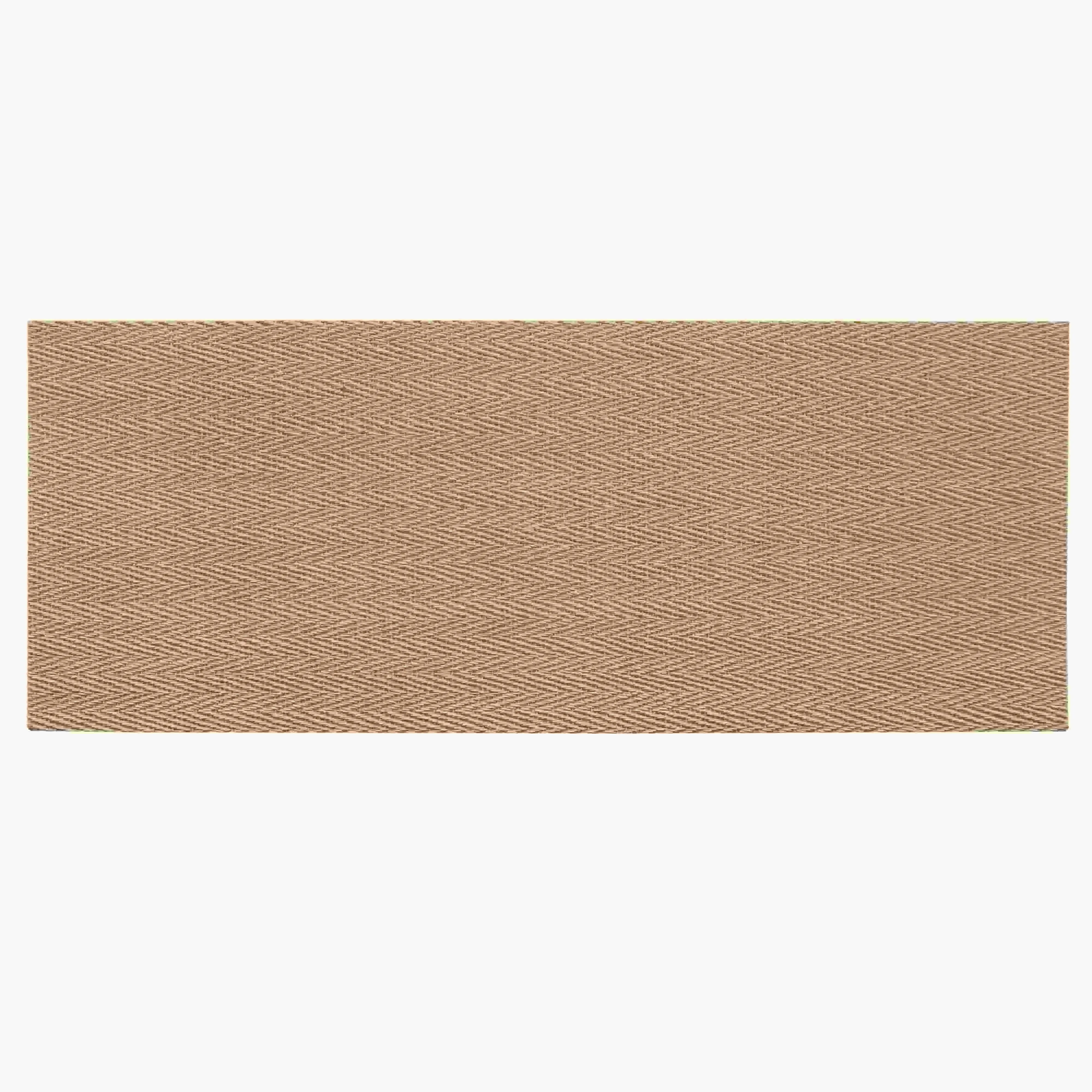
Exploring the enduring beauty of a material designed to stand the test of time—and sunlight
Walk down any street in a modern city, and you'll notice how buildings "wear" their exteriors like skin—reflecting the era they were built, the vision of their designers, and the passage of time. For architects and designers, choosing a cladding material isn't just about aesthetics; it's about selecting a partner that will preserve that vision for decades. Enter MCM (Modified Composite Material), a revolutionary building material that has redefined durability and beauty in construction. Among its many iterations, Weaving (Khaki) stands out—a warm, textured surface that mimics the organic rhythm of handwoven fabric, yet boasts the resilience to outlast the harshest sun.
Weaving (Khaki) isn't just another cladding option. It's a celebration of texture and tone, designed to evoke the comfort of natural materials while delivering the performance of cutting-edge technology. Imagine running your hand over its surface: the subtle ridges and valleys, like the gentle weave of a well-loved blanket, catch the light in ways that make even the largest buildings feel intimate. Its khaki hue, a soft blend of earthy browns and warm beiges, is more than a color—it's a mood, one that bridges the gap between modern minimalism and rustic charm. But what truly sets it apart is its unwavering commitment to staying true to that mood, year after year, even under the relentless gaze of the sun.
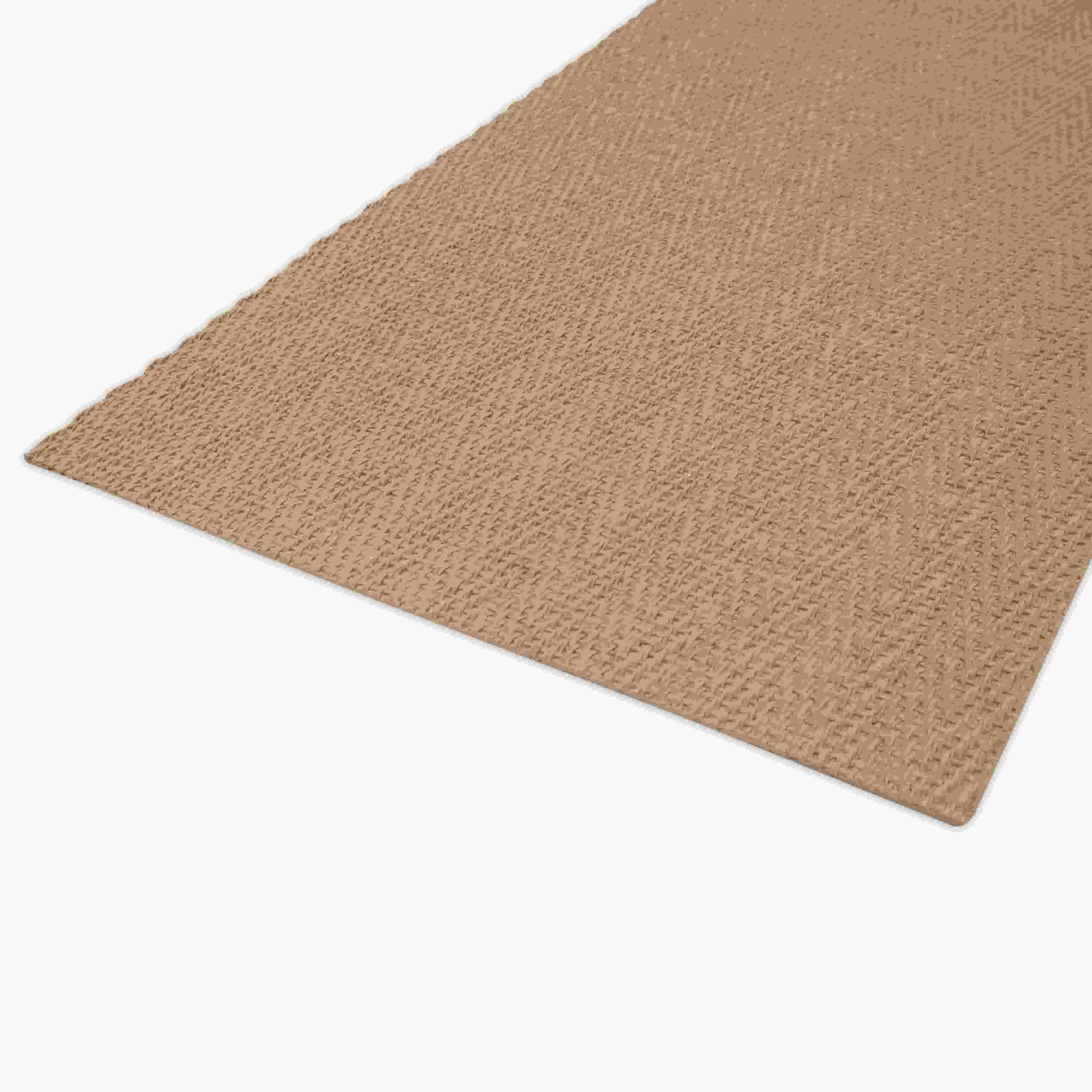
Color fading is the silent enemy of architectural beauty. Sunlight, particularly ultraviolet (UV) radiation, breaks down the molecular bonds in pigments, turning vibrant hues into pale shadows of their former selves. For building owners, this means costly repaints, a loss of design integrity, and a structure that ages faster than intended. But MCM materials, including Weaving (Khaki), are engineered to fight back—and the secret lies in their DNA.
At the heart of Weaving (Khaki)'s color stability is a multi-layered manufacturing process that integrates high-performance pigments and protective coatings. Unlike traditional materials, where color is applied as a surface layer, MCM embeds pigments deep within its composite structure. This "full-body" coloring ensures that even if the surface is slightly worn (a rare occurrence, given MCM's durability), the color remains consistent. Think of it like a carrot: the color runs through the entire material, not just the skin. But that's just the first line of defense.
To combat UV radiation, Weaving (Khaki) undergoes a specialized treatment that forms a microscopic shield against the sun's harmful rays. This UV-resistant barrier reflects and absorbs radiation, preventing it from penetrating the material and breaking down pigments. Testing labs simulate decades of sunlight exposure in accelerated aging chambers, bombarding samples with intense UV light, heat, and humidity. The result? Weaving (Khaki) retains over 95% of its original color after 20 years of simulated exposure—a feat that traditional materials like untreated wood or even some natural stones struggle to match.
This stability isn't just about science; it's about trust. When an architect specifies Weaving (Khaki) for a project, they're not just choosing a color—they're promising the client that the building will look as intended in 5, 10, or 50 years. It's a commitment to timelessness, one that turns buildings into legacies rather than temporary structures.
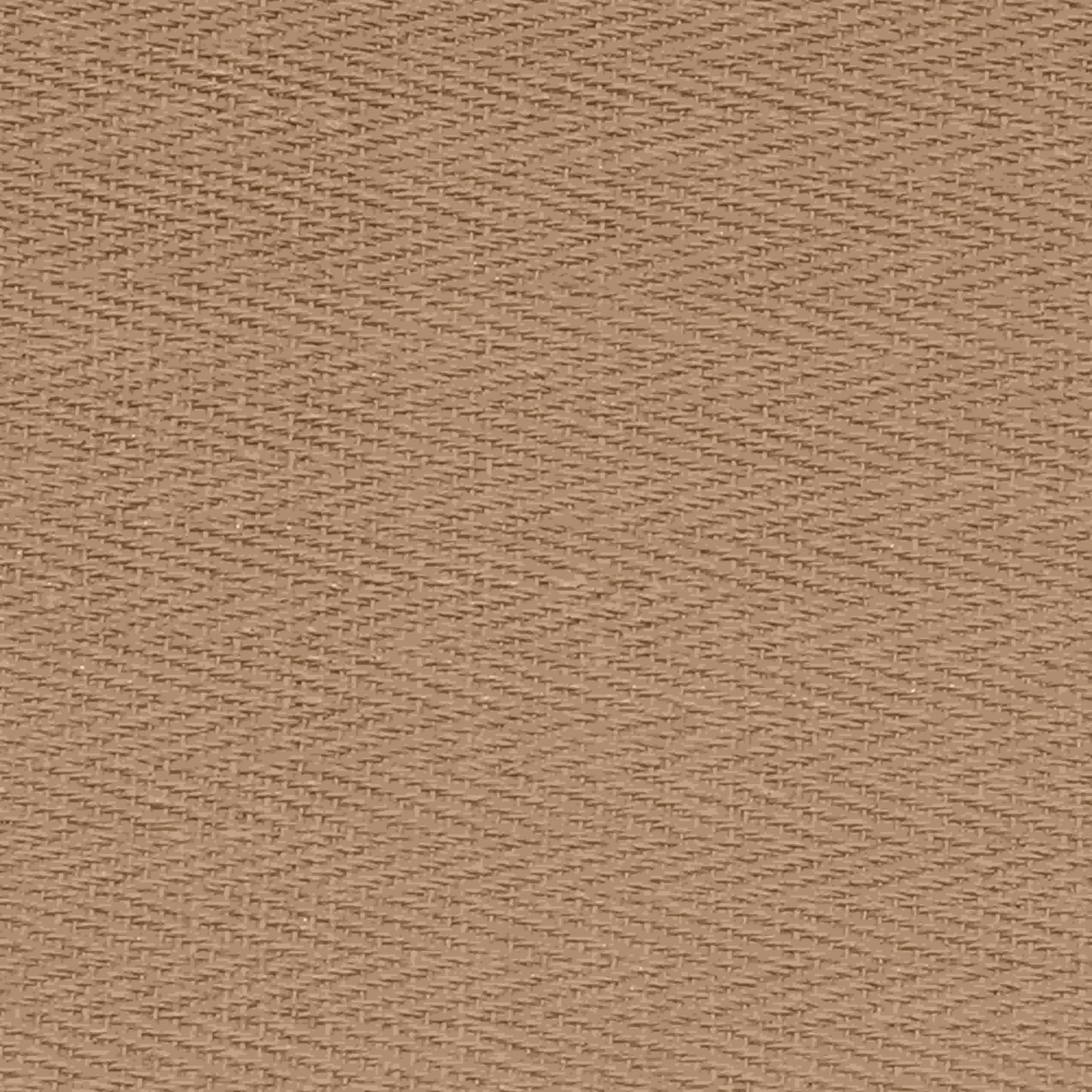
Lab tests are impressive, but real-world performance is the ultimate measure of a material's mettle. Take, for example, the Greenview Community Center in Phoenix, Arizona—a building bathed in over 300 days of sunshine annually. Completed in 2015, its exterior features Weaving (Khaki) cladding. Today, nearly a decade later, visitors still comment on how "fresh" the building looks. The khaki hue hasn't dulled; the woven texture still catches the desert light, creating a play of shadows that makes the structure feel alive. Maintenance crews report no need for repainting or refinishing—just an occasional wash to remove dust. That's the power of UV resistance in action.
Compare that to a neighboring building clad in traditional wood grain board, which required staining every two years to combat fading. The contrast is stark: one building aging gracefully, the other fighting a losing battle against the sun. For the Greenview Center, Weaving (Khaki) hasn't just saved on maintenance costs—it's preserved the original design vision. The architects wanted a warm, inviting space that felt connected to the desert landscape, and after 10 years, that vision remains intact.
Another example is the Seaside Library in Miami, Florida, where Weaving (Khaki) faces not just UV rays but saltwater spray and high humidity—conditions that accelerate degradation in many materials. Since its opening in 2018, the library's exterior has withstood hurricane-force winds, heavy rains, and relentless sun. A recent inspection by the building's engineer noted that the color variation across the cladding was less than 2%, meaning the material has maintained near-perfect uniformity. For a public building that serves as a community hub, this consistency is crucial—it sends a message that the space is cared for, reliable, and built to last.
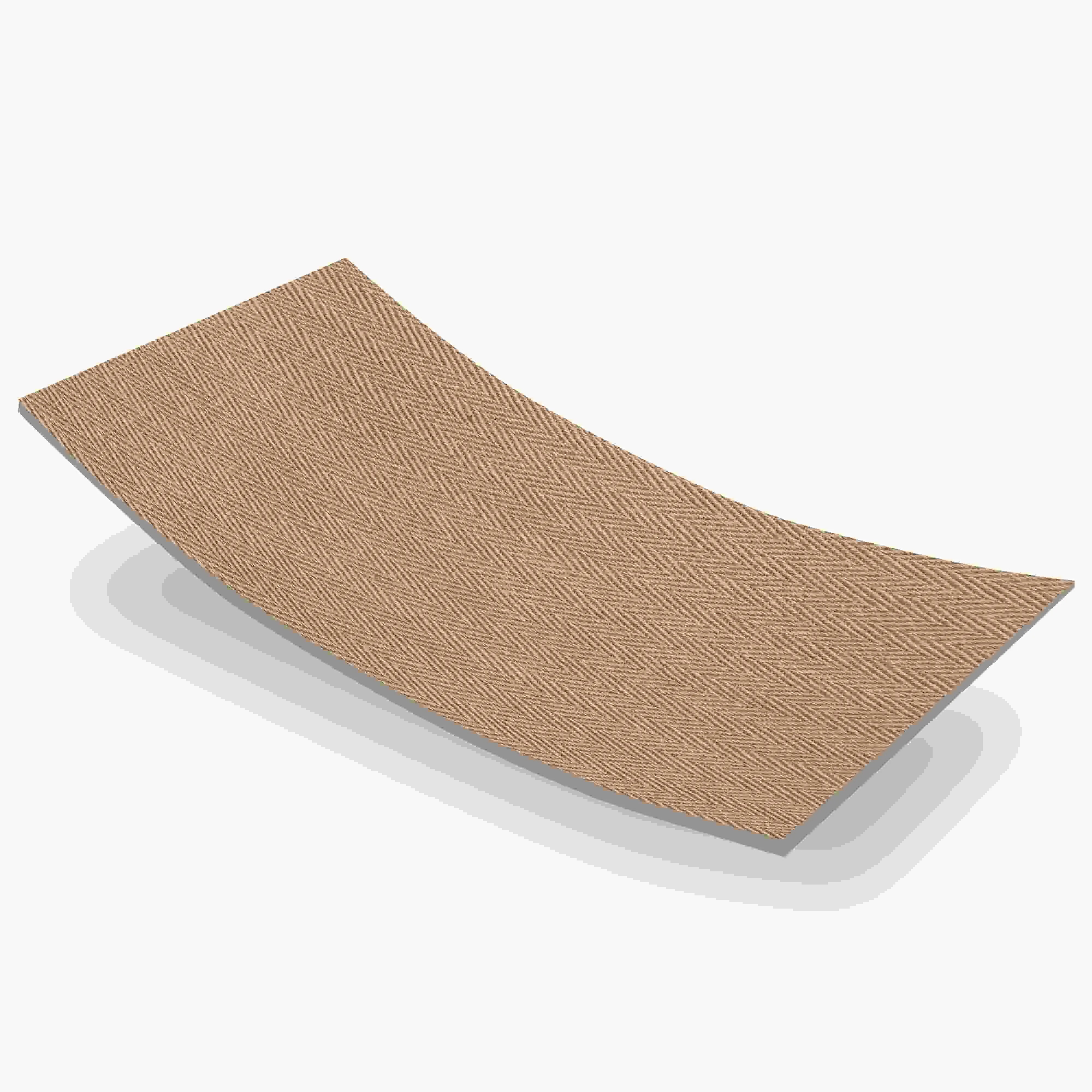
MCM offers a diverse range of textures and colors, each with its own strengths. To truly appreciate Weaving (Khaki), it helps to see how it compares to other popular options in the MCM family. Below is a breakdown of key features, from UV resistance to aesthetic versatility:
| Material | UV Resistance | Color Retention (20 Years) | Texture | Best For |
|---|---|---|---|---|
| Weaving (Khaki) | Excellent (95%+ resistance) | 95%+ original color | Soft, woven ridges; warm, tactile surface | Residential complexes, community centers, boutique hotels |
| mcm flexible stone | Very Good (90% resistance) | 90-92% original color | Smooth, stone-like; flexible for curved surfaces | Curved facades, accent walls, modern art installations |
| foamed aluminium alloy board (vintage silver) | Good (85% resistance) | 85-88% original color | Metallic, lightweight; subtle sheen | Commercial high-rises, tech offices, industrial-chic spaces |
| travertine (starry green) | Very Good (90% resistance) | 88-90% original color | Vibrant, star-like flecks; natural stone texture | Luxury resorts, cultural centers, statement facades |
| fair-faced concrete | Moderate (75% resistance) | 70-75% original color | Raw, industrial; matte finish | Warehouse conversions, minimalist homes, art galleries |
What stands out here is Weaving (Khaki)'s balance of UV resistance, color retention, and tactile appeal. While foamed aluminium alloy board (vintage silver) offers a sleek metallic look, its color retention falls short of Weaving (Khaki)'s. Travertine (starry green) dazzles with its vibrant flecks but may fade slightly more over time. And while mcm flexible stone is incredibly versatile for curved surfaces, its texture lacks the organic warmth of Weaving (Khaki)'s woven pattern. For projects where long-term aesthetic consistency and a welcoming, natural feel are priorities, Weaving (Khaki) emerges as a clear leader.
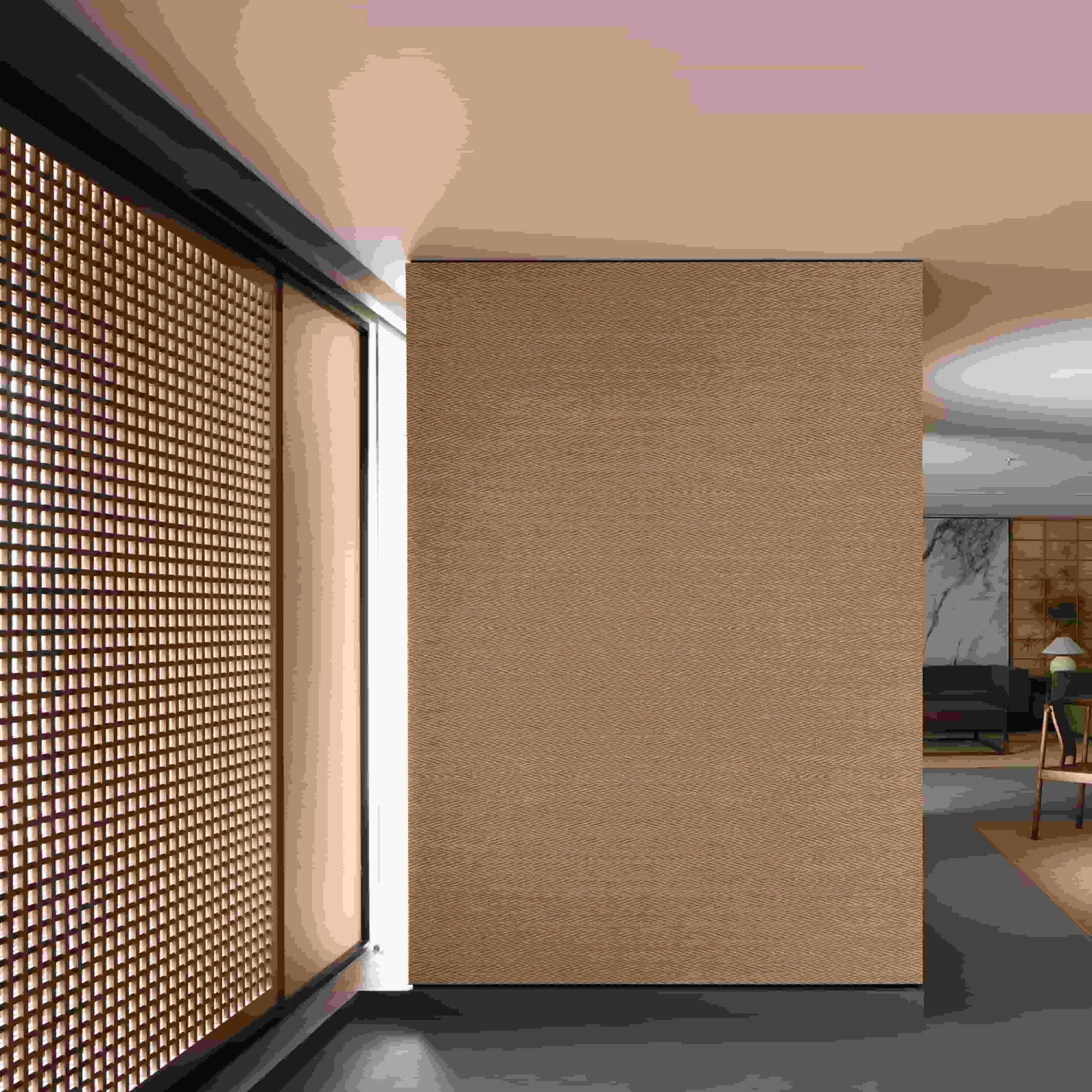
Buildings are more than just structures—they shape how we feel. A faded, discolored facade can make a space feel neglected, even unwelcoming. Conversely, a building that retains its original color and texture over time exudes confidence, warmth, and care. Weaving (Khaki)'s ability to stay true to its hue plays a subtle but powerful role in creating emotional connections with the people who interact with it.
Consider a residential apartment complex clad in Weaving (Khaki). For the residents, coming home to a building that still looks as warm and inviting as the day they moved in fosters a sense of pride and belonging. It's a visual reminder that their home is well-built and valued. For visitors, the consistent color and texture signal that this is a place where attention to detail matters—a community that invests in its spaces. In commercial settings, like a boutique hotel or restaurant, Weaving (Khaki)'s enduring khaki tone creates a timeless backdrop that complements changing interior design trends. Unlike trendy colors that quickly feel dated, khaki is a neutral that evolves with style, ensuring the building remains relevant for years.
There's also a psychological comfort in stability. In a world that's constantly changing, a building that doesn't fade or degrade becomes a anchor—a symbol of reliability. This is especially true for public spaces like libraries, schools, or community centers, which serve as gathering points for generations. Weaving (Khaki) doesn't just preserve color; it preserves memories. A child who visits the Seaside Library today might bring their own children there decades later, and the building will still look familiar, a constant in a world of flux.
Weaving (Khaki)'s unique blend of durability, texture, and color stability makes it suitable for a wide range of applications. Here are just a few areas where it excels:
From single-family homes to multi-unit complexes, Weaving (Khaki) adds curb appeal that lasts. Its warm tone complements landscaping, blending with greenery and natural surroundings. For modern homes with clean lines, the woven texture adds depth without overwhelming the design. In traditional settings, it echoes the earthy hues of brick or stone but with better performance and lower maintenance.
Restaurants, retail stores, and offices benefit from Weaving (Khaki)'s ability to create a welcoming atmosphere. Its color stability ensures that brand identity—often tied to building aesthetics—remains consistent. For example, a café that uses Weaving (Khaki) on its exterior will maintain its cozy, inviting look, even as neighboring businesses repaint or renovate to keep up with trends.
Museums, theaters, and community centers require materials that can withstand heavy foot traffic and constant exposure to the elements. Weaving (Khaki)'s durability and resistance to fading make it ideal for these high-use spaces. Its neutral tone also serves as a backdrop that lets art, signage, or architectural details take center stage.
Patios, pool surrounds, and outdoor kitchens can all benefit from Weaving (Khaki)'s slip-resistant texture and UV resistance. Unlike wood decking, which fades and warps, or natural stone, which may require sealing, Weaving (Khaki) holds up to water, sun, and foot traffic with minimal care. Its woven pattern also adds visual interest to outdoor spaces, turning functional areas into inviting retreats.
In the world of building materials, few can claim to offer both beauty and brawn. Weaving (Khaki) MCM does just that, combining the organic texture of woven fabric with the cutting-edge technology that ensures it stands up to time, sun, and the elements. Its color stability isn't just a technical specification—it's a promise: that the buildings we design today will still inspire, comfort, and delight tomorrow.
Whether you're an architect crafting a community center, a homeowner building your dream house, or a developer looking to create lasting value, Weaving (Khaki) delivers. It's a material that respects the past—echoing the warmth of natural materials—while embracing the future with its advanced performance. In a world where so much is temporary, Weaving (Khaki) is a reminder that some things are built to last. And in the end, isn't that the true measure of great architecture? Not just how it looks on opening day, but how it looks—and feels—decades later.
Weaving (Khaki) MCM: where color meets resilience, and beauty meets forever.
Recommend Products












