
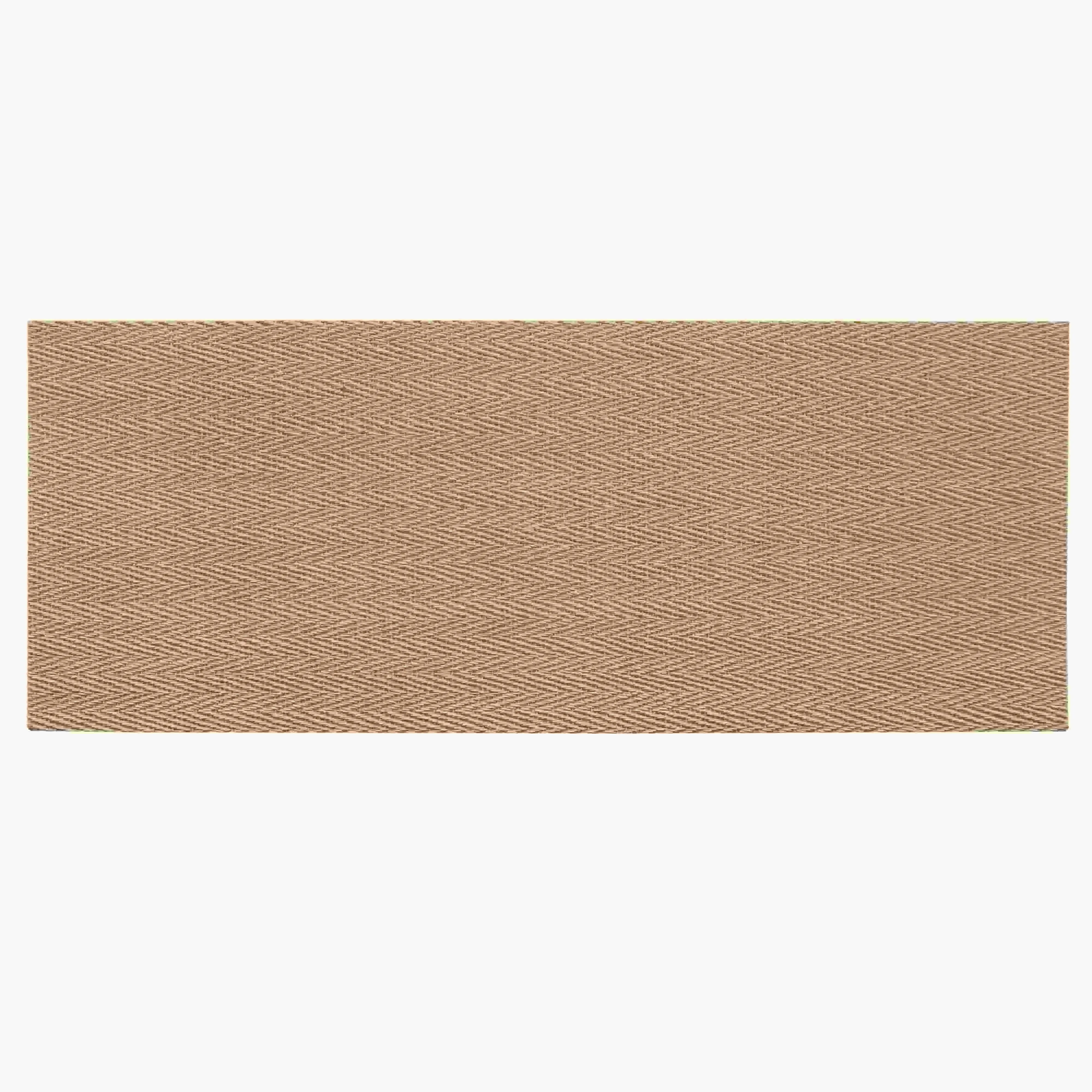
When we step into a building—whether it's a cozy café on the corner, a towering office complex, or the home we return to each night—we rarely stop to think about the materials that hold it together. But behind every wall, every facade, and every surface lies a silent promise: safety. In a world where architectural innovation pushes boundaries of design, the need for materials that blend beauty with resilience has never been more critical. Today, we're diving into a product that does just that: Weaving (Khaki) MCM. More than just a feast for the eyes, this material stands as a testament to how modern construction can prioritize both aesthetics and fire safety.
Before we zoom in on Weaving (Khaki), let's take a step back to understand the bigger picture: Modified Composite Material, or MCM. Born from the need to replace heavy, brittle traditional building materials, MCM is a game-changer. It's a lightweight, flexible alternative that marries the durability of stone with the versatility of modern composites. Think of it as nature's strength reimagined through technology—thin yet tough, adaptable yet reliable. MCM panels are used everywhere from exterior cladding to interior accent walls, and for good reason: they resist weathering, fade minimally, and offer endless design possibilities. But among all its benefits, one stands out as non-negotiable: fire resistance. In an era where building codes grow stricter and safety expectations higher, MCM's ability to stand up to fire isn't just a feature—it's a lifeline.
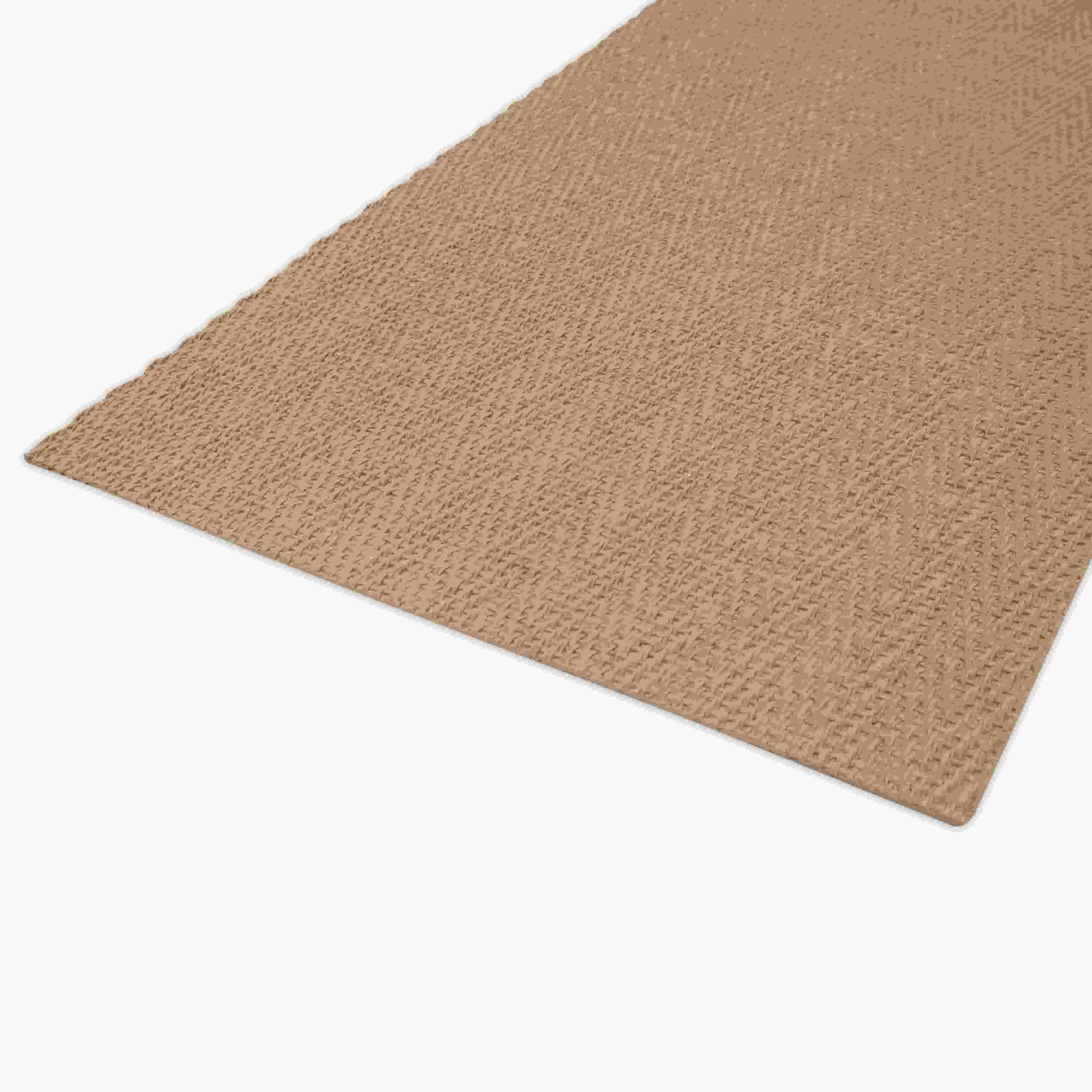
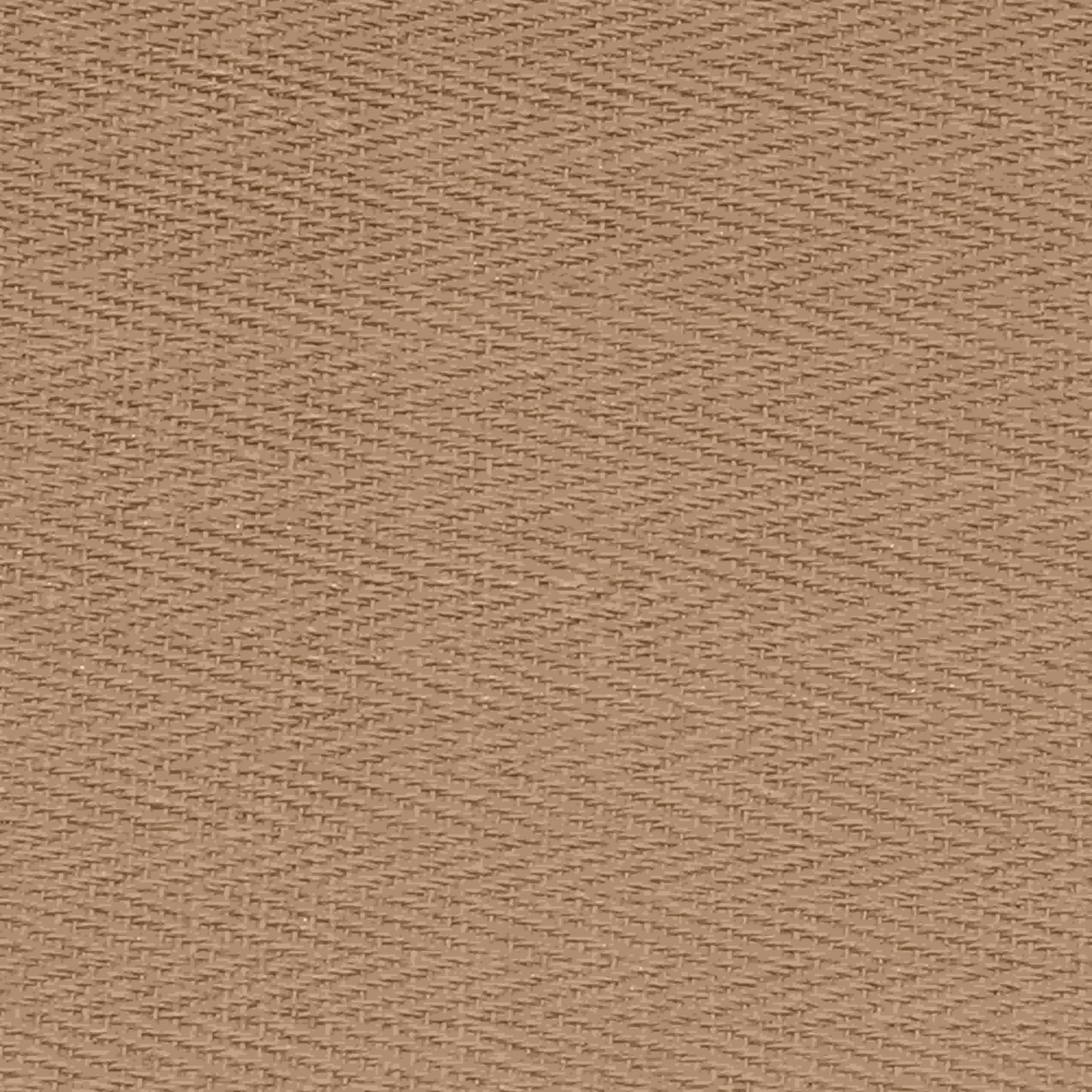
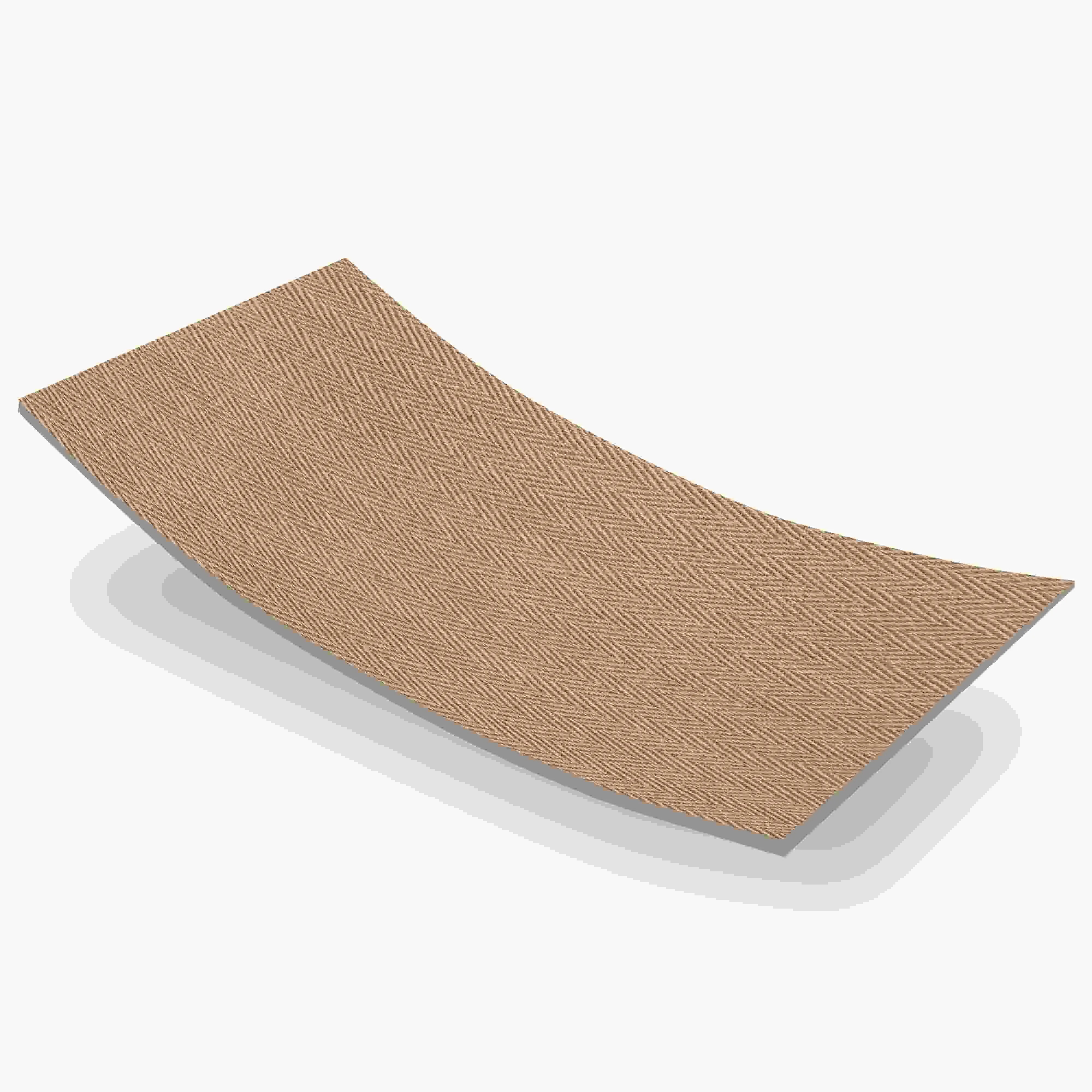
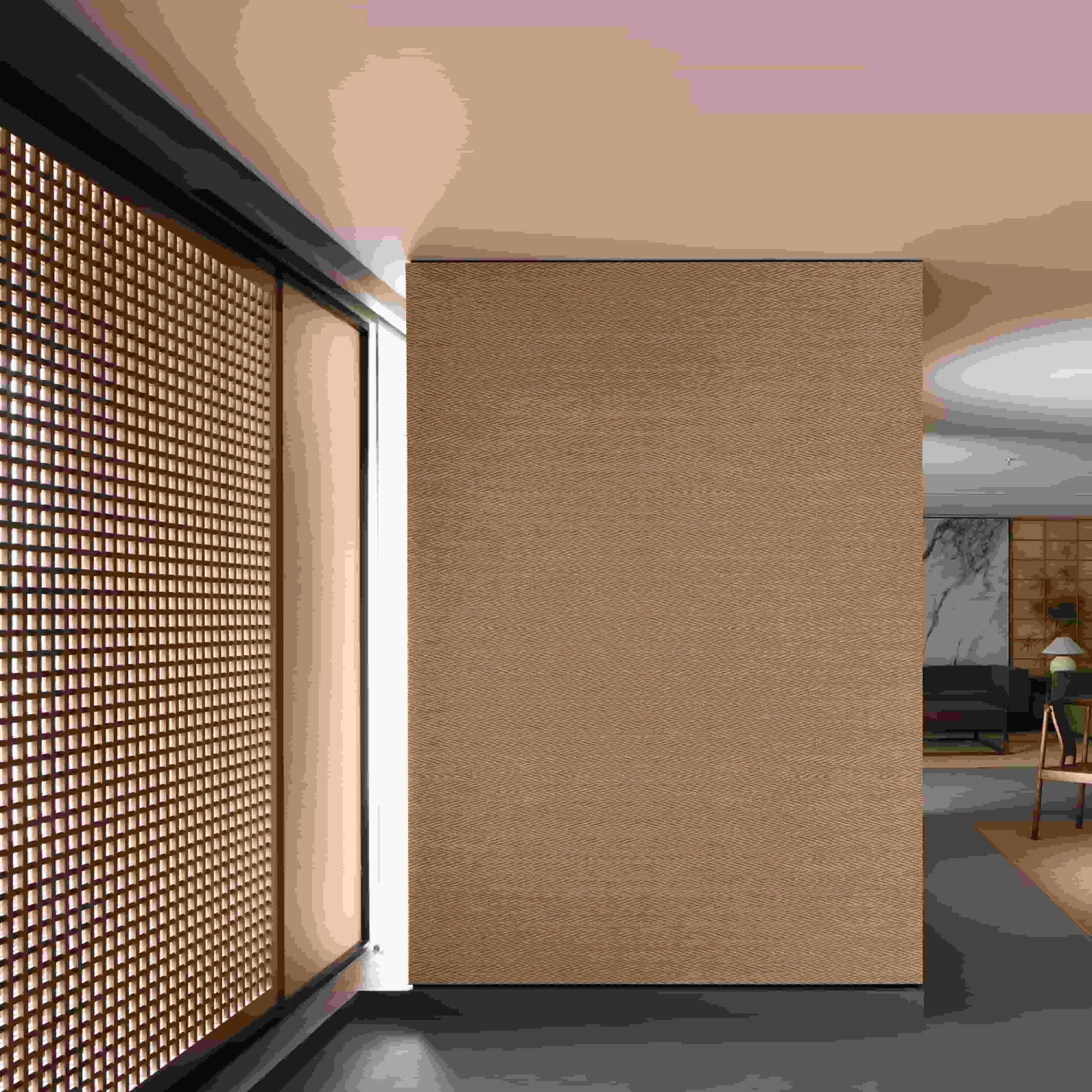
Weaving (Khaki) isn't just another MCM variant—it's a design story told in texture and tone. Its name hints at its aesthetic: a warm, earthy khaki hue interwoven with subtle, thread-like patterns that mimic the look of handwoven fabric. It's the kind of material that turns a plain wall into a conversation piece, adding depth and warmth to spaces without overwhelming them. But what truly sets Weaving (Khaki) apart is what lies beneath that beautiful surface: a core engineered for fire resistance. Unlike some decorative materials that prioritize looks over safety, Weaving (Khaki) doesn't compromise. It's part of the MCM flexible stone family, a line known for blending natural stone aesthetics with enhanced performance. So whether it's gracing the lobby of a boutique hotel or adding character to a residential kitchen backsplash, it brings both style and peace of mind.
Fire resistance isn't just about "not catching fire"—it's about buying time. In a fire emergency, every second counts. Materials that resist combustion, slow the spread of flames, and limit heat and smoke can mean the difference between escape and tragedy. Weaving (Khaki) MCM is designed with this reality in mind. Let's break down how it performs under fire conditions, backed by rigorous testing and international standards.
To truly understand a material's fire resistance, you have to put it through the wringer—and Weaving (Khaki) has passed with flying colors. Testing labs around the world subject materials to extreme heat, measuring how long they can maintain structural integrity, how much smoke they emit, and how quickly they release heat. For Weaving (Khaki), key tests include the ASTM E119 standard (Standard Test Methods for Fire Tests of Building Construction and Materials) and ISO 5660 (Reaction-to-Fire Tests on Products). In ASTM E119, the material is exposed to temperatures that climb from 700°C (1,292°F) to over 1,000°C (1,832°F) over the course of hours. Weaving (Khaki) didn't just withstand this—it maintained its shape, didn't contribute fuel to the fire, and limited heat transfer to the other side. That's critical: in a wall assembly, a material that keeps heat from passing through can prevent the fire from spreading to adjacent rooms.
Smoke emission is another make-or-break factor. In many fires, smoke inhalation is more deadly than the flames themselves. Weaving (Khaki) scores low on smoke density tests, meaning even if exposed to high heat, it releases minimal toxic fumes. This is thanks to its non-combustible core and carefully selected resins that don't off-gas harmful chemicals when heated. Compare that to some plastics or vinyl-based claddings, which can melt and release thick, toxic smoke within minutes, and the difference in safety becomes clear.
Safety is a global language, and building materials need to speak it fluently. Weaving (Khaki) MCM isn't just tested to meet one country's standards—it aligns with some of the most rigorous benchmarks worldwide. In North America, it complies with ASTM E119, which sets the bar for fire resistance of building assemblies. In Europe, it meets EN 13501-1, a classification system that rates materials based on reaction to fire, including parameters like flame spread, heat release, and smoke production. For international projects, it also adheres to ISO 5660, which measures heat release rate and smoke obscuration. What does this mean for architects, builders, and property owners? It means confidence. Whether you're constructing a hotel in Dubai, an office in New York, or a school in Sydney, Weaving (Khaki) doesn't just meet local codes—it exceeds them, ensuring that safety isn't lost in translation.
To truly appreciate Weaving (Khaki)'s fire resistance, it helps to compare it to other common building materials. Let's take a look at how it measures up against a few popular options, from traditional favorites to modern alternatives.
| Material | Fire Rating (Hours) | Smoke Emission | Heat Release Rate (kW/m²) | Key Compliance Standards |
|---|---|---|---|---|
| Weaving (Khaki) MCM | 2+ | Low | < 50 | ASTM E119, EN 13501-1 (A2-s1,d0) |
| Fair-Faced Concrete | 1–3 | Low | < 40 | ASTM E119, ISO 834 |
| Foamed Aluminium Alloy Board (Vintage Silver) | 1–2 | Very Low | < 30 | GB/T 20284, EN 13501-1 (A1) |
| Lime Stone (Beige) | 0.5–1 | Low | 50–70 | ASTM C119, EN 1996-1-1 |
As the table shows, Weaving (Khaki) holds its own against even the most fire-resistant materials. Take fair-faced concrete, a staple in industrial and modern design—it's known for durability and fire resistance, with a rating of 1–3 hours. Weaving (Khaki) matches or exceeds that with a 2+ hour rating, but with a key advantage: weight. Concrete is heavy, adding stress to building structures and limiting installation flexibility. Weaving (Khaki), being lightweight, reduces structural load while maintaining fire performance. Then there's foamed aluminium alloy board (vintage silver), a sleek, metallic option with excellent fire resistance (A1 classification, meaning non-combustible). While its heat release rate is slightly lower, Weaving (Khaki) offers a warmer, more organic aesthetic that aluminium can't match—proving that safety doesn't have to mean sacrificing style.
Lime stone (beige), a natural stone, has been used for centuries, but its fire resistance is limited compared to MCM. It can crack under extreme heat, reducing its structural integrity and fire rating to just 0.5–1 hour. Weaving (Khaki), by contrast, stays intact, making it a smarter choice for high-traffic or safety-critical areas. What this comparison boils down to is this: Weaving (Khaki) doesn't just compete with other materials on fire safety—it outperforms many while offering unique design benefits.
Fire resistance is a star feature, but Weaving (Khaki) MCM brings more to the table. Let's unpack why it's become a favorite among architects and designers who refuse to compromise on either safety or style.
Traditional stone cladding can weigh 50–100 kg per square meter, requiring heavy-duty structural support and complex installation. Weaving (Khaki) MCM? Just 4–6 kg per square meter. That's a fraction of the weight, making it easier to transport, handle, and install. Contractors love it because it speeds up project timelines and reduces labor costs. For building owners, it means less strain on the foundation and lower long-term maintenance expenses. It's a win-win that starts with the material's innovative composition.
Fire resistance is just one part of resilience. Weaving (Khaki) is also resistant to water, mold, and UV rays—common enemies of building materials. Unlike wood, it won't rot or warp. Unlike some natural stones, it won't fade in direct sunlight or absorb moisture, preventing cracks and discoloration. This durability means it's suitable for both interior and exterior use, from humid bathroom walls to sun-baked exterior facades. Imagine a beachfront restaurant with a Weaving (Khaki) accent wall: it would withstand salt spray, rain, and intense sunlight without losing its warm, inviting look. That's the kind of longevity that adds value to any project.
Weaving (Khaki) isn't just safe and durable—it's a designer's dream. Its khaki base with woven textures pairs beautifully with a range of styles, from bohemian to minimalist. It can be cut into custom shapes, curved around corners, or used to create feature walls with depth and dimension. Want to mix materials? Pair it with wood accents for a cozy, rustic vibe, or with sleek metal fixtures for a modern look. The possibilities are endless, and because it's available in large panels, it creates seamless, uninterrupted surfaces that enhance visual flow. In a world where unique design is a competitive advantage, Weaving (Khaki) gives projects a distinctive edge.
Let's move from theory to practice. Where is Weaving (Khaki) MCM making a difference in real buildings? Here are a few examples that highlight its versatility and safety benefits.
Hotels are all about creating memorable experiences, but safety is the foundation of that experience. A boutique hotel in Barcelona recently used Weaving (Khaki) MCM for its lobby walls and hallway cladding. The warm, textured surface welcomed guests, while the 2+ hour fire rating gave the hotel peace of mind. In retail, where foot traffic is high and fire risks (like electrical equipment or display materials) are present, Weaving (Khaki) has been used in a fashion store in Tokyo. Its lightweight nature made it easy to install on the upper walls, and its low smoke emission rating ensured that in the unlikely event of a fire, customers and staff would have clearer escape routes.
Homeowners today demand both beauty and safety, and Weaving (Khaki) delivers on both. A high-rise apartment complex in Sydney chose it for exterior balconies and interior feature walls. The material's resistance to weathering ensures it will look fresh for years, while its fire rating meets strict Australian building codes. In a private home in California, where wildfire risk is a constant concern, Weaving (Khaki) was used as exterior cladding. Its ability to withstand high heat and limit flame spread adds an extra layer of protection, giving the homeowners confidence even during fire season.
Public buildings, especially those housing children, have zero room for compromise on safety. A primary school in London used Weaving (Khaki) MCM for its cafeteria walls. The material's durability stands up to the wear and tear of daily student activity, while its fire resistance ensures that in an emergency, the space remains a safe haven. Community centers, too, benefit—one in Vancouver used Weaving (Khaki) for its multi-purpose hall, where events ranging from yoga classes to craft fairs take place. Its low smoke emission is critical here, as large gatherings mean more people to protect in case of fire.
As we look ahead, the construction industry is moving toward materials that do more—more for safety, more for design, more for sustainability. Weaving (Khaki) MCM is a step in that direction. It proves that we don't have to choose between a building that looks good and one that keeps people safe. In fact, the two can go hand in hand. MCM technology continues to evolve, with ongoing research into even better fire resistance, lower environmental impact, and more innovative textures. Weaving (Khaki) is just the beginning—a preview of a future where every building material works as hard to protect as it does to impress.
For architects, this means more creative freedom without safety trade-offs. For builders, it means easier installation and fewer headaches. For property owners, it means lower maintenance costs and higher tenant satisfaction. And for everyone who steps into these buildings? It means peace of mind—the quiet confidence that the walls around them are more than just barriers; they're guardians.
In the end, building materials are about more than bricks and mortar (or composites and resins). They're about the stories we build within them—the meetings, the laughter, the memories. Weaving (Khaki) MCM doesn't just contribute to those stories; it protects them. Its fire resistance, tested and proven against international standards, ensures that those stories can continue, even when disaster strikes. Its design versatility ensures that those stories are told in spaces that inspire and delight. And its durability ensures that those stories will be told for years to come.
So the next time you walk into a building and pause to admire its walls, take a moment to think about what's behind that beauty. If it's Weaving (Khaki) MCM, you're looking at a material that's as strong as it is stunning—a true example of how modern construction can weave safety, style, and innovation into every thread.
Recommend Products












