
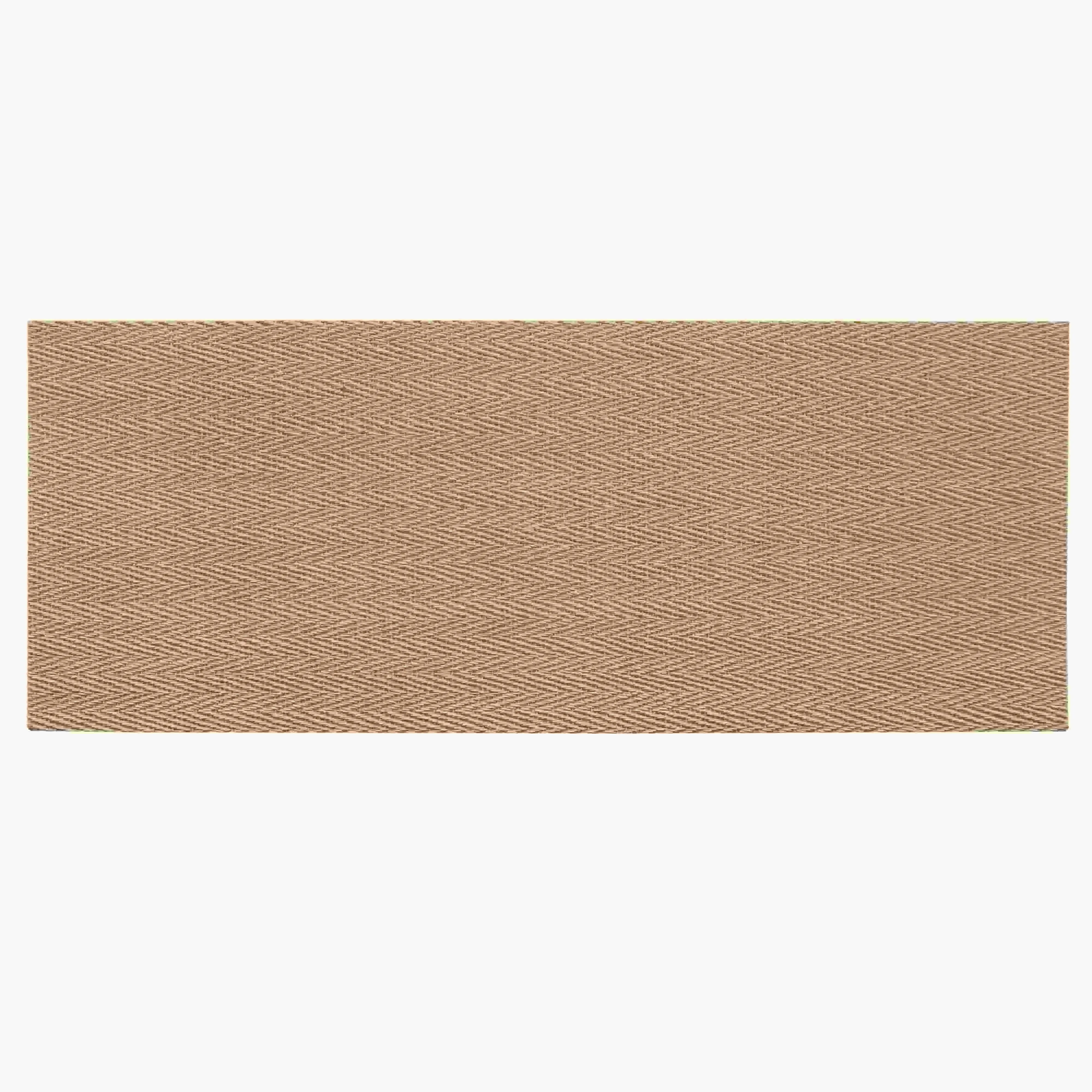
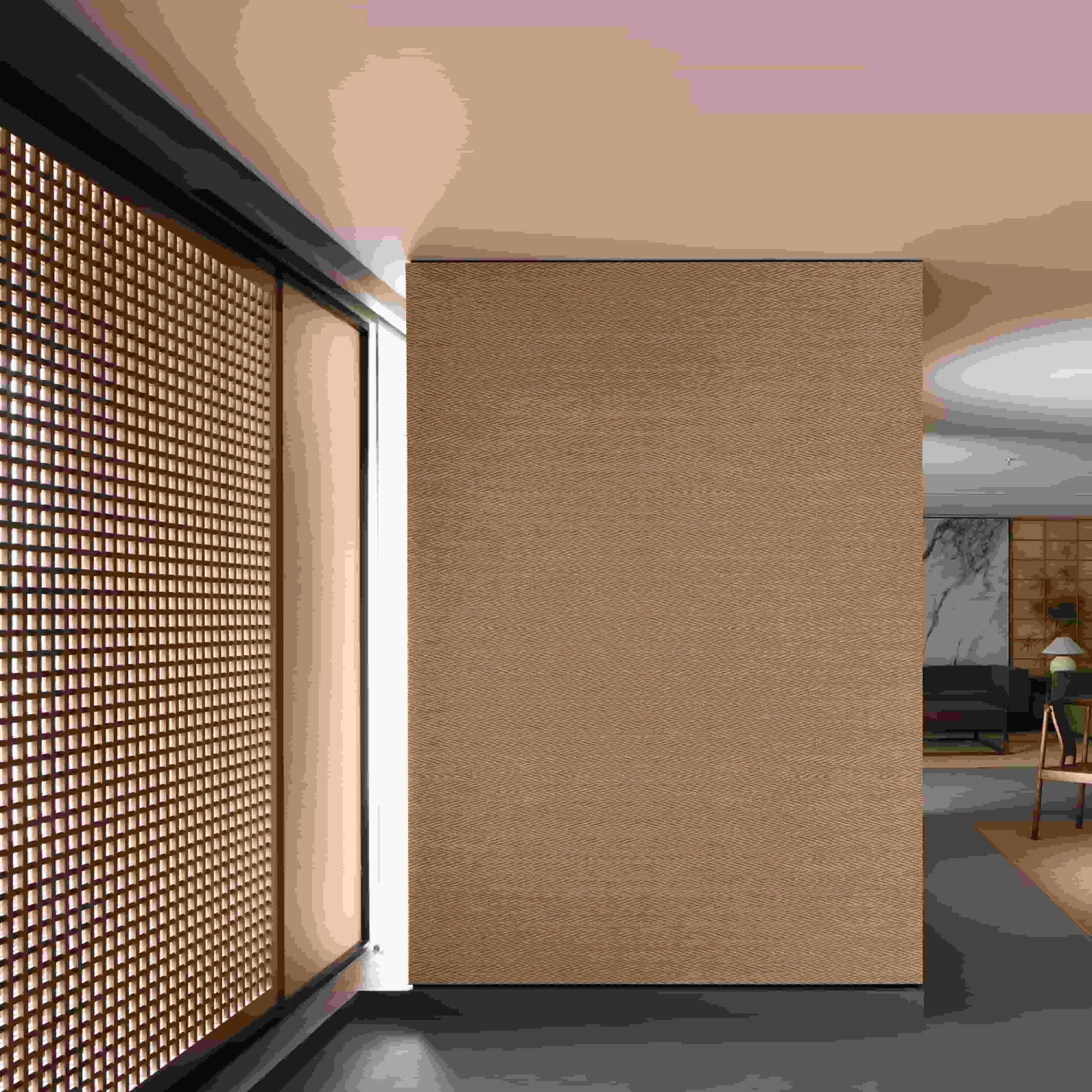
Picture this: a sunlit café where the walls seem to breathe, their surface textured like a well-loved woven blanket in warm khaki. The air feels inviting, the atmosphere cozy—and yet, beneath that soft aesthetic lies a silent guardian. This is the promise of Weaving (Khaki) MCM panels: materials that don't just decorate spaces, but protect them. In an industry where architects and builders balance artistry with responsibility, fire safety isn't just a box to check; it's the foundation of every decision. Today, we're diving into the fire safety tests that make Weaving (Khaki) more than a pretty choice—and why those results matter for the spaces we live, work, and gather in.
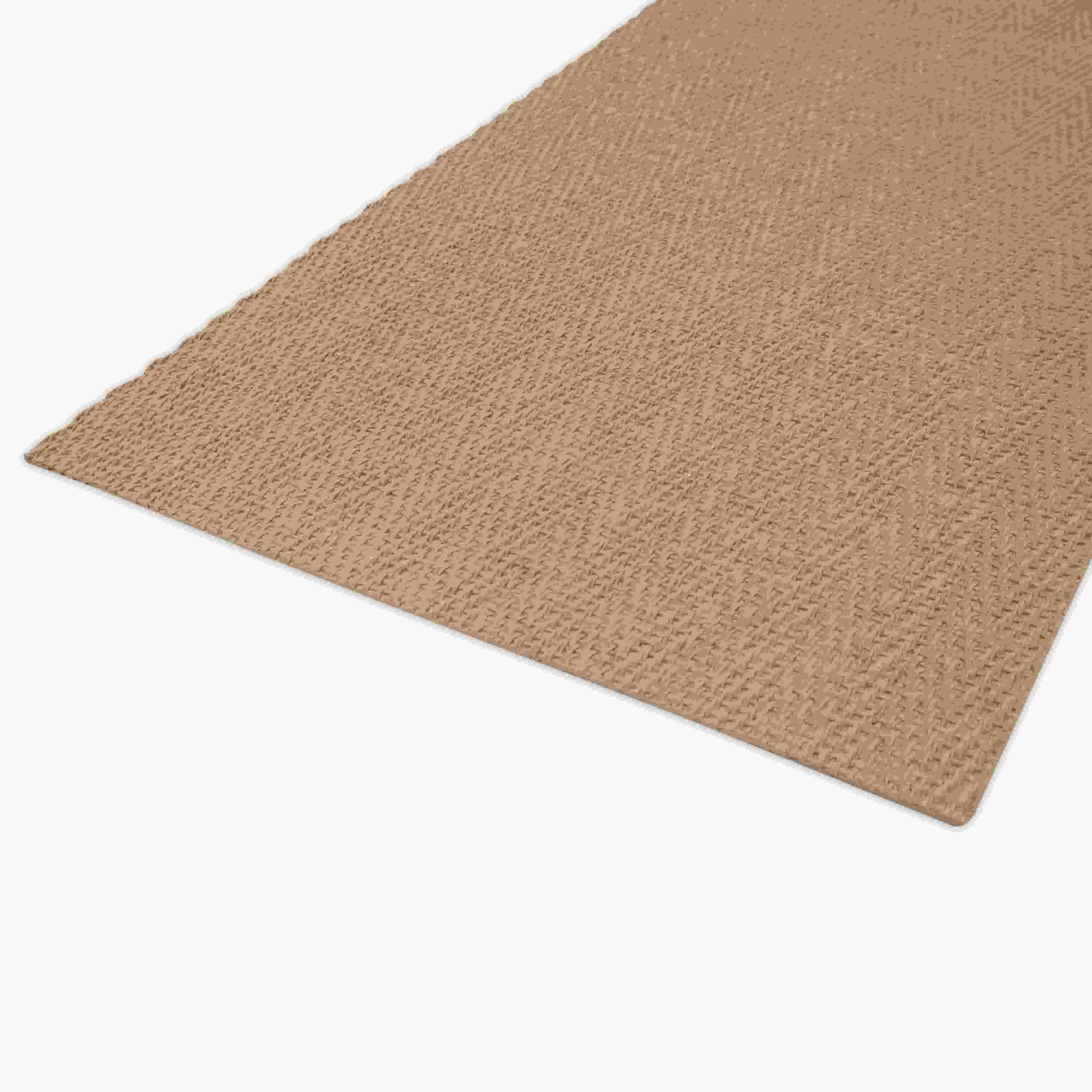
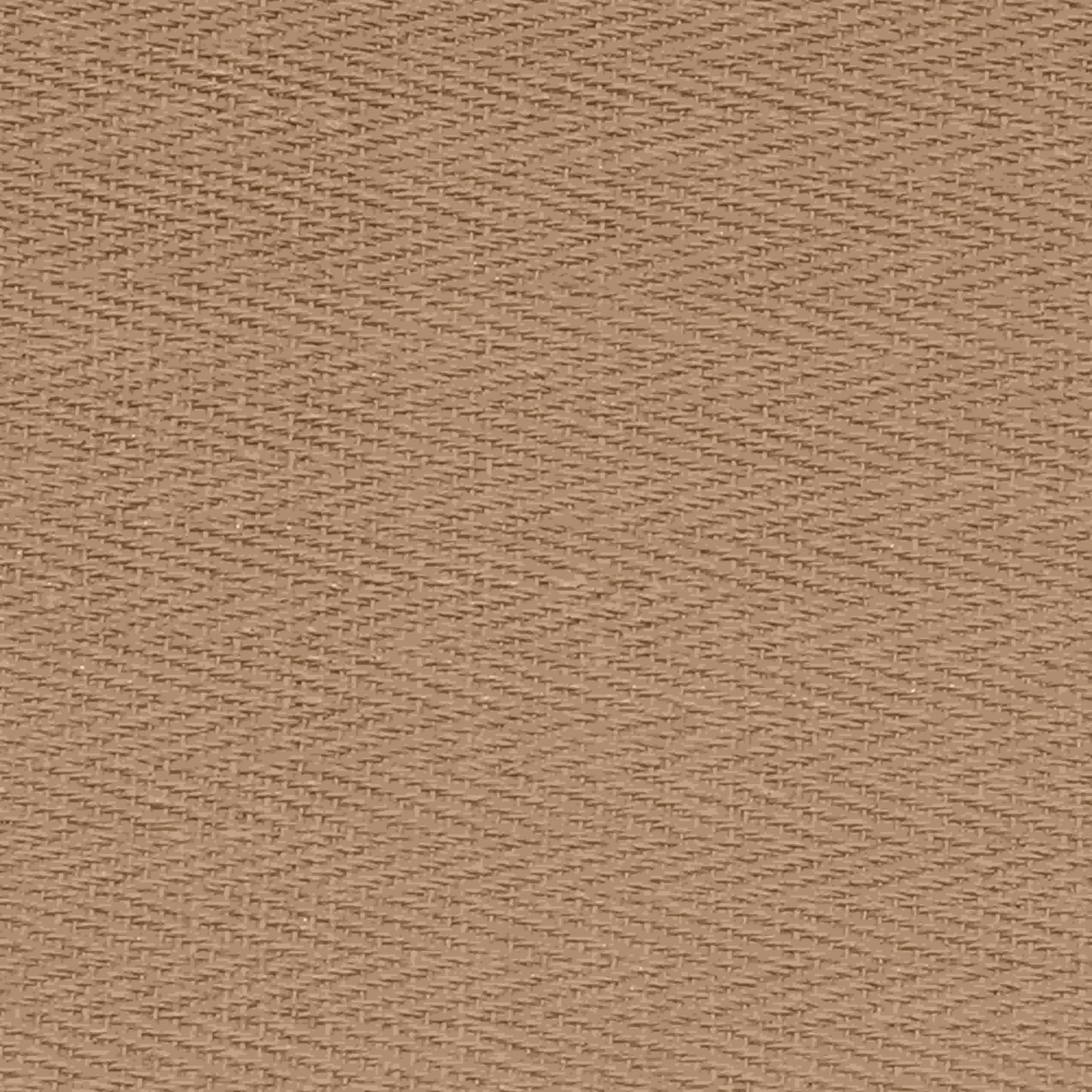
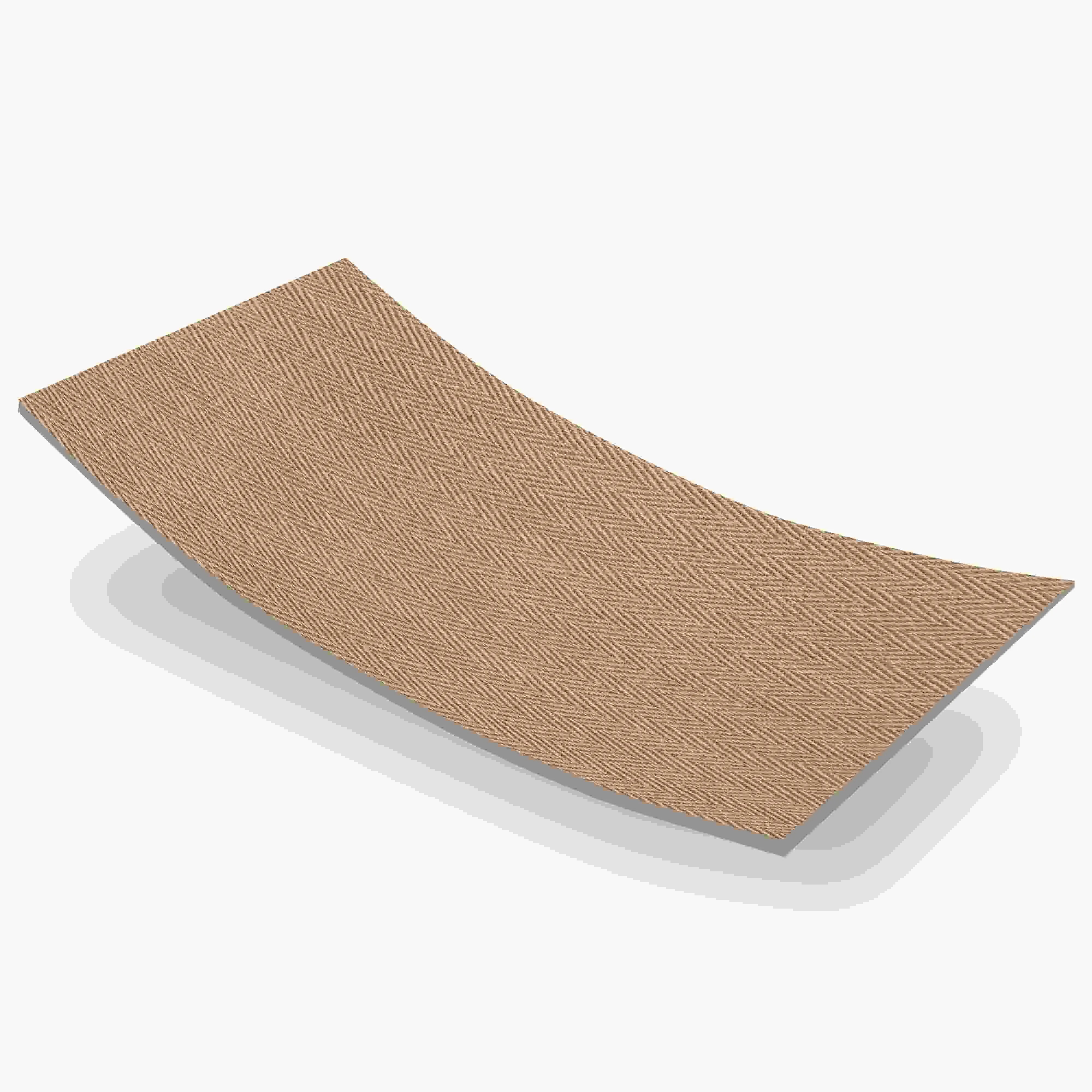
Before we talk about fire tests, let's get to know the star of the show. Weaving (Khaki) isn't just another building material—it's a product of MCM's decades-long mission to reimagine what cladding can be. Part of the broader MCM flexible stone family, these panels are a love letter to texture: think the organic crisscross of handwoven threads, translated into a durable, lightweight surface that's as kind to the eyes as it is to the environment.
What makes that texture possible? Thank the MCM 3D printing series, a technology that marries precision with creativity. Unlike traditional stamping or molding, 3D printing lets manufacturers replicate the delicate interplay of threads in Weaving (Khaki) with stunning accuracy—each ridge, each dip, mimicking the irregular beauty of handcraft. "It's like printing with stone," says Elena Torres, a materials engineer who's worked on MCM projects for over a decade. "We can capture the softness of fabric without sacrificing the strength that building materials demand."
But here's the thing: beauty without backbone is fleeting. For all its aesthetic appeal, Weaving (Khaki) was designed with a non-negotiable goal: to stand up to the unexpected. And in construction, few "unexpecteds" are as critical as fire.
Ask any architect about their worst fear, and fire is likely near the top. A single spark can turn a dream project into a disaster, endangering lives and erasing years of work. That's why modern building codes—from ASTM in the U.S. to EN standards in Europe—set strict benchmarks for how materials behave under fire conditions. But compliance isn't just about avoiding fines; it's about trust. When a homeowner steps into their new kitchen, or a hotel guest settles into their room, they're unknowingly placing faith in the materials around them. Weaving (Khaki) was built to honor that faith.
"We don't test for the 'what if'—we test for the 'when,'" says Marcus Greene, lead technician at the International Fire Safety Lab (IFSL), which conducted Weaving (Khaki)'s certification tests. "A material that fails in the lab fails in real life. For Weaving (Khaki), we pushed it to the limits: high heat, open flame, prolonged exposure. We wanted to know: Would it protect people? Would it slow a fire's spread? The answers surprised even us."
To understand Weaving (Khaki)'s fire performance, let's break down the key tests it underwent. These aren't casual checks; they're industry-standard evaluations designed to simulate real-world fire scenarios. Here's what you need to know:
Imagine a small electrical fire starts in a corner of a room. How quickly does the flame spread across the walls? That's what the ASTM E84 (also known as the Steiner Tunnel Test) measures. The test exposes a sample to a controlled flame, tracking how far and how fast the fire spreads, and assigns a "flame spread index" (FSI). A lower FSI means slower spread—critical for giving occupants time to evacuate.
Weaving (Khaki) didn't just pass; it excelled. With an FSI of 12, it landed firmly in the Class A category (the highest rating, reserved for materials with FSI ≤25). For context, that's better than many traditional stone claddings and on par with fire-resistant drywall. "Most materials with this much texture would trap heat and spread flames faster," Greene notes. "But Weaving (Khaki)'s core—mineral-rich and reinforced with fiberglass—acts like a barrier. The fire just can't get a foothold."
Across the Atlantic, under EN 13501-1 (the European standard), it earned an A2-s1,d0 rating. The "A2" means limited combustibility; "s1" denotes low smoke production; "d0" means no flaming droplets. In short: even in intense heat, Weaving (Khaki) keeps smoke and burning debris to a minimum—two of the biggest killers in fires.
Smoke inhalation is responsible for more fire-related deaths than burns themselves. The ISO 5659-2 test measures how much smoke a material releases when burned, assigning a "smoke density index" (SDI). Weaving (Khaki) scored a 35—less than half the 75 SDI limit for safe materials. "Low smoke density isn't just about visibility," explains Dr. Leila Patel, a fire safety researcher at MIT. "Toxic gases in smoke can incapacitate people in minutes. Weaving (Khaki)'s mineral core releases minimal toxic fumes, which could mean the difference between escape and tragedy."
How much heat does a burning material emit? That's what the cone calorimeter test (ISO 5660-1) answers. Heat release rate (HRR) determines how quickly a fire grows—higher HRR means faster, more intense fires. Weaving (Khaki) peaked at 85 kW/m², well below the 150 kW/m² threshold for low-hazard classification. "This is huge for firefighters," says Patel. "A material that releases less heat gives them more time to contain the fire before it becomes unmanageable."
What if a spark hits the panel? The EN ISO 11925-2 test exposes samples to a small open flame (like a lit match) for 30 seconds. Weaving (Khaki) didn't ignite. "Most textured materials have air pockets that can catch fire," Greene says. "But Weaving (Khaki)'s 3D-printed layers are compact, leaving no room for sustained combustion. It self-extinguishes almost immediately."
| Test Category | Standard | Weaving (Khaki) Result | Industry Safety Threshold | Compliance Status |
|---|---|---|---|---|
| Flame Spread | ASTM E84 | FSI = 12 | Class A (≤25) | Compliant (Exceeds Requirement) |
| Limited Combustibility & Smoke | EN 13501-1 | A2-s1,d0 | A2 (Low Combustibility) | Compliant |
| Smoke Density | ISO 5659-2 | SDI = 35 | ≤75 | Compliant (Low Smoke Emission) |
| Heat Release Rate | ISO 5660-1 | Peak HRR = 85 kW/m² | ≤150 kW/m² | Compliant |
| Ignitability | EN ISO 11925-2 | No Ignition | No Sustained Combustion | Compliant |
To truly appreciate Weaving (Khaki)'s performance, let's compare it to other popular materials. Take fair-faced concrete, a staple for industrial-chic designs. While concrete is fire-resistant, it's heavy (up to 240 kg/m²) and lacks the texture of Weaving (Khaki). "Builders often struggle with concrete's weight—it adds stress to foundations," says Torres. "Weaving (Khaki) weighs just 8 kg/m², making installation faster and safer, with no compromise on fire performance."
Then there's epoch stone, another MCM flexible stone favorite. Epoch stone leans into rugged, industrial textures and holds its own in fire tests, but Weaving (Khaki) offers a softer, more tactile alternative. "Epoch stone is great for warehouses or lofts," Torres explains, "but Weaving (Khaki) shines in hotels, restaurants, or homes where warmth matters. It proves you don't need harsh lines to be tough."
Talk is cheap—results speak louder. Take the Al-Mansoori Hotel in Riyadh, Saudi Arabia, which wrapped its exterior in Weaving (Khaki) in 2024. Architect Lina Hassan chose the panels for two reasons: their ability to complement the desert landscape and their fire certification. "Saudi building codes are strict, especially for high-rises," Hassan says. "We needed something that met both the aesthetic vision and the fire marshal's requirements. Weaving (Khaki) did both."
During the hotel's final inspection, the fire safety team ran a simulated flame test on a sample panel. "The marshal expected some smoke, maybe minor flame spread," Hassan recalls. "Instead, the panel barely charred. He turned to me and said, 'This is what we need more of.'" Today, the hotel's guests enjoy the warm, woven aesthetic—unaware that the walls around them are working overtime to keep them safe.
Fire resistance is just the start. Weaving (Khaki) checks boxes across the board:
Weaving (Khaki) isn't just compliant in one region—it's trusted worldwide. It meets ASTM E84 (U.S.), EN 13501-1 (EU), and UAE Fire Code 2017 standards, making it a go-to for international projects. "As a global MCM panel exporter, we know consistency matters," says Greene. "Whether you're building in New York, Dubai, or London, Weaving (Khaki) delivers the same peace of mind."
Weaving (Khaki) MCM panels are a reminder that building materials can be both beautiful and brave. They're proof that the MCM 3D printing series and MCM flexible stone technology have evolved to prioritize people—not just aesthetics. For architects, builders, and homeowners who refuse to choose between "how it looks" and "how it protects," Weaving (Khaki) is more than a material. It's a promise: that the spaces we love can also keep us safe.
So the next time you walk into a room with those warm, woven walls, take a moment to appreciate the science beneath the surface. Weaving (Khaki) isn't just building the future of design—it's building it responsibly.
Recommend Products












