
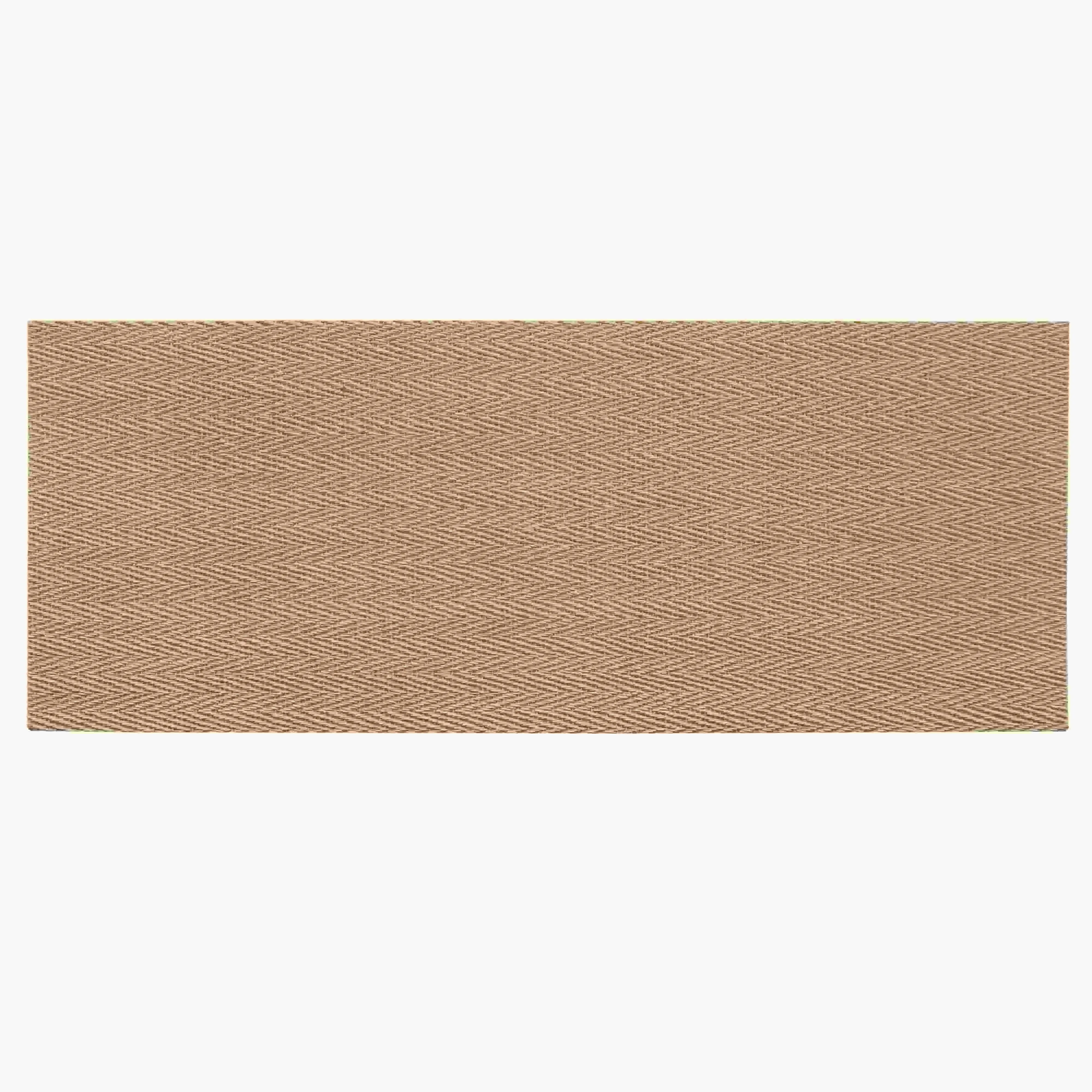
Bridging Heritage and Modernity with Material Innovation
Walk down the cobblestone streets of a historic district, and you'll feel it—the weight of stories in every weathered brick, every chipped stone, every beam that's stood against storms for centuries. These buildings aren't just structures; they're living narratives, testaments to the craftsmanship of generations past. But here's the hard truth: time is unkind to even the sturdiest of legacies. Crumbling facades, rotting wood, and materials that can't keep up with modern demands for safety and sustainability threaten to erase these stories forever.
Renovating a historical building is a dance between reverence and reinvention. You can't strip away its soul with harsh modern materials, but you also can't leave it to decay. The solution? Materials that speak the language of the past while wielding the strength of the future. Enter MCM (Modified Composite Material) and its star player for heritage projects: Weaving (Khaki) . It's not just a panel—it's a bridge between eras, a way to honor history without being trapped by it.
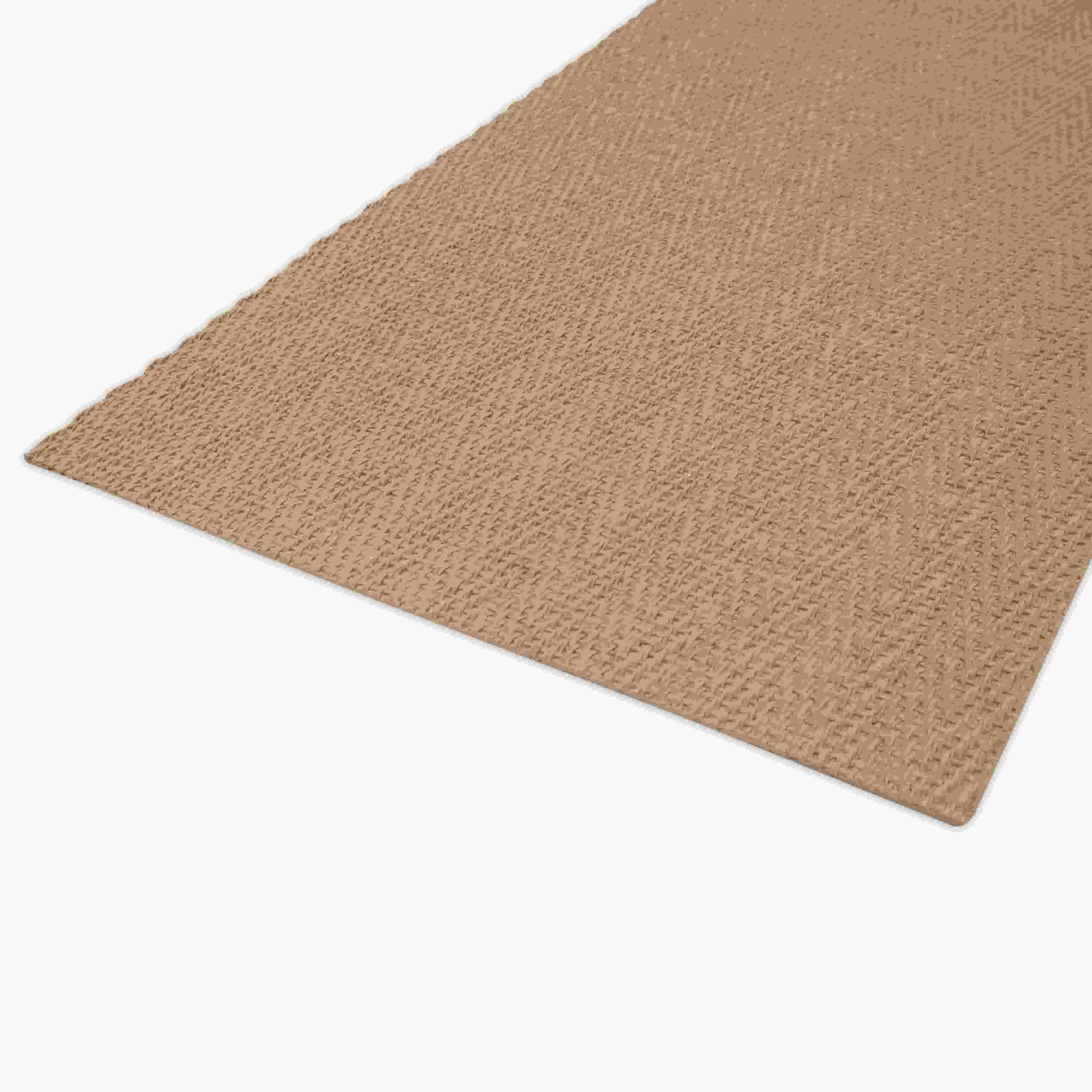
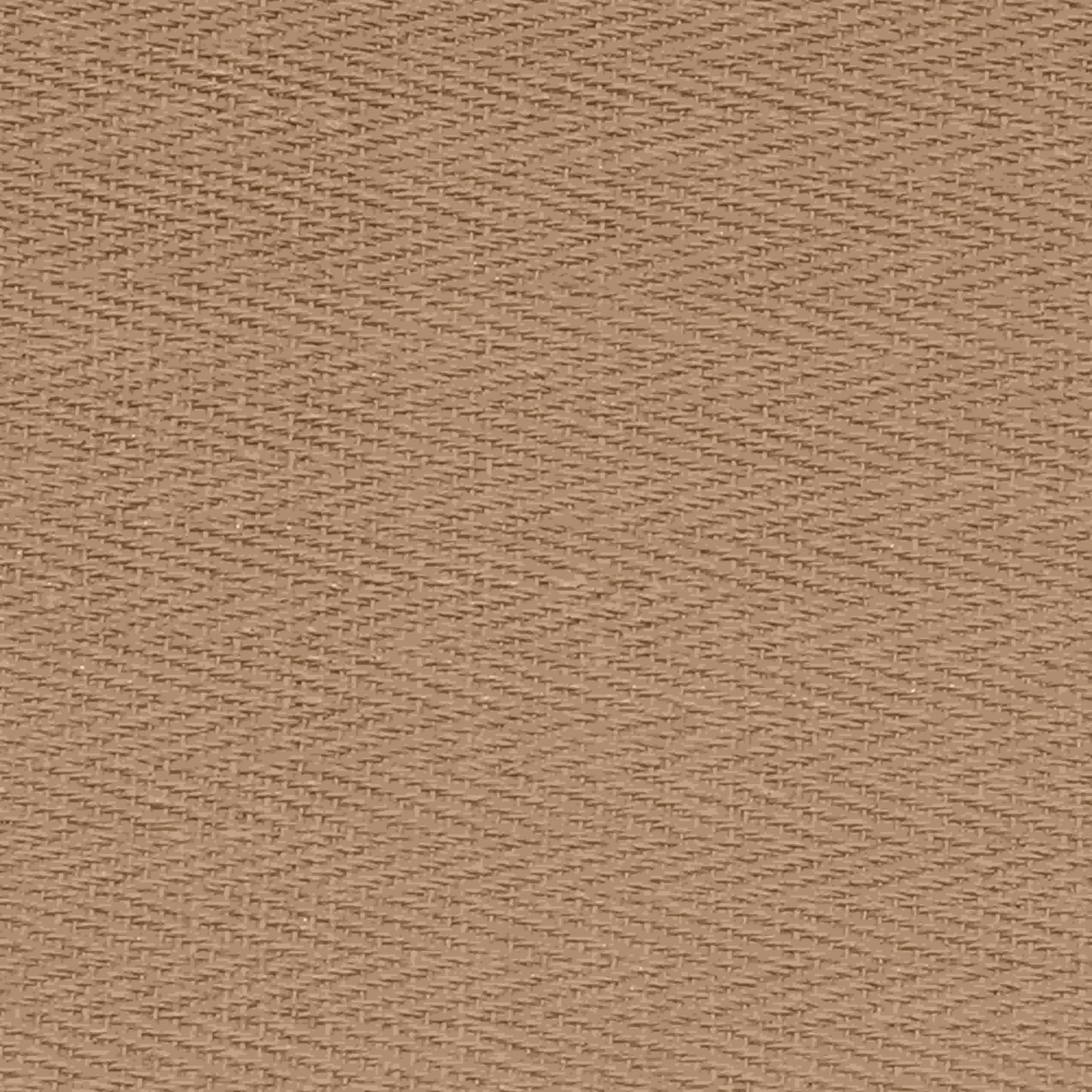
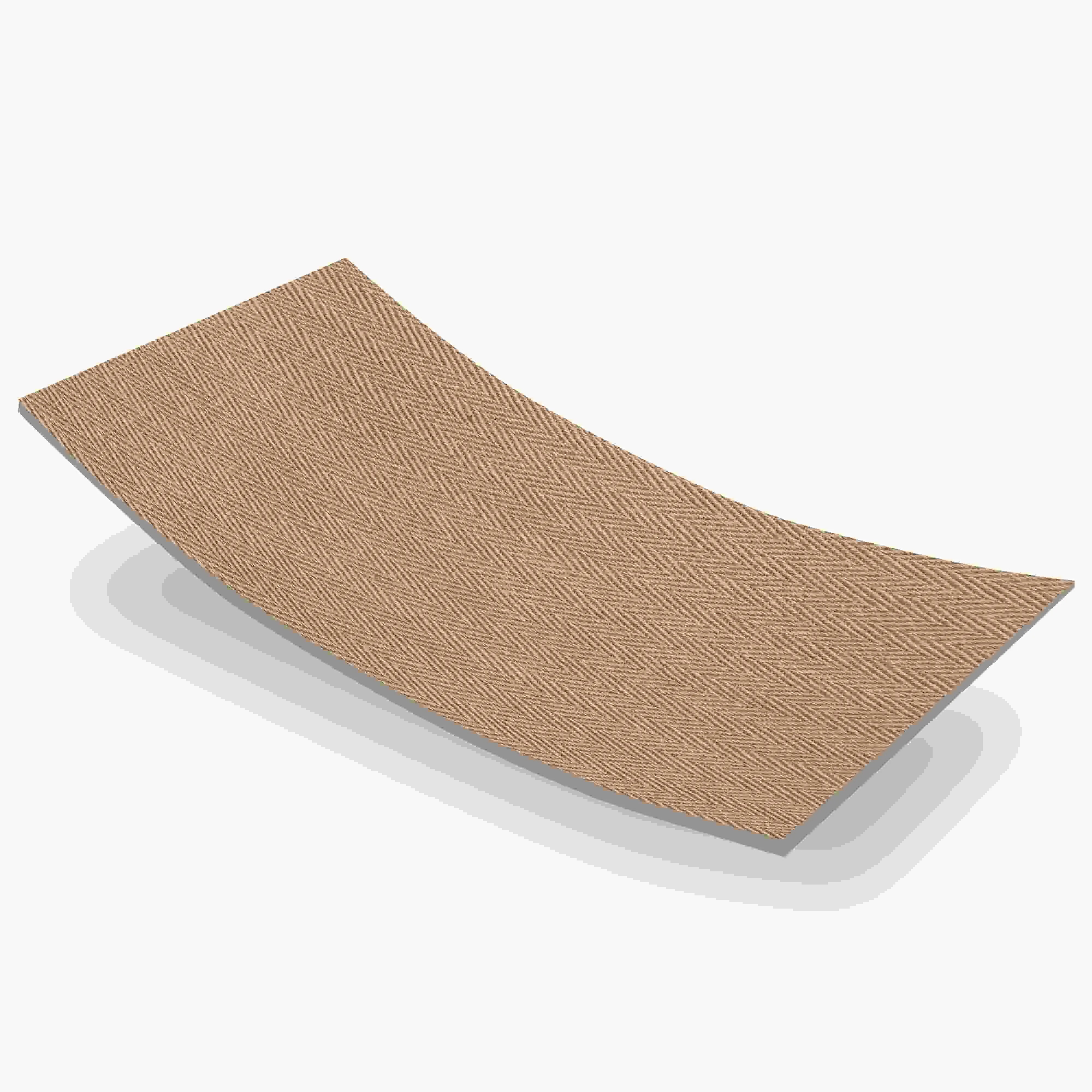
Close your eyes and picture a traditional woven mat, the kind that might have lined the floors of a 18th-century inn—intricate, warm, with a texture that feels like a hug from the past. Now, imagine that texture translated into a material that can withstand rain, wind, and the chaos of urban life. That's Weaving (Khaki) in a nutshell. Its surface mimics the soft, interlacing threads of handwoven fabric, but instead of cotton or straw, it's crafted from a blend of mineral composites and reinforced fibers. The result? A panel that looks like it was plucked from a historical tapestry but acts like a modern workhorse.
The khaki hue is no accident, either. It's a color that whispers, not shouts—warm enough to complement aged brick and sandstone, neutral enough to blend with nearly any historical palette. Think of it as the "neutral beige" of heritage renovation, but with depth. Run your hand over it, and you'll feel the gentle rise and fall of the woven pattern, a tactile reminder of artisanal skill that modern materials often lose. It's the kind of detail that makes passersby pause and think, "Is that… original?" And when they learn it's new, they're even more impressed: a material that doesn't just look old—it feels old, but works better.
Let's get real: traditional building materials are tough to love long-term. Take lime stone (beige) , a staple in historical construction. It's beautiful, with a soft, porous texture that ages like fine wine—until water seeps in, freezes, and cracks it. Or red travertine , prized for its rich color, but so heavy that reinstalling it during renovations can risk damaging the building's original structure. Even wood, once the backbone of historical interiors, succumbs to rot, pests, and warping in humid climates.
MCM materials like Weaving (Khaki) solve these headaches without sacrificing soul. They're lightweight (up to 80% lighter than natural stone), so they don't strain old foundations. They're flexible, meaning they can bend slightly with a building's natural movement (a must for structures that have "settled" over centuries). And they're low-maintenance—no need for harsh chemical sealants or yearly repairs. For preservationists, that's a game-changer: less time fixing, more time celebrating the building's history.
| Material | Durability | Weight (per sq.m) | Aesthetic Match to History | Installation Ease |
|---|---|---|---|---|
| Traditional Lime Stone | Low (prone to cracking/fading) | 25-30 kg | Excellent (authentic but fragile) | Difficult (heavy, requires skilled labor) |
| Weaving (Khaki) MCM | High (resistant to water, UV, impact) | 4-6 kg | Excellent (mimics woven texture, khaki complements aged tones) | Easy (lightweight, can be cut to size on-site) |
| Historical Pathfinders Stone MCM | High (same MCM durability) | 5-7 kg | Superior (designed to replicate weathered stone paths) | Easy (interlocking design for quick installation) |
| Fair-Faced Concrete | Medium (prone to staining without sealant) | 20-25 kg | Good (industrial look, may clash with ornate historical styles) | Moderate (heavy, requires formwork) |
*Table compares key materials for historical renovation, focusing on practicality and heritage compatibility.
Let's step into the shoes of Maria, an architect tasked with renovating the 1892 Merrick Town Hall, a local landmark with a crumbling sandstone facade and a leaky wooden porch. The town's brief was clear: "Preserve the charm, but make it safe for another 100 years." Maria's first thought? The porch. Its original wooden planks were rotting, and replacing them with new wood would mean constant upkeep. Then she saw Weaving (Khaki) samples—and everything clicked.
"The porch is where people gather for farmers' markets and town meetings," Maria explains. "It needed to feel welcoming, like it had been there forever. Weaving (Khaki) had that warmth. We installed it on the porch floor, and now when kids run across it, or rain pours down, it doesn't warp or splinter. The khaki color blends with the original sandstone, and the woven texture? It looks like the old rush mats that covered the porch in the 1920s, but better."
Inside, Maria turned to Historical Pathfinders Stone for the main corridor. The town hall's original stone floors had been worn smooth by decades of foot traffic, losing their once-distinctive texture. Historical Pathfinders Stone, with its rough, weathered surface that mimics centuries-old cobblestones, brought that texture back—without the risk of tripping on uneven natural stone. "We matched the color to the original limestone walls, and now visitors say it feels like walking through a time capsule," Maria laughs. "Little do they know it's easier to clean than the original stone ever was."
For the rear extension, added to house modern offices, Maria chose Ando Cement (light grey) —a minimalist, smooth MCM that contrasts gently with the front's historical character. "Ando Cement has that quiet, understated strength that lets the old building shine," she says. "It's modern, but not jarring. The town hall now has the best of both worlds: a face that honors its past, and a backbone that's ready for the future."
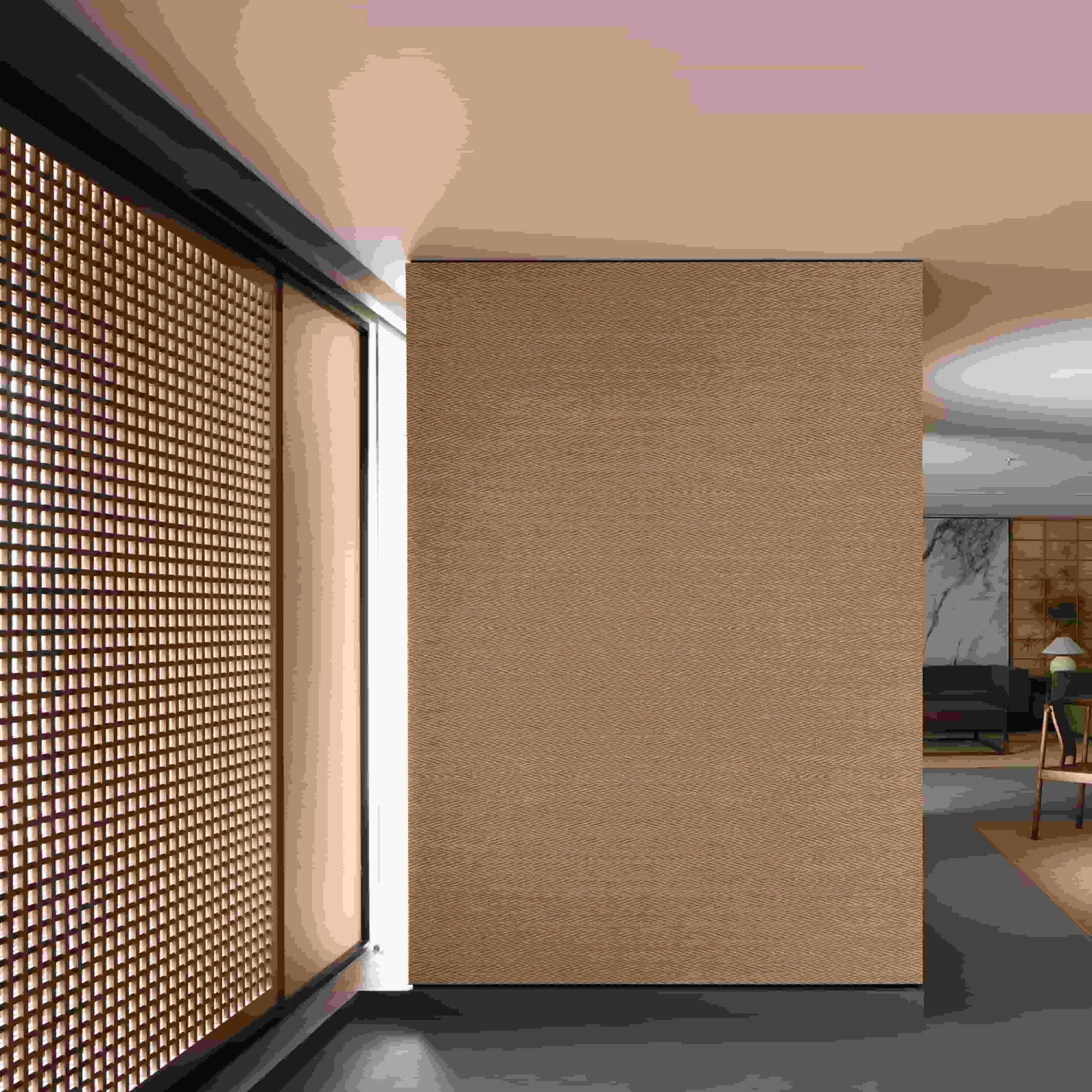
Weaving (Khaki) and its MCM siblings aren't just pretty faces—they're problem-solvers. Take installation, for example. Historical buildings often have uneven walls, wonky foundations, and fragile structural elements. Traditional materials like natural stone are rigid; if the wall isn't perfectly flat, they crack. MCM panels, though, are flexible. They can be bent slightly to fit uneven surfaces, reducing the need for extensive (and potentially damaging) structural repairs.
Then there's sustainability. Quarrying natural stone or cutting down trees for historical renovations leaves a heavy environmental footprint. MCM, by contrast, uses recycled mineral composites and requires less energy to produce. "We're not just preserving buildings—we're preserving the planet," says James, a heritage preservationist who worked on a 17th-century church renovation using fair-faced concrete MCM. "The church's original stone was quarried locally 300 years ago, but today, that quarry is a protected wetland. MCM let us replicate the stone's look without harming the land."
Cost is another win. Renovating with traditional materials often means importing rare stones or hiring specialized craftsmen, driving up budgets. MCM panels are mass-produced but customizable, so you get the look of custom stonework at a fraction of the price. For small towns or nonprofits with tight funds, that's a lifeline. "We saved 40% on materials by using Weaving (Khaki) instead of reclaimed wood for the town hall porch," Maria notes. "That money went into restoring the stained glass windows—another piece of history we almost couldn't afford."
Historical buildings aren't museums—they're living, breathing parts of our communities. They host weddings, teach children, and remind us where we came from. To let them decay because "that's how it was built" is a disservice to the generations who will come after us. Weaving (Khaki) and MCM materials don't replace history—they protect it, enhance it, and make sure it sticks around.
So the next time you pass a renovated historical building, take a closer look. If the facade feels warm and textured, the floors sturdy yet soft, the colors just right—chances are, MCM is behind it. And if you spot a hint of khaki, woven like a secret between the bricks? That's Weaving (Khaki), doing what it does best: making history feel new again.
Recommend Products












