
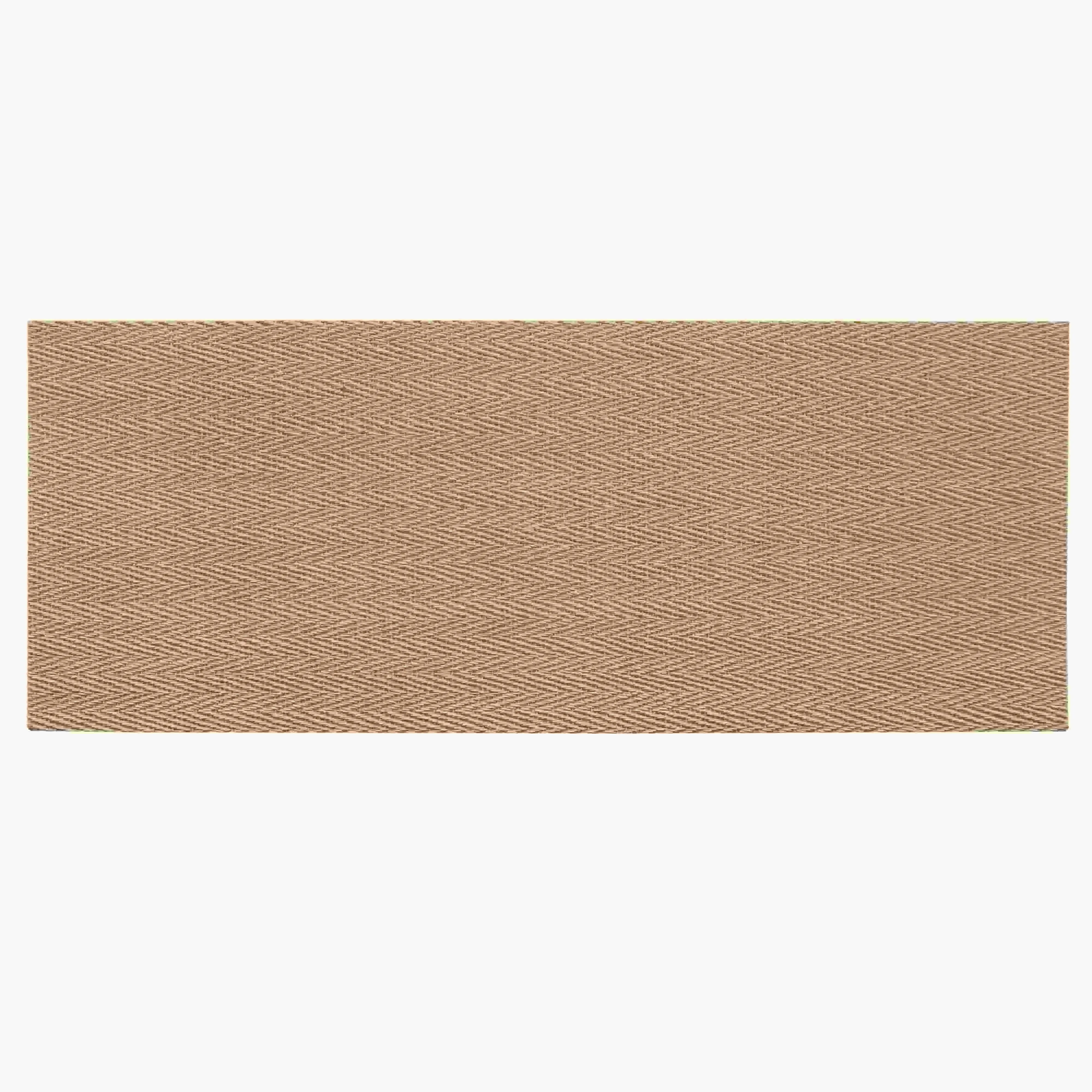
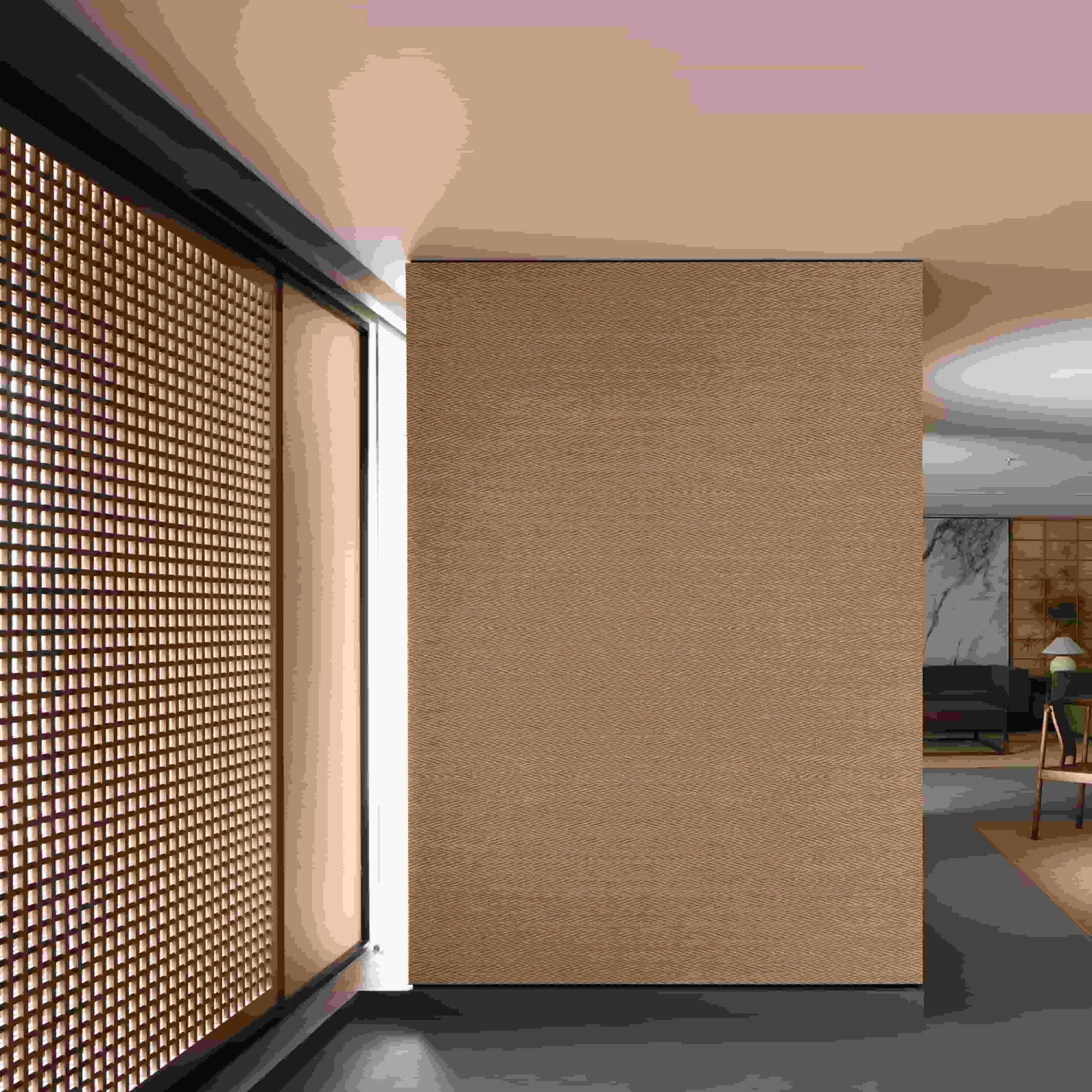
There's a moment, when you step into a truly memorable hotel, that goes beyond first impressions. It's the split second when your senses align—when the lighting feels like dawn through trees, the air smells of something familiar yet exotic, and your fingertips brush a surface that feels less like construction and more like craftsmanship. At The Marlow, a boutique hotel nestled in the hills of Tuscany, that moment happens in the reception area. The walls here don't just exist; they breathe. Woven patterns in soft, earthy khaki rise from the floor to the ceiling, their threads overlapping like the plait of a well-worn basket, while nearby, wood grain board shelves display leather-bound books and terracotta vases. It's a space that feels lived-in, not just designed—and at the heart of it all is Weaving (Khaki) MCM, a material that redefines what hotel interiors can be.
To understand Weaving (Khaki), we first need to talk about MCM itself. Short for Modified Composite Material, MCM is a revolutionary technology that marries the best of nature and engineering. Unlike traditional stone or wood, which are heavy, brittle, or prone to warping, MCM is crafted by bonding natural minerals (like stone powders or fibers) with a lightweight, flexible substrate. The result? A material that's thin (often just 3-5mm thick), bendable enough to wrap around curved surfaces, and tough enough to withstand the wear and tear of high-traffic hotel spaces. And when we add "flexible stone" to the mix—like MCM flexible stone —we get a product that mimics the look and texture of natural stone but bends like fabric. It's this duality—strength and softness—that makes MCM a game-changer for designers.
Weaving (Khaki) takes this innovation a step further. Inspired by traditional textile crafts—think the handwoven rugs of Marrakech or the straw mats of Japanese ryokans—its surface is embossed with a delicate, three-dimensional weave pattern. Run your hand across it, and you'll feel the subtle ridges of the "threads," each one raised just enough to catch the light but smooth enough to avoid feeling rough. The color, a warm khaki, isn't a flat paint; it's infused into the material itself, with depth that shifts depending on the light—richer in the morning sun, softer under evening lamps. It's the kind of hue that doesn't shout but whispers, "stay a while."
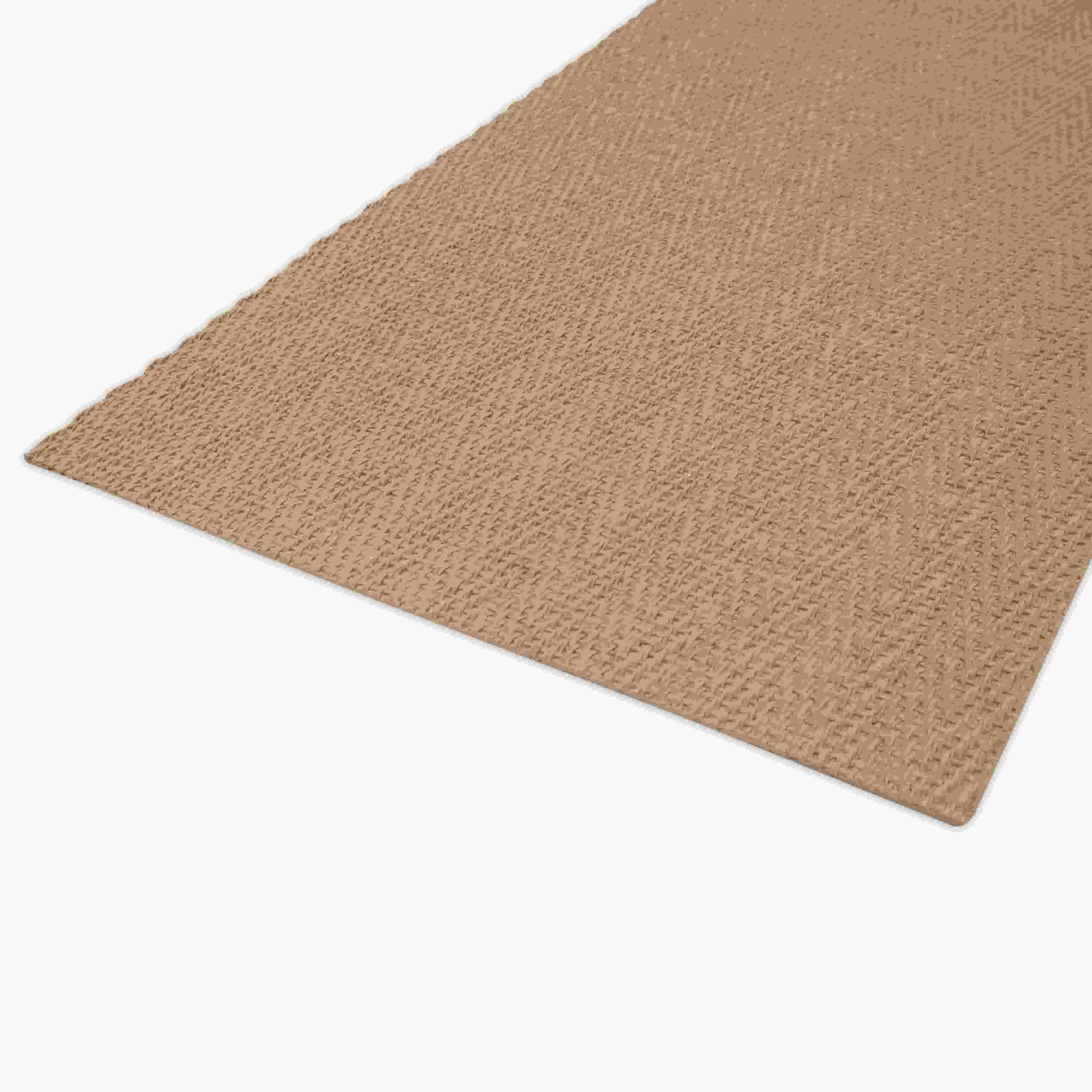
Let's walk through how hoteliers and designers are using Weaving (Khaki) to transform spaces, one texture at a time.
Lobbies are the front doors of hotels—they need to welcome, awe, and set the tone for the stay. At The Azure, a beachfront resort in Bali, the lobby was once a sterile, all-white space that felt more like an airport terminal than a retreat. Enter Weaving (Khaki) MCM. The design team clad the entire back wall with the material, pairing it with fair-faced concrete columns for contrast. The effect? The concrete's raw, industrial edge grounds the space, while the weaving's khaki threads soften it, creating a balance between modern minimalism and tropical warmth. Guests now linger here, running their hands over the walls as they wait for check-in, or pausing to take photos of how the afternoon light filters through the weave, casting dappled shadows on the floor. "It's no longer just a lobby," says the resort's interior designer, Lila Patel. "It's a conversation starter."
If lobbies are about first impressions, guest rooms are about comfort. Here, Weaving (Khaki) shines as an accent wall material. At The Urban Nest, a boutique hotel in Berlin, each room features a Weaving (Khaki) panel behind the bed, flanked by wood grain board nightstands. The wood's warm, honeyed tones complement the khaki's earthiness, while the weave adds a tactile layer that makes the bed feel like a nest within a nest. "Guests often mention how 'cozy' the room feels, even though we kept the decor minimal," says the hotel manager, Klaus Müller. "It's the texture. When you're lying in bed, you're not just looking at the wall—you're aware of it, in a soft, reassuring way. It's like sleeping next to a window with a linen curtain, but better, because it doesn't block the light."
And practicality? Weaving (Khaki) holds up. In one room, a family with two young children stayed for a week—no scratches, no stains, no fading. "MCM is water-resistant, so even if a guest spills a glass of wine, a quick wipe with a damp cloth does the trick," Müller adds. "That's a relief for housekeeping teams."
Hotels are increasingly doubling down on wellness, and here, Weaving (Khaki) becomes more than decor—it's part of the healing process. At The Serene, a luxury spa hotel in the Swiss Alps, the relaxation lounge features Weaving (Khaki) MCM on the ceiling, where its woven pattern mimics the look of a woven grass roof. Combined with soft, warm lighting and the scent of lavender, the effect is deeply calming. "Texture has a psychological impact," explains Dr. Elena Torres, a wellness consultant who worked on the project. "Our brains associate woven patterns with safety—think of a basket, a blanket, a mother's arms. When we're surrounded by that texture, our heart rate slows, and cortisol levels drop. It's not just about looking good; it's about feeling good."
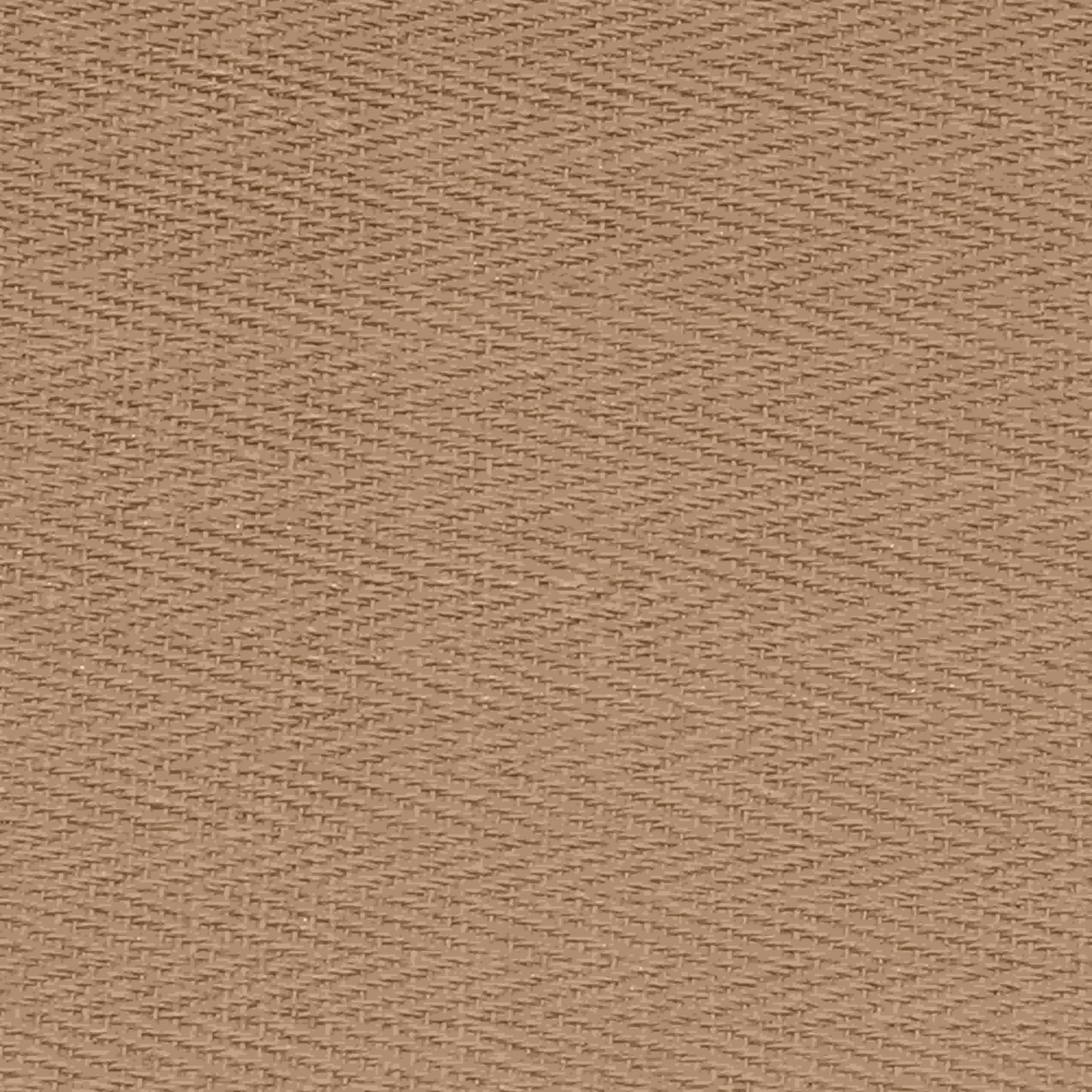
One of the joys of working with MCM is how well its collections play together. Weaving (Khaki) isn't meant to stand alone—it thrives when paired with complementary textures and tones. Let's break down some winning combinations:
| Weaving (Khaki) +... | Why It Works | Perfect For |
|---|---|---|
| Wood Grain Board | Wood's organic knots and grains echo the weaving's natural texture; warm browns enhance khaki's earthiness. | Restaurants, breakfast nooks, library lounges |
| Fair-Faced Concrete | Concrete's cool, smooth gray acts as a "blank canvas," making the weaving's texture pop; industrial edge balances warmth. | Guest room accent walls, lobby fireplaces, elevator lobbies |
| Lunar Peak Silvery | Metallic silver adds subtle glamour without overwhelming the khaki; creates a "moonlit meadow" vibe. | Ballrooms, rooftop bars, high-end suites |
| Travertine (Beige) | Beige travertine's porous, stone-like texture complements the weave's softness; neutral-on-neutral creates depth. | Spa corridors, yoga studios, outdoor terraces |
Take The Marlow's restaurant, for example. Here, Weaving (Khaki) MCM panels line the lower half of the walls, while the upper half features fair-faced concrete . The concrete's raw, unpolished surface (with tiny air bubbles and subtle color variations) contrasts beautifully with the weaving's soft pattern, creating a space that feels both rustic and refined. Above the bar, pendant lights with woven shades hang, their design mirroring the walls—proof that when texture is intentional, every element feels connected.
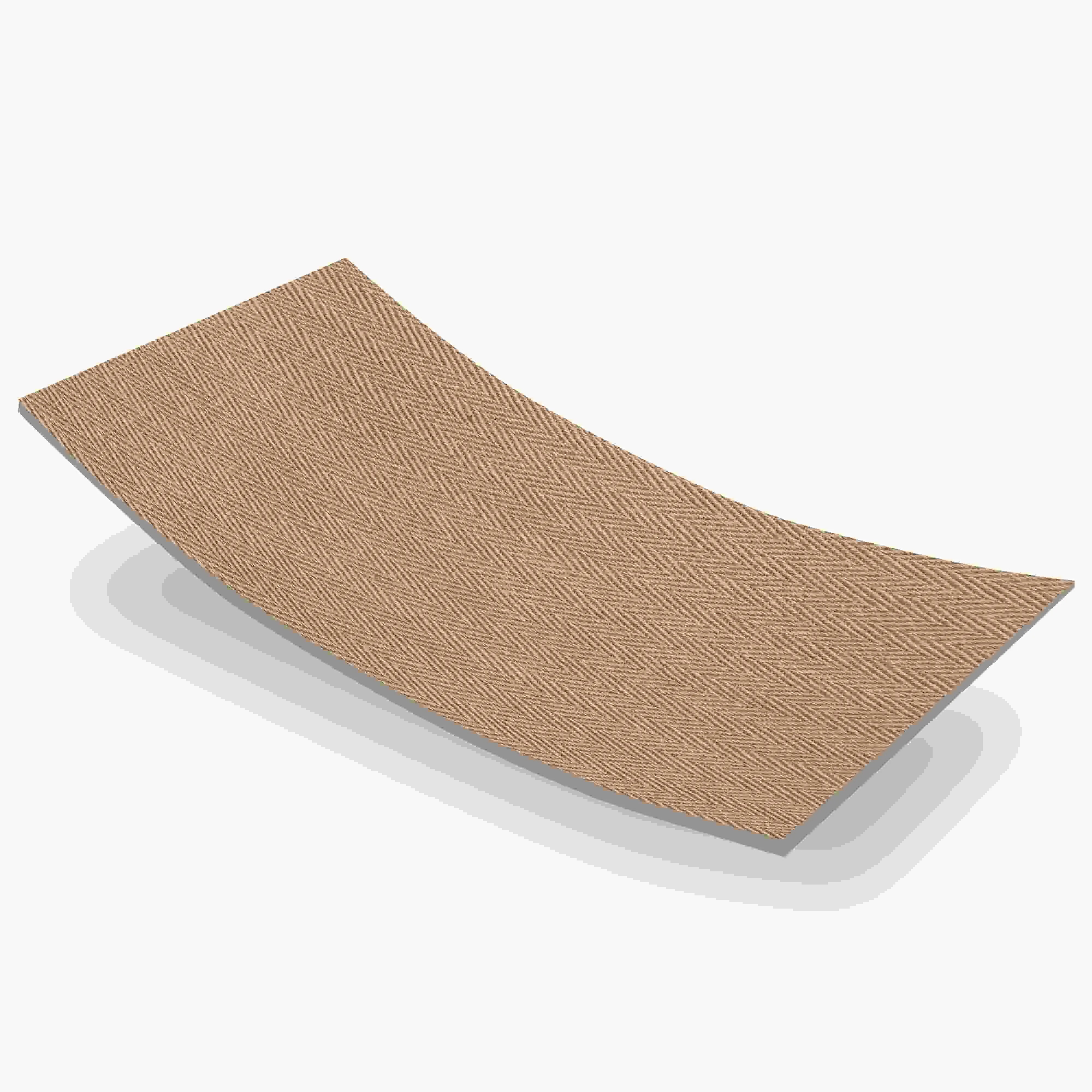
In an era where guests scroll through Instagram before booking a stay, hotels are under pressure to be "visually stunning." But the most memorable spaces aren't just pretty—they're sensory . Weaving (Khaki) MCM taps into that by engaging touch, sight, and even sound (its texture softens echoes in large rooms, making conversations feel more intimate). It's a material that doesn't just look good in photos; it feels good in real life. And in a world of generic, cookie-cutter hotels, that's a competitive edge.
Beyond aesthetics, there's the practical side. MCM is lightweight, which means it reduces structural load on buildings—a boon for historic hotels or high-rise projects where weight is a concern. It's also easy to install: unlike natural stone, which requires heavy machinery and specialized labor, MCM panels can be cut on-site with standard tools and adhered directly to walls (even curved ones). And because it's made with sustainable materials (many MCMs use recycled stone or low-VOC adhesives), it aligns with the growing demand for eco-friendly hospitality.
Trends come and go—last year's "millennial pink" is this year's "quiet luxury." But texture is timeless. Weaving (Khaki) MCM represents a shift in how we think about interiors: away from fleeting fads and toward spaces that nurture connection. It's not about being "on-trend"; it's about being human-centered . When a guest runs their hand along a Weaving (Khaki) wall, they're not just touching a material—they're connecting with something that feels authentic, intentional, and alive.
At The Marlow, where this journey began, the general manager, Sofia Rossi, puts it best: "We don't just want guests to stay here. We want them to remember here. And memories aren't made by walls that look perfect in a photo. They're made by walls that feel like they have a story. With Weaving (Khaki), every thread tells that story."
So, the next time you step into a hotel lobby, take a moment to reach out. Run your hand along the wall. If it feels like more than just paint or stone—if it feels like a hug, a memory, a whisper—chances are, you're touching MCM. And maybe, just maybe, it's Weaving (Khaki), quietly redefining what luxury means, one thread at a time.
Recommend Products












