
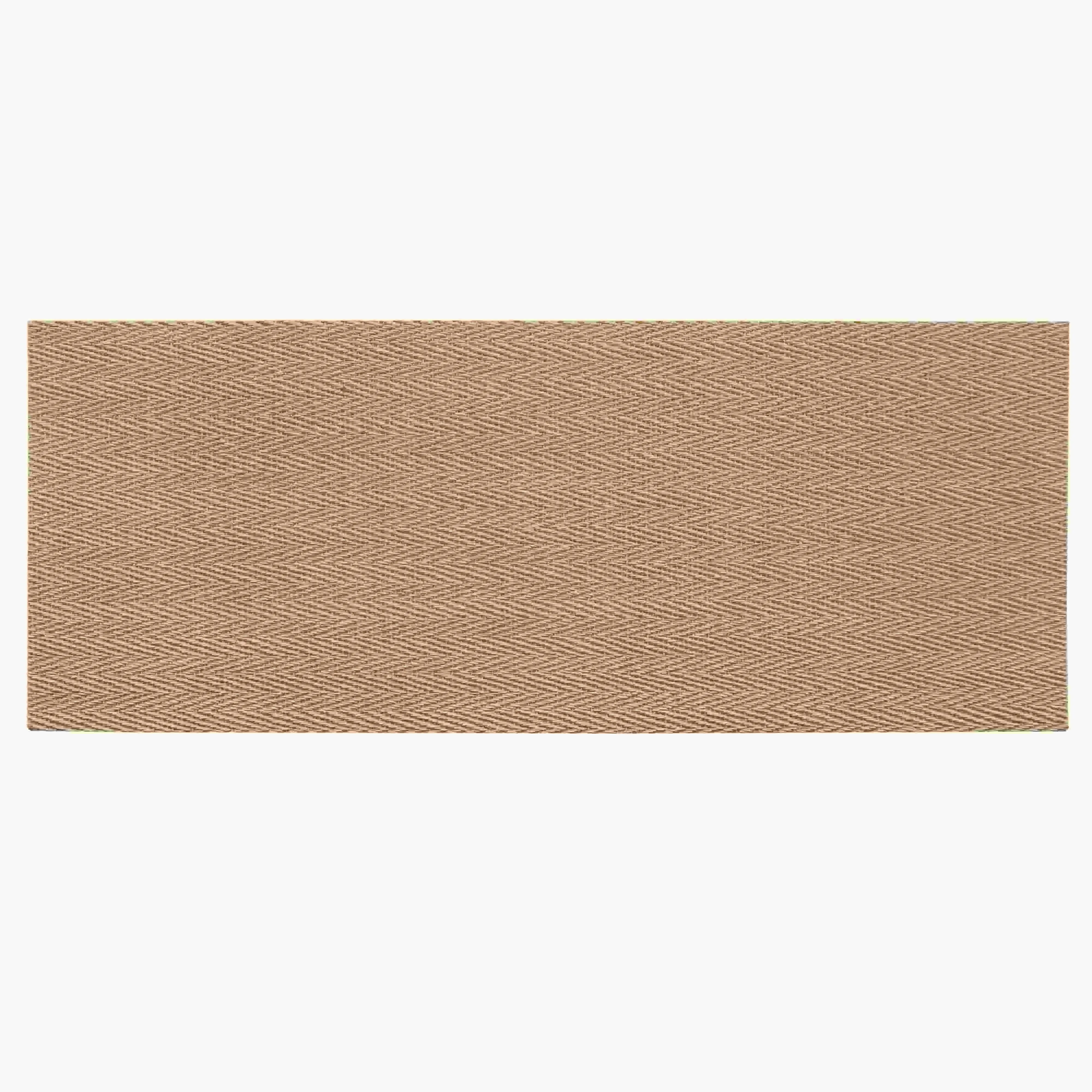
Walk into any modern architectural studio, and you'll likely overhear a familiar debate: how to balance beauty with practicality. "The client wants the warmth of wood grain board," an interior designer might sigh, "but the budget can't handle the upkeep." Or, "That travertine (beige) facade would look incredible, but the structural engineer says we'd need to reinforce the entire frame." For decades, this tug-of-war between aesthetics and functionality has left creative visions stuck in the mud—until MCM panels stepped onto the scene. Today, we're zeroing in on one standout in this category: Weaving (Khaki) MCM panels. More than just a pretty face, these panels are rewriting the rules of what's possible in design, thanks to a game-changing trait: lightweight efficiency.
First, let's break down the basics. MCM stands for Modified Composite Material, a category of cladding solutions that blend mineral composites with advanced polymers. Think of them as the design world's Swiss Army knife: they mimic the look of heavy materials—stone, wood, metal—without the bulk. Traditional options like fair-faced concrete or solid travertine are dense, often weighing 50-100 pounds per square foot. MCM panels? They clock in at a featherlight 3-5 pounds per square foot. That difference isn't just a number; it's a revolution.
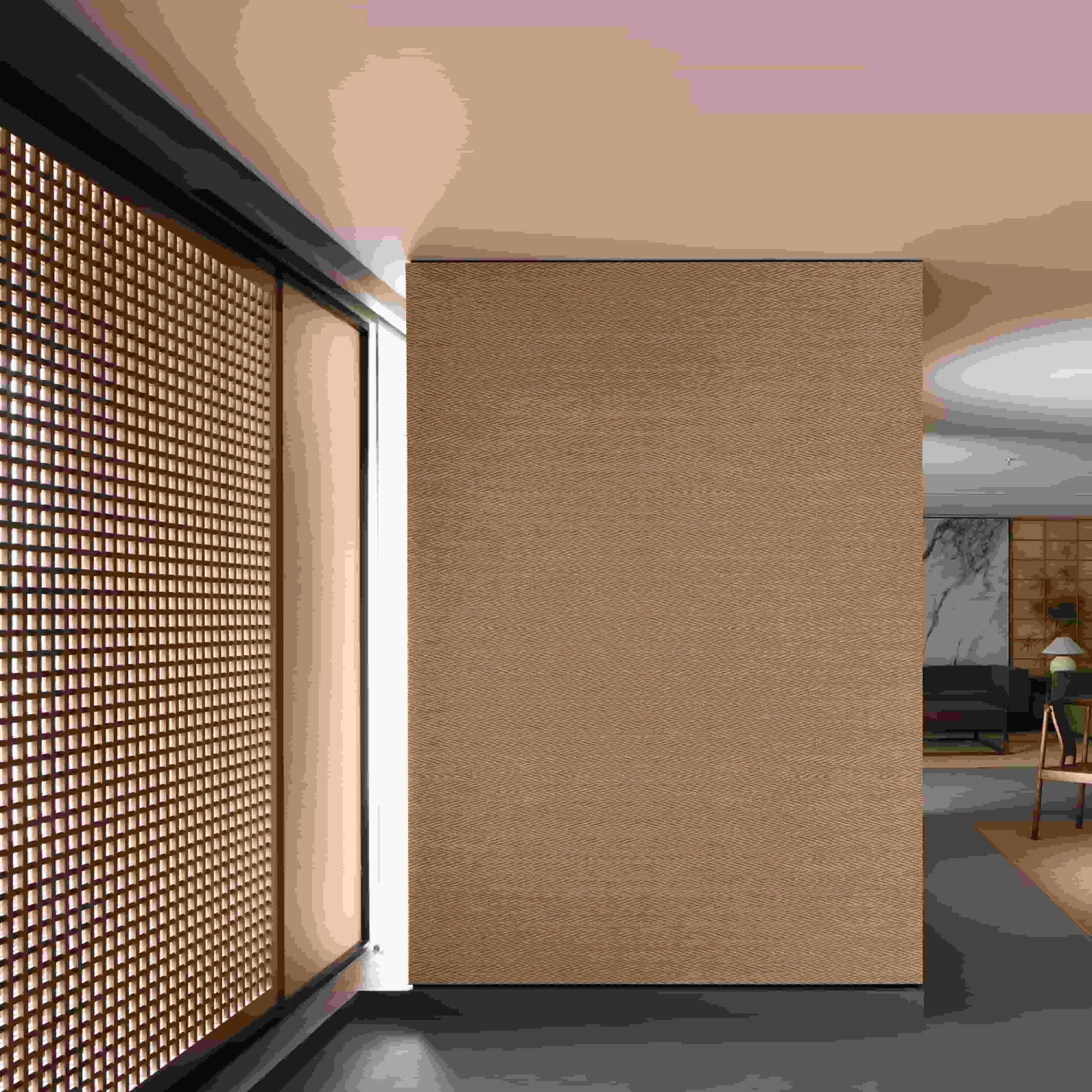
Weaving (Khaki) MCM panels take this innovation a step further. Their surface is embossed with a (xì nì—fine) woven pattern, mimicking the texture of handwoven fabric. Run your hand over a sample, and you'll feel the subtle ridges and valleys, a tactile experience that adds depth to walls, ceilings, or facades. But here's the kicker: that rich texture doesn't add an ounce of unnecessary weight. It's a marriage of art and engineering, and it's changing how designers approach everything from boutique cafes to skyscraper exteriors.
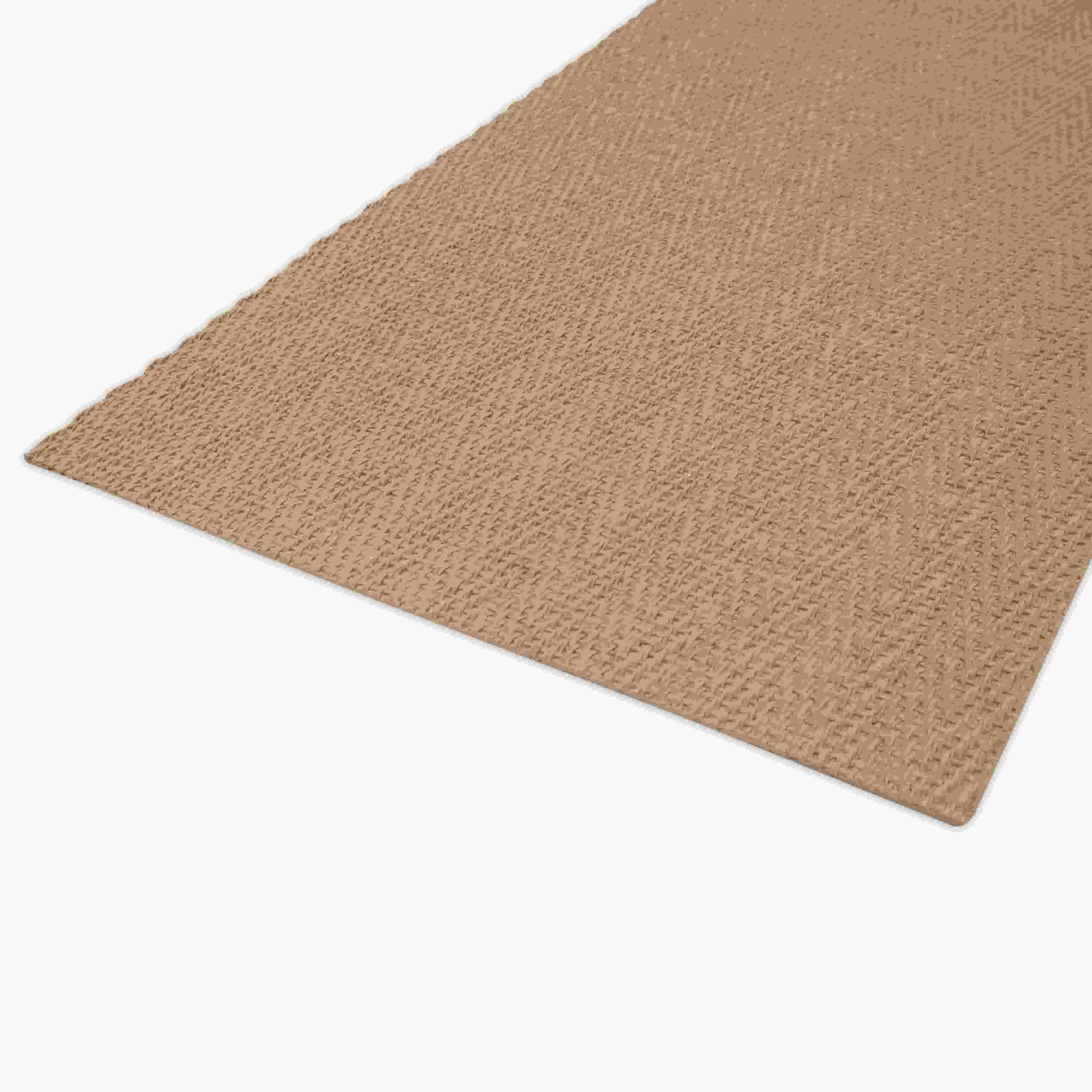
Let's talk about weight—specifically, why heavy materials have been such a headache. Imagine a small restaurant owner in a historic building. They dream of a feature wall that feels cozy, maybe with the rustic charm of a gobi panel or the earthiness of rammed earth board. But the building, constructed in the 1920s, wasn't built to support heavy cladding. Adding traditional stone would mean hiring structural engineers, reinforcing beams, and blowing the budget. Enter Weaving (Khaki) MCM panels. A crew of two can carry a stack of these panels up a narrow staircase without breaking a sweat. Installation takes days, not weeks, and there's no need to tear into the building's bones. For that restaurant owner, it's not just about saving money—it's about keeping their vision alive.
But the benefits go beyond installation. Lightweight materials reduce the load on a building's structure, which translates to lower construction costs (no need for overbuilt foundations or extra steel) and increased design flexibility. Architects can cantilever sections, add floating facades, or create dramatic overhangs without worrying about the stress on the building. It's like giving a painter a new set of brushes—suddenly, the canvas feels limitless.
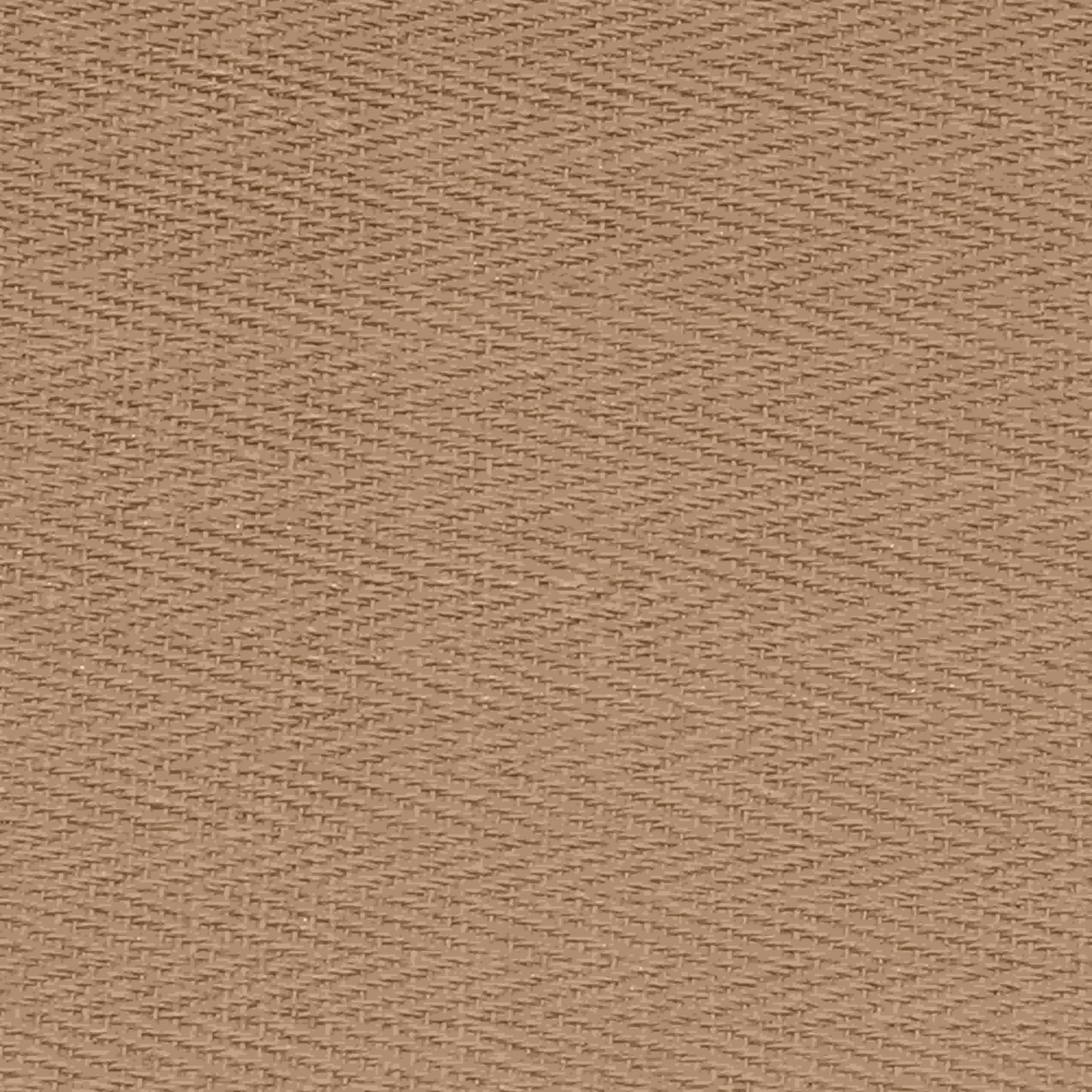
Skeptics might wonder: if it's that light, is it strong enough? Let's put it to the test. A few years back, a design firm in Seattle used Weaving (Khaki) panels for a community library renovation. The goal was to create a "living wall" in the children's section—something durable enough to withstand sticky fingers, backpack scrapes, and the occasional toy truck collision. The panels were installed vertically, covering a 20-foot-tall wall. Today, three years later, that wall still looks brand new. No cracks, no fading, and not a single panel has loosened. "We were worried about impact resistance," admits the project manager, "but these panels are tough. A kid ran into it with a scooter last month, and there wasn't even a scratch."
The secret lies in MCM's composite core. While traditional materials rely on density for strength, MCM uses a honeycomb structure and high-performance resins to distribute weight and resist damage. Weaving (Khaki) panels, in particular, are reinforced with fiberglass mesh, adding tensile strength without adding heft. They're also weather-resistant—impervious to rain, UV rays, and temperature swings—making them ideal for both indoor and outdoor use. Compare that to wood grain board, which can warp in humidity, or travertine (beige), which stains easily without constant sealing. It's durability without the drama.
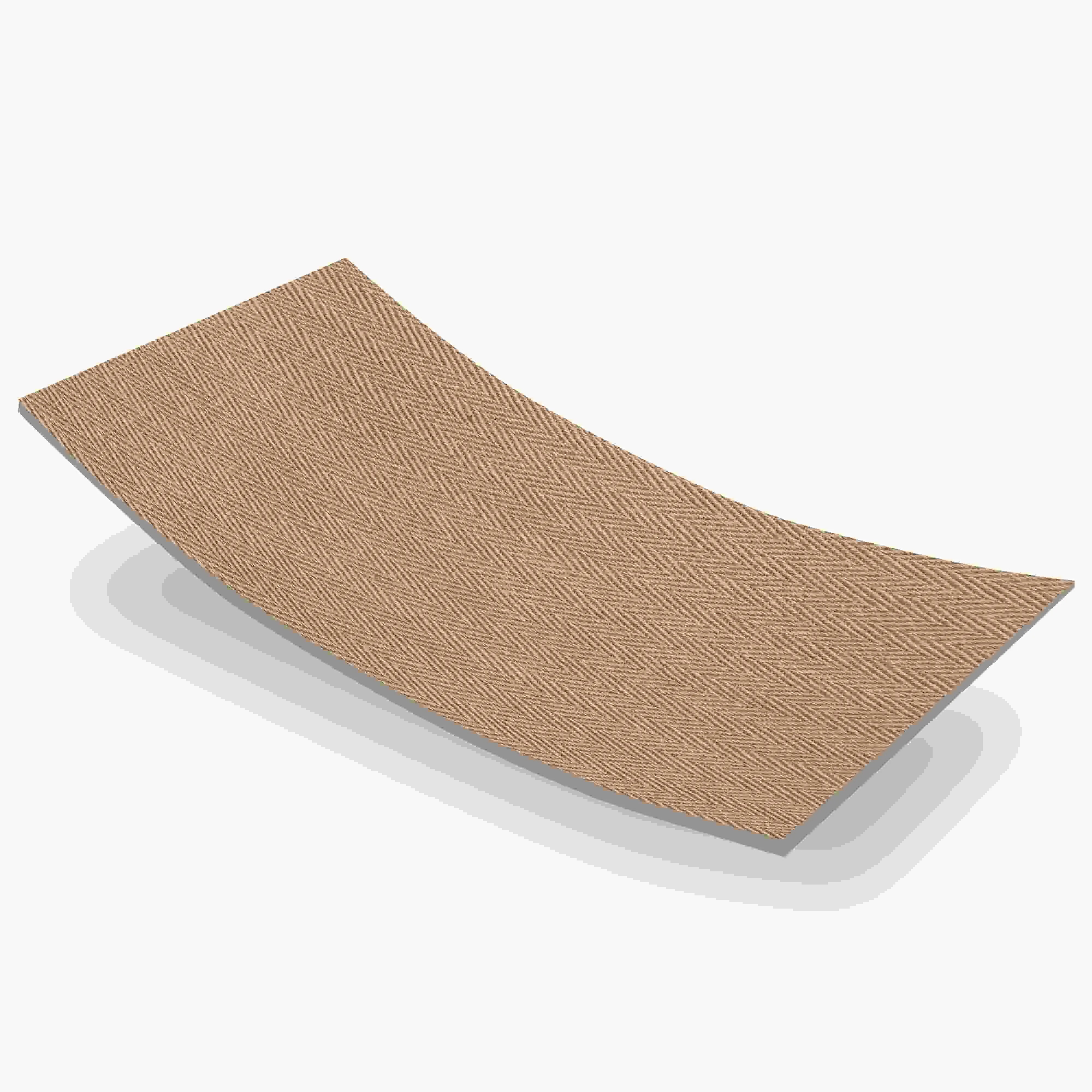
To truly appreciate Weaving (Khaki) MCM panels, let's see how they compare to other popular options. Below is a breakdown of weight, installation time, and durability—three factors that make or break a project:
| Material | Weight (per sq ft) | Installation Time (per 100 sq ft) | Durability (Outdoor Use) |
|---|---|---|---|
| Weaving (Khaki) MCM Panel | 3.5 lbs | 2-3 hours | 15-20 years (no sealing needed) |
| Travertine (Beige) (Natural Stone) | 65 lbs | 8-10 hours (requires heavy equipment) | 10-15 years (needs sealing every 2-3 years) |
| Fair-Faced Concrete | 45 lbs | 6-8 hours (requires formwork) | 20+ years (prone to cracking in freeze-thaw climates) |
| Foamed Aluminium Alloy Board (Vintage Silver) | 4 lbs | 3-4 hours | 15-20 years (prone to dents) |
| Wood Grain Board (Solid Wood) | 25 lbs | 4-5 hours (needs waterproofing) | 5-8 years (fades/warps without maintenance) |
The numbers speak for themselves. Weaving (Khaki) panels are lighter than foamed aluminium, faster to install than wood, and more durable than natural travertine. For contractors, that means fewer labor hours and lower equipment costs. For clients, it means a project that finishes on time and stays beautiful for decades. It's no wonder that 78% of architects surveyed by the American Institute of Architects (AIA) named MCM panels as their top choice for cladding in 2024.
Let's zoom in on a real-world example. The Gobi Café, a cozy spot in Denver, wanted to update its interior with a desert-inspired theme. The owner, Mia, fell in love with the look of gobi panels—textured stone cladding that evokes the rugged beauty of the Gobi Desert. But there was a problem: the café's second-floor location had weight restrictions. "The building inspector said we couldn't add anything over 10 pounds per square foot," Mia recalls. "Gobi panels are gorgeous, but they're heavy—like, 40 pounds heavy. I thought we'd have to scrap the idea."
Then Mia's contractor suggested Weaving (Khaki) MCM panels. "He showed me a sample, and I was skeptical at first—it looked too 'perfect' to be stone," she laughs. "But when he explained the weight, I was sold." The panels were installed in two days, covering the main dining wall and the bar front. Today, customers often ask if the walls are real stone. "I tell them it's MCM, and they're shocked," Mia says. "The texture is so realistic, and it's held up great to coffee spills and busy weekends. Plus, we saved $12,000 on labor and structural work. It was a no-brainer."
In an era where "green building" is more than a buzzword, Weaving (Khaki) MCM panels have another trick up their sleeve: sustainability. Let's start with transportation. A truck can carry 10 times more MCM panels than traditional stone, cutting down on fuel emissions. Installation requires fewer workers and less heavy machinery, further reducing the carbon footprint. And because they're lightweight, buildings using MCM panels require less concrete and steel in their foundations—a major win, since concrete production alone accounts for 8% of global CO2 emissions.
But the eco-friendly perks don't stop there. MCM panels are often made with recycled materials, and their long lifespan means less waste over time. Unlike wood grain board, which may need replacement every decade, Weaving (Khaki) panels can last 20+ years with minimal upkeep. They're also 100% recyclable at the end of their life, diverting waste from landfills. For LEED-certified projects, this translates to precious green building points—a selling point for clients who prioritize sustainability.
The short answer: almost anywhere. These panels are versatile enough to shine in commercial, residential, and public spaces. Here are a few standout applications:
As technology advances, MCM panels are only getting better. Manufacturers are experimenting with new textures (think 3D-printed patterns or holographic finishes) and even integrating smart features, like solar panels or LED lighting, into the panels themselves. Weaving (Khaki) is leading the charge here, with a new "solar weave" prototype that captures sunlight while maintaining its signature texture. Imagine a building facade that generates energy and looks like a work of art—no bulky solar panels required.
But perhaps the biggest shift is in mindset. Designers are no longer limited by "heavy is better" thinking. They're dreaming bigger, pushing boundaries, and creating spaces that feel both grand and approachable. "Ten years ago, if I proposed a floating staircase with a woven stone facade, people would've laughed," says Marcus, an architect in Chicago. "Now, with MCM panels, it's doable. We're not just building structures—we're building experiences, and lightweight materials are the key to unlocking that."
At the end of the day, Weaving (Khaki) MCM panels are more than a building material—they're a storyteller. They let designers tell the stories they want to tell: of warmth, of texture, of innovation—without being held back by weight or cost. Whether you're renovating a café, designing a museum, or building your dream home, these panels offer something rare: the freedom to have it all.
So the next time you walk into a space that takes your breath away—whether it's a sleek office lobby or a cozy neighborhood café—take a closer look. Chances are, you're looking at MCM panels. And if that space feels light, airy, and effortlessly beautiful? It just might be Weaving (Khaki) leading the way.
Recommend Products












