
In the world of architecture, a building's facade is more than just a protective layer—it's its personality. It's the first thing that greets visitors, the silent storyteller of a structure's purpose, and a reflection of the care put into its design. When it comes to choosing cladding materials, the debate often boils down to tradition versus innovation: the tried-and-true ceramic tiles, a staple for decades, versus modern alternatives like MCM (Modified Composite Material) panels. Today, we're zeroing in on one MCM standout—Weaving (Khaki) MCM—and pitting it against ceramic tiles in a head-to-head performance showdown. Which one truly delivers on durability, beauty, and practicality? Let's dive in.
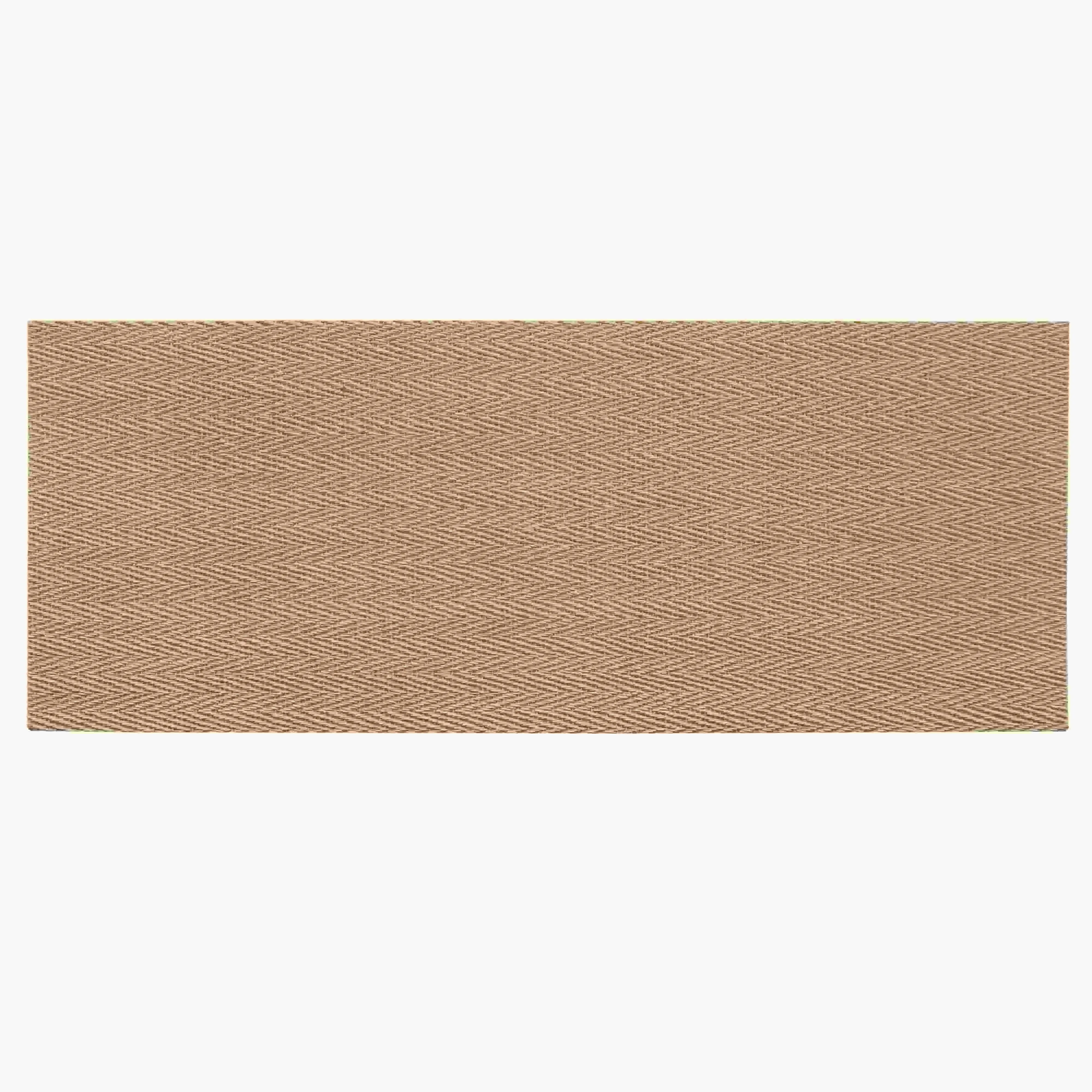
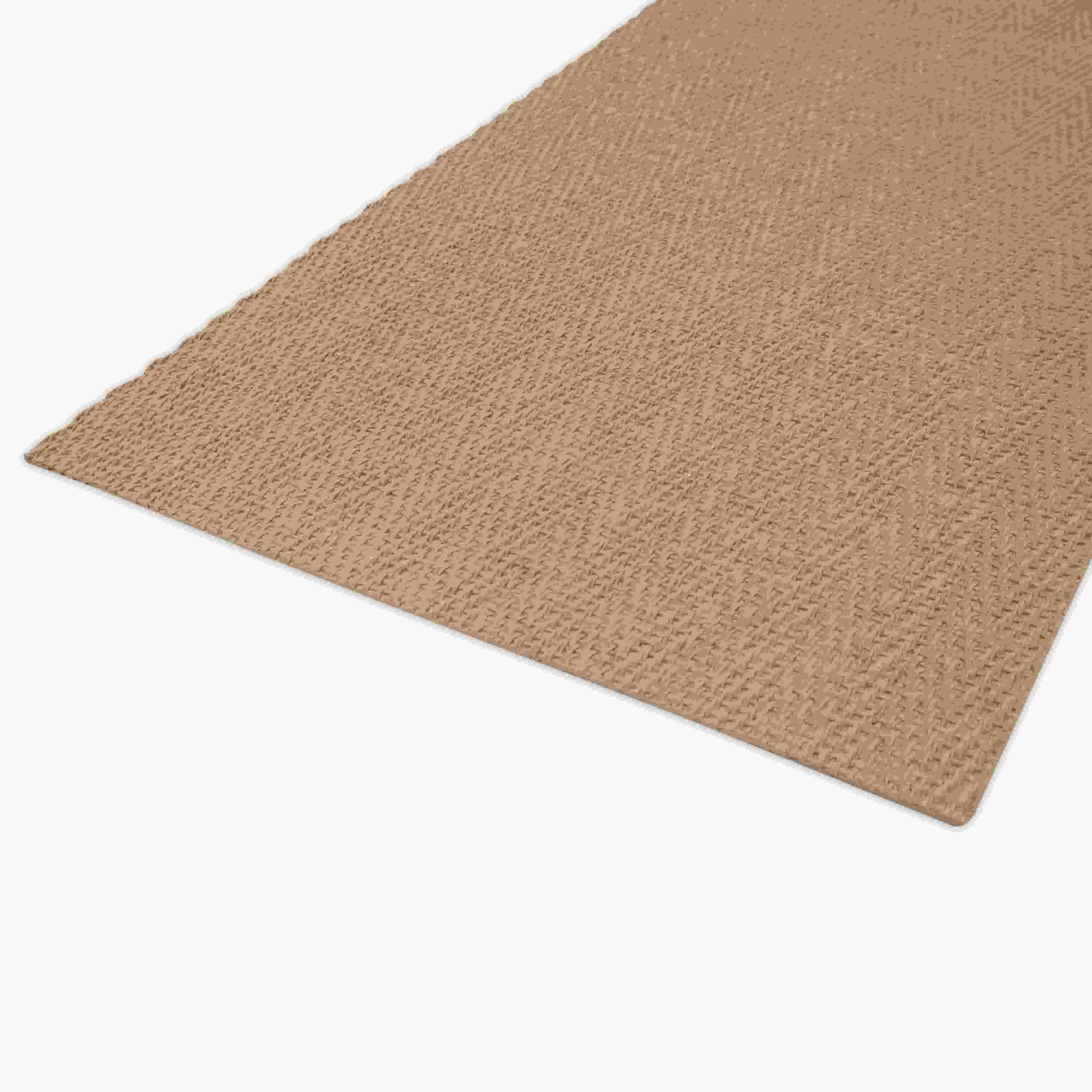
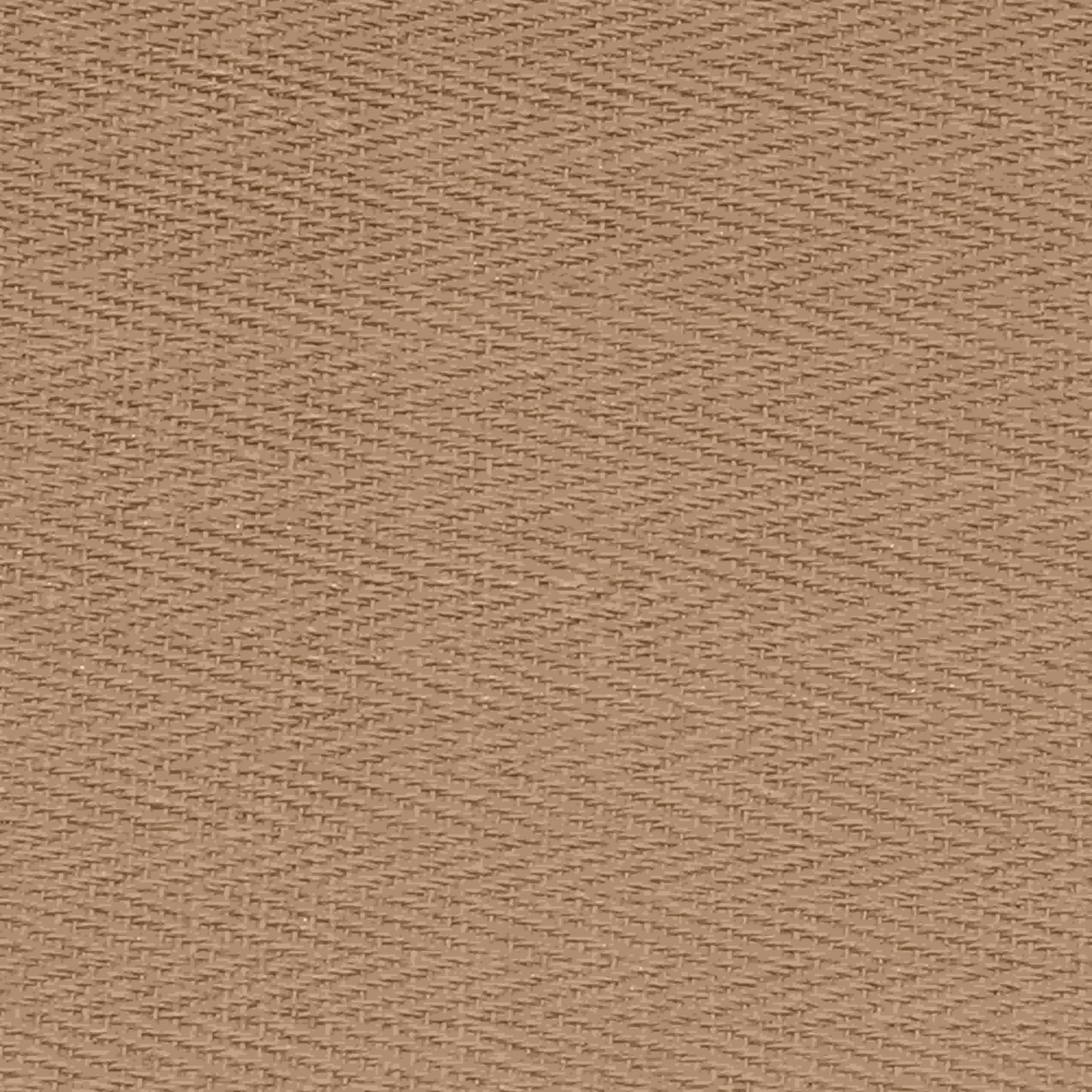
First, let's get acquainted with Weaving (Khaki) MCM. Part of the broader MCM family, this material is a masterclass in engineering meets artistry. MCM, short for Modified Composite Material, is crafted by bonding natural minerals (like limestone or clay) with a lightweight polymer matrix, resulting in panels that are thin, flexible, and surprisingly robust. The "Weaving (Khaki)" variant takes this a step further, featuring a textured surface that mimics the soft, interlaced pattern of handwoven fabric—think the warmth of a well-loved khaki blanket, translated into stone. It's not just about looks, though; this panel is a workhorse, designed to tackle the elements while adding depth and character to any surface.
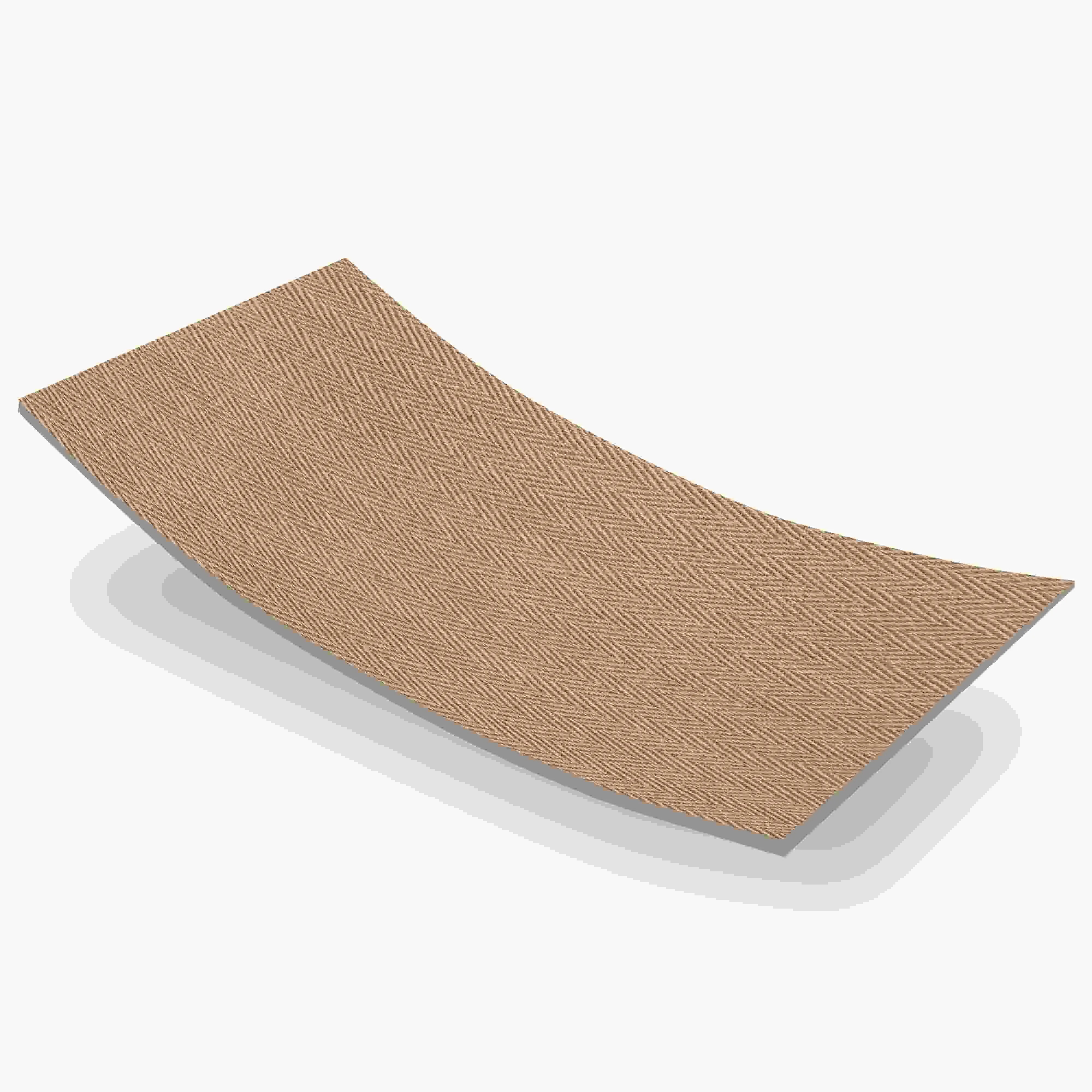
What makes MCM unique, especially in the case of Weaving (Khaki), is its core trait: flexibility. Unlike rigid stone or ceramic, it bends without breaking, adapts to curves, and weighs a fraction of traditional materials. It's the kind of cladding that architects dream of for projects where form and function must coexist—whether it's a sleek high-rise, a cozy café, or a community center aiming to feel welcoming.
Ceramic tiles, on the other hand, need no introduction. For generations, they've adorned kitchens, bathrooms, and building exteriors with their glossy finishes and endless pattern options. Made from clay fired at high temperatures, they're prized for their smooth surfaces, water resistance, and affordability. From subway tiles to intricate mosaics, ceramic has earned its reputation as a dependable choice for adding color and pattern to spaces. But as evolves, so do the demands on cladding—and ceramic's "old reliable" status is starting to face tough questions.
When it comes to withstanding the test of time, durability is non-negotiable. Let's start with impact resistance. Ceramic tiles are hard, dense, and scratch-resistant—great for low-traffic areas. But here's the catch: they're brittle. A stray baseball, a falling branch, or even a heavy tool dropped during maintenance can leave a ceramic tile cracked or shattered. Once a tile cracks, water seeps in, leading to mold, mildew, or further damage to the underlying structure.
Weaving (Khaki) MCM, by contrast, plays by a different set of rules. Its flexibility is its superpower. Instead of shattering on impact, the panel bends slightly, absorbing the force like a shock absorber. I spoke with Jake Torres, a construction foreman with 15 years of experience, who put it bluntly: "Last winter, we had a hailstorm with golf ball-sized ice chunks. The ceramic tiles on the office building next door? Half of them had chips. The Weaving (Khaki) MCM on the apartment complex we finished? Not a single scratch. It's like comparing a glass plate to a rubberized mat—one breaks, the other bounces back."
Weathering is another battleground. Ceramic tiles fade over time, especially darker shades, as UV rays strip away their color. Weaving (Khaki) MCM, however, retains its earthy hue thanks to pigments locked into its composite matrix. Even after years under the sun, that warm khaki tone stays true. And when it comes to temperature swings—freezing winters, scorching summers—MCM's low thermal expansion rate means it won't warp or crack, unlike ceramic tiles, which can expand and contract enough to loosen grout lines over time.
Weight matters—especially in high-rise construction or renovation projects where structural load is a concern. Ceramic tiles are heavy, often weighing 20-30 pounds per square foot when installed with mortar and grout. That adds up quickly: a 10-story building could see tens of thousands of extra pounds on its walls, requiring reinforced framing and higher construction costs.
Weaving (Khaki) MCM? It's a lightweight champion. Clocking in at just 3-5 pounds per square foot, it's up to 80% lighter than ceramic tiles. This isn't just about cutting structural costs; it's about design freedom. "We used Weaving (Khaki) MCM on a curved facade for a boutique hotel last year," says architect Lina Patel. "Ceramic tiles would've been impossible—they're rigid, so you can't bend them without breaking. MCM? We wrapped it around the building's rounded corners like it was fabric. The result? A building that looks soft, almost organic, instead of boxy. Clients couldn't stop taking photos."
This flexibility also makes MCM ideal for retrofits. Older buildings with weaker structures can't handle the weight of ceramic tiles, but MCM panels can be installed without reinforcing walls—saving time, money, and preserving the building's original character.
Anyone who's installed ceramic tiles knows the drill: mixing mortar, carefully aligning each tile, cutting them to fit around corners, and waiting for grout to dry. It's labor-intensive, time-consuming, and risky—one wrong move, and a tile cracks, wasting material and hours of work. On average, a team of two can install about 200 square feet of ceramic tiles in a day, factoring in prep and cleanup.
Weaving (Khaki) MCM flips the script. Thanks to its lightweight design and large panel sizes (often 3x5 feet or more), installation is a breeze. Most panels come with a simple interlocking system or adhesive backing, so there's no need for messy mortar. "We installed Weaving (Khaki) MCM on a 5,000-square-foot retail facade in three days," says Torres. "With ceramic tiles, that would've taken a week, minimum. And we didn't break a single panel—unlike ceramic, where we usually lose 5-10% to cracks during installation."
Even on tricky surfaces—uneven walls, old brick, or curved columns—MCM adapts. Its flexibility allows it to conform to minor imperfections, whereas ceramic tiles require perfectly flat substrates, often necessitating additional layers of backer board. For busy contractors, time is money—and MCM delivers both.
Cladding isn't just about protection—it's about beauty. Ceramic tiles come in endless colors and patterns, but their texture often feels flat, like a printed image. Weaving (Khaki) MCM, by contrast, is all about depth. Run your hand over it, and you'll feel the gentle peaks and valleys of its woven pattern—a tactile experience that ceramic tiles, with their smooth, glazed surfaces, can't replicate.
"Texture matters," Patel explains. "Weaving (Khaki) MCM adds warmth to a building. It doesn't just reflect light—it plays with it, creating shadows that shift throughout the day. In the morning, it looks soft and golden; in the evening, it takes on a cozy, amber hue. Ceramic tiles, even the ones with 'textured' finishes, feel static by comparison. They don't evolve with the light."
Color retention is another win for MCM. Unlike ceramic tiles, which can fade or discolor when exposed to harsh weather, Weaving (Khaki) MCM's pigments are integrated into its core, not just applied as a topcoat. That means no chipping, no peeling, and no need for repainting or refinishing. And if you crave variety? MCM offers a spectrum of options—from the industrial chic of foamed aluminium alloy board (vintage silver) to the earthy richness of lime stone (beige)—but Weaving (Khaki) stands out for its ability to blend sophistication with approachability.
In an era where eco-conscious design is non-negotiable, sustainability matters. Ceramic tile production is energy-intensive: mining clay, firing kilns at high temperatures, and transporting heavy materials all leave a significant carbon footprint. What's more, once ceramic tiles crack or fade, they're hard to recycle—most end up in landfills.
Weaving (Khaki) MCM, by contrast, is engineered with sustainability in mind. Many MCM manufacturers use recycled materials in their polymer matrix, and the panels themselves are 100% recyclable at the end of their lifespan. Their lightweight nature also cuts down on transportation emissions: a single truck can carry 10 times more MCM panels than ceramic tiles, reducing fuel use. "We chose MCM for our company headquarters because we wanted to hit LEED Platinum," says sustainability consultant Raj Mehta. "The Weaving (Khaki) panels checked every box—low embodied carbon, energy efficiency (their insulation properties cut HVAC costs by 15%), and zero maintenance waste. Ceramic tiles would've made that certification nearly impossible."
Maintenance is another green win. MCM panels resist mold, mildew, and stains, so they rarely need cleaning with harsh chemicals. A quick rinse with water is usually enough. Ceramic tiles, on the other hand, require regular grout cleaning to prevent discoloration—a process that often involves toxic cleaners that harm the environment.
Let's talk numbers. At first glance, ceramic tiles seem cheaper: $3-8 per square foot, compared to Weaving (Khaki) MCM's $8-12 per square foot. But that's just the upfront cost. When you factor in installation labor, structural reinforcement, maintenance, and replacement, the tables turn.
Installation labor for ceramic tiles averages $5-10 per square foot (thanks to its time-consuming nature), while MCM installation is $3-5 per square foot. Add in structural reinforcement for heavy ceramic tiles—often $2-4 per square foot for older buildings—and the gap narrows. Then there's maintenance: ceramic tiles need grout sealing every 1-2 years ($1-2 per square foot each time) and occasional replacement of cracked tiles ($10-20 per tile, including labor). MCM? No grout, no sealing, and a 50+ year lifespan with minimal upkeep.
"We crunched the numbers for a 10,000-square-foot school," Mehta recalls. "Ceramic tiles would've cost $120,000 upfront (materials + labor). Weaving (Khaki) MCM was $150,000 upfront. But over 20 years, ceramic would've needed $40,000 in grout sealing and $25,000 in replacements. MCM? $5,000 total for occasional cleanings. The MCM saved $10,000 in the long run—and that's not counting the energy savings from better insulation."
| Feature | Weaving (Khaki) MCM | Ceramic Tiles |
|---|---|---|
| Weight (per sq ft) | 3-5 lbs (lightweight) | 20-30 lbs (heavy) |
| Impact Resistance | High (flexible, shatter-resistant) | Low (brittle, prone to cracking) |
| Installation Time (per 200 sq ft) | 1 day (fast, minimal labor) | 2-3 days (slow, labor-intensive) |
| Color Retention | Excellent (UV-resistant pigments) | Poor (fades over time) |
| Sustainability | High (recyclable, low carbon footprint) | Low (energy-heavy production, landfill-bound) |
| 20-Year Cost (per sq ft) | $10-15 (minimal upkeep) | $15-25 (grout sealing, replacements) |
| Design Flexibility | High (curved surfaces, textures) | Low (rigid, flat surfaces only) |
In 2023, the Riverview Community Center in Portland needed a facade upgrade. The original ceramic tiles were cracked, faded, and made the building look dated. The team chose Weaving (Khaki) MCM for its warmth and durability. "Parents love it—they say the building feels 'huggy' now, not cold," says center director Elena Cruz. "And after a minor earthquake last spring? The MCM panels didn't budge. The old ceramic tiles? We found pieces on the ground. It was a no-brainer."
Over in Chicago, a historic warehouse conversion used Weaving (Khaki) MCM to preserve the building's industrial charm without adding weight to its fragile walls. "Ceramic tiles would've required reinforcing the 100-year-old brick, which would've ruined the original architecture," Patel explains. "MCM wrapped around the curves of the old loading bays perfectly. Now, it's a boutique hotel that feels both historic and modern—all thanks to that woven texture."
Ceramic tiles have their place—they're affordable upfront and work for small, low-traffic areas like bathroom walls. But when it comes to performance, sustainability, and design freedom, Weaving (Khaki) MCM outshines them. It's lighter, more durable, easier to install, and kinder to the planet. It turns buildings into stories, with a texture that invites touch and a color that ages like fine wine.
So, if you're building a high-rise, renovating a historic gem, or just want a facade that stands the test of time (and storms), Weaving (Khaki) MCM isn't just an option—it's the smart choice. After all, great architecture isn't just about looking good. It's about lasting, adapting, and making people feel something. And in that, Weaving (Khaki) MCM doesn't just perform—it inspires.
Recommend Products












