
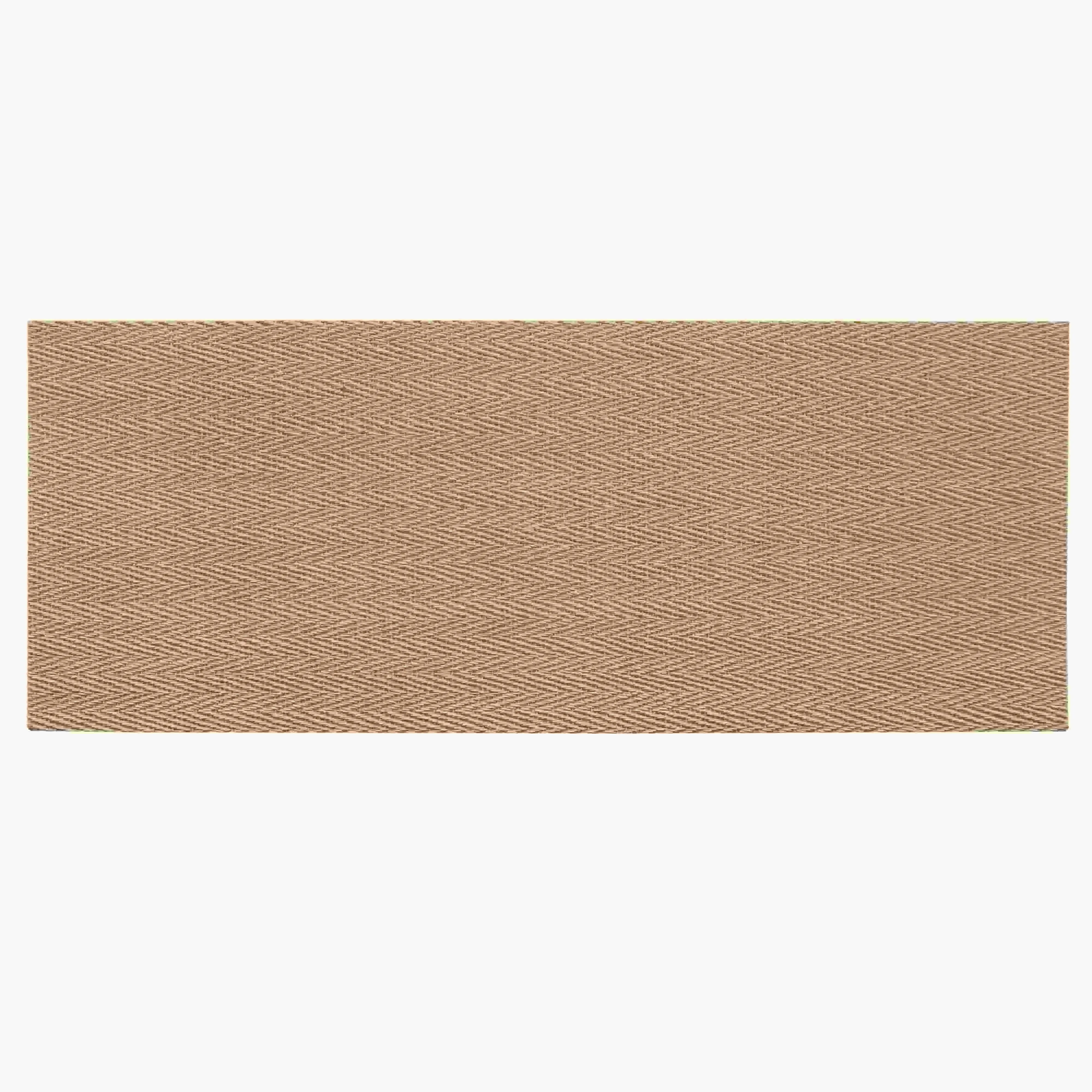
Walk into a space—any space—and the walls will tell you a story. They don't just divide rooms or shield us from the elements; they set the mood, whisper about the people who built them, and even shape how we feel when we're there. In the world of architecture and design, choosing the right cladding material is like picking the perfect backdrop for a painting: it can make or break the entire composition. Today, we're diving into two materials that represent opposite ends of the design spectrum yet often find themselves in the same conversation: Weaving (Khaki) from the MCM collection, and the ever-present concrete cladding. One is soft, textural, and warm; the other is bold, industrial, and unyielding. Let's explore how they stack up—not just in specs, but in the way they transform spaces.
Design isn't just about looks—it's about language. The materials we choose speak to the purpose of a space. A boutique hotel might lean into warmth to make guests feel at home; a tech startup office might embrace industrial chic to signal innovation. Let's unpack how Weaving (Khaki) and concrete cladding communicate.
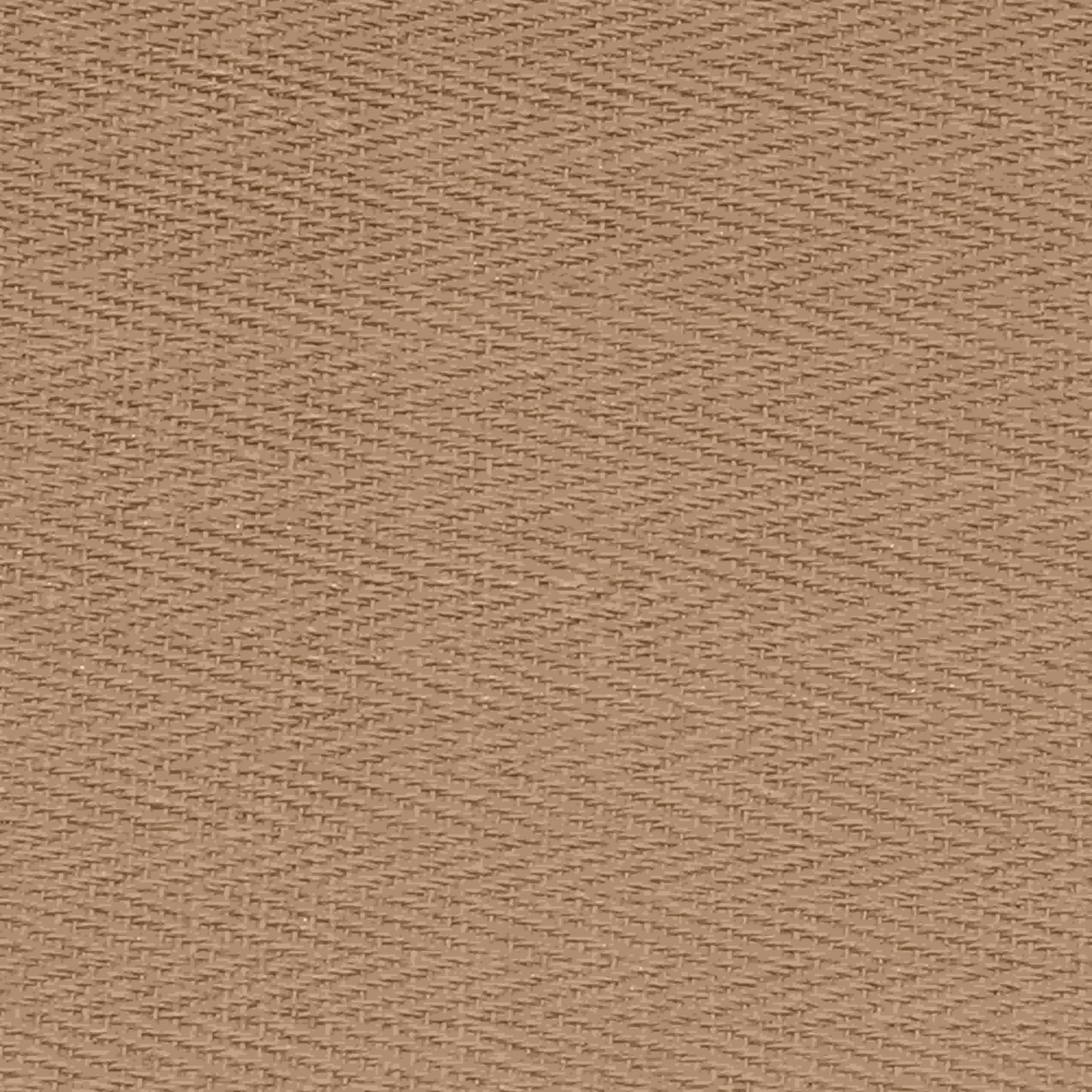
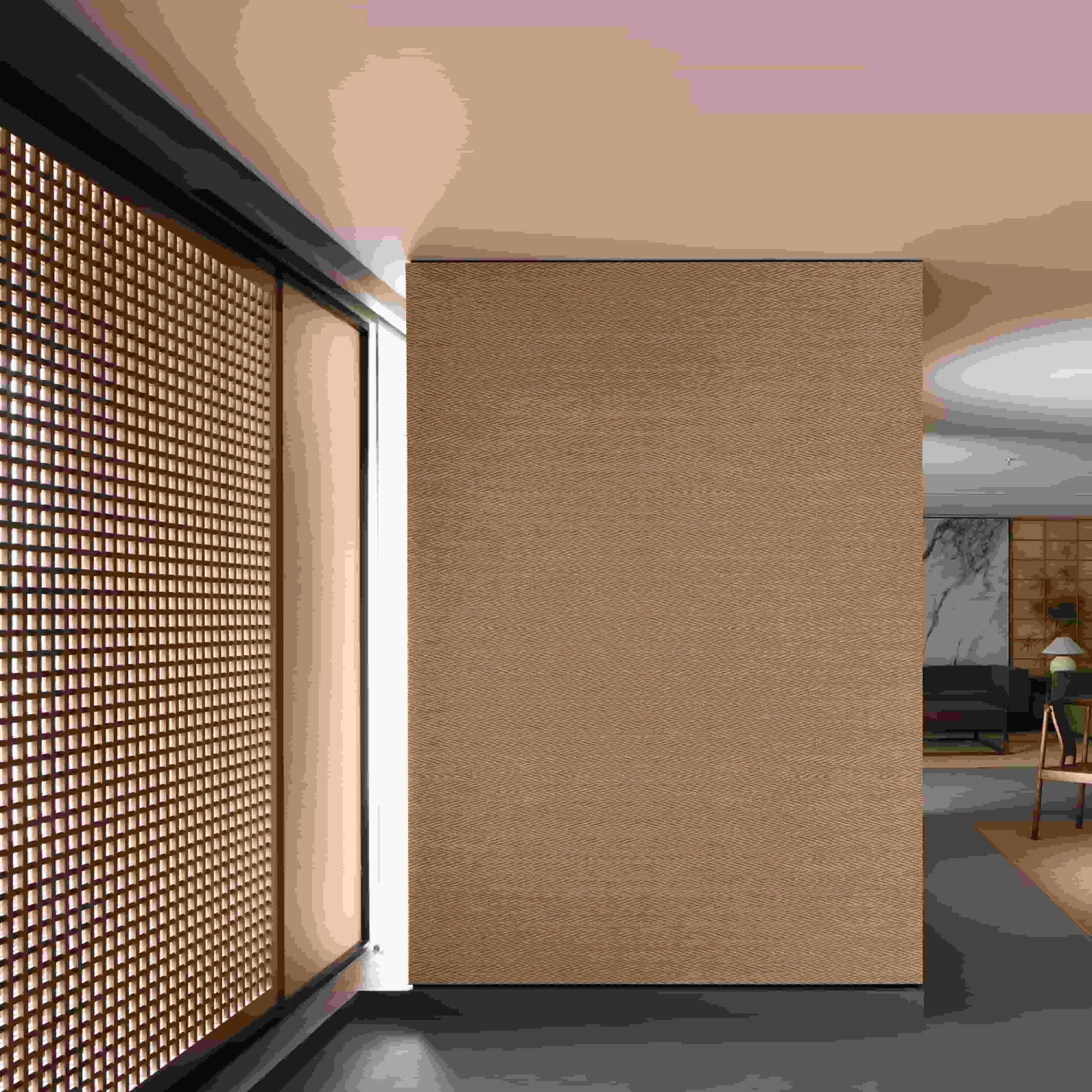
Weaving (Khaki) is named for its most striking feature: a surface that mimics the look and feel of handwoven fabric. Close up, you'll notice delicate, overlapping ridges that flow like threads stitched into the material—subtle enough to feel intentional, not overwhelming. Its color? A soft, earthy khaki that sits somewhere between lime stone(beige) and the warm undertones of rough granite stone (beige) , with hints of sand and muted green that shift in different lights. It's the kind of shade that doesn't shout but wraps a room in calm, like sunlight filtering through linen curtains.
What makes it versatile is its ability to blend. Pair it with wood accents, and it leans into rustic charm; pair it with sleek metal fixtures, and suddenly it feels modern and refined. Unlike busy patterns that clash with furniture or art, Weaving (Khaki) acts as a neutral base that elevates other elements. Imagine a restaurant where the walls are clad in this material: the woven texture catches the glow of pendant lights, casting gentle shadows that make the space feel intimate, even on a crowded night. It's not just a wall—it's a mood-setter.
Concrete, on the other hand, speaks in bold, unapologetic terms. Whether it's smooth fair-faced concrete with its uniform gray expanse or rough-hewn panels with visible aggregate, it's a material that screams "strength." Its color palette is limited—shades of gray, charcoal, and sometimes off-white—but that's part of its appeal. Concrete doesn't try to be warm; it embraces its industrial roots, evoking warehouses, factories, and the raw energy of urban spaces.
Its design power lies in minimalism. A concrete wall doesn't compete for attention; it creates a canvas for contrast. Think of a gallery with white artworks hung against a concrete backdrop—the art pops, the space feels edgy yet serene. But here's the catch: concrete can feel cold if not balanced. Without wood, plants, or warm lighting, a room clad in concrete can start to feel like a bunker rather than a living space. It's a material that demands intention—use it right, and it's iconic; use it wrong, and it's just… hard.
Design isn't just visual—it's tactile. We don't just look at walls; we brush against them, lean against them, even press our palms to them when we're deep in thought. The way a material feels can turn a generic space into one that feels "alive." Let's talk about touch.
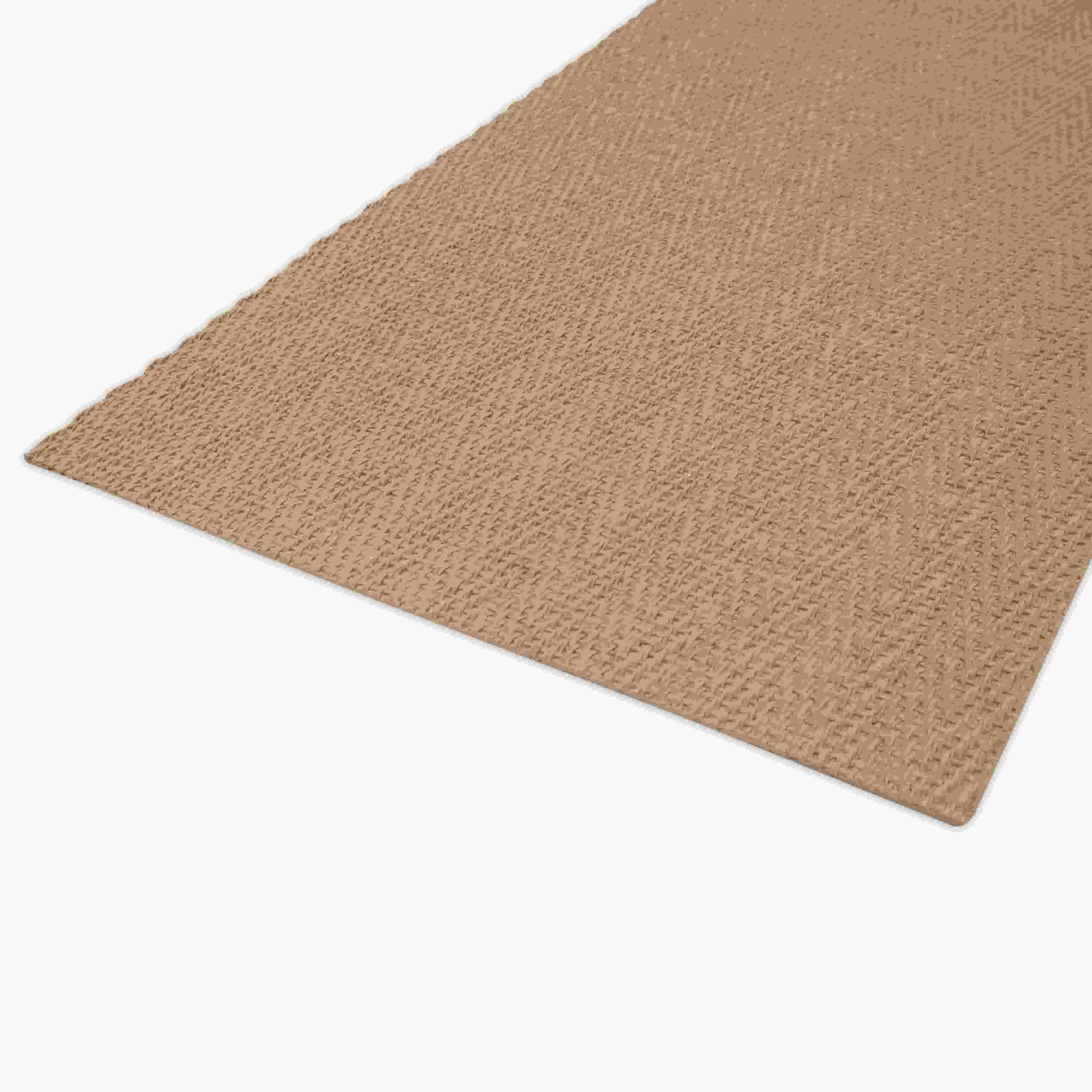
Run your hand over Weaving (Khaki) , and you'll be surprised. Despite being a type of MCM flexible stone —a durable, engineered material—it doesn't feel like stone at all. The woven texture gives it a slight give, like pressing into a thick, well-worn textile. There's no sharpness, no coldness; instead, it's warm to the touch, as if it holds onto the heat of the room. It's the kind of surface that invites interaction: a child might trace the ridges with their finger, a guest might absentmindedly brush it as they walk by. It turns walls into something approachable, not just functional.
Concrete cladding, by contrast, is all about rigidity. Even when finished with a matte or "soft" texture, it's still hard under the hand—cool, dense, and unyielding. Run a finger across it, and you might feel tiny pores or the rough grain of aggregate, but there's no give, no warmth. It's a material that says "look, don't touch," which can be intentional (think of a modern art museum where the focus is on the exhibits, not the walls) but can also feel sterile in spaces meant for connection, like a home or a café.
| Aspect | Weaving (Khaki) MCM | Concrete Cladding |
|---|---|---|
| Texture | Woven, ridged surface with soft, textile-like feel; warm to the touch | Smooth or rough; hard, cool, and dense with visible aggregate (if unfinished) |
| Color Palette | Earthy khaki with beige, sand, and muted green undertones; blends with natural materials | Grays, charcoals, and off-whites; high contrast with warm tones |
| Mood | Warm, intimate, and inviting; softens harsh spaces | Bold, industrial, and minimalist; creates stark, modern backdrops |
| Design Versatility | Adapts to rustic, modern, and commercial spaces; pairs well with textiles and wood | Best for industrial, minimalist, or high-tech designs; clashes with overly soft elements |
A beautiful material is only as good as its ability to stand the test of time. Whether it's a busy restaurant wall or a home exterior, cladding needs to handle scratches, moisture, and the wear and tear of daily life. Let's break down how these two materials hold up.
MCM flexible stone —the base material for Weaving (Khaki) —is engineered to be both strong and adaptable. Unlike natural stone, which can crack under impact, MCM is made by bonding thin layers of stone with a flexible backing, making it resistant to chips and dents. Spill a glass of wine on it? Wipe it up with a damp cloth—no staining. Scrub it with mild soap? The texture won't fade. Even in humid environments like bathrooms or coastal homes, it resists mold and mildew, thanks to its non-porous surface.
What really sets it apart is its flexibility. Traditional cladding materials like brick or stone are rigid, which means they can crack if the building shifts (a common issue in older homes or areas with temperature swings). MCM flexible stone bends slightly with the structure, reducing the risk of damage over time. For homeowners or business owners, that translates to less stress about repairs and a longer lifespan—often 20+ years with minimal upkeep.
Concrete is known for its strength—after all, it's used to build bridges and skyscrapers. But when used as cladding, it has a few Achilles' heels. For one, it's porous. Without regular sealing (every 1–3 years), water can seep in, leading to mold, staining, or even cracks as water freezes and expands in cold climates. Spill coffee on an unsealed concrete wall, and you'll likely be left with a permanent brown mark.
Then there's cracking. Concrete shrinks as it dries, which can lead to hairline fractures over time—especially in exterior applications exposed to rain, sun, and temperature changes. These cracks aren't just cosmetic; they can let moisture in, worsening the problem. And while sealing helps, it's a ongoing cost and hassle. For high-traffic areas, concrete also scratches easily; drag a chair across a concrete floor, and you'll leave a visible mark.
Even the most beautiful, durable material can become a headache if it's a nightmare to install. Weight, flexibility, and installation time all play a role in whether a material is feasible for a project.
MCM panels are lightweight—about 1/5 the weight of natural stone or concrete cladding. That means you don't need heavy-duty structural support to install them, which cuts down on construction costs. For homeowners, this is a game-changer: with basic tools and a little patience, you could even install them as a weekend DIY project (though professionals will still get a cleaner finish). The panels come in large sheets (often 4x8 feet), so there are fewer seams, and they can be cut to fit around windows, doors, or fixtures with a utility knife.
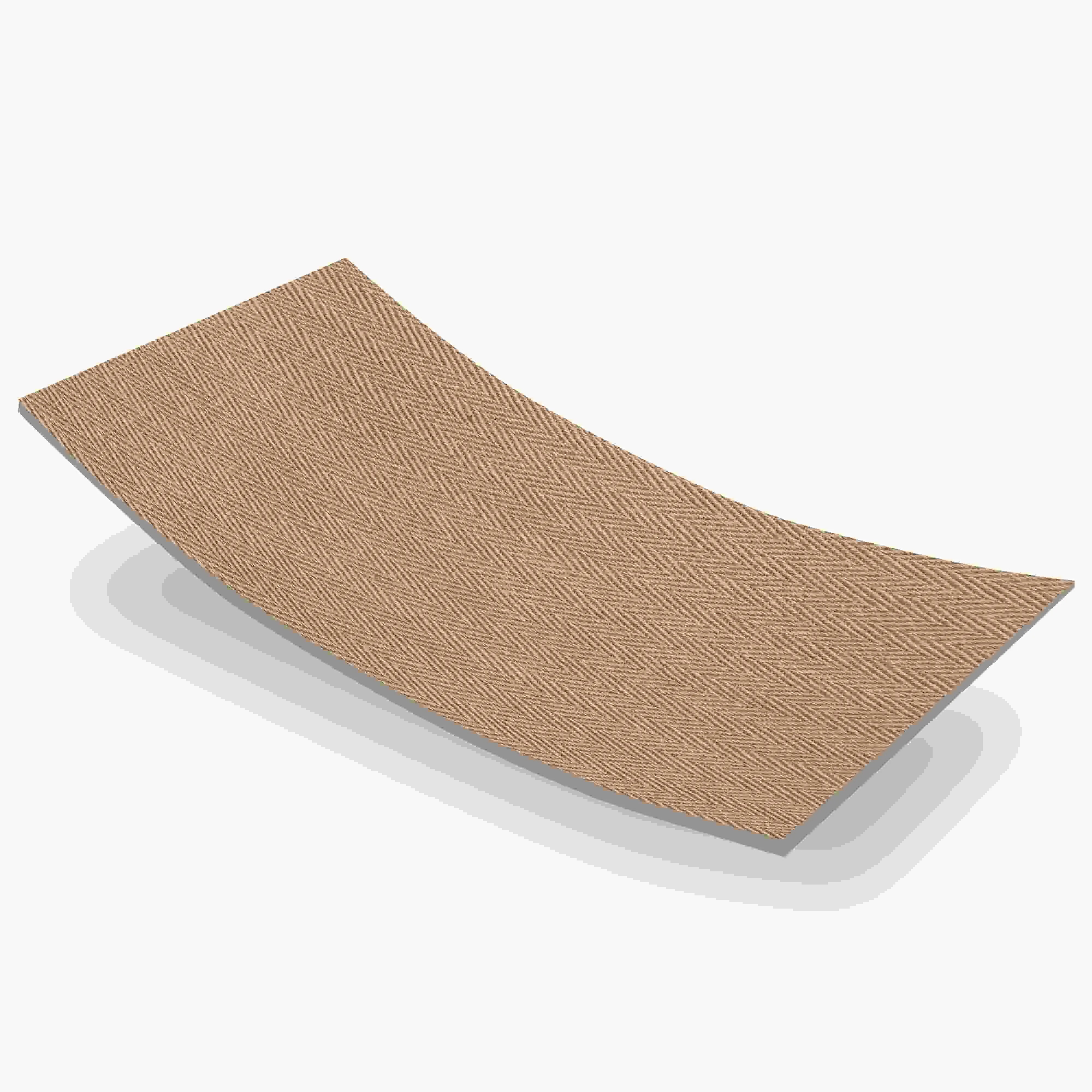
Flexibility is another plus. Unlike rigid concrete panels, Weaving (Khaki) MCM can be curved around arches, columns, or rounded walls—opening up design possibilities that concrete simply can't match. Imagine a home with a circular sunroom clad in Weaving (Khaki) ; the soft curves of the walls would mirror the room's shape, creating a space that feels organic and flowy.
Concrete cladding is heavy—very heavy. A single 4x8 foot panel can weigh 100+ pounds, requiring a team of installers and specialized equipment (like cranes for exterior projects). This adds significant labor costs and time to a project. It also means the underlying structure needs to be reinforced to support the weight, which isn't always feasible in older buildings or remodels.
Cutting concrete is messy work, too. It generates dust, requires power tools, and leaves rough edges that need smoothing. And once it's up, adjusting it is nearly impossible—if a panel is misaligned, you'll have to break it off and start over. For large commercial projects with big budgets and timelines, this might be manageable, but for most homeowners or small businesses, the hassle often outweighs the aesthetic payoff.
In 2025, sustainability isn't just a buzzword—it's a priority. The materials we choose impact the environment, from production to disposal. Let's see how Weaving (Khaki) and concrete stack up here.
MCM production is inherently sustainable. The panels use recycled stone dust and aggregates, reducing the need for quarrying new materials. The manufacturing process also uses less water and energy compared to concrete production, and since MCM is lightweight, transporting it generates fewer carbon emissions than hauling heavy concrete panels. At the end of its life, MCM can be recycled into new construction materials, closing the loop.
For green-building projects, Weaving (Khaki) often qualifies for LEED credits, thanks to its low VOC emissions and recycled content. It's a material that lets you have both beauty and a clear conscience—a win-win for designers and eco-conscious clients.
Concrete is one of the most carbon-intensive materials on the planet. Producing cement—the binding agent in concrete—accounts for about 8% of global CO2 emissions. While there are "greener" options (like fair-faced concrete , which uses less cement), they still can't match MCM's low environmental impact. Disposal is another issue: concrete is heavy and non-biodegradable, often ending up in landfills when buildings are demolished.
At the end of the day, the "better" material depends on the project. Let's look at a few scenarios where one might outshine the other.
Boutique Hotels:
A small hotel in a coastal town might use
Weaving (Khaki)
in its lobby and guest rooms. The warm texture and neutral color would complement ocean views, while the durability would handle luggage bumps and daily cleaning.
Home Accent Walls:
A homeowner wanting to add texture to their living room could install
Weaving (Khaki)
behind the sofa. It would add depth without overwhelming the space, and its lightweight nature means no structural changes are needed.
Cafés & Restaurants:
A neighborhood café might use it on the walls to create a cozy, inviting vibe. The material's resistance to stains and moisture would stand up to coffee spills and busy foot traffic, while the woven texture would soften the noise of chatter and clinking cups.
Tech Offices:
A startup in a converted warehouse might opt for concrete cladding to lean into the industrial aesthetic, pairing it with metal accents and exposed ceilings for a "cutting-edge" feel.
Public Art Installations:
A large-scale outdoor sculpture or museum exterior could use concrete for its bold, monolithic look—though it would require regular sealing to withstand the elements.
High-Rise Exteriors:
A modern apartment building might use concrete panels for their sleek, uniform appearance, though the structural costs would be significant.
Weaving (Khaki)
MCM and concrete cladding aren't enemies—they're just telling different stories. Concrete roars with industrial strength and modernity;
Weaving (Khaki)
whispers warmth and texture. One demands attention; the other invites connection.
For spaces where people gather—homes, cafés, hotels—
Weaving (Khaki)
offers a rare blend of beauty, practicality, and soul. It's a material that feels human, like a well-loved sweater for your walls. Concrete, meanwhile, has its place in bold, statement-making designs where durability and edge are the priority.
At the end of the day, the best material is the one that aligns with the story you want your space to tell. And if that story is about warmth, versatility, and living well?
Weaving (Khaki)
just might be the perfect opening line.
Recommend Products












