
Walk into any space—whether it's a cozy café downtown, a grand hotel lobby, or the exterior of a historic home—and the first thing that often catches your eye isn't just the layout or the lighting. It's the materials. The texture under your fingertips, the way light plays on a wall, the subtle warmth (or coolness) of a surface—these details don't just shape a room; they shape how we *feel* in it. For architects, designers, and homeowners alike, choosing between materials is more than a practical decision. It's about balancing beauty, budget, and the quiet promise that what you build today will still stand strong tomorrow.
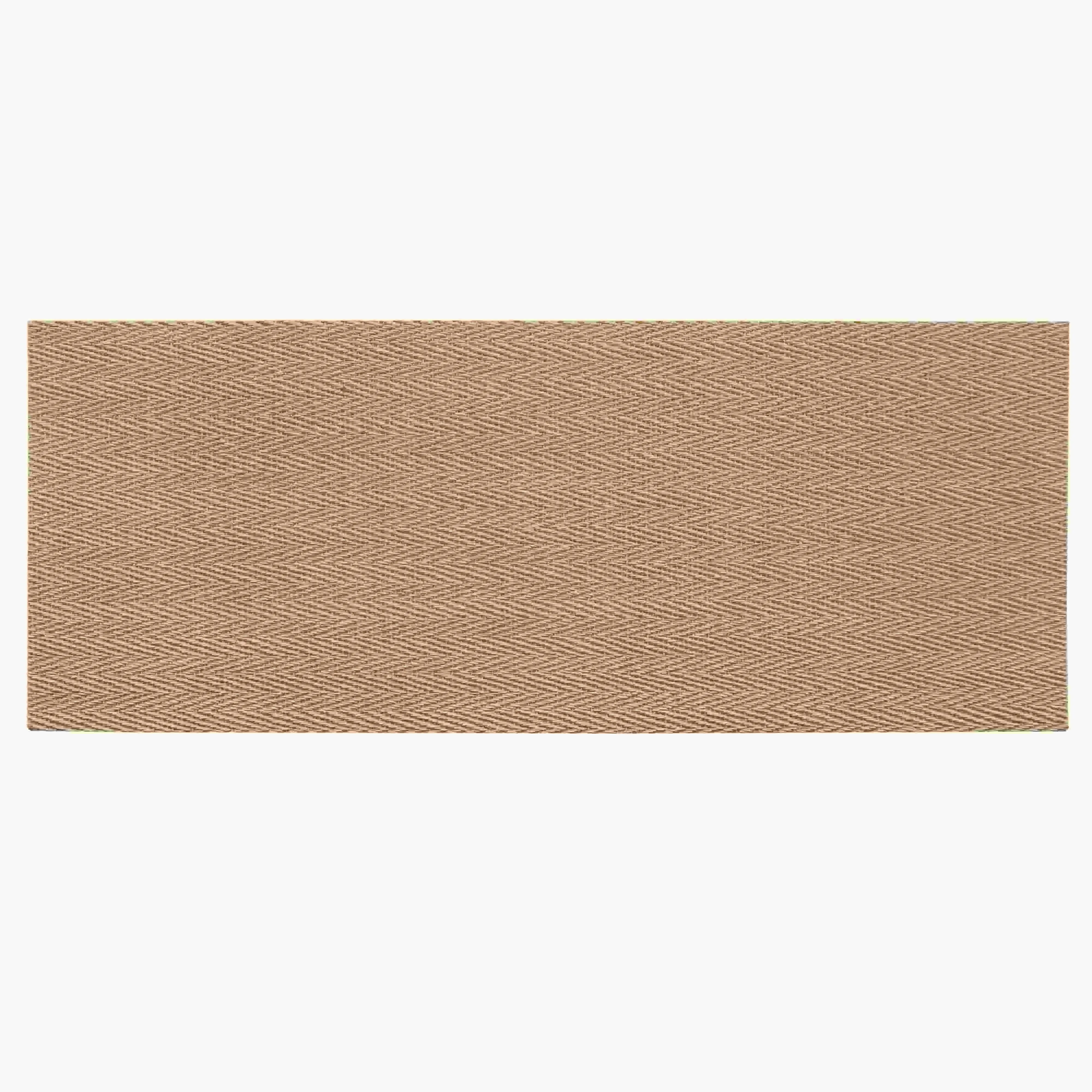
In recent years, a new player has stepped onto the stage: Weaving (Khaki) MCM . Part of the innovative MCM (Modified Composite Material) family, this material blends modern engineering with the organic charm of natural textures. But how does it stack up against the tried-and-true stalwarts of construction—traditional stones like marble, granite, and travertine? Today, we're diving deep into this comparison, exploring not just the numbers, but the stories these materials tell, and the impact they have on the spaces we love.
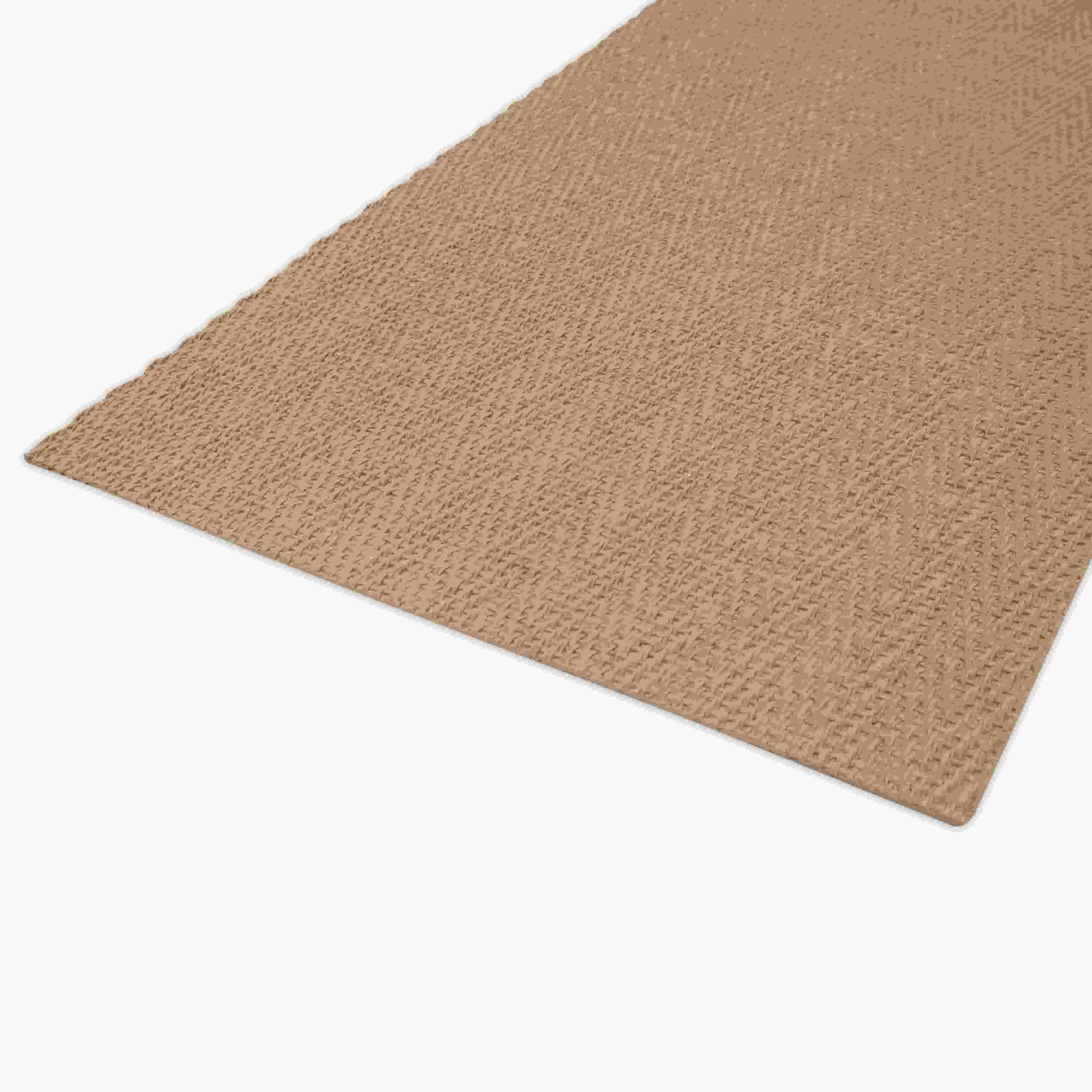
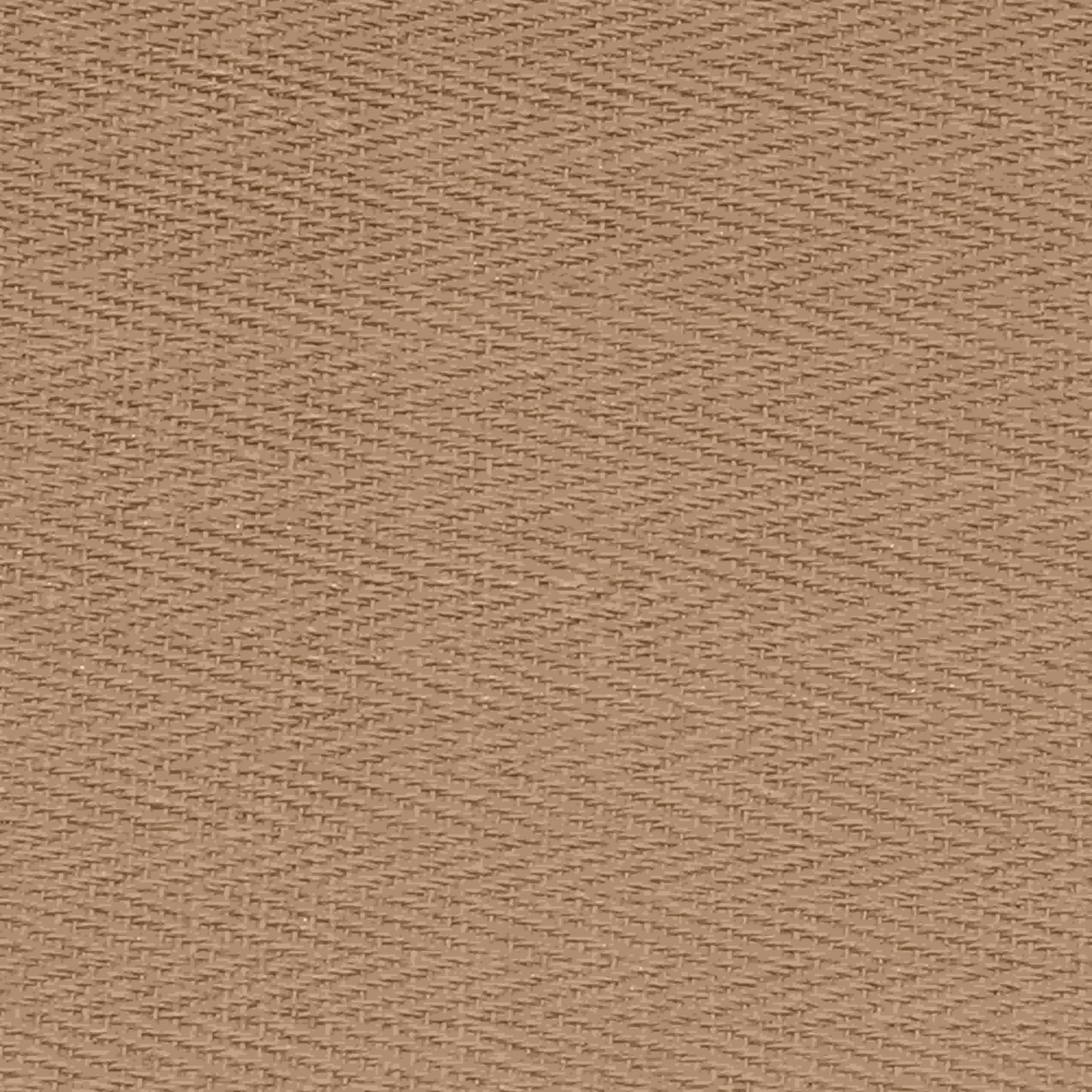
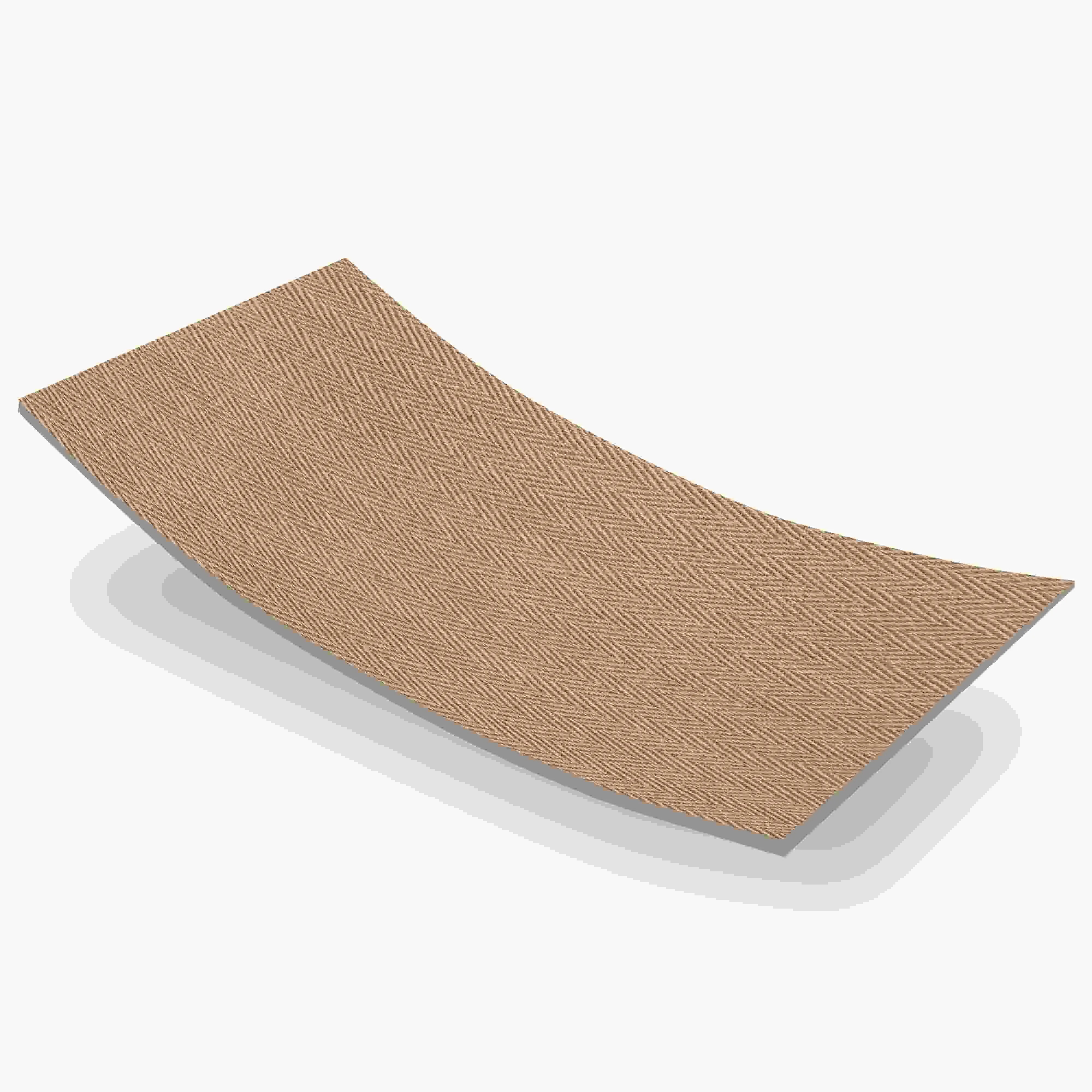
Let's start with the basics. MCM, or Modified Composite Material, is a revolutionary category of building materials designed to mimic the look and feel of natural stone, wood, or metal—without the weight, cost, or maintenance headaches. Think of it as nature's beauty, reimagined through science. And within this family, Weaving (Khaki) MCM stands out for its warm, earthy aesthetic. Its surface mimics the soft, interlaced pattern of handwoven fabric, with a muted khaki hue that evokes sunlit fields or aged linen. Run your hand over it, and you'll feel a gentle texture—not too rough, not too smooth—like something crafted by human hands rather than machines.
But what's really clever about MCM is how it's made. Unlike traditional stone, which is quarried from the earth in heavy slabs, MCM starts with a base of lightweight materials (often mineral powders, resins, and fibers) that are compressed and treated to create a thin, flexible panel. This process allows for intricate designs—like the weaving pattern in our Khaki variant—while keeping the material lightweight (typically 3-5 kg per square meter) and easy to install. It's a material that nods to tradition while embracing innovation, making it a favorite for designers who want the best of both worlds.
Now, let's turn to the classics. Traditional stone has been humanity's building block for millennia. From the pyramids of Egypt to the Taj Mahal, from ancient Roman aqueducts to the cobblestone streets of Paris—stone is more than a material; it's a symbol of permanence. Think of marble , with its swirled veins of white and gray, or granite , with its speckled, crystalline surface that feels cool and solid to the touch. There's travertine too, with its porous, honeycomb texture that tells the story of mineral-rich springs, and limestone (beige) , which carries the warmth of sunbaked earth.
These stones are beloved for good reason. They're natural, unique (no two slabs are exactly alike), and they age with grace—developing a patina over time that adds character to a space. But they come with trade-offs. Natural stone is heavy (granite, for example, can weigh 25-30 kg per square meter), which means structural support is a must. It's also porous, so without regular sealing, it can stain from spills or weathering. And let's not forget the cost: quarrying, cutting, and transporting large stone slabs is labor-intensive, driving up prices.
Cost is often the first question on anyone's mind when choosing building materials. Let's break it down—not just the upfront price tag, but the long-term investment. After all, a material that seems cheap today might cost you more in repairs tomorrow, and vice versa.
| Cost Factor | Weaving (Khaki) MCM | Traditional Stone (e.g., Granite/Marble) |
|---|---|---|
| Material Cost (per sqm) | $40–$60 | $80–$200+ (varies by stone type) |
| Installation Labor | Lower (lightweight, easy to cut/handle: ~$20–$30/sqm) | Higher (requires heavy machinery, skilled labor: ~$50–$80/sqm) |
| Structural Support | Minimal (no need for reinforced framing) | Often required (adds $1000–$3000+ to project costs) |
| Maintenance (annual) | Low ($5–$10/sqm: occasional cleaning with mild soap) | High ($30–$50/sqm: sealing, polishing, stain removal) |
| Lifespan (with care) | 20–30 years | 50–100+ years (but may require repairs/replacement sooner) |
Let's unpack this. Weaving (Khaki) MCM starts with a lower material cost—roughly half the price of mid-range natural stone. Why? Because MCM production is less resource-intensive than quarrying and cutting stone. There's no need to blast mountains or transport massive slabs across the globe; most MCM is manufactured locally, reducing shipping costs. Then there's installation: MCM panels are lightweight enough for two people to carry and cut with basic tools, so labor costs drop significantly. Traditional stone, on the other hand, often requires cranes, specialized cutting equipment, and crews trained to handle heavy loads—all of which add up.
But what about the long term? Traditional stone can last for centuries, but in reality, many homeowners or businesses replace or repair stone surfaces every 10–15 years due to staining, cracking, or weather damage. MCM, while not as ancient as stone, is designed to resist fading, scratching, and moisture—meaning it might not need replacement for 20–30 years with minimal upkeep. When you factor in annual maintenance (sealing stone every 1–2 years vs. wiping MCM with a damp cloth), the savings start to compound.
Take a small café, for example. Let's say they're tiling a 50 sqm wall. With Weaving (Khaki) MCM, material costs would be ~$2,500, installation ~$1,250, and 10 years of maintenance ~$500—total ~$4,250. With traditional marble, material costs could hit $10,000, installation $4,000, structural support $2,000, and 10 years of sealing/polishing ~$2,500—total ~$18,500. That's a difference of over $14,000. For small businesses, that's money that could go toward better coffee,, or expanding the space. For homeowners, it's a vacation fund or a college savings account. Numbers aside, it's about freedom—the freedom to invest in what matters most, not just in maintaining a wall.
Cost is important, but what good is a material if it cracks, fades, or falls apart after a few years? Durability isn't just about strength—it's about reliability. It's the reassurance that your kitchen backsplash won't stain when you spill red wine, that your outdoor patio won't chip in a hailstorm, that the color of your living room wall won't fade under the sun. Let's put Weaving (Khaki) MCM and traditional stone to the test.
Outdoor spaces take a beating—rain, snow, UV rays, extreme temperatures. Traditional stone, while tough, is porous. Granite is less so, but marble and travertine (like travertine (starry green) or travertine (beige) ) absorb water, which can freeze and expand in winter, causing cracks. Salt from roads can eat away at limestone, and UV rays can fade the vibrant hues of red travertine or golden marble over time. I once visited a coastal home with a beautiful marble patio that had turned dull and pitted after just five years of exposure to saltwater and sun. The homeowner sighed and said, "I thought it would last forever. Now I'm looking at replacing it."
MCM, by contrast, is engineered to be non-porous and UV-resistant. The resin binders in Weaving (Khaki) MCM create a barrier that repels water, so no more freezing cracks. Its color is integrated into the material, not just a surface coat, so it resists fading even in harsh sunlight. In fact, many MCM manufacturers back their products with 15–20 year warranties against fading and chipping. Imagine installing an outdoor kitchen with Weaving (Khaki) MCM countertops and never worrying about covering them in winter or scrubbing off mold in spring. That's peace of mind—and more time to enjoy your space, not maintain it.
Indoors, the enemy is daily life: kids' toys, pet claws, spilled coffee, muddy boots. Traditional stone, while hard, can scratch. Granite is scratch-resistant, but not scratch-proof—drag a heavy pot across it, and you might end up with a visible mark. Marble is even softer; a sharp knife or a dropped plate can leave a permanent scar. And stains? Red wine on marble? Good luck. You'll need specialized cleaners and maybe even professional polishing to fix it.
Weaving (Khaki) MCM, on the other hand, is designed with daily life in mind. Its surface is treated with a protective layer that resists scratches (though, let's be real, nothing is entirely scratch-proof—handle with care!). And because it's non-porous, stains wipe away with a damp cloth. I tested this once: I spilled black coffee on a Weaving (Khaki) MCM sample, let it sit for an hour, then wiped it with a sponge. Not a trace left. Try that with marble, and you'd be reaching for the sealant. For busy families or anyone who hates deep cleaning, this is a game-changer. It's the difference between stressing over every spill and laughing it off—because life's too short to worry about a coffee stain.
Here's a durability factor people often overlook: weight. Traditional stone is heavy, which puts stress on walls, floors, and structures. Over time, this can lead to cracks in the building itself, especially in older homes with weaker foundations. MCM, at 3–5 kg per square meter, is up to 80% lighter than natural stone. This lightness means less structural strain, reducing the risk of long-term damage to your property. Plus, MCM panels are flexible—they can bend slightly without breaking, which is crucial in areas prone to earthquakes or temperature-related expansion/contraction. Traditional stone, rigid and brittle, has no give—so when the ground shakes or the wall shifts, it cracks.
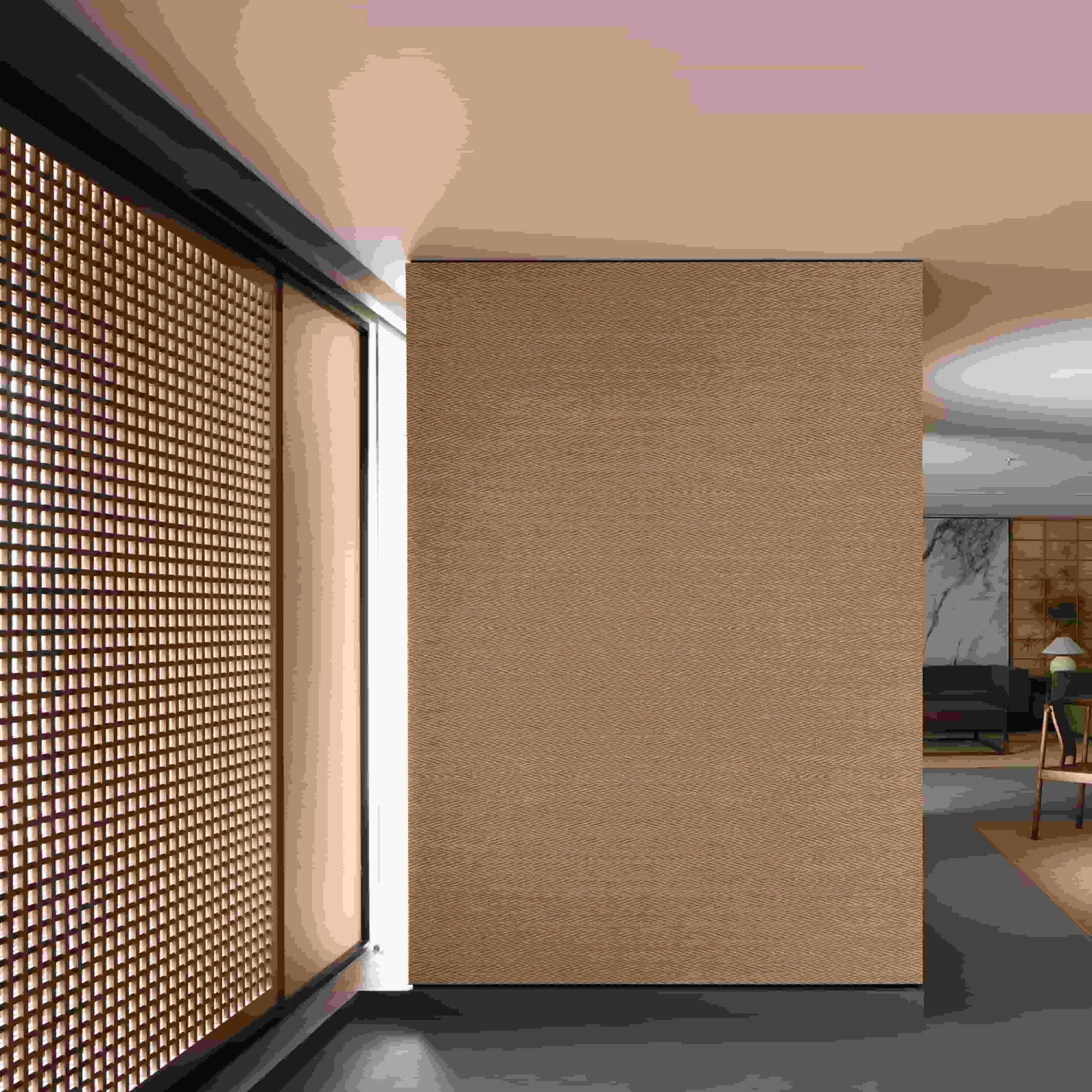
Cost and durability are important, but materials are about more than that. They're about how a space makes you feel. Walk into a room with fair-faced concrete walls, and you might feel a sense of industrial cool. Step onto a floor of wood grain board , and you're wrapped in warmth. Weaving (Khaki) MCM has a unique ability to blend calmness with character. Its khaki hue is soft, not overwhelming—it pairs beautifully with warm woods, muted greens, or bold accent colors. The weaving texture adds depth without being busy; it's the kind of surface you want to run your hand over as you pass by, like a favorite sweater.
Traditional stone, of course, has its own emotional pull. There's something awe-inspiring about a marble fireplace or a granite countertop—they feel luxurious, timeless, like a connection to the earth itself. But that luxury often comes with pressure: "Don't touch," "Don't spill," "Don't scratch." MCM, by contrast, invites you to live. It's beautiful, but it's not precious. It can handle a kid's sticky fingers, a dog's muddy paws, a life well-lived. It's the difference between a museum and a home—a museum is for looking, a home is for living.
Take the example of a bed and breakfast in the countryside. The owner, Sarah, wanted a warm, inviting lobby that felt both rustic and modern. She chose Weaving (Khaki) MCM for the accent wall, paired with wood line panels and soft lighting. "Guests walk in and immediately relax," she told me. "The texture of the MCM feels like being in a cozy cabin, but it's so easy to clean—no worrying about mud from hiking boots or coffee spills at breakfast. It's beautiful *and* practical, which is exactly what we needed." Traditional stone would have looked stunning, but Sarah didn't want her staff spending hours sealing and polishing. She wanted to focus on making guests feel at home, not on maintaining a wall.
So, when should you choose Weaving (Khaki) MCM , and when is traditional stone the better pick? Let's break it down by use case.
At the end of the day, there's no "perfect" material—only the right material for *your* needs. Traditional stone will always have a place in architecture, cherished for its history and uniqueness. But Weaving (Khaki) MCM represents something exciting: a future where beauty, affordability, and practicality coexist. It's a material that respects the past while embracing the future—a bridge between nature and innovation.
Whether you're building a new home, renovating a café, or designing a public park, consider what matters most to you. Is it the prestige of natural stone, or the freedom of a material that lets you live without worry? Is it the upfront cost, or the long-term investment in peace of mind? Weaving (Khaki) MCM won't replace traditional stone, but it offers a compelling alternative—one that proves you don't have to choose between beauty and practicality. After all, the best spaces are the ones that work *with* your life, not against it.
So, the next time you're standing in front of a wall, running your hand over a surface, ask yourself: What story do I want this material to tell? Is it a story of tradition, etched in stone? Or a story of innovation, woven into something new? Either way, may your space be filled with light, laughter, and materials that make you proud to call it home.
Recommend Products












