
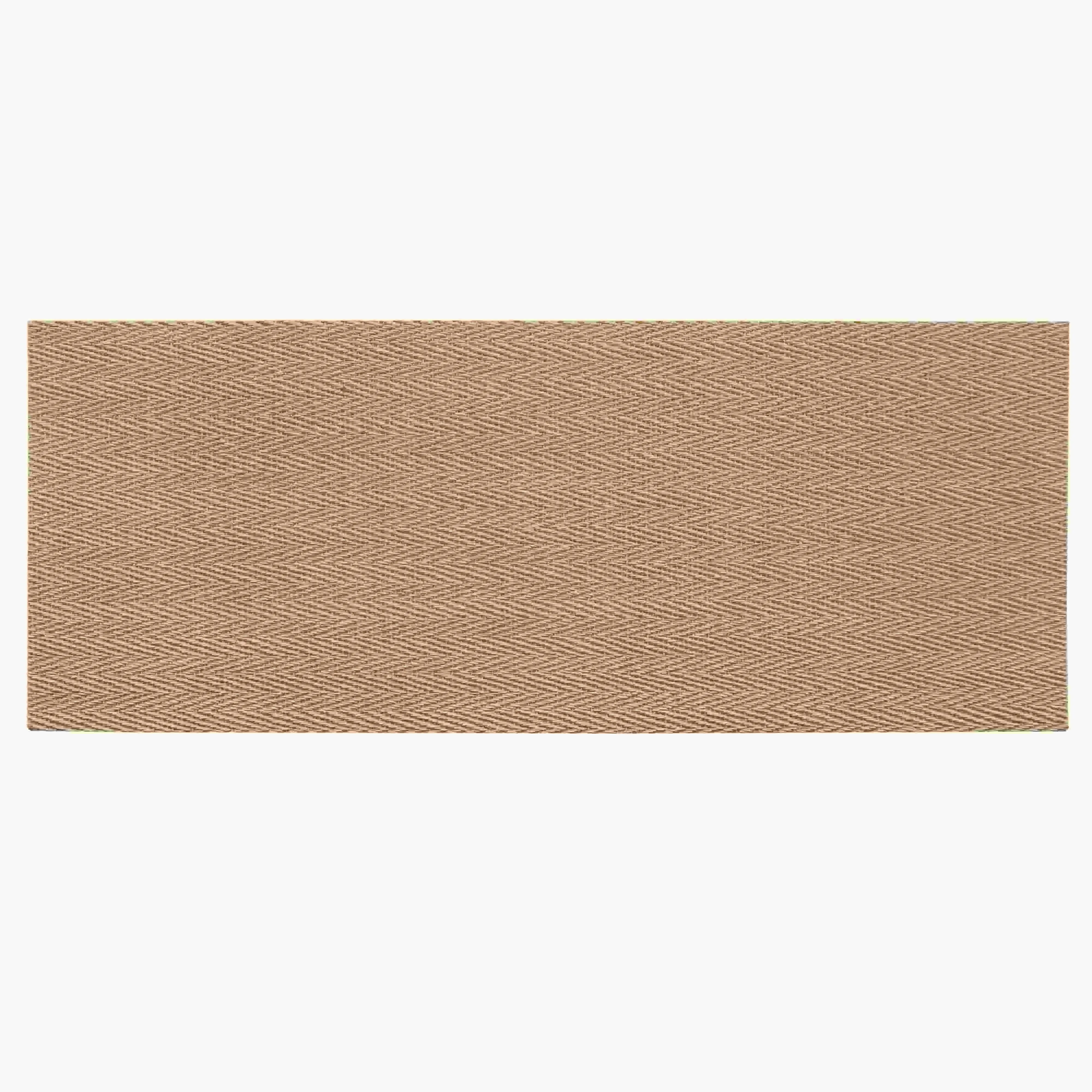
Picture this: You're standing in front of a building, and before you even step inside, its exterior has already told you a story. The texture of the walls, the warmth of the colors, the way the material catches the light—these details don't just make a building look good; they give it personality. Exterior cladding is the unsung hero of architectural design, doing double duty as both protector and storyteller. But with so many options on the market, choosing the right one can feel like navigating a maze. Today, we're zeroing in on two popular contenders: Weaving (Khaki) MCM and traditional vinyl cladding. Let's dive into how they stack up when it comes to durability (because no one wants a facade that fades or cracks after a few years) and aesthetics (because beauty matters, too). By the end, you'll have a clearer sense of which one deserves a spot on your next project—whether it's a cozy home, a bustling café, or a sleek office building.
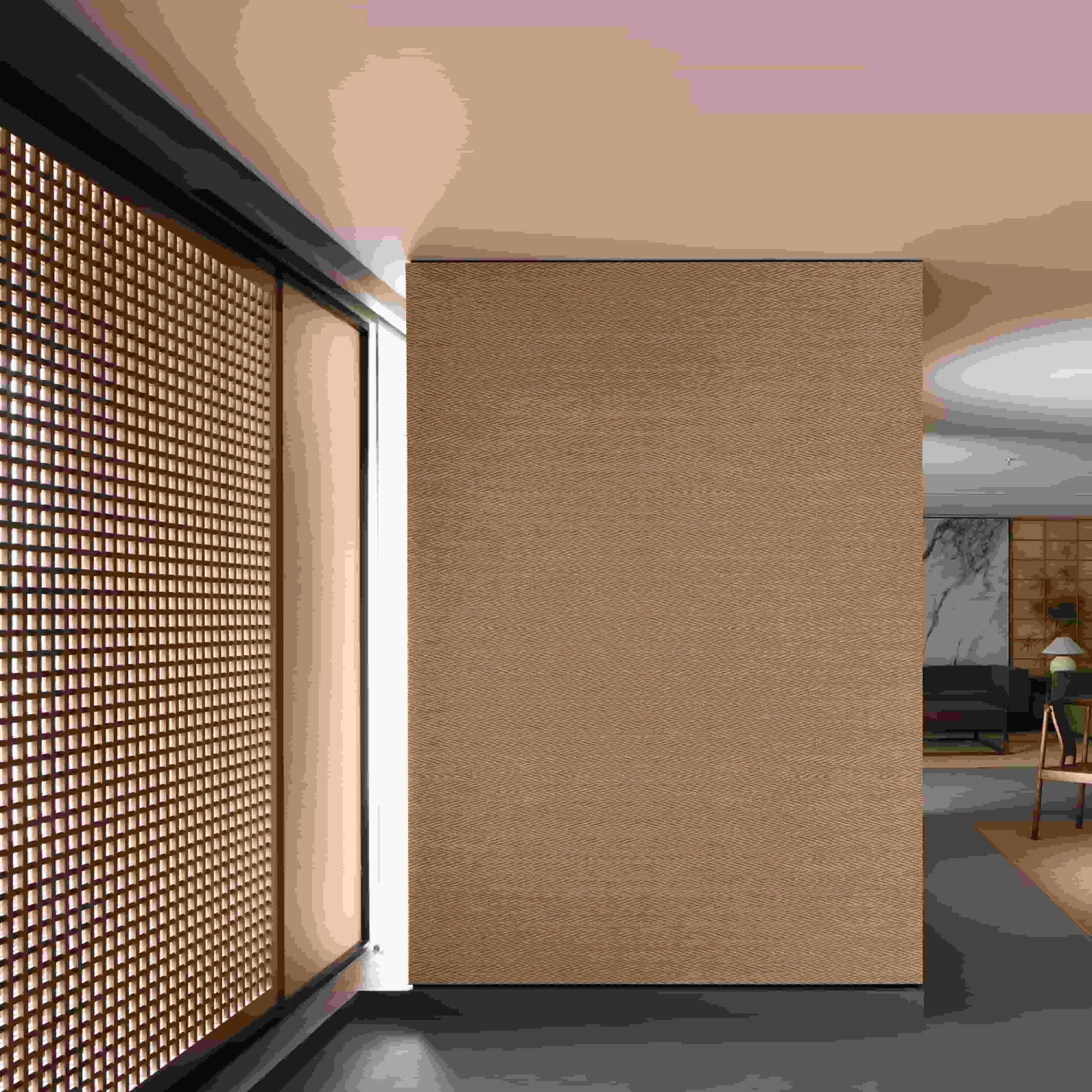
If you haven't heard of MCM, let's fix that. MCM stands for Modified Composite Material, and it's like the Swiss Army knife of cladding materials—versatile, durable, and surprisingly lightweight. Weaving (Khaki) MCM is a specific variant that's been turning heads lately, thanks to its unique texture that mimics handwoven fabric. Think of it as bringing the warmth of a woven basket or a rustic tapestry to the side of a building, but with the toughness to handle whatever Mother Nature throws its way.
But MCM isn't just about looks. Under that woven exterior, it's made from a blend of minerals, resins, and fibers that give it strength without the heft. Many MCM products, including Weaving (Khaki), fall under the umbrella of MCM flexible stone technology, which means they're bendable enough to wrap around curves or fit into tight spaces, but rigid enough to stand up to impacts. It's a material that marries the best of both worlds: the natural beauty of stone or textiles with the practicality of modern engineering. And if khaki isn't your vibe? MCM comes in a rainbow of textures and colors, from wood grain board that looks like reclaimed oak to sleek metallic finishes—proof that it's not just a one-trick pony.
Vinyl cladding, on the other hand, is the familiar face in the room. It's been around since the 1960s, and for good reason: it's affordable, easy to install, and comes in a wide range of colors. Made from polyvinyl chloride (PVC) resin, it's essentially plastic, but don't let that fool you—modern vinyl has come a long way from the flimsy, one-note panels of the past. Today's vinyl cladding often has embossed textures to mimic wood, stone, or even brick, and it's marketed as a low-maintenance option for homeowners and builders on a tight timeline or budget.
Vinyl's claim to fame is its simplicity. It's lightweight, so it doesn't require heavy-duty structural support, and it's often sold in interlocking panels that snap together like giant Lego bricks, making installation a breeze. For decades, it's been the go-to for folks who want a clean, uniform look without the hassle of painting or sealing every few years. But as with any material, there are trade-offs—and we're here to unpack those.
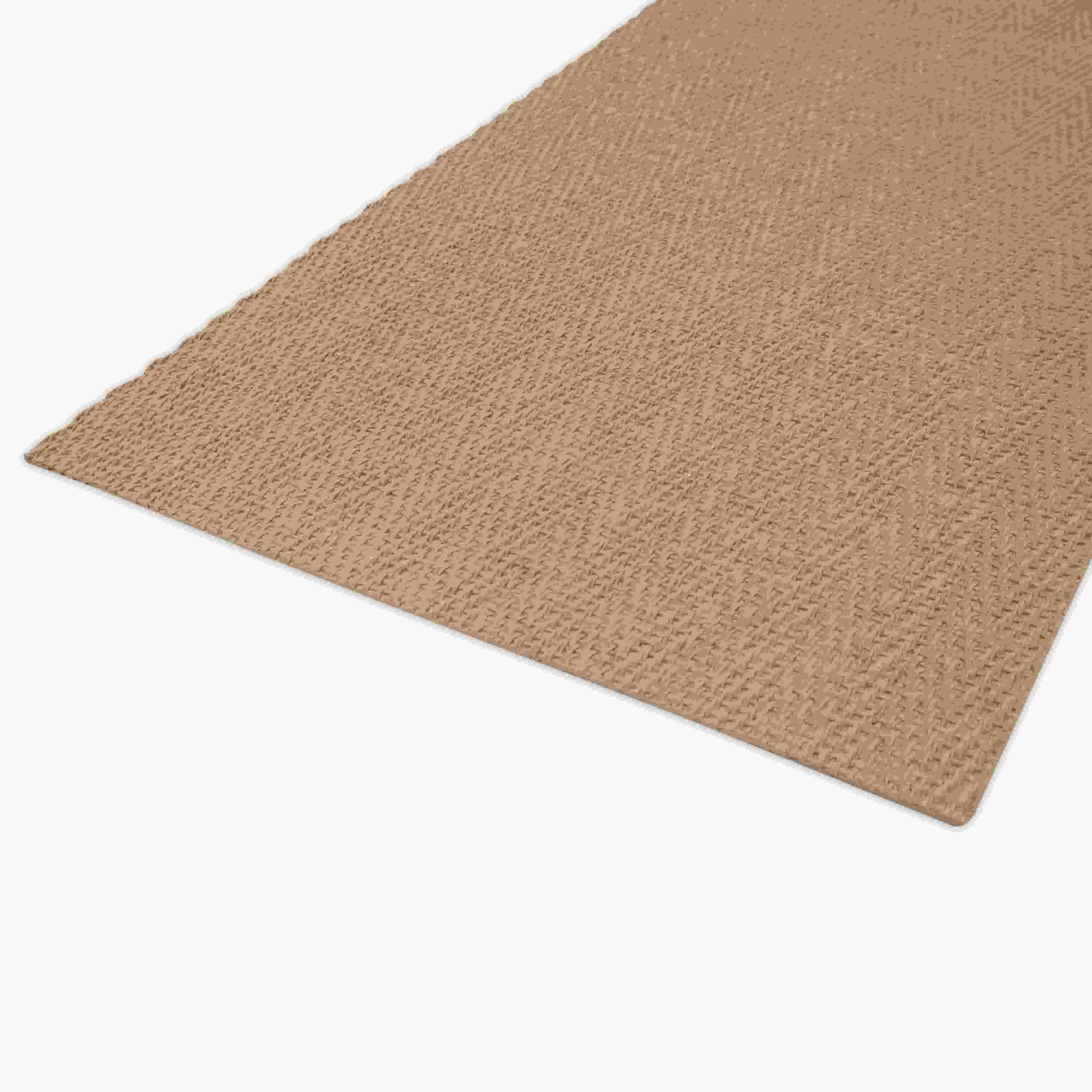
Let's get real: A pretty facade is great, but if it starts peeling, fading, or cracking after a year, what's the point? Durability is where cladding earns its keep, so let's put Weaving (Khaki) MCM and vinyl to the test in the areas that matter most.
Imagine living in a coastal town where saltwater spray is a daily occurrence, or a desert region where temperatures swing from scorching days to freezing nights. Your cladding needs to laugh in the face of these extremes. Let's see how our two contenders hold up.
Weaving (Khaki) MCM is a weather warrior. Thanks to its mineral-based core and protective resin coating, it's resistant to moisture, which means no rotting, warping, or mold growth—even in humid climates. It also doesn't care about UV rays. Unlike some materials that fade to a sad, washed-out version of their former selves after a few summers, MCM's color is baked into the material, not just painted on. That means the khaki hue of Weaving MCM stays rich and warm, even after years of sun exposure. And when it comes to temperature swings? MCM's flexibility (remember that MCM flexible stone tech we mentioned?) helps it expand and contract without cracking—perfect for places with harsh winters or sweltering summers.
Vinyl cladding, on the other hand, is… okay with weather, but not great. It's moisture-resistant, which is a plus—no worrying about rain seeping in and causing damage. But UV resistance is a weak spot. Over time, especially in sunny areas, vinyl can fade, turning a vibrant blue or warm beige into a dull, chalky version of itself. And extreme heat? Vinyl has been known to warp if it gets too hot, especially if it's installed on the south-facing side of a building where the sun beats down all day. Cold weather isn't much better; while it won't crack easily, vinyl can become brittle in freezing temps, making it more prone to damage from hail or flying debris.
Let's talk about accidents. A stray baseball from the neighbor's kid, a strong gust of wind carrying a wayward branch, or even a ladder slipping during maintenance—these things happen. How well does each material bounce back?
Weaving (Khaki) MCM is surprisingly tough for something that looks so delicate. Its composite structure gives it a good amount of impact resistance. A small branch or a light hail storm might leave a tiny scratch, but it's unlikely to crack or dent. Think of it like a car with a scratch-resistant clear coat—minor bumps and scrapes are par for the course, but major damage is rare. And if something does happen? MCM panels are easy to replace individually, so you don't have to redo the entire facade.
Vinyl cladding, unfortunately, is more prone to dents and cracks. Since it's made of plastic, it's softer than MCM. A hard impact—like a baseball or a heavy tool dropping—can leave a noticeable dent or even a hole. And cold weather makes it worse; when vinyl gets brittle, it's more likely to shatter on impact. The good news? Vinyl panels are also replaceable, but you'll probably be doing it more often if you live in an area with frequent storms or rowdy kids (no judgment).
Cladding doesn't just battle the elements—it also deals with the little things: kids scraping their bikes against the wall, pets rubbing against it, or even the occasional pressure wash to keep it clean. How does each material hold up to the daily grind?
Weaving (Khaki) MCM is low-maintenance in the best way. Its surface is smooth but not slippery, and it's resistant to stains. Spilled paint? Wipe it off with a damp cloth. Mud from a rainstorm? Hose it down, and it looks good as new. Unlike wood, it doesn't need to be sealed or painted every few years, and unlike some stones, it doesn't etch when it comes into contact with acid rain or harsh cleaning chemicals. It's the kind of material that looks just as good on day 1,000 as it did on day 1—no fuss, no drama.
Vinyl cladding is also marketed as low-maintenance, and to be fair, it's easier than, say, wood siding. But it's not entirely maintenance-free. Dirt and grime can stick to its surface, especially if it has a textured finish, and while you can wash it, you have to be careful with pressure washers—too much power can dent or crack the panels. Also, vinyl can scratch more easily than MCM. A sharp object (like a wayward key or a pet's claws) can leave a permanent mark, which is tough to fix since the color is often just a thin layer on top.
Let's cut to the chase: How many years can you expect these materials to last? For Weaving (Khaki) MCM, the answer is impressive. Most manufacturers warranty MCM products for 15–20 years, but in real-world conditions, they often last 30 years or more. That's because the material is so resistant to wear, weather, and fading—once it's installed, it's in it for the long haul. Compare that to vinyl cladding, which typically has a lifespan of 20–30 years, but that's with a big asterisk. If it's exposed to extreme weather, poor installation, or frequent impacts, it might start showing signs of age (like warping or fading) in as little as 10–15 years. So while vinyl isn't exactly a flash in the pan, it's not quite the marathon runner that MCM is.
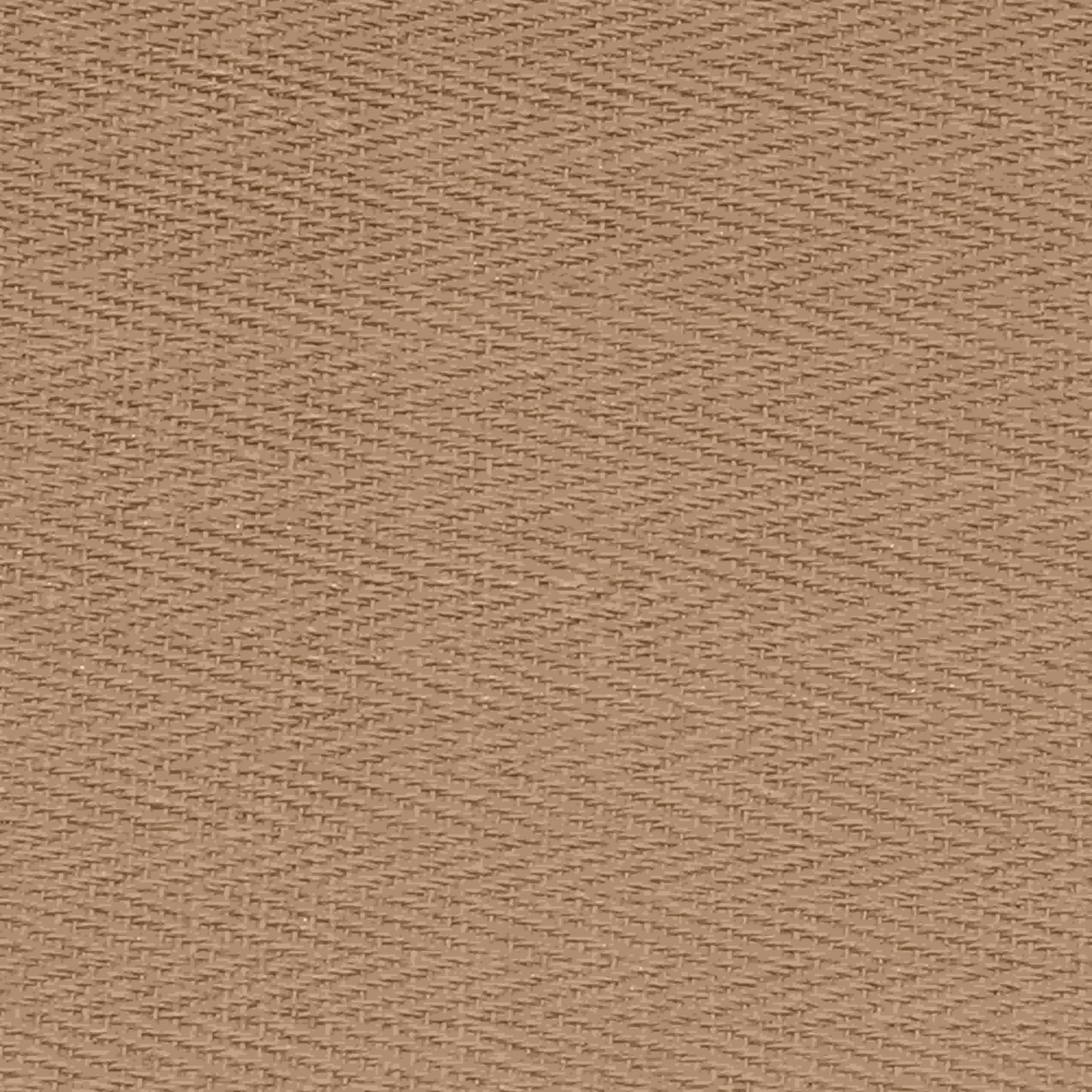
Durability is crucial, but let's be honest—we also want our buildings to look good. Aesthetics aren't just about curb appeal; they're about creating a mood, telling a story, and making people feel something when they see your project. Let's break down how Weaving (Khaki) MCM and vinyl stack up in the looks department.
Texture is what makes a building feel alive. It's the difference between a flat, boring wall and one that invites you to reach out and touch it. Weaving (Khaki) MCM nails this. Its woven texture is subtle but striking—up close, you can see the intricate pattern that mimics handwoven threads, adding depth and warmth to the facade. It's not overly busy, though; from a distance, it reads as a soft, cohesive surface that plays beautifully with light. Morning sun brings out the golden undertones in the khaki color, while evening light softens it into a warm, earthy hue. It's the kind of texture that makes a building feel approachable, like it has a story to tell.
Vinyl cladding, on the other hand, often feels… flat. While some vinyl panels are embossed to look like wood or stone, the texture is usually shallow and uniform. It's better than the smooth, plastic-y sheets of the past, but it still lacks the depth and organic feel of MCM. The problem is that vinyl's texture is often a "stamp" rather than a true, three-dimensional pattern. So while it might look okay from the street, up close, it can feel artificial—like a costume rather than the real thing. That's not a dealbreaker for everyone, but if texture is a priority, MCM has a clear edge.
Remember that faded t-shirt you loved but had to throw away because the color washed out? You don't want that for your building's cladding. Weaving (Khaki) MCM's color is integral to the material, not just a topcoat. That means it doesn't fade, chip, or peel. The khaki shade stays consistent year after year, which is a big deal if you want your building to maintain its character over time. Whether you pair it with crisp white trim, warm wooden accents, or bold black fixtures, the color won't let you down.
Vinyl cladding, as we touched on earlier, is prone to fading. Even "UV-resistant" vinyl can lose its vibrancy over time, especially in sunny climates. What starts as a bright "sage green" might turn into a muted "olive drab" after a few summers, and there's not much you can do about it. Repainting vinyl is possible, but it's a hassle, and the results are often temporary. If you're set on a bold color, vinyl might leave you disappointed a few years down the line.
Every project is unique, and your cladding should be able to keep up with your creativity. Weaving (Khaki) MCM is a designer's dream in this regard. Because it's lightweight and flexible, it can be installed on curved surfaces, accent walls, or even ceilings—places where heavier materials (like real stone) would be impossible. It also pairs beautifully with other materials. Imagine Weaving (Khaki) MCM panels next to fair-faced concrete for an industrial-chic look, or alongside wood grain board (another MCM variant) for a cozy, cabin-like vibe. The possibilities are endless, whether you're going for modern minimalism, rustic charm, or something in between.
Vinyl cladding is more limited in its versatility. It's best suited for flat or slightly sloped walls, and while it comes in a range of colors, the textures are mostly limited to wood or stone imitations. It's hard to get creative with vinyl—if you want a unique shape or a mixed-material look, you'll probably have to pair it with other cladding types, which can complicate installation and maintenance.
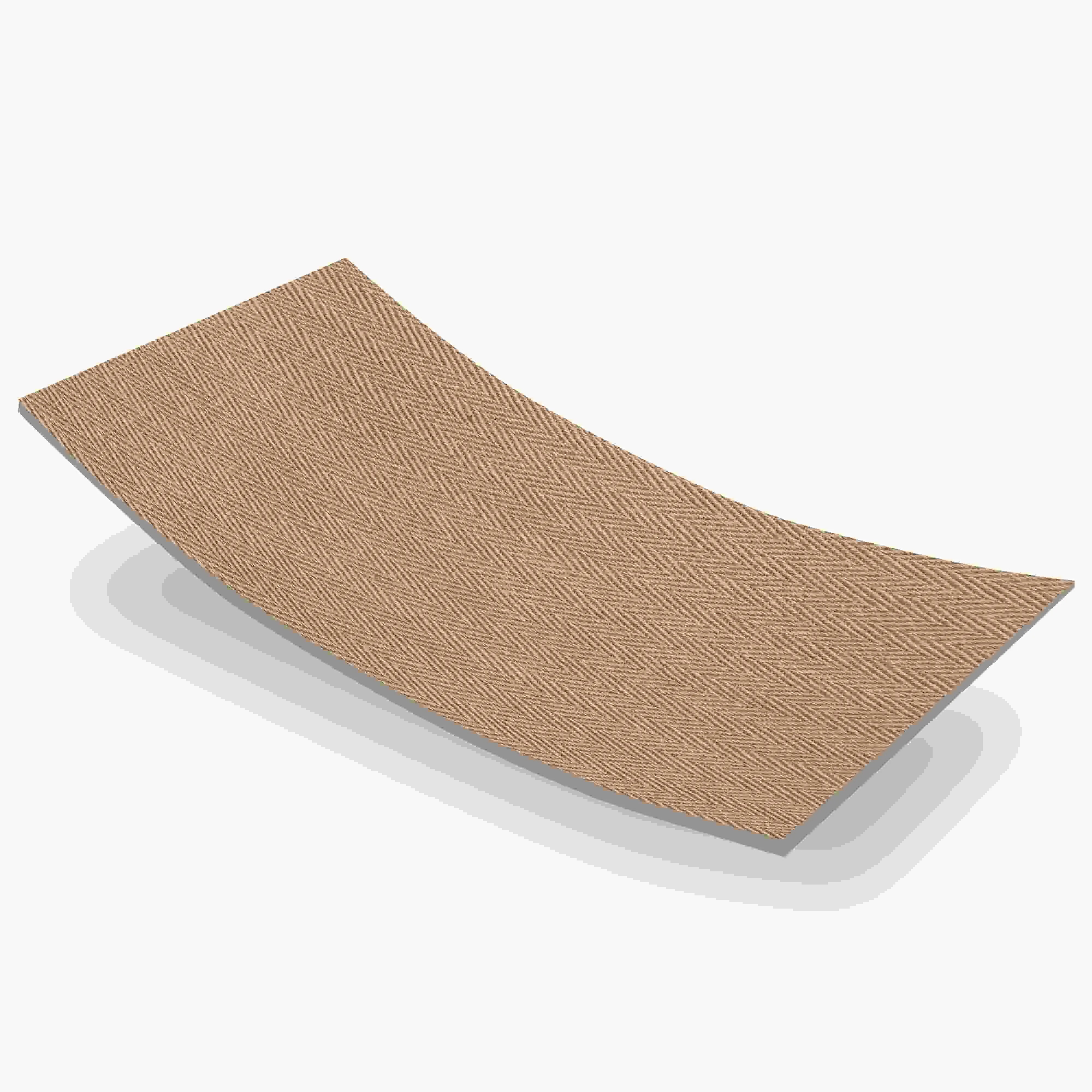
| Factor | Weaving (Khaki) MCM | Vinyl Cladding |
|---|---|---|
| Weather Resistance | Excellent: Resists moisture, UV rays, and temperature swings; no fading or warping. | Good: Resists moisture but fades in UV light; may warp in extreme heat. |
| Impact Resistance | High: Flexible and tough; resists dents and cracks from minor impacts. | Moderate: Prone to dents and cracks, especially in cold weather. |
| Maintenance | Low: Wipe clean with water; no painting, sealing, or repairs needed. | Moderate: Requires occasional cleaning; may need panel replacements for scratches/dents. |
| Lifespan | 30+ years (often 15–20 year warranty). | 20–30 years (varies by quality and climate). |
| Texture | Rich, woven texture with depth; mimics handwoven fabric. | Shallow, uniform texture; often imitates wood or stone. |
| Color Retention | Excellent: Color is integral to the material; no fading. | Fair: Color may fade over time, especially in sunlight. |
| Design Versatility | High: Flexible for curved surfaces; pairs well with other materials (e.g., fair-faced concrete, wood grain board). | Moderate: Best for flat walls; limited texture/color options. |
At this point, you might be thinking, "Okay, MCM sounds great, but is it right for me?" Let's break down some scenarios where each material shines.
Choose Weaving (Khaki) MCM if… You want a cladding that's as durable as it is beautiful, and you're willing to invest a bit more upfront for long-term savings. It's perfect for coastal homes (thanks to saltwater resistance), modern commercial buildings (where design versatility matters), or any project where you want the exterior to age gracefully. If you're someone who values uniqueness and doesn't want to settle for a "cookie-cutter" look, MCM is the way to go.
Choose Vinyl Cladding if… Budget is your top priority, and you need a quick, easy installation. Vinyl works well for rental properties, basic home renovations, or projects where you don't mind replacing the cladding in 20 years. Just be prepared for potential fading and limited design options.
Let's be clear: Vinyl cladding isn't a bad option—it's affordable, easy to install, and has its place in the market. But when you compare it to Weaving (Khaki) MCM, the differences are hard to ignore. MCM outperforms vinyl in durability (weather resistance, impact, lifespan) and aesthetics (texture, color retention, versatility), making it a smarter long-term investment. Yes, MCM might cost more upfront, but when you factor in its 30+ year lifespan and minimal maintenance, it often ends up being more cost-effective than replacing vinyl every 20 years.
Weaving (Khaki) MCM isn't just a cladding material—it's a design choice that says, "I care about both beauty and substance." It's for the homeowner who wants their house to feel like a home, not just a structure. It's for the architect who wants to push boundaries and create buildings that stand out for all the right reasons. And it's for anyone who believes that the exterior of a building should be just as thoughtfully designed as the interior.
At the end of the day, choosing cladding is about more than just picking a material—it's about choosing a story. Weaving (Khaki) MCM tells a story of durability, warmth, and creativity. It's a material that can grow with your project, adapting to changing tastes and weather conditions without losing its charm. Vinyl, while practical, tells a story of compromise—trading long-term beauty and resilience for short-term savings.
So, whether you're building a new home, renovating a storefront, or just daydreaming about your next project, take a moment to think about the story you want to tell. If it's one of longevity, texture, and timeless appeal, Weaving (Khaki) MCM is ready to star. And if you ever need proof, just look at a building wrapped in MCM—it doesn't just stand there; it speaks . And isn't that what great architecture is all about?
Recommend Products












