
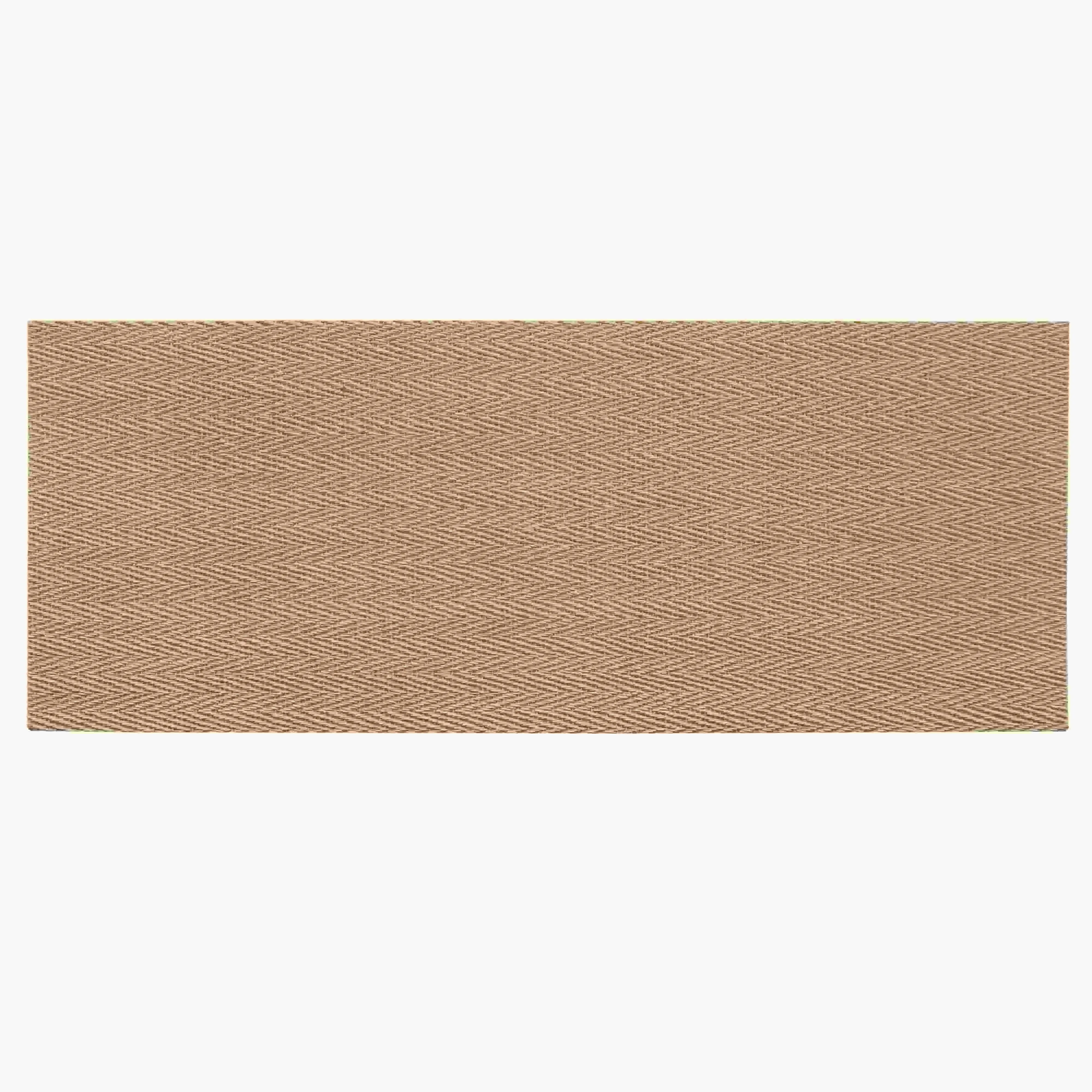
In a world where every building choice feels like a vote for the planet, cladding materials have stepped into the spotlight. Homeowners, architects, and developers aren't just asking, "Does this look good?" anymore—they're digging deeper: "What's the cost to the Earth?" Today, we're zeroing in on two popular options that blend style and sustainability: Weaving (Khaki) MCM and wood-textured cladding. Let's unpack their environmental stories, from how they're made to how they leave the stage when their time is up. Spoiler: It's not just about looks—this is a showdown of resource smarts, energy use, and long-term planet love.
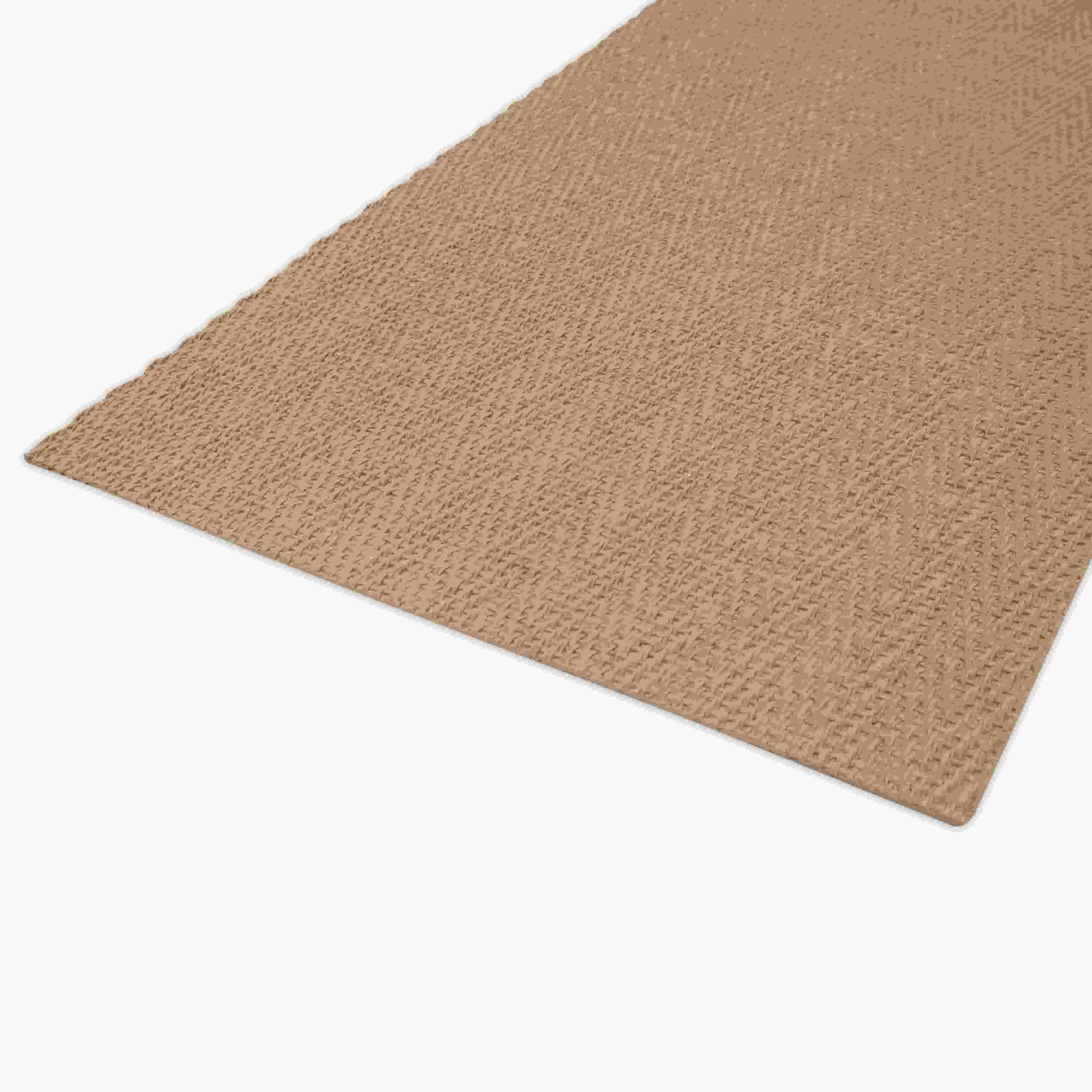
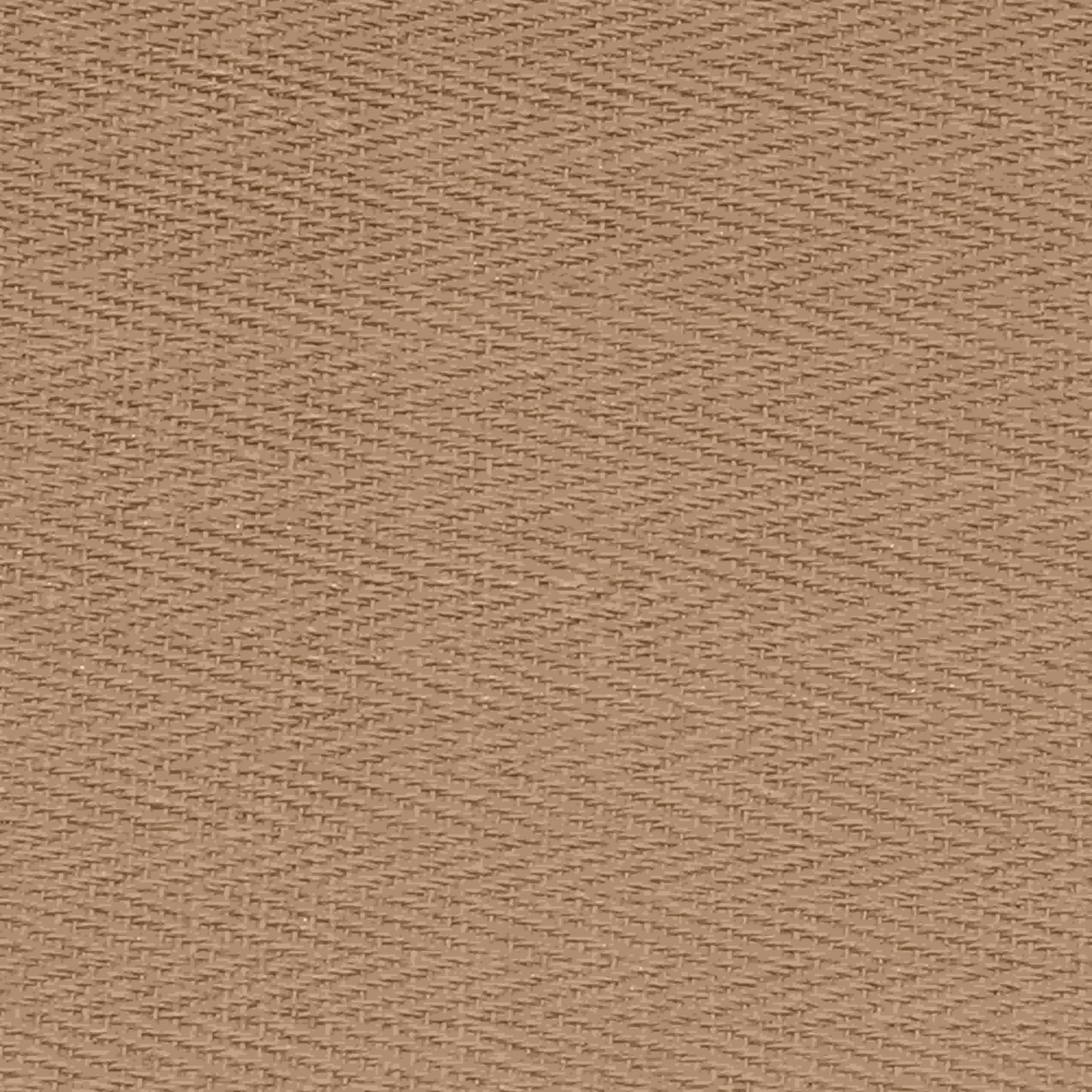
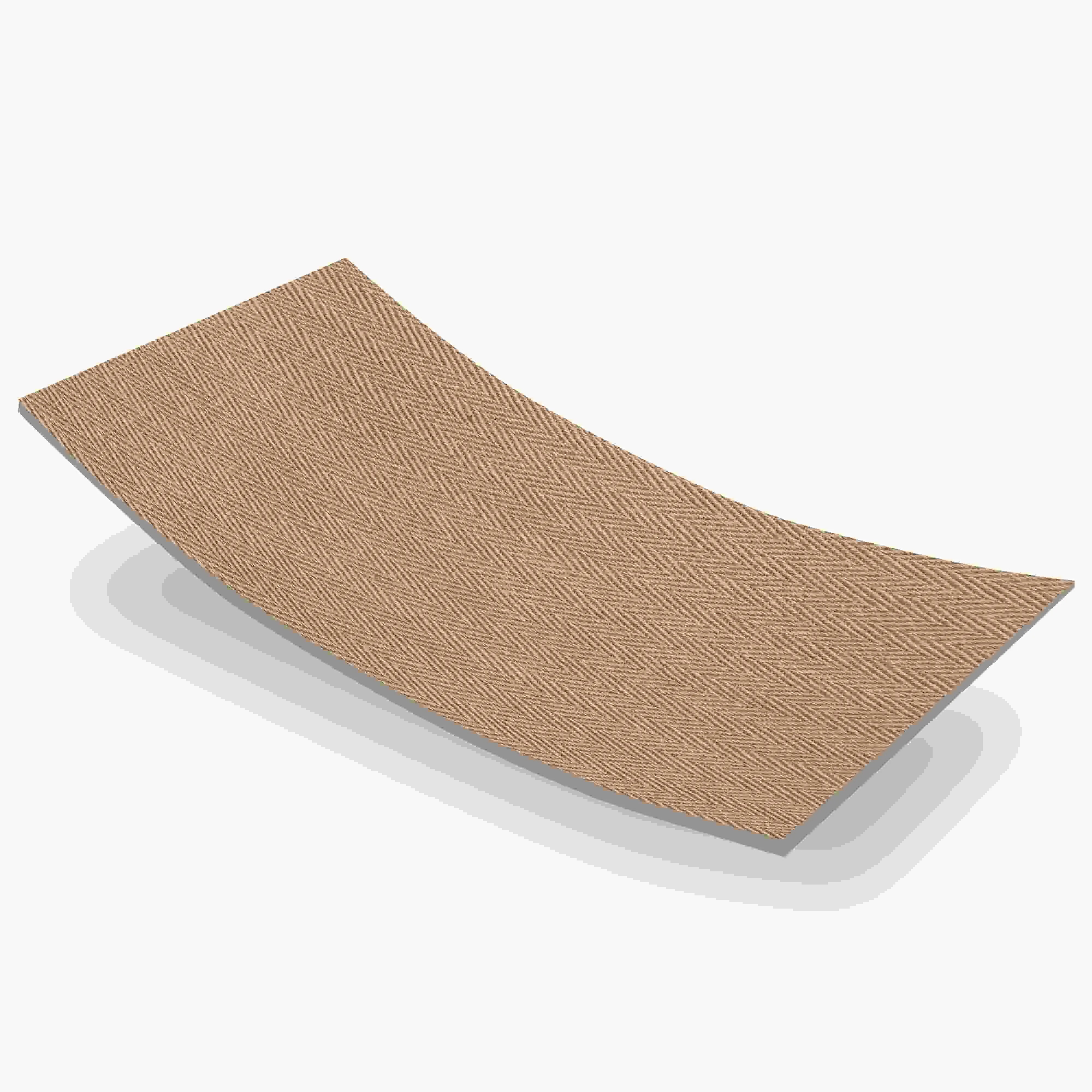
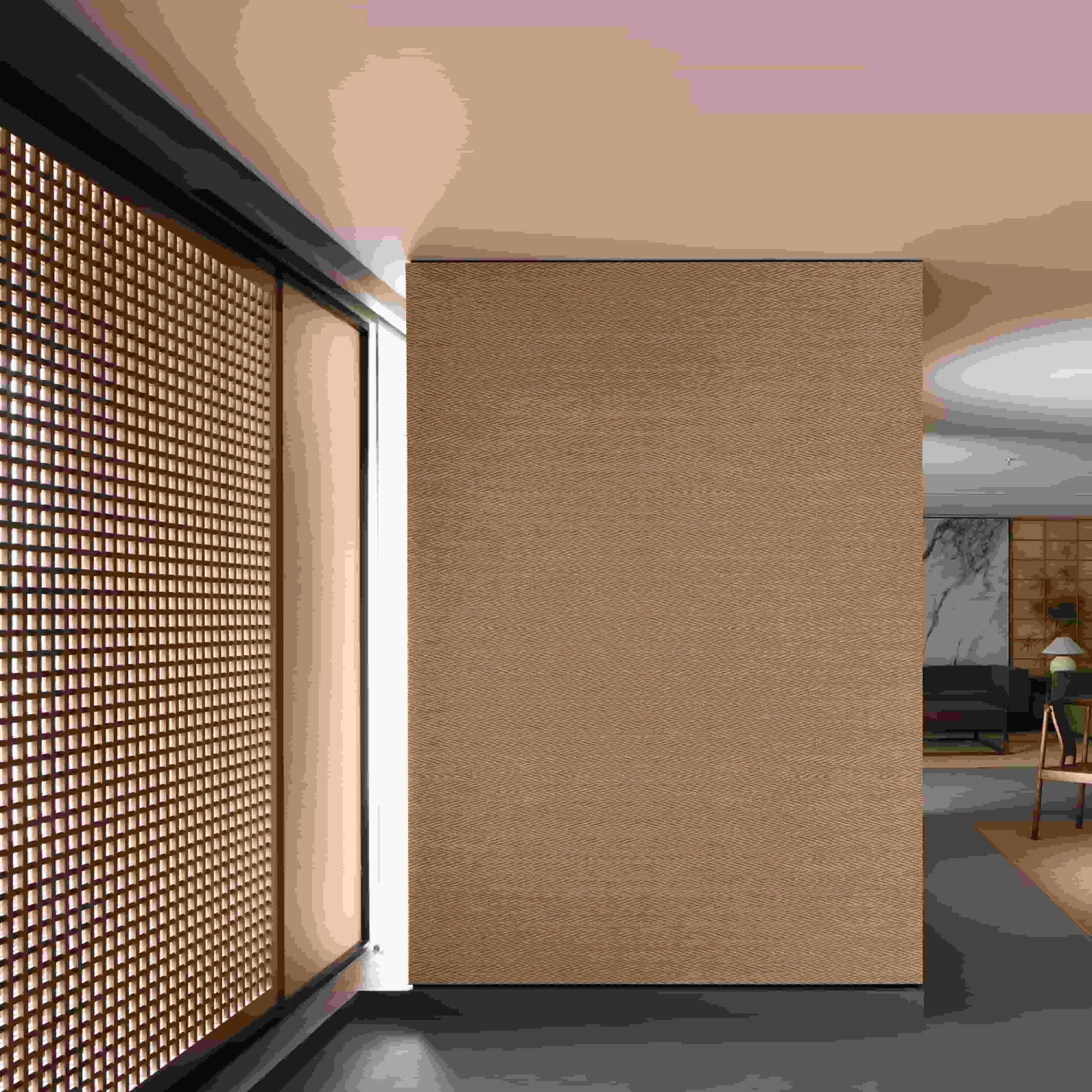
Let's start with the underdog you might not know yet: MCM, short for Modified Composite Material. Think of it as the Swiss Army knife of cladding—lightweight, durable, and surprisingly adaptable. Weaving (Khaki) MCM is a specific style: it has a subtle woven texture that mimics natural fibers, and a warm khaki hue that feels earthy without screaming "fake stone." But here's the kicker: MCM isn't just a pretty face. Unlike heavy natural stone or clunky concrete, it's designed to bend without breaking, which is why you'll often hear it grouped with materials like mcm flexible stone—though Weaving (Khaki) adds that unique woven twist.
So what's in it? Typically, MCM starts with a base of mineral powders (think marble dust, limestone, or recycled stone bits), mixed with a small amount of polymer resin to hold it all together, and reinforced with fiberglass for strength. The result? A panel that's thinner than a textbook (usually 3-5mm thick), lighter than a gallon of milk per square foot, and tough enough to handle rain, snow, and UV rays like a champ.
Now, wood-textured cladding—the one that makes every home feel like a cozy cabin or a sleek modern retreat. It's exactly what it sounds like: cladding that looks and feels like wood, but it comes in two flavors. There's "the real deal" (solid wood planks, usually cedar, pine, or redwood) and "the pretender" (engineered materials like fiberboard, OSB, or PVC that's printed with a wood grain). Both aim for that warm, organic vibe, but their environmental resumes? Totally different.
Solid wood cladding leans on nature's original building block, but it's got a big asterisk: unless it's certified sustainable, it can mean chopping down forests. Engineered wood cladding, on the other hand, often uses wood scraps, sawdust, or fast-growing plants (like bamboo) glued together into panels. Sounds green, right? But those glues? Some are packed with chemicals that might make you raise an eyebrow.
Let's get to the root of the matter: what's being pulled from the earth (or grown) to make these claddings? This is where the first environmental red flags (or green lights) pop up.
MCM's party trick? It uses way less raw material than traditional cladding. Natural stone cladding, for example, requires quarrying huge blocks of stone, cutting them into slabs, and grinding away 70-80% of the rock as waste just to get a smooth panel. MCM? It skips the giant quarrying step. Instead, it uses mineral powders—often recycled from stone cutting waste or low-grade ore that wouldn't be used for anything else. That means less land disruption, fewer destroyed habitats, and a smaller carbon footprint right from the start.
The resins and fiberglass in MCM are synthetic, but here's the catch: they're used in tiny amounts. Most MCM panels are 80-90% mineral-based, so the petrochemical footprint is minimal. Compare that to, say, PVC cladding (which is 100% plastic) or even some engineered woods (which can be 30-40% adhesive), and MCM starts to look like a resource miser.
Solid wood cladding is straightforward: it comes from trees. The problem? Trees take decades (sometimes centuries) to grow, and demand for wood cladding has led to deforestation in some regions. Sure, there are certifications like FSC (Forest Stewardship Council) that guarantee the wood comes from responsibly managed forests, but not all wood-textured cladding carries that label. Without it, you could be looking at old-growth forests being cleared, soil erosion, and loss of biodiversity—all for that "rustic charm."
Engineered wood cladding tries to fix this by using recycled wood waste (sawdust, wood chips, even agricultural byproducts like rice husks). That's a win for reducing waste—instead of those scraps ending up in landfills, they're pressed into panels. But here's the trade-off: to hold all those bits together, engineered wood relies on adhesives. Some of these adhesives contain formaldehyde, a known carcinogen that off-gasses into the air for years. Even "low-VOC" adhesives can release trace amounts, which adds up when you're covering an entire building.
Raw materials are just the start. Next up: the energy and emissions baked into making these claddings—what experts call "embodied carbon." This is where the manufacturing process can make or break a material's environmental reputation.
MCM manufacturing is like a minimalist's workshop: it's designed to use less energy at every step. First, the mineral powders are mixed with resins and fibers in a low-energy mixer—no high heat needed here. Then, the mixture is pressed into thin sheets using hydraulic presses (which use electricity, but not as much as, say, melting metal). Finally, the panels are cured (dried and hardened) at moderate temperatures—around 150-200°F—way cooler than the 2000°F ovens used to make bricks or ceramics.
The result? Studies (and yes, even MCM manufacturers will admit this) show that MCM has about 50-70% less embodied carbon than natural stone cladding and 30-40% less than concrete cladding like fair-faced concrete. Why? Because quarrying, cutting, and transporting natural stone is energy-intensive, and concrete requires heating limestone to extreme temperatures, releasing tons of CO2 in the process. MCM skips all that drama.
Transportation is another win. Since MCM panels are so lightweight (about 3-5 lbs per square foot, compared to 20-30 lbs for natural stone), a single truck can carry 10-15 times more MCM than stone. That means fewer truck trips, less fuel burned, and lower emissions getting the material from factory to job site. For a 10,000 sq ft building, that could mean 1 truckload of MCM instead of 10 for stone—huge savings.
Solid wood cladding's manufacturing might sound simple—cut a tree, saw it into planks, done!—but it's actually more energy-hungry than you'd think. First, the logs have to be transported from the forest to the mill (emissions). Then, they're debarked, sawn into boards, and dried. Drying is the big energy hog: most wood is kiln-dried, which uses natural gas or electricity to heat air and remove moisture. A single kiln can use as much energy as a small house in a day.
Engineered wood cladding? It starts with wood waste, which is great, but then that waste has to be ground into powder, mixed with adhesives, pressed into panels, and heated to cure the glue. The pressing and heating steps use electricity, and the adhesives themselves often require energy to produce. Plus, if the engineered wood is made with formaldehyde-based glues, there's the added environmental cost of producing those chemicals—many of which are derived from fossil fuels.
There's a loophole here: locally sourced wood. If the trees are cut and milled within 100 miles of the building site, transportation emissions drop. And if the mill uses renewable energy (like solar or biomass) to power its kilns, the embodied carbon gets even lower. But that's a best-case scenario. Most wood-textured cladding isn't that lucky—it's often shipped from across the country (or the world), and mill energy is still mostly fossil fuel-based.
Here's a truth bomb: the most sustainable material isn't always the "greenest" to make—it's the one that lasts the longest. A cladding that needs replacing every 10 years is worse for the planet than one that lasts 50, even if the first is made from recycled materials. Let's see how our two contenders stack up.
MCM is built to outlast trends—and maybe even your house. Thanks to its mineral base and polymer reinforcement, it's resistant to just about everything Mother Nature throws at it: rain (no rot), snow (no cracking), UV rays (no fading), and even salt (great for coastal homes). I've seen MCM panels on buildings from the 1990s that still look brand new—no peeling, no warping, just a little dirt that a hose can fix.
Maintenance? Minimal. Unlike wood, you don't need to seal it every year. Unlike concrete, it won't develop cracks that let water in. Just hose it down once a year, and it's good to go. That means less time, money, and—most importantly—less environmental impact from maintenance products (like wood sealers or concrete patch kits, which often contain chemicals).
Solid wood cladding can last a long time—if you baby it. Cedar or redwood (naturally rot-resistant) might hit 30-40 years with regular sealing. But "regular" means annual coats of sealant or paint, which are often loaded with VOCs. Even then, wood is a living material: it swells when wet, shrinks when dry, and can crack or warp over time. Insects love it too—termites and carpenter ants see wood cladding as an all-you-can-eat buffet.
Engineered wood cladding is more stable than solid wood (less swelling and shrinking), but it's still prone to moisture damage if it gets wet. And those adhesives? They can break down over time, especially in extreme heat or cold, causing the panel to delaminate (peel apart). Most engineered wood claddings are warrantied for 15-20 years, but in harsh climates (think rainy Seattle or sunny Phoenix), they might need replacing even sooner.
The takeaway? Weaving (Khaki) MCM is the low-maintenance workhorse here. It doesn't need sealing, painting, or pest control. It just… hangs there, looking good, for decades. Wood-textured cladding? It's high-maintenance, and even with care, it's outlived by MCM by a mile.
Every material dies eventually. The question is: does it go out with a whimper (landfill) or a bang (recycled, reused, or biodegraded)?
MCM panels are designed to be recycled. When they're removed from a building (after 50+ years!), they can be ground into powder and used as a raw material for new MCM panels. The mineral content is still there—it just needs a fresh batch of resin to hold it together. Even if recycling isn't an option, MCM is inert (no toxic chemicals), so it can go to a landfill without leaching harmful stuff into the soil or water. It won't biodegrade, but it also won't pollute.
Solid wood cladding, if untreated, is biodegradable. Toss it in a landfill, and over time, it breaks down into compost. But here's the catch: most wood cladding is treated with preservatives (like copper azole or borates) to resist rot and insects. Those chemicals don't biodegrade—they leach into the landfill, potentially contaminating groundwater. Even "natural" treatments (like linseed oil) can have additives that stick around.
Engineered wood cladding is even trickier. The adhesives and chemicals make it non-biodegradable, and recycling is almost impossible—you can't separate the wood fibers from the glue. So it ends up in landfills, where it sits for decades (or longer), taking up space and releasing methane (a potent greenhouse gas) as it slowly breaks down.
| Environmental Factor | Weaving (Khaki) MCM | Wood-Textured Cladding (Avg. Case) |
|---|---|---|
| Raw Material Sourcing | Uses recycled/mineral waste; minimal land disruption | Solid wood: Risk of deforestation; Engineered: Uses waste but needs adhesives |
| Embodied Carbon | Low (50-70% less than stone; 30-40% less than concrete) | High (kiln-drying, transportation, adhesive production) |
| Durability | 50+ years (no maintenance needed) | 15-30 years (needs annual sealing/treatment) |
| Maintenance Emissions | None (just water cleaning) | High (VOCs from sealants/paints) |
| End-of-Life | Recyclable into new MCM or aggregate; inert if landfilled | Solid wood (treated): Toxic leaching; Engineered: Landfill-bound, slow decomposition |
Let's cut to the chase: Weaving (Khaki) MCM is the clear environmental winner here. It uses fewer resources, needs less energy to make, lasts longer, and is easier to recycle than wood-textured cladding. But that doesn't mean wood-textured cladding is all bad—if you're using FSC-certified, locally sourced, untreated solid wood with a renewable-energy-powered mill, it can be a strong second. But that's a perfect storm of sustainability that's rare in the real world.
For most homeowners, architects, and developers, Weaving (Khaki) MCM checks all the boxes: it's eco-friendly, durable, low-maintenance, and yes—still looks great. It's proof that green building materials don't have to sacrifice style for sustainability. And as the demand for green building materials grows, MCM is leading the pack, showing that sometimes, the best choice for your home is also the best choice for the planet.
So next time you're standing in front of a wall of cladding samples, remember: the khaki woven panel might just be the one whispering, "I've got Earth's back."
Recommend Products












