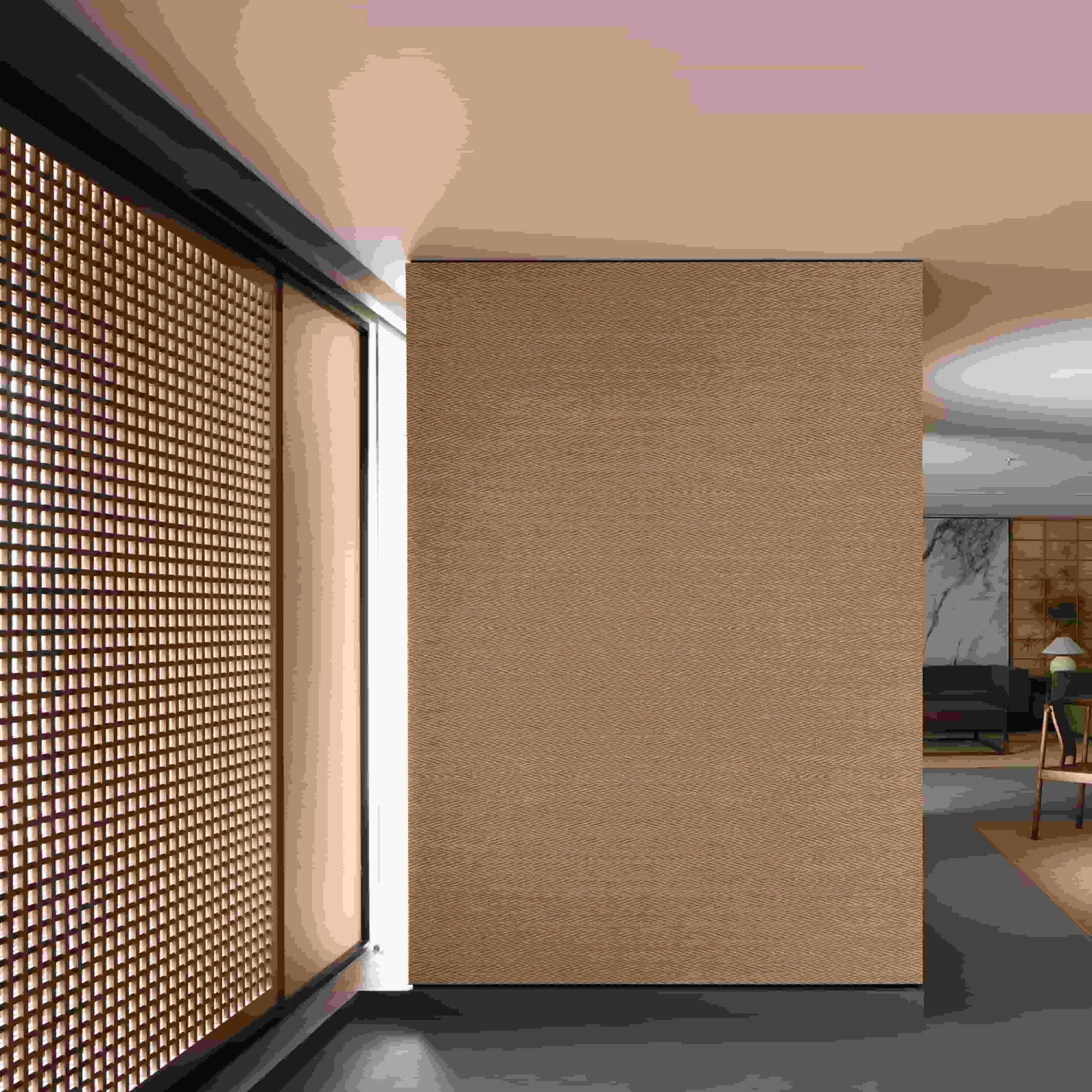
Curved walls have a way of transforming spaces. They soften the edges of architecture, guiding the eye gently through a room and creating an atmosphere that feels organic, almost alive. Think about the last time you stepped into a space with curved walls—maybe a museum with a sweeping exhibit hall, or a boutique hotel lobby where the reception desk wraps around a gentle arc. Those curves don't just look good; they make the space feel more welcoming, less like a box and more like a hug. But here's the catch: while curved walls are beloved by designers and homeowners alike, they've long been a nightmare to build with traditional materials.
Traditional wall materials—think marble slabs, thick concrete panels, or even solid wood—are rigid by nature. They're heavy, inflexible, and about as willing to bend as a brick. To install them on a curved surface, you'd need custom-cut pieces, specialized tools, and a team of experts to ensure they don't crack or fall off. And even then, the result often feels forced: sharp edges where the material resists the curve, uneven seams, or a finish that loses its luster because the material was stressed during installation. Add to that the weight—marble, for example, can weigh 20-30 kg per square meter—requiring extra structural support that drives up costs and limits where curves can be used. It's no wonder many designers have shied away from curved walls, sticking to flat surfaces for the sake of practicality.
But what if there was a material that could marry the beauty of curved design with the ease of installation? Enter
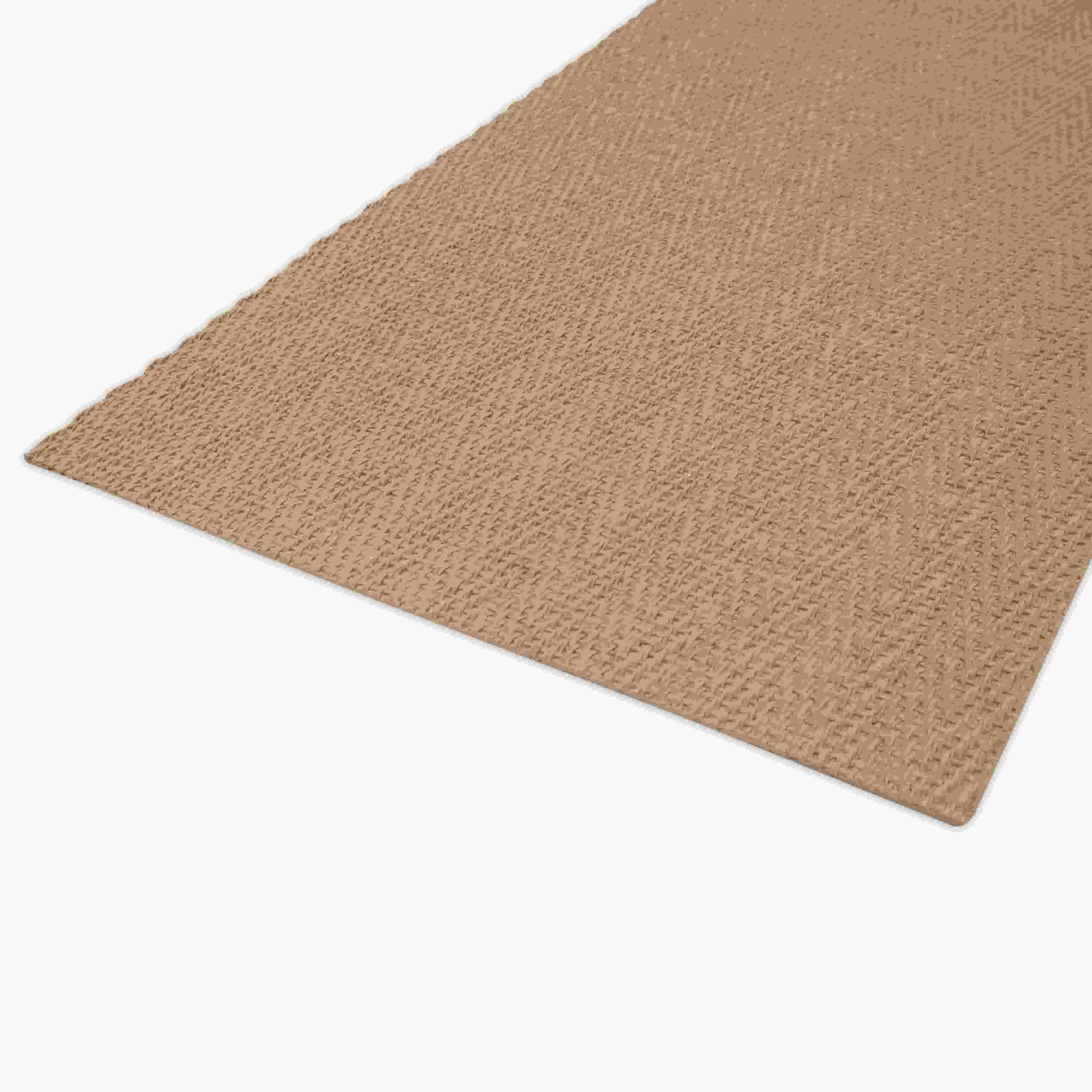
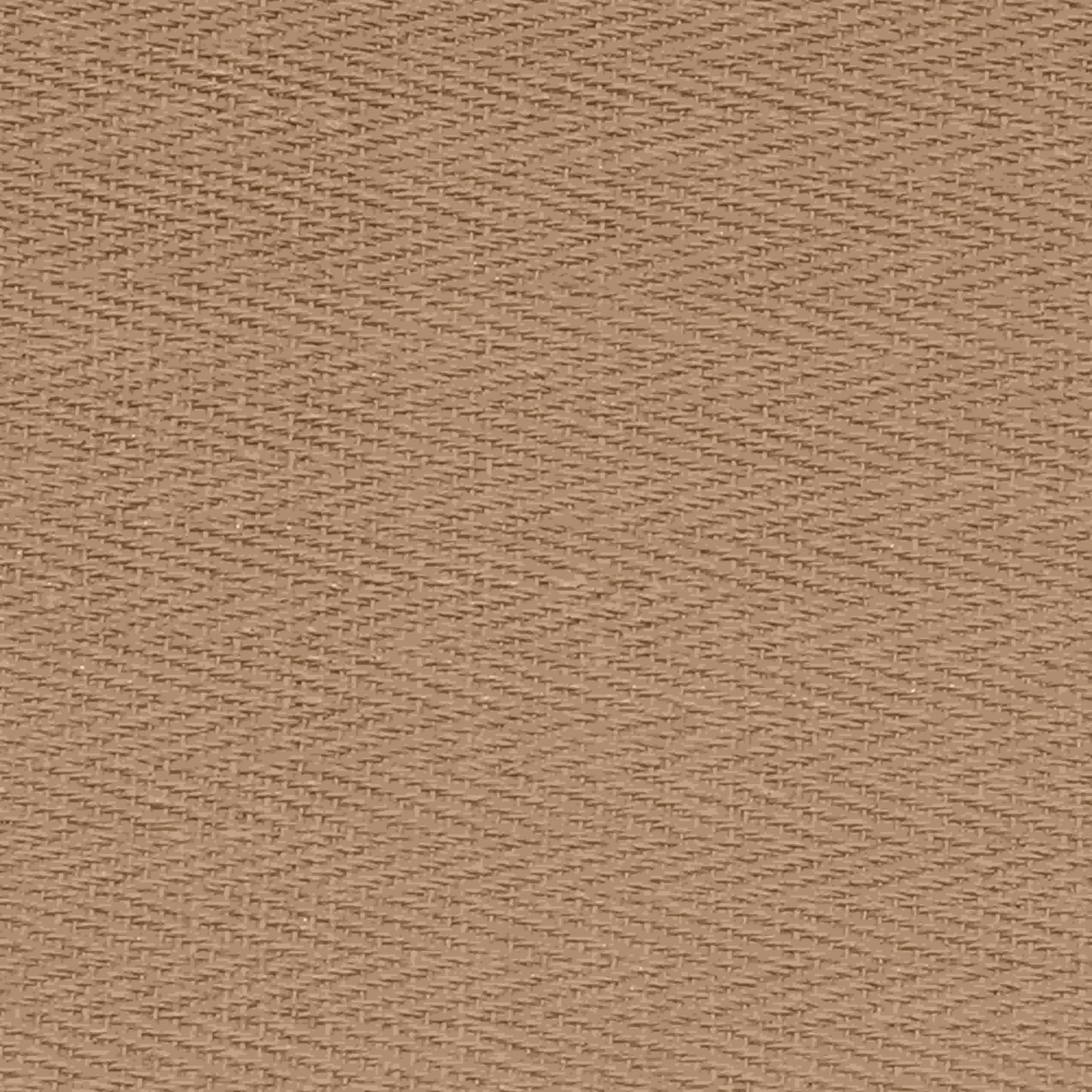
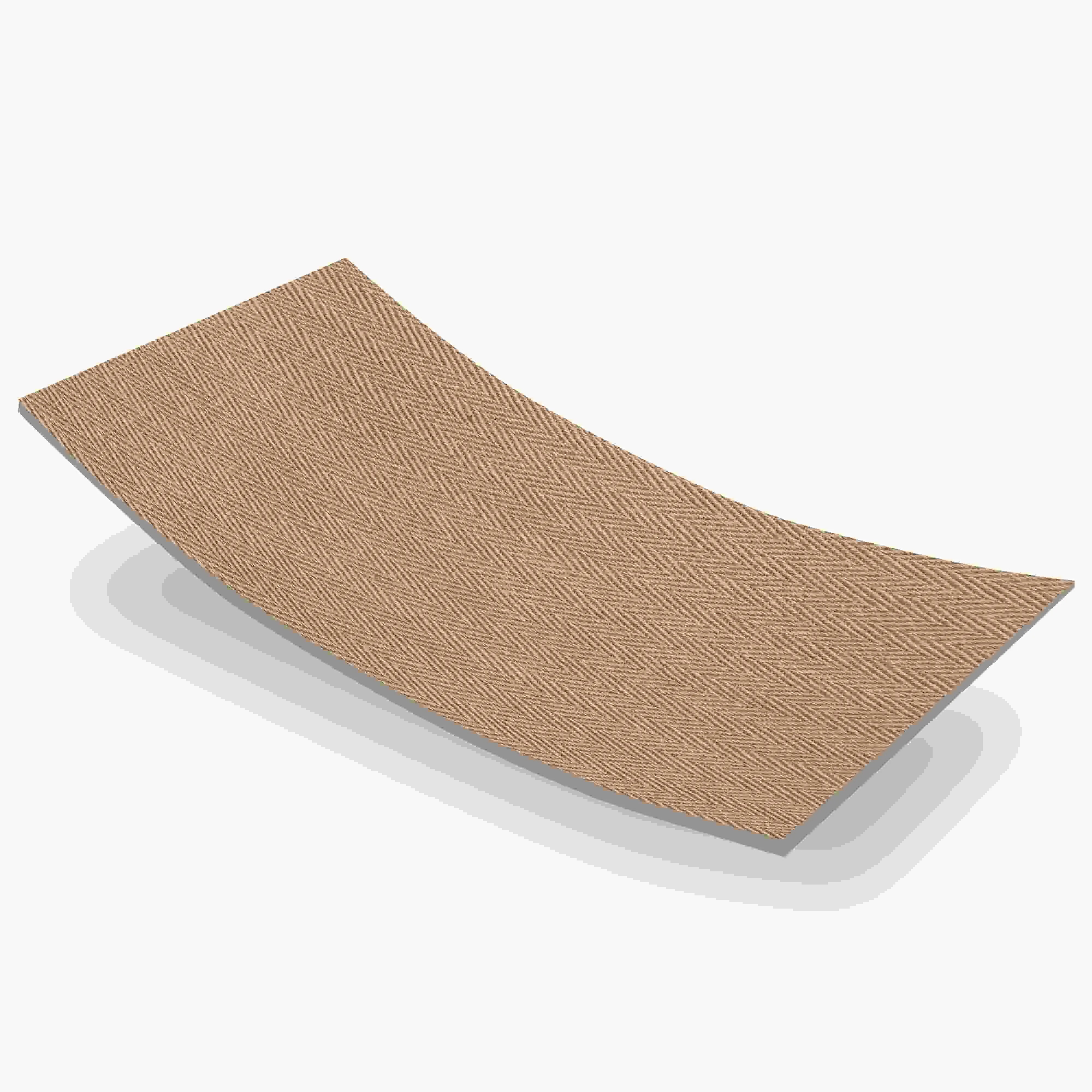
MCM flexible stone
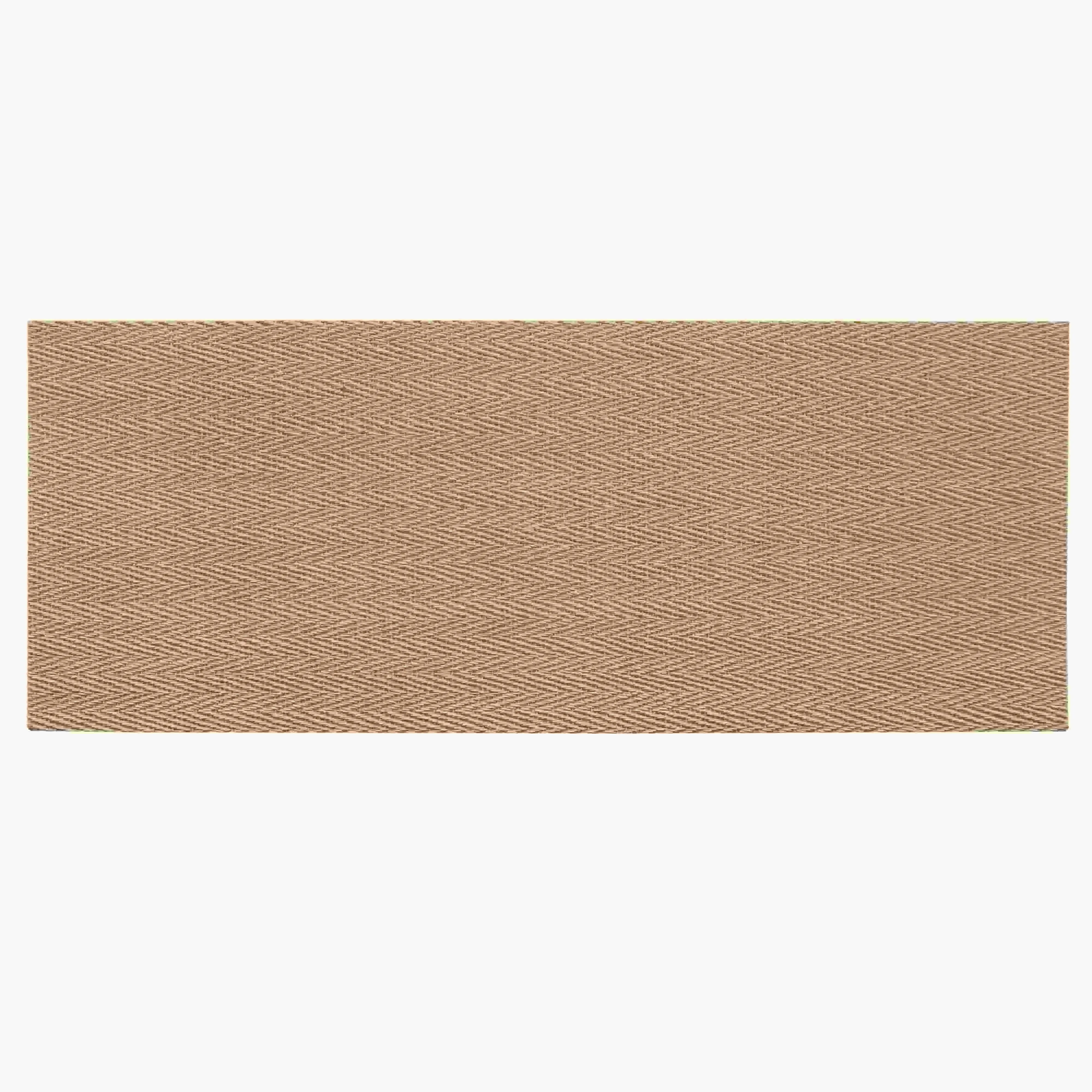
—a modern building material that's changing the game for curved walls. And among its many textures, one stands out for its ability to elevate curved surfaces: Weaving (Khaki). Let's dive into why this texture is becoming a favorite for designers who refuse to choose between aesthetics and functionality.