
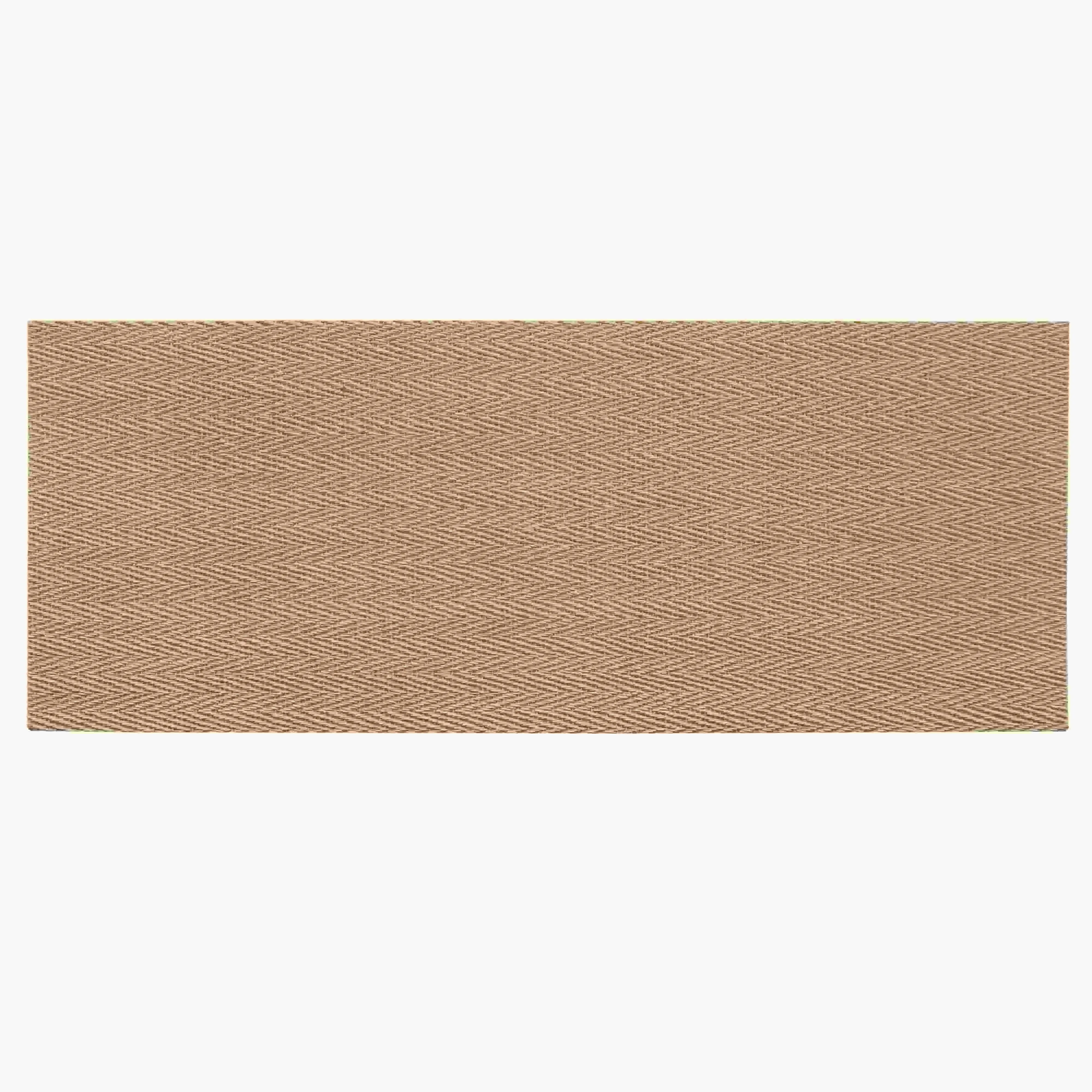
Walk into any space—whether a bustling café, a quiet home office, or a grand hotel lobby—and what hits you first? Is it the color palette? The furniture? Or maybe, if you're paying attention, it's the texture of the walls. Smooth, cold surfaces can make a room feel like a hospital waiting area; rough, uneven ones might evoke a mountain cabin. Texture isn't just a design afterthought—it's the unspoken language of architecture, the thing that turns a "space" into a "feeling."
In a world where so much of life is spent staring at screens—flat, two-dimensional interfaces—our hunger for tactile experiences has never been stronger. Architects and designers are leaning into this, moving beyond plain paint and generic drywall to materials that invite touch, that tell a story, that make us feel grounded. And that's where weaving (khaki) comes in—a texture so warm, so organic, it's like bringing a piece of the natural world indoors, but with the durability to stand up to the chaos of modern life.
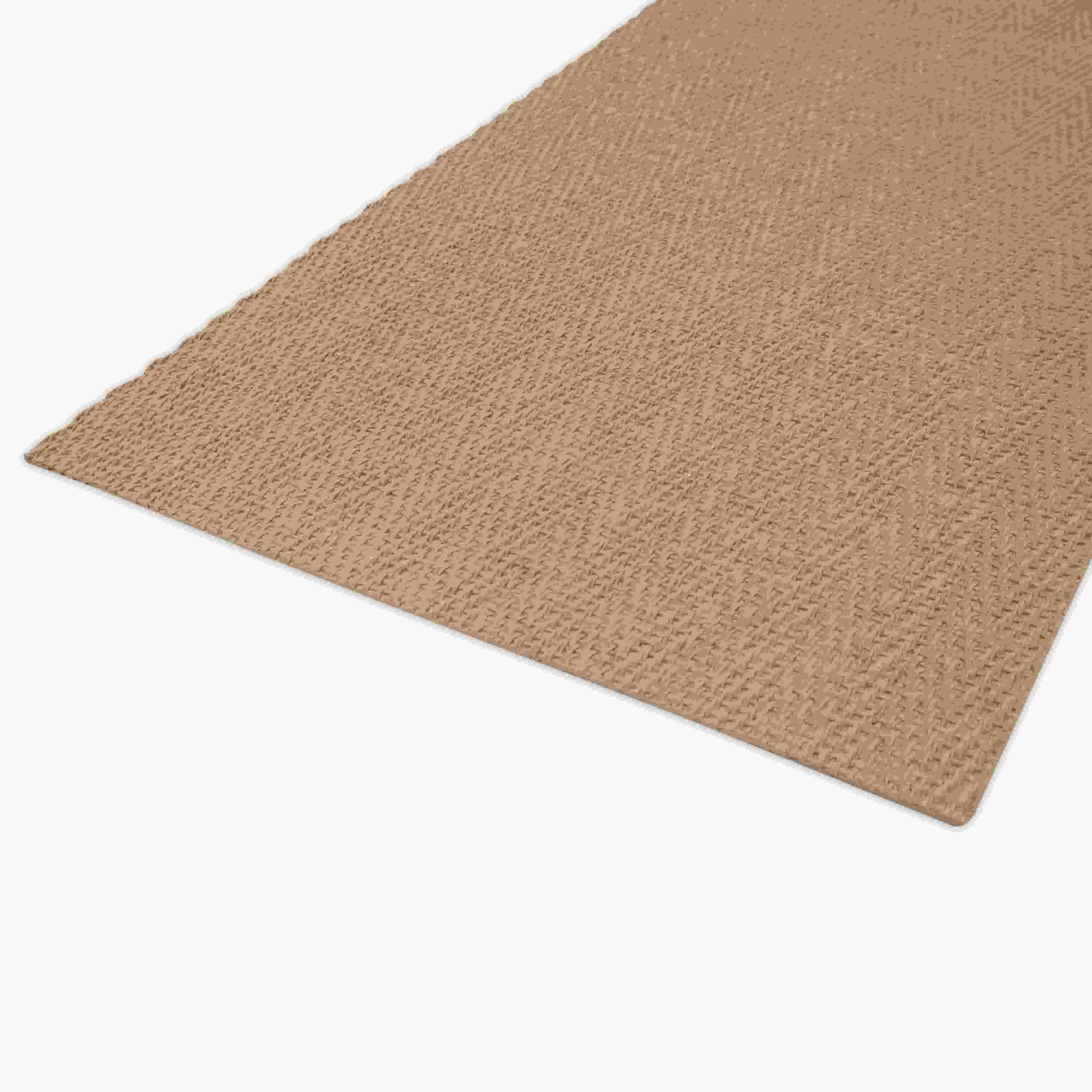
Every great design has an origin story, and weaving (khaki) is no exception. It started in a sunlit studio in Milan, where a team of MCM designers—tired of the sterile, "perfect" surfaces dominating contemporary architecture—asked a simple question: What if a wall could feel like a well-loved blanket?
They'd been experimenting with MCM flexible stone for years—a material that marries the strength of natural stone with the flexibility of fabric. But they wanted something softer, more human . One afternoon, a junior designer named Lila brought in a swatch of her grandmother's handwoven khaki shawl. "See how the threads overlap?" she said, running her fingers over the fabric. "It's not uniform. There are little gaps, inconsistencies… that's what makes it feel alive."
"We'd been chasing 'perfection' for so long—smooth, seamless, unbroken," recalls Marco, the lead designer on the project. "But Lila's shawl made us realize: imperfection is where the warmth lives. A woven texture isn't about being flawless. It's about being real ."
And so, the concept of weaving (khaki) was born. Not a digital print of a woven pattern, but a texture that actually mimics the look and feel of handwoven fabric—complete with the slight irregularities that make handcraft so charming. The khaki hue was chosen for its earthiness; it's not too bold, not too neutral, but just right to complement everything from warm woods to cool metals.
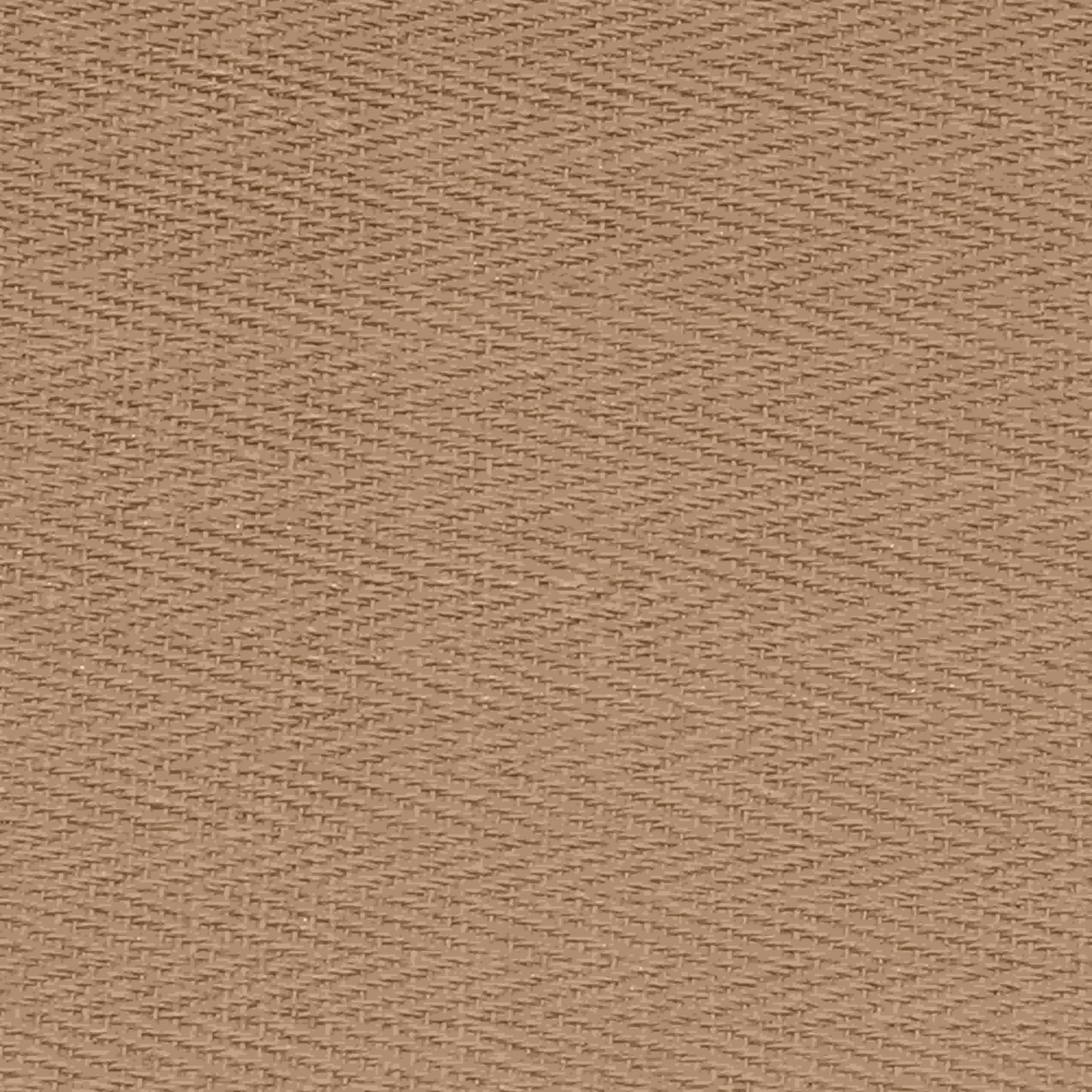
You can't talk about weaving (khaki) without talking about its backbone: MCM flexible stone . Traditional stone is heavy, brittle, and hard to shape—great for grand monuments, terrible for creating intricate textures in everyday spaces. MCM (Modified Composite Material) changes the game. It's made by blending natural stone aggregates with a polymer resin, resulting in a material that's lightweight (about 1/5 the weight of natural stone), flexible (it can bend without cracking), and surprisingly strong.
For weaving (khaki), this flexibility was non-negotiable. Imagine trying to carve a woven pattern into marble—it would shatter. But with MCM flexible stone, the design team could press, mold, and shape the material to replicate the crisscrossing threads of Lila's grandmother's shawl. "It's like working with clay, but with the durability of stone," Marco explains. "We could layer the 'threads' of the weave, leave tiny gaps where the fibers would naturally pull apart, and even add a subtle sheen to mimic the way sunlight hits woven fabric."
But MCM isn't just about malleability. It's also about practicality. Weaving (khaki) panels are water-resistant, fire-retardant, and easy to install—you can cut them with a standard saw, glue them to almost any surface, and they'll stand up to scuffs, scratches, and even the occasional coffee spill. In short, it's a texture that looks delicate but acts tough—a rare combo in the world of building materials.
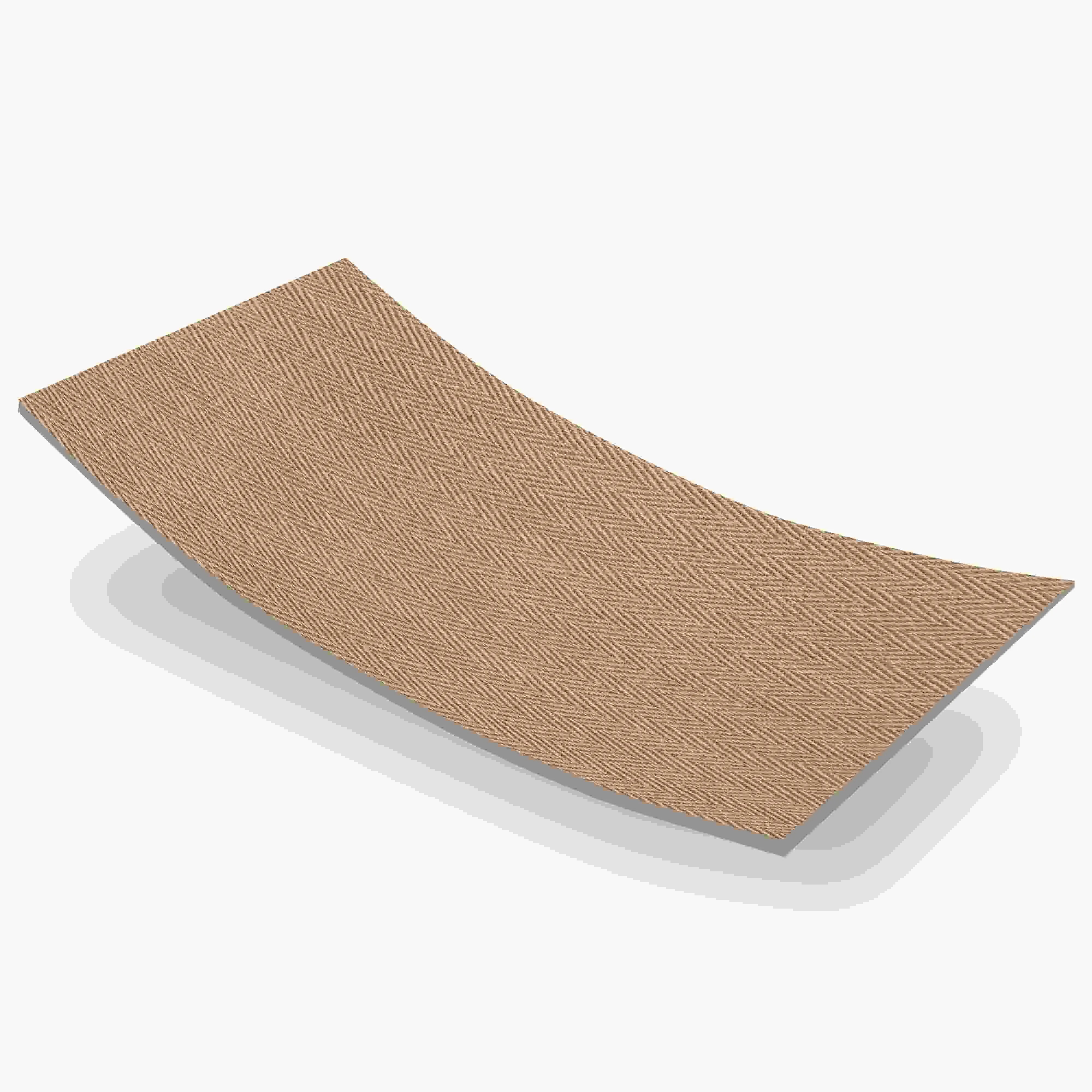
Designing a texture like weaving (khaki) isn't as simple as drawing a pattern on a computer. It took 18 months of trial and error—boxes full of failed prototypes, late nights in the lab, and more than a few arguments about "how tight the weave should be."
The first prototype was too uniform. "It looked like a machine-woven blanket," Lila groans. "Perfect, but lifeless." The second was too loose; the "threads" started to peel off during durability tests. The third? They added a subtle gradient to the khaki color, making some threads slightly darker than others, which mimicked the way natural dyes fade in sunlight. "That was the 'aha!' moment," Marco says. "Suddenly, it didn't look like a fake—it looked like something that had been woven by hand, with all the little quirks that come with human touch."
Inspiration came from unexpected places. One team member brought in a basket from a trip to Morocco; another referenced the texture of old burlap sacks. They even studied the way light plays on woven fabrics at different times of day—how morning light makes the threads look golden, while afternoon shade brings out the green undertones in the khaki. "We wanted the texture to change throughout the day, just like a real woven blanket would," Lila says. "It sounds silly, but those little details are what make people pause and go, 'Wait, is that… fabric?'"
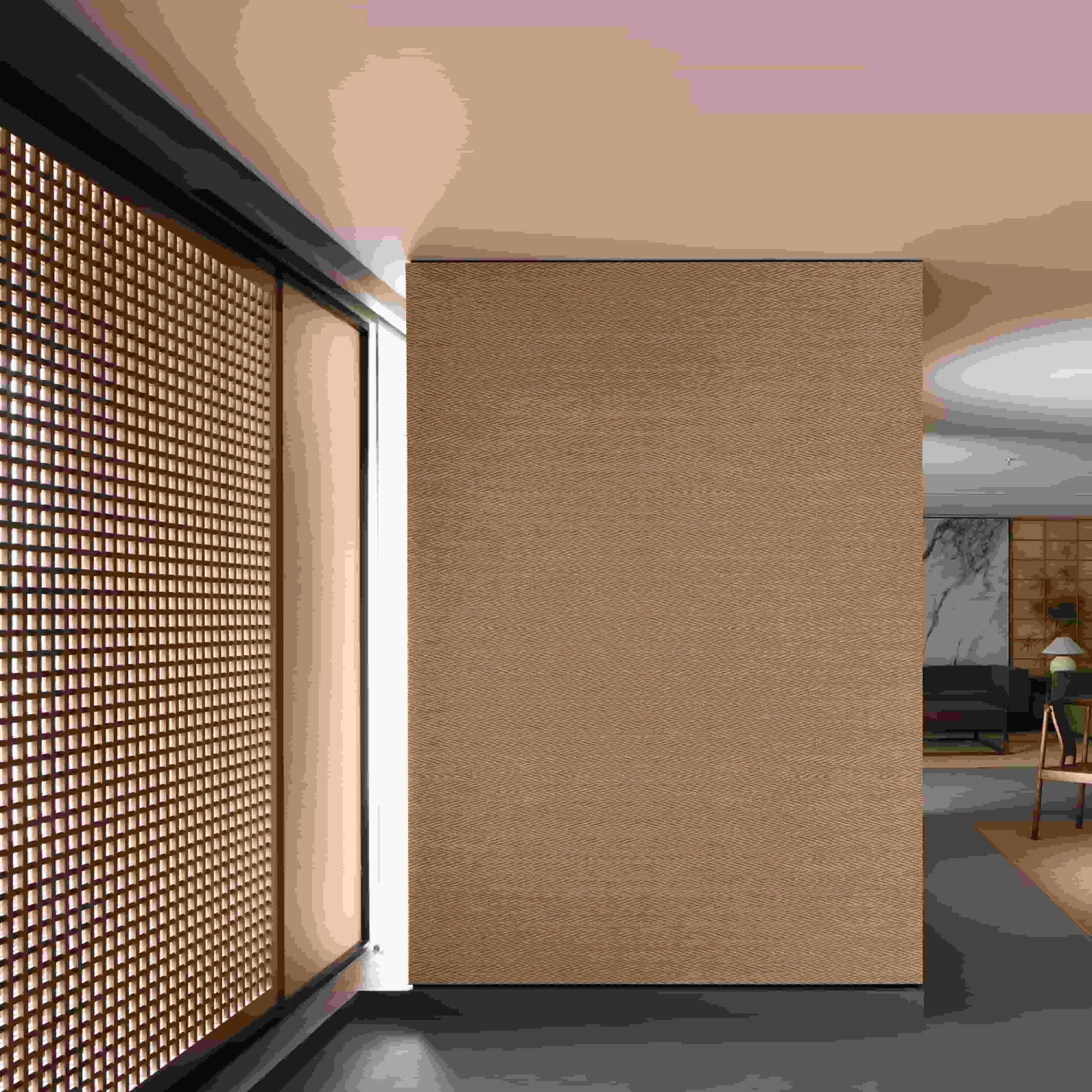
A texture can be beautiful, but if it falls apart after six months, it's useless. So, once the design was locked in, the team put weaving (khaki) through the wringer. They tested it for water resistance (spritzing it with a hose for weeks), impact resistance (dropping a 5kg weight on it from waist height), and UV stability (leaving panels outside in the sun for three months). The results? Impressive.
"The MCM flexible stone held up better than we expected," says Raj, the lead materials engineer on the project. "The color didn't fade, the texture didn't wear down, and there was no cracking or peeling. We even tested it in a high-humidity room to simulate a bathroom—no mold, no warping. It's tough, but it still feels soft to the touch. That balance is hard to achieve."
"I remember one test where we rubbed a wire brush over the surface for an hour straight," Raj laughs. "We thought the weave pattern would wear off, but it just… stayed. The client who saw that test footage immediately ordered 500 square meters for their hotel. They said, 'If it can survive a wire brush, it can survive our guests' kids.'"
Enough about labs and prototypes—let's talk real-world impact. In 2024, a tech startup in Barcelona decided to renovate their office. The old space was a typical corporate nightmare: white walls, gray carpeting, zero personality. Employees complained about feeling "stifled" and "uninspired." The goal? Create a space that felt more like a home than a workplace—without sacrificing professionalism.
The architects, a small firm called Estudio Tierra, proposed weaving (khaki) for the main lobby and breakout areas. "We wanted something that would soften the space but still look modern," says Clara, the lead architect. "Weaving (khaki) was perfect—it's warm, but not too cozy, and the texture adds visual interest without being distracting."
The transformation was dramatic. The lobby, once a sterile white box, now features a 20-foot wall of weaving (khaki) panels, paired with wood grain board accents and potted plants. The breakout rooms got smaller weaving (khaki) feature walls, complemented by rammed earth board (a texture that mimics the look of compressed soil) for a more rustic vibe. Even the meeting rooms got a touch—weaving (khaki) on one wall, paired with sleek fair-faced concrete on the others, balancing soft and hard.
"The first week after the renovation, I walked into the lobby and saw an employee leaning against the weaving (khaki) wall, just… touching it," Clara recalls. "She said, 'It feels like a hug.' That's when I knew we'd nailed it."
The startup reported a 25% increase in employee satisfaction surveys, with comments like "I actually look forward to coming to work now" and "The lobby feels like a café, not an office." Clients, too, noticed the difference. "People used to rush through the lobby to get to the meeting room," says the startup's CEO. "Now they linger. They ask about the walls. It's become a conversation starter."
Weaving (khaki) is a team player—it doesn't need to steal the spotlight. It pairs beautifully with other textures, creating layers that make a space feel rich and intentional. Here's how it plays with some of MCM's most popular options:
| Texture | What It Brings to the Table | Best With Weaving (Khaki) For… |
|---|---|---|
| Wood Grain Board | Warm, organic, with visible grain patterns that mimic real wood. | Cozy spaces like home offices or cafes—think weaving (khaki) walls with wood grain shelves. |
| Rammed Earth Board | Earthy, with a rough, compressed look that evokes desert landscapes. | Bohemian or rustic interiors—pair a weaving (khaki) accent wall with a rammed earth feature wall for texture overload (in the best way). |
| Travertine (Beige) | Classic, with subtle pits and veins that add natural character. | Elegant spaces like hotels or restaurants—weaving (khaki) softens the travertine's formality, creating a luxurious yet approachable vibe. |
| Fair-Faced Concrete | Sleek, modern, with a cool, industrial edge. | Contemporary offices or lofts—weaving (khaki) warms up the concrete's coldness, balancing hard and soft. |
The key, says Marco, is contrast. "Weaving (khaki) is soft and tactile, so pair it with something hard or smooth to create balance. Wood grain is warm, so it complements; concrete is cool, so it contrasts. Either way, the goal is to make the eye move—to create a rhythm of textures."
In 2025, "sustainable" isn't just a buzzword—it's a requirement. Weaving (khaki) checks that box, too. MCM flexible stone is inherently eco-friendly: it uses recycled stone aggregates (leftover from quarrying) and low-VOC resins, reducing waste and harmful emissions. The manufacturing process is energy-efficient, and because the panels are lightweight, transporting them generates less carbon than hauling natural stone.
But weaving (khaki) takes it a step further. The handwoven texture means there's no need for additional finishes—no paint, no sealants, nothing that can off-gas. It's also incredibly durable, so it won't need to be replaced every few years, reducing long-term waste. And if a panel does get damaged? It's easy to replace just that one panel, instead of redoing an entire wall.
The Barcelona startup we mentioned earlier chose weaving (khaki) in part because of its sustainability credentials. "We're a tech company, but we care about our carbon footprint," says the CEO. "Knowing that the walls are made from recycled materials and won't end up in a landfill in five years was a big selling point."
So, what's next for weaving (khaki)? The design team is already experimenting with new colorways—weaving (jacinth), a warm terracotta; weaving (grey), a cool neutral; weaving (beige), an even softer take on the original. They're also playing with scale—larger "threads" for bold spaces, smaller ones for more intimate settings.
But beyond that, weaving (khaki) is part of a bigger trend: the rise of tactile architecture . After years of living in a digital world, people crave physical connection—to materials, to spaces, to each other. Textures like weaving (khaki) bridge that gap. They're not just surfaces—they're experiences.
"I think we'll see more textures that tell stories," Marco predicts. "Textures that evoke memories—like the feel of a grandmother's shawl, or the roughness of a desert path. Weaving (khaki) is just the beginning. The future of architecture isn't about buildings that look good in photos—it's about buildings that feel good to be in."
Weaving (khaki) started as a question: What if a wall could feel like a blanket? It became a journey—from a sketch in a Milan studio, to a prototype in a lab, to a wall in a Barcelona office that makes people linger, touch, and smile. It's a reminder that architecture isn't just about function; it's about emotion. It's about creating spaces that don't just exist , but mean something .
So, the next time you walk into a room, take a moment to feel the walls. Are they cold and silent? Or do they whisper? If they're whispering, chances are, there's a texture like weaving (khaki) behind it—something that turns a wall into a story, and a space into a memory.
Recommend Products












