
Walk into any modern office today, and you'll notice a quiet revolution unfolding. Gone are the days of sterile, white-walled cubicles that felt more like holding pens than spaces for innovation. Instead, today's workplaces are embracing warmth, texture, and storytelling—turning offices into environments that inspire, comfort, and reflect the people who inhabit them. At the heart of this transformation? Modified Composite Materials, or MCM. More than just building materials, MCM products are the storytellers of interior design, blending the beauty of nature with the durability of modern engineering. Let's dive into how these materials are redefining office aesthetics, one texture at a time.
For decades, offices prioritized function over feeling. Think: gray carpeting, fluorescent lighting, and generic drywall that did little more than separate spaces. But as we've learned more about how environment impacts mood and productivity, that mindset has shifted. Today, employers recognize that a office isn't just a place to work—it's a space that shapes creativity, collaboration, and well-being. Employees, too, crave connection: to nature, to craftsmanship, and to something that feels "real" in a world increasingly dominated by screens. This is where MCM steps in, bridging the gap between the organic and the industrial, the tactile and the practical.
Consider this: A 2023 study by the International Interior Design Association found that 78% of employees report higher job satisfaction when their workspace includes natural textures or materials. MCM materials, with their ability to mimic everything from woven fabric to weathered stone, tap directly into this need. They don't just look like nature—they feel like it, too, creating a sensory experience that makes even the busiest office feel grounded and alive.
So, what makes MCM stand out in a market flooded with design options? It's simple: versatility and authenticity. Unlike traditional materials, MCM isn't limited by the constraints of nature. Want the look of handwoven fabric that can withstand coffee spills and daily traffic? MCM has you covered. Dream of incorporating marble into your office without the weight or cost? MCM delivers. These materials are engineered to capture the essence of natural textures— the grain of wood, the porosity of stone, the softness of woven fibers—while adding benefits like lightweight durability, resistance to moisture, and easy installation. For offices, this means beauty that doesn't come with a trade-off in functionality.
But MCM's real magic lies in its ability to evoke emotion. A wall clad in wood grain board doesn't just "look like wood"—it carries the warmth of a forest, making a conference room feel less like a meeting space and more like a cozy cabin where ideas flow freely. A reception area finished in travertine (beige) doesn't just "look like stone"—it brings the calm of a sunlit canyon, turning first impressions into lasting connections. In short, MCM materials don't just decorate offices—they humanize them.
MCM's range is as diverse as the stories offices want to tell. From the softness of woven textiles to the rugged elegance of natural stone, there's a material for every aesthetic. Let's shine a light on some standout series that are making waves in office design:
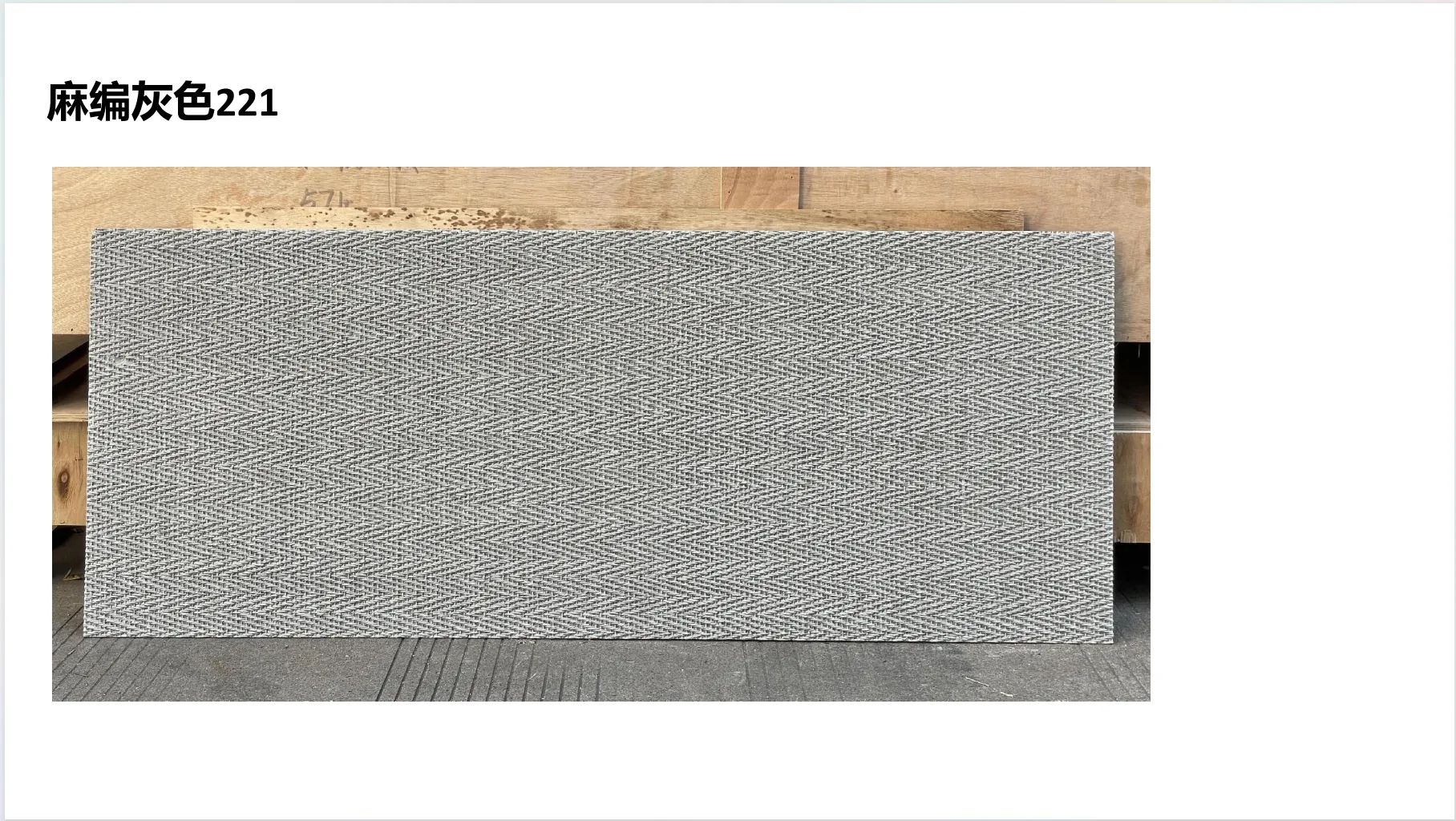
There's something inherently comforting about woven textures. They remind us of home—of hand-knit blankets, artisanal rugs, and the care that goes into creating something by hand. MCM's weaving series captures that spirit, offering panels that mimic the look and feel of woven fabrics in a range of hues, from soft neutrals to warm earth tones. Take weaving (khaki), for example. Its muted, olive-green base and subtle interlacing pattern evoke the quiet sophistication of a well-loved tapestry. Installed in a breakout area, it transforms a simple corner into a cozy nook where employees can unwind, chat, or brainstorm—no stuffy corporate vibes allowed.
What sets MCM's weaving panels apart is their durability. Unlike real fabric, which fades or frays over time, these panels are designed to withstand the chaos of daily office life. Spills wipe clean, scuffs barely show, and the texture remains vibrant for years. It's craftsmanship without the fragility—perfect for spaces that need to feel welcoming and work hard.
Wood has always been a staple of warm interior design, but traditional wood paneling comes with drawbacks: cost, weight, and maintenance. MCM's wood grain board solves those issues, offering the rich, organic look of solid wood without the hassle. These panels replicate every detail of natural wood—from the swirl of the grain to the subtle knots and imperfections—making them indistinguishable from the real thing at first glance. Whether you opt for light oak-inspired tones or deep walnut hues, wood grain board adds a sense of timelessness to any office space.
Imagine a manager's office lined with wood grain board walls. The texture feels smooth yet alive, like walking into a study lined with leather-bound books. It's a space that commands respect but never feels intimidating—encouraging open dialogue and trust. In open-plan areas, wood grain accents can define zones without closing them off, creating a sense of flow that keeps the office feeling connected yet cohesive.
For offices leaning into a modern, industrial aesthetic, fair-faced concrete is a game-changer. Raw, unpolished, and full of character, these panels celebrate the beauty of imperfection—subtle variations in color, tiny air bubbles, and the occasional "flaw" that makes each panel unique. Far from cold, fair-faced concrete exudes a quiet strength, adding depth and gravitas to spaces without overwhelming them. It's the material of choice for tech startups and creative agencies alike, balancing edge with approachability.
Pair fair-faced concrete with metal accents and large windows, and you've got a space that feels both cutting-edge and grounded. Use it as a backdrop for a minimalist reception desk, and it lets your company logo take center stage while adding a touch of urban sophistication. The best part? It ages beautifully—developing a soft patina over time that makes the office feel like it's growing and evolving, just like the team that works there.
Natural stone has long been a symbol of luxury, but its weight and cost have made it impractical for many offices—until now. MCM's travertine series brings the elegance of this classic stone to commercial spaces, with panels that mimic travertine's signature porous texture and warm, earthy tones. Travertine (beige) is a standout here, with its soft, creamy base and delicate veining that evokes sunlit beaches or ancient Roman architecture. It's a material that feels both grand and approachable, making it perfect for reception areas, executive suites, or even as a feature wall in a client meeting room.
What makes MCM travertine special is its versatility. Want to channel old-world charm? Pair travertine (beige) with brass fixtures and warm lighting. Going for a more modern look? Combine it with sleek, black metal and minimalist furniture. Either way, it adds a layer of sophistication that says, "We care about quality—and about you."
For offices that want to project innovation and forward-thinking, the lunar peak series is out of this world—literally. Inspired by the moon's rugged, otherworldly surface, these panels offer a metallic sheen with subtle texture that mimics the play of light on lunar dust. Lunar peak silvery, with its cool, pale glow, is particularly striking. Installed in a tech firm's office, it turns a hallway into a "path to the future," where every step feels like a journey toward innovation. In a creative agency, it adds a touch of whimsy—reminding teams to dream big, even when tackling tight deadlines.
Unlike traditional metallic finishes, which can feel cold or flashy, lunar peak silvery has a softness to it. Its texture isn't just visual—it's tactile, with tiny indentations that catch the light and invite touch. It's a material that sparks curiosity, making even the most routine office tasks feel a little more exciting.
To truly understand the impact of MCM materials, let's step into a few hypothetical offices where these textures have been put to work. These aren't just design case studies—they're stories of how texture shapes experience.
Imagine a marketing agency in downtown Chicago. Their brand is all about "bold ideas, human connections," and their office needed to reflect that. The design team opted for a mix of weaving (khaki) panels in the breakout area, paired with fair-faced concrete walls in the open workspace. The result? A space that feels both cozy and dynamic. Employees gather in the breakout zone, where the woven texture invites conversation, while the concrete walls in the main area keep the energy high and focused. Clients walk in and immediately get it—this is a place that values creativity and hard work.
A Silicon Valley startup wanted to move away from the "cold tech" stereotype. They chose lunar peak silvery for their reception area, creating a wall that shimmers like moonlight, paired with wood grain board accents in the meeting rooms. The contrast is striking: the silvery panels project innovation, while the wood grain adds warmth, making even the most cutting-edge tech feel approachable. Employees report feeling more inspired in meetings, noting that the wood grain walls "make brainstorming feel like sitting around a campfire—ideas just flow better."
A century-old law firm wanted to honor its heritage while attracting younger talent. They turned to travertine (beige) for their main lobby, evoking the timeless elegance of their history, and added subtle wood grain board details in the hallways. The result is a space that feels both established and fresh—clients feel reassured by the travertine's gravitas, while new associates appreciate the warmth of the wood accents. It's a perfect blend of "we've been here" and "we're moving forward."
With so many options, choosing the right MCM material can feel overwhelming. To help, here's a snapshot of how some popular textures stack up in terms of mood, application, and impact:
| Material | Texture Profile | Best For | Mood Evoked |
|---|---|---|---|
| Weaving (khaki) | Soft, interlaced fabric-like pattern; warm, earthy tone | Breakout areas, lounges, casual meeting spaces | Cozy, approachable, artisanal |
| Wood Grain Board | Smooth with realistic wood grain; varies by "species" (oak, walnut, etc.) | Conference rooms, private offices, accent walls | Timeless, warm, grounded |
| Fair-Faced Concrete | Raw, matte finish with subtle bubbles and color variations | Open workspaces, industrial-chic offices, reception backdrops | Strong, modern, authentic |
| Travertine (beige) | Porous with soft veining; warm, creamy base | Lobbies, executive suites, client meeting rooms | Elegant, timeless, reassuring |
| Lunar Peak Silvery | Metallic sheen with subtle lunar-like texture; cool, iridescent tone | Tech offices, reception areas, innovation labs | Innovative, forward-thinking, ethereal |
Beyond aesthetics, MCM materials offer a host of practical benefits that make them ideal for office environments:
As offices continue to evolve, one thing is clear: texture will play an even bigger role in shaping how we work. Biophilic design—connecting spaces to nature—will drive demand for materials that mimic the outdoors, from the roughness of tree bark to the smoothness of river stones. MCM is already ahead of the curve, with innovations like 3D-printed textures that replicate the look of moss-covered rocks or driftwood, and gradient color panels that mimic sunsets or ocean waves.
Personalization will also be key. Offices won't just choose "wood grain" or "stone"—they'll mix and match textures to tell their unique story. Imagine a startup combining weaving (jacinth) panels with lunar peak black accents to reflect their bold, creative brand, or a nonprofit using travertine (starry blue) to evoke trust and calm. The possibilities are endless, and MCM is the canvas that makes them possible.
At the end of the day, MCM materials are more than just building blocks—they're a language. They speak to who we are, what we value, and how we want to feel in the spaces we spend so much of our lives. In offices, that language translates to productivity, creativity, and connection. So whether you're designing a startup's first space or refreshing a decades-old firm, remember: the right texture isn't just about aesthetics. It's about creating a space that feels like yours —one that tells your story, one panel at a time.
Recommend Products












