
Home isn't just a place—it's a feeling. And if walls could talk, the best ones would whisper stories of warmth, comfort, and the little moments that make a house a home. These days, when so many of us crave spaces that feel less like generic boxes and more like reflections of who we are, the materials we choose for our walls matter more than ever. Enter weaving materials: not the flimsy fabrics of yesteryear, but modern, durable, and surprisingly versatile options that turn plain walls into tactile, emotional experiences. Whether you're drawn to the earthy charm of weaving (khaki) , the soft calm of weaving (beige) , or the crisp elegance of weaving (white) , these textures have a way of making a room feel lived-in, loved, and uniquely yours. Let's dive into how weaving materials are transforming residential interior walls—one textured, storytelling surface at a time.
The living room is more than a seating area; it's the heart of the home. It's where you curl up with a book on rainy afternoons, where friends gather for laughter, and where family movie nights turn into traditions. So why settle for walls that blend into the background? Weaving materials here act like a warm hug for the space—softening hard edges, adding depth, and creating a backdrop that feels inviting from the moment you walk in.
Take weaving (khaki) , for example. Its muted, earthy tone is like bringing a piece of the outdoors inside without overwhelming the room. Imagine sunlight streaming through your windows, catching the threads of the weave and casting gentle, dappled shadows across the wall. Pair it with a wood grain board accent wall or a wooden bookshelf, and suddenly the space feels grounded, like a cozy cabin in the woods—even if you're in the middle of the city. Unlike smooth paint, which can feel cold and flat, the texture of weaving gives your eyes something to linger on, making the room feel dynamic but never chaotic. It's the kind of wall that doesn't demand attention, but quietly makes you think, "This feels like home."
Bedrooms are sacred—they're our escape from the noise of the world, a place to recharge and dream. Here, walls shouldn't just look good; they should feel good, too. Weaving materials excel here because they engage more than just sight—they invite touch, creating a sensory experience that lulls you into relaxation. Weaving (beige) is a standout choice for bedrooms, with its soft, neutral hue that pairs beautifully with warm lighting and natural linens.
Think about it: after a long day, you walk into your bedroom, and instead of staring at a plain, unfeeling wall, you're greeted by a surface that looks like it was woven with care—each thread a small detail that adds up to something greater. The texture absorbs light rather than reflecting it harshly, creating a soft, diffused glow that's perfect for winding down. And unlike wallpaper, which can peel or fade, modern weaving materials are durable and easy to maintain, so your retreat stays peaceful for years to come. It's the difference between a bedroom that feels like a hotel room and one that feels like a sanctuary.
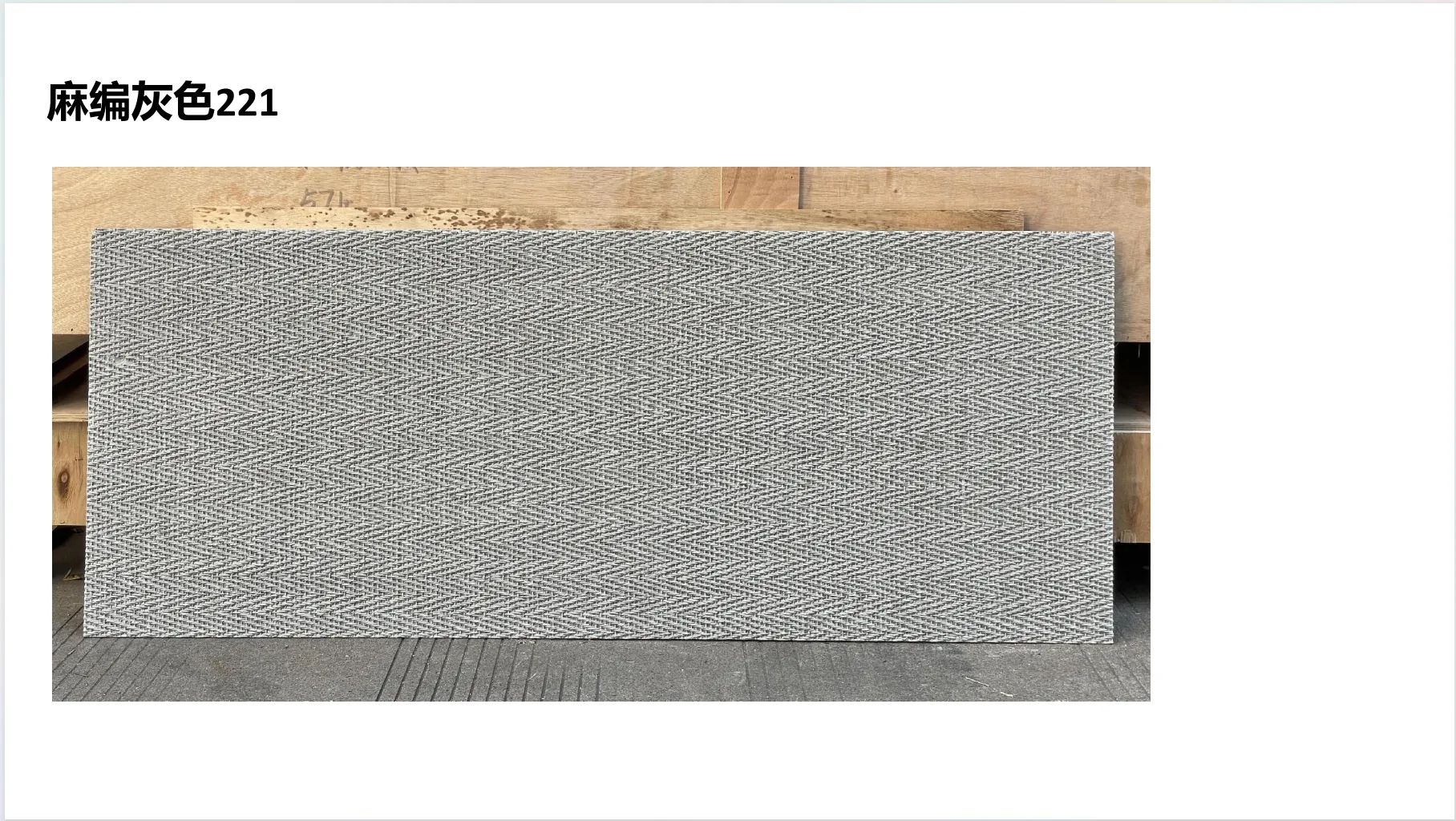
Dining rooms are where stories are shared over meals, where birthdays are celebrated, and where quiet weeknight dinners turn into long conversations. The walls here need to set a mood that's both lively and intimate—and weaving materials, especially weaving (grey) , strike that balance perfectly. Grey is often overlooked, but its versatility makes it ideal for dining spaces: it's sophisticated enough for special occasions but casual enough for everyday use.
Weaving (grey) walls in a dining area add subtle pattern without clashing with table settings or decor. Imagine a wooden dining table surrounded by woven grey walls, with pendant lights hanging above. The texture of the weave catches the light from the fixtures, creating a warm, ambient glow that makes food look more appetizing and conversations flow more easily. It's a wall that complements, not competes—whether you're hosting a fancy dinner party or just eating takeout with your partner. And because weaving materials are often moisture-resistant, you don't have to stress about accidental spills or steam from cooking; they'll hold up, just like the memories made around the table.
With more of us working from home, home offices have become essential spaces—and they deserve just as much love as the rest of the house. But offices can easily feel sterile, like a cold cubicle transplanted into your living room. Weaving materials change that by adding warmth and texture, turning a functional space into one that inspires creativity and focus. Weaving (white) is a surprisingly great choice here: it's bright and airy, keeping the room feeling open, but the texture prevents it from looking stark or clinical.
Picture this: a white woven wall behind your desk, paired with a few potted plants and a wooden chair. The light reflects off the white threads, keeping the space energizing, while the weave adds just enough visual interest to keep your mind from wandering. Unlike plain white paint, which can feel like a blank, intimidating canvas, weaving (white) feels intentional—like someone put thought into making this space feel human. It's the kind of wall that makes you want to sit down, open your laptop, and get to work—not because you have to, but because the space feels so inviting. Who said productivity can't be cozy?
With so many weaving options out there, it can help to break down which weave works best for which room. Here's a handy table to guide you:
| Weaving Type | Best For | Vibe | Perfect Pairing |
|---|---|---|---|
| Weaving (khaki) | Living Room | Earthy, grounded warmth | Wood grain board, leather furniture |
| Weaving (beige) | Bedroom | Soft, calming serenity | Natural linens, warm pendant lights |
| Weaving (grey) | Dining Area | Sophisticated, understated elegance | Wooden dining table, metallic accents |
| Weaving (white) | Home Office | Bright, airy focus | Plants, minimalist desk decor |
At the end of the day, interior walls are more than just dividers—they're the canvas on which we paint our lives. Weaving materials offer something that few other wall options can: a blend of beauty, texture, and emotion that turns a house into a home. Whether you choose weaving (khaki) for your living room, weaving (beige) for your bedroom, or any other shade, you're not just decorating a wall—you're creating a space that feels alive, that responds to light and touch, and that grows with you over time.
So the next time you're thinking about updating your home, don't just think about colors or patterns. Think about how you want to feel when you walk into a room. Think about the stories you want your walls to tell. With weaving materials, the answer is simple: they'll tell the story of a home that's warm, welcoming, and wonderfully yours.
Recommend Products












