
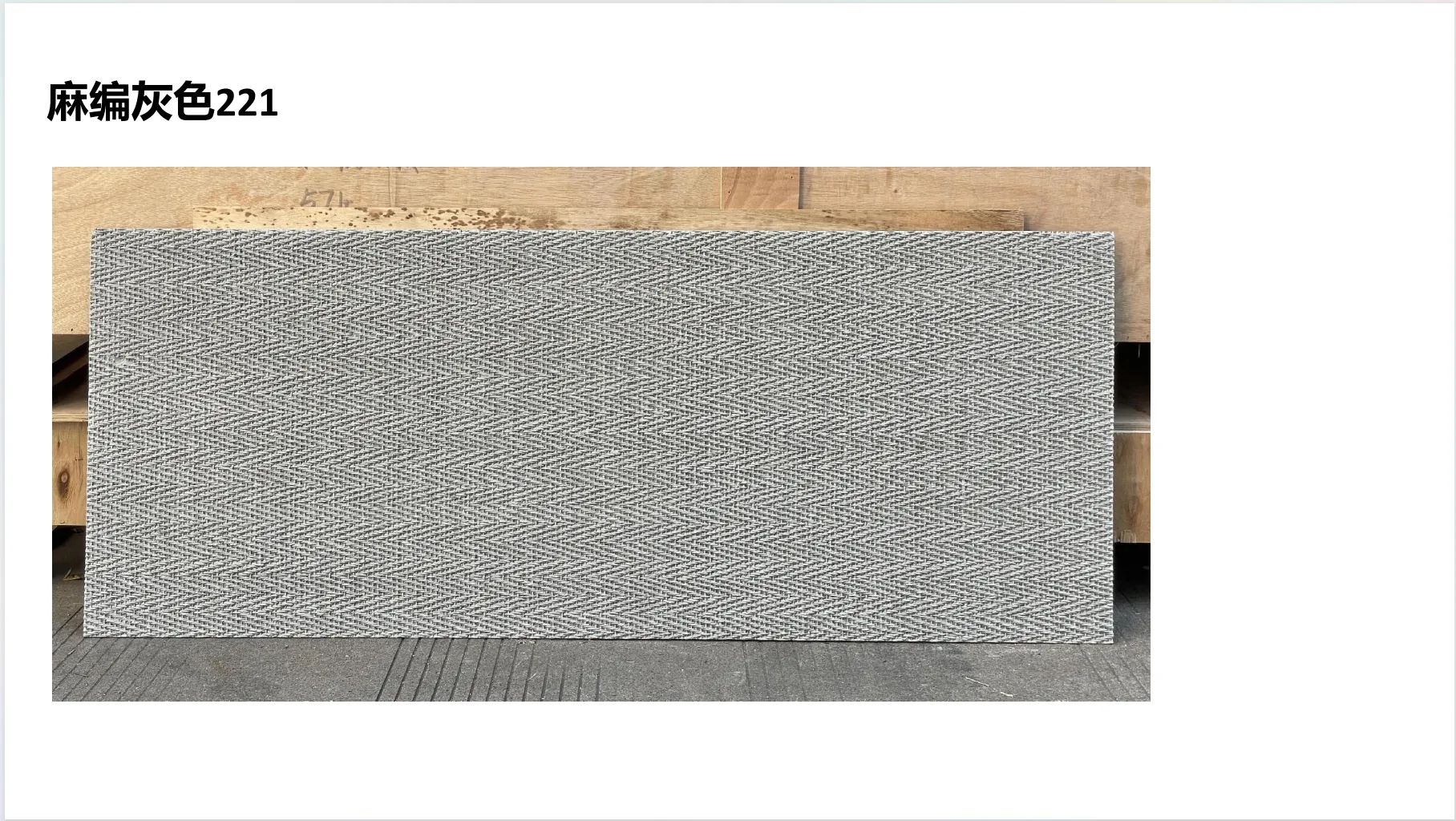
Picture this: You're standing on the balcony of a newly built commercial tower in Riyadh, overlooking a skyline dotted with cranes and futuristic structures. Below, a team of workers carefully installs panels that shimmer with the texture of handwoven fabric, their surface printed with faint, artistic "real photos" of Saudi Arabia's desert landscapes. These aren't just any building materials—they're MCM (Modified Composite Material) panels, and they're revolutionizing how architects and builders blend innovation with compliance in Saudi Arabia's booming construction industry.
Saudi Arabia's construction sector is in the midst of a historic expansion, driven by Vision 2030's focus on urban development, tourism, and infrastructure. From the mega-projects of NEOM to the cultural hubs in Jeddah, there's a hunger for materials that are durable, visually striking, and—crucially—adhere to the kingdom's strict building codes. MCM products, with their lightweight composition, design flexibility, and resilience, have become a go-to choice. But among the most exciting innovations is the rise of "weaving real photos" MCM panels—materials that merge tactile, fabric-like textures with printed imagery, adding a layer of storytelling to facades and interiors.
Yet, for all their aesthetic appeal, these products can't just be dropped into a project and forgotten. Saudi Arabia's construction codes, shaped by decades of experience with extreme climates, safety priorities, and cultural heritage, demand careful consideration. In this article, we'll walk through the key factors builders, architects, and project managers need to keep in mind when integrating weaving real photos MCM panels—and other innovative MCM products—into Saudi projects. From material compliance to durability in desert conditions, we'll cover how to balance creativity with code, ensuring your project stands out and stands the test of time.
Let's start with the basics: compliance. Saudi Arabia's building codes are no joke. The Saudi Standards, Metrology and Quality Organization (SASO) sets strict guidelines for everything from fire resistance to structural integrity, and any material used in construction—including MCM panels—must carry the proper certifications. For weaving real photos MCM panels, this means digging into their core composition and performance metrics.
Take, for example, weaving (khaki) MCM panels . These panels are crafted from a blend of modified polymers and natural fibers, designed to mimic the look and feel of handwoven textiles. But to pass SASO muster, they need to meet specific criteria: fire resistance (at least Class B, per SASO 2870), low VOC emissions (critical for indoor air quality in projects like hotels or hospitals), and structural stability under load. Reputable manufacturers will provide test reports showing compliance with these standards, often certified by third-party bodies like the British Standards Institution (BSI) or the International Code Council (ICC)—credentials that should be non-negotiable when sourcing.
Then there's mcm flexible stone , a staple in many Saudi projects for its ability to mimic natural stone without the weight. Flexible stone's compliance hinges on its resistance to thermal expansion—a big deal in Saudi Arabia, where daytime temperatures can soar to 50°C (122°F) and plummet at night. SASO standards require materials to maintain structural integrity even with temperature fluctuations of ±40°C, and flexible stone, with its composite makeup, typically excels here. But it's not enough to take the manufacturer's word for it; always ask for thermal cycling test results specific to Saudi conditions.
Even more specialized products, like foamed aluminium alloy board (vintage silver) , face their own compliance hurdles. Foamed aluminium is prized for its lightweight strength and corrosion resistance, making it ideal for coastal projects in Jeddah or Dammam. But SASO's marine environment standards (SASO 1053) demand high resistance to salt spray and humidity. Vintage silver finishes, while visually striking, must also pass colorfastness tests to ensure they don't fade under Saudi's intense UV radiation—a common pitfall for lesser-quality materials.
Imagine installing a beautiful set of weaving real photos panels on a facade in Riyadh, only to have them crack or fade after six months of sandstorms and scorching sun. That's a nightmare scenario—and entirely avoidable with the right durability checks. Saudi Arabia's climate is a tough test for any material: arid heat, high UV index, frequent sandstorms, and occasional flash floods in regions like the Asir Mountains. MCM products must be built to withstand all of it.
Let's start with UV resistance. Weaving real photos panels, with their printed imagery, are particularly vulnerable here. The inks used in the "real photos" layer need to be UV-stabilized, ideally with a protective topcoat that blocks 99% of UVA and UVB rays. Without this, the desert sun will bleach colors, turning vibrant desert landscapes into washed-out shadows. Look for manufacturers that use fade-resistant inks tested to ASTM G154 standards (the gold standard for UV exposure testing) with a minimum 10-year warranty against fading.
Sandstorms are another adversary. The fine, abrasive sand particles in Saudi Arabia can wear down unprotected surfaces over time, especially on high-rise buildings where wind speeds are greater. mcm big slab board series , often used for large facade sections, addresses this with a textured, scratch-resistant finish. Unlike smooth surfaces that show wear, the big slab's intentional texture—often mimicking natural stone or concrete—hides minor abrasions, maintaining its appearance for decades. Additionally, the panels' edges should be reinforced to prevent chipping during storms, a detail that's easy to overlook but critical for long-term durability.
Moisture resistance might seem less urgent in a desert, but don't be fooled. While Saudi Arabia is dry, coastal areas like Jeddah experience high humidity, and flash floods (though rare) can drench lower-level facades. Fair-faced concrete , a popular MCM alternative for its industrial-chic look, must be treated with a water-repellent sealant to prevent moisture absorption, which can lead to efflorescence (those unsightly white salt deposits) or even structural weakening over time. Weaving panels, too, need a moisture barrier in their core to prevent mold growth in humid indoor spaces like shopping malls or hotels.
Saudi Arabia's architecture isn't just about function—it's about storytelling. From the traditional mud-brick structures of Najran to the contemporary geometric patterns of Riyadh's King Abdullah Financial District, buildings often reflect the kingdom's cultural heritage. When incorporating weaving real photos MCM panels, it's essential to ensure their aesthetic aligns with this context, rather than clashing with it.
Take weaving (khaki) MCM panels as an example. Khaki, a warm, earthy tone, naturally complements the desert landscapes and traditional Saudi color palettes (think terracotta, sand, and olive green). The "real photos" printed on these panels can further enhance cultural resonance: imagery of date palms, falcons, or historic forts adds a layer of local storytelling that resonates with residents and visitors alike. In contrast, panels with overly bright or abstract designs might feel out of place in a conservative area, highlighting the need for design collaboration between architects and local cultural consultants.
Lunar peak silvery and lunar peak golden MCM panels offer another example of cultural alignment. These products mimic the iridescent sheen of desert moonlit sand, a motif deeply rooted in Saudi poetry and art. When used in public spaces like museums or cultural centers, they evoke a sense of connection to the kingdom's natural beauty, making them not just building materials, but cultural touchpoints. Similarly, historical pathfinders stone , with its weathered, ancient-looking finish, pairs beautifully with restoration projects, like the renovation of old Jeddah's historic district, where preserving heritage is as important as modernizing infrastructure.
It's also worth noting that Saudi Arabia's cultural norms extend to modesty in design. While weaving real photos panels allow for artistic expression, imagery should avoid anything that could be deemed inappropriate or offensive. This means steering clear of overly busy patterns or imagery that conflicts with local values—a consideration that's as much about respect as it is about project approval.
Even the most compliant, durable, and beautiful MCM panels will fail if installed incorrectly. Saudi Arabia's installation standards, outlined in codes like SASO 1546 (for cladding systems), are rigorous, and cutting corners here can lead to safety risks, code violations, or costly rework. Let's break down the key steps to get it right.
First, substrate preparation. MCM panels—whether weaving, flexible stone, or foamed aluminium—require a flat, clean surface to adhere properly. In Saudi Arabia, where concrete is the most common substrate, this means ensuring the surface is free of dust, oil, and moisture. Sandblasting or acid etching might be necessary to create a rough texture for better adhesion, especially for lightweight panels like foamed aluminium alloy board (vintage gold) , which rely on mechanical fasteners or adhesive bonding. Skipping this step can lead to panels peeling or warping, a hazard in high winds.
Then there's thermal movement. As temperatures swing, MCM panels expand and contract, and the installation system must account for this. For large-format panels like mcm big slab board series , this means leaving expansion gaps (typically 5-10mm) between panels and using flexible sealants that can stretch without cracking. In coastal areas, where humidity adds another variable, sealants should also be moisture-resistant—look for products labeled with SASO 1183 compliance.
Wind load is another critical factor, especially in coastal cities like Jeddah or on high-rise buildings in Riyadh. Saudi building codes require cladding systems to withstand wind speeds of up to 160 km/h (100 mph) in some regions. Weaving panels, though lightweight, need robust anchoring systems—often a combination of mechanical clips and adhesive—to prevent them from becoming windborne debris. Installers should refer to wind tunnel test reports for the specific panel type and building height, as loads increase significantly the higher you go.
Finally, quality control during installation is non-negotiable. Saudi authorities often conduct on-site inspections, and even minor issues—like misaligned panels or improper sealing—can lead to project delays. Hiring certified installers with experience in MCM systems is worth the investment; many manufacturers offer training programs specific to their products, ensuring teams understand the nuances of installation in Saudi conditions.
| Product Type | Key Compliance Aspect | Durability Rating (1-5) | Cultural Aesthetic Fit | Best For |
|---|---|---|---|---|
| Weaving (Khaki) MCM Panels | Fire resistance (Class B), UV stability | 4/5 | High (earthy tones, cultural imagery) | Hotel lobbies, cultural centers |
| MCM Flexible Stone | Thermal expansion compliance, load-bearing capacity | 5/5 | Medium-High (mimics natural stone) | Exterior facades, retail outlets |
| Foamed Aluminium Alloy Board (Vintage Silver) | Corrosion resistance (salt spray testing) | 5/5 | Medium (modern, industrial look) | Coastal projects, high-rises |
| Fair-Faced Concrete MCM | Moisture resistance, structural integrity | 4/5 | Medium (neutral, versatile) | Commercial offices, public spaces |
*Durability rating based on performance in Saudi Arabia's climate (5 = highest resistance to UV, sand, and temperature fluctuations).
Vision 2030 isn't just about growth—it's about sustainable growth. Saudi Arabia is increasingly prioritizing green building practices, with initiatives like the LEED-certified King Abdullah Economic City and the Saudi Green Building Code (SGB Code) driving demand for eco-friendly materials. MCM products, with their lightweight design and potential for recycled content, are well-positioned to meet these goals—if chosen wisely.
mcm flexible stone is a standout here. Unlike natural stone, which requires heavy mining and transportation, flexible stone is made from recycled minerals and polymers, reducing its carbon footprint. Additionally, its lightweight nature cuts down on transportation emissions and reduces the need for heavy structural support, lowering overall construction energy use. For projects aiming for SGB Code certification, flexible stone can contribute points in the "Materials and Resources" category, a key selling point for developers.
Foamed aluminium alloy board (gold) also offers sustainability benefits. Aluminium is 100% recyclable, and many manufacturers use recycled aluminium in their foamed products, reducing reliance on virgin materials. Its durability further enhances sustainability: a single installation can last 50+ years, minimizing the need for replacement and the associated waste. In a country aiming to reach net-zero by 2060, these lifecycle considerations are becoming increasingly important.
Even weaving real photos panels can align with green goals, provided they're sourced from manufacturers with strong sustainability credentials. Look for panels made with water-based inks (low VOCs), recycled textile fibers, and energy-efficient production processes. Some companies even offer take-back programs for old panels, ensuring they're recycled rather than sent to landfills—a detail that can set your project apart in sustainability reports.
Weaving real photos MCM panels and other innovative products are more than just building materials—they're tools for storytelling, enabling architects and builders to create spaces that are both cutting-edge and deeply rooted in Saudi Arabia's context. But to harness their full potential, it's essential to approach them with a focus on compliance, durability, cultural sensitivity, and sustainability.
By prioritizing SASO-certified materials, testing for desert durability, aligning aesthetics with cultural heritage, following strict installation practices, and choosing sustainable options, you can ensure your project not only meets the letter of Saudi Arabia's codes but also contributes to the kingdom's vision of a modern, resilient, and culturally rich built environment.
So, the next time you're standing on that Riyadh balcony, admiring the weaving real photos panels catching the sunset, you'll know they're not just beautiful—they're built to last, built to comply, and built with Saudi Arabia's future in mind. And that's the true mark of successful construction in this dynamic, evolving kingdom.
Recommend Products












