
How MCM's Textured Materials Are Redefining Retail Spaces Through Touch, Story, and Connection
Step into a modern Saudi retail space today, and you'll notice something different. It's not just the sleek displays or the latest products—it's the walls, the floors, the very surfaces that wrap around you. They tell a story. They invite you to reach out, to feel the grain of a woven texture, the coolness of stone, the warmth of a material that feels less like "construction" and more like "craft." This shift isn't accidental. It's the result of a quiet revolution in design, led by materials that bridge functionality with emotion. At the heart of this movement? MCM's innovative product lines, where every texture, color, and finish is engineered to turn retail spaces into experiences. And among these, the weaving real photos series stands out—not just as a material, but as a conversation starter between brands and the people who walk through their doors.
Saudi Arabia's retail landscape has undergone a dramatic transformation in recent years. Gone are the days of generic, utilitarian spaces where shopping felt transactional. Today's consumers—especially in cities like Riyadh, Jeddah, and Dammam—seek more than products. They crave connection. They want to feel seen, to step into a space that reflects their values, their aesthetic, and even their nostalgia. Retailers, in turn, are leaning into design as a competitive edge. A 2024 report by the Saudi Council of Engineers noted that 78% of new retail projects prioritize "sensory design" — materials and layouts that engage sight, touch, and even sound to create memorable experiences.
This shift isn't just about looking good. It's about psychology. Studies show that spaces with tactile, natural textures reduce stress and increase dwell time—key metrics for retail success. Shoppers who feel relaxed and "at home" in a store are 3x more likely to make a purchase and 5x more likely to return, according to research by the International Council of Shopping Centers. Enter MCM: a brand that doesn't just supply materials, but crafts tools for emotional design. Their (product lines) — from weaving (khaki) to MCM flexible stone — are designed to turn blank walls into narratives, making retail spaces feel less like "shops" and more like sanctuaries of style and story.
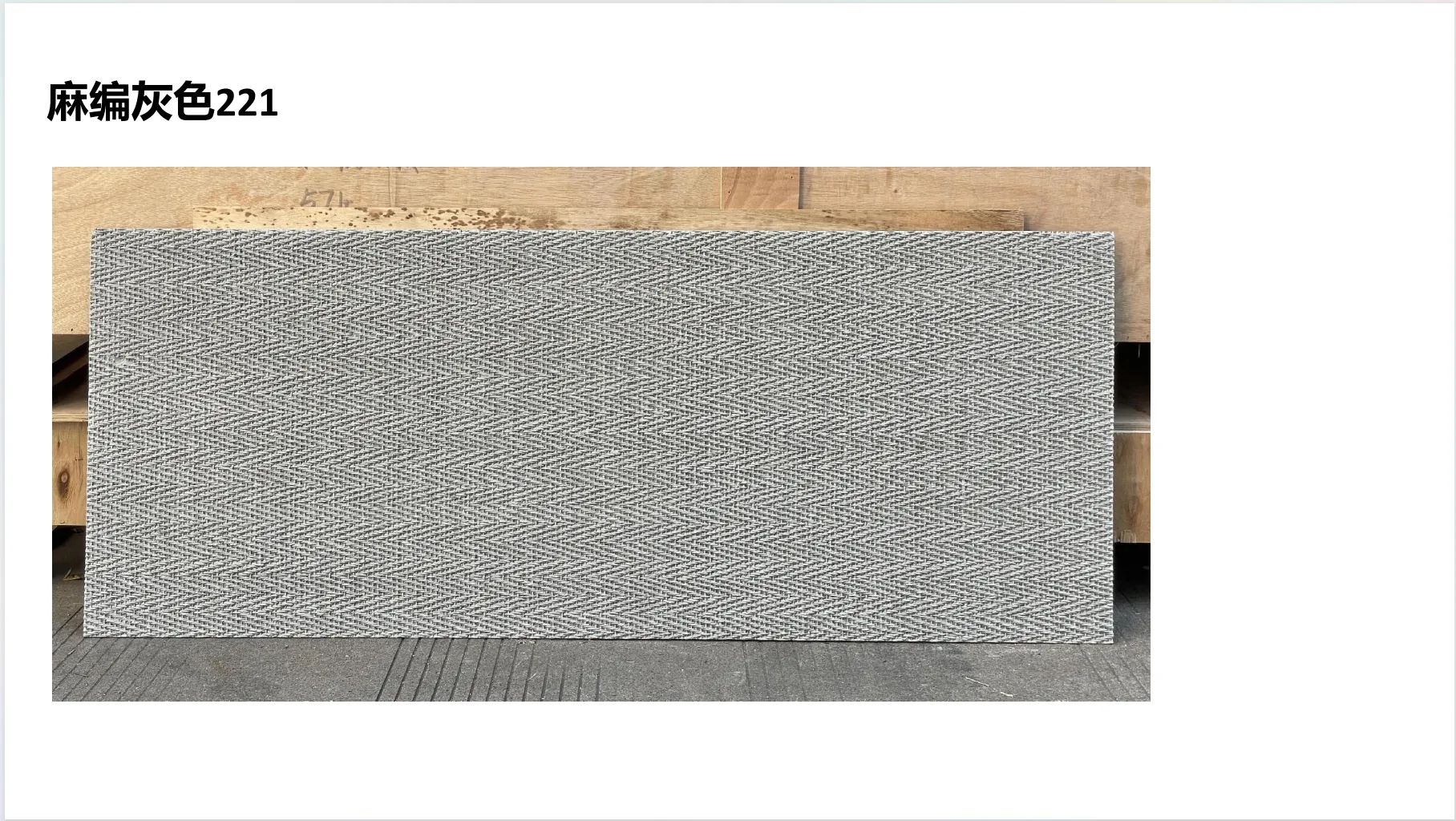
MCM isn't just another building materials brand. It's a pioneer in "human-centric design." What does that mean? Simply put: MCM materials are made to interact with people. They're not cold or sterile. They have personality. Take, for example, the weaving (beige) panels. Run your hand over them, and you'll feel the soft, interlaced texture—reminiscent of handwoven textiles passed down through generations. It's a texture that evokes warmth, comfort, and a subtle nod to heritage—qualities that resonate deeply in Saudi culture, where family, tradition, and craftsmanship are held dear.
But MCM's magic lies in balance. Their materials are as durable as they are beautiful. MCM flexible stone , for instance, offers the timeless look of natural stone but with the flexibility to bend around curves, wrap columns, or climb walls—making it ideal for retail spaces where architects want to push creative boundaries without sacrificing practicality. And then there's the MCM big slab board series : large-format panels that minimize seams, creating a seamless, immersive backdrop that draws the eye and makes spaces feel larger, more cohesive. In a retail world where first impressions last seconds, these details matter.
To understand the impact of weaving real photos , let's step into Nur Mall, a mid-sized shopping center in north Riyadh that reopened in 2024 after a $20 million renovation. The mall's design brief was clear: "Create a space that feels like a 'third place'—not just a place to shop, but a place to gather." The design team, led by Riyadh-based firm Studio Tawasul, turned to MCM's weaving series to anchor this vision.
The mall's central atrium, once a plain concrete box, now features a 20-meter wall clad in weaving (khaki) panels. The texture—soft, earthy, and slightly matte—creates a focal point that's both striking and calming. "We wanted to avoid the 'shiny, loud' aesthetic that dominates many malls," says Lina Al-Mansoori, lead designer at Studio Tawasul. "The weaving panels add warmth without overwhelming. They make the space feel intimate, even with hundreds of people around."
But the real genius? The integration of weaving real photos within the panels. Scattered across the khaki backdrop are subtle, high-resolution images of traditional Saudi woven textiles—handwoven rugs from Asir, palm-leaf mats from the Eastern Province, and embroidered fabrics from Jeddah's historic Al-Balad district. These "photos" aren't printed; they're etched into the weaving texture, creating a layered effect that invites closer inspection. "Shoppers stop. They touch the panels. They ask, 'Is this real fabric?'" Al-Mansoori laughs. "That's the power of it—it sparks curiosity. It turns a wall into a story."
The result? Nur Mall's foot traffic has increased by 35% since the renovation, and average dwell time has jumped from 45 minutes to 1 hour and 20 minutes, according to mall management. "People aren't just passing through anymore," says mall director Khalid Al-Harthi. "They're taking selfies with the weaving wall. They're bringing their families to show them. It's become a landmark."
While weaving real photos takes center stage, it rarely works alone. The best retail designs are symphonies of materials, where each element plays a role. MCM's (product lines) are designed to harmonize, making it easy for designers to create cohesive, multi-sensory spaces. Let's explore a few standouts:
| Material | Texture & Color | Retail Application | Customer Experience Impact |
|---|---|---|---|
| Weaving (khaki) | Soft, interlaced threads; warm earthy tone | Feature walls, seating nooks, kids' zones | Evokes comfort; encourages lingering |
| Fair-faced concrete | Raw, matte finish; neutral gray | Floors, checkout counters, display bases | Adds industrial chic; balances soft textures |
| MCM flexible stone (travertine beige) | Natural stone veining; warm beige with subtle pits | Accent walls, elevator lobbies, luxury brand facades | Conveys elegance; feels premium and timeless |
| MCM big slab board series (lunar peak silvery) | Large, seamless panels; cool silver with metallic sheen | Ceilings, backdrops for high-end tech stores | Creates futuristic, immersive environments |
Take, for example, a luxury cosmetics boutique in Jeddah that paired weaving (beige) walls with fair-faced concrete shelves. The softness of the weaving balances the raw, industrial edge of the concrete, creating a space that feels both intimate and modern. "Our customers—mostly young professionals—say the store 'feels like a friend's stylish living room,'" says boutique owner Reem Al-Zahrani. "They linger, they test products longer, and our sales of high-end serums have gone up 20%."
Or consider a children's clothing store in Dammam that used MCM flexible stone (travertine starry blue) for its feature wall, paired with weaving (white) panels for the ceiling. The stone's "starry" texture—small, glittering flecks embedded in blue—sparkles like a night sky, while the white weaving softens the space, making it feel playful but not overwhelming. "Kids press their hands against the starry stone and 'count the stars,'" says store manager Amal Al-Sulaiman. "Parents love it because it keeps the kids engaged, and they end up browsing more."
At its core, retail design is about storytelling. Brands don't just sell products—they sell identities, lifestyles, and emotions. MCM's materials act as "storytelling tools," helping brands communicate who they are without saying a word. Take historical pathfinders stone , a textured panel that mimics the weathered stone of ancient Saudi trade routes. A heritage-focused café in Al-Ula used this material on its exterior walls, immediately signaling to passersby: "This isn't just a coffee shop. It's a place that honors our past."
Or gobi panel , which captures the rugged, windswept texture of the Saudi desert. A sports apparel store in Jeddah used it in its fitting rooms, creating a "desert adventure" vibe that aligns with its brand's message of resilience and exploration. "Customers say the fitting rooms make them feel 'ready to hike,'" says store designer Youssef Al-Naim. "It's subtle, but it connects the product to a lifestyle."
Even color plays a role. lunar peak silvery and lunar peak golden —metallic-hued panels with a subtle shimmer—are popular in luxury retail, where they evoke exclusivity and sophistication. Meanwhile, lime stone(beige) and bamboo mat board feel approachable and organic, making them perfect for casual, family-friendly brands. "Color and texture are the first languages we speak," says Dr. Hanaa Al-Mutairi, a consumer psychologist specializing in retail design. "Before a customer reads a sign or talks to a salesperson, they've already formed an opinion based on how the space feels. MCM's materials speak that language fluently."
As Saudi Arabia continues to invest in Vision 2030—with projects like NEOM, Qiddiya, and the Red Sea Project driving demand for world-class retail—MCM is already looking ahead. Their latest innovations include 3D printing series panels, which allow for custom, geometric textures that can be tailored to a brand's logo or theme. Imagine a sneaker store with walls that mirror the pattern of a shoe's sole, or a bookstore with 3D-printed "bookshelf" textures that invite browsing.
Sustainability is also a focus. MCM's foamed aluminium alloy board (vintage silver) and foamed aluminium alloy board (vintage gold) are made from recycled materials, appealing to eco-conscious brands and consumers. "Young Saudi shoppers—Gen Z and millennials—care deeply about sustainability," says Al-Mutairi. "They'll choose a store that uses recycled materials over one that doesn't, even if the products are similar."
And the weaving real photos series? It's evolving, too. MCM is experimenting with interactive versions, where embedded sensors can change the "photos" based on time of day or foot traffic. Imagine a wall that shifts from images of morning light over the Red Sea at dawn to starry desert skies at night—keeping the space fresh and surprising, visit after visit.
In the end, retail design is about connection. It's about making someone feel seen, valued, and eager to return. MCM's materials—from the soft embrace of weaving (khaki) to the bold statement of MCM big slab board series —don't just fill space. They create moments. Moments where a customer pauses, touches a wall, and thinks, "This place gets me."
As Saudi retail continues to grow and evolve, the brands that thrive will be those that understand this truth: materials matter. They're not just part of the design—they're part of the relationship between a brand and its customers. And with MCM leading the way, the future of retail in Saudi Arabia looks less like a transaction and more like a conversation—one texture, one story, one touch at a time.
Recommend Products












