
When it comes to crafting the perfect exterior for your building, every texture, color, and detail tells a story. In the world of MCM (Modified Composite Material) decor, two techniques stand out for their ability to transform ordinary facades into extraordinary statements: weaving real photos and digital printing. But how do they stack up? Let's dive into the heart of craftsmanship and technology to find out.
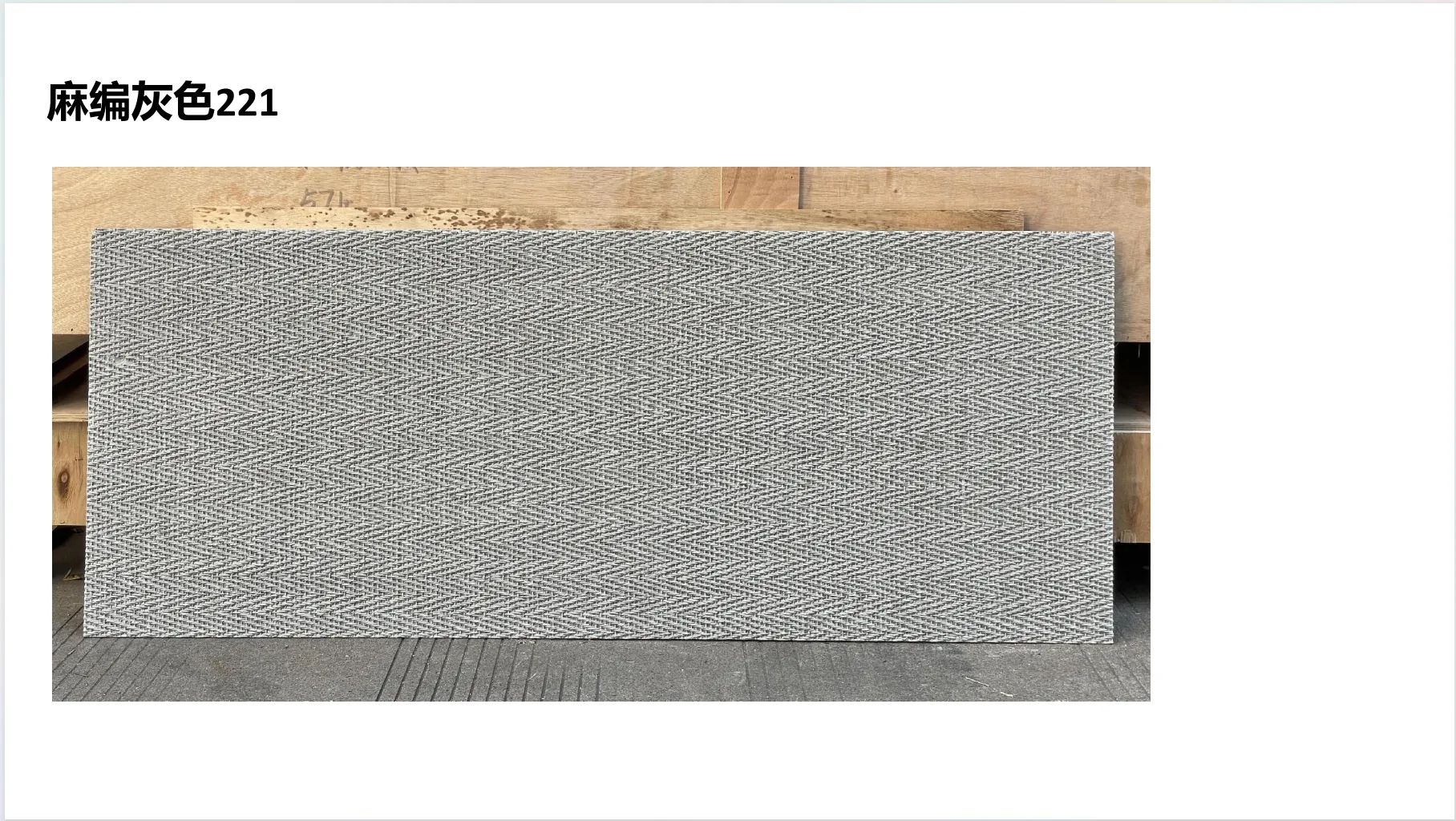
Imagine running your hand over a building's exterior and feeling the subtle ridges of woven materials, each thread or strip telling a tale of human touch. That's the magic of weaving real photos in MCM decor. This technique isn't just about "printing" a pattern—it's about physically interlacing natural or synthetic materials to create depth, warmth, and an undeniable tactile appeal.
Take bamboo mat board , for example. Craftsmen often use thin strips of bamboo, woven in intricate patterns to mimic the look of traditional mats. The result? A facade that breathes with organic energy, where light plays on the gaps between strips, casting soft shadows that shift with the sun. It's the kind of texture that makes you want to reach out and touch it, evoking memories of cozy cabins or serene Asian-inspired gardens.
Then there's weaving (khaki) , a variant that uses earthy, muted tones to add rustic charm. Picture a café exterior wrapped in this material: the khaki threads blend with wooden accents, creating a space that feels welcoming and lived-in, as if it's been part of the neighborhood for decades. Weaving real photos thrives on imperfection—the slight irregularities in the weave, the natural variation in material color—all of which add character that can't be replicated by a machine.
But this beauty comes with a trade-off: time and labor. Weaving real photos is often a hands-on process, requiring skilled artisans to arrange each element with care. It's not about mass production; it's about creating something unique, where each panel carries the mark of its maker. For projects that prioritize craftsmanship, nostalgia, or a connection to nature, this technique is unparalleled.
Now, step into the realm of digital printing—a technology that turns pixels into reality with stunning accuracy. In MCM decor, digital printing uses high-resolution printers to apply intricate designs directly onto composite panels, replicating the look of natural materials or even custom artworks with pixel-perfect precision. It's like having a painter with a million color options and zero margin for error.
Consider travertine (starry blue) , a popular choice for modern exteriors. With digital printing, MCM panels can mimic the stone's unique pitted surface, but with a twist: the "starry" effect, where tiny, iridescent specks are printed to look like distant galaxies. The result is a facade that shimmers at dusk, blending the raw beauty of travertine with a futuristic, otherworldly vibe. It's a design that would be nearly impossible to achieve with traditional weaving.
Or take fair-faced concrete , a material beloved for its industrial, minimalist aesthetic. Digital printing can replicate the rough, porous texture of concrete, right down to the subtle variations in color and the faint marks left by formwork. But unlike real concrete, MCM panels printed with this design are lightweight, easy to install, and resistant to cracking—making them ideal for high-rise buildings where durability and weight matter.
The biggest advantage of digital printing? Versatility. Want a facade that looks like lunar peak silvery , with its metallic sheen and crater-like texture? Done. Dreaming of a pattern inspired by ancient mosaics or modern street art? Digital printing can bring it to life, even on a massive scale. It's a tool for architects and designers who refuse to be limited by nature's palette—or by the constraints of physical materials.
When it comes to looks, weaving real photos and digital printing cater to different emotional responses. Weaving is all about warmth and authenticity. It's the difference between a handwritten letter and a typed email—one feels personal, the other efficient. A woven MCM exterior, like one using bamboo mat board or weaving (khaki), invites people in, creating a sense of comfort and connection to the past.
Digital printing, on the other hand, is a master of "wow factor." It can create bold, eye-catching designs that stop passersby in their tracks. Imagine a commercial building wrapped in travertine (starry red) , where the digital print makes the stone look like it's glowing from within. Or a hotel facade printed to resemble a forest at night, with digital "fireflies" twinkling across the panels. These are statements that demand attention, perfect for brands looking to stand out in a crowded cityscape.
But here's the thing: neither is "better" in terms of beauty—they're just different. Weaving real photos speaks to our desire for authenticity and craftsmanship, while digital printing fuels our love for innovation and customization. It's the choice between a vintage leather jacket and a sleek, modern coat—both stylish, but serving different moods.
Beauty is important, but an exterior decor technique is only as good as its ability to stand up to the elements. Let's break down how weaving real photos and digital printing hold up over time.
Weaving real photos, especially when using natural materials like bamboo, requires careful treatment to resist moisture, UV rays, and temperature swings. Manufacturers often coat woven panels with protective sealants to prevent fading, warping, or mold growth. Bamboo mat board, for instance, is typically treated with anti-rot chemicals, making it suitable for moderate climates. However, in areas with heavy rain or extreme humidity, woven materials may require more frequent maintenance—think occasional re-sealing or repairs to loose threads.
Digital printing, on the other hand, benefits from MCM's inherent durability. Composite panels are resistant to water, fire, and pests, and the inks used in digital printing are formulated to withstand harsh weather. UV-resistant coatings ensure that even vibrant colors like travertine (starry orange) won't fade under the sun, and the printed designs won't peel or crack over time. For coastal areas with salt spray or industrial zones with air pollution, digital printed MCM panels often outperform woven materials in terms of longevity and low maintenance.
That said, weaving real photos can surprise you. Some synthetic woven materials, like those used in foamed aluminium alloy board (vintage silver) , combine the look of weaving with the strength of metal. These panels are lightweight, corrosion-resistant, and built to last, bridging the gap between craftsmanship and durability.
So, when should you opt for weaving real photos, and when is digital printing the better bet? Let's map out the scenarios.
Choose Weaving Real Photos if… You're designing a space that needs to feel cozy, rustic, or connected to nature. Think boutique hotels with a "country chic" vibe, community centers aiming for a homey atmosphere, or heritage buildings where preserving a traditional aesthetic is key. Weaving (khaki) or bamboo mat board would shine here, adding warmth without overwhelming the design.
Choose Digital Printing if… You want bold, custom designs or need to replicate high-detail materials. Modern office buildings, tech headquarters, or retail stores looking to make a brand statement would thrive with digital prints. Imagine a startup's facade printed to look like ethereal shadow travertine , with abstract patterns that reflect the company's innovative spirit. Or a museum exterior featuring a digital reproduction of a famous artwork, turning the building itself into a canvas.
There's also a middle ground: hybrid designs. Some projects combine woven accents with digital printed panels to create depth. For example, a restaurant might use woven bamboo mat board for its entrance awning and digital-printed fair-faced concrete panels for the main facade, blending warmth and modernity.
| Factor | Weaving Real Photos | Digital Printing |
|---|---|---|
| Aesthetic | Tactile, organic, rustic charm; slight irregularities add character. | Sharp, precise, customizable; can replicate high-detail or abstract designs. |
| Durability | Good with protective coatings; natural materials may need more maintenance. | Excellent; MCM panels + UV-resistant inks withstand weather and fading. |
| Customization | Limited by material type and weaving patterns; unique but not infinitely flexible. | Virtually unlimited; any design, color, or texture can be printed. |
| Cost | Higher upfront (artisan labor); varies by material. | More cost-effective for large-scale projects; lower per-unit cost with bulk orders. |
| Best For | Rustic, natural, or heritage-inspired designs; small to medium projects. | Modern, bold, or custom designs; large-scale or high-detail projects. |
At the end of the day, there's no "winner" between weaving real photos and digital printing—only what works best for your project's unique story. Ask yourself: What emotion do I want the exterior to evoke? Is it warmth and tradition, or innovation and boldness? Do I need the texture to be tactile, or is visual impact enough?
If you're drawn to the idea of craftsmanship—of supporting artisans and creating something with a human touch—weaving real photos is the way to go. If you're excited by the possibilities of technology, of turning a wild design idea into reality with pixel-perfect precision, digital printing will be your ally.
And remember: MCM decor is all about flexibility. You don't have to choose one or the other. Mixing weaving and digital printing can create exteriors that are truly one-of-a-kind, blending the best of both worlds.
Whether you choose the organic charm of weaving real photos or the limitless potential of digital printing, the most important thing is that your MCM exterior reflects the vision behind your project. A building's facade is more than just a wall—it's a first impression, a conversation starter, and a reflection of the people or brand within.
So, embrace the technique that speaks to you. Let bamboo mat board tell a story of nature, or let digital-printed travertine (starry blue) transport visitors to another world. In the end, the best exterior decor is the one that makes people stop, look, and feel something—and both weaving real photos and digital printing have the power to do just that.
Recommend Products












