
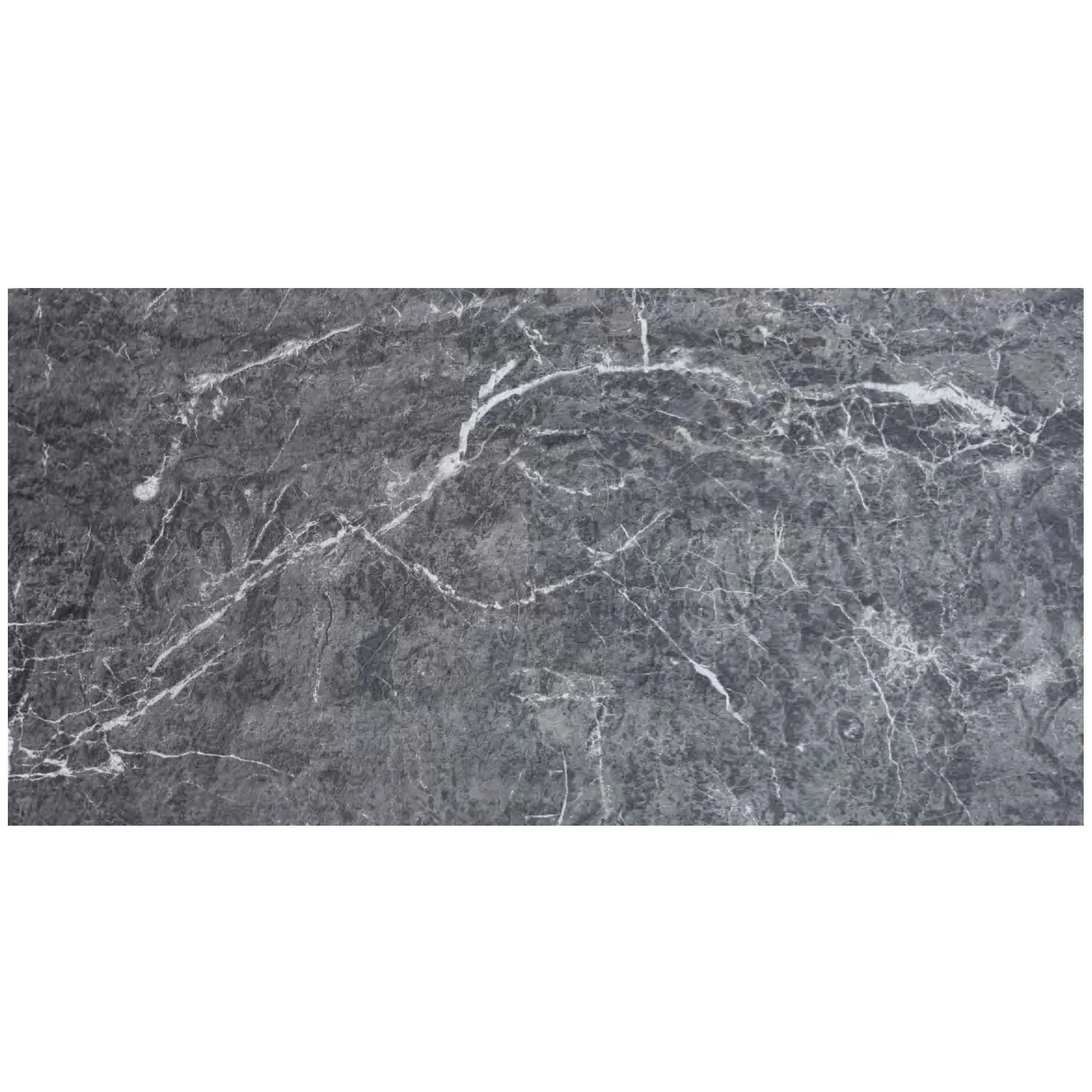
In the world of architecture, materials aren't just building blocks—they're storytellers. The right stone, panel, or composite can turn a structure from functional to unforgettable, shaping how people experience space, light, and texture. Today, we're diving into two game-changers: the timeless elegance of Granite Nero Margiua and the innovative flexibility of MCM materials. Whether you're designing a sleek urban high-rise or a cozy heritage renovation, understanding these materials might just be the key to unlocking your project's full potential.
Let's start with a material that has stood the test of time—literally. Granite Nero Margiua isn't just a stone; it's a legacy. Quarried from select sites where geological forces have spent millennia crafting its dense, crystalline structure, this black granite is known for its deep, uniform color with subtle flecks of silver and gold that catch the light like scattered stardust. Run your hand over a slab, and you'll feel the cool, polished surface that architects and designers have coveted for centuries.
What makes Nero Margiua special? For starters, its durability. Granite is one of the hardest natural stones, scoring a 6-7 on the Mohs scale—hard enough to resist scratches, heat, and even the harshest weather. That's why you'll find it gracing the facades of historic banks, the countertops of luxury hotels, and the floors of grand lobbies. It doesn't fade, it doesn't chip easily, and with minimal maintenance, it can last for generations. But it's not just about strength; it's about presence. A wall clad in Nero Margiua feels solid, grounding a space with a sense of permanence. Think of the Empire State Building's lobby or the steps of the Lincoln Memorial—stone like this doesn't just fill space; it commands it.
Yet, for all its virtues, Nero Margiua comes with trade-offs. Its density makes it heavy—very heavy. A standard slab can weigh upwards of 200 kilograms, which means structural support becomes a critical consideration. Installing it requires specialized labor and equipment, adding time and cost to projects. And while its dark hue is striking, it can also absorb heat in sunny climates, making it less ideal for exterior applications in regions with intense sunlight. Then there's the environmental impact: quarrying natural granite disrupts ecosystems, and transporting those heavy slabs leaves a significant carbon footprint. For modern architects balancing luxury with sustainability, these challenges have sparked a search for alternatives that don't compromise on aesthetics or performance.
Still, Nero Margiua endures for a reason. In projects where tradition, grandeur, and longevity are non-negotiable, it remains unparalleled. Imagine a boutique hotel in Milan, where the reception area features a Nero Margiua feature wall. As guests enter, the stone's depth contrasts with warm lighting, creating an atmosphere of understated luxury. Or a private residence in the Swiss Alps, where Nero Margiua floors withstand the wear of ski boots and winter mud, aging gracefully over decades. It's a material that tells a story of craftsmanship, of nature's artistry, and of architecture that's built to last.
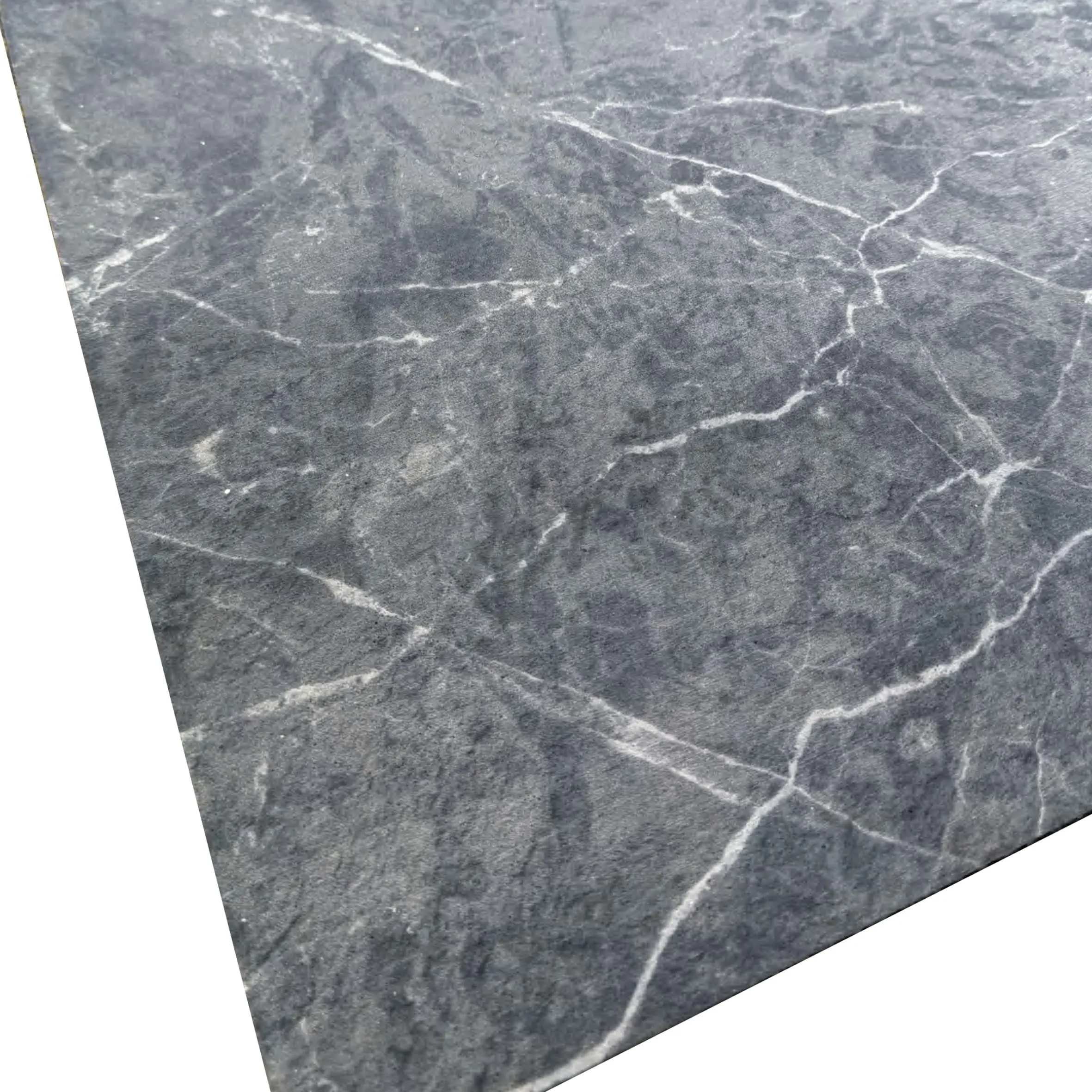
Enter MCM materials—short for Modified Composite Materials—a category that's been quietly revolutionizing how architects approach design. Born from the need to merge the beauty of natural materials with the practicality of modern engineering, MCM products are engineered composites that mimic the look and feel of stone, wood, or metal, but with a host of advantages that make them ideal for today's projects. Think of them as nature's aesthetics, reimagined for the 21st century.
At their core, MCM materials are lightweight, durable, and surprisingly versatile. They're typically made by bonding natural mineral aggregates (like stone powder or wood fibers) with high-performance polymers, creating a panel that's thin, flexible, and easy to handle. Unlike traditional stone or concrete, MCM panels can bend without breaking, cut into custom shapes, and even be curved to follow organic architectural lines. And because they're lighter—often weighing 70-80% less than natural stone—they reduce structural load, simplify installation, and lower transportation costs. For architects working on tight budgets or complex sites, that's a game-changer.
But MCM isn't a one-size-fits-all solution. The category includes a range of products tailored to specific needs, from flexible cladding to large-format slabs and even 3D-printed elements. Let's zoom in on three standouts that are reshaping project possibilities: MCM Flexible Stone, MCM Big Slab Board Series, and MCM 3D Printing Series. Each brings something unique to the table, proving that when it comes to materials, innovation doesn't have to mean sacrificing beauty.
If you've ever wished natural stone could be as adaptable as fabric, MCM Flexible Stone is your answer. This product takes the texture and color of real stone—think travertine, slate, or granite—and compresses it into a thin, bendable panel that can wrap around columns, curve over arches, or even be applied to uneven surfaces. It's like having the elegance of stone with the versatility of wallpaper, but built to last.
How does it work? The secret is in the engineering. MCM Flexible Stone starts with fine stone aggregates, which are mixed with a polymer binder and pressed into thin sheets (usually 2-4mm thick). The result is a panel that's not only lightweight (around 5-8 kg per square meter) but also resistant to moisture, UV rays, and temperature fluctuations. Unlike natural stone, it won't crack in freezing weather or fade in direct sunlight, making it suitable for both interior and exterior use. And because it's flexible, it can conform to curved surfaces that would be impossible with rigid stone slabs—imagine a circular lobby with a stone-clad ceiling that flows seamlessly into the walls, or a retail store with a wave-like facade that catches the eye from the street.
Take the example of a recent boutique hotel in Bali. The architect wanted to evoke the island's natural beauty with stone cladding but needed something lightweight to reduce the load on the building's wooden structure. MCM Flexible Stone in a "Bali Stone" finish was the solution: thin enough to install over the existing framework, flexible enough to follow the building's organic curves, and durable enough to withstand the tropical humidity. The result? A structure that feels rooted in the landscape, without the logistical headaches of traditional stone.
Sustainability is another win here. MCM Flexible Stone uses up to 80% recycled stone waste from quarrying, diverting material from landfills and reducing the need for new mining. And because it's lightweight, transportation requires fewer trucks, cutting down on carbon emissions. For architects prioritizing green building certifications like LEED or BREEAM, that's a significant plus. It's beauty with a conscience—a rare combination in the world of construction materials.
For projects that demand drama—think expansive facades, open-concept interiors, or statement walls—size matters. That's where the MCM Big Slab Board Series comes in. These large-format panels, often measuring up to 3 meters in length and 1.5 meters in width, offer the seamless, monolithic look of natural stone slabs without the weight or installation challenges. It's grand design, simplified.
Traditional large stone slabs are notoriously difficult to work with. They're heavy, prone to cracking during transport, and require cranes and specialized teams to install. MCM Big Slabs, by contrast, are lightweight (around 12-15 kg per square meter) and rigid enough to maintain their shape, but still easy to handle. They can be installed using simple mechanical fasteners or adhesive, reducing labor time by up to 50% compared to natural stone. For a commercial project with tight deadlines, that's not just a convenience—it's a critical advantage.
But it's not just about practicality; it's about aesthetics. MCM Big Slabs come in a range of finishes that mimic everything from polished marble to rough-hewn granite, allowing architects to create cohesive, uninterrupted surfaces. Imagine a corporate headquarters with a facade clad in MCM Big Slab in "Lunar Peak Silvery"—a finish that shimmers like moonlight, turning the building into a beacon at night. Or a museum lobby with floor-to-ceiling slabs in "Travertine (Starry Blue)," where the stone's subtle veining creates the illusion of a starry sky frozen in time. With fewer seams and joints, these slabs create a sense of spaciousness and continuity that smaller panels simply can't match.
Durability is another highlight. MCM Big Slabs are engineered to resist impact, staining, and weathering, making them ideal for high-traffic areas or exterior use. A shopping mall in Dubai, for instance, used MCM Big Slab in "Rust Square Line Stone" for its food court floors. Despite daily spills, foot traffic, and cleaning, the panels have retained their warm, earthy texture for years—no chips, no fading, just consistent beauty. And because they're low-maintenance (a quick wipe with mild soap is usually enough), they reduce long-term upkeep costs, a detail that clients appreciate just as much as architects do.
Innovation in architecture often starts with the ability to turn bold ideas into reality. That's where MCM 3D Printing Series steps in, pushing the boundaries of what's possible with cladding and decorative elements. Using advanced 3D printing technology, these MCM products allow architects to create custom textures, patterns, and shapes that would be impossible with traditional manufacturing methods. It's design freedom, one layer at a time.
3D printing with MCM materials works by extruding a stone-polymer composite through a precision nozzle, building up layers to form intricate designs—think geometric patterns, organic textures, or even sculptural elements. The process is highly customizable: architects can upload CAD files, adjust details in real time, and produce small batches or large runs with equal ease. Unlike carved stone, which requires skilled artisans and weeks of work, 3D-printed MCM elements can be produced in days, making them perfect for projects with unique design requirements or tight timelines.
Take the example of a cultural center in Seoul, where the architect wanted the exterior to reflect the city's blend of tradition and modernity. Using MCM 3D Printing Series, they created a facade with a repeating "wave panel" pattern—gentle, flowing curves that mimic traditional Korean textiles but with a contemporary twist. The panels were printed on-site, allowing for adjustments as the design evolved, and installed in sections to minimize waste. The result? A building that feels both rooted in heritage and forward-thinking, a visual metaphor for the city itself.
But 3D-printed MCM isn't just about aesthetics; it's also about functionality. The technology allows for the integration of hidden features, like built-in drainage channels or ventilation slots, into cladding panels. A boutique winery in Napa Valley used 3D-printed MCM "thread" panels for its tasting room walls, where the intricate pattern not only adds visual interest but also helps regulate airflow, keeping the space cool and comfortable. It's design that works as hard as it looks—exactly what modern architecture demands.
Perhaps the most exciting part? 3D printing with MCM is surprisingly sustainable. The process uses only the material needed for each design, reducing waste, and the polymer binders are often recycled or bio-based. For architects committed to circular design principles, this means creating one-of-a-kind elements without leaving a heavy environmental footprint. It's innovation that respects both the planet and the power of creativity.
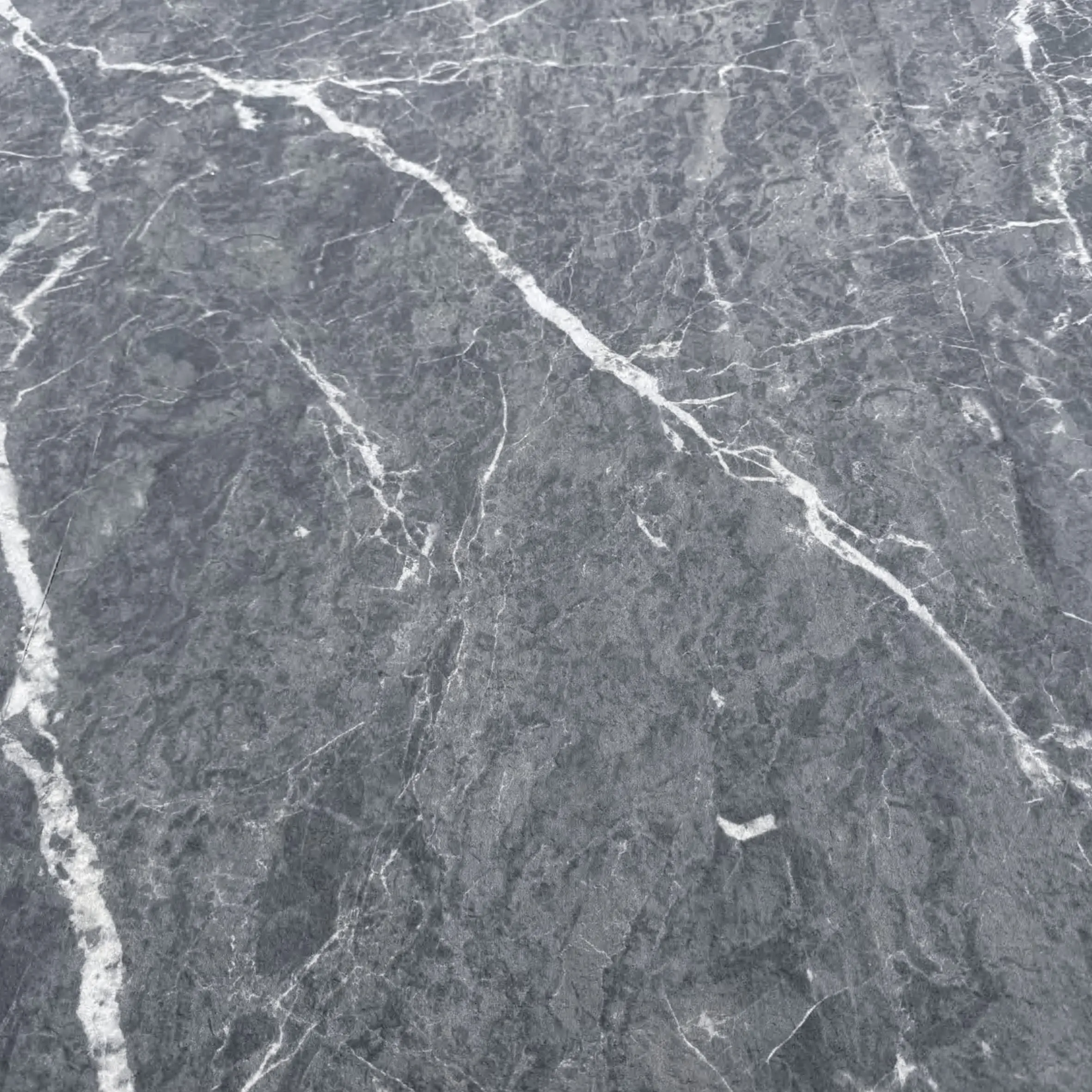
Choosing between traditional stone and modern composites can feel like weighing heritage against innovation. To help clarify the decision, let's break down how Granite Nero Margiua and MCM Flexible Stone stack up across key factors that matter to architects:
| Property | Granite Nero Margiua | MCM Flexible Stone |
|---|---|---|
| Weight | Heavy (200-250 kg/m²) | Lightweight (5-8 kg/m²) |
| Durability | High (resistant to scratches, heat; lasts centuries) | High (resistant to moisture, UV, impact; 50+ year lifespan) |
| Installation | Requires heavy machinery, specialized labor | Easy to cut, bend, and install with basic tools |
| Design Flexibility | Limited (rigid, hard to shape; standard slab sizes) | High (flexible, customizable shapes; curved surfaces possible) |
| Sustainability | High environmental impact (quarrying, transportation) | Low impact (recycled materials, lightweight transport, minimal waste) |
| Cost (Installed) | High (material + labor + structural support) | Moderate (lower material, labor, and transport costs) |
Of course, the "right" choice depends on the project. For a historic renovation where authenticity is key, Granite Nero Margiua might still be the way to go. But for a modern mixed-use development prioritizing speed, sustainability, and bold design, MCM Flexible Stone could be the smarter bet. The beauty of today's materials is that architects no longer have to choose between form and function—they can have both.
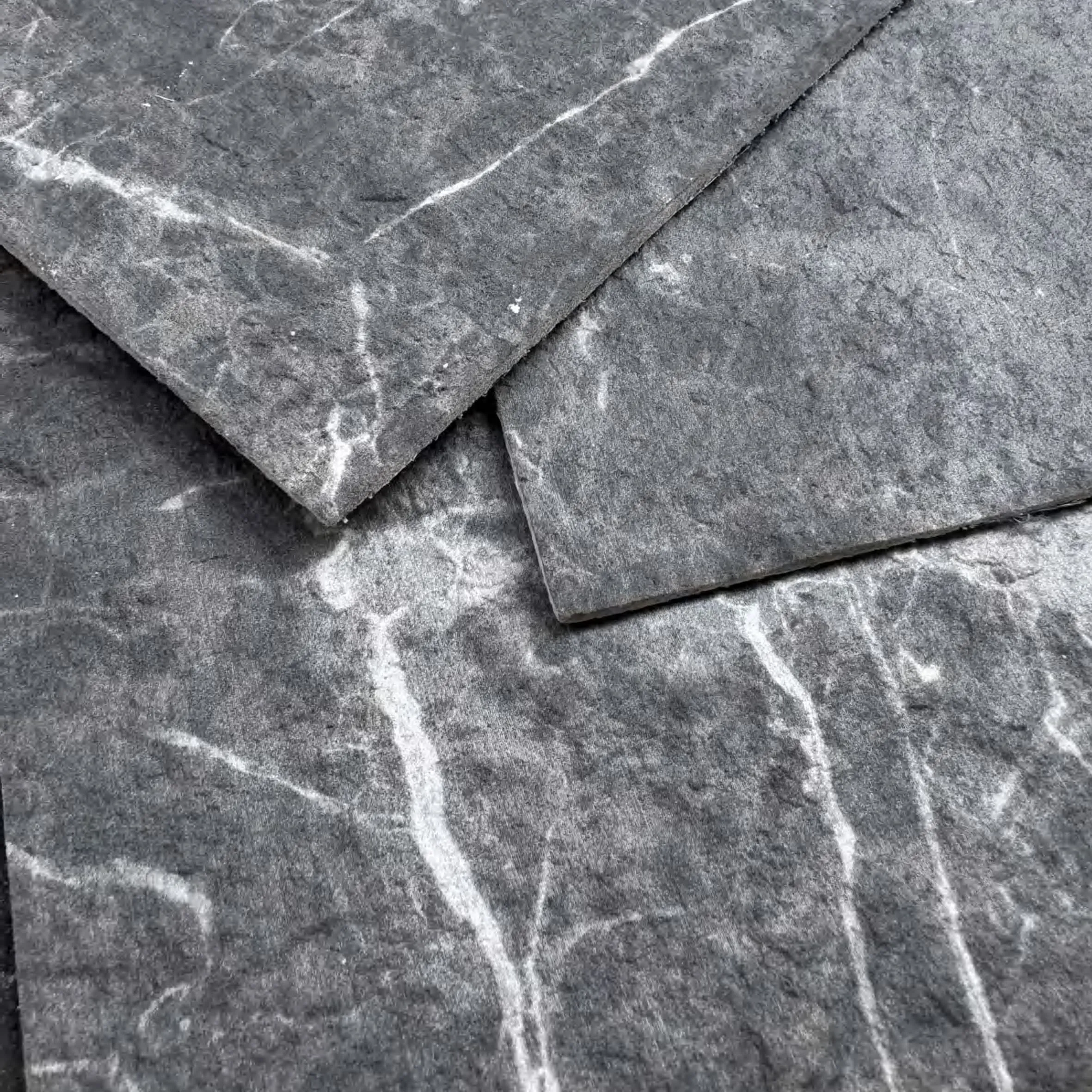
Materials don't exist in a vacuum—they come to life in the spaces we build. Let's explore how Granite Nero Margiua and MCM products have been used in real projects, showcasing their strengths and the unique stories they help tell.
In a private villa on the Amalfi Coast, the owner dreamed of a home that blended into the rugged landscape while offering modern comfort. The architect chose Granite Nero Margiua for the outdoor terrace, its dark surface contrasting beautifully with the bright Mediterranean sky and lush greenery. Indoors, MCM Flexible Stone in "Travertine (Starry Green)" was used for the kitchen backsplash—lightweight enough to install over the existing drywall, heat-resistant enough to handle cooking splatters, and with a subtle, star-like texture that adds warmth to the space. The result? A home that feels both timeless and tailored to modern living.
A tech startup in San Francisco wanted its new office to reflect its innovative spirit. The design team opted for MCM Big Slab Board Series in "Lunar Peak Silvery" for the reception area walls—large, seamless panels that create a sleek, futuristic backdrop for the company logo. For the breakout rooms, they used MCM 3D Printing Series to create custom "thread" pattern panels, adding texture and visual interest without overwhelming the space. Employees and clients alike comment on how the materials make the office feel dynamic and creative—a reflection of the company's culture.
The renovation of a 19th-century museum in Paris presented a unique challenge: preserving the building's historic facade while updating the interior for modern exhibitions. The exterior was repaired with traditional stone, including sections of Granite Nero Margiua to match the original quarry. Inside, however, the curators wanted walls that could be easily reconfigured for changing exhibits. MCM Flexible Stone in "Historical Pathfinders Stone" was the solution—its weathered, earthy texture complements the museum's heritage, while its flexibility allows for quick, tool-free installations and removals. Now, the museum can host everything from ancient artifacts to digital art, all while respecting its past.
As architecture continues to evolve, so too will the materials that shape it. The future lies not in choosing between tradition and innovation, but in blending the best of both. Granite Nero Margiua will always have a place in projects that demand timelessness and gravitas, but MCM materials are opening doors to new possibilities—greener construction, more creative designs, and buildings that adapt to the needs of their users.
One emerging trend is the integration of MCM with smart technology. Imagine MCM panels embedded with sensors that monitor temperature, humidity, or structural stress, sending data to architects and building managers in real time. Or 3D-printed MCM elements that incorporate LED lighting, turning facades into dynamic displays. The line between "material" and "system" is blurring, and MCM is at the forefront of that shift.
Sustainability will also drive innovation. MCM manufacturers are already experimenting with bio-based binders and carbon-negative production processes, aiming to create materials that not only reduce environmental impact but actively improve it. Imagine a building clad in MCM panels made from recycled ocean plastic and stone waste—beauty with a purpose. For architects, this means more than just checking a box; it means contributing to a built environment that's in harmony with the planet.
Recommend Products












