
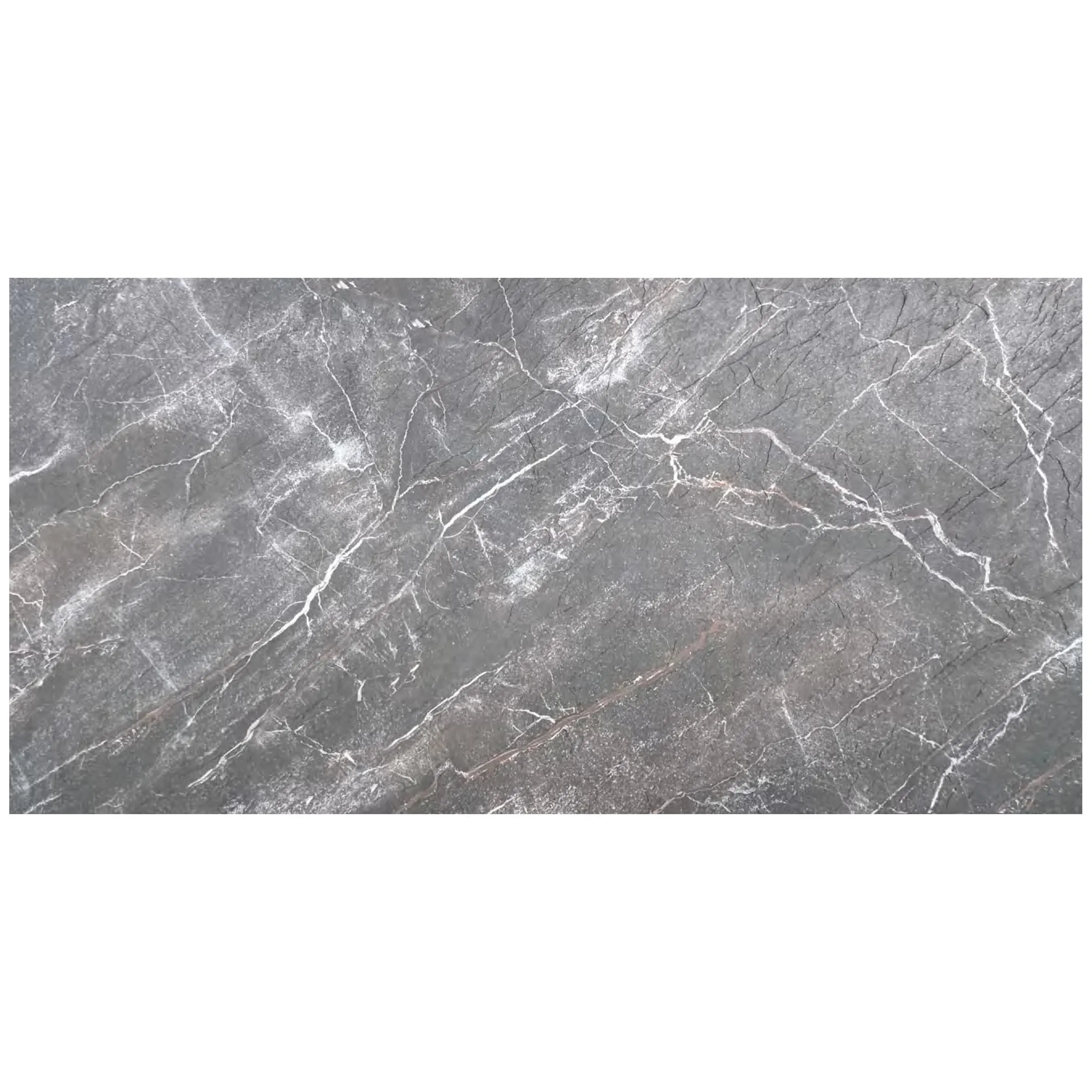
For architects, every material choice is a silent dialogue between function and beauty. It's about more than picking something that looks good—it's about ensuring that what looks good today will still perform tomorrow, that the vision on paper translates into a space that feels intentional, durable, and alive. In recent years, two materials have been sparking conversations in design circles: Slate Portoro, a stone with timeless allure, and MCM (Modified Composite Material), a modern innovation redefining flexibility in construction. But how do these two play together? Let's dive into what makes their compatibility not just a technical detail, but a design opportunity.
First, let's get up close with Slate Portoro. If natural stone had a red carpet moment, this one would be front and center. Originating from select quarries where geological forces have spent millennia crafting its pattern, Slate Portoro is instantly recognizable: a deep, almost velvety black base interlaced with veins of gold and cream that twist and turn like rivers of light. It's bold without being brash, luxurious without feeling ostentatious—a balance that's made it a favorite for high-end interiors and statement exteriors alike.
But there's more to this stone than meets the eye. Physically, it's a workhorse. With a Mohs hardness rating of 6-7, it stands up to foot traffic, weather, and the general wear and tear of busy spaces. Its low water absorption rate (typically less than 0.5%) means it resists staining, while its thermal stability ensures it won't warp or crack under extreme temperature swings. For architects designing everything from boutique hotels to corporate lobbies, these traits check critical boxes: beauty that doesn't require coddling.
Yet, like any natural material, Slate Portoro has its quirks. Its density makes it heavy—traditional slabs can weigh upwards of 200 kg per square meter—limiting where it can be used, especially in retrofits or buildings with weight restrictions. And while its veins are part of its charm, they can vary dramatically from slab to slab, making consistency a challenge for large-scale projects. This is where MCM steps in, not as a replacement, but as a collaborator.
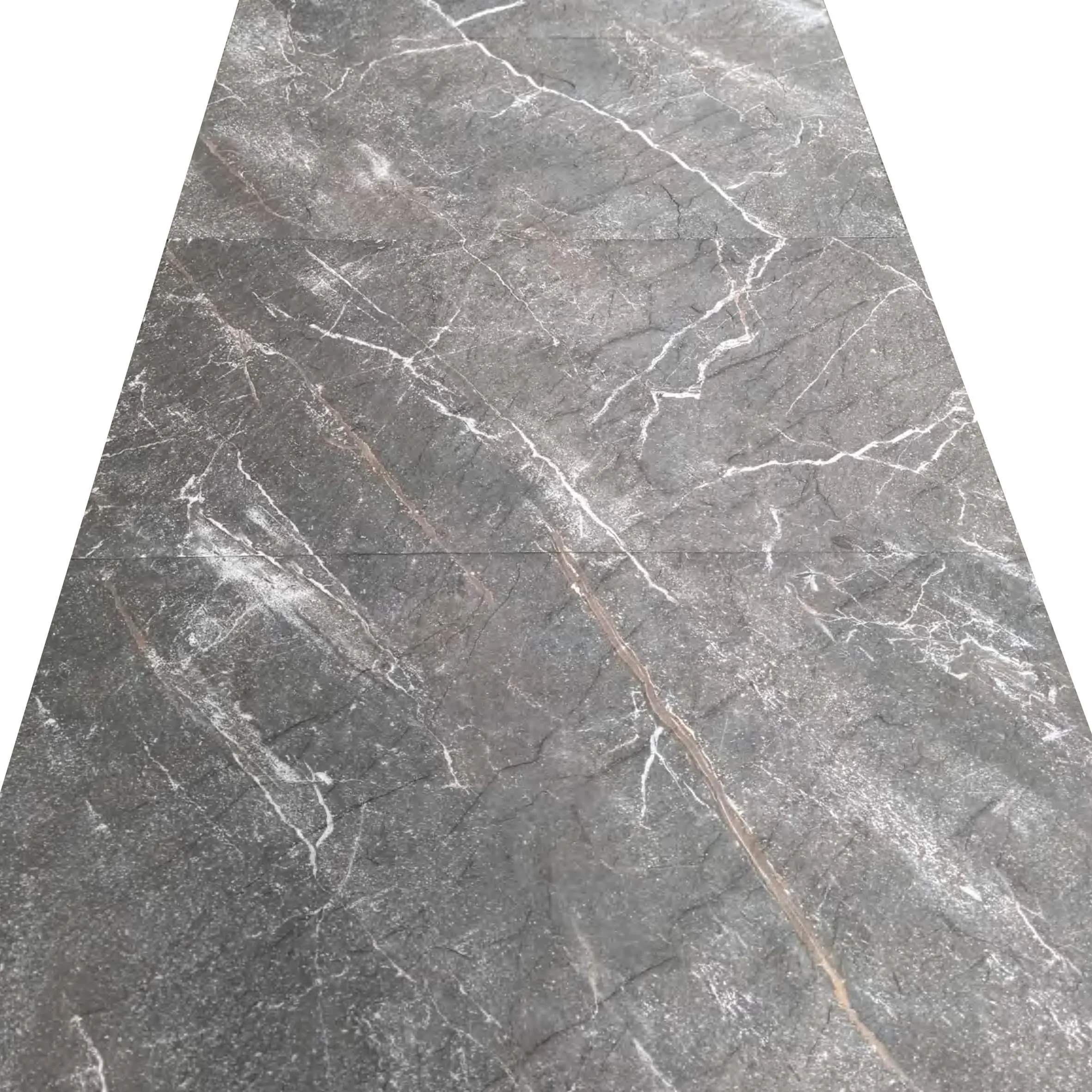
Enter MCM, short for Modified Composite Material—a category that includes innovations like MCM flexible stone and the ever-popular MCM big slab board series. At its core, MCM is a hybrid material: a thin layer of natural stone or mineral aggregates bonded to a lightweight, flexible backing (often fiberglass or aluminum). The result? A product that captures the texture and visual depth of natural materials but with a twist: it's light enough to hang from ceilings, flexible enough to curve around columns, and durable enough to withstand the elements.
Let's break down why MCM has architects buzzing. First, weight. Traditional stone slabs can be a logistical nightmare, requiring heavy machinery and reinforced structures. MCM flexible stone, by contrast, weighs in at just 3-5 kg per square meter—light enough for a two-person crew to install without specialized equipment. That's a game-changer for projects where structural limits or installation timelines are tight.
Then there's flexibility. Imagine trying to wrap a natural stone slab around a curved wall or a circular column—it would crack, plain and simple. MCM? It bends. Not like rubber, but with enough give to follow gentle curves or adhere to slightly uneven surfaces, opening up design possibilities that rigid materials can't touch. The MCM big slab board series takes this further, offering large-format panels (some up to 3 meters long) with minimal joints, creating seamless, expansive surfaces that feel both grand and cohesive.
Sustainability is another feather in MCM's cap. Because it uses a thin layer of natural material bonded to a recycled or low-impact backing, it reduces the need for quarrying large blocks of stone, cutting down on waste and environmental impact. For architects prioritizing green building certifications (LEED, BREEAM), that's a significant plus.
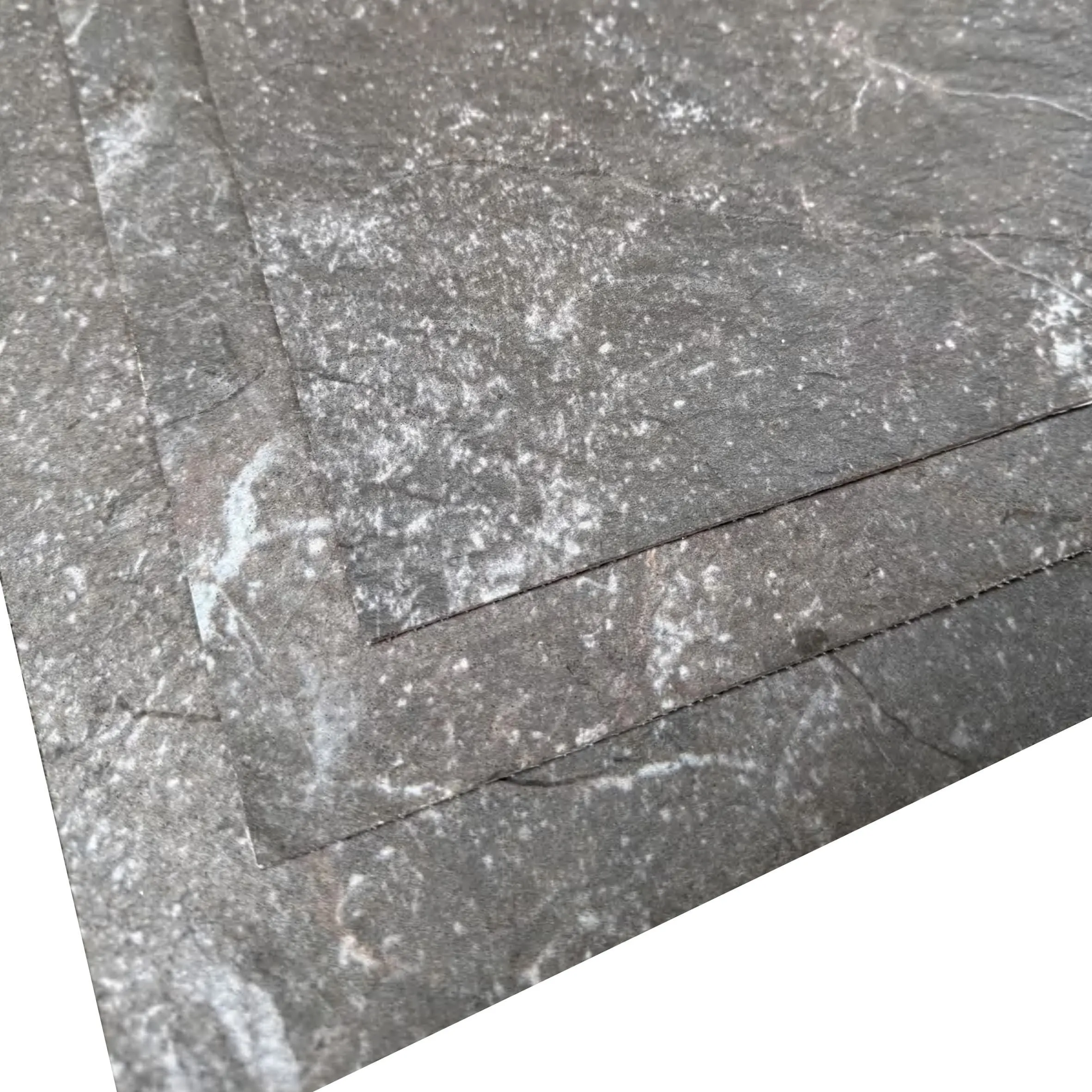
Now, the heart of the matter: compatibility. What happens when you pair the bold elegance of Slate Portoro with the versatility of MCM? Magic, if done right. Let's start with performance—because even the most beautiful pairing falls flat if it can't stand the test of time.
| Property | Slate Portoro | MCM Flexible Stone | Compatibility Notes |
|---|---|---|---|
| Density | 2.6-2.8 g/cm³ (heavy) | 0.8-1.2 g/cm³ (lightweight) | MCM reduces structural load when paired with Slate Portoro accents. |
| Flexural Strength | 15-20 MPa (rigid, prone to cracking under stress) | ≥25 MPa (flexible, resists cracking) | MCM compensates for Slate Portoro's brittleness in curved applications. |
| Water Absorption | ≤0.5% (low) | ≤0.3% (very low) | Both resist moisture, making them suitable for humid or exterior use. |
| Color Retention | Excellent (natural stone stability) | Excellent (UV-resistant pigments) | Minimal fading ensures long-term aesthetic consistency. |
| Installation | Requires heavy machinery, reinforced substrate | Lightweight, adhesive-applied, minimal substrate prep | Combination allows for efficient installation of mixed materials. |
Looking at the table, you can see where their strengths overlap and complement. Slate Portoro brings the natural depth and luxury of authentic stone, while MCM brings the practicality—light weight, flexibility, ease of installation. Together, they solve a common architect's dilemma: how to have the beauty of natural stone without the headaches of its limitations.
Aesthetically, the pairing is equally compelling. Slate Portoro's rich, dark background and gold veins create a high-contrast focal point. MCM, with its ability to mimic not just stone but also materials like wood grain board or fair-faced concrete, can act as a neutral backdrop, letting the Slate Portoro shine. For example, imagine a lobby with a Slate Portoro feature wall flanked by MCM panels finished in a soft wood grain—warm, sophisticated, and balanced. The MCM doesn't compete; it elevates.
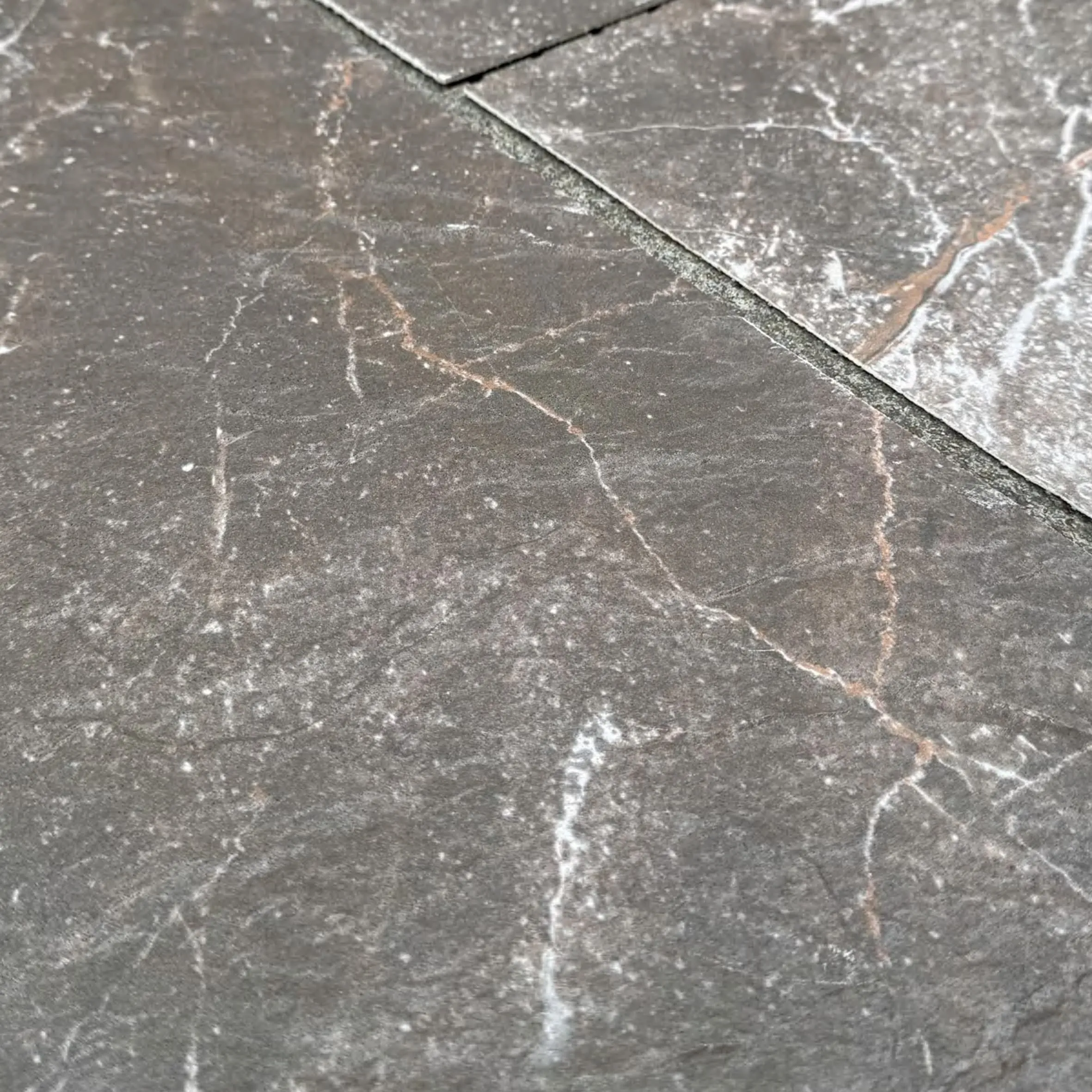
When the design team at Studio Arquitectura was tasked with renovating the Azure Boutique Hotel, they faced a challenge: the historic building had strict weight restrictions, but the client wanted a lobby that felt "opulent yet approachable." Their solution? A mix of Slate Portoro and MCM flexible stone.
The focal point is a curved reception desk wrapped in MCM panels that mimic Slate Portoro's veining—lightweight enough to meet structural limits, yet indistinguishable from the real stone to the eye. Behind the desk, a feature wall uses genuine Slate Portoro slabs for the lower half (where weight was manageable) and MCM big slab boards above, creating a seamless transition that tricks the eye into seeing one continuous material. The result? A lobby that feels grand without overwhelming the space, and a client who was thrilled with both the look and the budget-friendly installation.
Another example: a corporate headquarters in Singapore, where the architect wanted to blend industrial edge with luxury. They used Slate Portoro for the elevator vestibule floors (high traffic, high impact) and MCM flexible stone in a wood grain finish for the walls, creating a contrast that's both bold and warm. The MCM's flexibility allowed it to follow the vestibule's curved corners, while the Slate Portoro added a touch of gravitas—proof that the pairing works in both high-end and contemporary settings.
It's not just about interiors, either. Exteriors benefit too. Imagine a restaurant with an outdoor patio: Slate Portoro for the dining counters (resistant to spills and weather) and MCM panels in a matching finish for the overhead pergola beams (light enough to hang without heavy supports). Together, they create a cohesive look that transitions seamlessly from indoors to out.
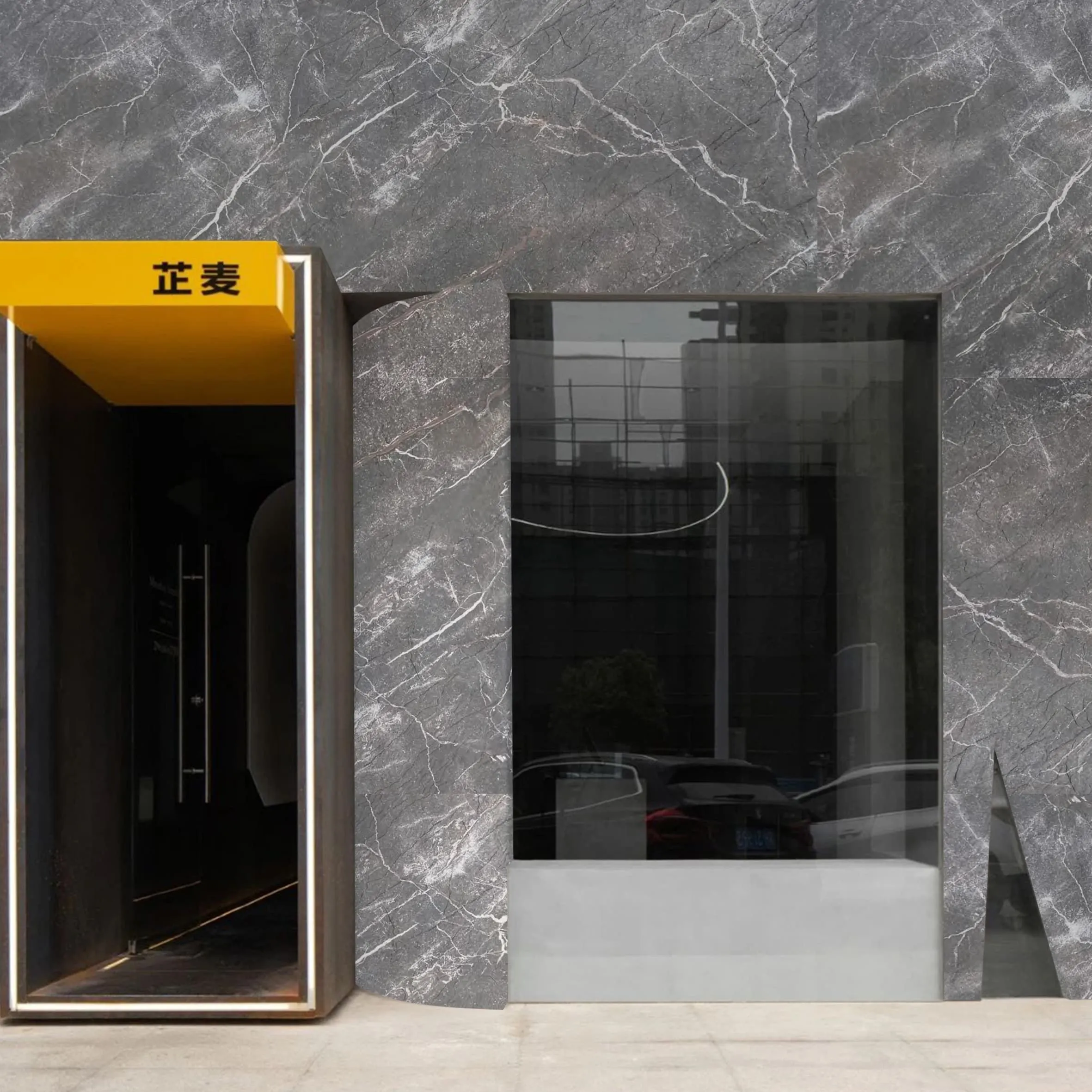
While Slate Portoro and MCM are stars on their own, they play well with others, too. Take fair-faced concrete, for instance—a material celebrated for its raw, industrial charm. Pairing Slate Portoro's luxury with fair-faced concrete's simplicity creates a striking contrast, like a tailored suit with a leather jacket. MCM can bridge the gap here, with panels finished to mimic concrete or wood, softening the edges between the two.
Wood grain board is another complementary option. The warmth of wood (or MCM panels designed to look like wood) balances Slate Portoro's cool, dramatic tones, making spaces feel inviting rather than imposing. In a residential project, for example, Slate Portoro countertops paired with MCM wood grain backsplashes create a kitchen that's both sophisticated and livable.
At the end of the day, architecture is about solving problems—beautifully. Slate Portoro and MCM compatibility isn't just a technical detail; it's a solution to the age-old tension between form and function. It lets architects have their cake and eat it too: the luxury of natural stone without the weight, the flexibility of modern materials without sacrificing authenticity.
For architects, understanding this pairing means more than adding two materials to their toolkit. It means unlocking new design possibilities—curved walls that were once impossible, large-scale installations that stay within budget, spaces that feel both timeless and cutting-edge. It means creating buildings that don't just stand there, but tell a story: of tradition and innovation, of strength and adaptability, of beauty that works as hard as it looks.
So the next time you're sketching out a project, consider Slate Portoro and MCM. Not as separate choices, but as collaborators. Because in the world of architecture, the best designs aren't just built—they're crafted, with every material playing its part.
Recommend Products












