
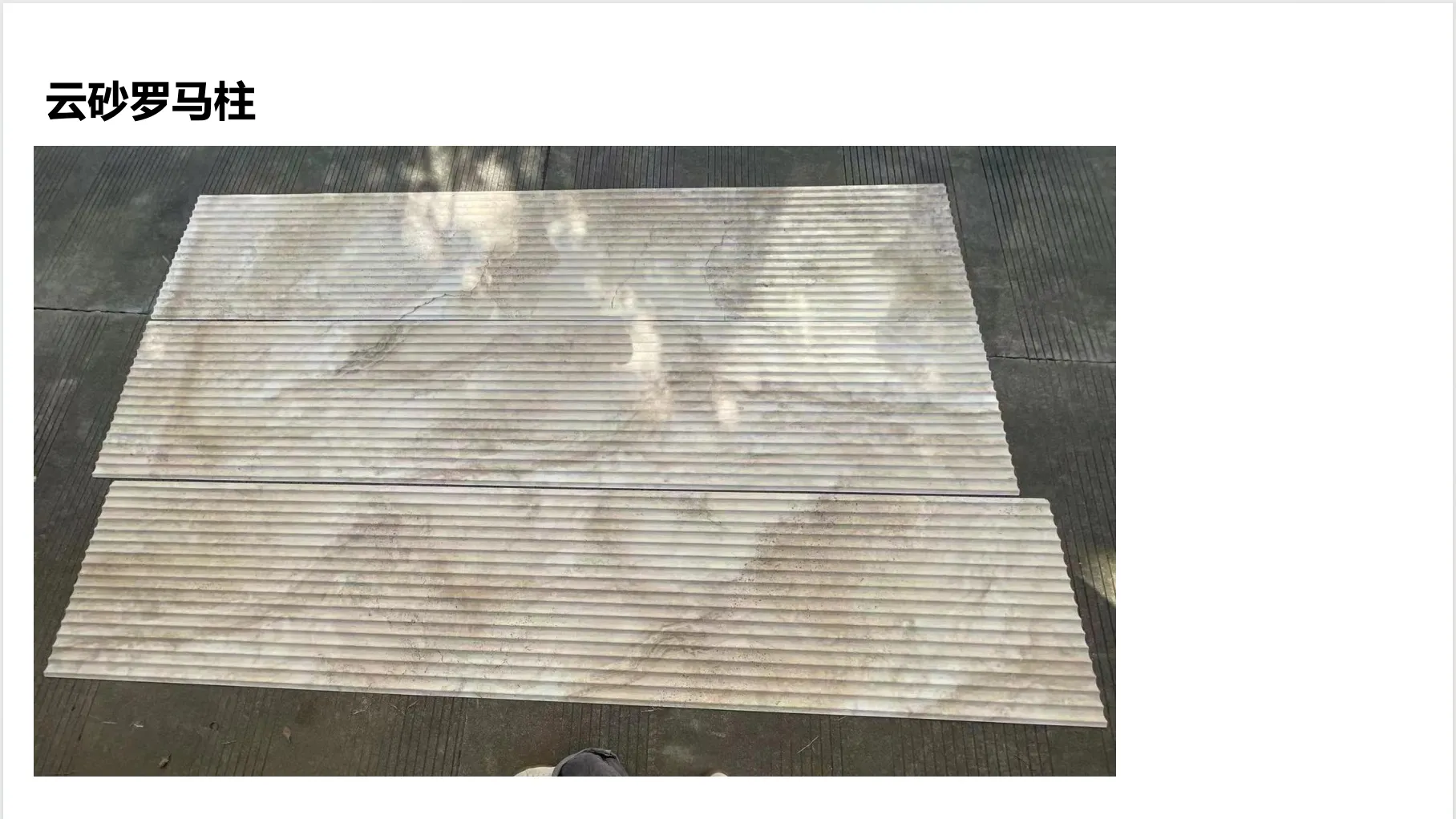
In the world of design, where first impressions are often visual, the power of a photograph to tell a story, evoke emotion, and inspire decisions cannot be overstated. When it comes to timeless elements like marble pillars—symbols of elegance, strength, and architectural heritage—authentic visuals become even more critical. "Marble pillar real photos" are more than just images; they are windows into texture, color, and character, offering designers, architects, and homeowners an unfiltered look at how these stone giants will transform a space. In this guide, we'll dive deep into what these real photos are, why they matter, and how they shape the way we experience design.
Let's start with the basics: marble pillar real photos are high-quality, unembellished images that capture marble pillars in their truest form. Unlike stock photos that may be heavily edited, staged, or generic, these photos prioritize authenticity. They show the stone's natural veining, subtle color variations, surface texture (whether polished to a mirror shine or honed to a soft matte), and even the way light interacts with its surface at different times of day. Think of them as a "texture passport"—a way to feel the coolness of the marble, trace the flow of its veins, and imagine how it will age and evolve over years in a space.
But why does "real" matter here? Imagine scrolling through a catalog and seeing a marble pillar photo that looks flawless—bright white with perfectly symmetrical gray veins. You fall in love, order the material, and when it arrives, the veins are uneven, the color leans more cream than white, and there's a tiny pit (a natural feature of marble) that wasn't visible in the image. Disappointment sets in, and suddenly, your design vision feels derailed. Real photos prevent this disconnect. They embrace the stone's imperfections as part of its beauty, ensuring that what you see is what you get.
These photos are often taken in real-world settings: a hotel lobby where the pillar stands tall beside a wood grain board reception desk, a residential entryway where it's flanked by fair-faced concrete walls, or a historic building renovation where it complements weathered stone. They might show the pillar from multiple angles—close-ups of the veining, wide shots of its full height, even details like how it meets the floor or ceiling. This context is gold for anyone trying to visualize the pillar in their own space.
Taking a marble pillar real photo isn't just pointing a camera and clicking. It's a deliberate process that balances technical skill with an eye for detail. Professional photographers who specialize in architectural stone know that lighting is everything. Harsh flash can wash out texture; too little light can make the marble look dull. Instead, they often use natural light—soft morning rays to highlight warmth, afternoon sun to emphasize depth—or diffused artificial light to mimic how the pillar will look in a typical room.
Another key element is context . A marble pillar doesn't exist in a vacuum, so real photos rarely show it in isolation. They might include snippets of the surrounding space: a snippet of wood grain board flooring to show contrast, a glimpse of fair-faced concrete to highlight industrial-chic pairing, or even a person standing next to it to give a sense of scale. This helps viewers answer the question, "How will this fit in my 8-foot ceiling?" or "Will it overpower my small foyer?"
Texture is also front and center. A great real photo lets you almost feel the marble's surface through the screen. If the pillar is polished, the photo will capture its reflective quality—maybe a faint reflection of a window or a nearby plant. If it's honed, you'll see the soft, velvety finish that hides fingerprints better than polished stone. Even tiny details, like a hairline crack (natural, not structural) or a cluster of small pits (common in travertine-based marbles), are left in. These "flaws" tell the story of the stone's formation over millions of years, making it feel alive and unique.
Not all marble pillar photos are created equal. To be truly useful, they need to check several boxes. Here's what to look for when evaluating whether a photo is "real" and reliable:
One quick test: If the photo looks like it could be on the cover of a glossy magazine with perfect lighting and zero flaws, it's probably not a "real" photo. Real photos have a lived-in quality—they feel like a sneak peek into a space that's already being enjoyed, not a set that's been disassembled after the shoot.
Design is a collaborative process, and visuals are the bridge between an idea and execution. Marble pillar real photos act as that bridge, making abstract concepts tangible. Let's break down how they add value at every stage of a project:
Imagine presenting a concept to a client: "We'll use a marble pillar here to create a grand entrance." The client nods, but they're probably picturing a generic "marble pillar" in their head—maybe something from a palace in a movie. Now, show them a real photo of a marble stream stone pillar, with its flowing, river-like veins, standing next to a wood grain board bench. Suddenly, they can see it: the way the stone's movement echoes the organic warmth of the wood, the light bouncing off its polished surface, the scale relative to the bench. The vision becomes concrete, and the client is more likely to say, "Yes, that's exactly what I want."
Homeowners often feel overwhelmed when choosing materials. There are so many marble types— marble interstellar gray with its cosmic veining, marble stream stone with its fluid patterns, marble concrete board (a modern hybrid that blends marble dust with concrete for durability)—and each looks different in person. Real photos take the guesswork out. A homeowner can compare two options side by side: "I love the drama of marble interstellar gray , but will it clash with my fair-faced concrete walls?" A real photo of that exact pairing answers the question instantly.
Contractors rely on real photos to understand the designer's vision. If a photo shows a marble stream stone pillar with a honed finish (matte) and a specific base detail (like a square plinth), the contractor knows exactly what to source and install. No more back-and-forth: "Did you want polished or honed?" The photo speaks for itself.
Marble is a diverse family, and real photos celebrate that diversity. Let's explore some of the most sought-after variants and what makes their real photos so compelling:
If marble had a "romantic" variant, it would be marble stream stone . Its veins look like rivers frozen in time—soft, meandering, and full of movement. Real photos of marble stream stone pillars often highlight this flow, with close-ups that make you want to trace the veins with your finger. They might show the stone in a bathroom, where its watery patterns complement a freestanding tub, or in a dining room, where it adds a touch of serenity next to a wood grain board table. The photos often play up the stone's versatility: polished for a formal look, honed for a spa-like vibe.
For those who love modern, dramatic design, marble interstellar gray is a showstopper. Its base is a deep, moody gray, with veins that look like starry night skies—swirls of white, silver, and even faint gold. Real photos of interstellar gray pillars are all about contrast: they might pair the stone with fair-faced concrete walls for an industrial-chic feel or with brass fixtures to accentuate the gold veins. Close-up shots reveal the depth of the gray, showing how it shifts from almost black in shadow to a softer charcoal in light. These photos often have a cinematic quality, making the pillar feel like a focal point in a high-end hotel lobby or a luxury penthouse.
Not all marble pillars are pure marble. Marble concrete board is a modern twist: marble dust mixed with concrete to create a material that's durable, lightweight, and full of character. Real photos of these pillars highlight their unique texture—a blend of marble's elegance and concrete's raw, industrial edge. They might show the board used in a minimalist home, where its muted tones (often gray or beige) complement wood grain board flooring, or in a commercial space like a café, where it adds warmth without feeling too precious. The photos often focus on the surface finish, which can range from smooth to slightly rough, emphasizing its hybrid nature.
Marble pillars rarely stand alone, and real photos love to showcase their supporting cast. Fair-faced concrete , with its raw, unplastered look, is a favorite companion—it adds contrast to marble's refinement, creating a balanced, modern aesthetic. Real photos might show a marble pillar flanked by fair-faced concrete walls, the cool gray of the concrete making the marble's veining pop. Wood grain board is another staple, bringing warmth and texture that softens marble's coolness. A photo of a marble pillar next to a wood grain board bookshelf, for example, tells a story of balance—strength and warmth, old and new.
| Marble Variant | Key Visual Features | Best For | Complementary Materials |
|---|---|---|---|
| Marble Stream Stone | Soft, flowing veins; light to medium base colors (white, cream, light gray) | Bathrooms, bedrooms, spaces needing serenity | Wood grain board, light-toned tiles |
| Marble Interstellar Gray | Deep gray base with star-like white/silver/gold veins | Lobbies, dining rooms, modern spaces | Fair-faced concrete, brass fixtures |
| Marble Concrete Board | Marble dust + concrete; matte to slightly rough texture | Commercial spaces, minimalist homes | Steel accents, wood grain board |
Marble pillars are versatile, and their real photos reflect that. Let's explore how these images inspire design in different spaces:
In homes, marble pillars often serve as focal points. A real photo of a marble stream stone pillar in an entryway might show it paired with a wood grain board console table, immediately setting a welcoming, elegant tone. For homeowners considering a fireplace, real photos of marble pillars flanking the hearth can help them choose between polished marble interstellar gray (dramatic) or honed marble stream stone (cozy). Even in smaller spaces, like a powder room, a slim marble pillar (captured in a real photo next to a mirror) can add luxury without overwhelming the room.
Hotels, restaurants, and offices use marble pillars to communicate their brand personality. A boutique hotel going for "timeless luxury" might feature real photos of marble interstellar gray pillars in its lobby, paired with fair-faced concrete and gold accents. A casual café aiming for "rustic elegance" could use marble concrete board pillars shown in real photos next to wood grain board walls and pendant lights. These photos don't just show the pillars—they tell potential customers, "This is the experience we offer."
Restoring a historic building? Real photos of marble pillars are invaluable here. They can match the original stone's color and veining, ensuring the renovation stays true to the structure's heritage. For example, a 19th-century courthouse might need pillars that look weathered but grand; real photos of aged marble (with subtle discoloration and worn edges) would guide the restoration team. These photos become a bridge between past and present, honoring history while ensuring the pillars meet modern structural standards.
With so many options out there, how do you pick the real photos that will best serve your project? Here are some practical tips:
And remember: Real photos are a tool, but they're not the only tool. If possible, request a sample of the marble itself. Hold it next to your wood grain board or fair-faced concrete samples, and see how the colors and textures play together in your own space's light. The photo will have prepared you for what to expect, making the sample feel like a familiar friend.
Marble pillars have stood the test of time, gracing temples, palaces, and homes for centuries. In today's fast-paced design world, where trends come and go, their appeal lies in their authenticity—their connection to nature, their unique stories, and their ability to add warmth and elegance to any space. Marble pillar real photos are the keepers of that authenticity. They don't just show us a stone; they show us a partner in design, a material that will grow with our spaces and tell our stories for years to come.
Whether you're a designer pitching a vision, a homeowner building a dream home, or a contractor bringing a project to life, these photos are more than images—they're promises. Promises that the marble pillar you choose will be as beautiful, unique, and full of character as the photo that first captured your heart. So the next time you're scrolling through marble options, take a moment to appreciate the real photos. They're not just selling a product; they're inviting you to imagine a space that feels true, timeless, and uniquely yours.
Recommend Products












