
Choosing the right building materials for your home or commercial space can feel like solving a puzzle—one where every piece needs to fit perfectly, balancing aesthetics, durability, and practicality. In recent years, two names have popped up repeatedly in conversations with designers, contractors, and homeowners alike: MCM (Modified Composite Material) and poly wood board. Both promise to deliver on style and function, but if you've ever found yourself torn between them, you're not alone. Today, let's dive into why MCM, especially options like MCM flexible stone, is quickly becoming the go-to choice for those who refuse to compromise. We'll break down the benefits, compare key features, and even touch on how complementary materials like foamed aluminium alloy board (vintage silver) and fair-faced concrete play into MCM's versatility. Spoiler: By the end, you might just find yourself rethinking your next project's material list.
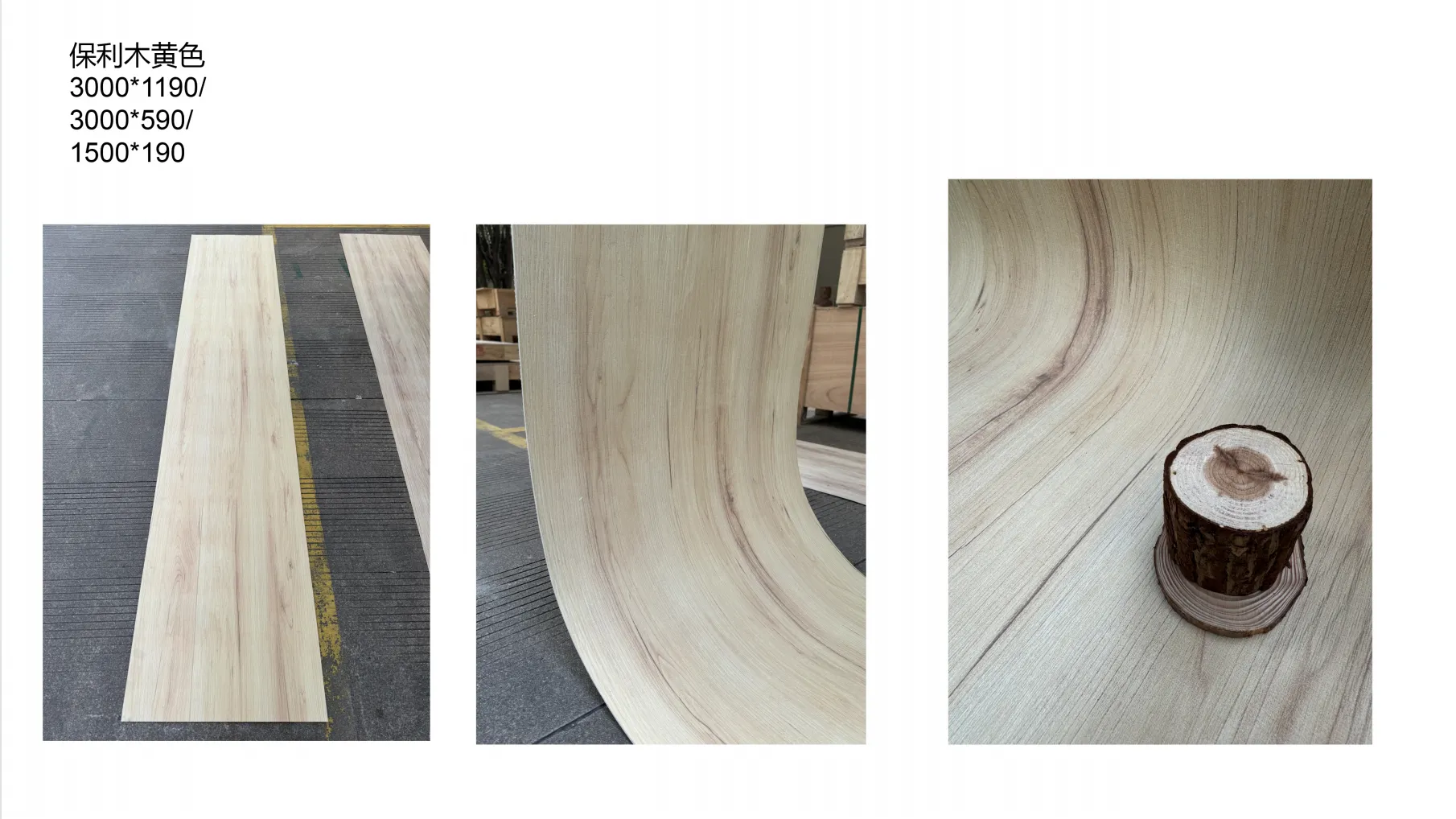
Before we jump into the "why," let's make sure we're on the same page about the "what." Poly wood board, as the name suggests, is a blend of wood fibers and plastic polymers. It's marketed as a low-maintenance alternative to real wood, resistant to rot and pests—sounds great, right? But here's the catch: that plastic content can come with hidden downsides, which we'll get to later. MCM, on the other hand, is a game-changer. Short for Modified Composite Material, it's an engineered material that combines natural minerals, resins, and advanced composites to mimic the look and texture of natural materials (think stone, wood, metal) while packing in supercharged performance. Take MCM flexible stone, for example—it's thin, lightweight, and surprisingly bendable, making it adaptable to curved surfaces, uneven walls, and even outdoor spaces where traditional stone would crack or crumble. And that's just the start.
Let's talk about the elephant in the room: how well a material holds up over time. Whether you're installing panels on a backyard patio, a restaurant facade, or a bathroom wall, durability isn't just a nice-to-have—it's a must. Poly wood board, for all its marketing claims, has a Achilles' heel: moisture. Sure, it resists rot better than real wood, but prolonged exposure to rain, humidity, or even splashes in a kitchen can cause it to warp, fade, or develop mold. I've heard horror stories from homeowners who installed poly wood decking only to replace it after five years because the boards started to bow and discolor under the sun. MCM, though? It laughs in the face of moisture. MCM flexible stone, for instance, is non-porous, meaning water beads right off it. It doesn't absorb humidity, so you won't have to worry about swelling or mold in damp basements or coastal homes. And when it comes to impact resistance? Imagine a stray baseball hitting your exterior wall—with poly wood, you might get a dent; with MCM, it's more likely to bounce off without a scratch. That's because MCM's composite structure is designed to flex slightly on impact, absorbing energy instead of cracking. Even harsh weather—blistering heat, freezing winters, salty coastal air—barely phases it. I visited a beach house in Florida last year that had MCM panels installed over a decade ago, and they looked as crisp and vibrant as the day they went up. Poly wood? I'd bet money that same house would have replaced its poly wood trim twice by now.
Let's be honest: We don't just build spaces to be functional—we build them to be beautiful. Poly wood board has a reputation for looking… well, like poly wood. It comes in a handful of wood-tone shades, but the texture is often plastic-y, with a uniform grain that feels more "fake wood" than "natural wood." If you're going for a rustic cabin vibe, maybe that works, but what if you want something sleek and modern? Or industrial? Or even a mix of textures, like pairing wood grain with metal accents? That's where MCM shines. One of the things designers love most about MCM is its chameleon-like ability to mimic almost any material—without the drawbacks of the real thing. Take wood grain board, for example: MCM can replicate the warm, organic look of oak, maple, or teak so precisely that you'd swear it's real wood. But unlike real wood, it won't scratch, fade, or require annual staining. Want something more contemporary? Foamed aluminium alloy board (vintage silver) is a showstopper. It has that cool, metallic sheen of aged silver, perfect for a modern kitchen backsplash or a restaurant bar front, but it's lightweight and easy to install—no heavy metal beams required. Fair-faced concrete is another crowd-pleaser; MCM can mimic its raw, industrial texture, giving spaces that trendy "loft" feel without the weight and cost of actual concrete. And let's not forget MCM flexible stone's range of finishes: from the subtle veining of marble to the rough-hewn look of natural stone, there's a style for every taste. I worked with an interior designer last year who used MCM to create a feature wall in a boutique hotel—half was finished to look like travertine (starry blue), with a swirling, galaxy-like pattern, and the other half was foamed aluminium alloy (vintage gold), adding a touch of luxury. The result? A wall that guests couldn't stop taking photos of. Try doing that with poly wood board.
| Feature | MCM (e.g., MCM Flexible Stone) | Poly Wood Board |
|---|---|---|
| Durability | Resistant to moisture, impact, UV rays; lasts 20+ years | Prone to warping, fading, and mold in humid/wet conditions; lasts 5–8 years |
| Aesthetic Options | Replicates wood, stone, metal, concrete, etc.; endless textures/colors (e.g., foamed aluminium alloy, wood grain, fair-faced concrete) | Limited to wood-tone shades; plastic-y texture with uniform grain |
| Sustainability | Eco-friendly production; low VOC emissions; recyclable materials | Contains plastic polymers; non-biodegradable; may release microplastics over time |
| Installation | Lightweight (3–5 lbs/sq ft); flexible, fits curved surfaces; easy to cut and install | Heavier (8–10 lbs/sq ft); rigid, requires flat surfaces; may need special tools |
| Long-Term Cost | Higher upfront cost, but low maintenance (no staining, sealing, or replacement) | Lower upfront cost, but high maintenance (cleaning, repairs) and frequent replacement |
In 2025, "sustainable" isn't just a buzzword—it's a priority. More and more homeowners and businesses are asking, "What's the environmental impact of this material?" Poly wood board, unfortunately, falls short here. Remember that plastic polymer blend we talked about earlier? Most poly wood is made with recycled plastic, which sounds good, but the reality is that it's still plastic. Over time, as poly wood ages, it can break down into microplastics, which leach into soil and water. And when it's time to replace it (which, as we established, is sooner rather than later), it often ends up in landfills, where it can take centuries to decompose. MCM, by contrast, is designed with sustainability in mind. Many MCM products, like MCM flexible stone, are made with natural minerals (think limestone, clay) and recycled materials, reducing the need for virgin resources. The production process also uses less energy than manufacturing poly wood or even real stone, and most MCM manufacturers prioritize low VOC (volatile organic compound) emissions, meaning better air quality for your space. But here's the best part: MCM is fully recyclable. When a building with MCM panels is renovated or demolished, those panels can be ground down and reused in new MCM products. It's a closed-loop system that minimizes waste. I recently spoke with a green building consultant who told me that using MCM instead of poly wood can reduce a project's carbon footprint by up to 30%. For eco-conscious homeowners and businesses, that's a selling point that's hard to ignore.
Installing building materials shouldn't feel like a Herculean task. Poly wood board, while lighter than real wood, is still relatively heavy—each 1x6 board can weigh 5–7 pounds. That might not sound like much, but when you're installing a deck with 50 boards, it adds up. Plus, poly wood is rigid, which means it can only be installed on flat, even surfaces. Try putting it on a curved wall or a rounded column, and you'll quickly run into problems. MCM, though, is a installer's dream. Most MCM panels weigh in at just 2–3 pounds per square foot—so light that a single person can carry a stack of them without breaking a sweat. And because it's flexible (hello, MCM flexible stone!), it can conform to curved surfaces, arches, and even custom shapes. I visited a boutique winery last month that used MCM to clad the curved walls of their tasting room, creating a seamless, organic look that would have been impossible with poly wood. MCM is also incredibly versatile when it comes to where it can be used. Want to install it outdoors? Go for it—rain, snow, and sun won't damage it. Indoors? Perfect for kitchens, bathrooms, bedrooms, you name it. It even works in high-traffic areas like retail stores or airports, where durability and easy cleaning are key. And because it's thin (most panels are 3–5mm thick), it won't add bulk to walls or ceilings, making it ideal for spaces where every inch counts. Poly wood, by comparison, is mostly limited to outdoor decks, fences, and maybe some indoor trim. It's not that it can't be used indoors, but between the warping risk and the plastic-y look, most designers steer clear. MCM, though? It's equally at home on a restaurant's exterior facade as it is on a residential accent wall. That kind of versatility is a game-changer for anyone who wants their space to feel unique and intentional.
Let's talk numbers. At first glance, poly wood board seems cheaper than MCM. You can find poly wood decking for around $3–$5 per square foot, while MCM flexible stone might run you $8–$12 per square foot. But here's the thing: cost isn't just about the initial price tag—it's about the total cost over time. Let's do the math. Suppose you install a 200-square-foot poly wood deck. Initial cost: $200 sq ft x $4 = $800. But poly wood needs to be cleaned regularly with special cleaners (another $50–$100/year), and after 5–8 years, you'll need to replace it. So over 15 years, you're looking at replacing it twice: $800 x 3 = $2,400, plus $100/year in maintenance = $1,500. Total: $3,900. Now, MCM flexible stone for that same deck: initial cost is higher—$200 sq ft x $10 = $2,000. But maintenance? Virtually zero. Just hose it off occasionally. And it'll last 20+ years, so no replacement needed in that 15-year window. Total cost: $2,000. That's a savings of $1,900 over 15 years. Suddenly, that higher upfront cost doesn't seem so bad, does it? And that's not even counting the aesthetic value. A home with MCM features is likely to have a higher resale value than one with poly wood, since buyers recognize the durability and beauty of MCM. I had a client who sold their home last year, and the appraiser specifically noted the MCM exterior panels as a "premium feature" that added $5,000 to the home's value. Poly wood? The appraiser didn't mention it at all. When you factor in long-term savings and increased home value, MCM isn't just a better choice—it's a smarter investment.
At the end of the day, choosing between MCM and poly wood board comes down to what you value most in a building material. If you want something cheap upfront but are willing to replace it every few years, deal with fading and warping, and sacrifice on aesthetics, poly wood might work. But if you want a material that's durable enough to withstand the elements, beautiful enough to make your space stand out, sustainable enough to feel good about, and versatile enough to fit any design vision—then MCM is the clear winner. From MCM flexible stone that bends to your creativity to foamed aluminium alloy board (vintage silver) that adds a touch of modern elegance, MCM doesn't just meet expectations—it exceeds them. It's a material that works with you, not against you, turning your design dreams into reality without compromise. So the next time you're planning a project, ask yourself: Do I want to settle for "good enough," or do I want something that's built to last, looks incredible, and leaves a smaller footprint? For me, the answer is easy. MCM isn't just a material—it's the future of building design. And I, for one, can't wait to see where it goes next.
Recommend Products












