
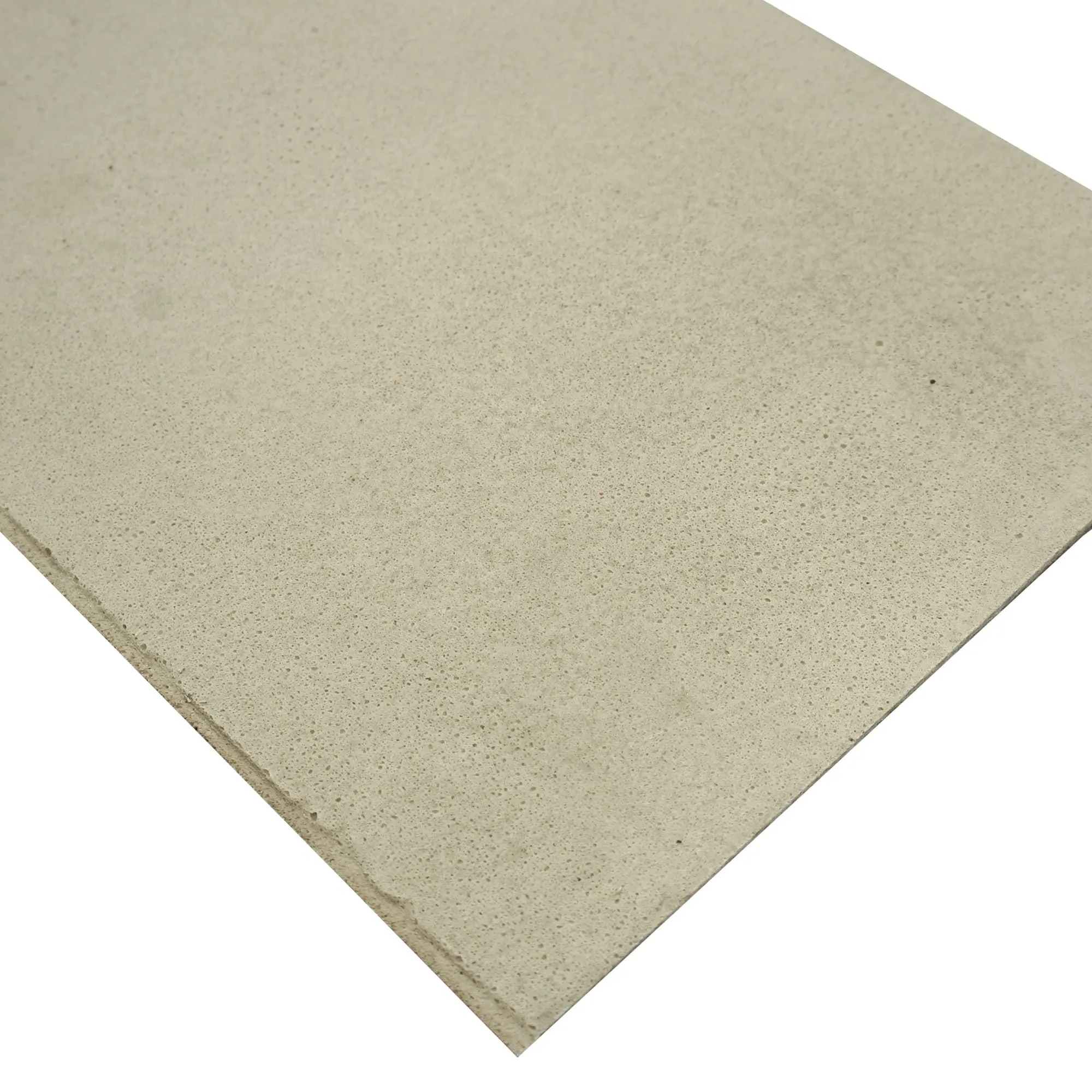
Fair-faced concrete has become one of the most requested looks in modern architecture, prized for its clean lines, honest materiality, and quietly luxurious finish. But before you specify it, it helps to understand exactly what makes this material special. In this article we break down the key characteristics of fair-faced concrete, why architects choose it, and how suppliers now make it far easier to achieve on a realistic budget.
Fair-faced concrete, also called exposed concrete or architectural concrete, is a finish in which the concrete surface is left visible exactly as it comes out of the formwork, without render, paint, or cladding to cover it. The result is a smooth, even, and structurally honest surface that needs no decorative layer. Instead of the rough, utilitarian concrete most people picture, fair-faced concrete is designed from the start to be the finished face of the building.
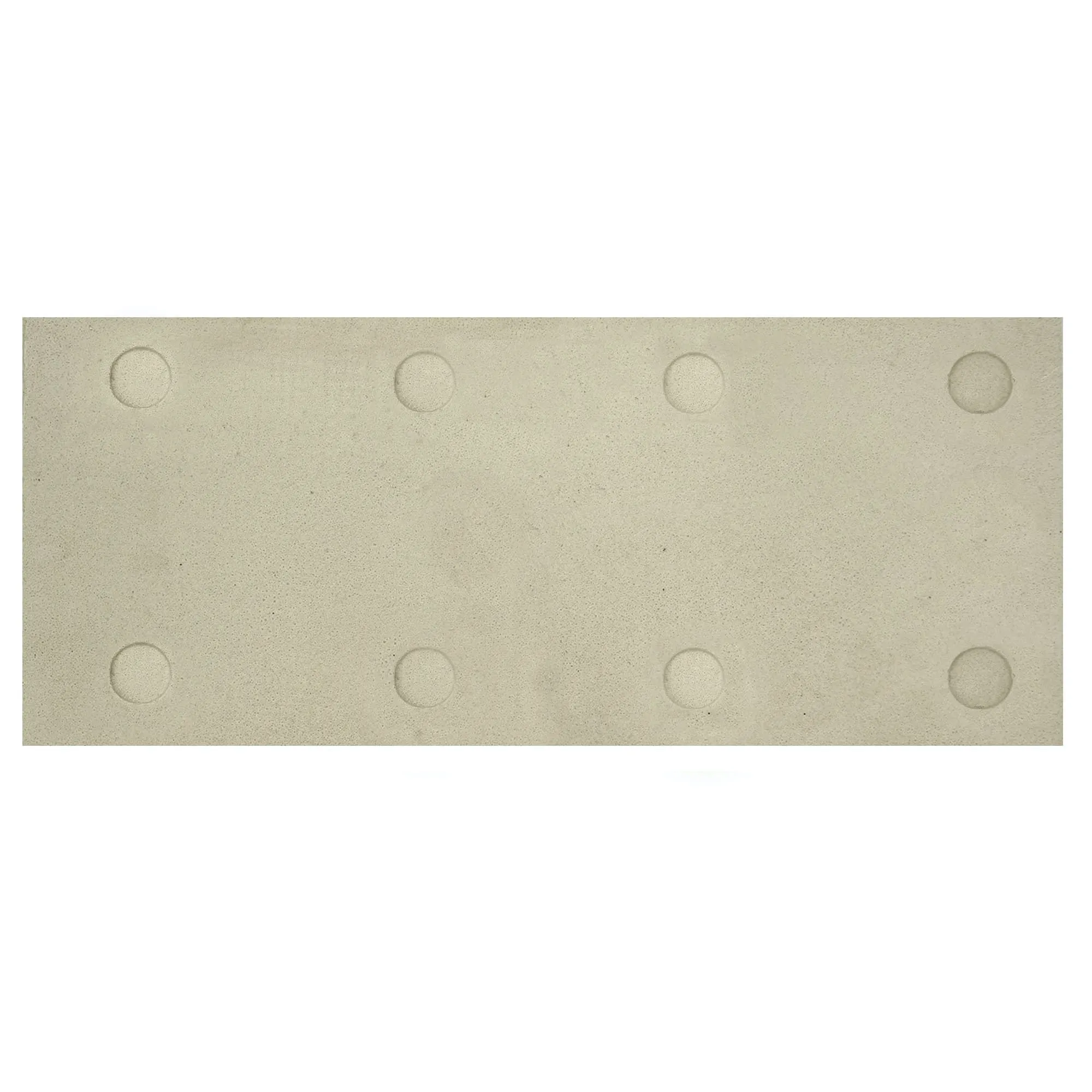
Fair-faced concrete is defined by five qualities that together set it apart from ordinary concrete:
Of these, color consistency and texture are usually the deciding factors for whether a finish reads as truly fair-faced. Even small variations in the mix, the curing temperature, or the formwork can create visible tonal shifts, which is why traditional casting demands very tight workmanship on site.
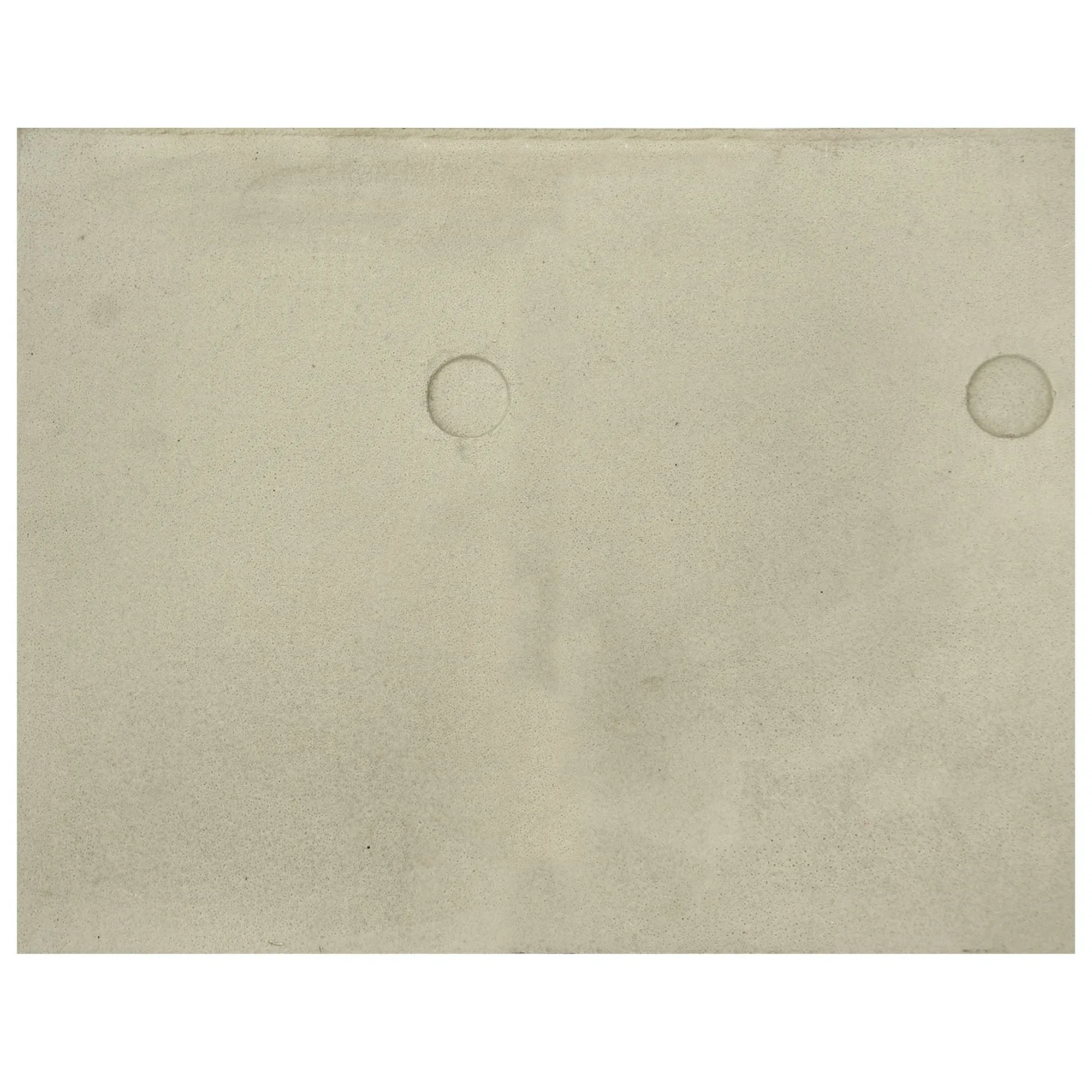
The appeal is aesthetic as much as practical. A smooth concrete face gives interiors and facades a museum-like calm, works beautifully with natural light, and needs almost no decorative finishing. It also ages with character, gathering a subtle patina that many designers consider a feature rather than a flaw. For public spaces, modern residences, and commercial buildings, fair-faced concrete offers a look that is difficult to achieve convincingly with any other material.
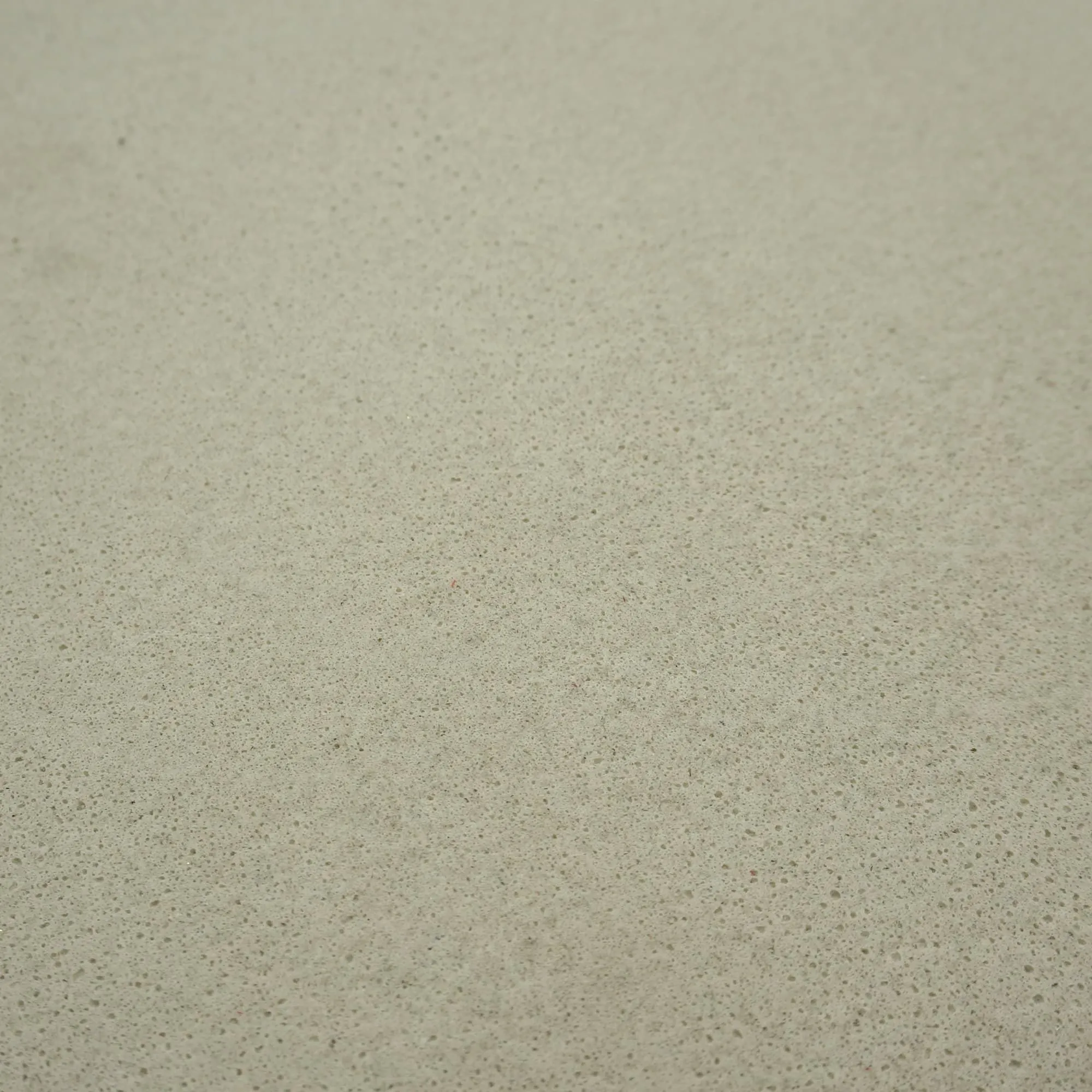
There is a well-known challenge with in situ fair-faced concrete: it must be poured, cured, and finished on site. This means formwork quality, weather, curing time, and skilled labor all become risk factors, and any small defect is difficult to correct once the concrete has set. The total weight of a cast wall is also significant, which raises the cost of the structure behind it.
This is why a growing number of architects and contractors choose a panel-based route instead. Rather than casting on site, they specify pre-formed boards that reproduce the exact look of fair-faced concrete, then install them quickly by bonding or fixing to a frame. This approach gives you the same visual and tactile quality with far less time on site, lower labor cost, and no dependence on pour-day weather.
At Coloria Group, this is where our range comes in. For projects that want a clean cement look, our concrete board collection reproduces a smooth concrete appearance in durable, easy-to-install panels, available in consistent tones such as white and light or dark grey. For larger facade areas, our MCM project board series delivers a flexible, lightweight alternative that follows the surface of the building while keeping the natural stone or concrete finish, and our fair-faced concrete panel option covers the classic look without the weight of cast concrete.
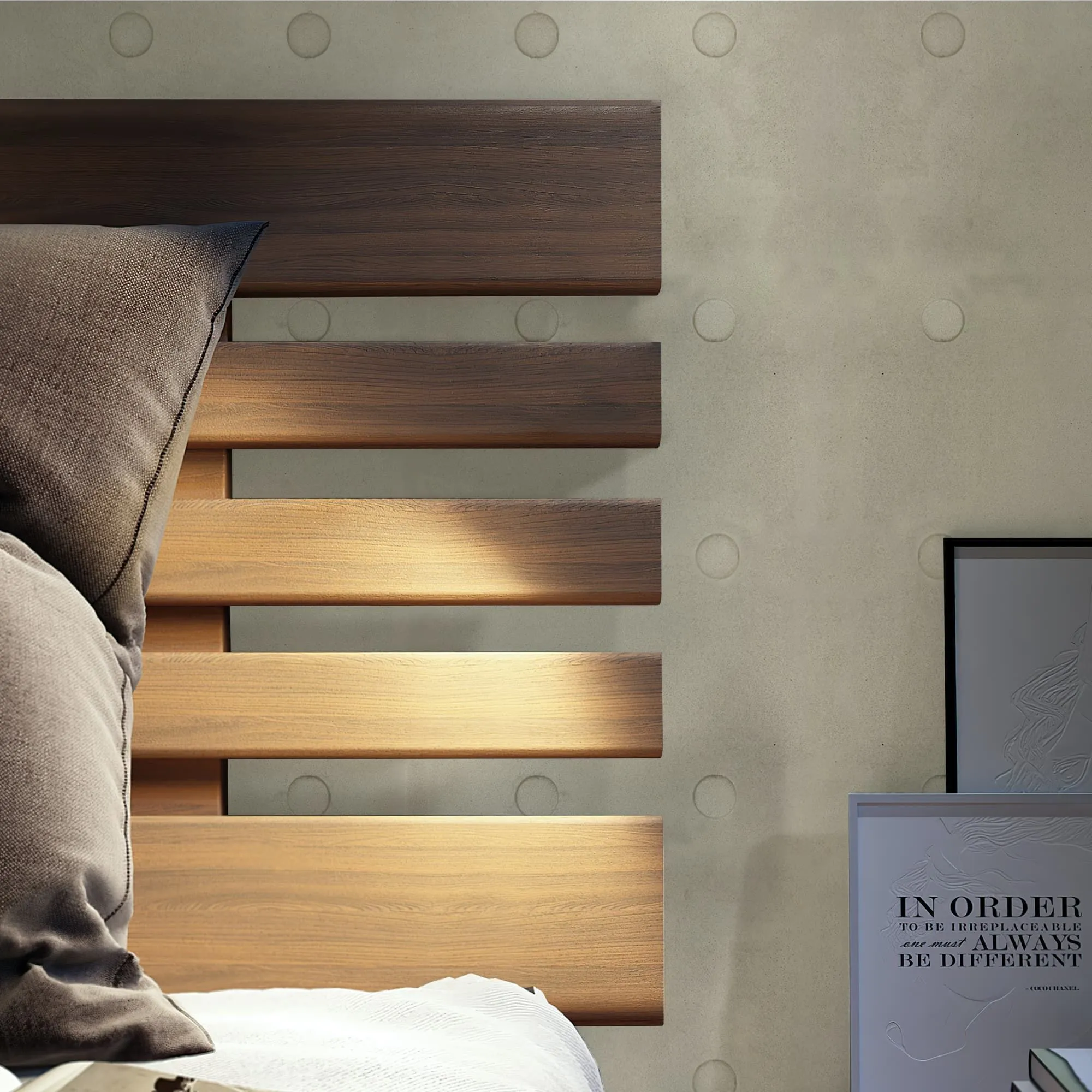
The right choice depends on the project. As a general guide:
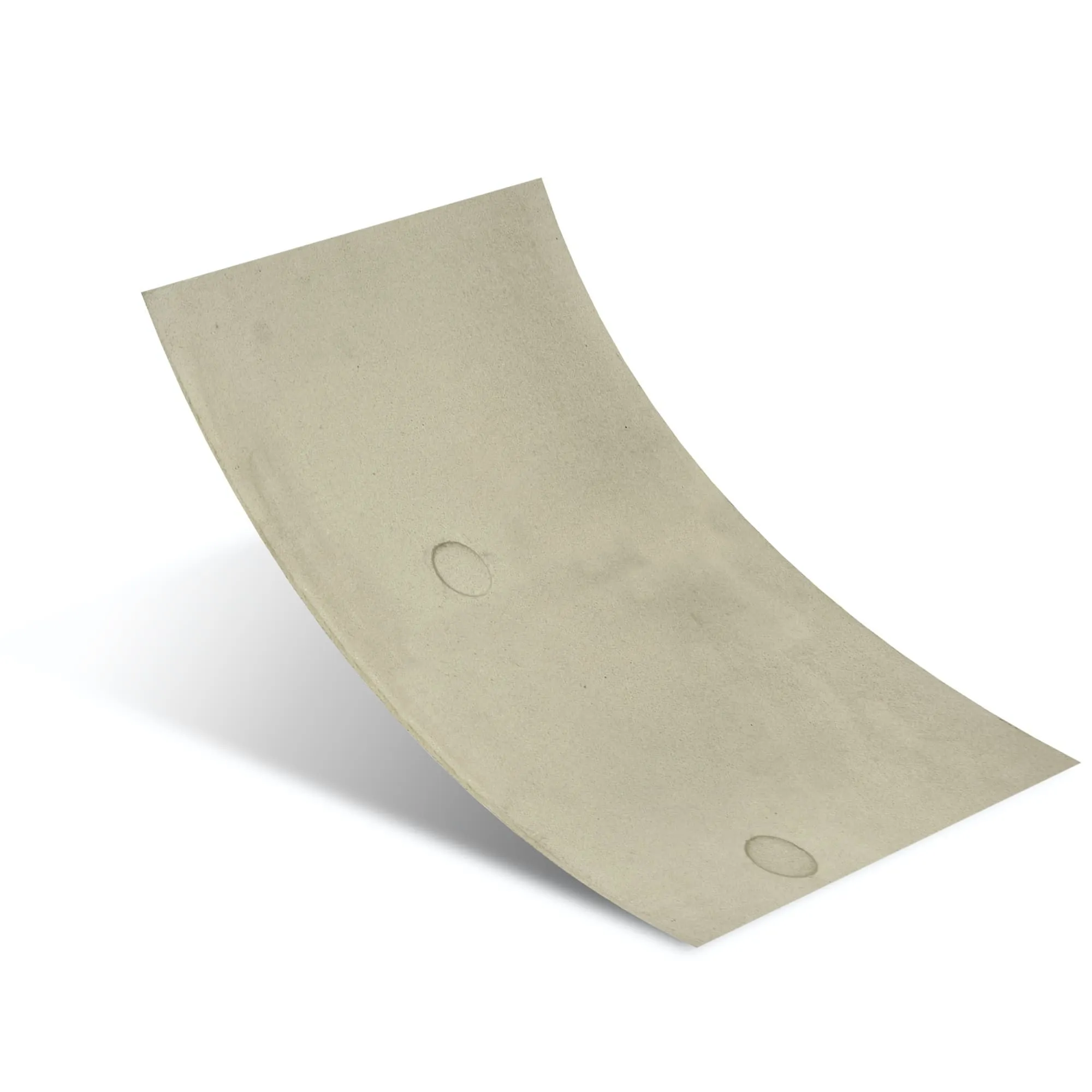
Getting the fair-faced aesthetic right no longer has to mean managing a demanding cast-in-place pour on every project. With panel-based solutions from a single supplier, you can plan, source, and install in one place, keep timelines under control, and still deliver the clean concrete look that clients expect. At Coloria Group, our fair-faced concrete and MCM panels are supplied directly to residential and commercial projects around the world, backed by a team that helps you match the right board to the right site.
The defining characteristics of fair-faced concrete, color consistency, smooth texture, real strength, durability, and honest aesthetics, are what make it so enduring. Understanding these qualities, and knowing how to achieve them without the risks of onsite casting, is the key to a successful project.
Recommend Products












