

Bali stone wall cladding has become one of the most requested finishes in modern architecture. Its earthy tones, hand-carved textures, and tropical character turn plain walls into statement surfaces. But what exactly makes it stand out from other stone cladding options? Here is a closer look at the design features that define bali stone wall cladding and why architects, designers, and homeowners keep choosing it.
The first thing people notice about Bali stone is its surface. Whether it is the rough, porous face of volcanic lava stone or the smooth, tumbled finish of limestone, every panel carries the marks of natural formation. Tiny fossil traces, mineral streaks, and gentle undulations give each piece a one-of-a-kind look that printed or painted finishes simply cannot copy. This is the core design feature of Bali stone wall cladding: texture that reads as real, even up close.
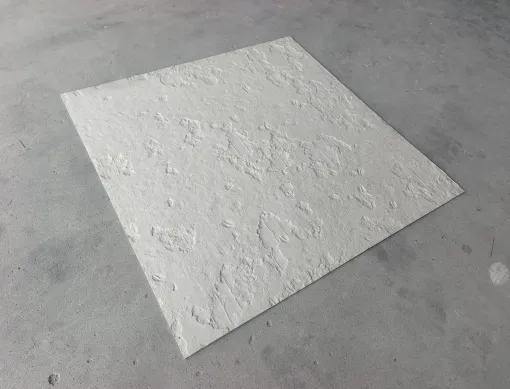
Bali stone is not a single color. It ranges from deep charcoal and black lava tones to warm cream, beige, and golden sandstone hues. This palette makes it easy to match almost any design direction. Dark tones create a dramatic, modern feel for feature walls and facades, while light cream and beige versions bring warmth and brightness to interiors. The natural color variation across panels also means no two walls look exactly the same, which is part of the charm of bali stone.
One of the most practical design features of modern Bali stone wall cladding is flexibility. Unlike rigid natural stone slabs, flexible panels can bend around columns, arches, and curved walls without breaking. This opens up design possibilities that traditional stone simply cannot offer. Whether you want a sweeping curved entrance wall or a neatly wrapped pillar, flexible panels follow the shape of the surface with ease, giving designers far more freedom on site.
Traditional stone cladding is heavy and requires strong structural support. Bali stone wall cladding in flexible panel form changes that. Because the panels are thin and lightweight, they can be installed on a wide range of substrates, including existing walls, drywall, and even some lightweight structures. Installation is faster, requires less labor, and places far less load on the building. For renovation projects, this is often the deciding factor between choosing stone cladding or something less attractive.
Designers who want a clean, continuous look can choose large-format panels. Big slab boards reduce the number of grout lines and joints, creating a more seamless surface that reads like a single piece of stone. This works especially well for feature walls, lobbies, and exterior facades where uninterrupted texture is the goal. The fewer the joints, the more the natural pattern of the stone can shine.
Bali stone wall cladding is built to perform. It resists weathering, moisture, and temperature changes, which makes it suitable for both interior accent walls and exterior facades. The material is also easy to maintain: occasional cleaning with water and a soft brush is usually enough to keep it looking fresh. For outdoor kitchens, pool surrounds, and building entrances, this combination of looks and toughness is hard to beat.
From tropical resorts and villa entrances to minimalist apartments and commercial lobbies, Bali stone wall cladding adapts to the surrounding design language. It pairs well with wood, concrete, and metal, and it works in both warm, organic interiors and cool, contemporary spaces. This versatility is one of the reasons it appears in so many different projects around the world.
When selecting Bali stone wall cladding for a project, start with the surface finish: rough and rustic for a natural, hand-carved look, or smooth and tumbled for a more refined appearance. Next, match the color to the space and its lighting. Finally, consider the format. Flexible panels suit curved surfaces and quick installation, while large-format boards deliver seamless, uninterrupted texture across bigger areas.
Bali stone wall cladding offers a rare combination of natural beauty, design flexibility, and practical performance. Its textured surfaces, earthy colors, and lightweight panel formats make it a smart choice for architects, builders, and homeowners alike. If you are planning a feature wall, facade, or full renovation, it is worth exploring how flexible stone cladding panels can bring the look of natural stone to your project with less weight, faster installation, and more design freedom.
Recommend Products












