
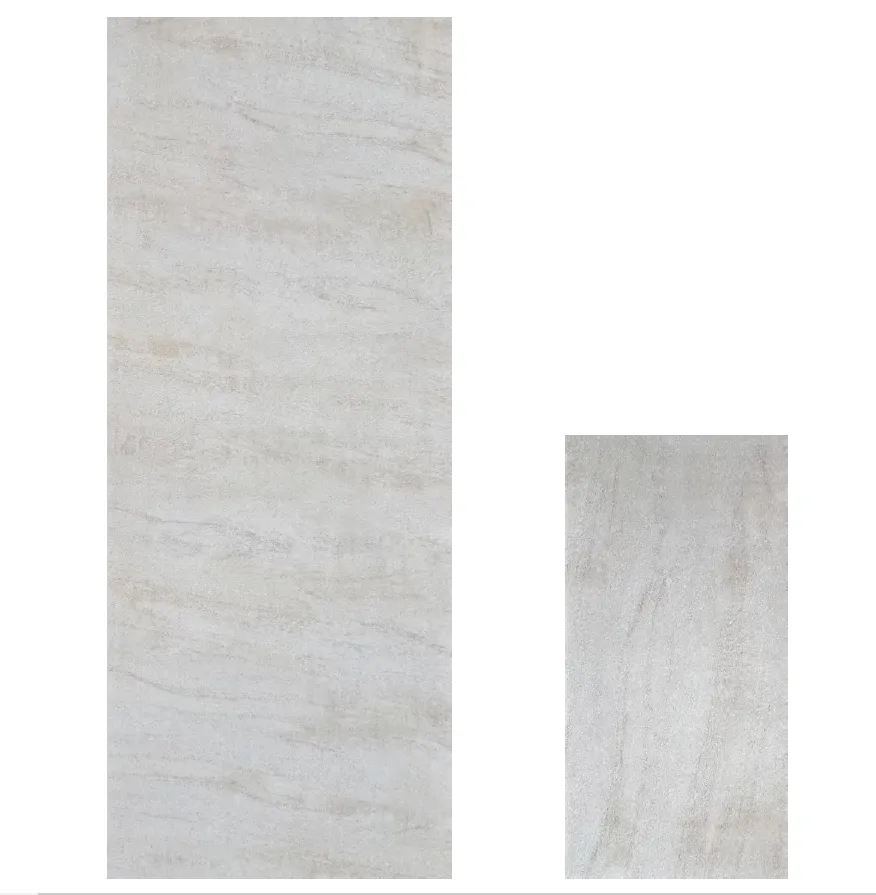
Let's start with a scenario we've all lived through, in one way or another. You're standing in a room that feels almost right—maybe a kitchen that's just been gutted for a remodel, or a commercial lobby that's missing that "wow" factor. The walls are bare, the floors are temporary, and you're holding a sample board covered in stone swatches, each one promising to transform the space. But nothing clicks. The whites are too stark, the grays feel flat, the patterns too busy. Then, someone slides a new sample across the table: marble stream stone. It's not just a stone—it's a story. Swirls of color that look like a river frozen in time, veins that twist and turn like currents, and a depth that makes you want to reach out and touch it. Suddenly, the room starts to take shape. But here's the question that follows: what colors does this magic stone actually come in? And can you tweak it to fit the exact vision in your head? Let's dive in.
Before we get to the colors, let's make sure we're all on the same page about what marble stream stone is. It's not your average marble—and that's a good thing. Traditional marble is known for its bold veining and classic appeal, but marble stream stone takes that a step further. It's a engineered stone, which means it's crafted by combining natural marble aggregates with a resin binder, giving it the best of both worlds: the beauty of natural stone and the durability of modern materials. What sets it apart, though, is its texture. The name "stream stone" isn't just marketing fluff; the patterns mimic the look of water flowing over rocks—soft, organic, and endlessly dynamic. You'll see layers that look like sediment deposited over centuries, veins that meander like tributaries, and sometimes even tiny "pebble" flecks that add texture without overwhelming. It's stone that feels alive, like it's still evolving. And because it's engineered, it's more resistant to stains, scratches, and water damage than natural marble, making it versatile enough for kitchens, bathrooms, floors, walls, and even outdoor spaces (with the right sealing, of course).
But here's the kicker: all that beauty would mean nothing if the color options were limited., marble stream stone doesn't just deliver on texture—it's a chameleon when it comes to color. From soft, sunlit whites to moody, galaxy-like grays, and even custom hues that match your wildest design dreams, this stone is all about flexibility. Let's break down the standard colors first, then dive into how you can make it truly your own.
Think of marble stream stone's standard colors as the greatest hits album—timeless, crowd-pleasing, and always in style. These are the shades that designers and homeowners keep coming back to, because they work in just about any space, with any decor, and under any lighting. Let's walk through them one by one, so you can picture how they might look in your project.
If there's a "starting point" for marble stream stone, it's marble veil white. This is the shade that makes people fall in love with the material in the first place. Imagine a base of soft, creamy white—not the harsh, clinical white of a hospital wall, but the warm white of fresh linen dried in the sun. Now, add veins that are so delicate they look like they've been painted with a watercolor brush: pale gray, sometimes with a hint of (champagne) or soft gold, winding through the stone like mist over a meadow. The veining isn't uniform; in some areas, it's thick and bold, creating focal points, while in others, it thins out to almost nothing, leaving a smooth, serene surface. What's amazing about marble veil white is how it shifts with light. In the morning, when sunlight streams through a window, those gold undertones warm up, making the room feel cozy and inviting. In the evening, under warm artificial light, it takes on a soft, candlelit glow. And in rooms with cooler, blue-toned light? The gray veins become more prominent, adding a touch of sophistication without feeling cold.
This shade is a workhorse, too. It's perfect for kitchens, where it brightens up cabinetry (especially dark wood or navy blue) and makes countertops feel clean and spacious. In bathrooms, it pairs beautifully with brass fixtures, turning a utilitarian space into a spa-like retreat. And on walls? It's a blank canvas that lets artwork, furniture, and textiles take center stage. One designer I worked with used marble veil white on the walls of a minimalist living room, and paired it with a wood grain board accent wall—warm wood tones against the soft white stone created a balance that felt both modern and timeless. It's the kind of color that doesn't just decorate a space; it elevates it.
If marble veil white is the "classic," marble interstellar gray is the "cool kid" of the marble stream stone family. This shade is for anyone who wants to add depth and drama without going full-on dark. The base color is a medium gray, but not the flat, lifeless gray of office carpeting. Think of the color of a storm cloud just before rain—deep, rich, and full of dimension. Then, scattered throughout are veins and flecks that look like they've been plucked from the night sky: silvery white, pale blue, and sometimes even tiny "stars" of iridescent mica that catch the light. The veining here is more dynamic than in marble veil white; it twists and turns, creating patterns that look like constellations or nebulae (hence the "interstellar" name). In some slabs, the veins cluster together, forming bold, artistic statements, while in others, they spread out, creating a more subtle, textured look.
What I love about marble interstellar gray is its versatility. It's modern enough for a sleek downtown loft, but warm enough for a suburban family room. In commercial spaces, it's a favorite for reception desks and accent walls—imagine walking into a hotel lobby with a 10-foot-tall wall of marble interstellar gray, backlit to highlight those starry veins. It immediately says "luxury" without being pretentious. In residential settings, it's a great choice for fireplace surrounds, where the dark base color makes the flames pop, or for kitchen islands, where it adds contrast to white cabinetry. One homeowner I know used it on their kitchen island and paired it with marble veil white countertops—talk about a dynamic duo. The light and dark grays played off each other, creating a space that felt layered and intentional.
And let's talk about undertones—because gray can be tricky. Marble interstellar gray leans slightly cool, with hints of blue and purple in some slabs, but it never feels cold. That's thanks to the warm silver and mica flecks, which add warmth and prevent the stone from feeling sterile. In rooms with lots of natural light, it takes on a softer, almost blue-gray hue, while in dimmer spaces, it deepens, creating a cozy, intimate vibe. It's the kind of color that grows on you; the more you look at it, the more details you notice—the little "stars," the way the veins connect, the subtle shifts in tone. It's not just a stone color; it's a conversation starter.
Now, let's shift gears a bit. Not everyone wants veining or sparkle—some projects call for something more understated, more… industrial. That's where marble concrete board comes in. This isn't your typical "concrete-look" tile; it's marble stream stone engineered to mimic the raw, unpolished beauty of concrete, but with the durability and elegance of marble. The base color here is a soft, warm gray, with subtle variations in tone that look like the natural patina of aged concrete. There are no bold veins here—instead, you'll find tiny pits, "cracks," and flecks of darker gray and even hints of terracotta that add texture without pattern. It's the kind of stone that feels like it has a history, like it's been part of a factory floor or a warehouse wall for decades, but polished just enough to feel refined.
Marble concrete board is a favorite among designers going for that "urban industrial" look. It pairs beautifully with metal fixtures (think black iron or brushed brass), reclaimed wood, and exposed brick. In a kitchen, it makes for a striking backsplash, especially when paired with white cabinetry and stainless steel appliances. In a bedroom, it can be used as a feature wall behind a platform bed, adding texture without overwhelming the space. I recently saw it used in a coffee shop, where the owners installed it on the walls and paired it with wooden tables and Edison bulbs—the result was a space that felt both rough around the edges and surprisingly inviting. And because it's marble stream stone, it's more durable than actual concrete, which can stain and crack easily. It's the best of both worlds: the aesthetic of industrial concrete, with the performance of engineered stone.
While marble veil white, marble interstellar gray, and marble concrete board are the workhorses, there are also limited-edition and regional colors that pop up from time to time. These are often inspired by local landscapes, cultural trends, or even art movements. For example, I once came across a batch of marble stream stone called "Tuscany Gold" in a showroom in Milan—it had a warm, honey-colored base with golden veins that looked like sunlight filtering through olive trees. It was stunning, but only available in small quantities, as it was made with a specific type of marble aggregate sourced from a quarry in Tuscany. Another regional favorite is "Nordic Blue," which has a pale blue-gray base with icy white veins, inspired by the glaciers and fjords of Scandinavia. These limited-edition colors are perfect for projects that need a unique, one-of-a-kind touch—think boutique hotels, high-end restaurants, or luxury homes where standing out is key.
But here's the thing: even if you can't find a limited-edition color that speaks to you, there's another option: custom colors. That's where marble stream stone really shines—it's not just about picking from a catalog; it's about creating something that doesn't exist yet. Let's dive into that.
| Color Name | Appearance | Undertones | Lighting Compatibility | Best Spaces |
|---|---|---|---|---|
| Marble Veil White | Creamy white base with soft gray and champagne veins; delicate, watercolor-like patterns. | Warm (gold, champagne) and cool (pale gray) undertones. | Thrives in natural light (warms up) and artificial light (soft glow); versatile in all lighting. | Kitchens, bathrooms, living rooms, walls, countertops. |
| Marble Interstellar Gray | Medium gray base with silvery white, pale blue veins, and mica "star" flecks; dynamic, constellation-like patterns. | Cool (blue, purple) with warm (silver, mica) highlights. | Deepens in dim light (cozy), softens in bright light (blue-gray hue); great for dramatic lighting. | Fireplace surrounds, accent walls, hotel lobbies, kitchen islands. |
| Marble Concrete Board | Soft gray base with subtle tone variations, tiny pits, and terracotta flecks; mimics aged concrete. | Neutral (warm gray) with earthy (terracotta) undertones. | Consistent in all lighting; doesn't wash out or darken dramatically. | Industrial kitchens, coffee shops, feature walls, urban lofts. |
| Custom Blue (Inspired by Travertine Starry Blue) | Pale blue base with deeper blue veins and iridescent "water" flecks; mimics a mountain stream. | Cool (sky blue) with subtle green undertones. | Shines in natural light (brightens); pairs well with warm artificial light to balance coolness. | Spa bathrooms, coastal homes, accent walls, outdoor patios. |
Let's say you've fallen in love with marble stream stone's texture, but none of the standard colors fit your vision. Maybe you're designing a coastal home and want a stone that looks like the Caribbean Sea, with pale blues and turquoise veins. Or perhaps you're working on a boutique hotel inspired by the Northern Lights, and you need swirled greens and purples. Or maybe you just want a shade that matches the exact Pantone color of your brand logo. Whatever the case, custom color marble stream stone is where the magic really happens. This isn't just about adding a tint to the resin—it's a collaborative process between you, the designer, and the manufacturer, where science meets art to create something truly unique.
The custom color process starts with a conversation. You'll sit down with the manufacturer's design team and share your vision—reference images, paint swatches, fabric samples, even mood boards. They'll ask questions: Do you want the color to be solid, or do you want veins? What kind of veining—thick or thin, straight or curved? Are there specific undertones you love (warm, cool, earthy) or hate (pink, orange)? Do you want any special effects, like sparkle, iridescence, or texture? Once they have a clear picture, they'll create a series of small samples—usually about 6x6 inches—using different combinations of pigments, aggregates, and veining techniques. These samples are then tested under different lighting conditions (natural light, LED, incandescent) to see how the color shifts, and you'll review them to give feedback: "Can we make the blue a little paler?" "The veins should be more like rivers than straight lines." "Can we add a hint of green to the undertones?" This back-and-forth continues until you have a sample that makes you think, "Yes—that's it."
One of my favorite custom projects involved a homeowner in Santa Barbara who wanted a marble stream stone that matched the color of the Pacific Ocean at sunset. They brought in photos of the horizon—pale pink, soft orange, and deep purple blending together—and asked if we could replicate that. The manufacturer spent weeks experimenting with pigments, adding tiny flecks of gold to mimic the sun's reflection and layering translucent resins to create the gradient effect. The final result was a stone that looked like a sunset frozen in time—every slab was slightly different, just like the ocean itself. That's the beauty of custom color: it's not just a stone; it's a piece of art that tells your story.
While custom color is all about individuality, there are a few trends that keep popping up in design circles. One of the most popular is "biophilic" colors—shades inspired by nature, like soft greens that mimic moss, warm browns that look like riverbed stones, or even pale yellows that evoke sunlight. These colors tap into our innate connection to the natural world, making spaces feel calmer and more grounded. Another trend is "muted pastels"—think dusty rose, lavender, or sage green—for clients who want color but don't want it to be overwhelming. These shades work beautifully in bedrooms and nurseries, adding a touch of whimsy without feeling childish.
Then there are the "moody" custom colors—deep blues, forest greens, and even black with subtle veining. These are perfect for creating statement walls or accent pieces in rooms with lots of natural light, where the dark color adds drama without making the space feel small. I recently saw a restaurant in Chicago that used a custom black marble stream stone with gold veins for their bar top—it paired with brass fixtures and dim lighting to create a speakeasy-like vibe that was both intimate and luxurious.
Color is just the starting point when it comes to customizing marble stream stone. The finish and texture can completely transform how a color looks and feels. Let's break down the options:
The finish of your marble stream stone affects how light interacts with it, which in turn changes the color's appearance. A polished finish, for example, is super smooth and reflective, making colors look brighter and more vibrant. Marble veil white with a polished finish, for instance, will have a mirror-like surface that bounces light around the room, making it feel larger and more open. A honed finish, on the other hand, is matte and velvety, with a soft, diffused glow. This finish tends to mute colors slightly, making them feel more subtle and organic. Marble interstellar gray with a honed finish, for example, will have a more understated look—the silvery veins will still stand out, but they won't have the high shine of a polished slab.
For a more rustic look, there's the brushed finish, which creates tiny grooves in the stone, giving it a textured, weathered appearance. This finish is great for outdoor spaces, as it adds traction and hides scratches. And then there's the leathered finish—a newer trend that's somewhere between honed and brushed. It has a soft, pebbled texture that feels warm to the touch and adds depth to the color. I recently used a leathered finish on a custom green marble stream stone for a client's outdoor patio—the texture made the stone feel like it had been there for years, and the color looked rich and earthy in the sunlight.
Texture is another way to customize marble stream stone, and it can take a color from "nice" to "unforgettable." One popular option is "3D texture," where the stone is carved or molded to create raised patterns—think waves, geometric shapes, or even abstract designs. This is a great way to add visual interest to a plain color; for example, a soft blue marble stream stone with a 3D wave texture would look stunning in a bathroom, evoking the feeling of being by the ocean. Another option is "aggregated texture," where larger pieces of stone or glass are embedded in the marble stream stone, creating a speckled, mosaic-like look. This works well with neutral colors, adding texture without overwhelming the space.
And let's not forget about "wood grain board" textures—yes, you read that right. Some manufacturers can create marble stream stone with a texture that mimics the look of wood grain, combining the durability of stone with the warmth of wood. This is a game-changer for spaces where you want the look of wood but need the performance of stone, like kitchen countertops or outdoor decks. Imagine a marble veil white stone with a subtle wood grain texture—it would pair beautifully with actual wood cabinetry, creating a cohesive, layered look.
With so many color and customization options, how do you choose the right one for your project? It all comes down to context. Here are a few questions to ask yourself:
What's the mood you want to create? Do you want the space to feel calm and serene (go with soft whites or pale blues), energizing and vibrant (try a bold custom color), or warm and inviting (opt for earthy neutrals or muted pastels)?
What's the lighting like? Rooms with lots of natural light can handle deeper colors without feeling dark, while rooms with little natural light might benefit from lighter shades to brighten things up. And don't forget about artificial light—LED bulbs cast a cool, blue-toned light, while incandescent bulbs are warm and yellow. Test your stone samples under the same lighting that will be in the space.
What's the existing decor? Your marble stream stone should complement, not clash with, your furniture, flooring, and fixtures. If you have a lot of warm wood tones, a cool gray might feel jarring—opt for a warmer white or beige instead. If your decor is modern and minimal, a bold, veiny color like marble interstellar gray could be the perfect statement piece.
Where will the stone be used? High-traffic areas like kitchens and entryways might benefit from darker colors or patterns that hide stains and scratches, while low-traffic areas like bedrooms can handle lighter, more delicate shades. Outdoor spaces need to be sealed properly, but they also have to stand up to the elements—darker colors can absorb heat, so lighter shades might be better in hot climates.
And remember: there are no hard and fast rules. Some of the most stunning spaces I've seen are the ones where the designer took a risk—a bright custom blue in a traditional living room, or a moody black in a small bathroom. The key is to choose a color that makes you happy every time you look at it, because at the end of the day, you're the one who has to live with it.
Marble stream stone isn't just a building material—it's a design tool that lets you bring your vision to life, one slab at a time. Whether you opt for a classic shade like marble veil white, a modern favorite like marble interstellar gray, or a custom color that's uniquely yours, this stone has the power to transform any space into something extraordinary. And with custom finishes, textures, and sizes, the only limit is your imagination.
So the next time you're standing in that almost-right room, holding that sample board, remember: the perfect stone might not be on the board yet. It might be a custom color waiting to be created, a texture that adds depth, or a finish that makes the light dance. Marble stream stone isn't just about what's available—it's about what's possible. And that's a beautiful thing.
Ready to start exploring? Reach out to a marble stream stone manufacturer or supplier, share your vision, and let the collaboration begin. Who knows? You might just create the next "greatest hit" color that future designers will be raving about.
Recommend Products












