
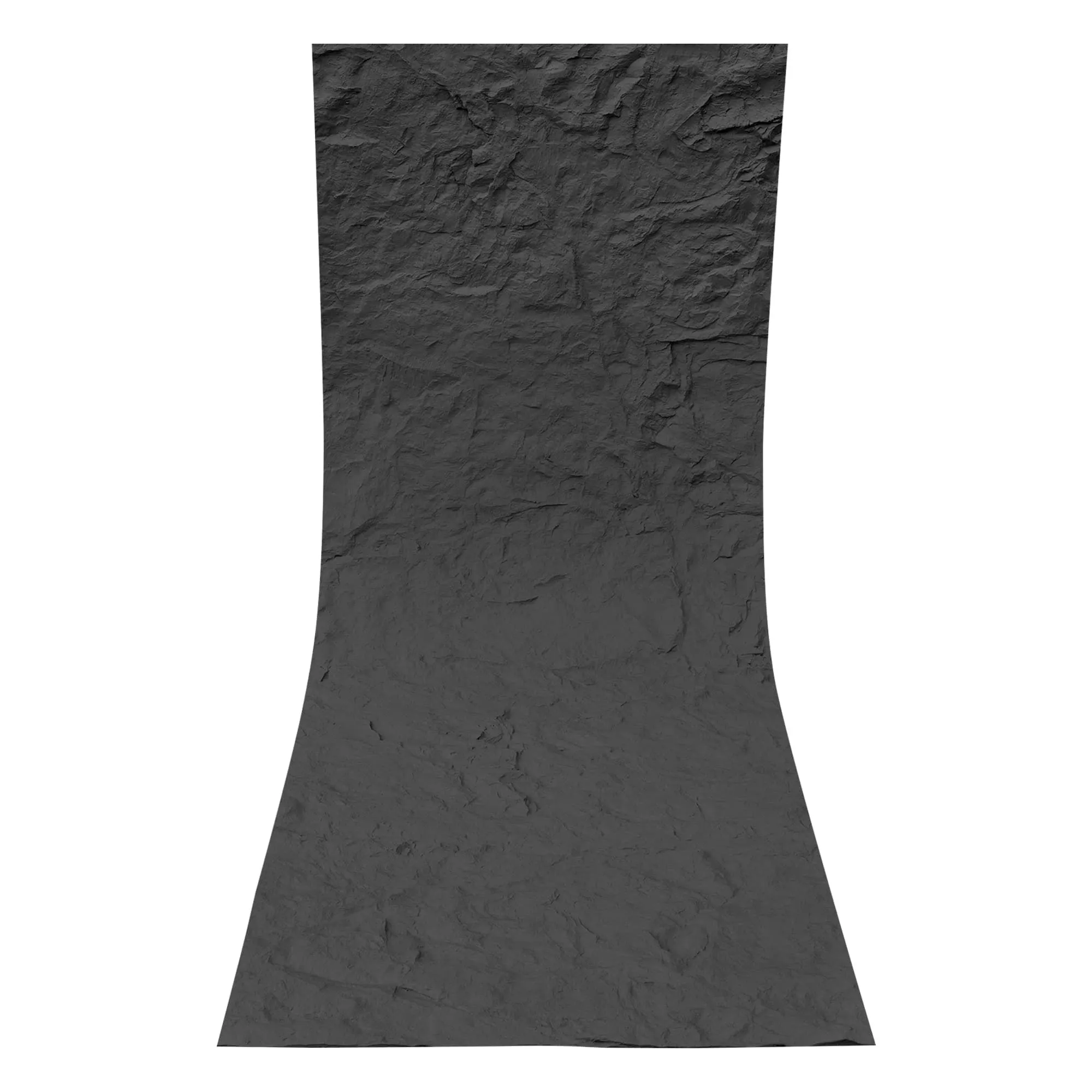
Walk into any modern architectural space—a sleek office lobby, a boutique hotel, or a minimalist home—and you'll likely be struck by a common element: the materials that shape the environment. From the texture of a wall to the sheen of a countertop, these materials don't just fill space; they tell stories, evoke moods, and define the character of a place. For designers and architects, navigating the world of building materials can feel like learning a new language—one filled with technical terms, material codes, and product names that often seem more confusing than helpful.
This is where COLORIA's Boulder Slab Nomenclature steps in. More than just a list of product names, it's a thoughtful system designed to bridge the gap between creativity and clarity. At its core lies the "big slab board"—a term that's been gaining traction in design circles, but what exactly does it mean? And how does COLORIA's approach to naming these materials make life easier for those who bring spaces to life?
In this article, we'll unpack the concept of big slab boards, dive into COLORIA's unique naming system, and explore why this matters for anyone who cares about creating spaces that are both functional and full of personality. Whether you're an architect, a designer, or simply someone with a curiosity about the materials shaping our world, let's start by answering the most basic question: what is a big slab board?
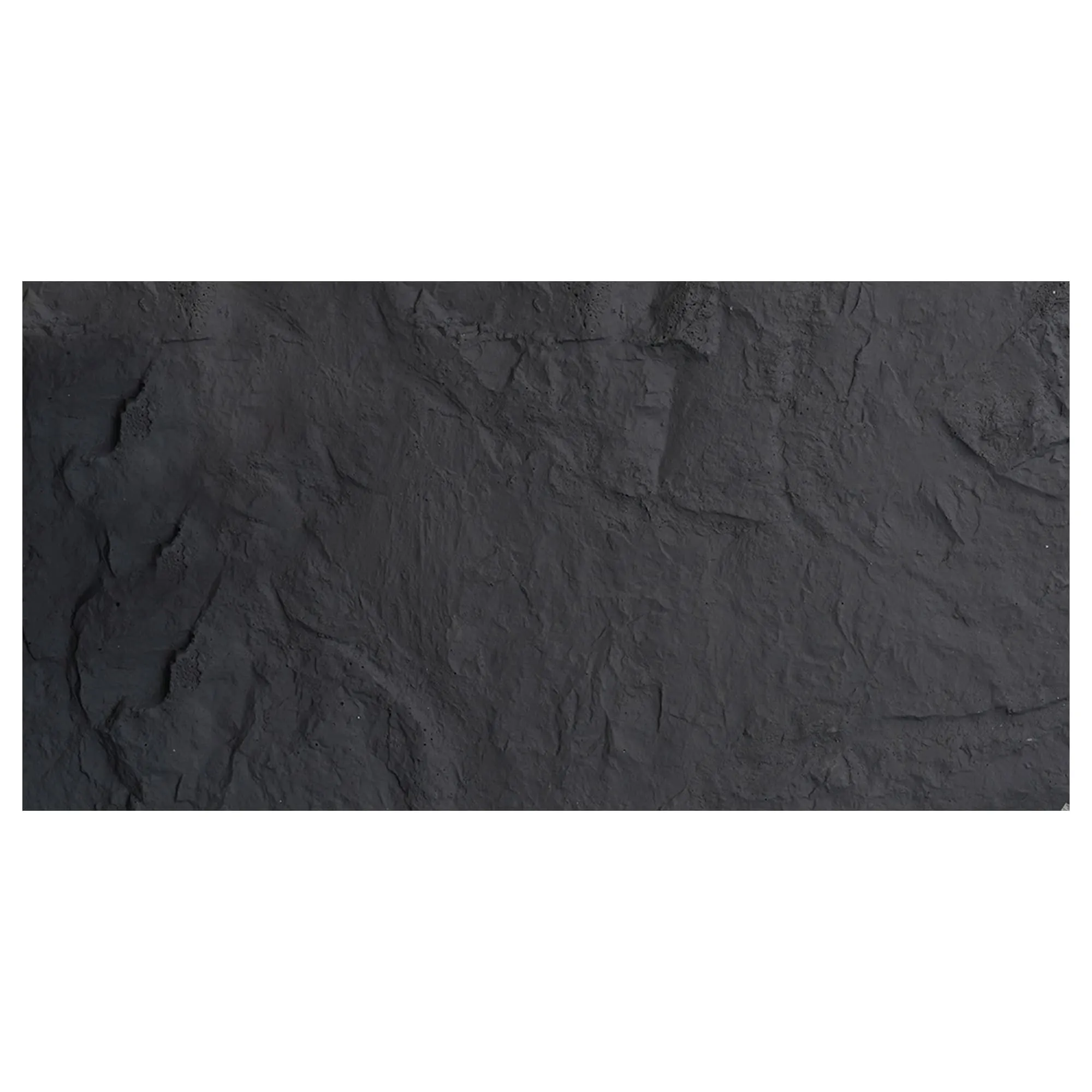
Let's start with the basics. A "slab" in construction terms is typically a large, flat piece of material—think natural stone slabs for countertops or concrete slabs for floors. But "big slab boards" take this idea further, redefining what's possible in terms of size, flexibility, and design versatility. Unlike traditional slabs, which are often heavy, brittle, or limited by the constraints of natural materials, big slab boards are engineered to be both expansive and adaptable.
At COLORIA, the term "big slab board" refers specifically to their MCM big slab board series —products made from Modified Composite Material (MCM), a cutting-edge technology that combines the best of natural materials with the benefits of modern engineering. MCM is lightweight, durable, and surprisingly flexible, allowing for slabs that can span larger areas without the need for excessive support structures. Imagine a wall panel that stretches from floor to ceiling in one seamless piece, or a countertop that curves gently without cracking—these are the possibilities unlocked by big slab boards.
But what truly sets these slabs apart is their ability to mimic the look and feel of natural materials while overcoming their limitations. Take flexible stone , for example—a key component in many of COLORIA's big slab boards. It replicates the texture and visual depth of natural stone (think travertine or granite) but weighs significantly less, making installation easier and reducing structural stress on buildings. It's also resistant to moisture, UV rays, and temperature fluctuations, making it suitable for both indoor and outdoor use. In short, big slab boards are not just "bigger slabs"; they're a new category of building material designed for the demands of modern design.
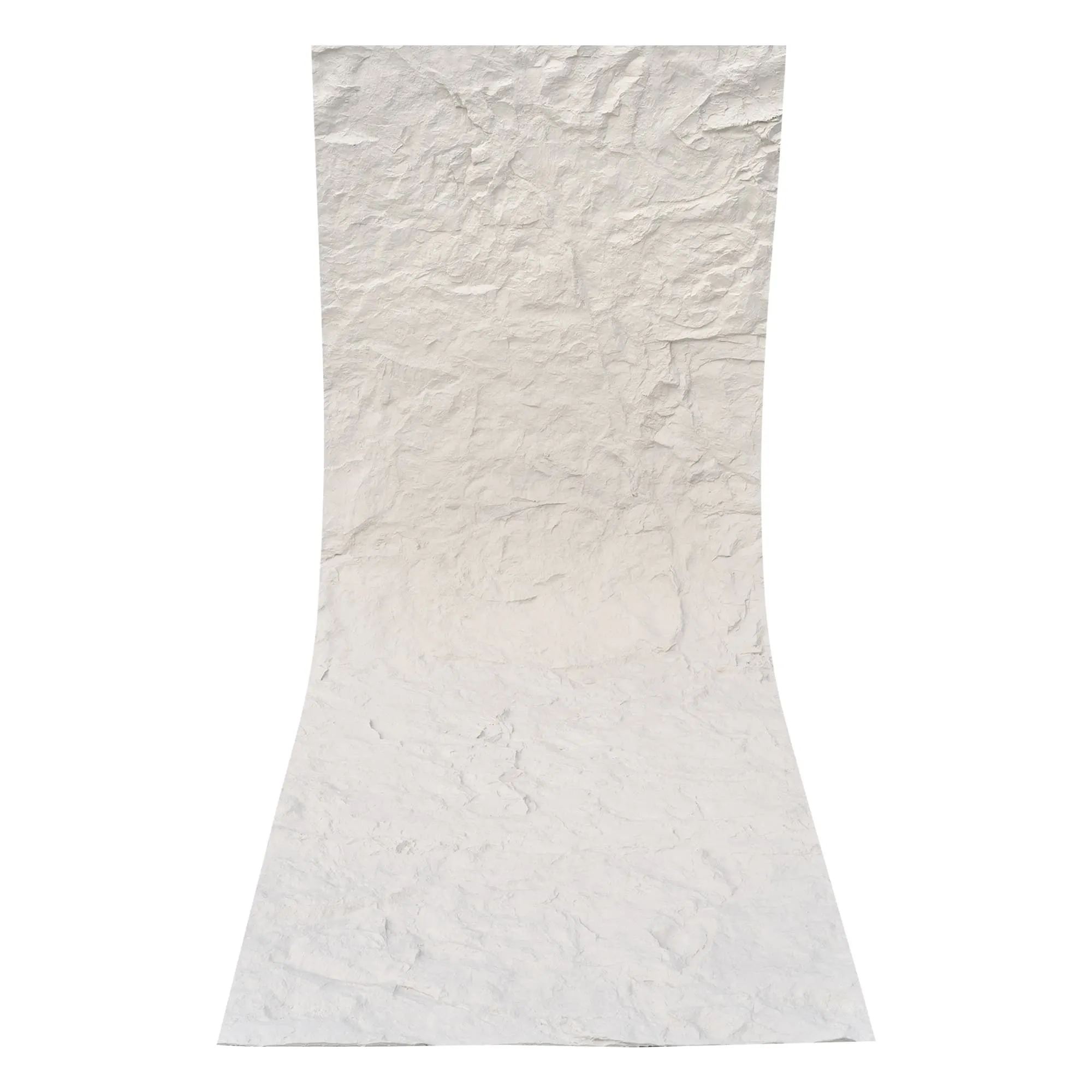
Now that we have a sense of what big slab boards are, let's turn to the star of the show: COLORIA's Boulder Slab Nomenclature. Naming products might seem like a small detail, but in a world where designers sift through hundreds of options daily, a clear, consistent naming system can be the difference between frustration and inspiration. COLORIA's approach is rooted in storytelling—each name gives clues about the material's appearance, texture, and intended use, turning a jumble of technical specs into a language designers can speak fluently.
Let's start with the term "Boulder Slab" itself. "Boulder" evokes images of solidity, natural grandeur, and organic texture—qualities that define the series. "Slab" speaks to the product's form: large, flat, and versatile. But COLORIA doesn't stop there. Each product name is a combination of three key elements: base type , material family , and finish/color descriptor . Let's break this down with examples from their lineup.
Take "Boulder slab (vintage silver)"—one of the most popular options in the series. Here, "Boulder slab" is the base type, indicating it belongs to the core big slab board collection. The "(vintage silver)" part tells us two things: the finish is "vintage" (think weathered, slightly matte, with a lived-in charm) and the color is "silver" (a cool, metallic hue). Another example: "Lunar peak silvery". "Lunar peak" is the base type, suggesting a design inspired by the moon's rugged, otherworldly landscape, while "silvery" describes the color and finish—pale, reflective, with a subtle shimmer that mimics moonlight.
COLORIA's big slab boards draw from a range of material families, each with its own unique properties. Understanding these families is key to decoding the nomenclature. Let's explore a few:
| Product Name | Material Family | Finish/Color | Key Traits | Best For |
|---|---|---|---|---|
| Boulder slab (vintage silver) | MCM Composite | Vintage Silver (matte metallic) | Weathered texture, lightweight, UV-resistant | Commercial facades, outdoor accent walls |
| Lunar peak silvery | Flexible Stone | Silvery (iridescent sheen) | Smooth surface, subtle shimmer, indoor/outdoor use | Hotel lobbies, residential feature walls |
| Fair-faced concrete boulder slab | Fair-Faced Concrete | Natural (raw concrete) | Visible aggregates, industrial aesthetic, durable | Loft apartments, modern offices |
| MCM big slab board (flexible stone) | Flexible Stone | Textured (stone-like) | Bendable, easy to install, moisture-resistant | Curved walls, custom furniture |
In COLORIA's nomenclature, color and finish are never afterthoughts—they're integral to the product's identity. Terms like "vintage," "silvery," or "golden" do more than describe a hue; they evoke a mood. "Vintage" finishes, for example, have a slightly worn, time-tested quality, perfect for spaces aiming for warmth and character. "Silvery" or "golden" finishes, on the other hand, add a touch of luxury, reflecting light to create dynamic, ever-changing surfaces.
Take "Lunar peak silvery" again. The "silvery" descriptor isn't just about color—it hints at the finish's ability to catch light, creating a surface that shifts from bright and reflective in direct sunlight to soft and muted in dimmer spaces. This attention to nuance is what makes COLORIA's naming system so powerful: it doesn't just tell you what the product is; it tells you how it will feel in a space.
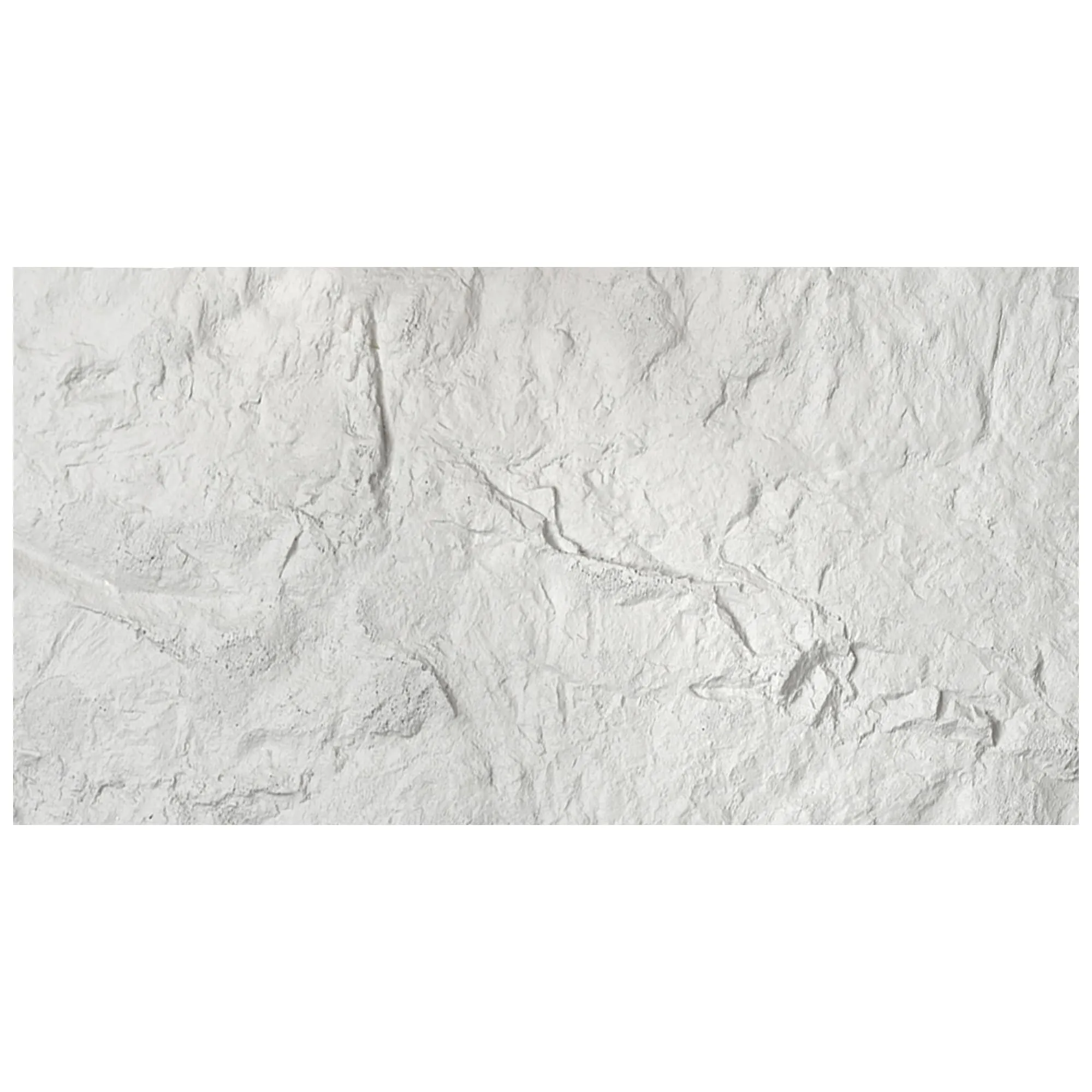
At this point, you might be wondering: why does all this matter? Sure, a clear naming system is helpful, but what impact do big slab boards actually have on the spaces we inhabit? The answer lies in their ability to solve two of the biggest challenges in modern design: achieving seamless, expansive surfaces, and balancing aesthetics with functionality.
Consider a commercial project—a high-end retail store aiming for a minimalist, luxury vibe. The designer wants a feature wall that stretches 20 feet tall and 40 feet wide, with no visible seams to break the visual flow. Traditional natural stone slabs would be heavy, requiring reinforced framing, and would likely need to be joined with unsightly grout lines. But a MCM big slab board made with flexible stone can cover that entire wall in just a few panels, thanks to its large size (some COLORIA slabs measure up to 12 feet in length) and lightweight composition. The result? A seamless, immersive surface that feels both grand and intimate.
Or take an outdoor application: a restaurant patio with a curved bar. Natural stone is prone to cracking under temperature changes, and wood requires constant maintenance. But a big slab board like "Boulder slab (vintage gold)"—with its weather-resistant MCM core—can bend to follow the bar's curve, withstand rain and sun, and maintain its warm, golden finish for years. It's a material that works with the elements, not against them.
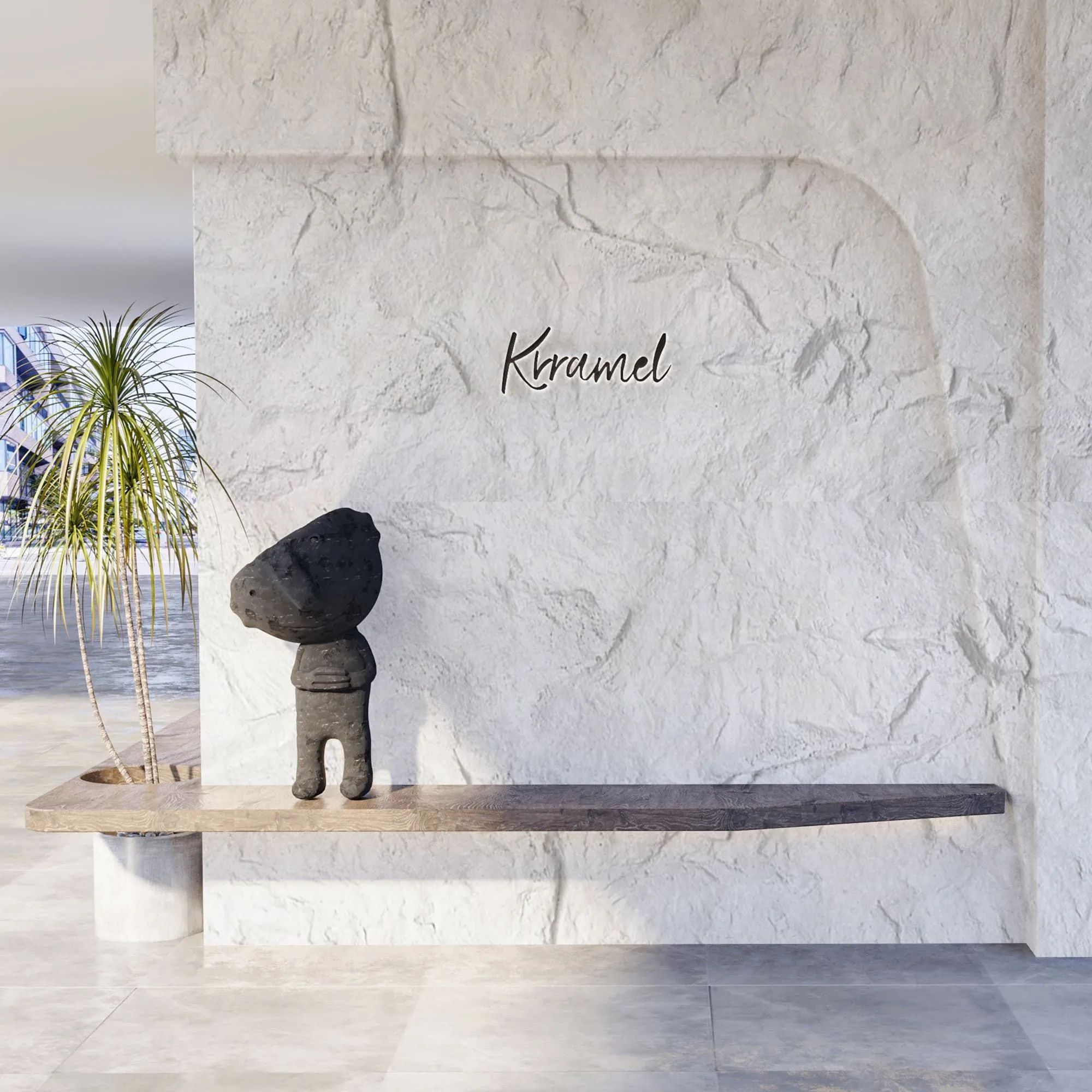
In a market flooded with generic product names like "Stone Slab A" or "Concrete Panel 3.0," COLORIA's Boulder Slab Nomenclature feels refreshingly intentional. It's not just about selling materials; it's about empowering designers to imagine. When a designer reads "Lunar peak silvery," they don't just see a slab—they see a wall that glows like moonlight, a countertop that feels like a piece of the moon's surface. The name sparks inspiration, turning a technical choice into a creative statement.
This approach also fosters consistency. A designer who has used "Boulder slab (vintage silver)" in a previous project knows exactly what to expect when specifying "Boulder slab (vintage gold)"—same quality, same durability, with a color twist. This reliability is invaluable in a field where deadlines are tight and client expectations are high.
At the end of the day, big slab boards are more than just building materials—they're a canvas for design. And COLORIA's Boulder Slab Nomenclature is the paintbrush that helps designers bring their visions to life. By combining clarity with creativity, the system turns complex product specs into stories, making it easier than ever to find the perfect material for any project.
Whether you're drawn to the weathered charm of "Boulder slab (vintage silver)," the celestial allure of "Lunar peak silvery," or the raw simplicity of a fair-faced concrete slab, one thing is clear: COLORIA's big slab boards are redefining what's possible in architecture and design. They're proof that when materials are engineered with intention and named with care, they don't just build spaces—they inspire experiences.
So the next time you walk into a space that takes your breath away, take a closer look at the walls, the surfaces, the materials. Chances are, you're looking at a big slab board—and behind that board, a name that helped make it all possible.
Recommend Products












