

Step into the future of architectural design, where surfaces are no longer flat and static but dynamic, fluid, and alive. This is the world of wave panels, a design concept brought to life with unprecedented versatility by COLORIA GROUP's groundbreaking MCM technology. Let's dive deep into what these panels are and how they are reshaping our built environment.
At its core, a "wave panel" is an architectural surfacing material characterized by a three-dimensional, undulating pattern that mimics the gentle, rhythmic movement of waves. It's a design element that transforms a simple wall into a piece of kinetic art. The texture plays with light and shadow, creating a constantly shifting visual experience that adds depth, character, and a sense of natural motion to any space, whether it's an interior feature wall or a grand exterior façade.
Traditionally, creating such complex, textured surfaces was a significant challenge. Materials like carved stone, molded plaster, or custom-milled wood were expensive, heavy, and difficult to install. The process was often labor-intensive and limited in scale and application. This is where modern material science, specifically COLORIA's MCM technology, enters the picture. It doesn't just make wave panels possible; it makes them practical, sustainable, and infinitely customizable.
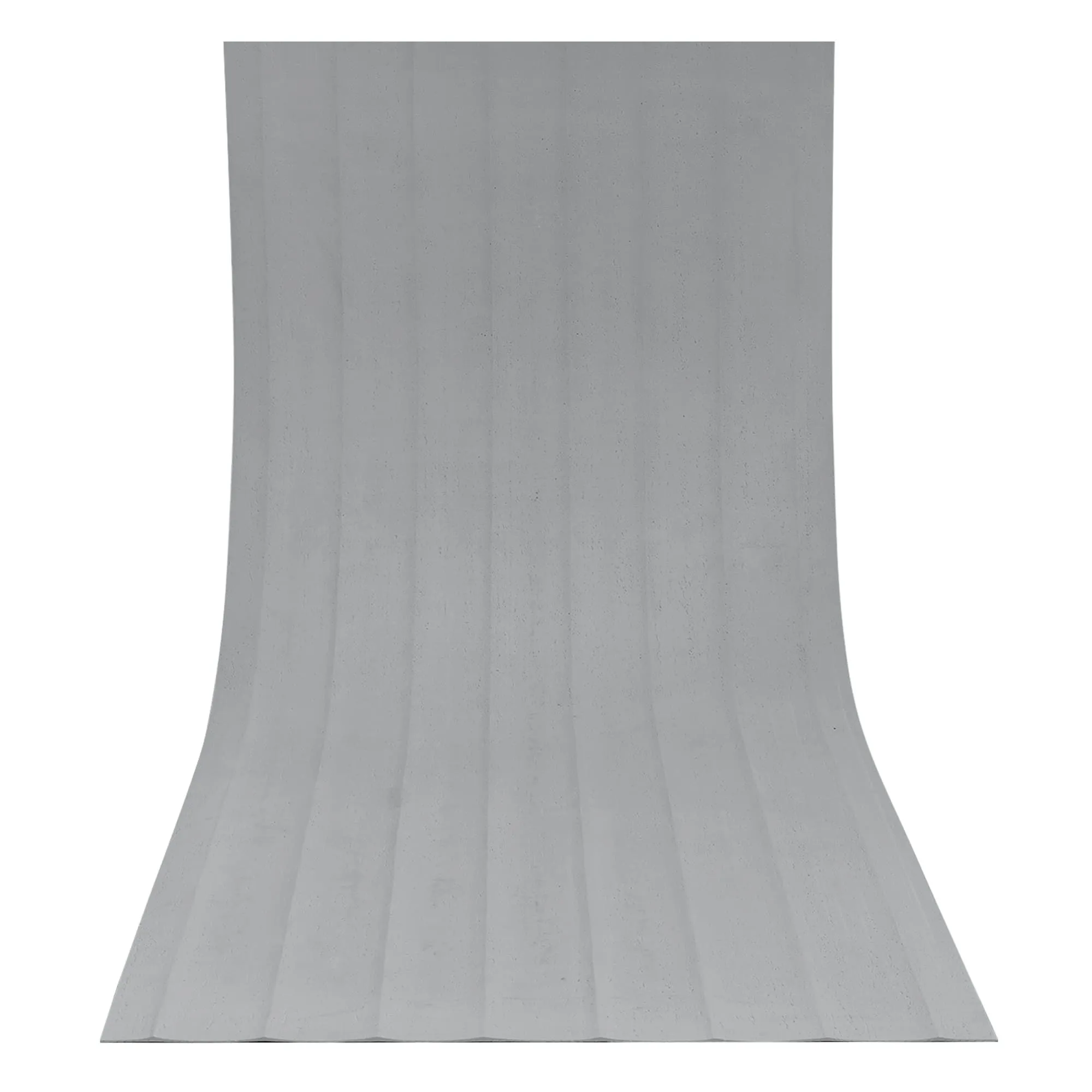
To truly understand the innovation behind COLORIA's wave panels, we must first understand the material itself: MCM, or Modified Cementitious Material . This is not your standard concrete or cladding. MCM is a revolutionary composite material born from decades of research and refinement. It's a testament to COLORIA's commitment as a one-stop solution provider for the architectural materials industry.
MCM is created by combining natural inorganic materials like soil, sand, and stone powder with a minimal amount of water-based binders and modifying agents. This mixture undergoes a unique, low-temperature curing process. The result is a material that is surprisingly lightweight, flexible, and yet incredibly durable. It can be molded into virtually any shape, texture, or form, making it the perfect medium for creating intricate designs like wave panels.
COLORIA GROUP isn't just a manufacturer; it's an end-to-end partner. With deep industry experience and a global presence, including a dedicated agency in Saudi Arabia, the company understands the complexities of both residential and commercial projects. This holistic approach ensures that from concept to installation, the process is smooth and reliable. In construction, an unforeseen snag can bring progress to a halt, much like a Failed to open stream error in the digital world. COLORIA's integrated service model is designed to prevent such bottlenecks, ensuring a continuous flow of materials and support.
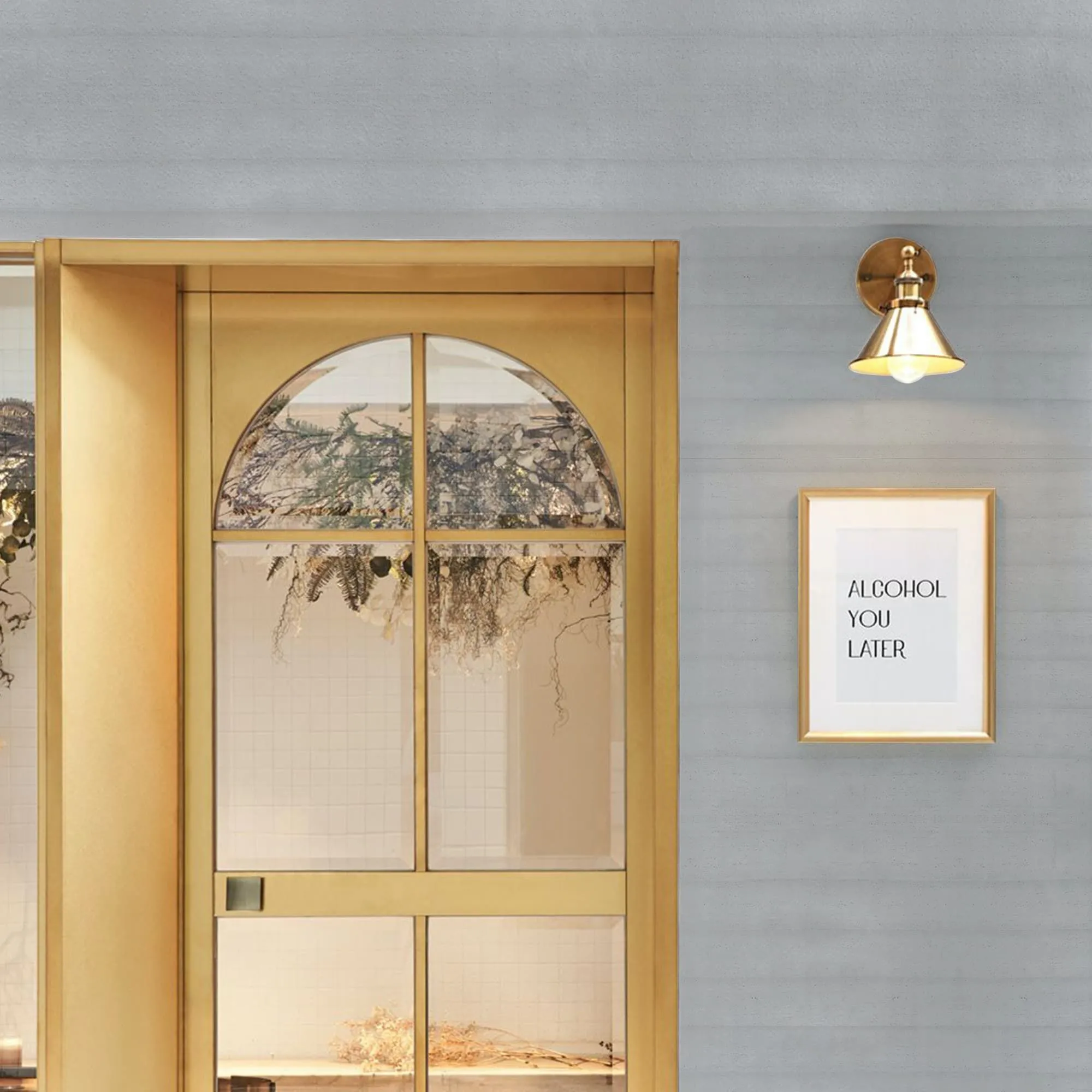
The most direct and exciting application for creating wave panels within COLORIA's portfolio is the MCM 3D Printing Series . This is where technology and artistry converge. While the term "3D printing" might conjure images of small plastic objects, in this context, it refers to an advanced manufacturing process where MCM material is precisely shaped and textured based on digital models.
This technology allows for an unparalleled level of customization. Architects and designers are no longer limited to off-the-shelf patterns. They can create their own unique wave designs—subtle and gentle, bold and dramatic, or anything in between. The digital precision ensures that every panel is a perfect replica of the intended design, allowing for seamless installation over large areas. The process is so refined that a project avoids the pitfalls of mismatched patterns or quality inconsistencies—scenarios that in other fields might be described as an operation failed . With COLORIA's MCM 3D Printing, the design intent is executed flawlessly.
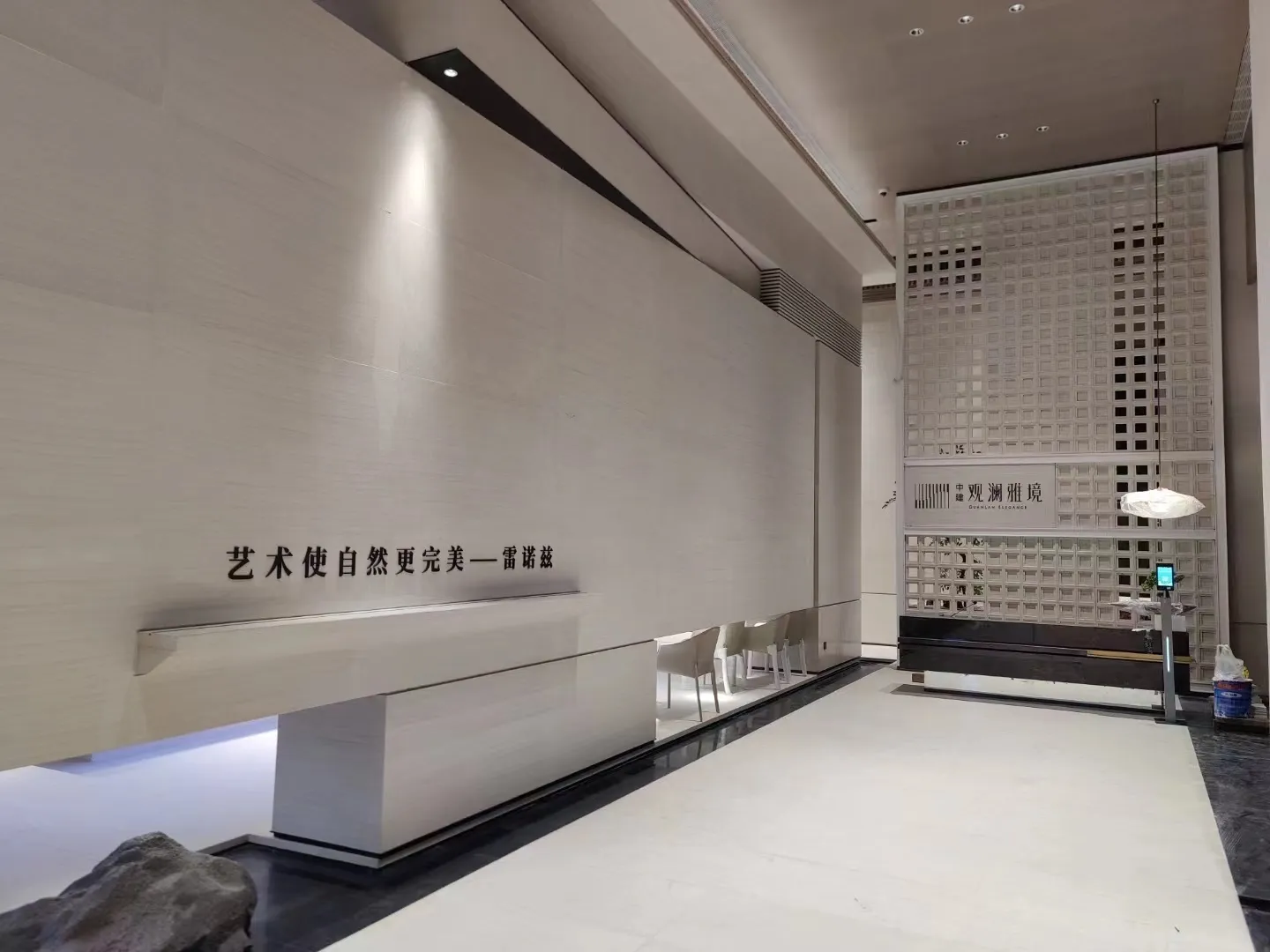
While the 3D Printing series is purpose-built for such intricate designs, the versatility of MCM means that other product lines from COLORIA can also be used to create stunning, textured effects reminiscent of wave patterns.
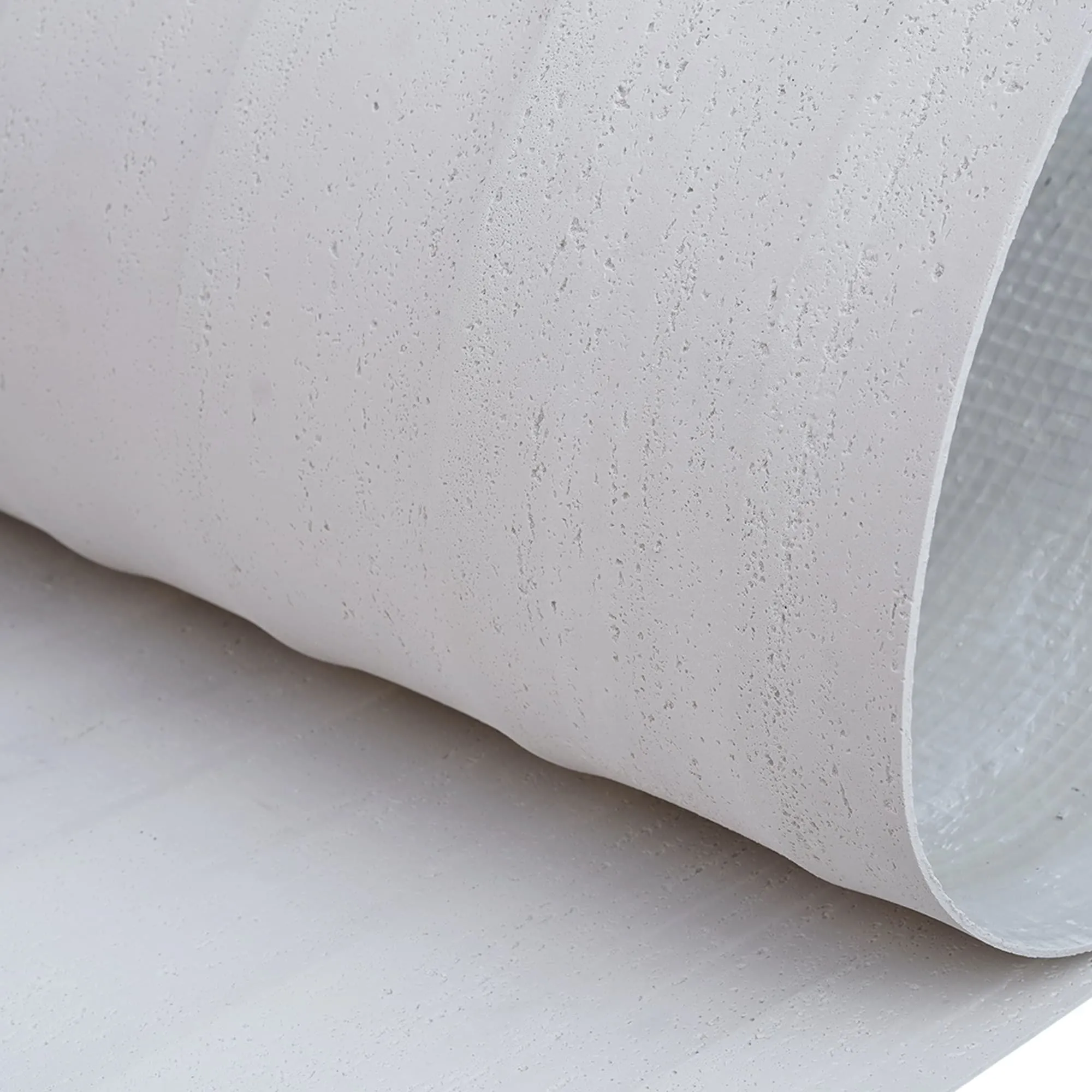
Imagine a material that has the timeless beauty of natural stone but is as flexible as a thick sheet of leather. That is MCM Flexible Stone . While not typically molded into deep wave patterns, its inherent textures and ability to conform to curved surfaces allow it to create a more subtle, organic sense of flow and movement. It can be applied to undulating substrates, wrapping them in a seamless stone finish that would be impossible with rigid stone slabs. This "soft" approach to texture offers a different, but equally compelling, interpretation of a dynamic surface. It captures the essence of natural formations, providing a connection to the earth while enabling modern design ambitions.
For large-scale projects, the MCM Big Slab Board Series and MCM Project Board Series offer robust solutions. These panels are engineered for performance on vast exterior facades and high-traffic interior spaces. While often supplied with finishes that mimic stone, wood, or brick, they can also be produced with customized textures. Lighter, more subtle wave or ripple patterns can be integrated into these large-format boards, creating a sophisticated and elegant effect over an entire building envelope. The advantage here is the combination of aesthetic appeal with practical performance: these boards are fire-resistant, weather-resistant, and easy to install, reducing construction time and costs.
"The future of architecture is not just about form, but about feeling. Materials like COLORIA's MCM allow us to design spaces that engage the senses, creating environments that are not just seen, but experienced. The wave panel is a perfect example of this philosophy in action."
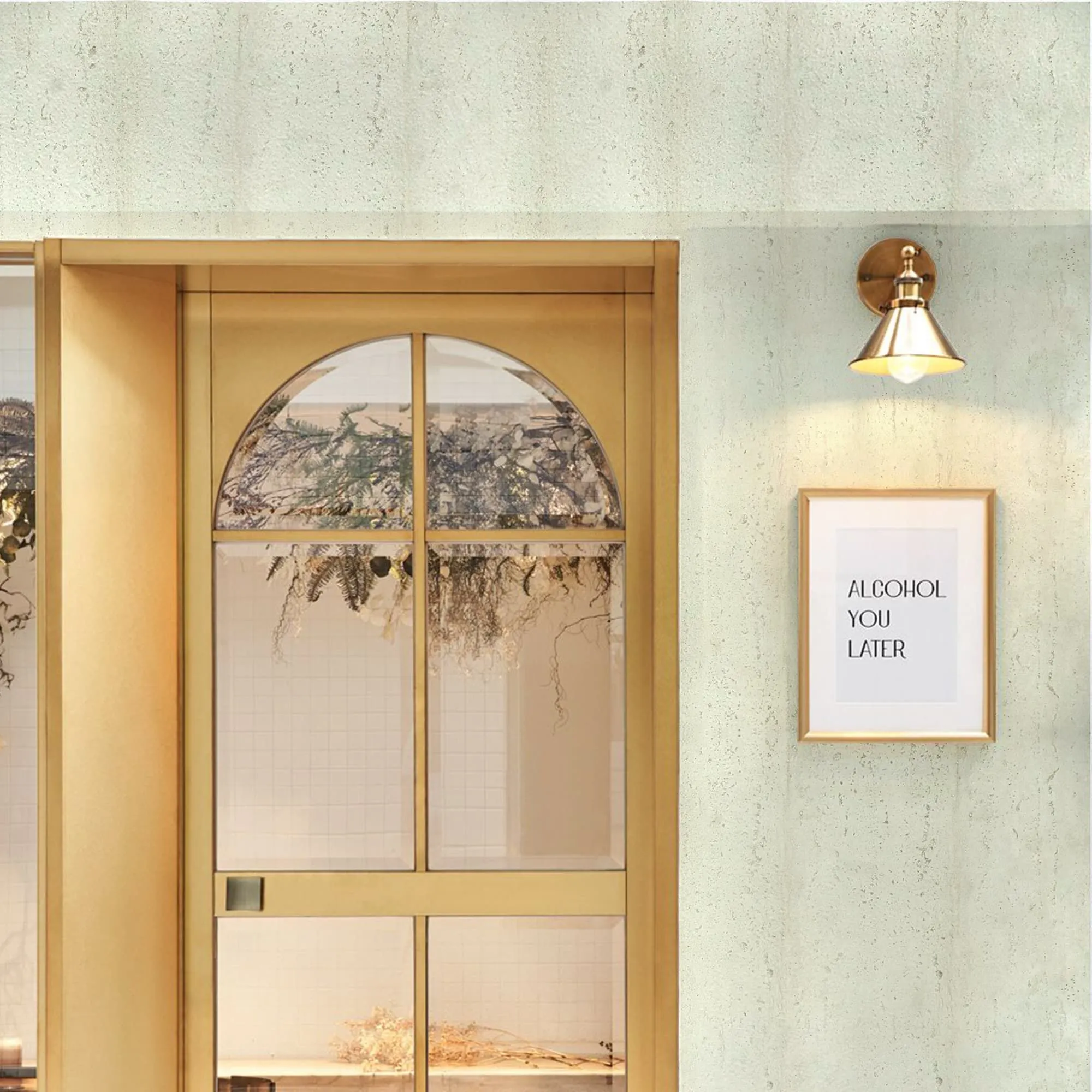
Choosing COLORIA's MCM wave panels over traditional alternatives is a decision rooted in practicality, sustainability, and creative ambition. The benefits extend far beyond the initial visual impact. Let's break down why this technology represents a paradigm shift.
| Feature | COLORIA MCM Wave Panels | Traditional Materials (e.g., Carved Stone, GFRC) |
|---|---|---|
| Weight | Extremely lightweight (approx. 4-8 kg/m²). Reduces structural load, transport costs, and installation labor. | Very heavy. Requires significant structural support, heavy machinery for lifting, and higher transport costs. |
| Flexibility | Highly flexible. Can be bent to conform to curved walls, columns, and complex architectural shapes without cracking. | Rigid and brittle. Cannot be bent. Curved applications require expensive, custom pre-casting or carving. |
| Customization | Virtually unlimited. Digital 3D printing allows for bespoke designs, textures, and patterns with perfect precision. | Limited by tooling, molds, and the skill of artisans. Customization is slow and very expensive. |
| Installation | Fast and simple. Can be cut on-site with a utility knife and applied with a special adhesive. Less labor-intensive. | Slow and complex. Requires mechanical fixing, specialized teams, and heavy equipment. |
| Sustainability | Eco-friendly. Made from natural inorganic materials with a low-temperature, low-emission production process. Fully recyclable. | Often energy-intensive (quarrying, firing, cement production). Generates more waste and has a larger carbon footprint. |
| Durability & Safety | Class A fire-rated, waterproof, freeze-thaw resistant, and UV stable. Safe for both interior and exterior use. | Varies. Natural stone can be porous and susceptible to staining. Concrete can be prone to cracking. |
In an era where green building is not just a trend but a necessity, the environmental credentials of a material are paramount. COLORIA's MCM technology excels in this regard. The production process uses significantly less energy compared to the high-temperature firing required for ceramics or the production of traditional cement. Its primary components are natural and abundant. Furthermore, its lightweight nature drastically reduces the carbon footprint associated with transportation. At the end of its long life, MCM material can be recycled and repurposed, contributing to a circular economy in the construction industry. This commitment to the planet is a core tenet of the COLORIA GROUP identity. When a project's green credentials are being evaluated, using MCM is like having an automatic pass, avoiding the kind of scrutiny that might lead to a certificate verify failed situation on a sustainability audit.
A beautiful façade is worthless if it cannot withstand the elements. COLORIA's MCM products are engineered for longevity. They are put through rigorous testing to ensure they can handle extreme weather conditions, from the intense sun of the Middle East to the freeze-thaw cycles of colder climates.
So, what is a wave panel? In the context of COLORIA's innovation, it is far more than just a textured wall covering. It is a symbol of a new era in architectural design—an era of freedom, fluidity, and responsibility. It represents the dissolution of boundaries between artistic vision and practical execution.
Through its advanced MCM (Modified Cementitious Material) technology—from the bespoke artistry of the 3D Printing Series to the organic beauty of Flexible Stone —COLORIA GROUP empowers architects and designers to build the impossible. It allows them to create spaces that are not only visually stunning but also lighter, safer, more sustainable, and more efficient to construct.
As a dedicated one-stop solution provider, COLORIA offers the materials, the expertise, and the global support network to ensure every project is a success. By turning the challenges of weight, rigidity, and environmental impact into opportunities for innovation, COLORIA is not just selling a product; it is offering a new way to think about building. The wave panel is just one manifestation of this powerful philosophy, proving that the future of architecture is dynamic, intelligent, and beautifully textured.
Recommend Products











